|
Council of Producers & Distributors of Agrotechnology
Terry Kippley, CPDA
| | |
Over the last two weeks there have been several positive and significant developments related to the Pesticide Registration Improvement Act (PRIA) and the backlog of PRIA and non-PRIA regulatory submissions. The latest news is the May 2 announcement by EPA Administrator Lee Zeldin that EPA’s Office of Chemical Safety and Pollution Prevention (OCSPP) will reorganize and add staff to the Office of Pesticide Programs (OPP). This is an important announcement as it acknowledges what we have been saying since the passage of PRIA-V in 2022. That is, OPP is seriously understaffed and underfunded.
CPDA members, the CPDA Board of Directors and our staff have worked hard over the past 4 months to make these improvements happen and I thought it would be instructive to walk through the steps we have made in this year alone.
| | |
Early Outreach to EPA Administrator Lee Zeldin
Administrator Zeldin was confirmed by the Senate on January 29. Shortly thereafter, the PRIA Coalition, of which CPDA is a member, began its outreach to Mr. Zeldin alerting him to the negative effects of the regulatory backlog at OPP.
Our plea was simple. Over half a billion dollars’ worth of CPDA member products and essential crop protection tools sit in regulatory limbo at EPA. This backlog isn't just a number—it represents delayed innovations and proven technologies that farmers need and consumers ultimately benefit from.
Under PRIA V, OPP should receive $166 million in annual funding. Unfortunately, the office is currently receiving only about 80% of that amount ($134 million). With an underfunded OPP, there is no predictability for the pesticide registration and approval process.
| | |
CPDA Washington DC Fly-In
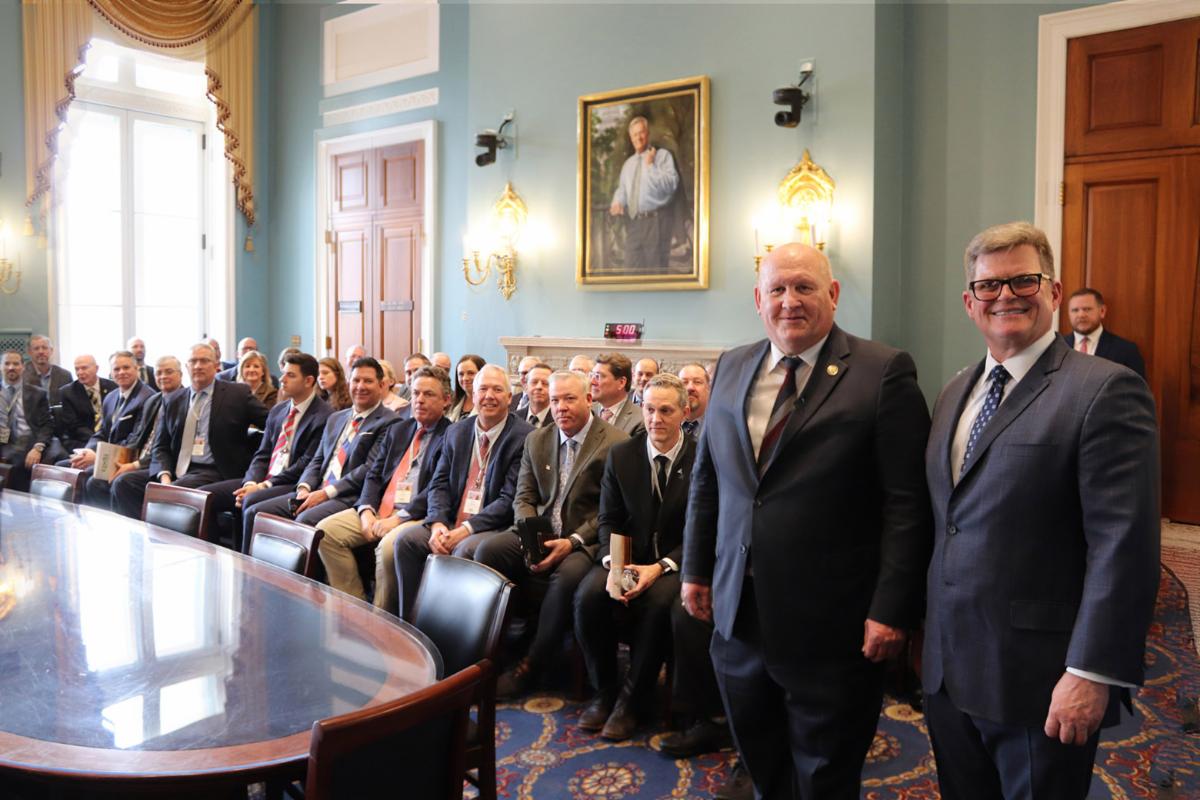
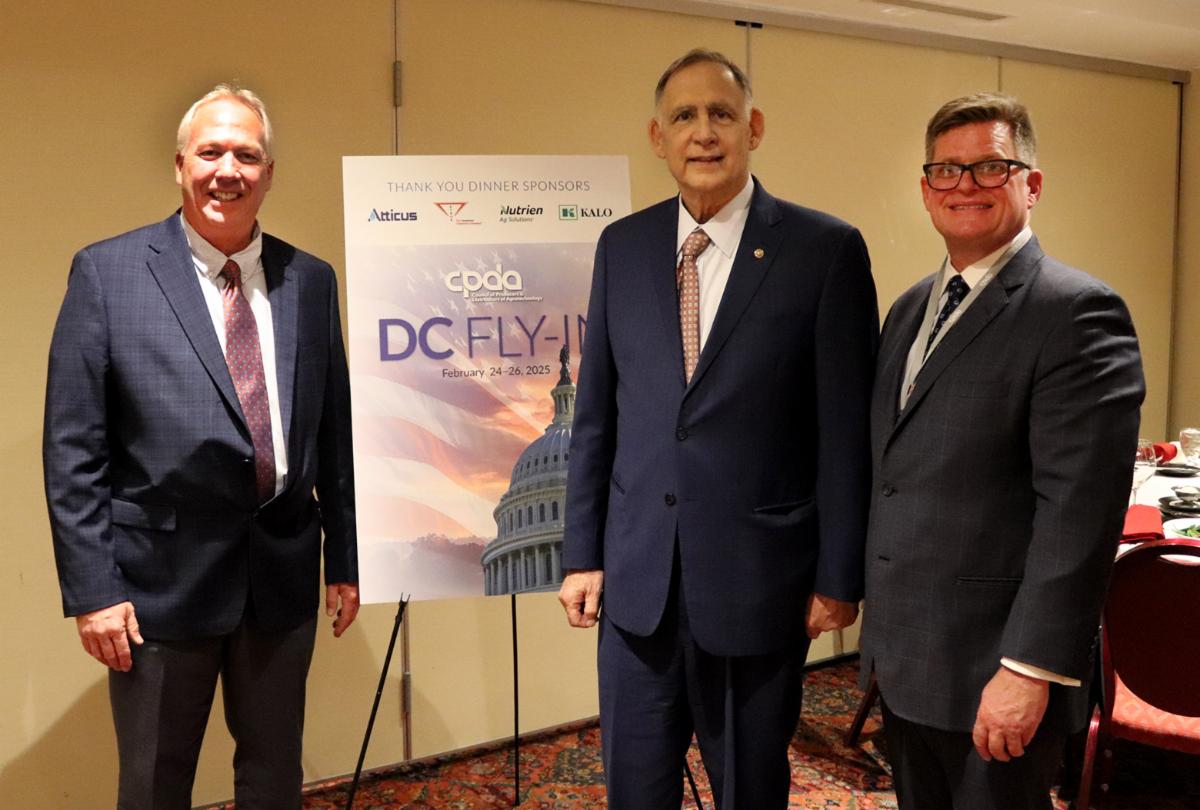
In early March, a record number of CPDA members traveled to Washington DC to advocate on behalf of three issues: a new Farm Bill, Endangered Species Act pesticide restrictions and adequate funding for OPP to reduce and eliminate the backlog of regulatory submissions.
We met with a number of key leaders, including House Agriculture Committee Chairman G.T. Thompson and Senate Agriculture Committee Chairman John Boozman.
| House Agriculture Committee Chairman G.T. Thompson, Terry Kippley, and the Fly-In attendees. | | CPDA Board Chairman Terry Abbott, Senate Agriculture Committee Chairman John Boozman (R-AR), and Terry Kippley, CPDA President & CEO. | | |
On the last day of the Fly-In, CPDA members traveled to EPA headquarters for a listening session with OPP. OPP director Ed Messina led the EPA group which included members of his senior staff.
The listening session also provided CPDA with an opportunity to walk through some of our ideas for collaboration with OPP to reduce the PRIA backlog while protecting the scientific integrity of the registration process. This discussion was led by Dr. Dave Bolin of Invictus, Chair of CPDA EPA Working Group.
| | |
March 15 White House Meeting
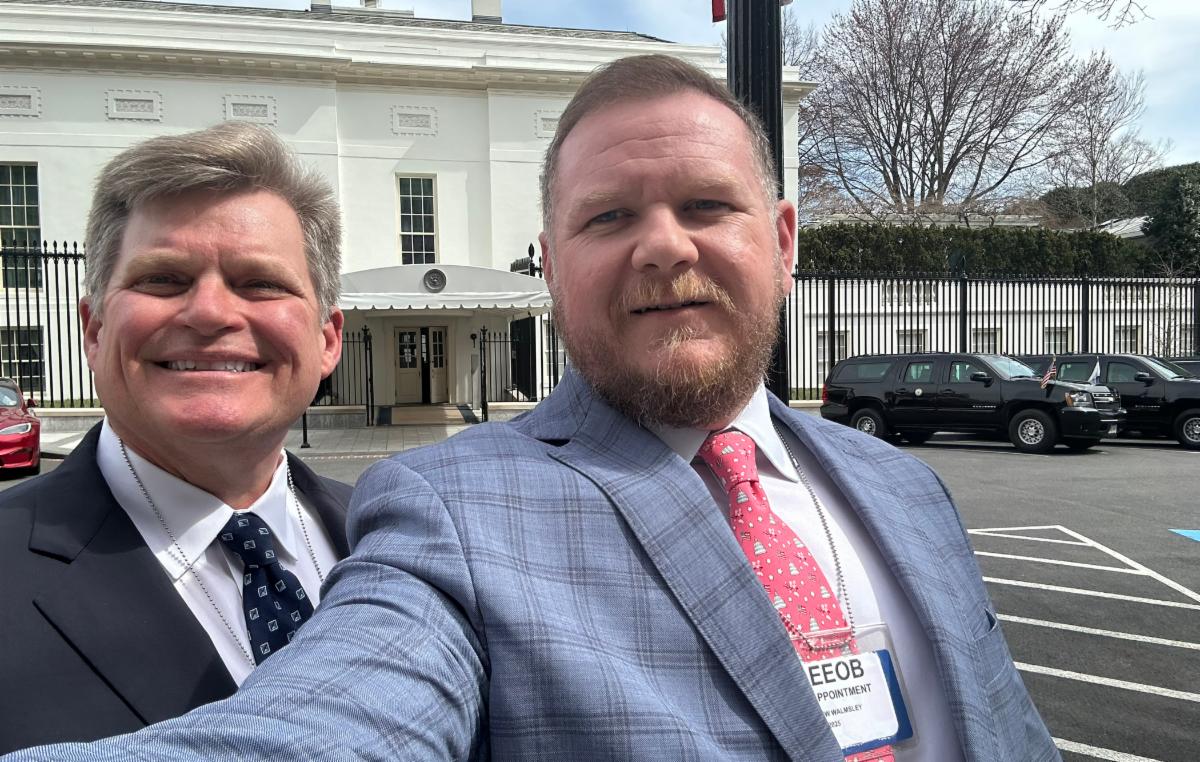
On March 15, Andrew Walmsley, CPDA’s Vice President of Government Relations, and I met with White House staffers at the Eisenhower Executive Office Building to discuss the importance of a fully functioning and productive Office of Pesticide Programs. Our key points focused on the need for a more predictable and efficient regulatory process, which benefits farmers while delivering new technologies to the marketplace. The staffers emphasized that CPDA’s priorities are in alignment with President Trump’s, which seeks outcomes that support American farmers and ranchers.
| | |
Zeldin Responds on National Agriculture Day
On March 18, Administrator Zeldin commemorated National Agriculture Day by celebrating “America’s rich agricultural history, and the critical role farmers and ranchers play as stewards of our land and natural resources, while providing Americans with a safe, abundant, and affordable food supply.”
Zeldin went on to say: “EPA is working to improve the speed and efficiency of our review of new pesticides while protecting human health and the environment, to help our farmers grow more food and protect crops from pest damage, diseases, and weeds.”
| | |
March 31 PRIA Coalition letter to Zeldin
Recognizing the importance of Administrator Zeldin’s comments about the importance of the timely review of pesticide products, the PRIA Coalition followed up his remarks by sending him a letter stressing the importance of a fully funded OPP. The letter states, in part: “This proposed funding for pesticide licensing is critical in registering and permitting the use of new and innovative pesticide products that protect our food supply, the public health, infrastructure and green spaces. We are grateful that you recognized the importance of these products when laying out the five pillars that will guide EPA’s work over the first 100 days and beyond. We support and applaud the work that you and the Office of Pesticide Programs are undertaking to make the pesticide permitting process more efficient, but the goal of meeting the law’s prescribed timeframes for registration and registration review cannot be fully realized unless OPP is provided with sufficient staff and the additional resources required under the law.”
| | |
April 4 Agri-Pulse Editorial
Following up on these actions, Agri-Pulse published an editorial I had written urging Congress to do its part to ‘honor the deal’ they had made following the passage of PRIA V. In PRIA V, industry had agreed to contribute more to the Pesticide Program while Congress had agreed to give OPP the funding it needed. I said, “A well-resourced, transparent, and science-based pesticide regulatory program is critical to farmers, consumers, and crop protection businesses alike. Farmers need a steady stream of new and existing tools to address their farm-specific pest control needs. Consumers need a regulatory system that safeguards our food supply. And crop protection businesses need predictable review timelines to make critical planning decisions that keep the supply of new and existing pesticide products available in the marketplace. We can do all three if EPA OPP has the resources and money it needs.”
| | |
Working With Congressional Appropriators
CPDA’s part of the PRIA V deal was to work with Congressional appropriators to get OPP the money it needs to staff up and deal with the PRIA backlog. To that end, below is the list of the 28 appropriations requests CPDA has submitted so far. These are in addition to the requests submitted by the PRIA Coalition. More requests are coming as some members have not opened their portals to these requests.
| | |
Office of Chemical Safety and Pollution Prevention Reorganization
On May 2, the EPA announced several significant organizational changes at the Office of Chemical Safety and Pollution Prevention (OCSPP), which includes OPP.
Specifically, OCSPP will gain more than 130 scientific experts to work directly on the backlogs of over 504 new chemicals in review that are beyond the statutorily required timeframes and over 12,000 pesticide reviews that are well beyond their expected timelines.
| | |
May 9 Zeldin Letter
To thank EPA for the OCSPP and OPP reorganization announcement, the PRIA Coalition sent Administrator Zeldin a letter thanking him for strengthening OCSPP “and to add staff to the Office of Pesticide Programs (OPP) to address the over 12,000 pesticide reviews that are well beyond their statutory timelines. We hope this reorganization represents meaningful progress toward addressing the pesticide registration backlog and improving the transparency and efficiency of the regulatory process.”
In addition, the letter states: “A fully funded, transparent, and science-driven OPP is essential to ensuring that growers, public health professionals, facility managers, animal caretakers, consumers, and other users have access to the critical tools they need to protect our public health, food supply, natural resources, infrastructure, and green spaces from pests.”
| | |
CPDA Press Release
Following EPA’s reorganization news, CPDA issued a press release where I thanked EPA for this news. I said, “The addition of more than 130 new staff to OCSPP, including critical support for pesticide registration reviews, is a welcomed step. We look forward to seeing these changes translate into faster, more predictable regulatory timelines that serve both growers and public health professionals.”
| | |
May 14 Senate Appropriations Hearing
On May 14, EPA Administrator Lee Zeldin appeared before the Senate Appropriations Subcommittee on Interior to discuss the Agency’s FY26 budget request. During the hearing, Senator Deb Fischer (R-NE) acknowledged EPA’s ongoing efforts to address the pesticide registration backlog and entered into the official record the recent PRIA Coalition letter.
| | |
What’s Next?
While we have made progress to address the PRIA backlog, there’s more to do. Dr. Dave Bolin who leads our CPDA Working Group continues its collaborative work with EPA on process improvements. Andrew Walmsley is the Co-Chair of the PRIA Coalition’s Legislative Committee where fully funding OPP through the appropriations process is ongoing.
In closing, these improvements don’t come by accident. They are due to member involvement and the people who have picked up the phone, written a letter, contributed to our Political Action Committee or attended a meeting. We heard from former Congressman Peter Roskam during this year’s Adjuvant, Inerts and Crop Protection Conference that “one person can make a difference.” Based on what we have seen so far in 2025, that is so true. Thanks for your support!
| | | | |