|
Council of Producers & Distributors of Agrotechnology
Terry Kippley, CPDA
| | |
Discounted room block ends Friday, September 5th — Secure your spot today & be part of the conversation that matters.
Join us for three days of unmatched industry insights and high-impact networking as we team up with CropLife America for joint general sessions that bring together the voices driving policy, innovation, and progress.
This meeting is all about Elevating Our Voice and amplifying our collective impact — with regulators, on Capitol Hill, and across the entire agriculture industry. Don’t miss this opportunity to shape the future of agriculture!
September 28 – October 1, 2025 Grand Geneva Resort & Spa, Lake Geneva, WI
| | |
CropLife Magazine Highlights CPDA-CLA Joint Annual Meeting
CropLife Magazine lent a helping hand in promoting the first-ever CPDA/CropLife America joint annual meeting by publishing an article I wrote highlighting the importance of our partnership. The piece underscored the importance of this partnership, and our annual meeting theme, “Elevating Our Voice,” reflects our collaboration.
In the article, I listed our priorities for this meeting, to include the passing of the gavel from Chairman Terry Abbott to Patrick Ewan of Helena and the CPDA’s award winners. We will also have updates on Drift Reduction Adjuvants (DRAs), Endangered Species Act (ESA) strategies, PRIA backlog solutions, Farm Bill developments, and the latest news from the states. Our Keynote Speaker will be Kyle Kunkler, EPA’s Deputy Assistant Administrator, who will bring us the latest update on agency priorities.
| | |
Enlist Registration Challenged
Environmental groups have asked a federal court to “vacate” the herbicide registrations for Enlist One and Enlist Duo. In a motion for summary judgment, they allege that EPA understated the associated health risks while overstating the products' effectiveness in combating weeds.
EPA has until Oct. 20, 2025, to file a response in opposition to the motion for summary judgment. The Enlist registrant, Corteva, will have until Nov. 3, 2025, to file its responses.
If the court agrees to “vacate” the registrations, it will make the products unavailable for sale or distribution in the U.S.
| | |
Tariffs Threaten Higher Costs for Ag Inputs
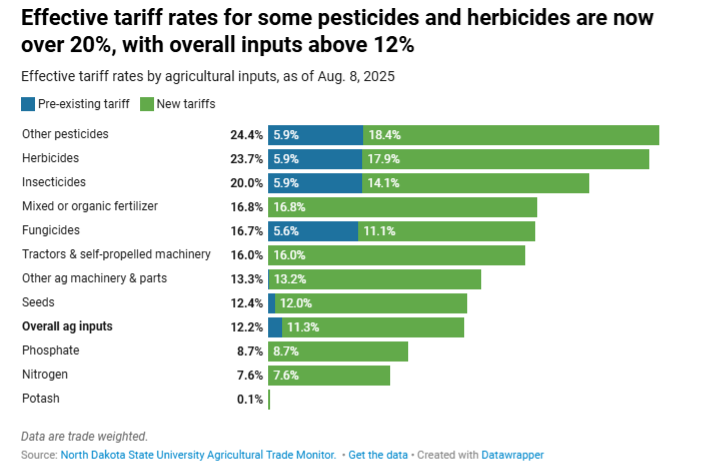
According to a new North Dakota State University analysis, the effective tariff rate on ag inputs has jumped from 1 percent to 12 percent under the Trump Administration’s tariff actions. Pesticides face some of the steepest increases, with certain categories rising to nearly 25 percent, while specialized imports from China and India are among the most affected.
| |
These higher costs will ripple through the supply chain, increasing expenses for farmers, retailers, and ag businesses that depend on crop protection products.
We are closely tracking these developments and working alongside CropLife America on strategies to address the issue to ensure policymakers understand the impact on the farm economy.
| | |
Register for EPA’s Webinar on Mitigation Measures to Protect Endangered Species from Pesticides
EPA will host a public webinar on September 16 at 2:00 PM ET to walk pesticide users through its updated ESA mitigation menu, including runoff/erosion and spray drift measures designed to protect listed species.
The session will assist growers as they navigate the online menu, use the new Pesticide App for Label Mitigation (PALM) tool, and select mitigation options that work best for their farm. CPDA has been working closely with EPA through monthly ESA outreach meetings and is partnering with the Agricultural Retailers Association, CLA, the National Association of State Departments of Agriculture, and others to develop outreach and educational resources for growers and applicators, including the recognition of drift reduction adjuvants as mitigation measures.
| | |
Technical Service Providers: A New Opportunity for Ag Retailers
Recent USDA changes allow Certified Crop Advisors (CCAs) to qualify as Technical Service Providers (TSPs), which will allow them to assist growers in qualifying for Natural Resource Conservation Service (NRCS) conservation programs and dollars.
Currently, there is a shortage of TSPs, which has hindered USDA’s ability to fully implement Congressionally authorized conservation programs. This change will allow Retailer CCAs and others to help farmers access USDA conservation programs through one-on-one technical assistance. TSPs can help producers develop grazing management plans, nutrient management plans, improve water quality, reduce erosion, and enhance soil health.
To make this happen, CPDA is working with Byron Hendrix of Agronomy 1st to highlight the value for members in becoming TSP. Of particular focus is NRCS practice standard 595, where the use of Drift Reduction Adjuvants can be recognized as part of conservation plans.
To make this happen, CPDA is working with Byron Hendrix of Agronomy 1st to highlight the value for members in becoming a TSP. Of particular focus is NRCS practice standard 595, where the use of DRAs can be recognized as part of a farm’s conservation plans.
This work positions CPDA members to support grower/customers in accessing Conservation Stewardship Program and Environmental Quality Incentive Program funding while also reinforcing the role of adjuvants in meeting environmental and stewardship goals. It provides a new way for members to engage with local NRCS offices, deliver value to farmer clients, and strengthen business opportunities.
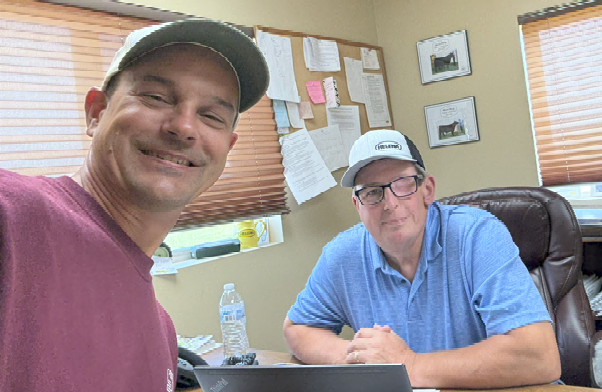
| Bryon Hendrix, Agronomy 1st LLC and Tom Seabloom of Helena | | |
EPA InertFinder Database: Potential Industry Role
EPA’s InertFinder database has been “frozen” since February 2024 due to outdated software. As a result, the information in the database is not up to date, nor does it contain any corrections to false information.
In June 2025, the Agency issued a one-time “static update” of 294 additions, primarily tolerance exemptions for fragrance ingredients already approved for antimicrobial use. EPA has indicated it will continue posting quarterly static updates until a full rebuild of the system can be completed.
However, the rebuild faces significant obstacles. Staff within the Office of Research and Development who had been working on the project struggled to migrate data from the old system. On top of that, many have since been reassigned or left the Agency following the recent federal employee buyout. Given these challenges, it is unlikely that restoring InertFinder will be prioritized within OPP anytime soon.
This poses a growing risk for the industry. Without a reliable and current source of inert ingredient information, pesticide registrations face increased risk of delay, rejection, or inconsistent handling. That uncertainty threatens product approvals and could ultimately impact member sales and customer confidence.
In light of this, we have had an internal discussion on whether CPDA should take on some responsibility for developing and maintaining a viable, up-to-date system for inert ingredient information in partnership with EPA.
If you have thoughts on this, please contact me.
| |
CPDA Partnership with Meister Media on Adjuvant Use
CPDA is collaborating with Meister Media Group (CropLife Media, Cotton Grower, and related brands) on a new farmer and applicator survey focused on adjuvant use. The survey includes questions on awareness, adoption, and practical experience with drift reduction adjuvants (DRAs) and other mitigation practices. Preliminary results will be shared during our annual meeting on September 29, with final findings published in a special Tech Guide report in December.
This initiative will provide valuable insights into grower and applicator perspectives, inform CPDA’s advocacy around the role of adjuvants, and help strengthen industry messaging by grounding it in real-world use and perceptions.
| |
American Fruit Grower Collaboration on Adjuvants
We are in the beginning stages of a discussion with the editors of American Fruit Grower magazine, Thomas Skernivitz and David Eddy, to establish a collaborative relationship similar to the one we maintain with CropLife magazine. The publication is preparing to feature adjuvants beginning with an “Adjuvants 101” article from Wilbur-Ellis expected to appear in the November issue.
Looking ahead, American Fruit Grower plans to spotlight adjuvants in at least two 2026 issues (April and October). At least one of these features will highlight a fruit grower (pome, stone, berry, grape, or nut) sharing first-hand experience and success using adjuvants. This presents CPDA with a valuable opportunity to expand outreach and visibility in specialty crop markets.
Members interested in contributing or suggesting grower contacts please reach out to me.
| |
NAAA-Led AGDISP Modernization Project
The National Agricultural Aviation Association (NAAA) has secured $35,000 in funding from The Cotton Foundation to advance the AGDISP Modernization Project. AGDISP is the EPA model used to assess spray dispersion in the environment and serves as the foundation for AgDRIFT, which EPA also relies on for drift modeling.
The project will re-code AGDISP into a modern, well-supported programming language to improve accuracy, expand potential use cases, and recognize the benefits of new drift reduction technologies. A modernized model will help ensure EPA risk assessments better reflect real-world application practices and could result in more flexible, science-based label requirements. Importantly, AGDISP will remain publicly available and open sourced, allowing EPA, researchers, and technology developers to use and adapt it.
CPDA has been engaged with NAAA throughout this effort, and NAAA President Andrew Moore will brief the CPDA Board on the project during our upcoming annual meeting. This work is critical to preserving access to crop protection tools across aerial, ground, and airblast applications while strengthening the industry’s ability to demonstrate stewardship through technological advancements.
| |
CPDA Submits Comments on Dicamba
Last week, CPDA submitted detailed comments to EPA on its proposed decision regarding over-the-top (OTT) dicamba use in dicamba-tolerant cotton and soybean. Our comments emphasized the importance of dicamba as a critical tool for growers facing herbicide-resistant weeds and urged EPA to adopt a more science-based framework for volatility reduction agents (VRAs), provide clarity on DRA qualifications, and reconsider restrictive timing and tank-mix limitations.
Special thanks go to CPDA members Eric Spandl of WinField United, Chairman Terry Abbott, and Connor Ferguson of Wilbur-Ellis, whose expertise helped shape our position.
By weighing in during the public comment period, CPDA reinforced its leadership role in advocating for workable, science-driven pesticide regulations that balance grower needs with environmental stewardship.
| |
EPA Exploring AI to Address Backlog
EPA’s Office of Pesticide Programs is testing the use of Amazon Bedrock, a generative AI platform, to improve efficiency in pesticide registration reviews.
To demonstrate how this would work, OPP used Data Evaluation Records (DERs) as an example. DERs are summaries of scientific studies that can take OPP four months or longer to complete manually. However, using AI, they can be generated in seconds. If approved by EPA’s IT department, the tool could be implemented by Fiscal Year 2026 and has the potential to save significant time and resources while helping reduce the registration backlog.
This effort aligns with CPDA’s advocacy for a more predictable and efficient regulatory process. We have consistently called for modernization and better use of technology to help EPA meet the needs of both farmers and industry while ensuring strong environmental protections.
| |
CPDA Advocates for Rural Infrastructure Investment to Support Agriculture and Rural Economies
CPDA joined 60 agricultural organizations in supporting the Agricultural and Rural Road Improvement Program Act (H.R. 4585). The coalition letter to the House Transportation and Infrastructure Committee called for $1.5 billion in federal highway formula funds to modernize rural roads and bridges that serve as critical first and last mile connections.
These improvements are essential not only for farmers but also for ag retailers, suppliers, and rural businesses that depend on efficient, safe, and reliable transportation. With 80 percent of weight-restricted bridges located on local roads, and USDA noting that the first and last miles of farm deliveries are the costliest, targeted federal investment would reduce delays, lower costs, improve safety, and strengthen supply chains across rural America.
| |
Insight into EPA’s Workload
EPA recently informed a federal court that it plans to respond to a 2021 petition from environmental groups seeking cancellation of 13 organophosphate insecticides. While the litigation continues, the case provides a clearer picture of the workload and pressures facing OPP and the implications for the regulatory backlog.
According to court filings, OPP is responsible for completing registration reviews for 799 pesticides by October 2026, including 477 conventional pesticides. Beyond registration review, EPA processes between 10,000–20,000 pesticide actions annually, with over 1,500 new or amended applications each year subject to PRIA timelines. The Agency must also meet ESA compliance obligations, which could require hundreds of consultations in the coming decade.
The case underscores how court-driven deadlines, coupled with ESA obligations and routine FIFRA work, are stretching OPP resources. These competing demands highlight why protecting appropriations for OPP and reducing the backlog remain key CPDA priorities.
| |
CPDA’s Capitol Connection
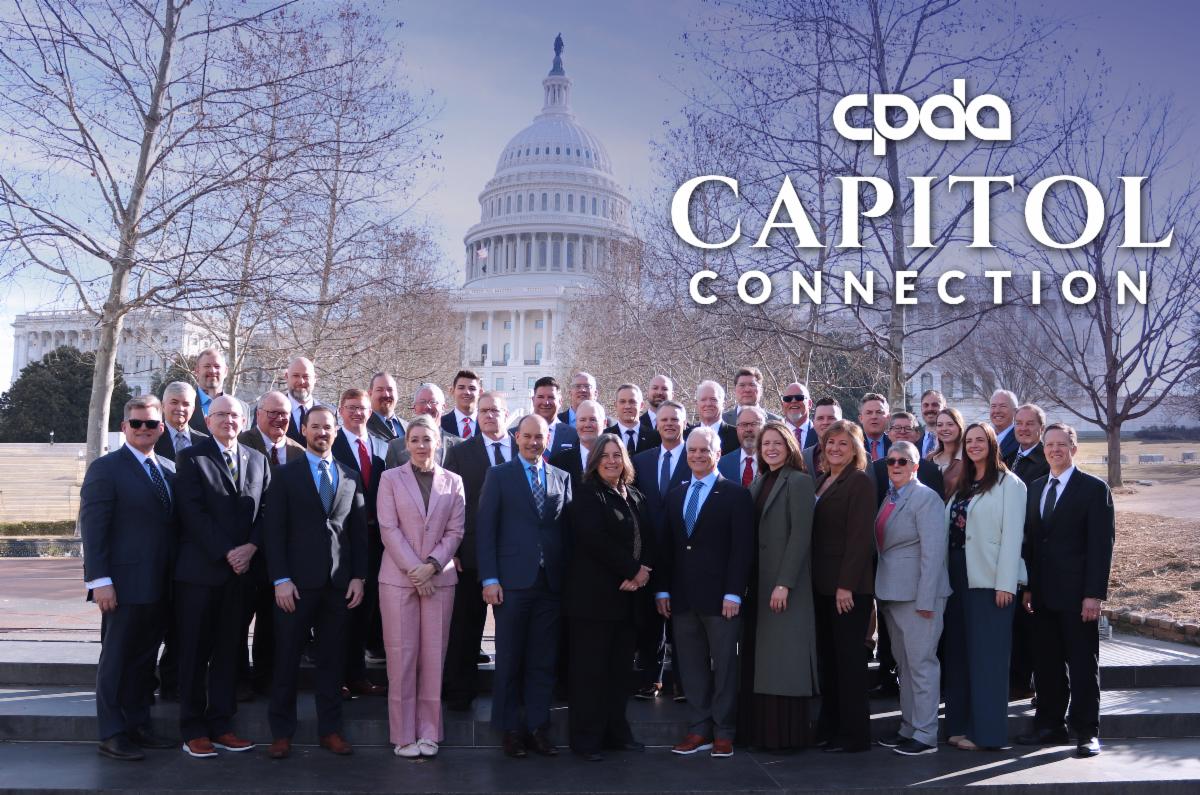
At CPDA, our commitment to advocacy and member support remains at the core of everything we do. CPDA’s Capitol Connection is your go-to source for quick, essential updates on policies and regulations impacting your business—in just two minutes. Each week, we’ll break down the most pressing issues affecting our industry, offering valuable insights into both state and federal initiatives.
The latest Capitol Connection can found on our website and LinkedIn page.
| | | September 16, 2025 | Keller and Heckman Annual Practical Primer on Pesticides
Indianapolis, IN | | September 28, 2025 | CPDA Annual Meeting
Lake Geneva, WI | | October 5, 2025 | Western Plant Health 2025 Annual Meeting
San Diego, CA | | October 7–9, 2025 | ASTM International Symposia & Workshops
Atlanta, GA | | October 28, 2025 | Faegre Drinker 2025 Food and Agribusiness National Conference
Minneapolis, MN | | March 2–4, 2026 | CPDA DC Fly-In
Washington, D.C. | | April 27, 2026 | CPDA Adjuvants, Inerts & Crop Protection Conference
Austin, TX | | | | | |