News and Opportunities To Learn & Grow


Get to Know Dr. Kathy Hill

Director of CSATS

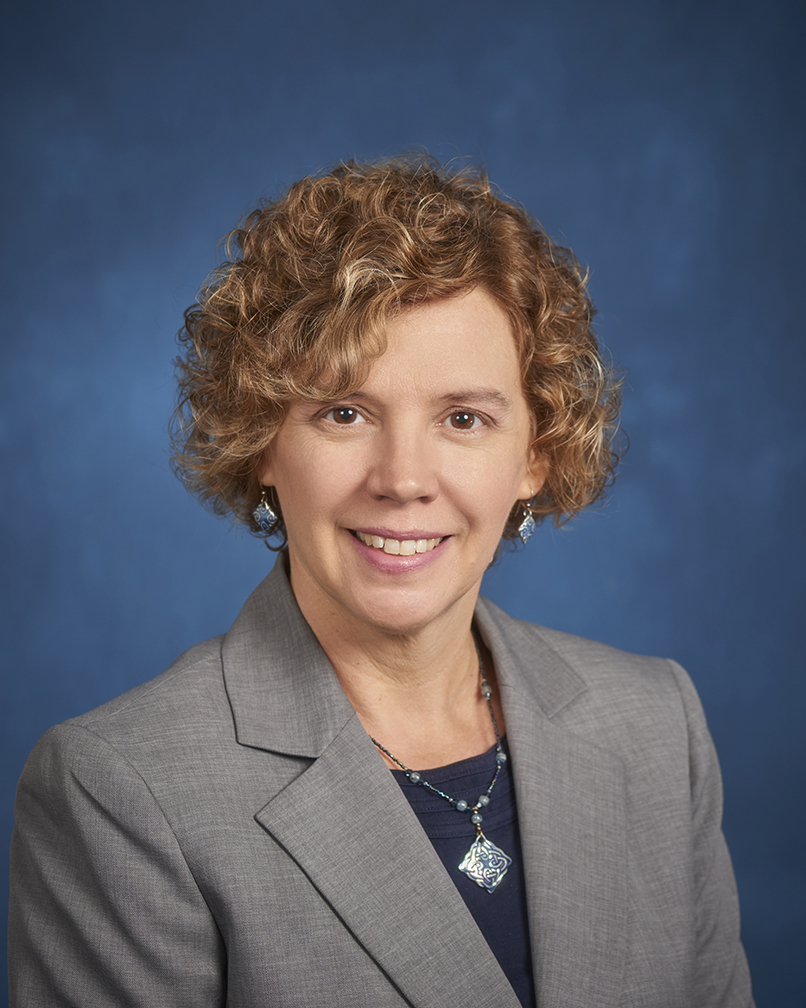
Kathy is the Director of CSATS and an Associate Professor at the College of Education. Kathy is a former environmental scientist and science teacher. Kathy’s role at CSATS is to collaborate with scientists and engineers to design and implement STEM education outreach programs that bridge cutting-edge science and engineering research and K-12 classrooms as seen in this example of her work with the Bald Eagle School District. Kathy oversees all programming at CSATS such as Research Experiences for Teachers (RETs), Summer Workshops, iSteams for teachers, and student experiences like the KidWind Challenge.


Kathy received her B.A. degree in geological sciences from Lehigh University, followed by a M.S. degree in Environmental Pollution Control from Pennsylvania State University. With a move to Phoenix, Arizona, she worked in environmental consulting for 10 years, which involved a wide variety of projects across the desert southwest region. She then transitioned to teaching middle and high school science and served as a teacher leader on the NASA Phoenix Student Internship Program as well as coordinator for a school-wide middle school science and engineering fair. While in Arizona, she received her Ph.D. from Arizona State University in Curriculum and Instruction with an emphasis on science education.


Kathy's favorite part of working at CSATS is the incredible team of professionals that take a deep dive into the cutting-edge STEM research at Penn State and build programs for K-12 educators. We are a unique bunch that specializes in translating the technical research of scientists and engineers to K-12 education – giving young learners the opportunity to engage in authentic STEM experiences. 


Since our CSATS office is a short walk away from the famous Penn State Berkey Creamery, CSATS staff all have their own opinion on what Creamery ice cream flavor is the best. When CSATS staff visit the Creamery, we are honoring science, research, and Penn State history from Cow to Cone (in just 12 steps). For Kathy, her favorite Creamery ice cream flavor is also linked to Penn State's most popular football game of the year, the White Out (popcorn & vanilla chips).


#WeAre grateful to learn and grow with and from Kathy as our CSATS director and colleague. Find out more about Kathy or just drop her a note to say hello at this LINK.


An Amazing Summer of Professional Development!

Consider joining us next summer or throughout the school year for iSTEAM workshops and more!

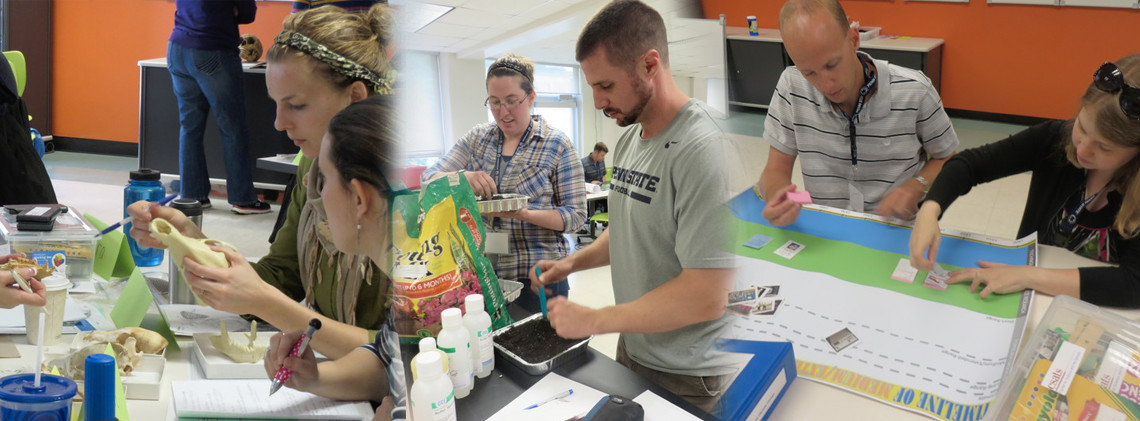
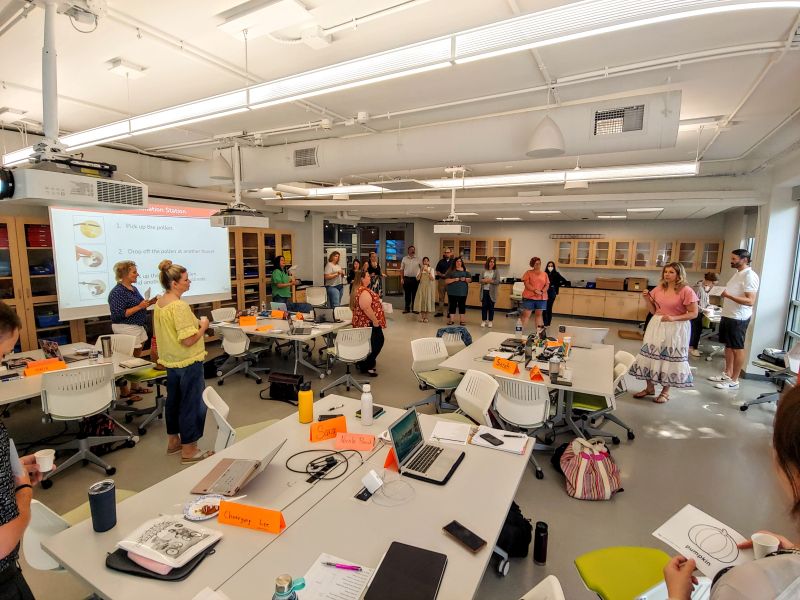
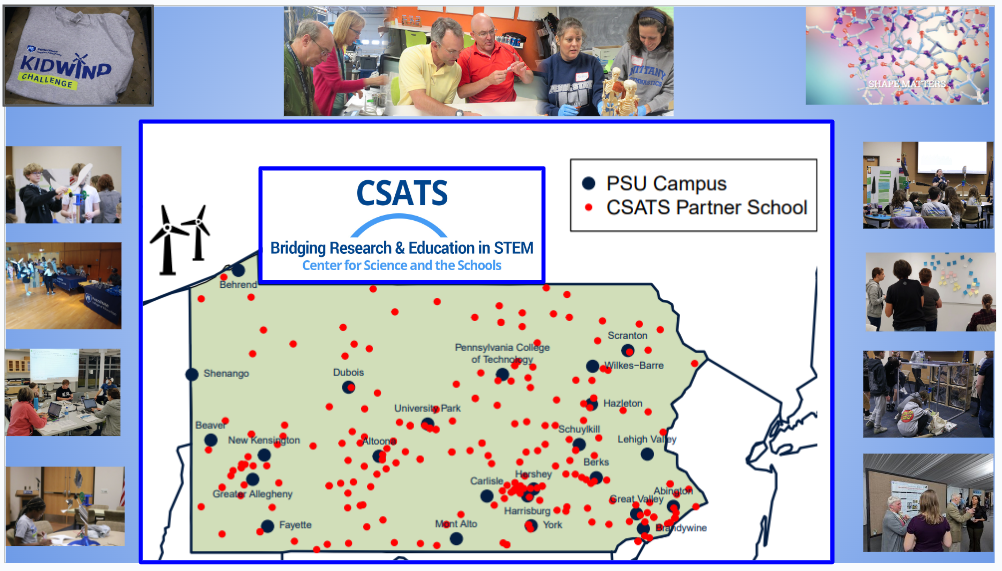
From Research Experiences for Teachers (RETs) to Leveraging AI in the classroom, teachers from around the state and around the country took advantage of cutting-edge CSATS authentic learning. This summer, we had over one hundred educators participate in our programming which will impact tens of thousands of students. We are grateful for the many enthusiastic, trail-blazing educators who participated in our summer programs. We hope you consider joining these ranks and those schools we've supported on their STEM journey as seen in the map below. Don't miss out, join us next year through CSATS program opportunities.


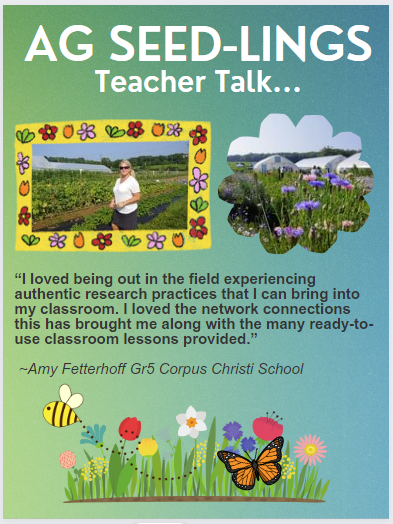
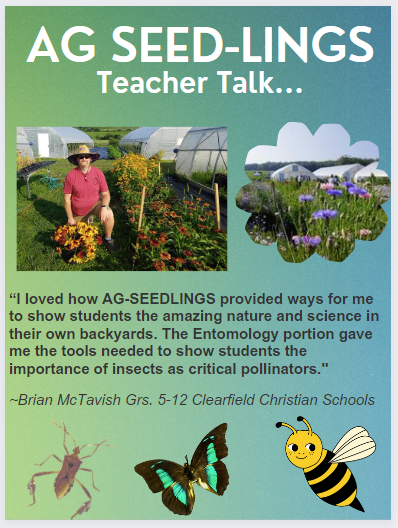
Great Buzz From AG SEED-LINGS Participants!

Agricultural Science in Elementary Education

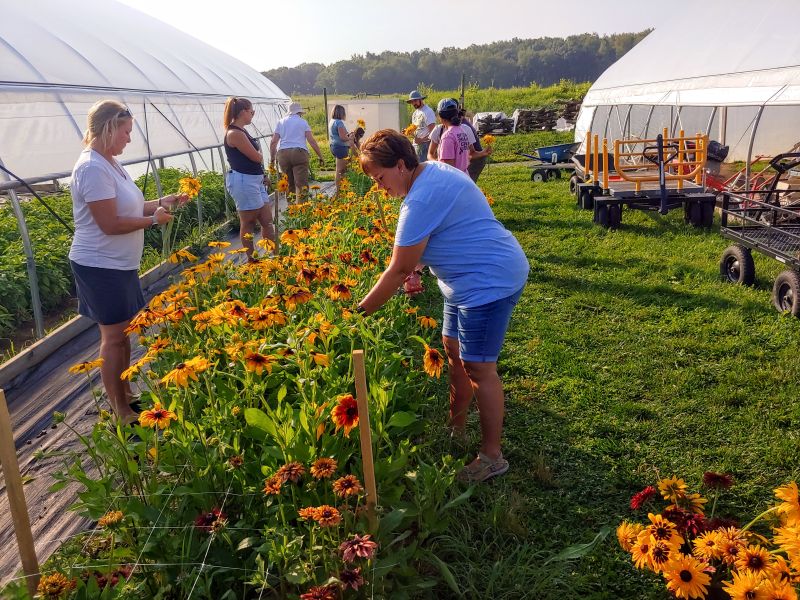
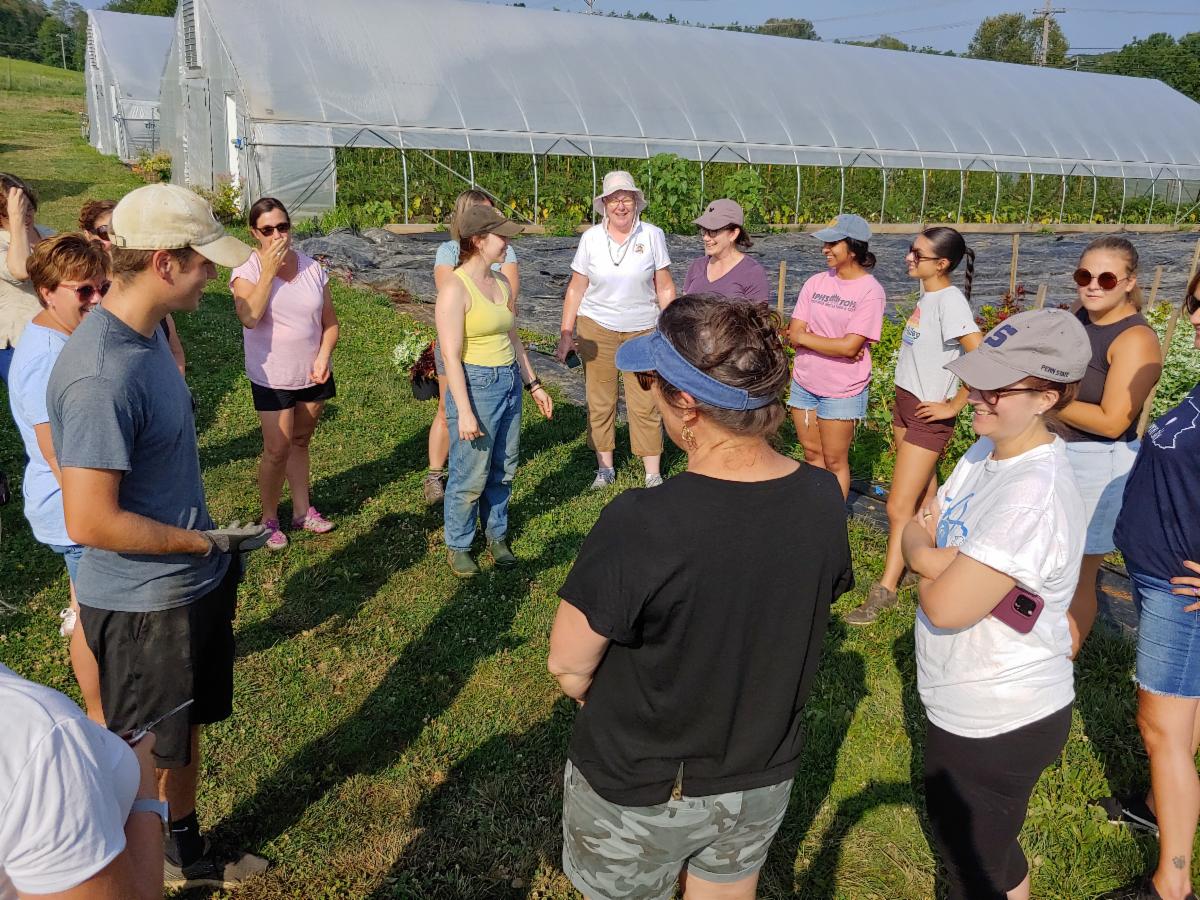
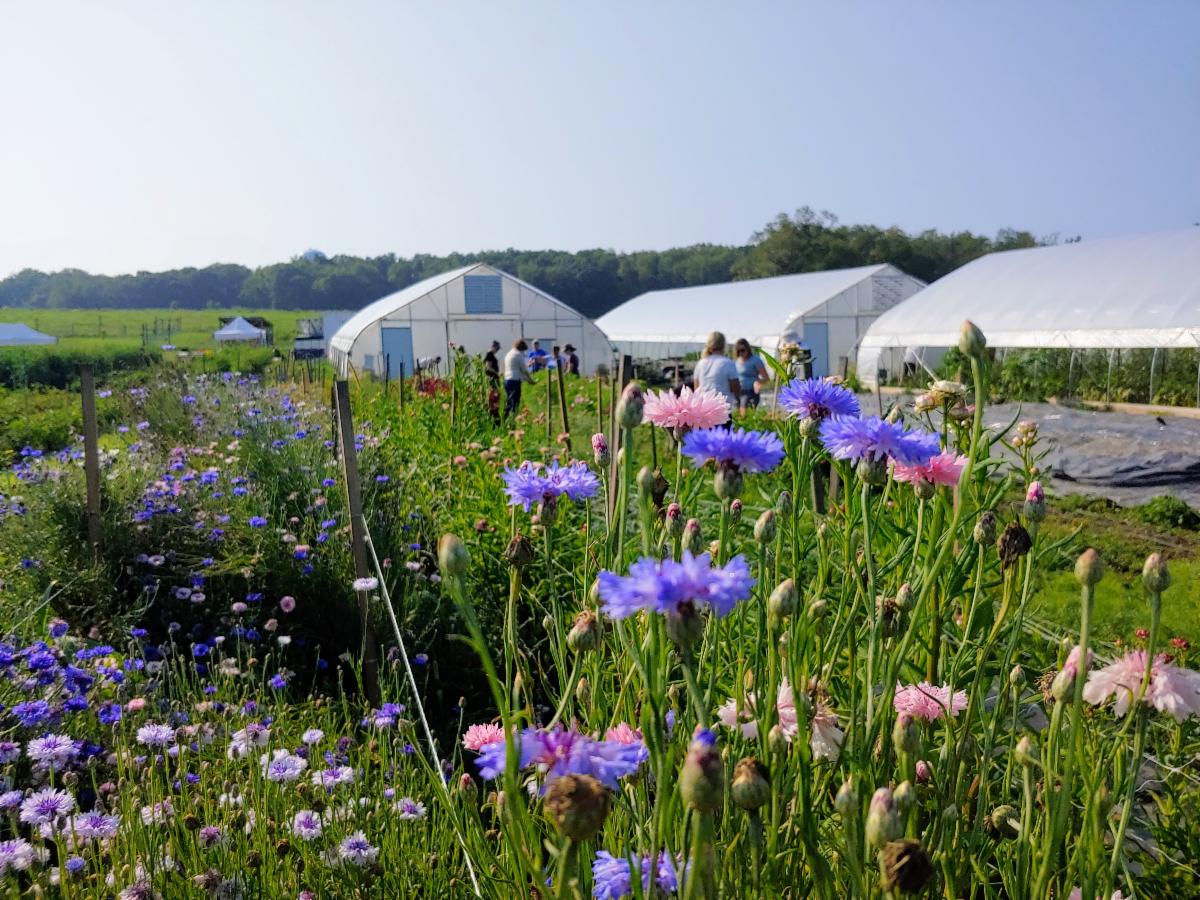
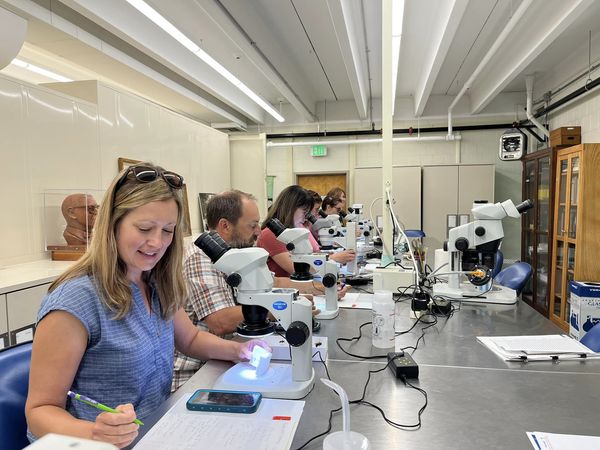
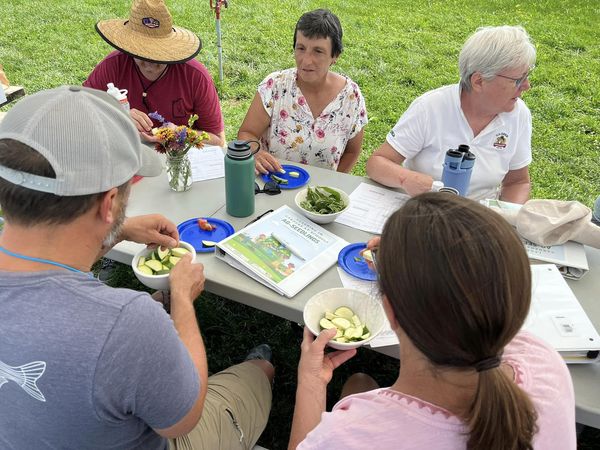
Elementary teachers from all across Pennsylvania and beyond enjoyed an amazing week of learning about pollinators, sustainability, and agricultural research practices that they can apply to their own schools and classrooms. Teachers learned the skills and practices that actual Penn State researchers, like those found in the Grozinger Lab, use in their careers. From visits to Ag Science Labs to the Student Farm, to the Arboretum, teachers left the weeklong workshop with confidence, enthusiasm, and ready to implement lessons! Don't miss out next summer. Explore more> AG SEEDLINGS.


Questions/Comments? Contact Stephanie Klixbull


Building AI for Science Education Was a Hit!

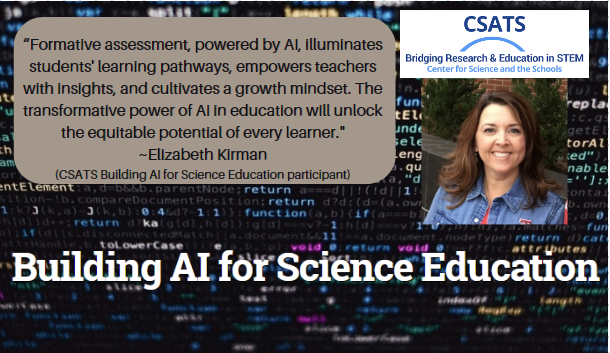
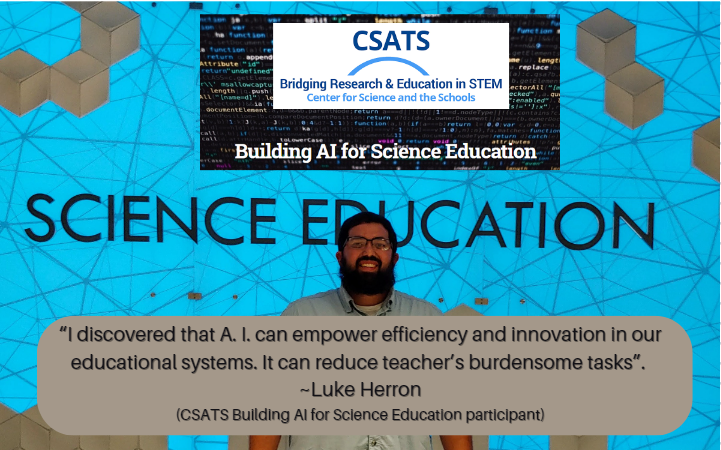
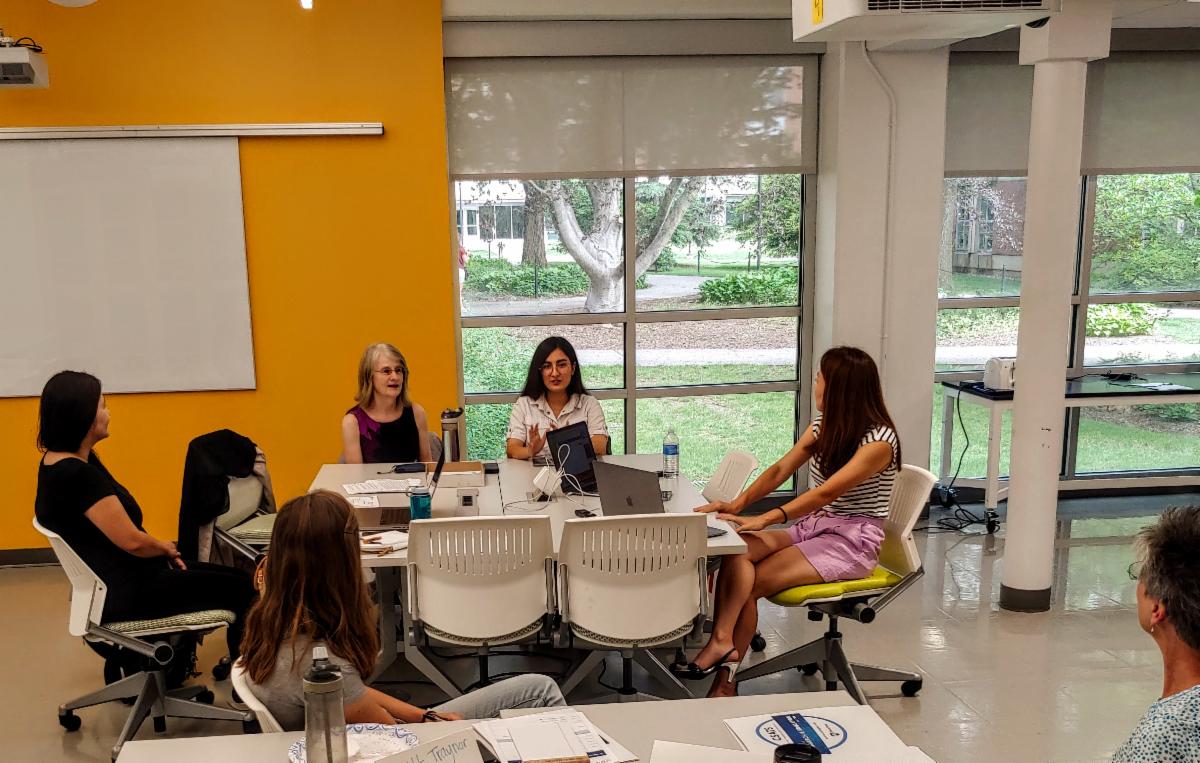
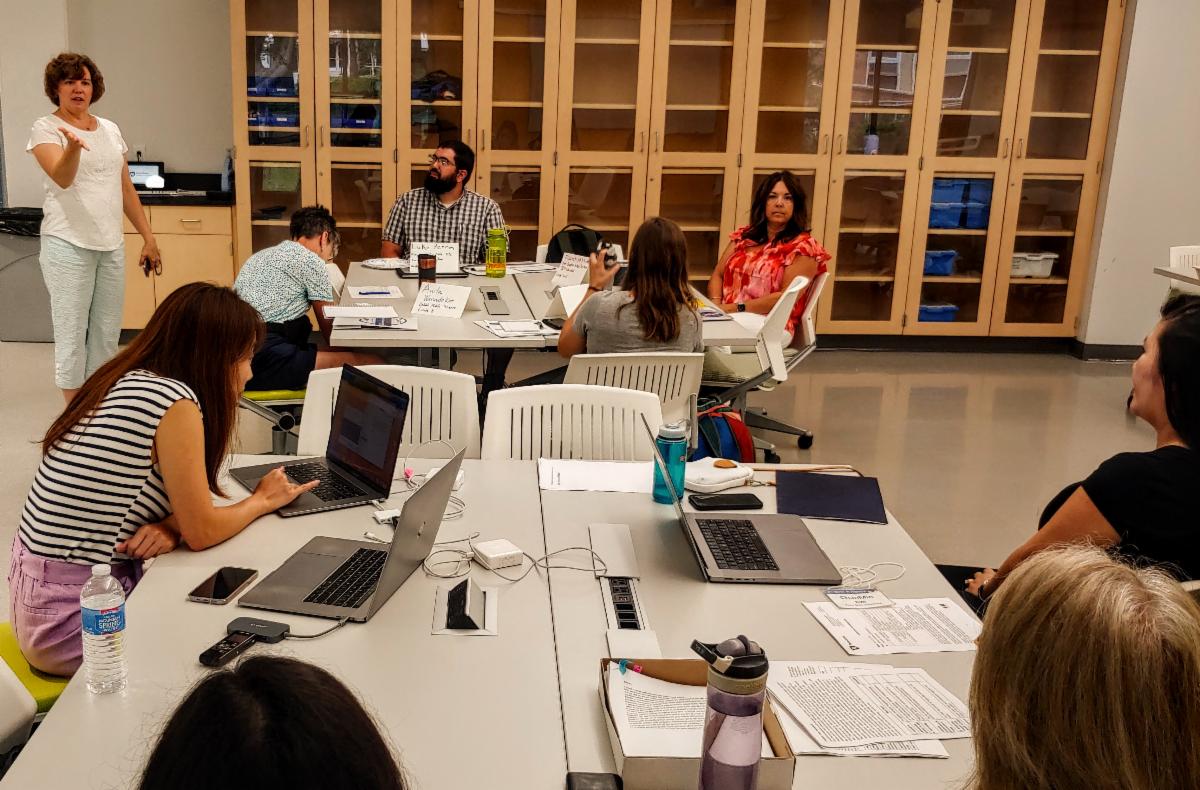
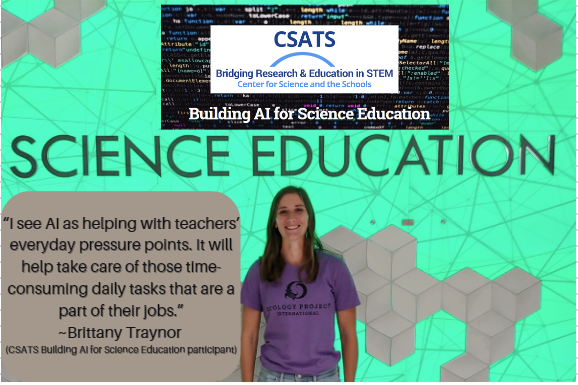
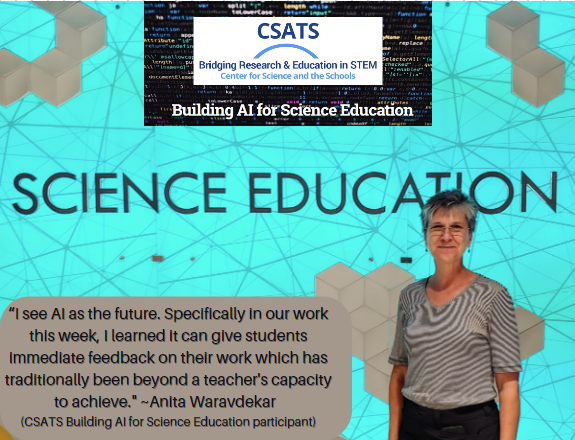
CHAT GPT, DALLE, and other Artificial Intelligence (AI) platforms have been a continuous topic in the news and in school systems while education leaders decide how to navigate this ever-present technology. AI has many benefits as teachers in this 2-day summer workshop discovered. Working with computer science engineering faculty like Dr. Becky Passoneau and education faculty, teachers learned about how AI systems are designed. They then helped to build and test the AI as teachers fed the PyrEval system using examples of student writing. Feedback regarding student understanding was generated as output and examined for use by both teachers and students. For more background, please read Natural language processing software evaluates middle school science essays. Stay tuned for more AI and education projects to explore and engage with in the future.


Questions/Comments? Contact Amber Cesare


Teachers Discover That Shape DOES Matter!

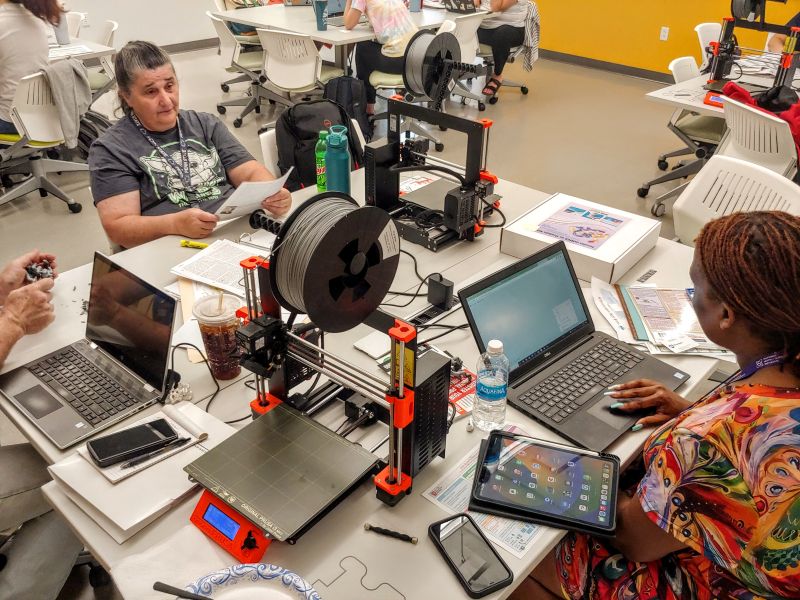
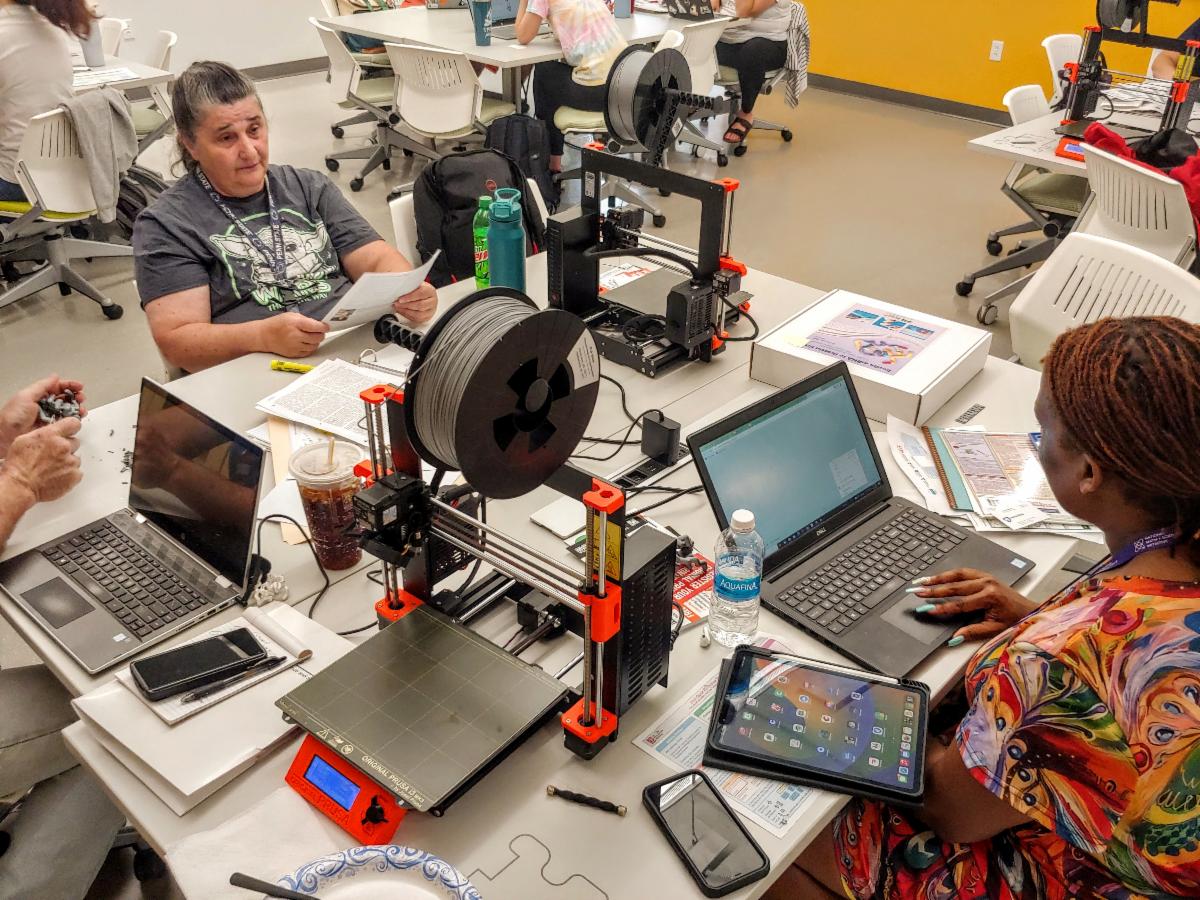
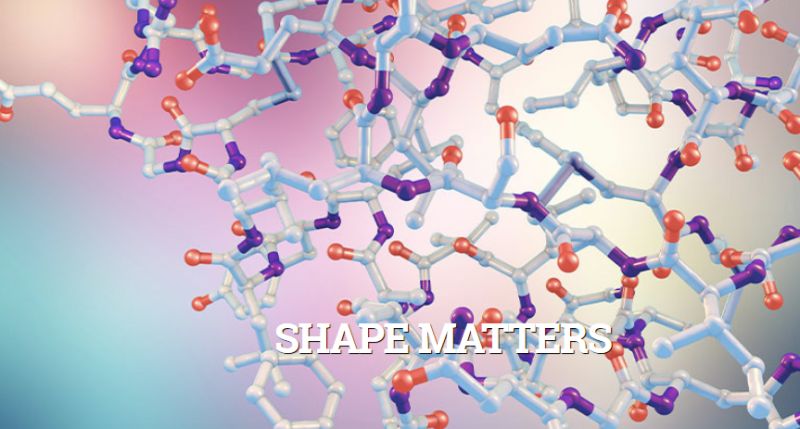
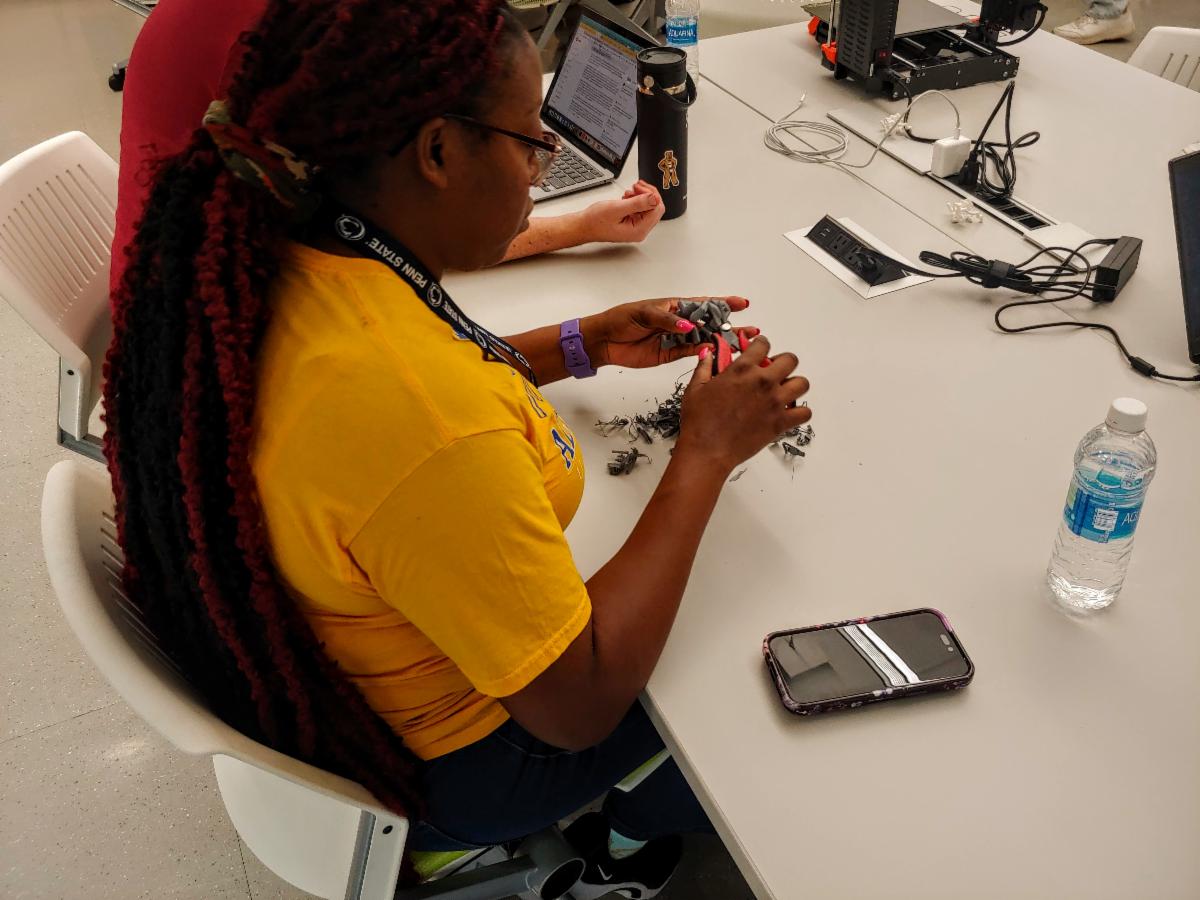
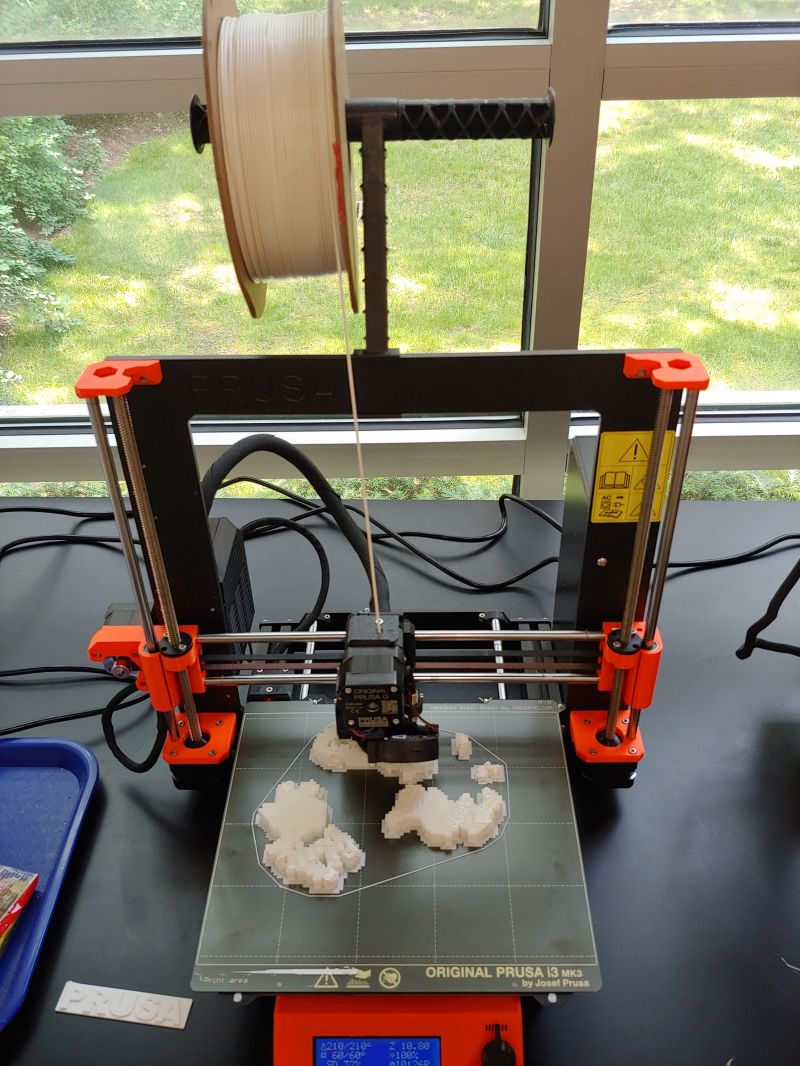
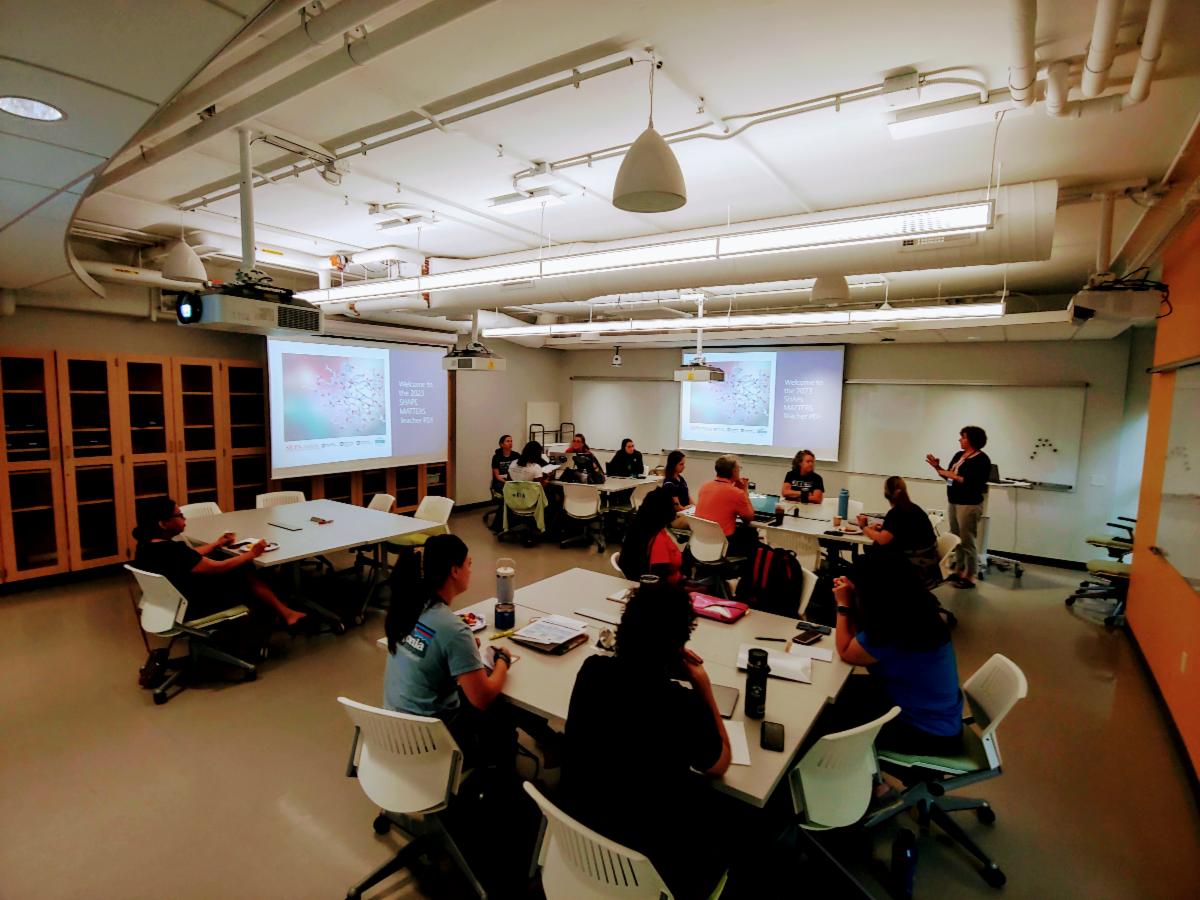
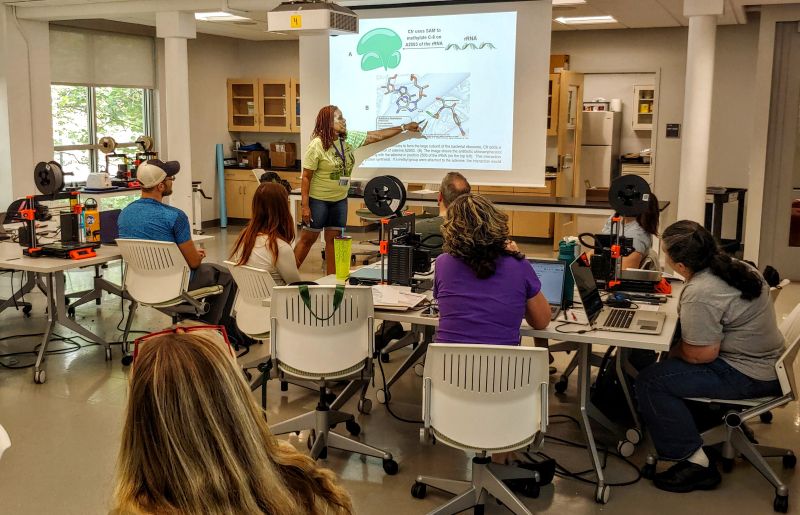
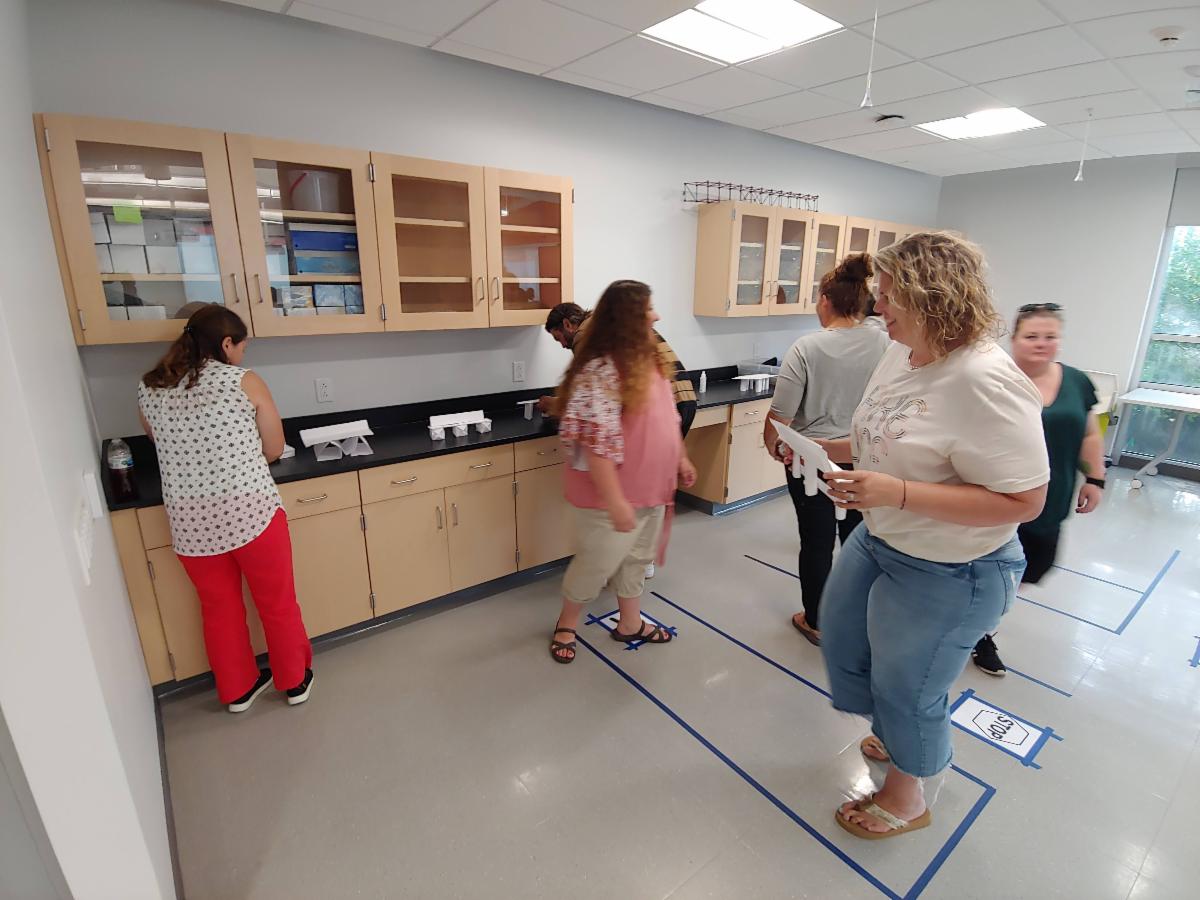
Life science and chemistry teachers spent ten days diving deep into authentic molecular modeling. Led by the Center for Science and the Schools (CSATS) and scientists from the Penn State College of Medicine and the Eberly College of Science, teachers learned how scientists solve protein structures and create visualizations to explore molecular stories related to human health (ex. insulin and diabetes). Using the provided curriculum kits and 3-D printers, teachers worked with the SHAPE MATTERS team to design a molecular modeling research project for their classroom. This project will help students to understand protein structure (one of the four macromolecules), protein

synthesis, and the role of proteins in homeostasis.


Questions/Comments? Contact Amber Cesare


Teachers 'Yield' New Learning at the Intersection of Technology and Agriculture

Expanding Youth Involvement in Exploring Exciting Employment Directions in Agriculture (YIELD)

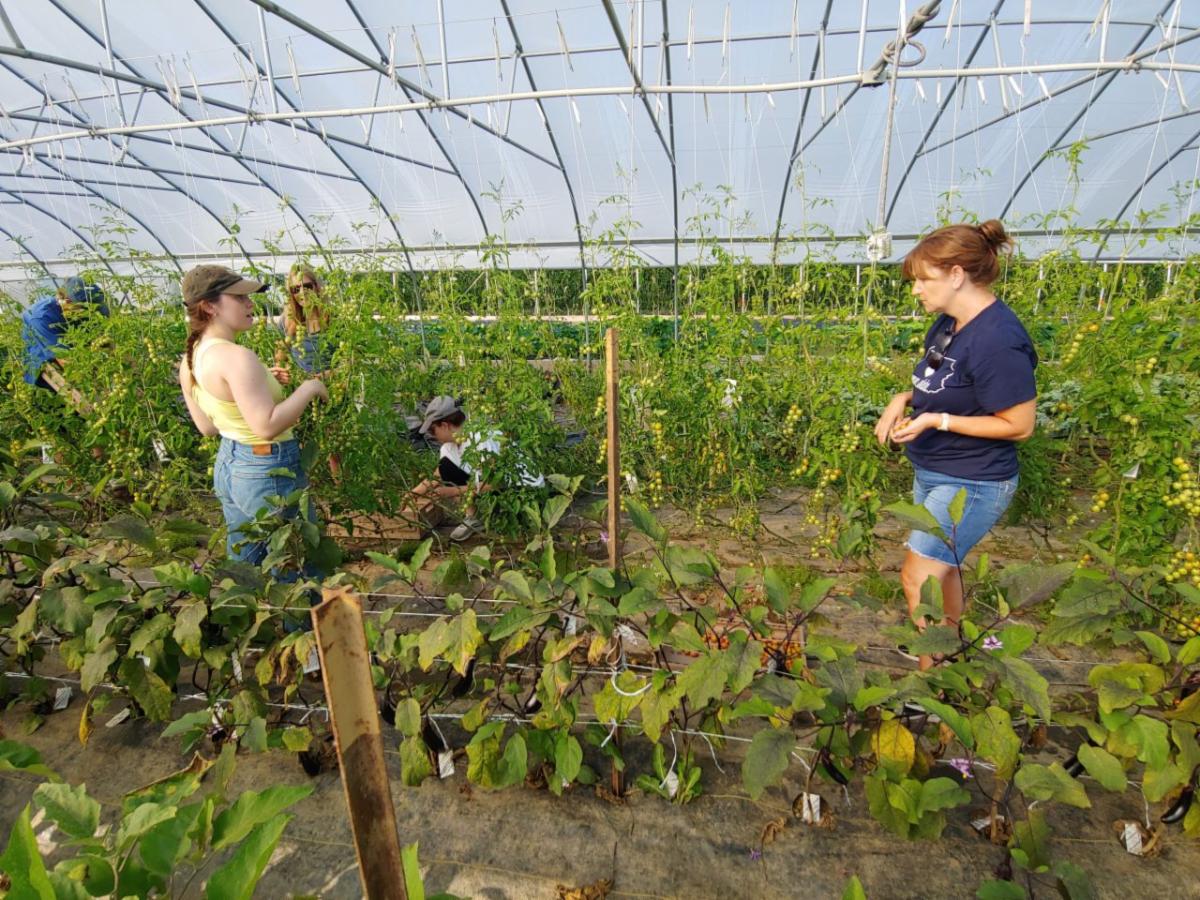
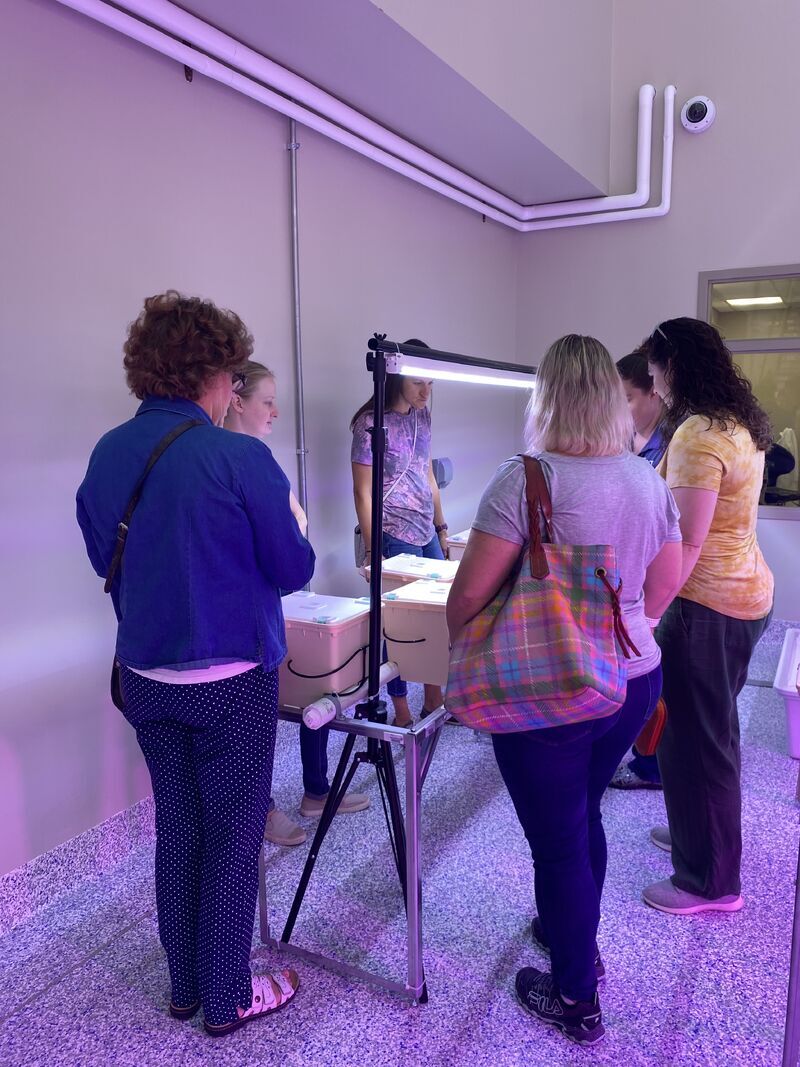
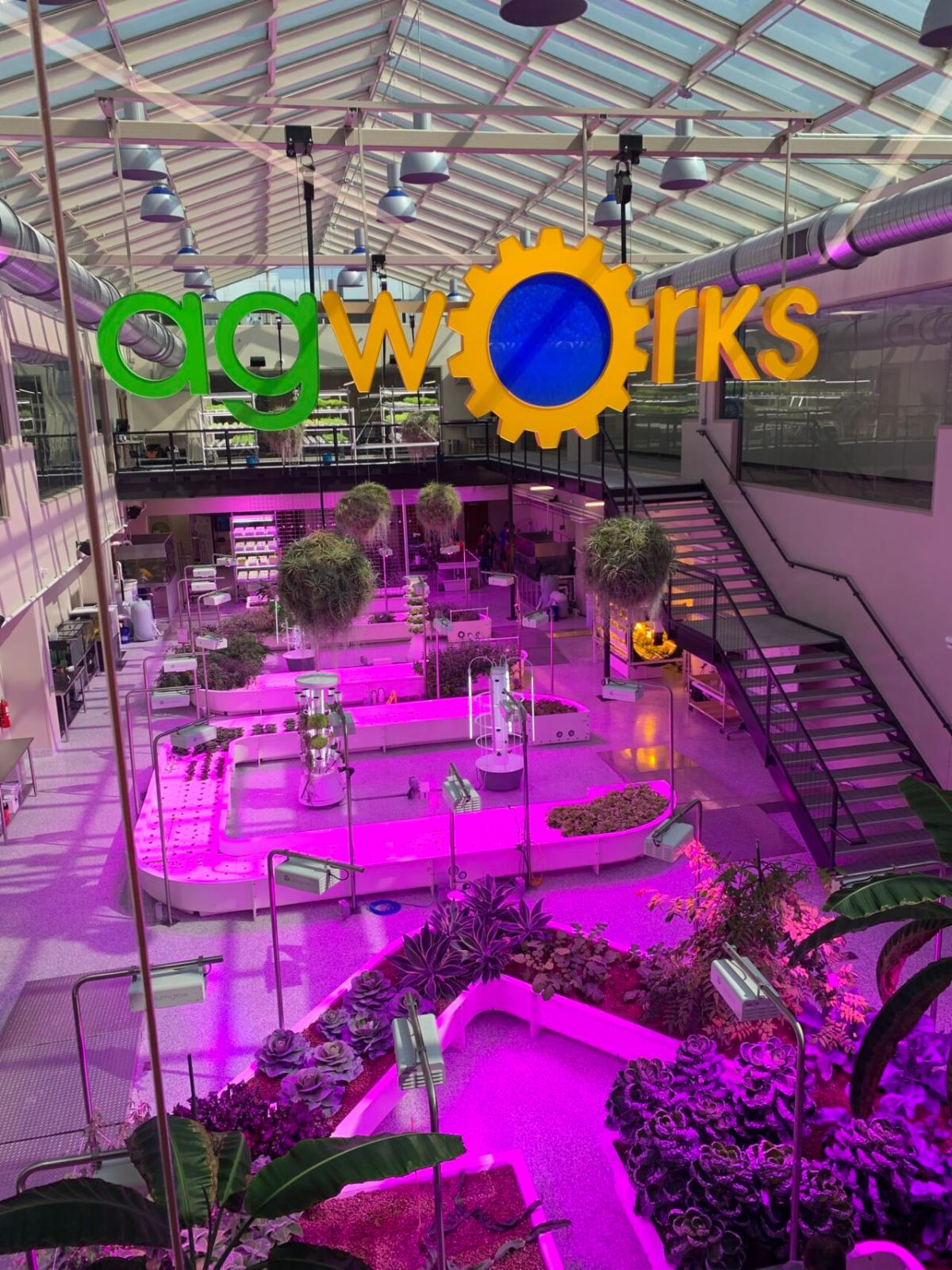
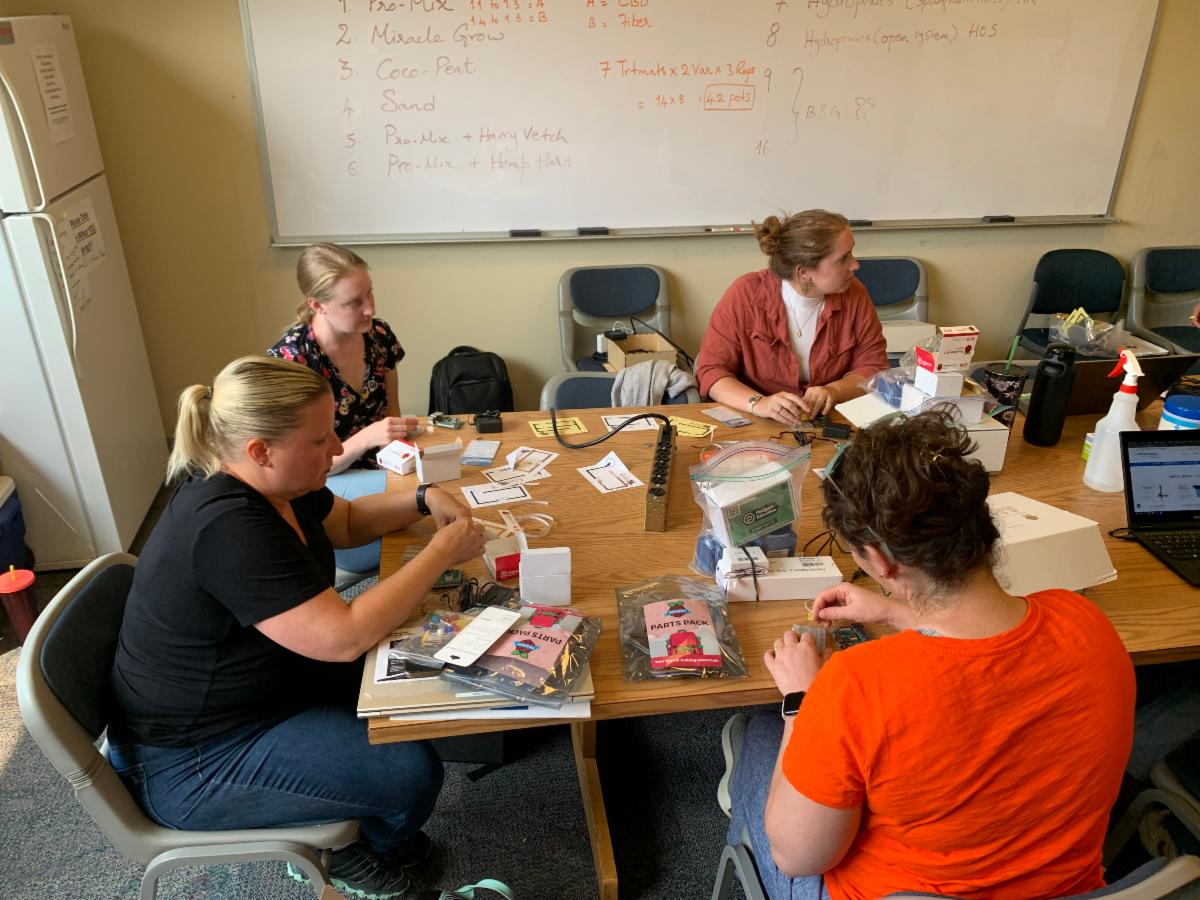
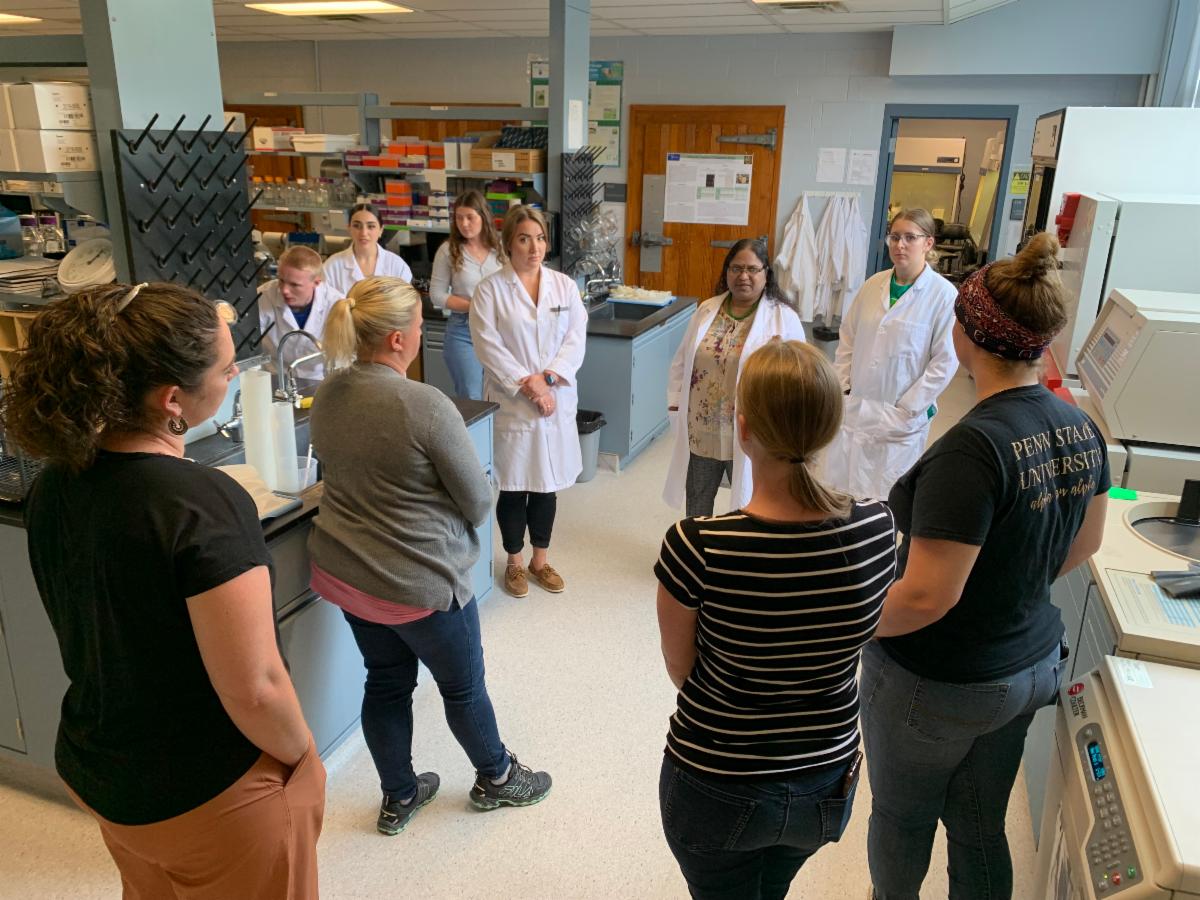
Penn State Harrisburg was fertile ground for teachers to gain insight into addressing the challenge of food production for the world’s increasing population. Teachers learned how to train students in state-of-art technology to satisfy the needs of the agricultural industry. YIELD was a six-day professional development workshop that allowed teachers to explore the agricultural industry through academic research labs and food and agricultural industries. Teachers learned how to automate hydroponics systems, carry out plant tissue culture and breeding, and learned about the medicinal properties of plants. The teachers will implement these insights into their classrooms this coming year.


"Teachers of Teachers"

Learn Authentic Engineering Practices

Teacher trainers across the Commonwealth were given tools to help with the

implementation of the new PA STEELS academic standards.

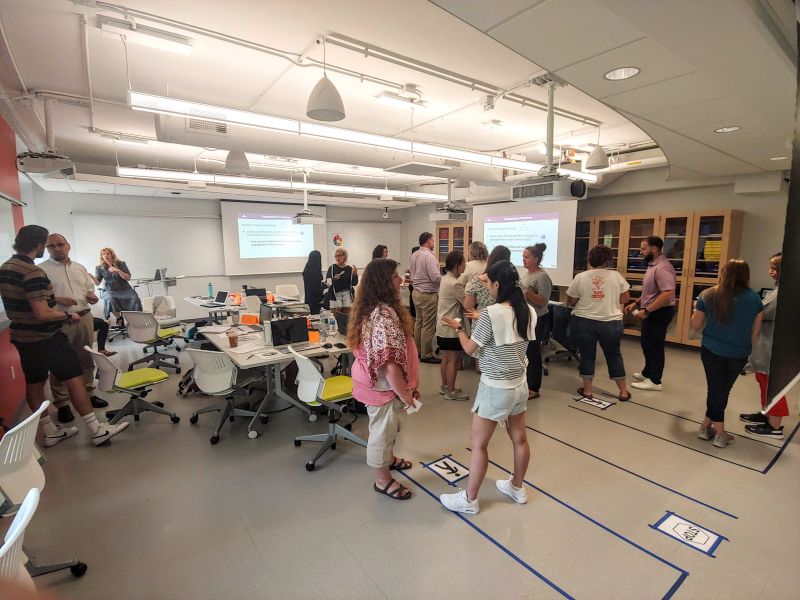
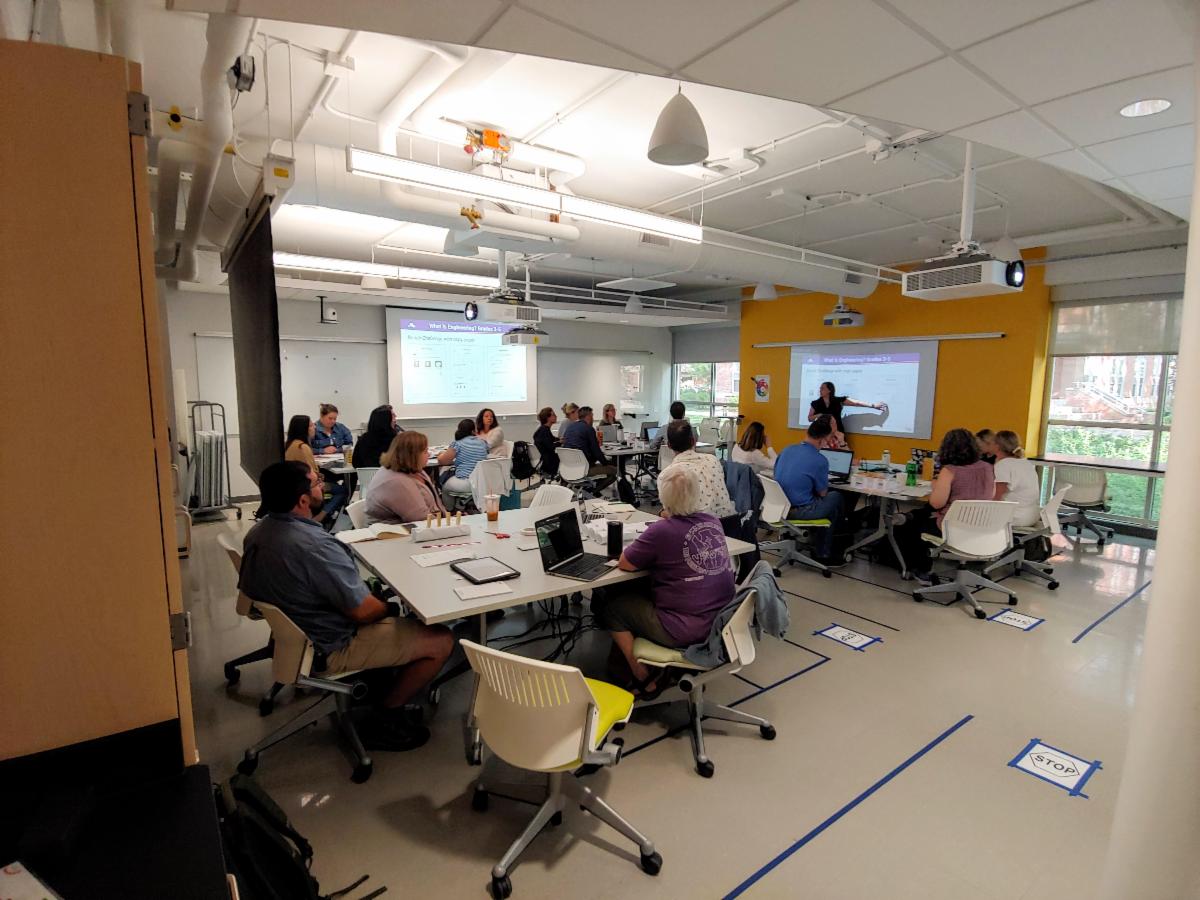
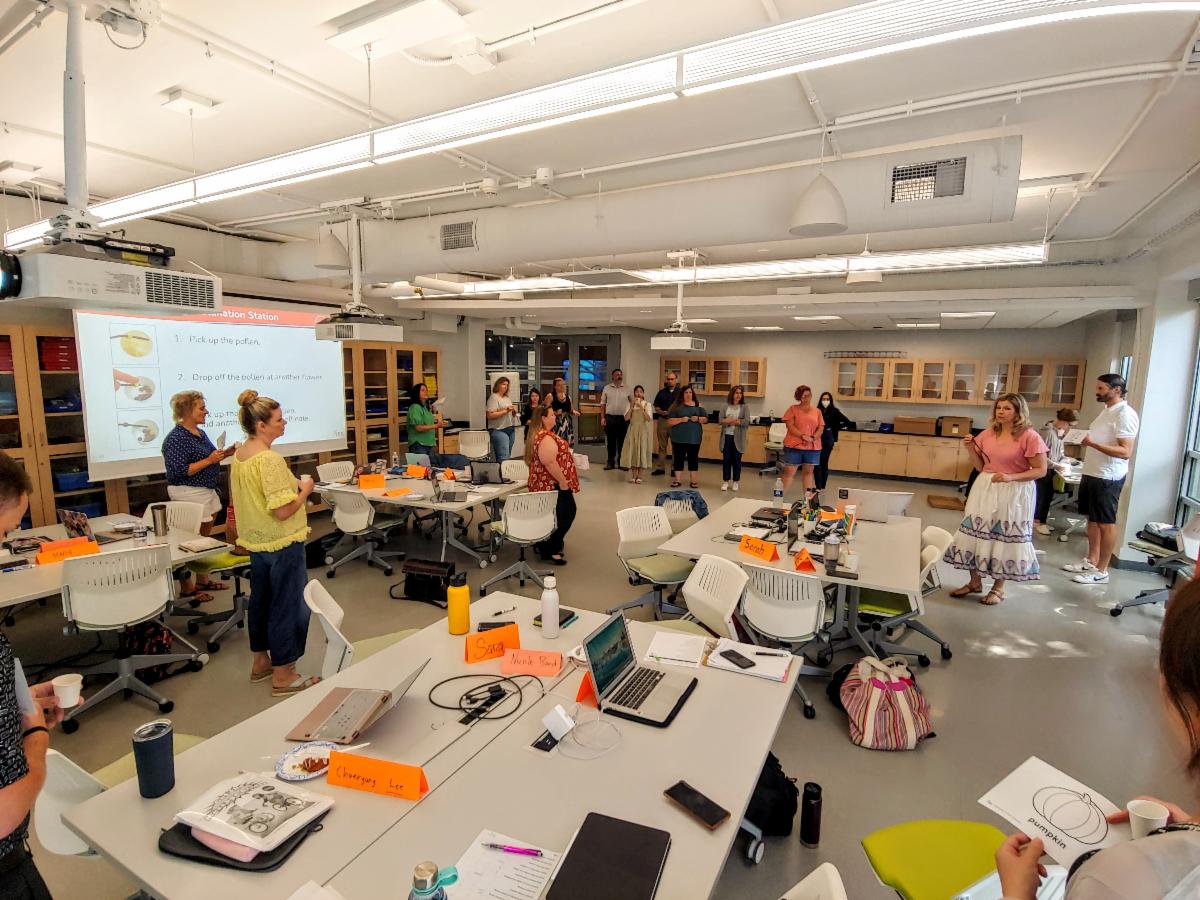
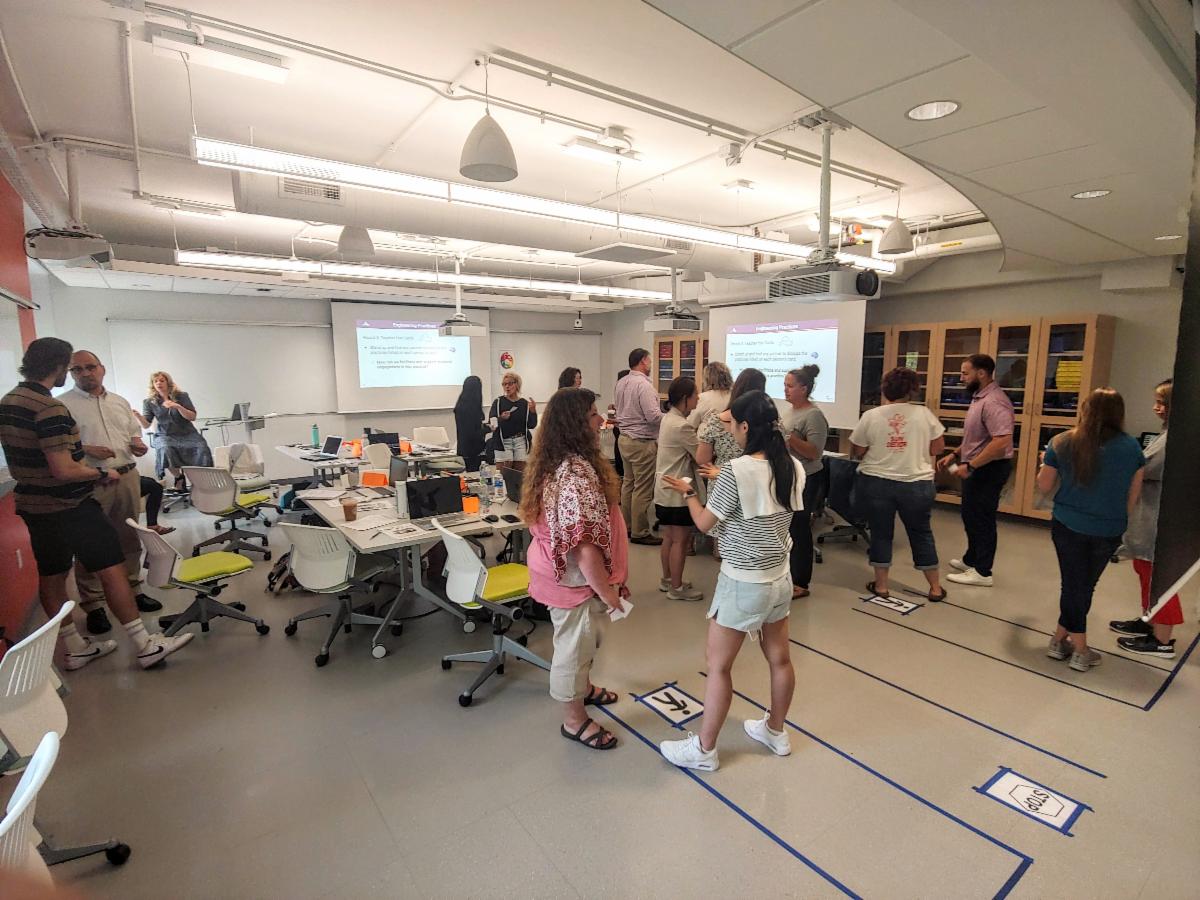
This summer, teacher educators from all over Pennsylvania converged at Grove City and University Park to learn authentic practices and curricular materials that will be needed with the implementation of the new Pennsylvania STEELS Academic Standards. The workshop focused on engineering in elementary settings and establishing a network of teacher educators who can help classroom teachers navigate this shift to teaching engineering content using engineering practices and crosscutting concepts. Teacher educators (those who have the ability to conduct professional learning for classroom teachers) learned about engineering and the best pedagogical practices for teaching engineering. They experienced (as learners) one early elementary and one upper elementary engineering unit from Youth Engineering Solutions (YES). These teacher educators will now teach at least one workshop for 10+ teachers. These participants received a generous voucher for YES – Elementary curriculum with which to start a lending library of kits for teaching in schools without sufficient resources.


Summer Research Experience for Teachers (RETs)

Proves To Be Very Impactful

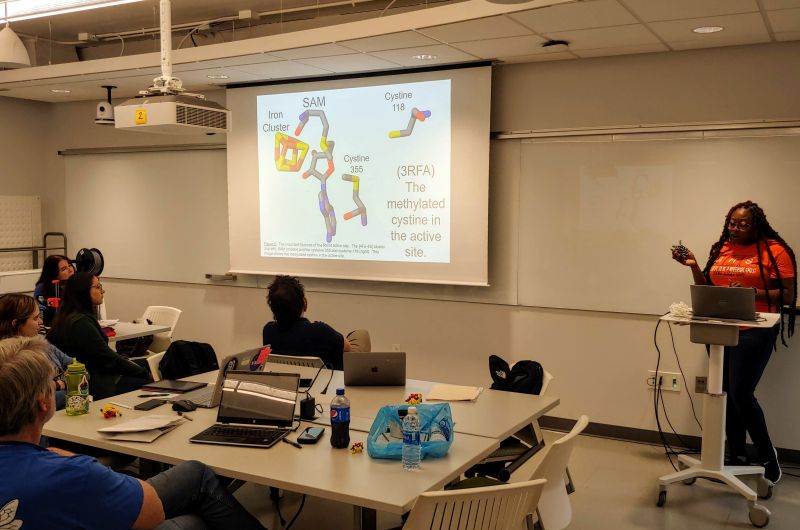
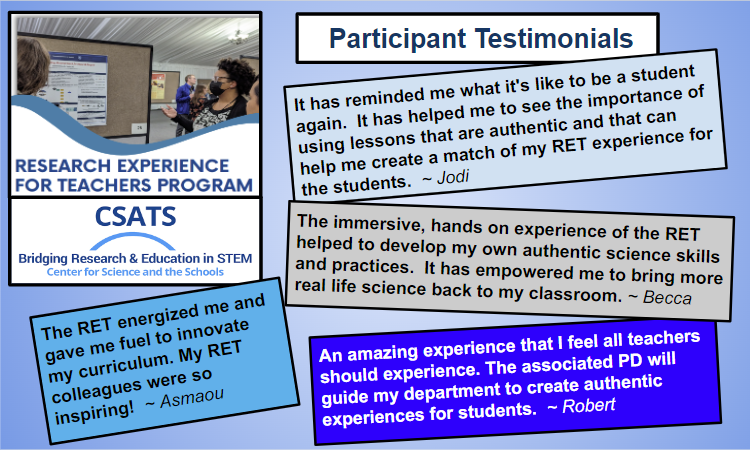
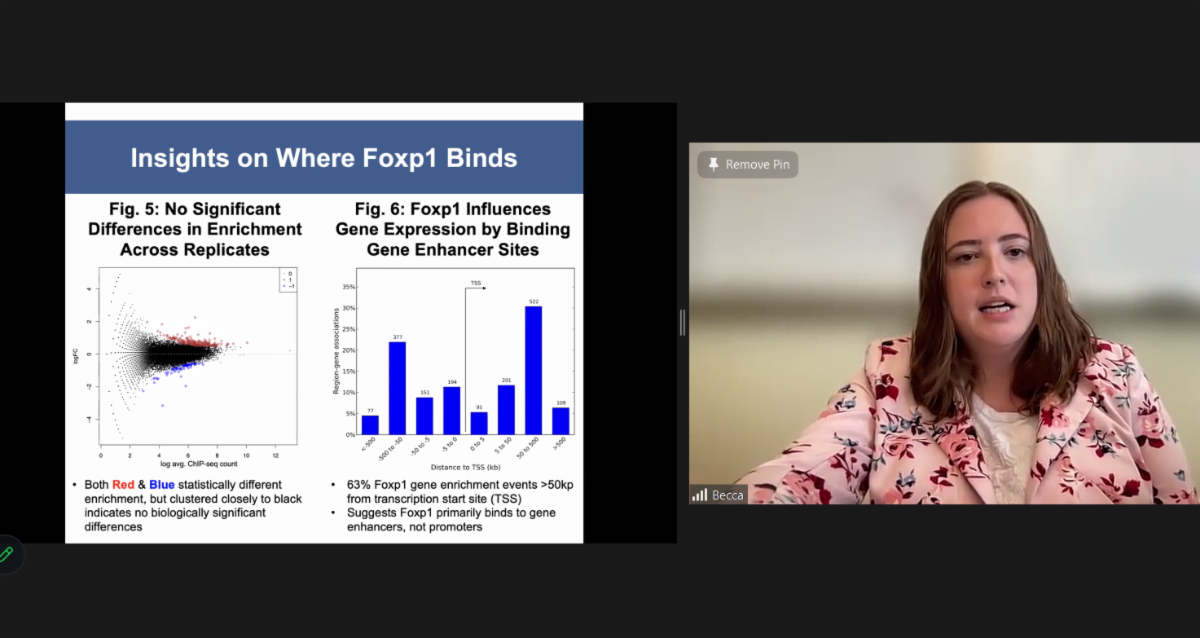
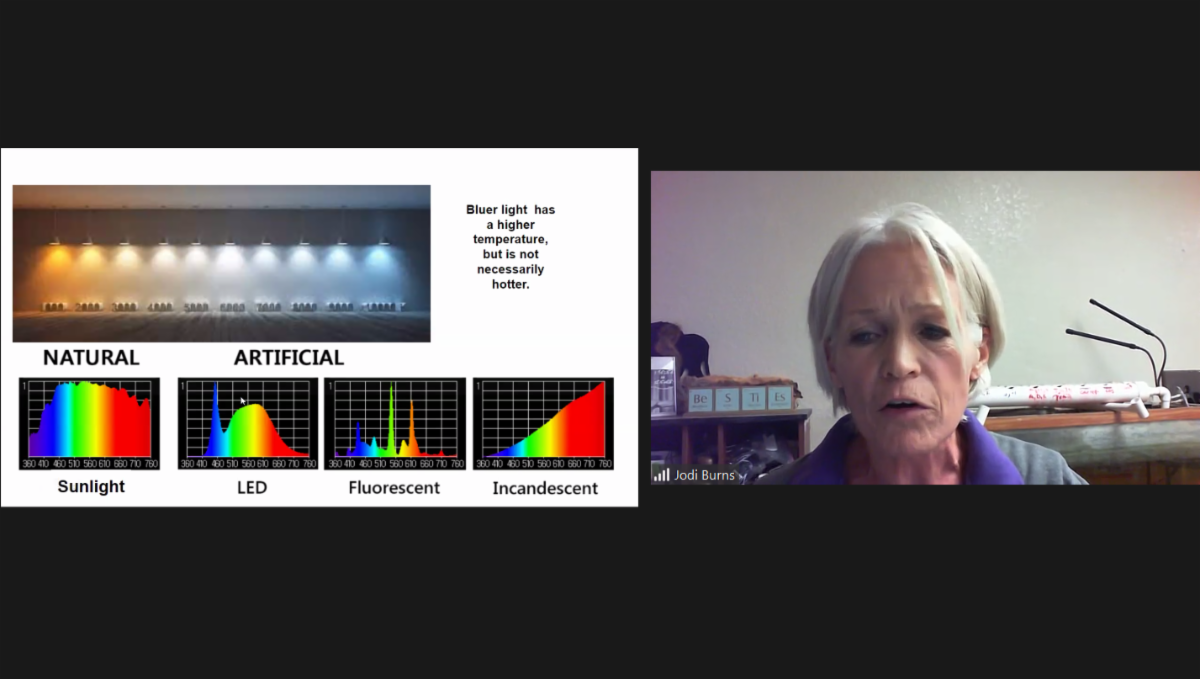
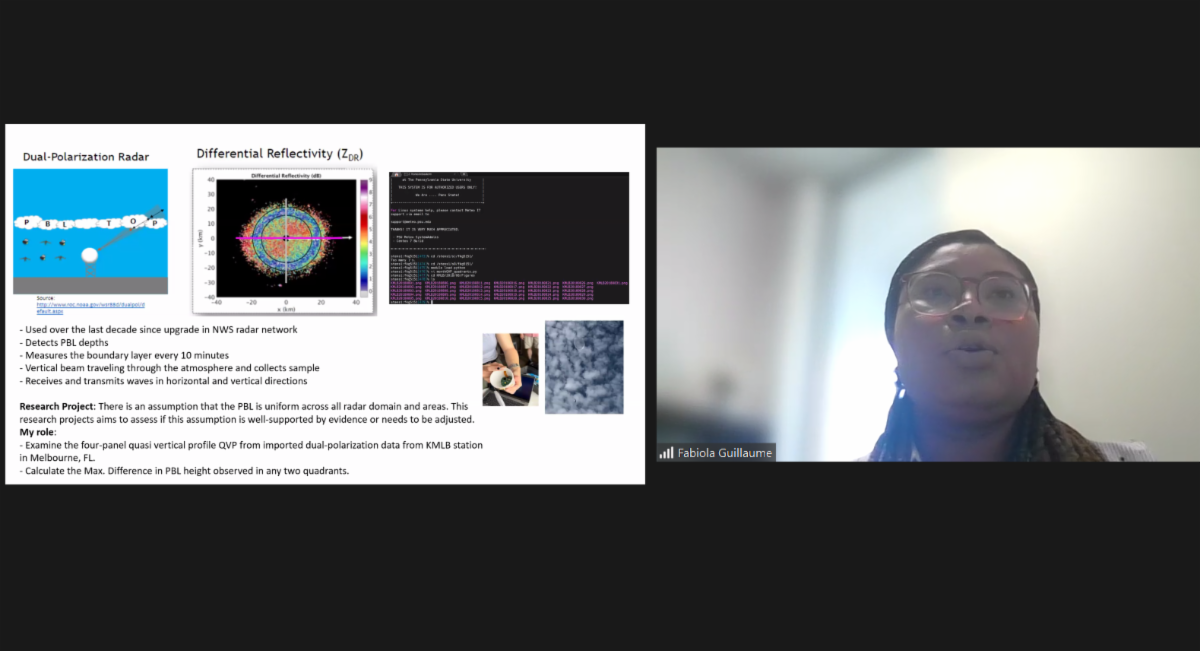
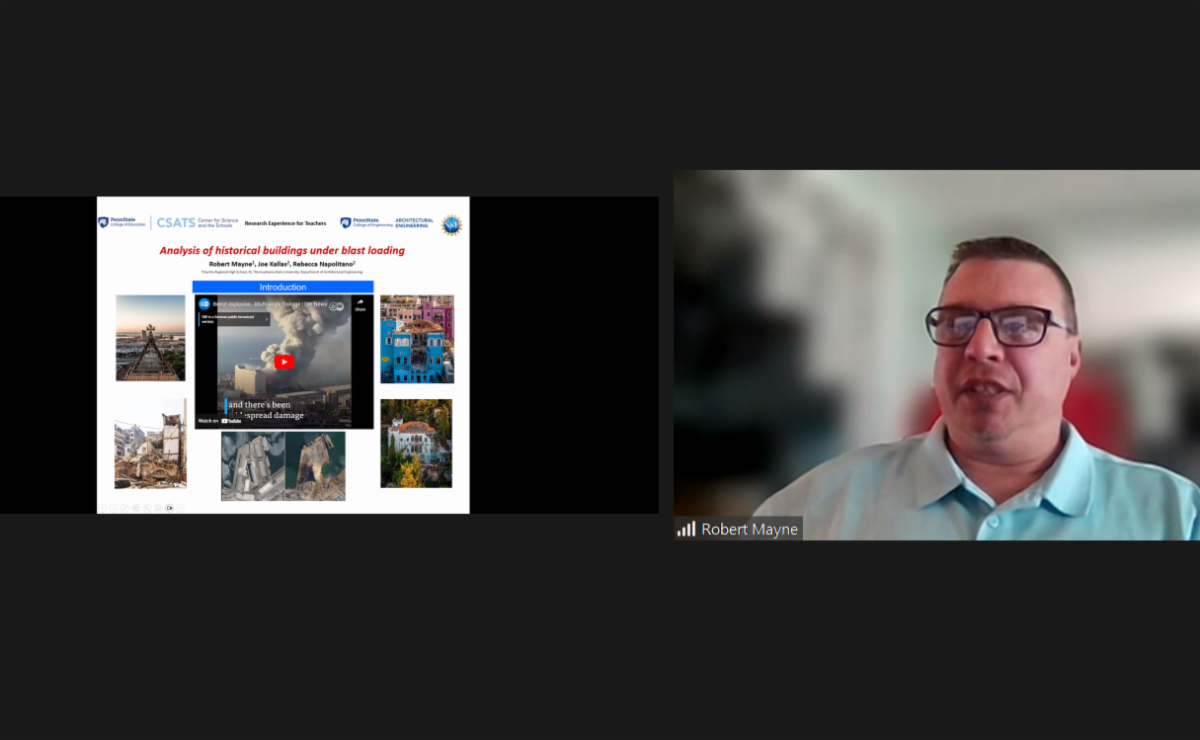
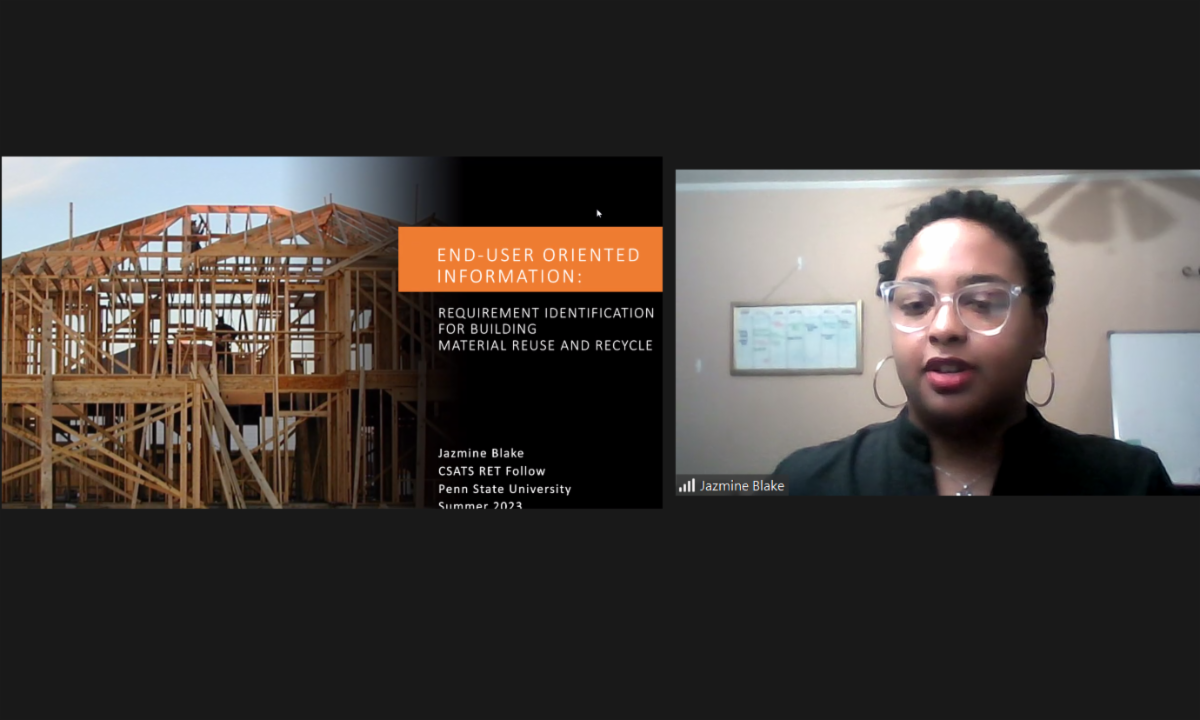
Teachers from all over the Commonwealth and beyond got an embedded glimpse into the work and practices that world-class researchers engage in. The Research Experiences for Teachers (RET) program is a seven-week summer program for middle and high school STEM teachers where teachers conducted research with a host laboratory for the first six weeks of the program and then prepared for the summer research symposium during the seventh week. Screenshots of the 2023 RET Symposium can be seen above. These experiences will impact thousands of students through these teachers as they apply authentic research practices to their own classrooms. 2023 RET participants worked with

  • Agricultural and Energy Engineering Research
  • Bioinformatics Research
  • Biomedical Engineering Research
  • Computer Science Research
  • Meteorology Research
 

Sent on behalf of ASSE

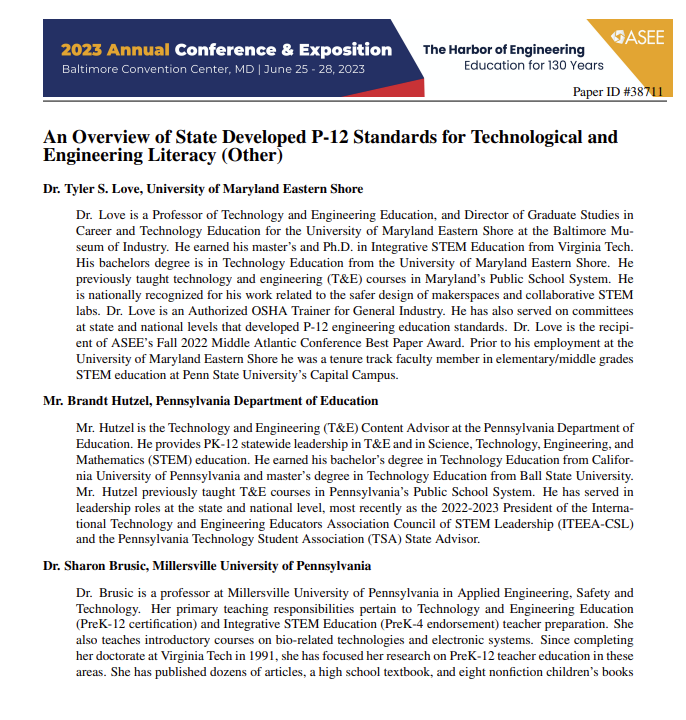
ASSE Paper on Engineering Education for PA STEELS

Want insight into how the Technology and Engineering standards of the PA STEELS were developed? Key PA STEELS development committee members share their thoughts in this paper. This paper may help curriculum coordinators conceptualize how to align their curriculum and instruction to the new PA STEELS standards. The paper gives examples of how to apply them in three-dimensional integrative STEM contexts.  The STEELS paper can be accessed HERE. 


How can CSATS help your school?

Interested in learning more about the Center for Science and the Schools and other opportunities for teachers and students available from Penn State? How can your school become involved in STEM projects with us?


Please contact the CSATS Outreach Liaison Jeff Remington (jeff_remington@psu.edu) to set up a phone or in-person appointment with your school to review your STEM needs and goals!

Connect to Our Newsletter
Give today! With your help, we can do amazing things to impact STEM education.
Our opportunities are possible due to research grants with scientists and engineers. However, in order to expand the work we do to further impact K-12 education in STEM and provide further resources, materials, and experiences for teachers, this is made possible by the support of our donors. To make a donation to Penn State Center for Science and the Schools, please visit our GIVE page and also see our current IMPACTS across Pennsylvania and the nation.
 

Follow us on social media