|
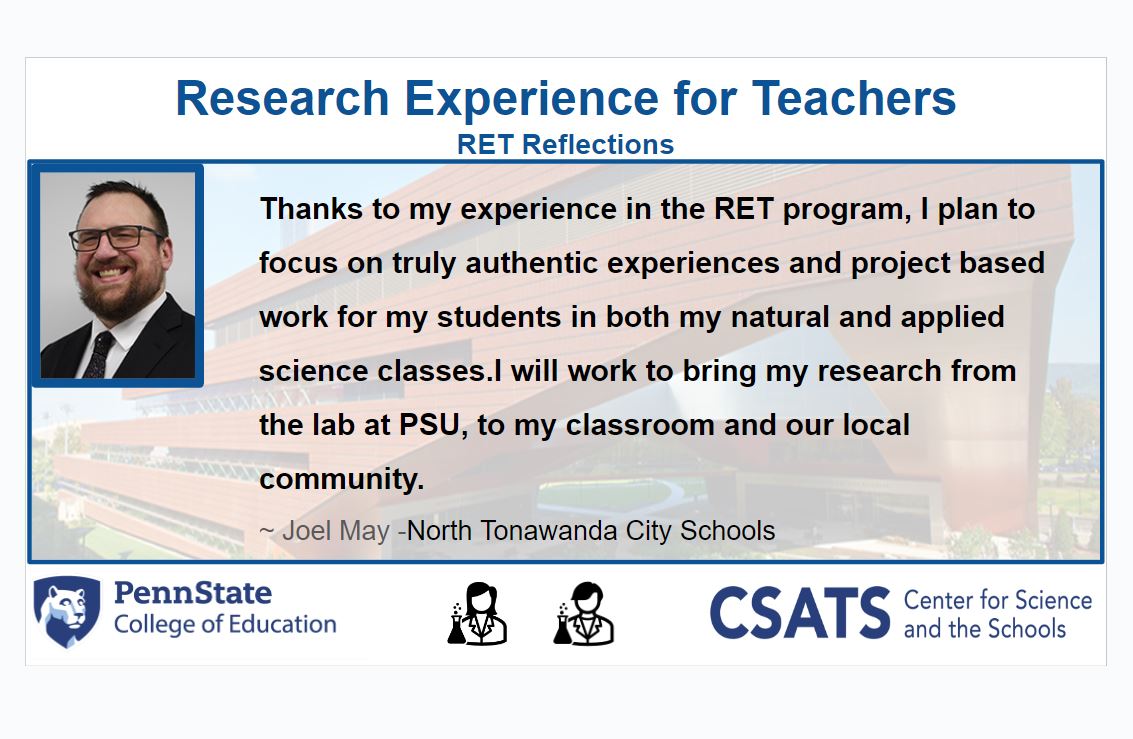
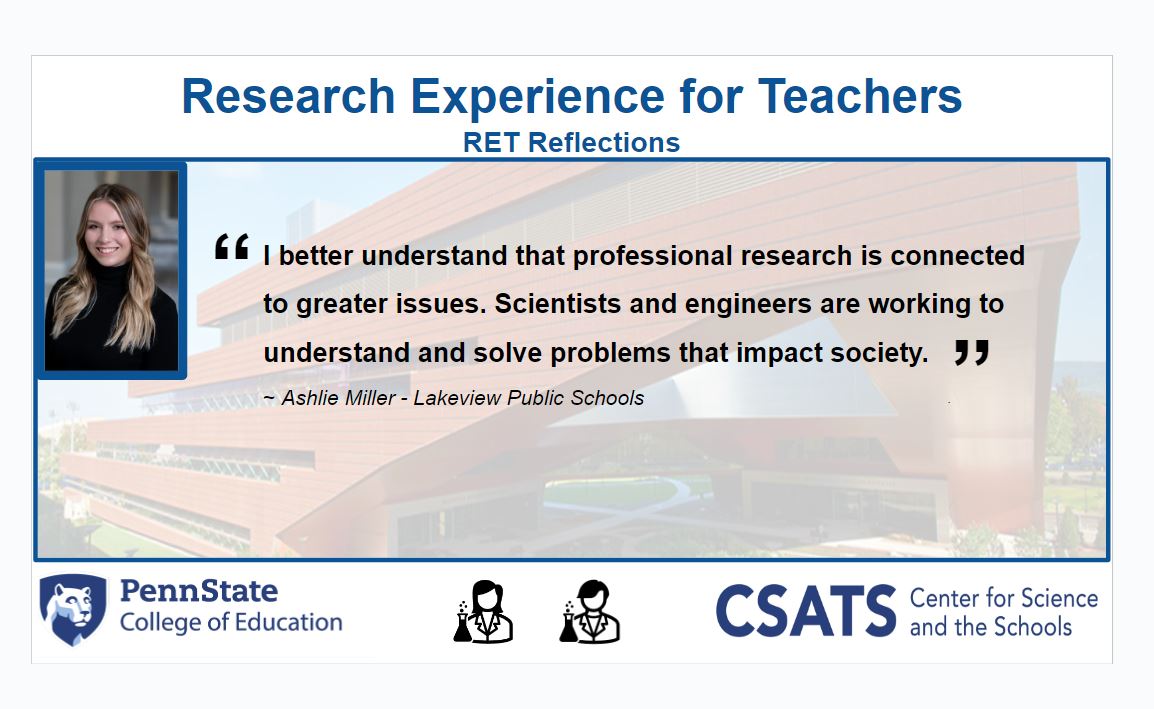
Stories of Impact
Opportunities To Learn and Grow
| |
Unleash Your Inner Scientist While Boosting Your Career
Explore RET Programs
Research Experience for Teachers
- $6K Stipend
- June 16 - August 1, 2025
- Penn State Harrisburg
- Grow your career and your students!
| |
|
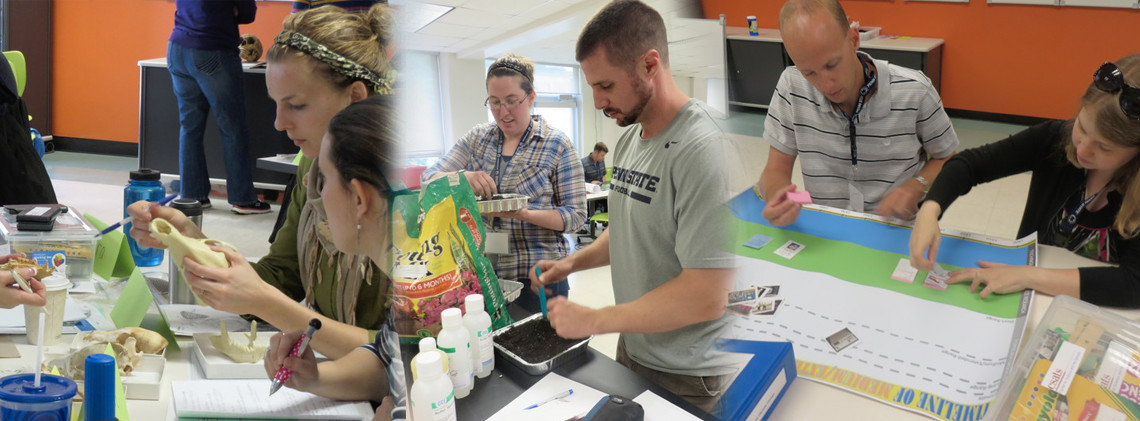
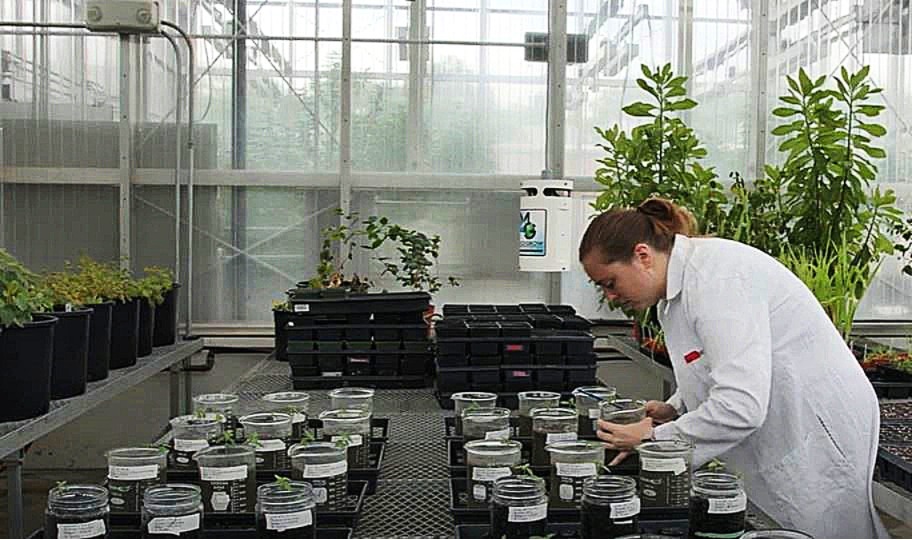
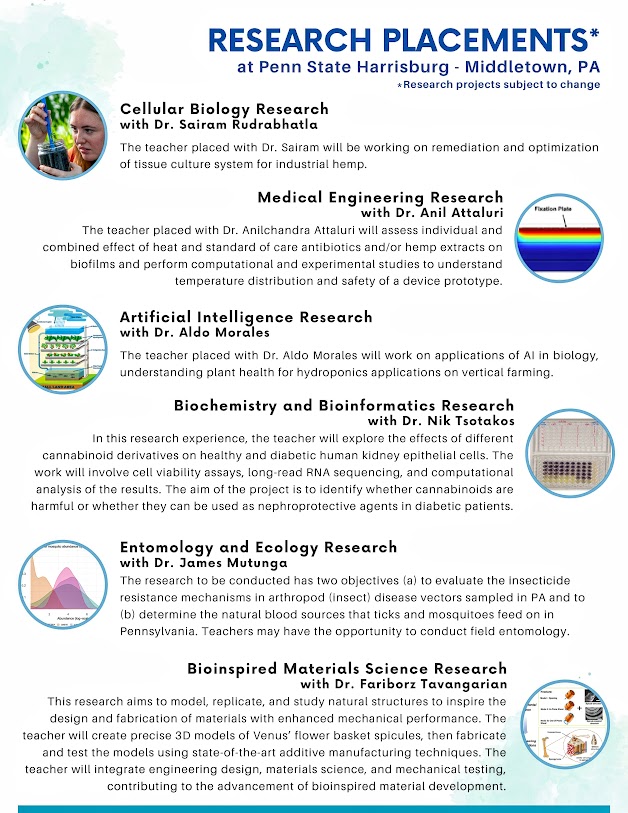
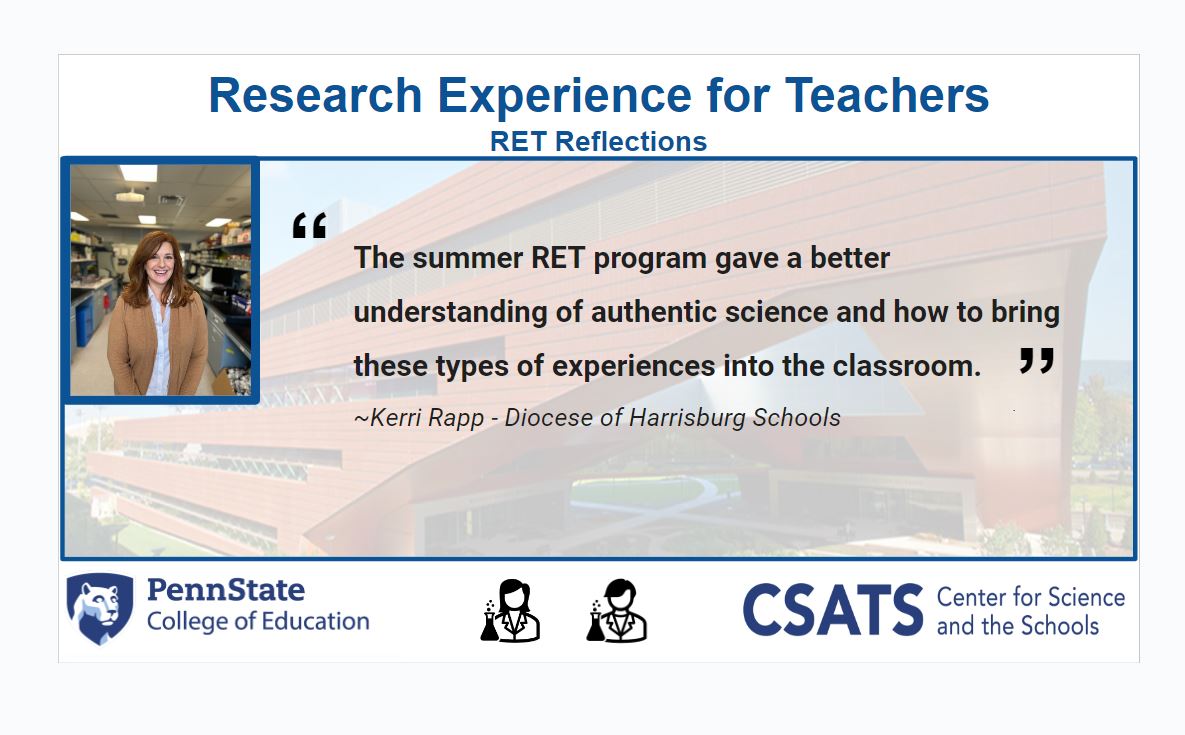
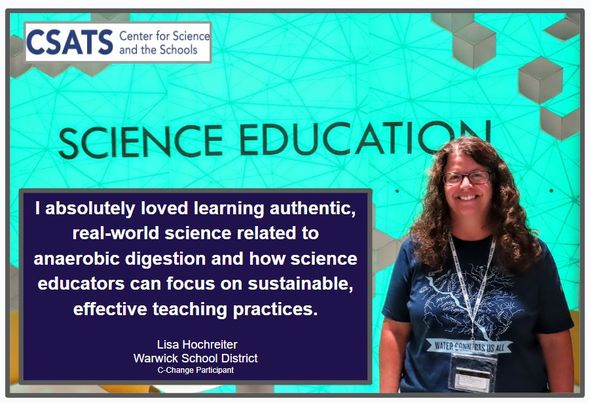
Are you a secondary school teacher looking to reignite your passion for learning and enhance your teaching practice? Research Experiences for Teachers (RETs) offer a unique opportunity to delve into cutting-edge research, collaborate with scientists, and gain valuable hands-on experience. Through RET programs, you'll have the chance to engage in authentic research, develop new pedagogical approaches, and gain a deeper understanding of the Science and Engineering Practices (SEPs) embedded in the Pennsylvania STEELS Standards and NGSS. These experiences not only enhance your professional development but also empower you to bring exciting and engaging authentic research-based learning experiences to your students. By participating in an RET, you'll gain valuable insights, develop new skills, build a strong network of fellow educators and researchers while inspiring your students to try on STEM identities that they may not see in traditional science teaching. Don't take our work for it, check out the teacher testimonies in this article and in this brief VIDEO that shows teachers in out RETs. Scroll down to see testimonials and to explore placement options by field of study. Traditionally, many teachers seek RET opportunities so don't delay. Explore more and apply at the button below. Application deadline is March 31st, 2025.
Questions? Contact Tiffany Lewis.
| |
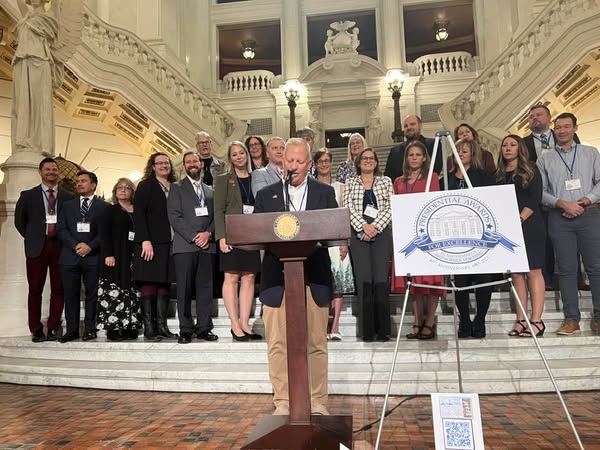
Six Pennsylvania Teachers Awarded Nation's Highest STEM Award!
The Presidential Award for Excellence in Science and Mathematics Teaching
(PAEMST)
| |
|
In mid-January, The White House recognized six outstanding Pennsylvania teachers as recipients of the Presidential Awards for Excellence in Mathematics and Science Teaching (PAEMST). This award honors the vital role that America’s teachers and mentors play in shaping the next generation of technical leaders, including scientists, engineers, explorers, and innovators. Explore more about this prestigious award > https://paemst.nsf.gov/
Kudos to these amazing teachers moving the needle for #STEMinPA
| |
Save the Date!
April14-17, 2025
K12 AI Day - April 17
| |
|
Join us for our second annual K12 AI Day, April 17th, 2025. CSATS and the Penn State AI Hub partner to share cutting edge AI research and application in the K12 world. K12 AI day is part of the highly engaging Penn State AI Week April 14th - 17th, 2025. K12 AI day will feature engaging webinars highlighting cutting edge work by Penn State researchers who are leading AI4Good projects.
Stay tuned for more information by checking in the Penn State AI Hub or by following CSATS newsletters and social media.
| |
Stay Tuned for C - CHANGE!
Consortium for Cultivating Human And Naturally reGenerative Enterprises, July 7-11, 2025
- $1000 Stipend
- Travel/lodging reimbursement up to $900
- Classroom supplies
-
Act 48
| |
|
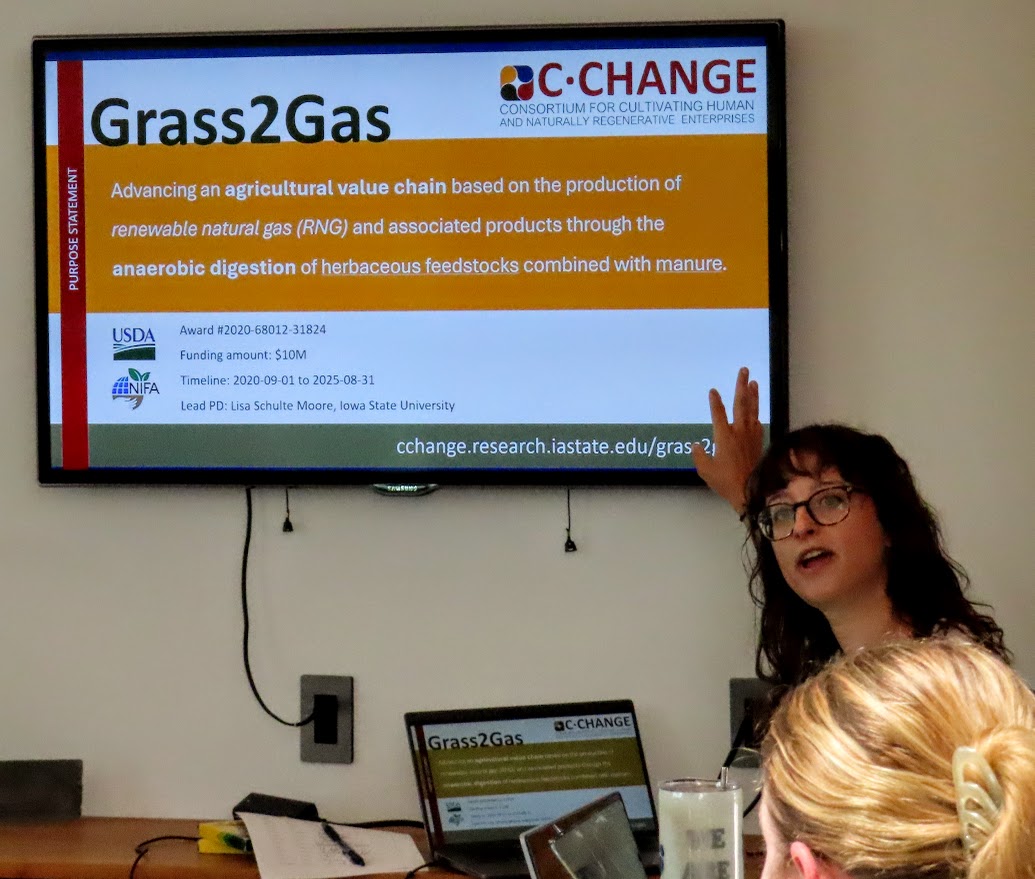
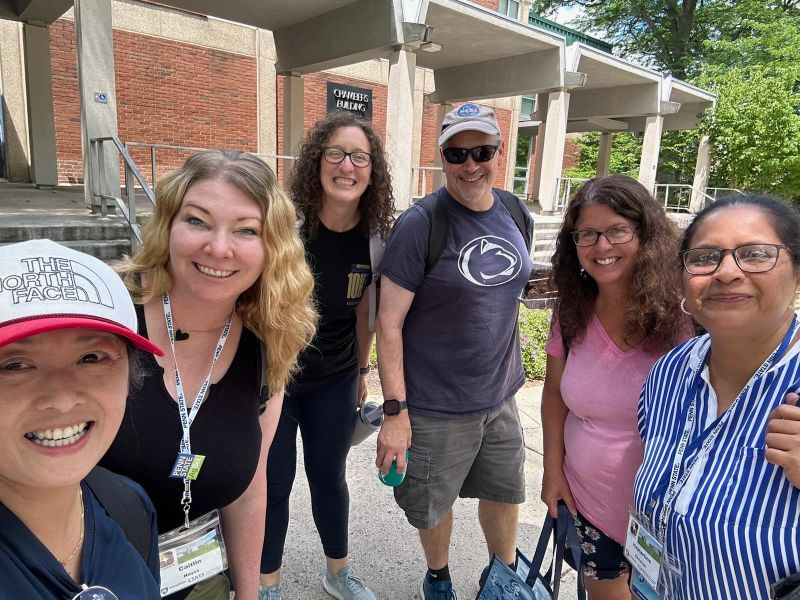
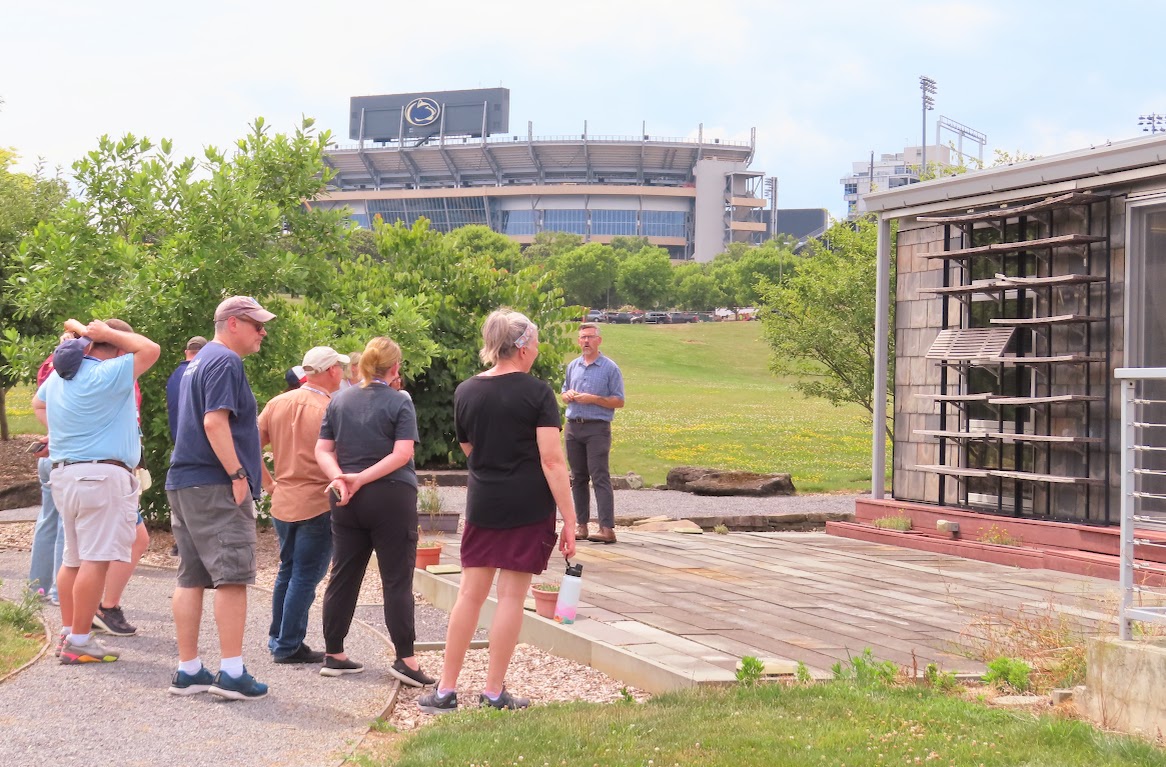
Back by popular demand, our weeklong immersion into environmental education and sustainability with Grass 2 Gas: Making Renewable Natural Gas. Teachers will interact with scientists and engineers to see how they design systems and solve problems through processes like anerobic digesters. The weeklong experience is tied to the PA SEELS Standards as well as NGSS. Field trips and curricular materials are part of this impactful week. July 7 -11, 2025. Don't miss out on future opportunities like this. Subscribe to our newsletter.
Look for details and registration information in our February newsletter.
Questions? Email Dr. Matt Johnson
| |
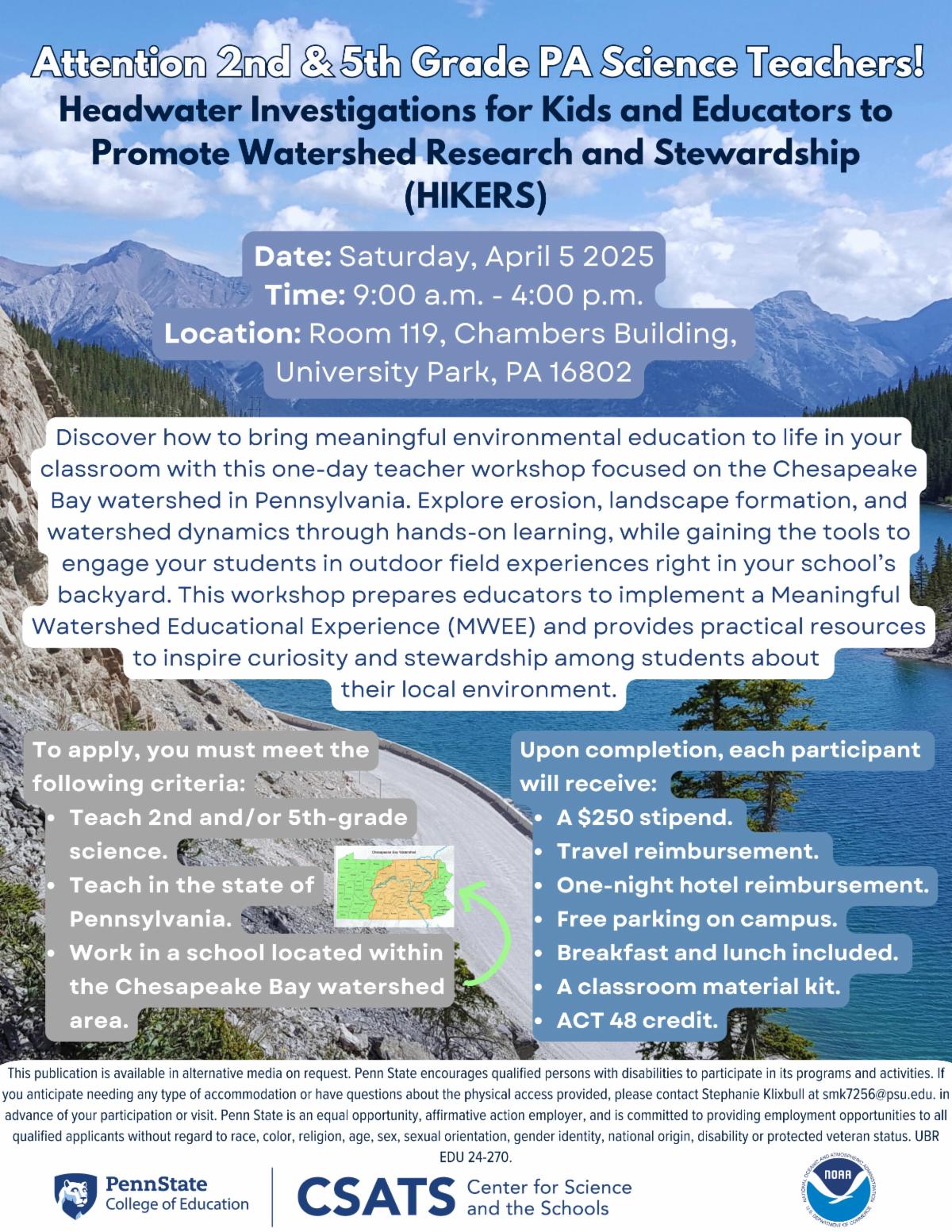
HIKERS Workshop
Meaningful Watershed Educational Experience (MWEE)
Headwater Investigations for Kids and Educators to Promote Watershed Research and Stewardship
For 2nd and/or 5th Grade Educators
NOTE: Participant educator's school must be in the Chesapeake Bay Watershed.
Saturday April 5th, 2025
| |
|
Discover how to bring meaningful environmental education to life in your classroom with this one-day teacher workshop focused on the Chesapeake Bay watershed in Pennsylvania. Explore erosion, landscape formation, and watershed dynamics through hands-on learning, while gaining the tools to engage your students in outdoor field experiences right in your school’s backyard. This workshop prepares educators to implement a Meaningful Watershed Educational Experience (MWEE) and provides practical resources to inspire curiosity and stewardship among students about their local environment.
Teacher Benefits:
- Classroom material kit
- 250$ stipend
- Travel & hotel reimbursement for one night, Breakfast & Lunch included
-
ACT 48 credit.
Questions? Email Stephanie Klixbull
| |
K-12Teachers Thrilled with Recent CSATS Workshop
Igniting Young Innovators: A Workshop Success
| |
|
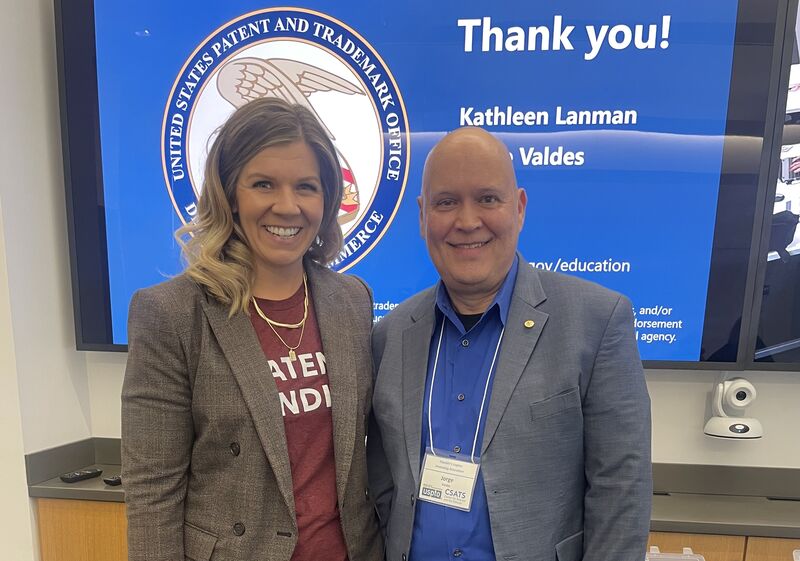
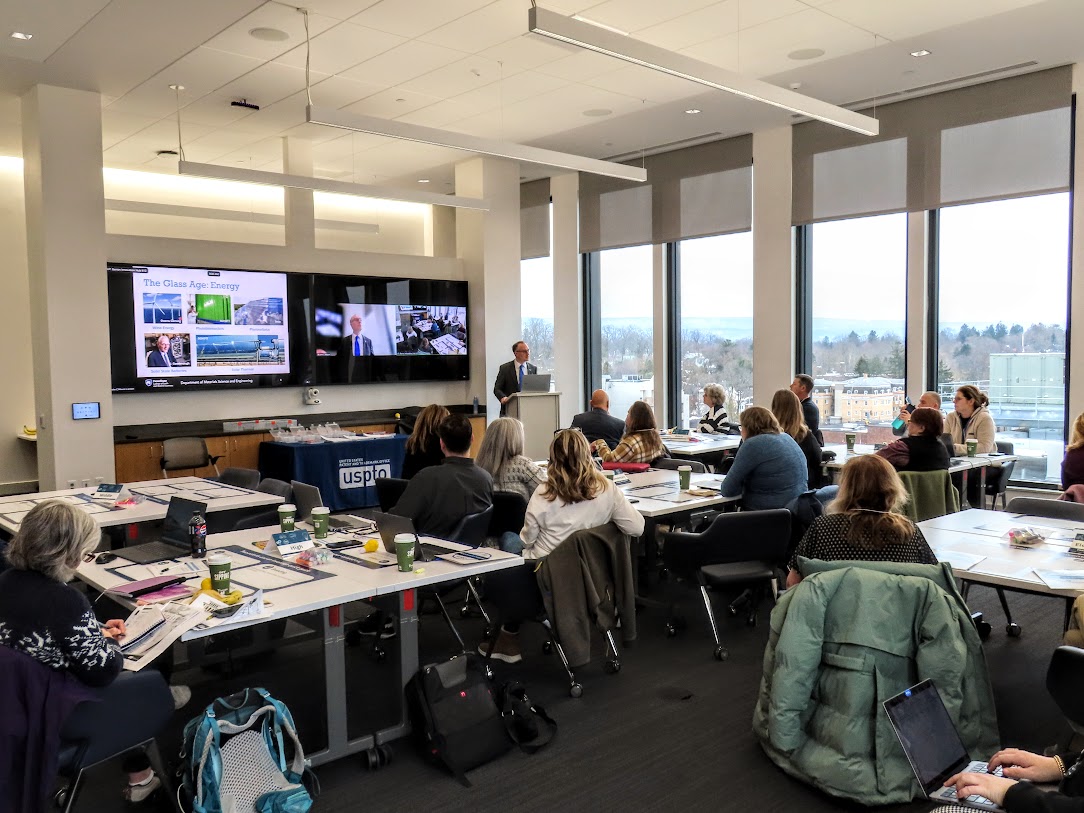
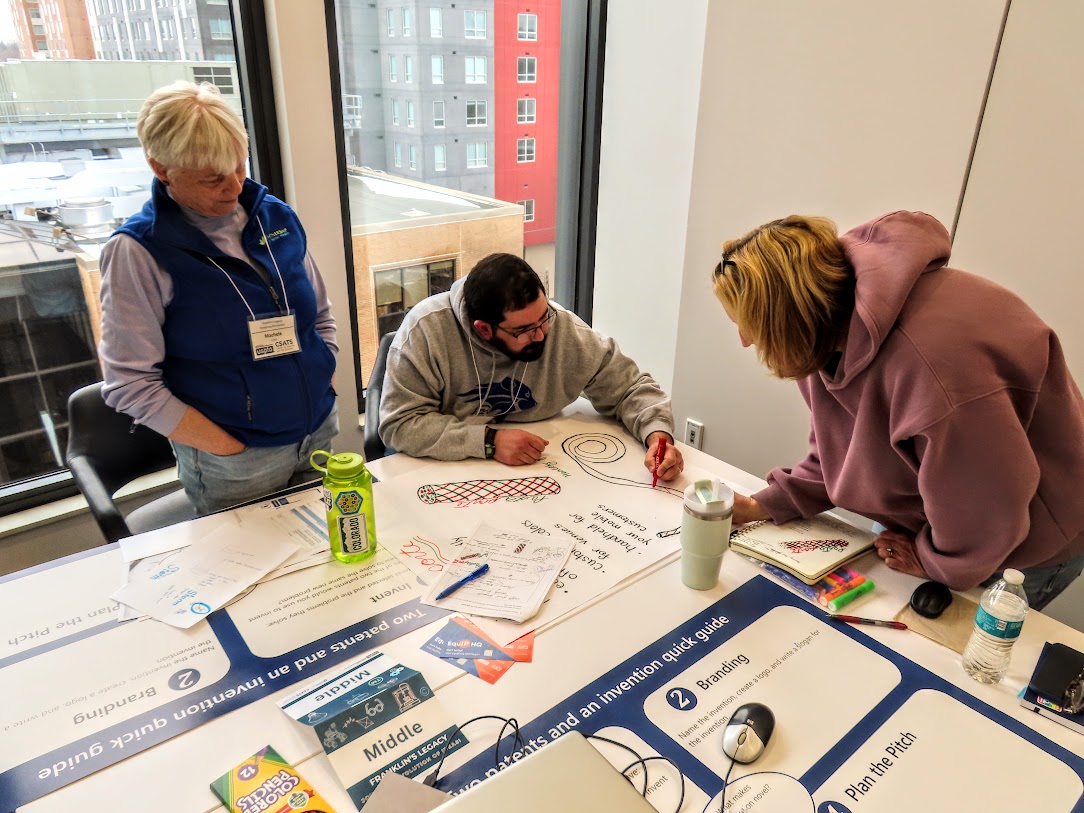
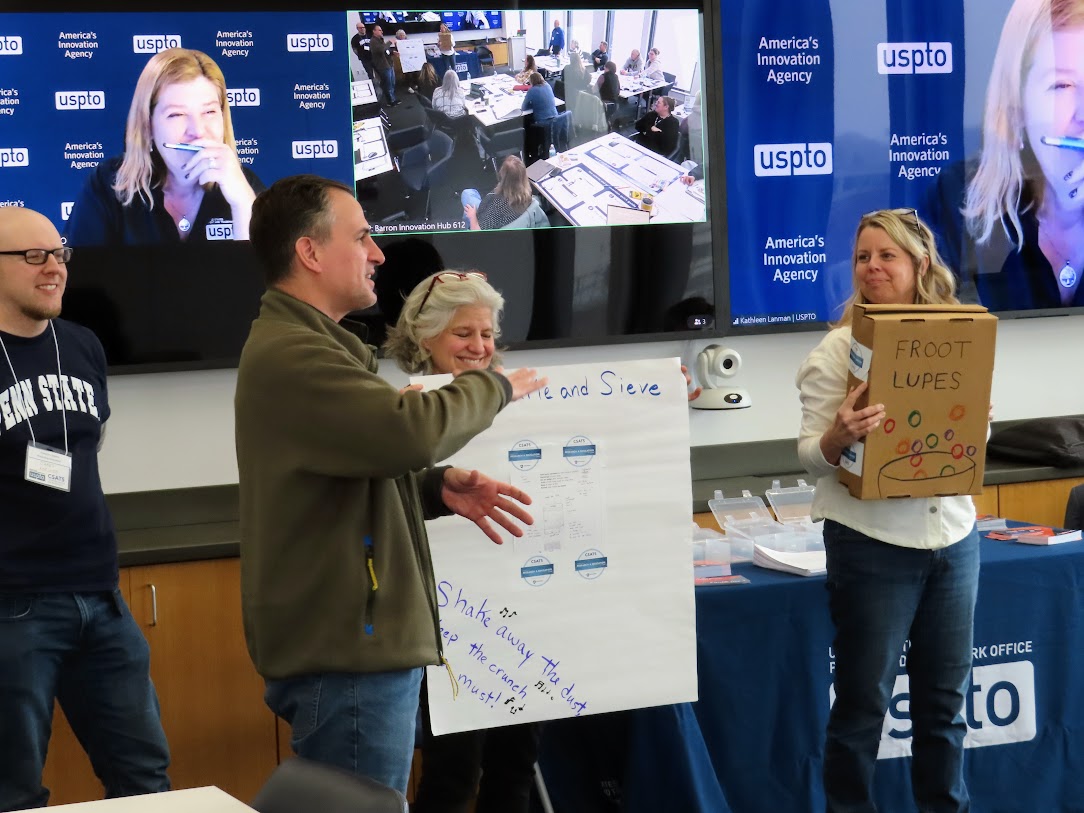
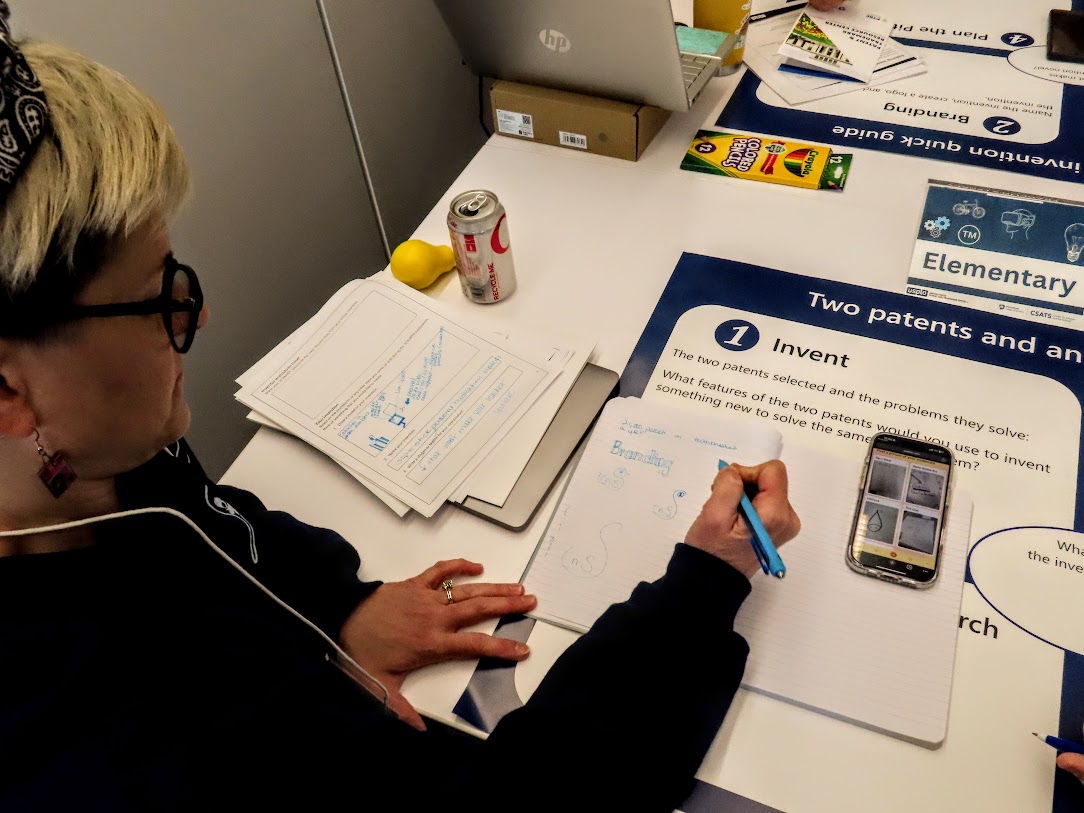
In honor of Ben Franklin's Birthday, one of America's greatest inventors, the US Patent and Trademark Office (USPTO) education outreach team joined forces with CSATS for an unforgettable dive into invention and intellectual property for K12 educators. Hosted at the Penn State Eric J. Barron Innovation Hub the USPTO team and Dr. Mauro, inventor of Lion Glass, shared valuable insights on fostering student innovation. Attendees learned about patents, trademarks, and strategies to cultivate a culture of creativity.
The workshop provided a valuable networking opportunity and earned Act 48 credit, empowering educators to inspire the next generation of innovators and contribute to a brighter future for our region. Don't miss out on future opportunities like this. Subscribe to our newsletter.
| |
Posted on behalf of the Spark Photonic Foundation | |
Explore Advanced Manufacturing
With Your Students
| |
|
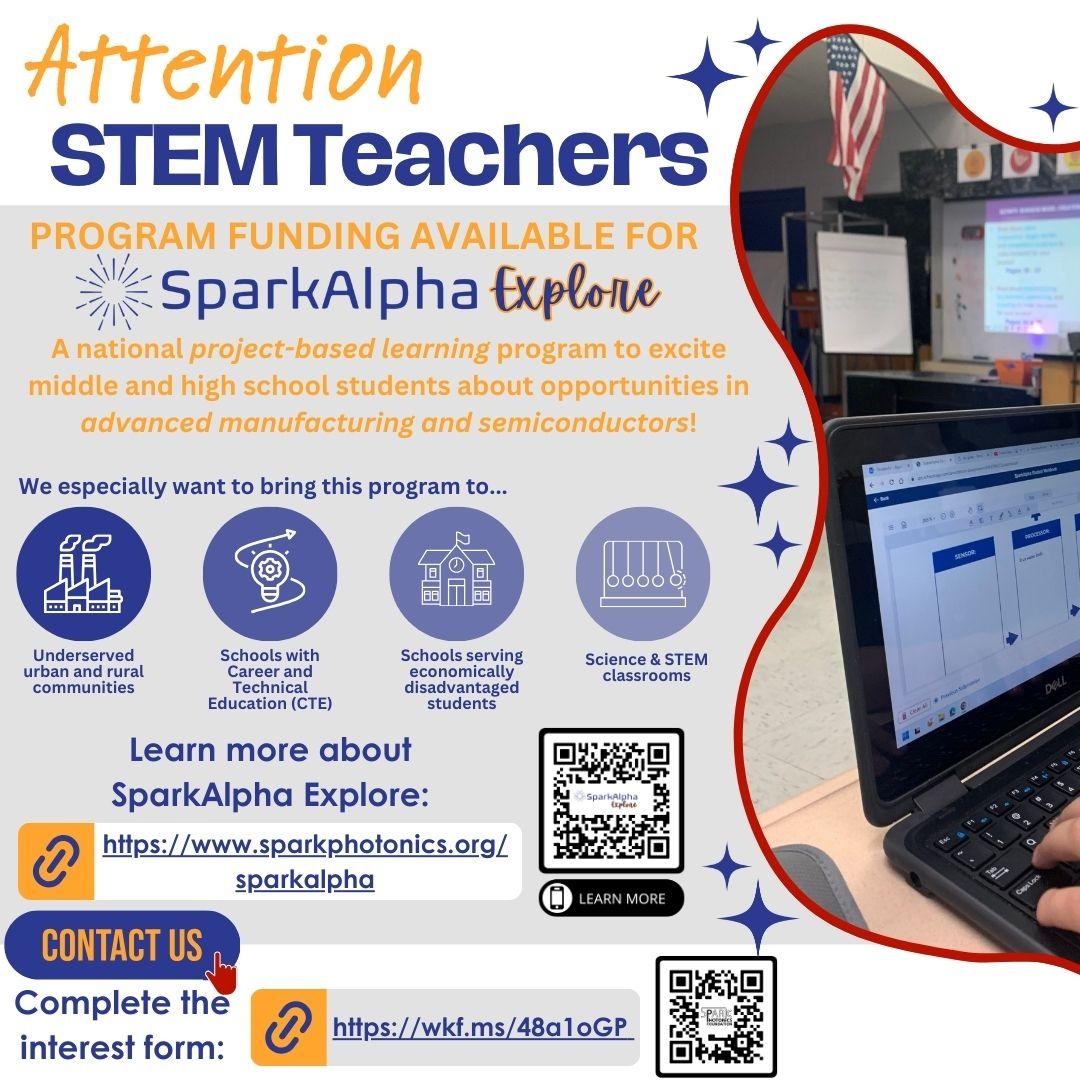
SparkAlpha Explore is a unique project-based learning awareness program that introduces students to the worlds of photonics, semiconductors, advanced manufacturing, and entrepreneurship. Through a collaborative project, students conceptualize innovative integrated photonics devices designed to address real-world challenges.
Spark Photonics Foundation aims to cultivate a skilled and diverse workforce ready to tackle the challenges of the future. SparkAlpha Explore exists to introduce students to concepts in photonics, semiconductors, advanced manufacturing, and entrepreneurship during their time in K12 education.
| |
Posted on behalf of the Water Environment Foundation | |
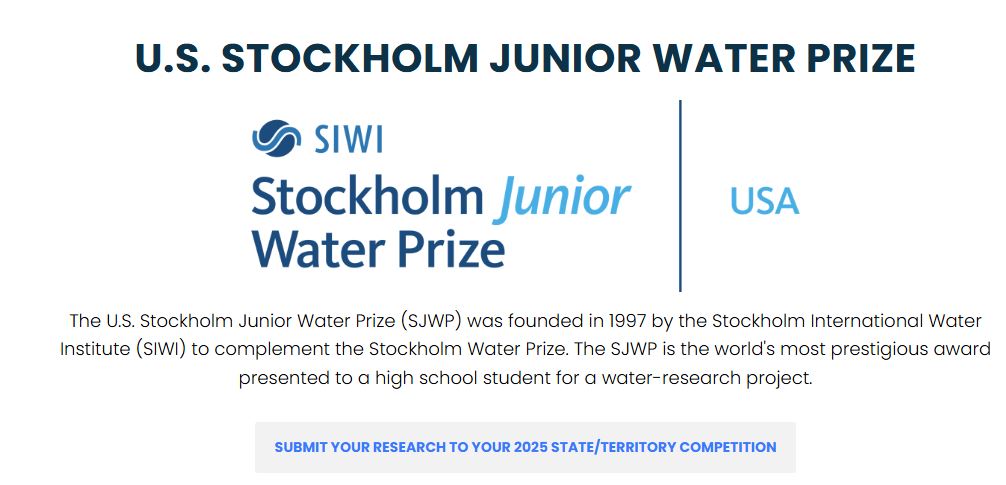
Hey High School Teachers, applications open for the U.S. Stockholm Junior Water Prize 💧🏆 🌍 WEF supports the water leaders of tomorrow through student research projects. Win prestigious awards and represent the US internationally! Apply today! Explore more at this LINK. | |
Posted on behalf of inventEd | |
|
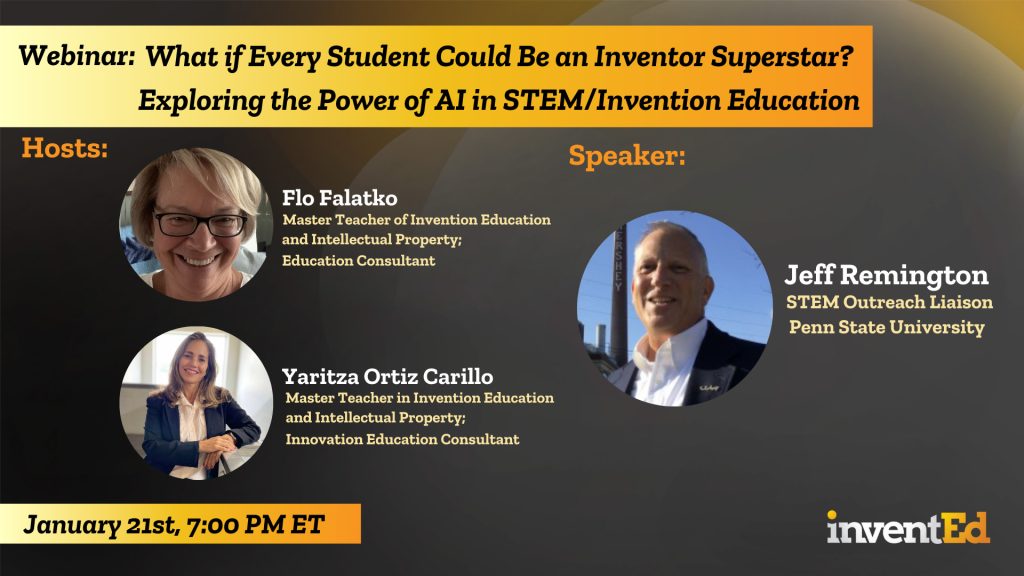
Exploring the Power of AI in STEM and Invention Education
Recorded Webinar
| |
|
The floodgates are open on AI. We see it in all aspect of our life and there is an endless stream of AI noise in education. This recorded webinar was presented by Jeff Remington, the STEM Liaison at Penn State University's Center for Science and the Schools (CSATS). We were thrilled to see such strong interest in learning more about AI in STEM and invention education, and the engaging conversation during the session.
Jeff notes, "[Employers] are going to want kids who have these AI skills. The genie is out of the bottle. We need to adapt and learn how to use [AI]."
This presentation provided an overview of how AI can be used to enhance program and classroom learning, and shared examples and activities for educators to try. This is a topic we look forward to revisiting in future discussions at InventEd, as the invention education community continues to share experiences and insights. A huge thanks also goes out to InventEd members Florence Falatko and Yaritza Ortiz, who added their perspectives as hosts for this webinar.
If you missed it live or would like to rewatch the presentation, you can visit our website — inventioneducation.org — for the full recording, click the button below.
| |
Posted on behalf of the AI Institute for Societal Decision Making | |
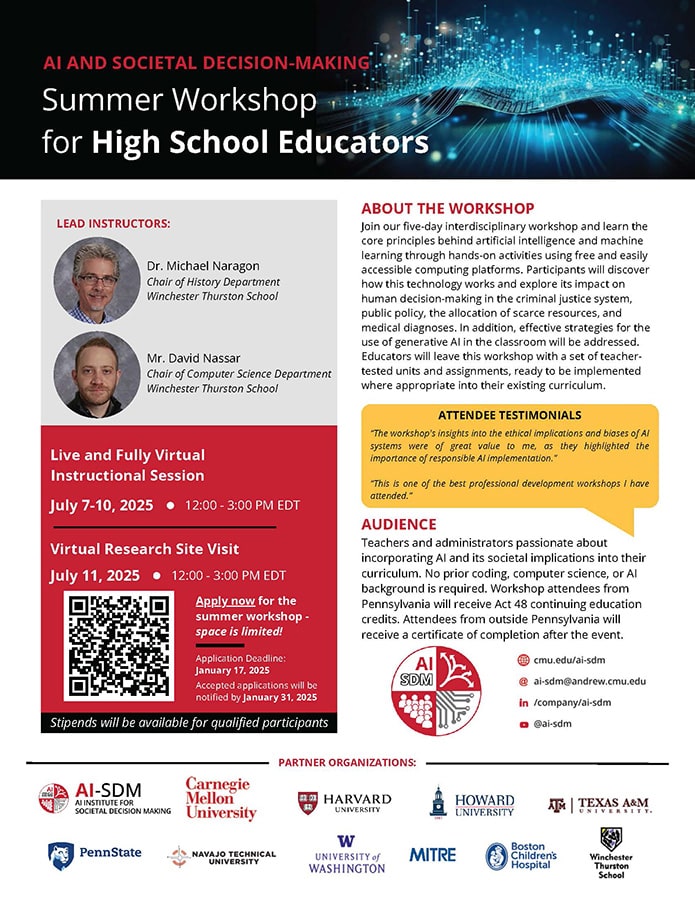
Become An AI-empowered Educator This Summer! | |
Posted on behalf of the National Science Foundation | |
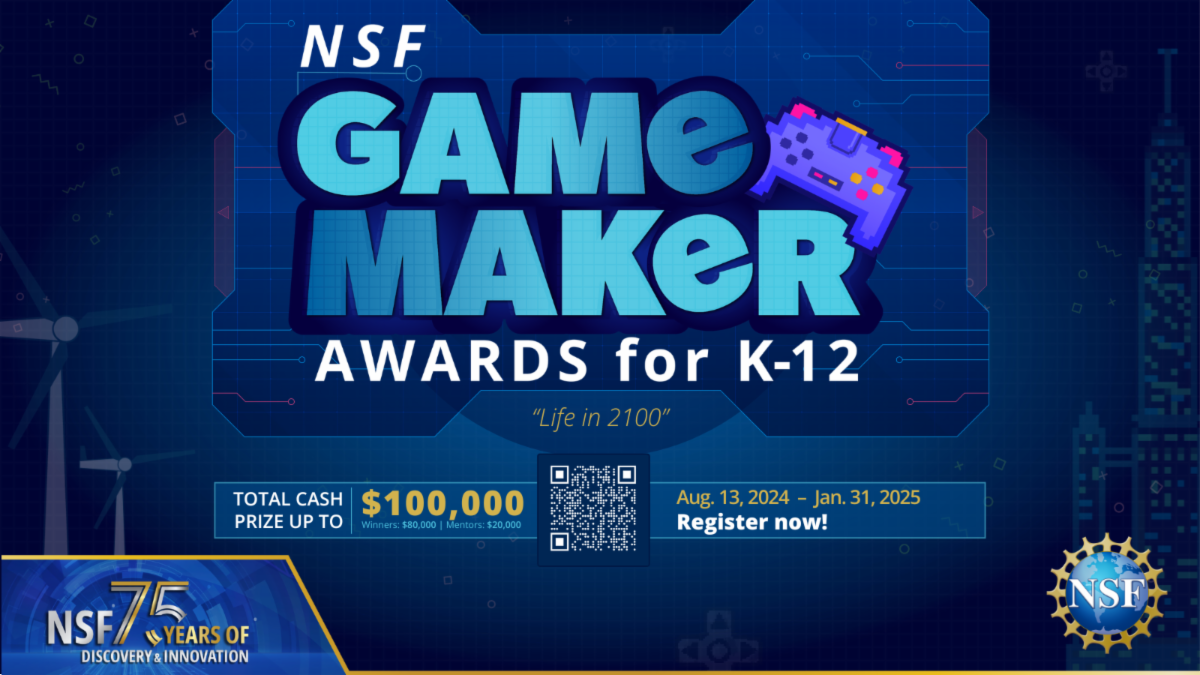
NSF Game Maker awards for K-12 | |
- Win up to $8,500 in various prize categories.
- Get featured in NSF publications.
- Winners will get the opportunity to connect with other young innovators and industry leaders in gaming.
- Showcase your game at in-person prize event in Washington, D.C. (tentative).
| |
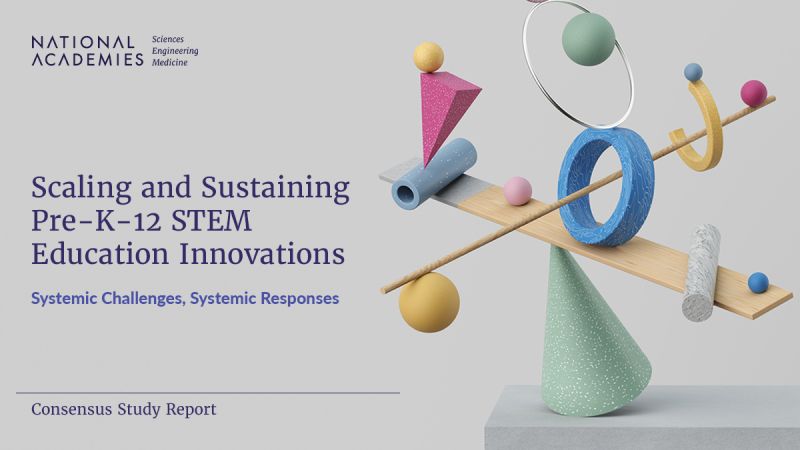
National Academies' Report on Scaling & Sustaining STEM Education Innovation Released | |
|
The National Academies of Sciences, Engineering, and Medicine (The National Academies) provide independent, objective advice to inform policy with evidence, spark progress and innovation, and confront challenging issues for the benefit of society. Recently, they released a salient publication to help share practices that work to scale and sustain STEM programs that work. Below find links to the full report, an AI generated podcast synopsis of the report and a bulleted breakdown of insights for K12.
👉 Read more: https://ow.ly/BUMB50Ubb83
👉 Listen to the AI-generated podcast from Notebook LM: NOTEBOOK LM Podcast
Insights for Educators and Administrators
Here are four key takeaways for educators and school administrators regarding the scaling and sustaining of Pre-K-12 STEM education innovations:
1.) Effective scaling involves more than just reaching more students. There is a need to consider four dimensions of scale: spread, depth, sustainability, and ownership. Simply expanding an innovation without ensuring it is deeply integrated into practice, supported long-term, and embraced by stakeholders is unlikely to lead to lasting change. Educators and administrators should prioritize comprehensive scaling approaches that address all four dimensions.
2.) The report emphasizes the value of building capacity at all levels of the system. The report advocates for a coordinated effort to equip teachers, school leaders, and district administrators with the knowledge, skills, and resources they need to effectively implement and sustain innovations. This includes providing ongoing professional learning opportunities that are relevant, high-quality, and aligned with the innovation's goals. The report also highlights the importance of developing infrastructure that supports the sharing of knowledge and resources across schools and districts.
3.) The report encourages a shift towards research and development processes that involve practitioners and consider real-world contexts from the outset. This approach aims to ensure that innovations are not only effective in controlled settings but also adaptable and sustainable in the diverse settings where they will be implemented. The sources highlight the potential of research-practice partnerships to bridge the gap between research and practice, bringing together researchers, educators, and administrators to collaboratively design and implement innovations that meet the needs of students and schools.
4.) Systemic change is essential for creating an environment where promising STEM innovations can flourish. The report identifies several systemic barriers to scaling, including the fragmented nature of the U.S. education system, frequent policy shifts, inadequate funding for implementation support, and a disconnect between research and practice. Overcoming these barriers requires a collective effort to foster greater coherence, coordination, and collaboration across all levels of the system. This includes advocating for policies that support innovation, aligning funding streams to prioritize long-term sustainability, and building partnerships that bridge the divide between research, policy, and practice.
| |
How can CSATS help your school? | |
Interested in learning more about the Center for Science and the Schools and other opportunities for teachers and students available from Penn State? How can your school become involved in STEM projects with us?
Please contact the CSATS Outreach Liaison Jeff Remington (jeff_remington@psu.edu) to set up a phone or in-person appointment with your school to review your STEM needs and goals!
| | |
Our opportunities are possible due to research grants with scientists and engineers. However, in order to expand the work we do to further impact K-12 education in STEM and provide further resources, materials, and experiences for teachers, this is made possible by the support of our donors. To make a donation to Penn State Center for Science and the Schools, please visit our GIVE page and also see our current IMPACTS across Pennsylvania and the nation.
| |
Follow us on social media | | | | |