|
Stories of Impact
Opportunities To Learn and Grow
| | |
Energy Workshops Blanket
the Mid-Atlantic
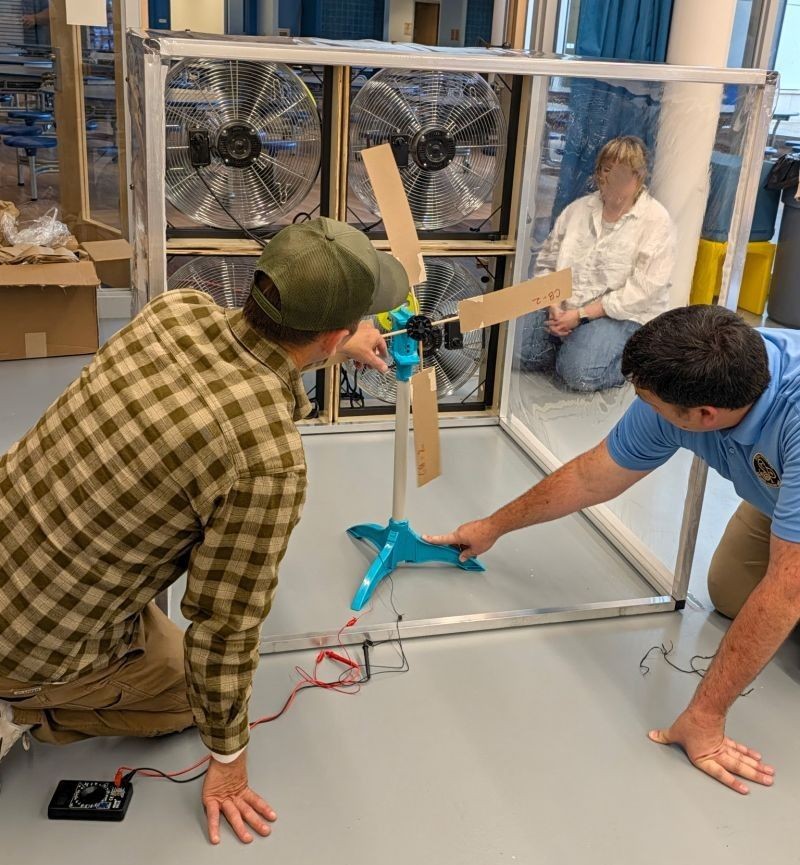
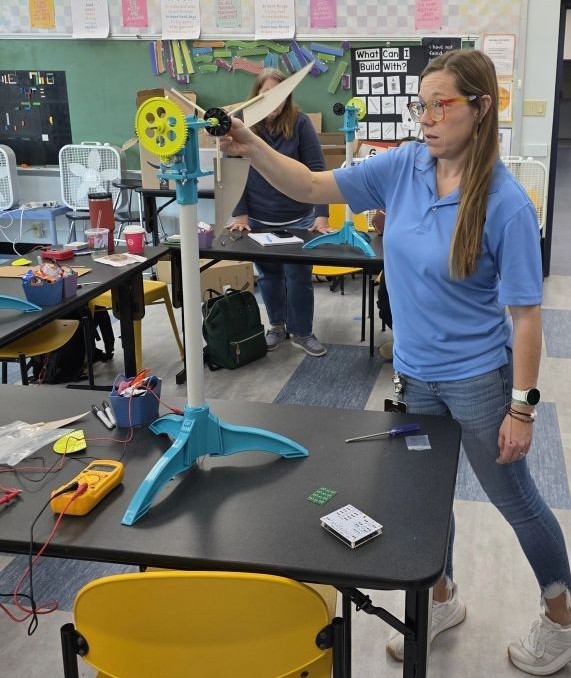
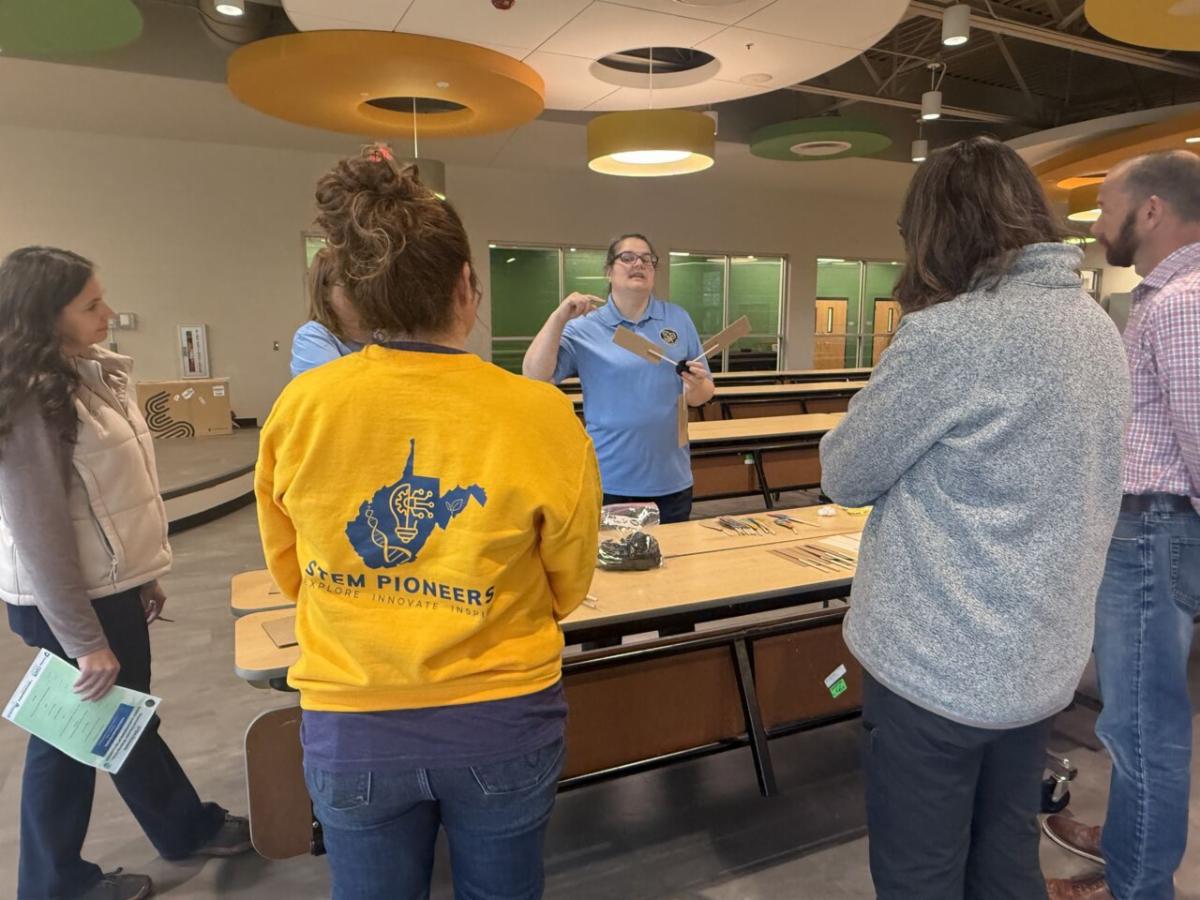
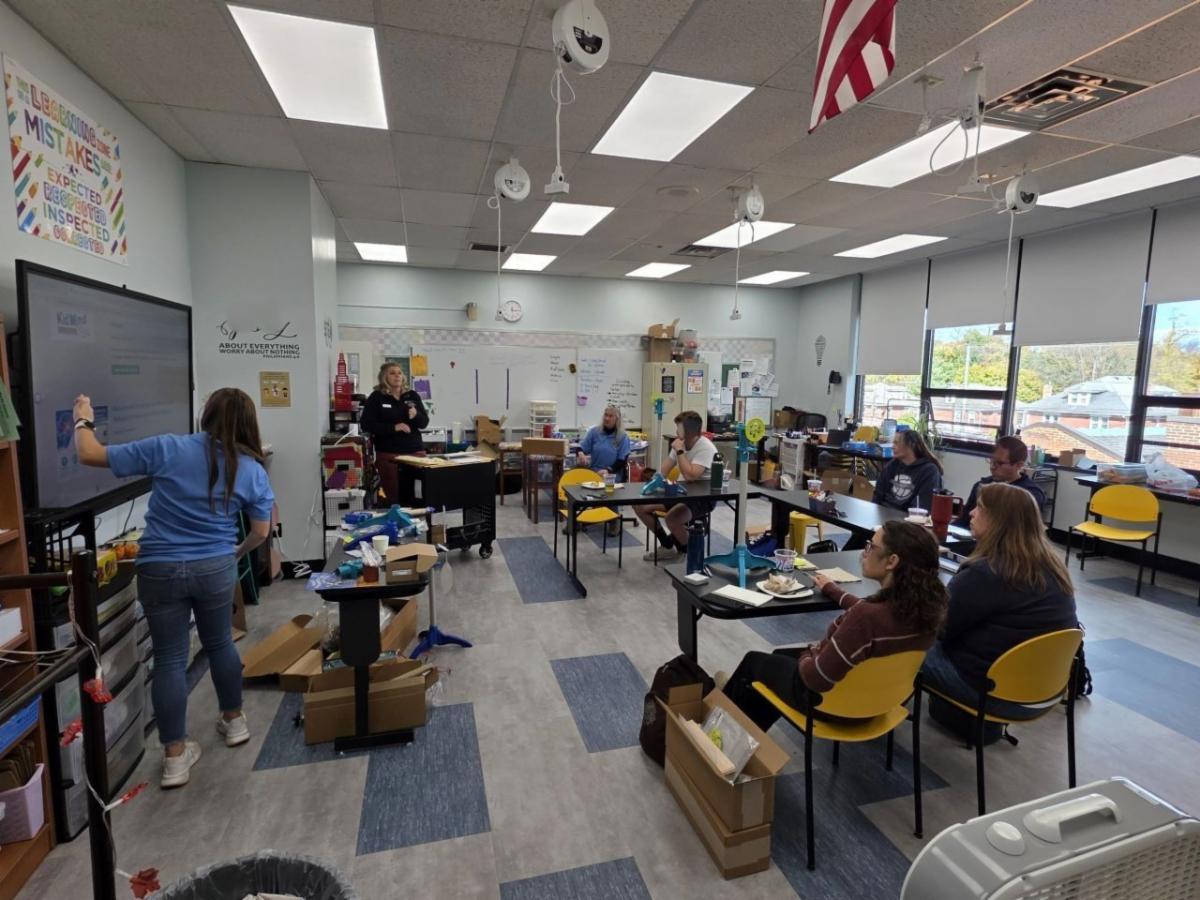
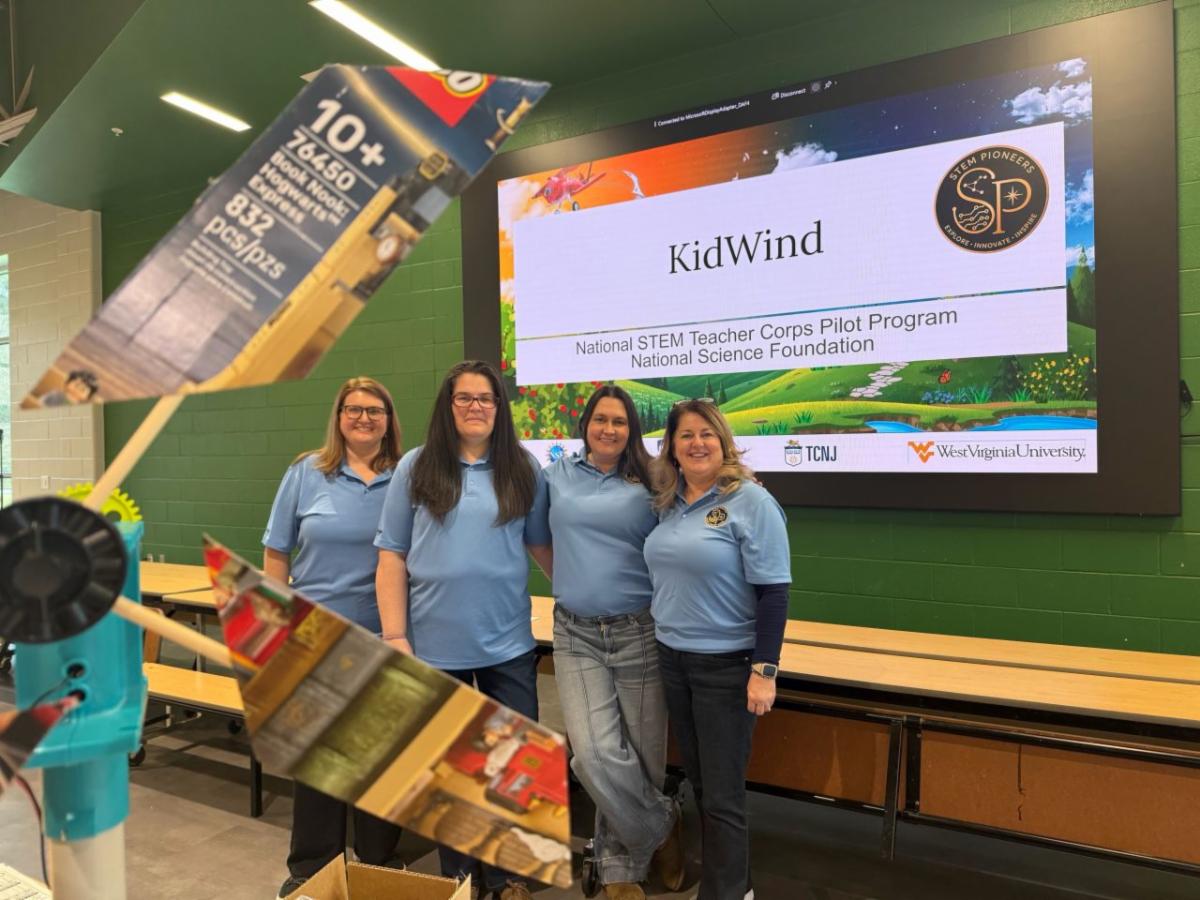
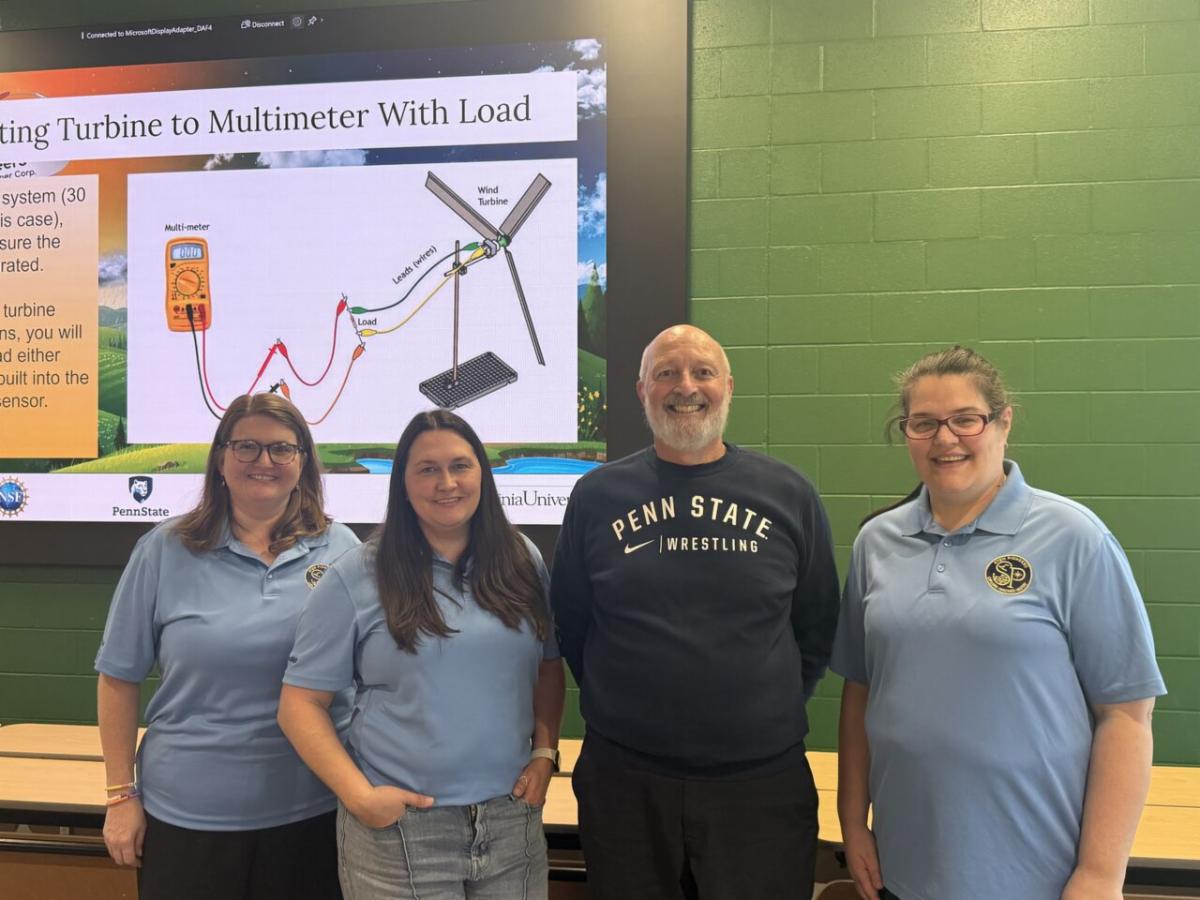
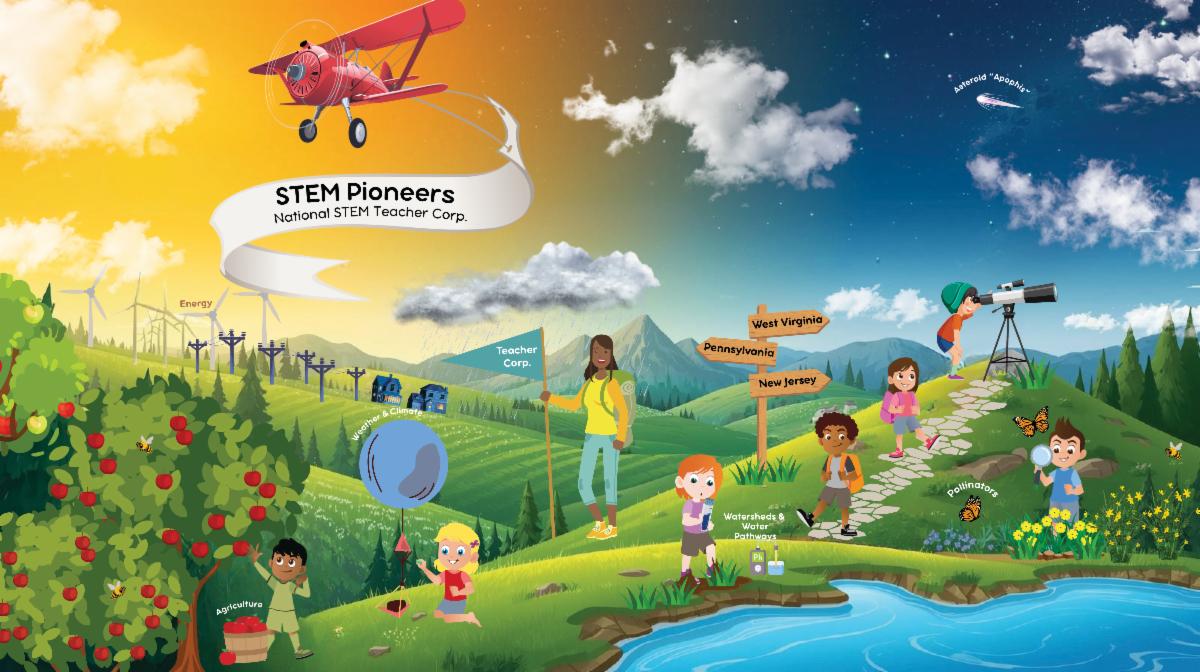
STEM Pioneers cover three states in providing impactful and engaging workshops on energy through KidWind
| | |
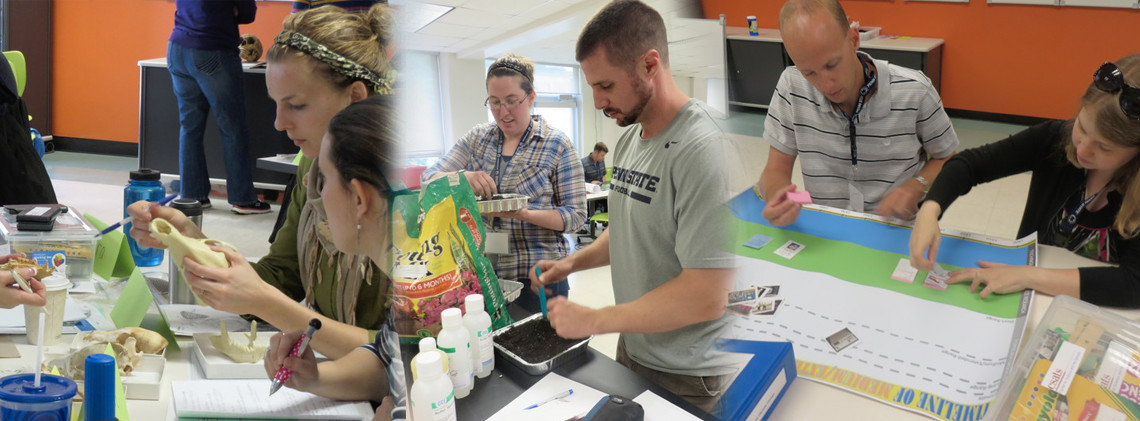
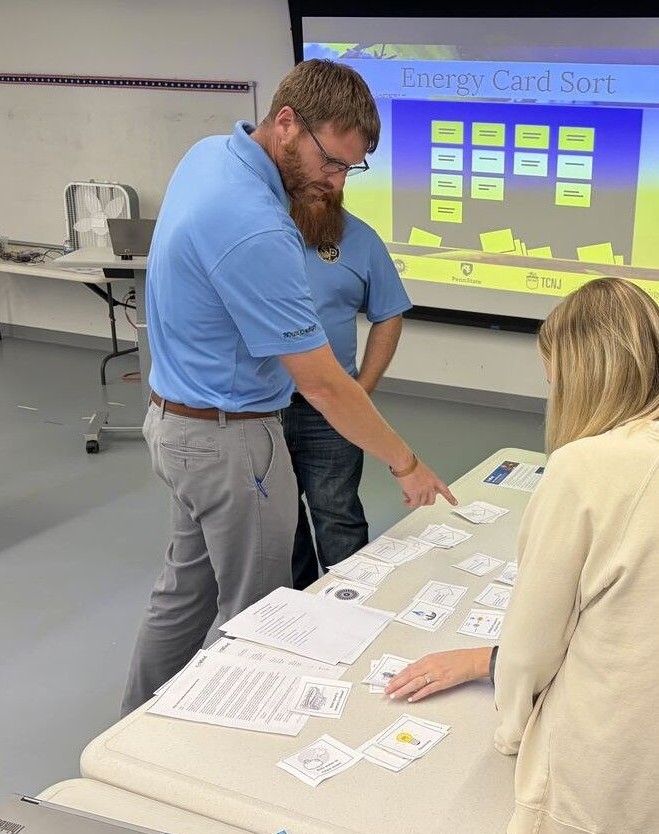
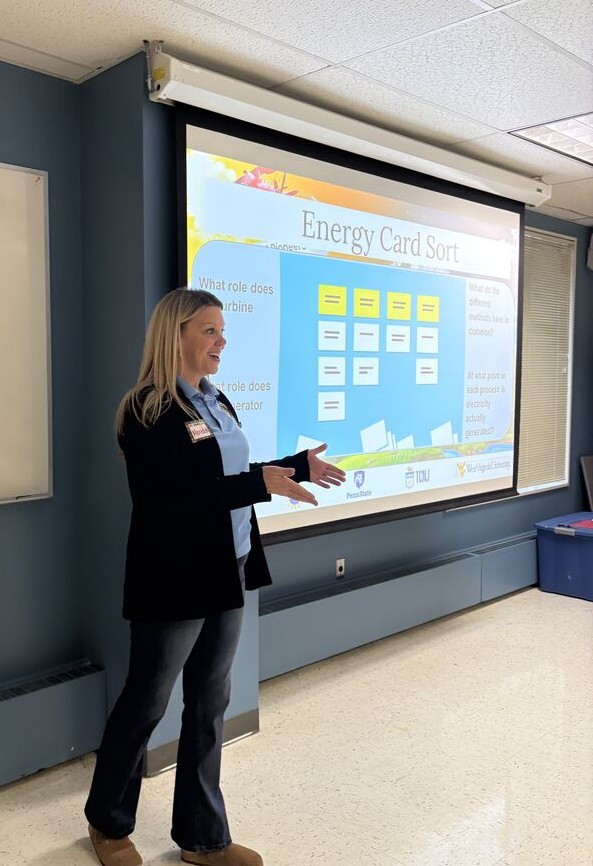
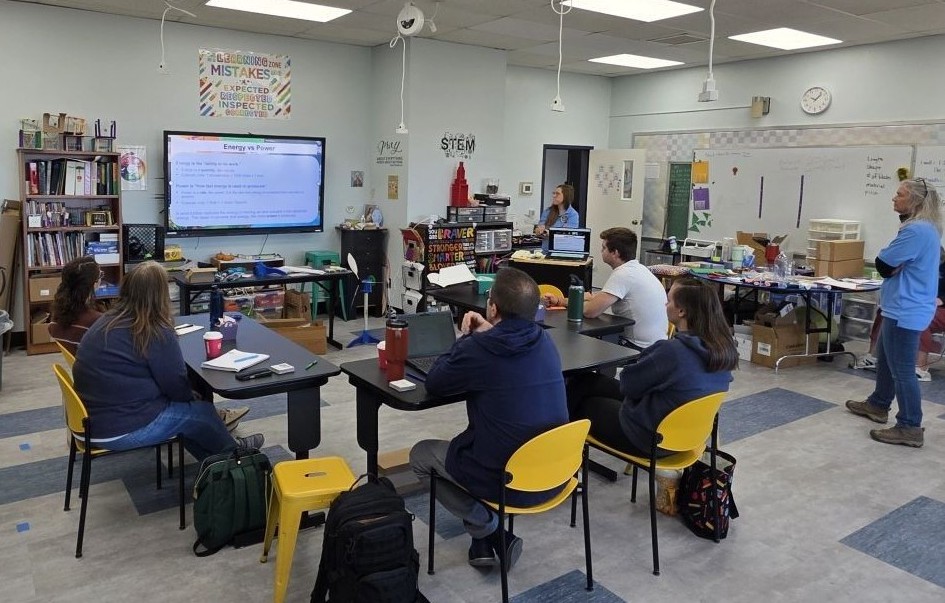
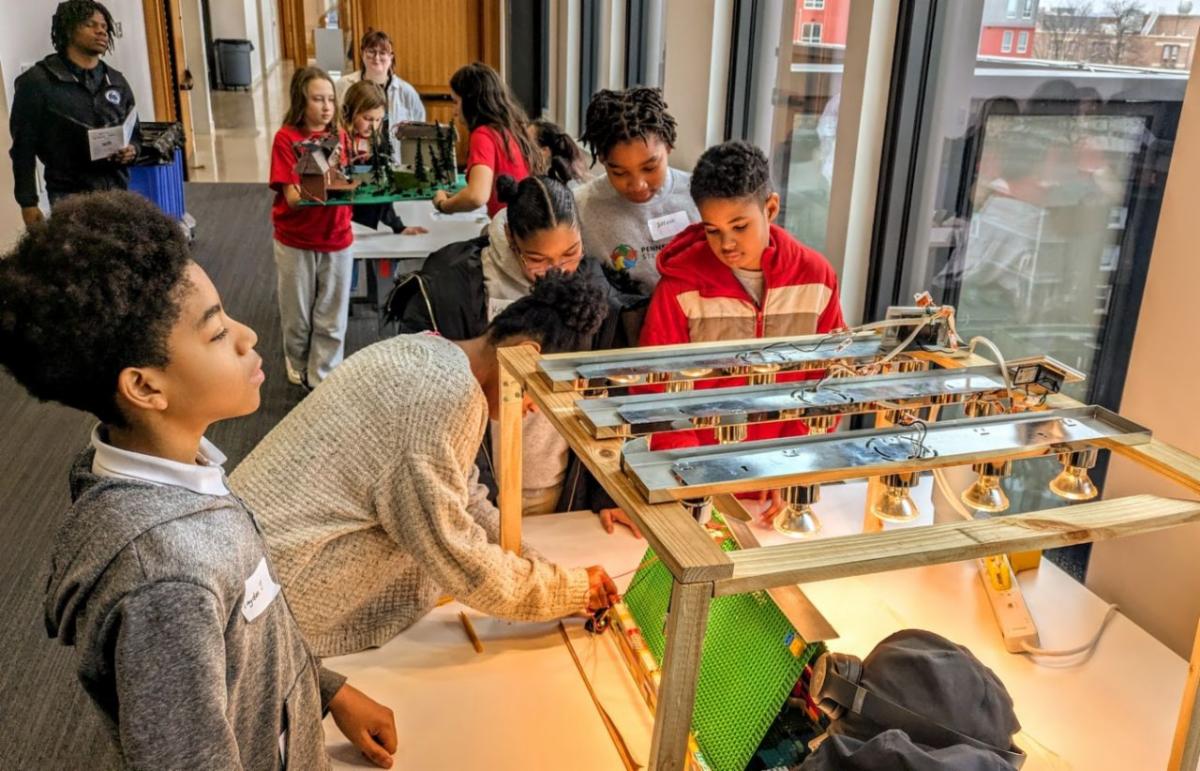
Across West Virginia, New Jersey, and Pennsylvania, elementary and middle-level educators are discovering new ways to bring renewable energy and engineering design into their classrooms—thanks to the peer-led momentum of the #STEMpioneers cohort.
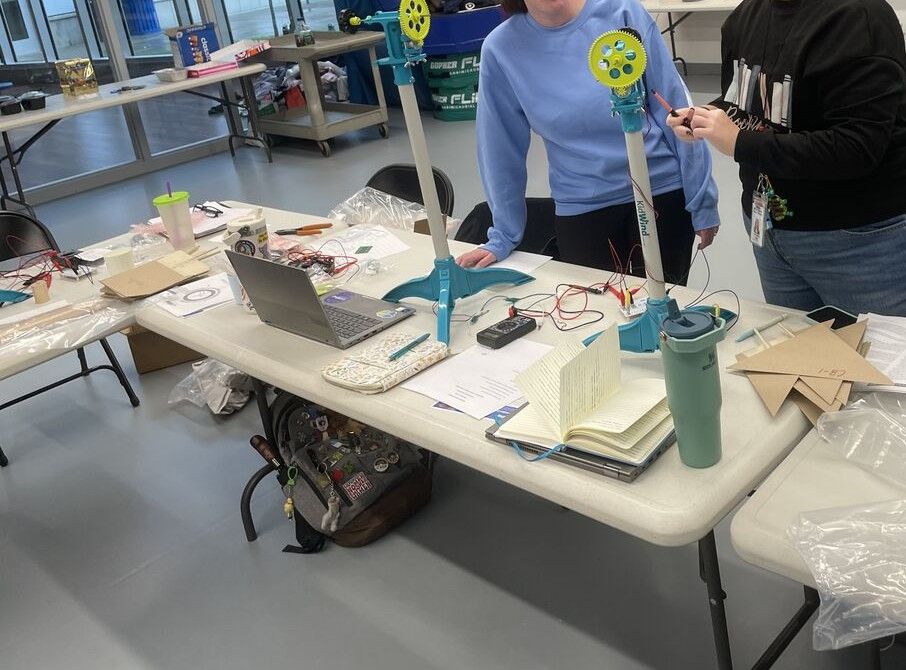
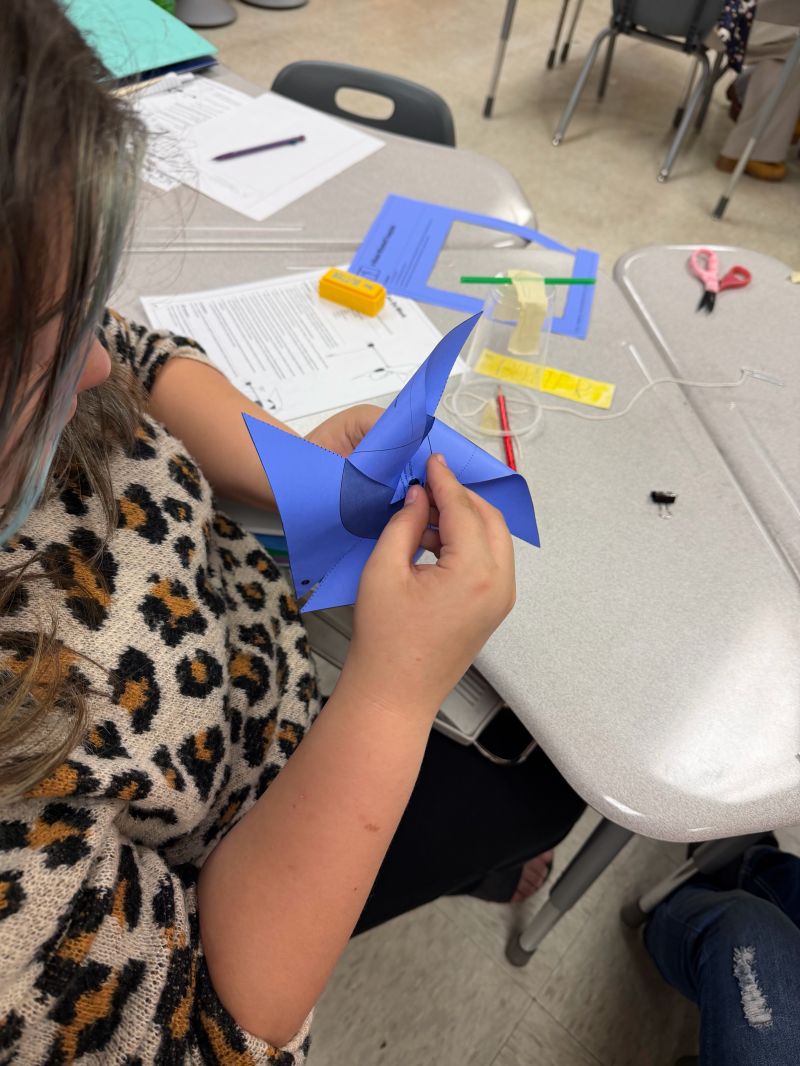
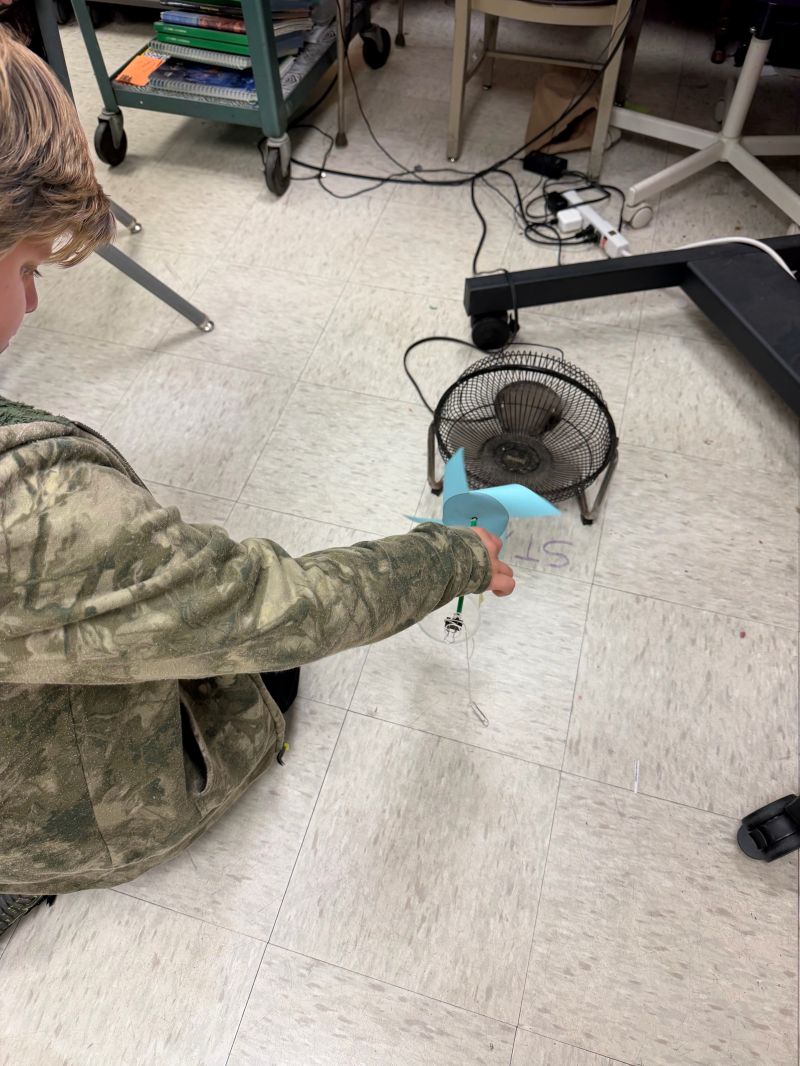
As part of the National Science Foundation-supported Mid-Atlantic National STEM Teacher Corps, these teacher-leaders have been fanning out across the region to host hands-on KidWind professional development workshops. Rather than simply lecturing on energy concepts, the STEM Pioneers are putting turbines, blades, multimeters, and real-world engineering challenges directly into the hands of fellow educators.
Why KidWind Works for K–8 Classrooms
By partnering with KidWind, the STEM Pioneers are giving educators an accessible entry point into authentic STEM integration:
-
Low Floor, High Ceiling: Students can build a working wind turbine using everyday materials like cardboard, balsa wood, and dowels, then iterate on their designs using real voltage and amperage data.
-
Standards-Aligned Inquiry: The engineering design cycle naturally weaves together physical science, mathematics, data literacy, and environmental stewardship.
-
Peer-to-Peer Support: Because these workshops are led by practicing classroom teachers, participants leave not just with equipment, but with practical classroom-management tips, pacing advice, and a built-in network of mentors.
Get Involved
Whether you are looking to introduce a single hands-on energy unit or coach a student team for an upcoming state challenge, the #STEMpioneers network is ready to help you get started. Explore curriculum resources, classroom kits, and regional challenge dates at kidwind.org.
| | |
Register Today for December's Impactful, Engaging
CSATS Learning Opportunities!
| | |
Brain-Inspired Computing Workshop
Date: December 5, 2026
Time: 9:00 A.M. - 3:00 P.M.
Location: 119 Chambers Building, University Park.
How is neuroscience reshaping the future of hardware and artificial intelligence?
Designed for computer science teachers and educators interested in AI, this hands-on professional development opportunity dives deep into neuromorphic computing and spiking neural networks (SNNs).
What to expect:
- Insights from the Penn State NeuroAI Lab on current research in brain-inspired computing.
- Hands-on Jupyter Notebook coding activities—including training an AI model to recognize handwritten digits.
- Exploration of the trade-offs between accuracy, spike activity, and computational cost for smarter, more efficient AI systems.
Spaces are limited! Learn more and apply today at the button below.
| | |
Beyond Words:
Bridging Communication Through Sensor Technology
Date: December 5, 2026
Time: 9:00 A.M. - 3:00 P.M.
Location: 118 Chambers Building, University Park.
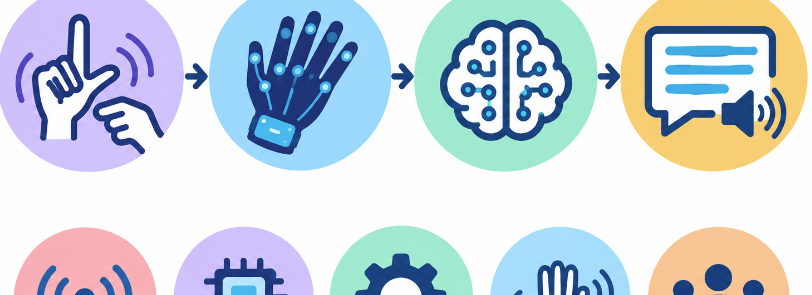
Designed for Grades 6-12 and special education educators, this hands-on workshop explores the science behind motion-sensing technology and its potential to support American Sign Language (ASL) recognition in the classroom. Educators will investigate how sensors detect and interpret movement, helping to discover innovative ways to better support students who communicate through ASL.
What to expect and perks:
- Insights into cutting edge technology from our Penn State research enterprise.
- $200 stipend
- Free PocketLab Sensor (valued at $198) to take home for continued experimentation
- ACT 48 noncredit hours
- Complimentary parking pass, breakfast, and lunch
Spaces are limited! Learn more and apply today at the button below.
| | |
Meet 3 of the 27 STEM Pioneer Fellows
In each newsletter over the next few months, we will feature 3 of the 27 STEM Pioneer Fellows representing NJ, PA, and WV.
| | |
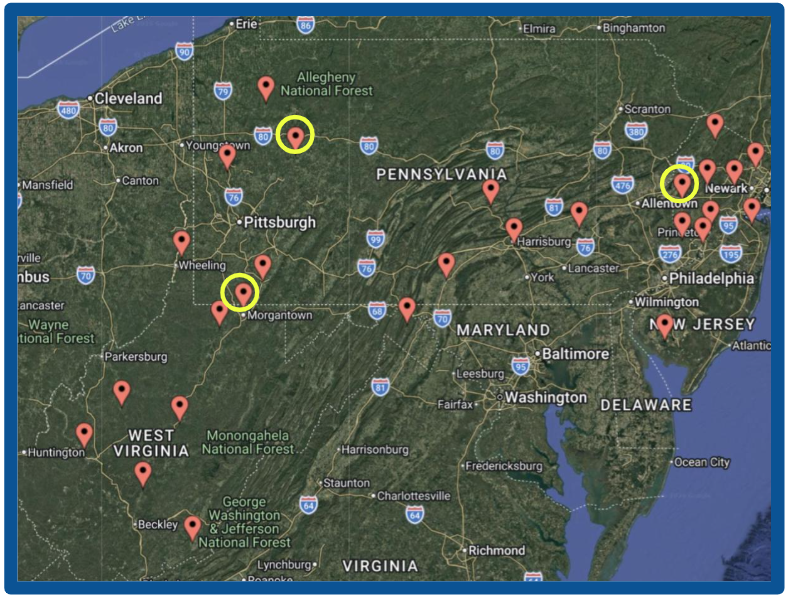
The circled map points below show the school locations of
this month's 3 featured STEM Pioneer Fellows.
| |
New Jersey
Julianne Romanella - Alexandria Township School
Alexandria Township School District
| | |
Sparking Curiosity Beyond the Classroom: How Julianne Romanella Brings STEM to Life
For 13 years, 5th and 6th grade science and STEM educator Julianne Romanella has been turning everyday curiosity into hands-on discovery. Armed with degrees from The College of New Jersey and Temple University, her dynamic approach to teaching has earned her recognition as both her district's Teacher of the Year and the 2024 recipient of the Anton Banko Award for Excellence in Elementary Science Teaching. Beyond her own classroom, Julianne shapes science education statewide as a member of the NJDOE's NJSLA Science Elementary Committee, while bringing learning straight to her community by organizing large-scale STEM events that unite students and families in the excitement of exploration.
Why did you apply for the STEM Pioneer program?
I applied to STEM Pioneers because I wanted to turn a decade of teaching experience into a bigger impact for K-5 students and their teachers. I had experience leading STEM workshops and planning the New Jersey Science Convention, and this program would help me grow those connections while focusing on elementary STEM. My goal is to help teachers create great STEM experiences, so every student builds the skills, confidence, and excitement to enjoy science for life.
What do you like most about your state?
New Jersey has so much variety packed into a small space. In one day I can go from the Jersey Shore to the Pine Barrens to farmland to a big city, and I'm never far from any of them.
What is your favorite food connected with your state?
New Jersey is "The Garden State" for a reason! I love all the fresh fruits and veggies from our state, no matter the season, you can go to your local farm and pick it fresh or go to a local market and know exactly where your food is being grown.
Why do you think STEM is important at the elementary school level?
When students engage in hands-on, open-ended challenges, they see themselves as capable problem-solvers even at the elementary level. The collaborative nature of STEM projects allows students with different strengths to contribute meaningfully. Some may excel at building, others at planning, and still others at presenting ideas. By connecting STEM to their own communities, students from all backgrounds see that STEM is relevant to their lives and futures. The emphasis on exploration over right answers helps students develop resilience and a growth mindset, essential components of STEM identity.
| |
Pennsylvania
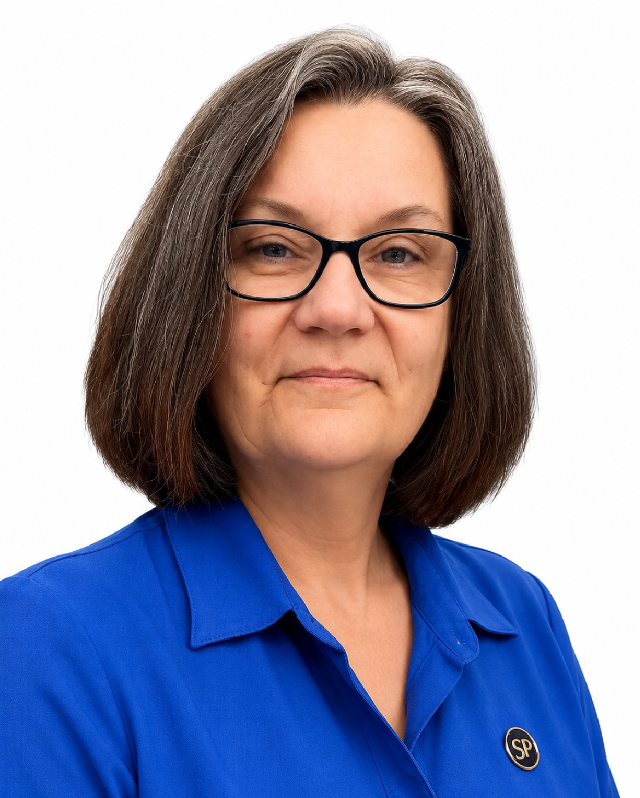
Kristen Landers - Redbank Valley Elementary Schools
Redbank Valley School District
| | |
Building Tomorrow's Problem Solvers: Inside Kristen Landers’ Hands-On STEM Classroom
Across a 28-year career dedicated to creating welcoming, inclusive spaces where every learner can thrive, K–5 educator Kristen Landers turns her classroom into a launchpad for real-world discovery. In the 2026–2027 academic year, she guides young learners through computer literacy, STEM, and design-based learning—blending engineering challenges, creative problem solving, and applied technology so students see how science works beyond the school walls. A passionate champion of educational innovation, Kristen credits much of her professional growth to the Keystone Technology Innovators Summit and her active leadership with the Pennsylvania Association for Educational Communications and Technology (PAECT), honors that include both the Northwest PAECT Extra Mile Award and the PAECT Pioneer Award.
Why did you apply for the STEM Pioneer program?
I applied because my friend Kelsi Wilcox-Boyles encouraged me to. She’s an inspiration to educators in our region and beyond, and her encouragement gave me the nudge I needed. I wanted to shine a light on our rural schools and show people what our kids are capable of. I also wanted to bring back more opportunities for them to build things, try out their ideas, and discover what they’re good at. I want to help them grow into the super humans I know they can be.
What is your favorite food connected with your state?
Soft pretzels, hands down! My favorite part is the little nuggets at the top, where the ends of the dough stick out. When my kids were little and we’d get soft pretzels, they’d always tear off those little pieces and give them to me. They knew those were my favorite! And if I’m dipping my pretzel, it’s beer cheese all the way. That nacho cheese stuff? Yuck!
What do you like most about your state?
What isn’t there to love about Pennsylvania? We have mountains, farmland, cities, and forests, and we get to enjoy all four seasons. I love waking up to a fresh snowfall on a winter morning or hearing the birds chirp on a beautiful summer day. I also love how many different kinds of work people do here, from farming to manufacturing to healthcare. I want our kids to see how many possibilities are right here in Pennsylvania. And if I had to pick one thing I love most, it’s our people. In my little corner of Pennsylvania, people show up for each other. I’m proud to call it home.
Why do you think STEM is important at the elementary school level?
I believe STEM is important at the elementary school level because that’s where we build the foundation. Our kids are already asking “What if?” all day long. We get to take that excitement and give them room to wonder, get creative, and see what’s possible. We teach them that failure is OK. It’s just the first attempt in learning! I love watching kids grow from “I don’t know how to do this” to “Wait, I have another idea!”
-
You can follow and/or connect with Kristen on LinkedIn.
-
Follow all 27 STEM Pioneers by searching for the hashtag "#STEMpioneers" on your favorite social media platform.
| | |
West Virginia
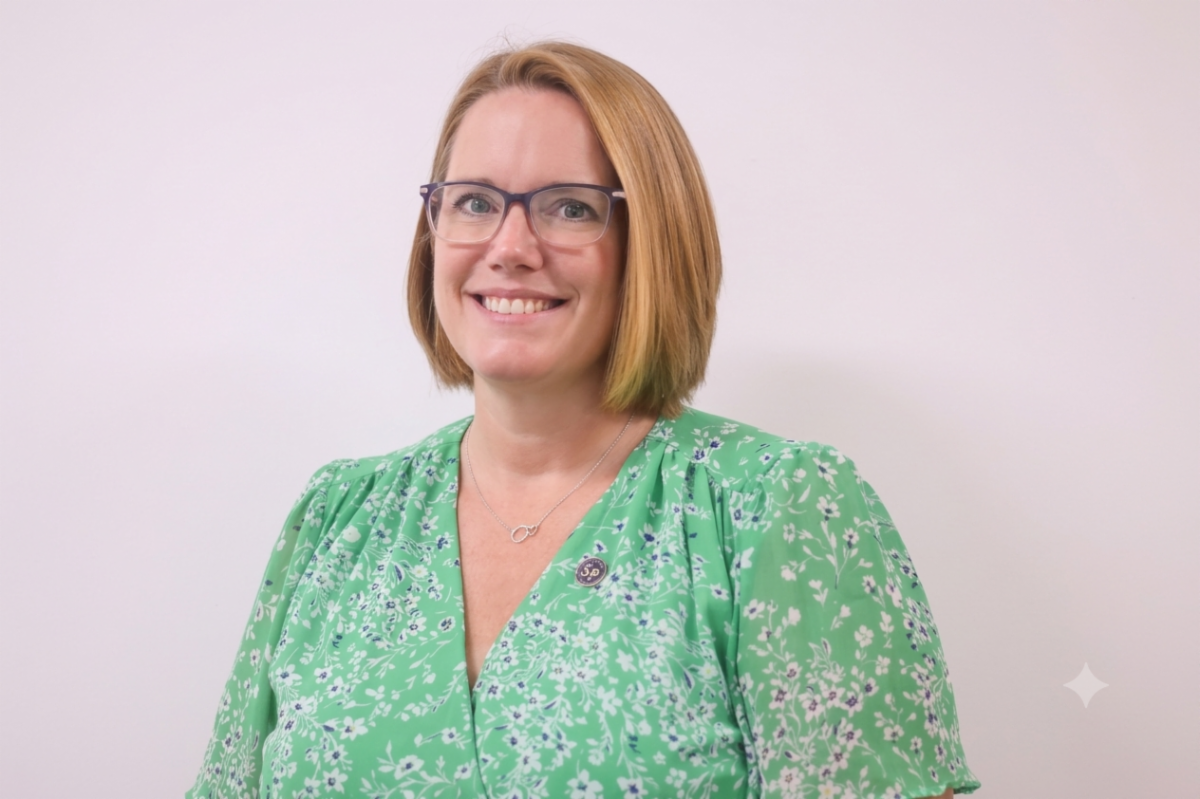
Tracey Lea - North Elementary School
MonongaliaCounty School District
| | |
Connecting STEM, Stories, and Real-World Discovery: How Tracey Lea Inspires Young Learners
With more than two decades of classroom experience spanning grades 1–5 across California and West Virginia, educator Tracey Lea brings energy, creativity, and purpose to North Elementary School in Monongalia County, where she teaches 5th grade for the 2026–2027 school year. Tracey specializes in crafting hands-on learning experiences that bridge STEM, literacy, and real-world problem solving—helping students see how science and storytelling work hand in hand. Beyond the school day, she has launched robotics and after-school STEM programs, secured multiple grants to expand classroom opportunities, and generously shares her expertise with fellow educators through professional development workshops and conference presentations.
Why did you apply for the STEM Pioneers program?
I have always been a curious learner, and I think that curiosity is one of the most important things I can share with my students. I love trying new things, asking questions, and finding ways to make learning meaningful, engaging, and accessible to every child.
I applied to the STEM Pioneers program because I wanted to continue growing as an educator, learn alongside other passionate teachers, and bring new ideas and opportunities back to my classroom and school community.
One of the things I love most about teaching is that I never stop learning. The STEM Pioneers program gives me the opportunity to challenge myself, collaborate with others, and connect with people who believe, as I do, that children are capable of extraordinary things when we give them the tools, encouragement, and freedom to explore.
What is your favorite food connected with your state?
Blackberry cobbler! There’s something wonderful about a warm, homemade blackberry cobbler, especially when it’s served with a scoop of vanilla ice cream. It’s a simple, old-fashioned Appalachian favorite that reminds me of the comforts of home.
What do you like most about your state?
What I love most about West Virginia is the people. They’re down-to-earth, genuine, and you generally know where you stand with them. Being originally from England, I find something wonderfully familiar about that. There’s a warmth, honesty, and sense of community that reminds me of home. I also love the changing seasons, especially autumn. The colors of the trees are absolutely breathtaking, and I never tire of seeing the mountains covered in brilliant reds, oranges, and golds. And then there are the beautiful red cardinals that visit my bird feeders. I still get a little thrill every time I see one! The fact that the northern cardinal is West Virginia’s state bird makes them even more special.
Why do you think STEM is important at the elementary school level?
I believe elementary school is where we have the wonderful opportunity to nurture children’s natural curiosity before they begin to decide whether they are “good at” science, mathematics, or engineering. Children are natural scientists and engineers. They question, explore, build, experiment, make mistakes, and try again. STEM gives them opportunities to develop those instincts while building confidence, creativity, perseverance, and problem-solving skills.
For me, one of the most important things is making STEM part of the regular school day so that every child has an equal opportunity to participate, explore, and discover their strengths. This includes students with disabilities learning alongside their peers in general education classrooms. Hands-on STEM experiences can provide different ways for students to engage, contribute, and demonstrate what they know, often revealing strengths that aren’t always apparent through traditional classroom work.
I’ve seen students who struggle academically absolutely flourish when given a hands-on challenge. Sometimes it’s the first time they’ve found something that really clicks, something they feel confident and capable doing. Watching a child discover a talent they didn’t know they had, or seeing their classmates recognize that talent, is one of the most rewarding parts of teaching.
I also see elementary STEM as a gateway to what comes next. As children move into middle school, I want them to recognize their interests and talents, seek out opportunities, and find their people—other students who share their curiosity and enthusiasm. Having something they feel passionate about, and a community where they belong, can help guide their energy and talents in positive directions.
Ultimately, STEM isn’t just about preparing future scientists or engineers. It’s about helping every child discover what they’re capable of, feel that they belong, and gain the confidence to pursue their interests.
-
You can follow and/or connect with Tracey on LinkedIn
-
Follow all 27 STEM Pioneers by searching for the hashtag "#STEMpioneers" on your favorite social media platform.
| | |
What Have the STEM Pioneers Been Up to This Month?
From being a leading force in statewide science workshops, to receiving awards, to sharing best practices, the #STEMpioneers have been busy!
| | |
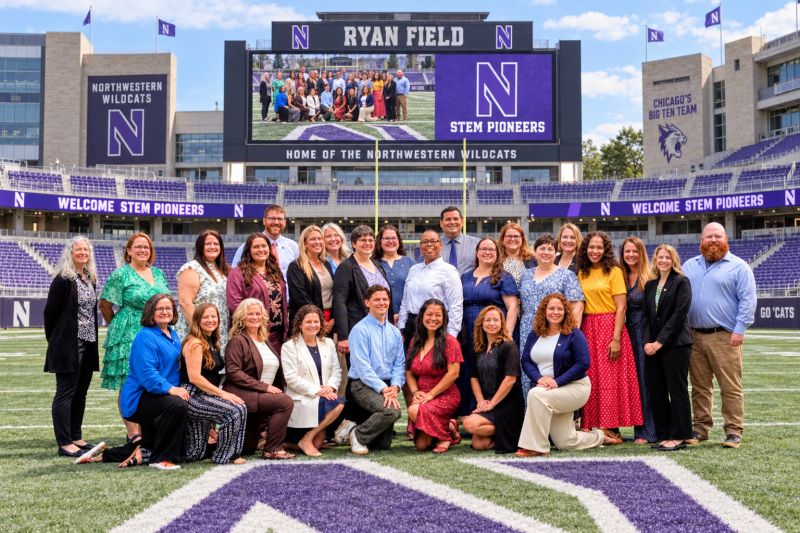
The STEM Pioneers are taking the Mid-Atlantic by storm—both in person and across social media! In just four months since officially launching, their collective online presence has surged to nearly 35,000 followers on LinkedIn, with thousands more across other platforms and weekly growth nearing 1,500 new followers. To put that into perspective, each week we share a visualization of the packed stadiums it would take to hold their growing community! Recently, they could fill Big 10's Northwestern Wildcat stadium, Ryan Filed.
Why does elementary STEM education matter so much? Because when we invite our youngest learners to ask big questions, test messy ideas, and build things with their own hands, they stop merely studying science—they start seeing themselves as scientists, engineers, and innovators.
Across our Mid-Atlantic region, the National STEM Teacher Corps (#STEMpioneers) cohort is proving that impactful STEM learning doesn't require waiting until middle or high school. Here is a snapshot of how these educators are transforming K–5 classrooms and amplifying the profession:
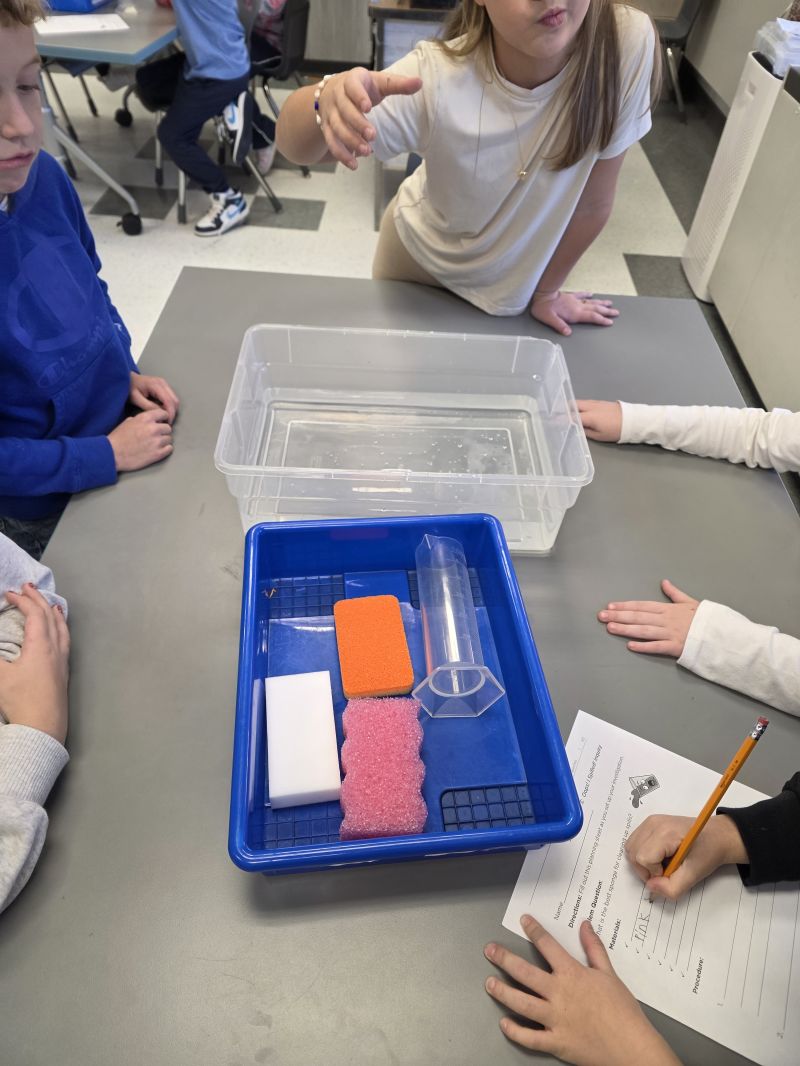
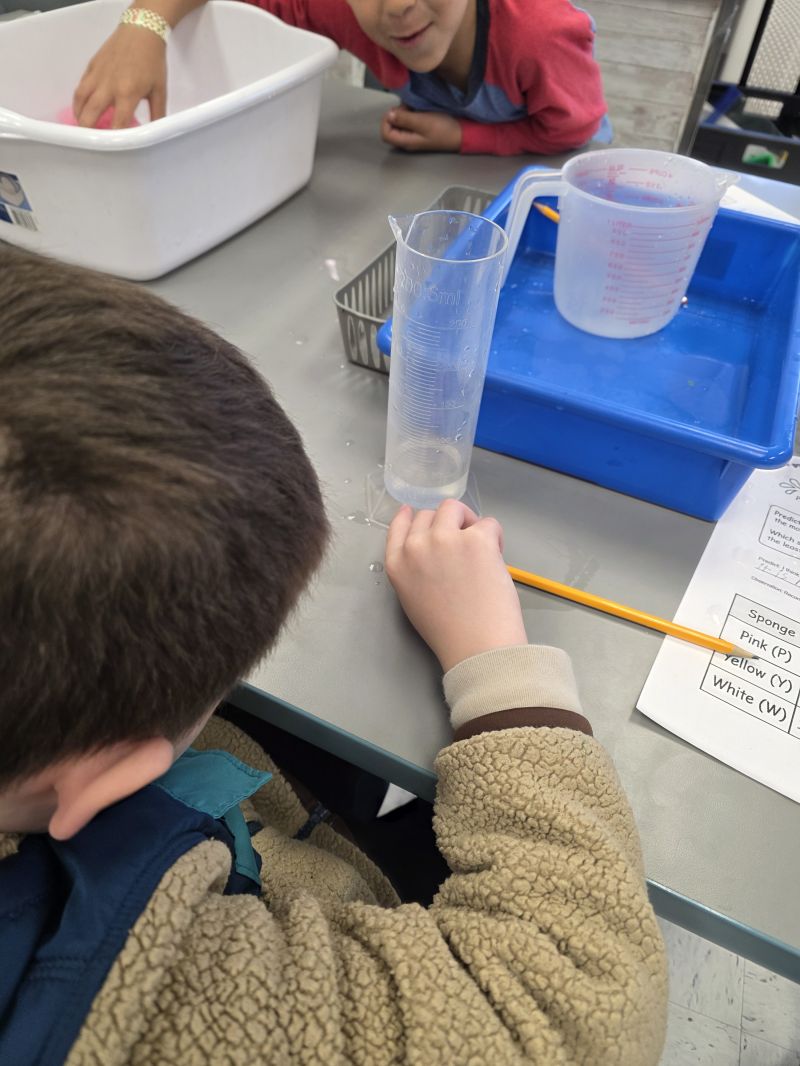
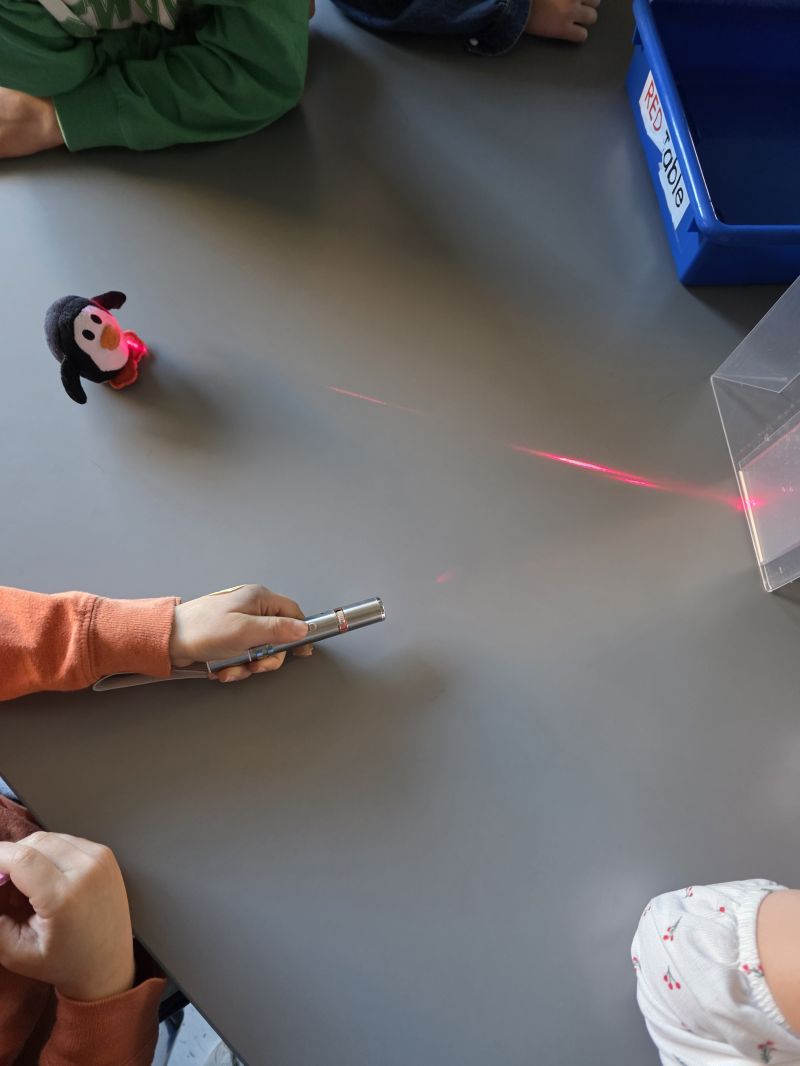
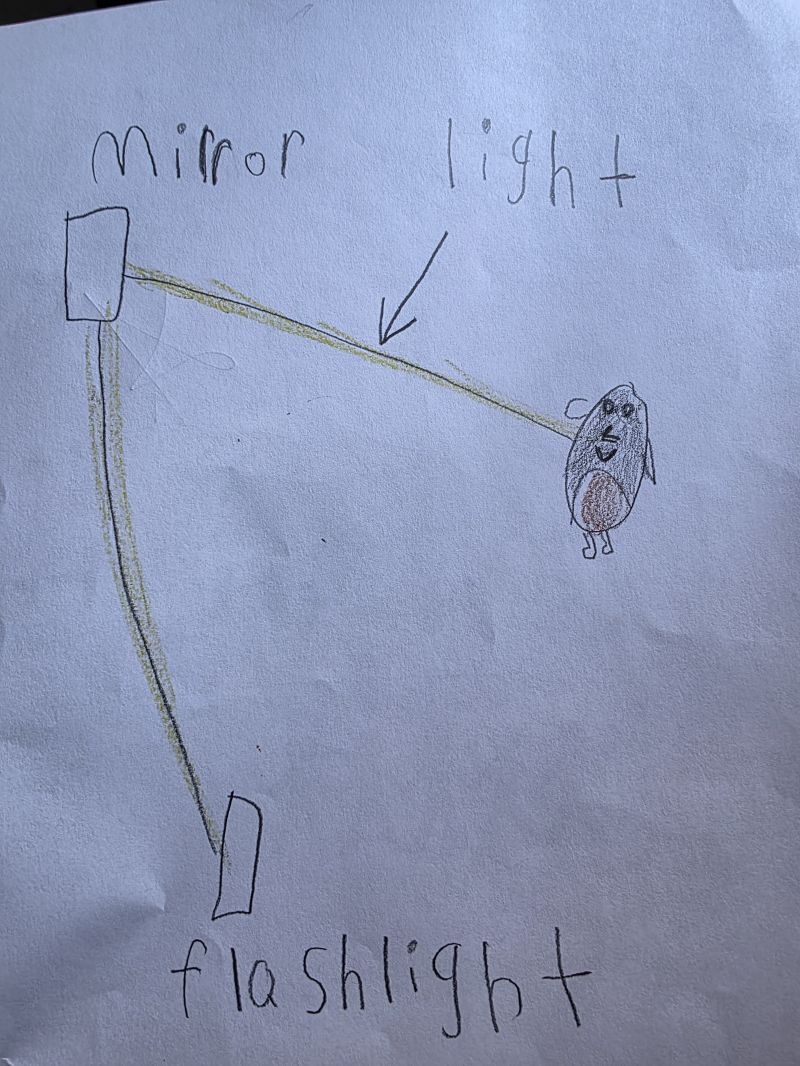
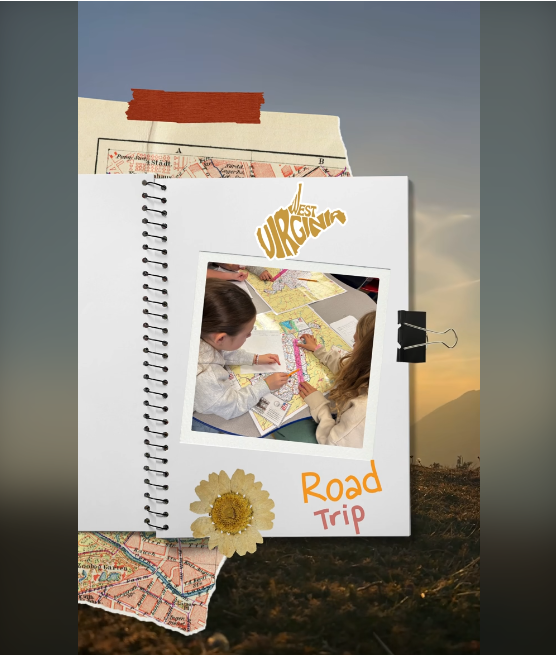
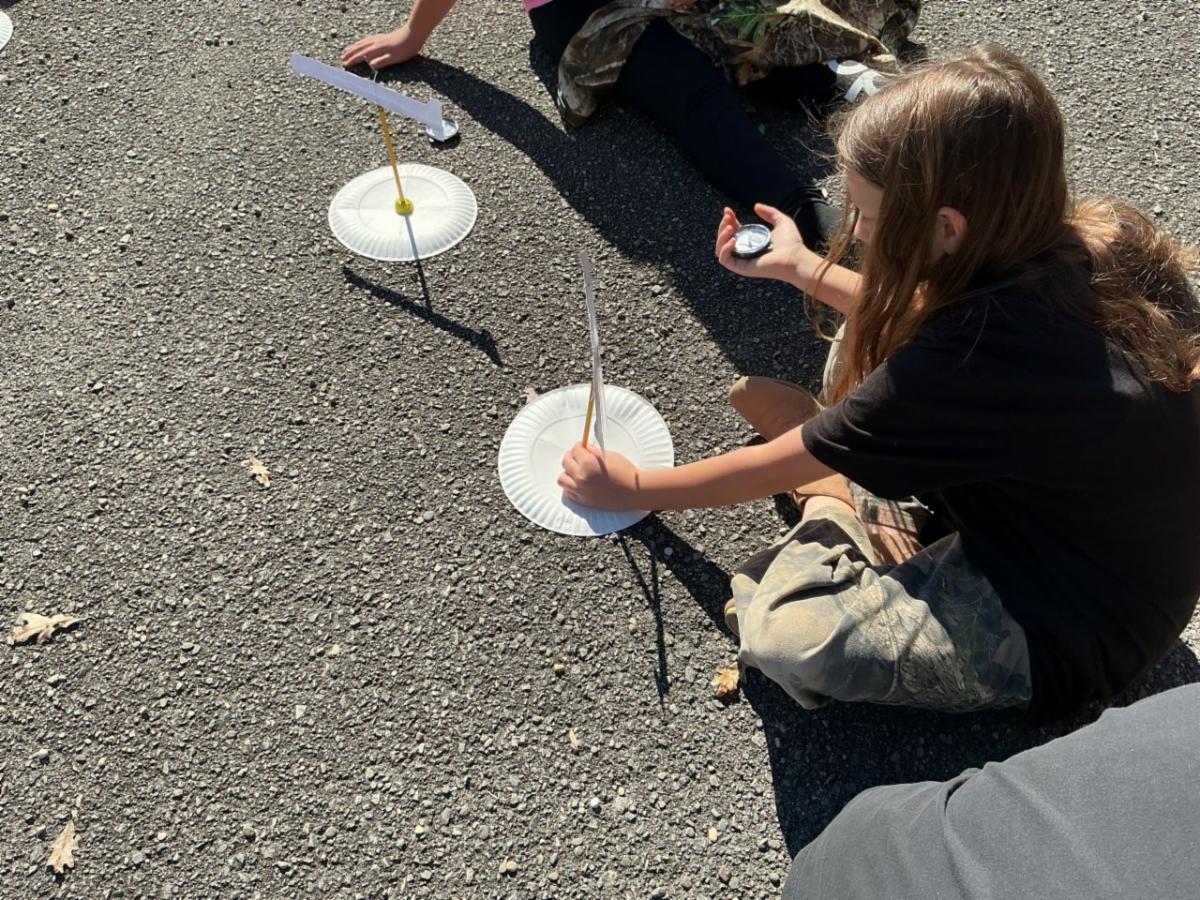
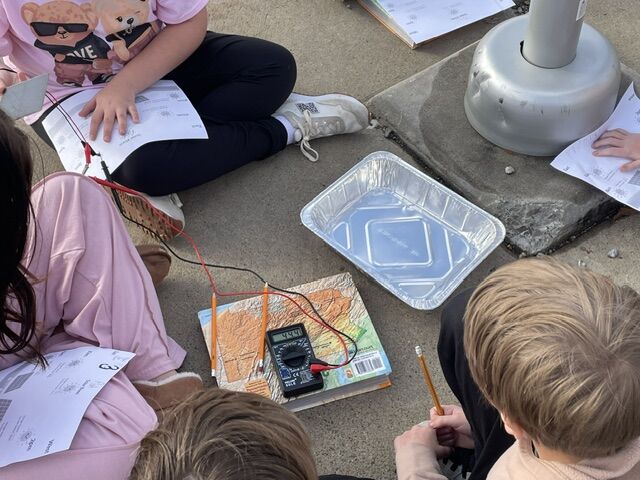
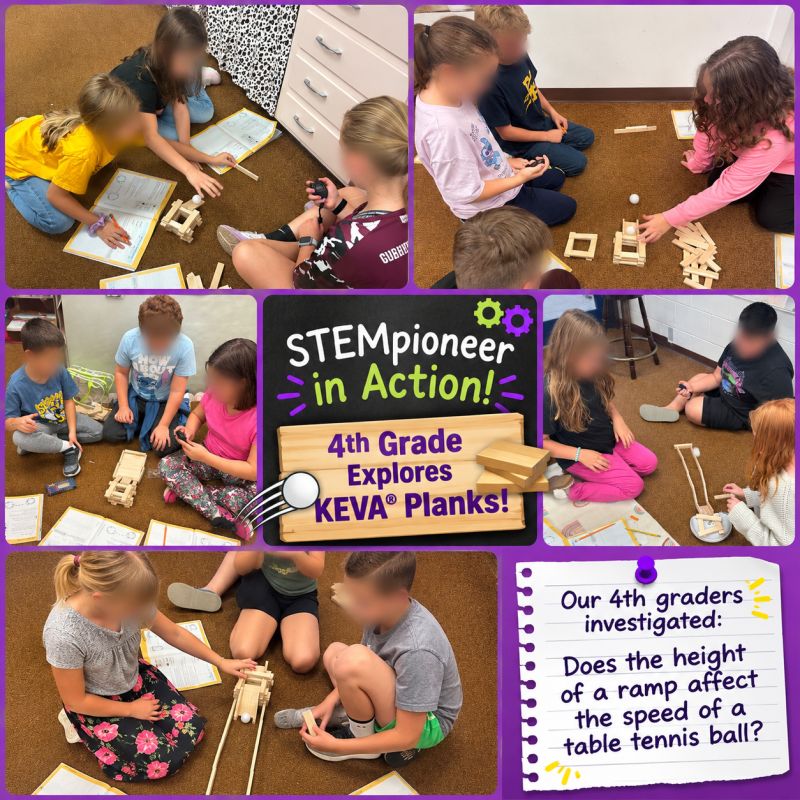
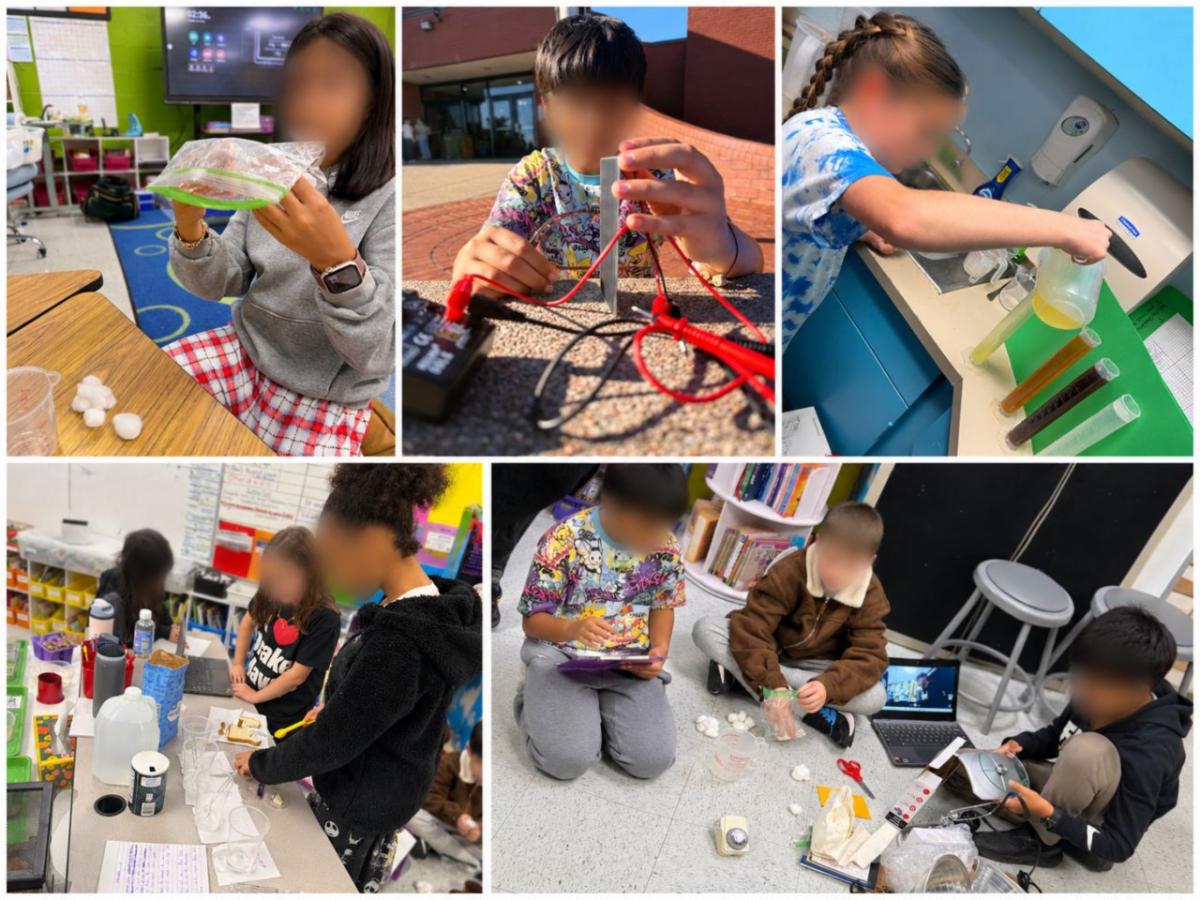
Hands-On Inquiry Across Every Grade: From 1st graders angling mirrors to bounce laser beams onto a target, to 2nd graders conducting fair tests on sponge absorption, to 4th graders investigating how KEVA Plank ramp heights affect speed, students are learning to treat every "failed" attempt as valuable data. Activities on mapping, energy and solar were also in the mix.
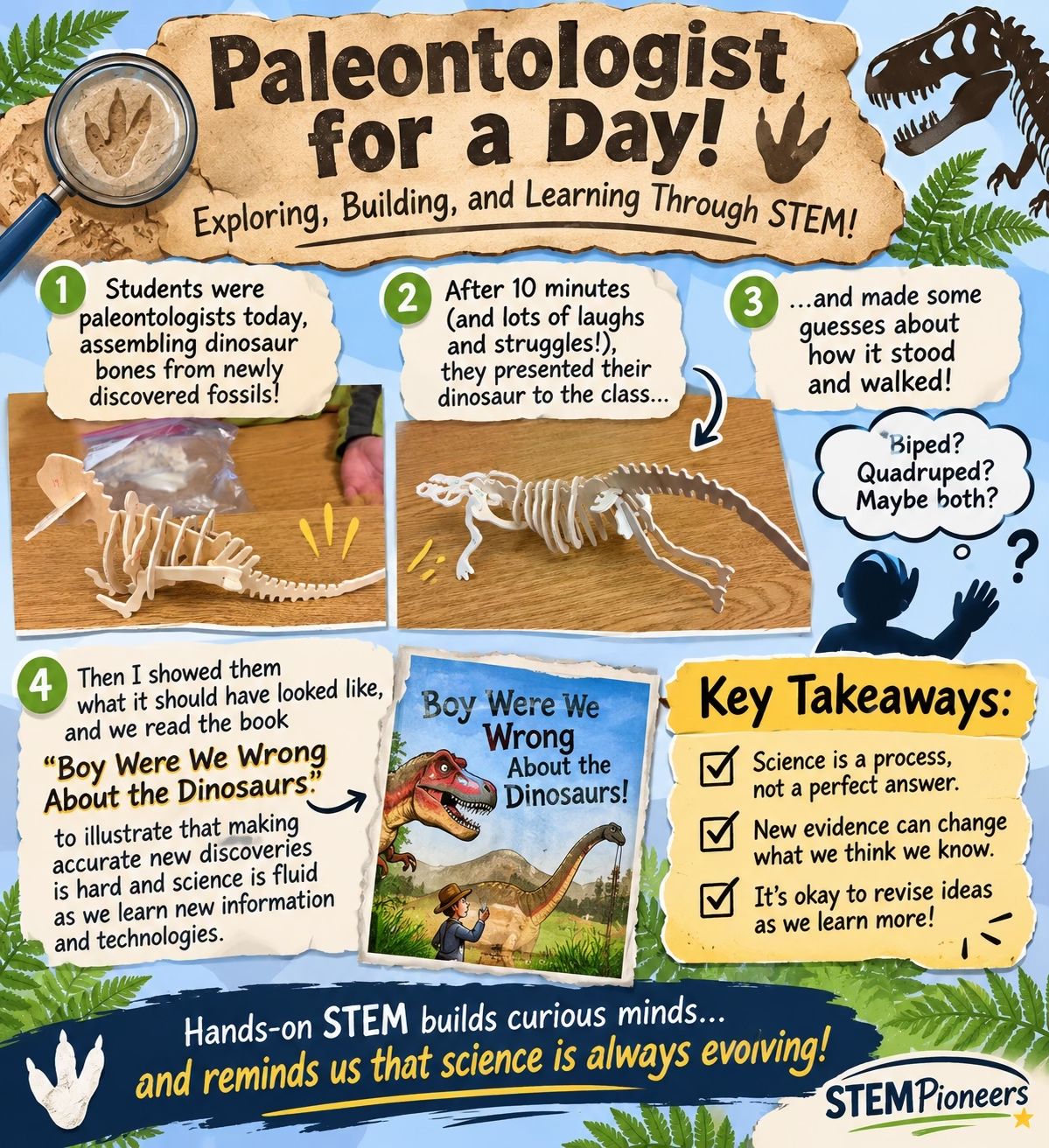
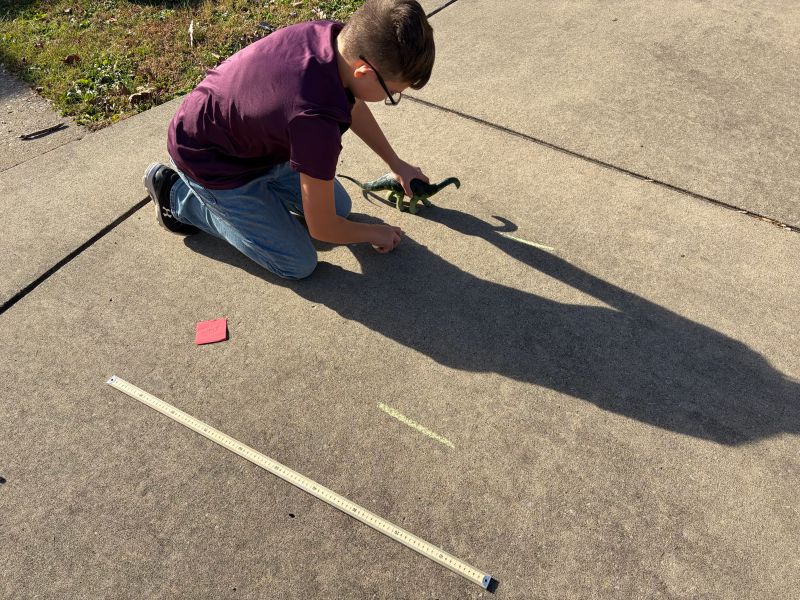
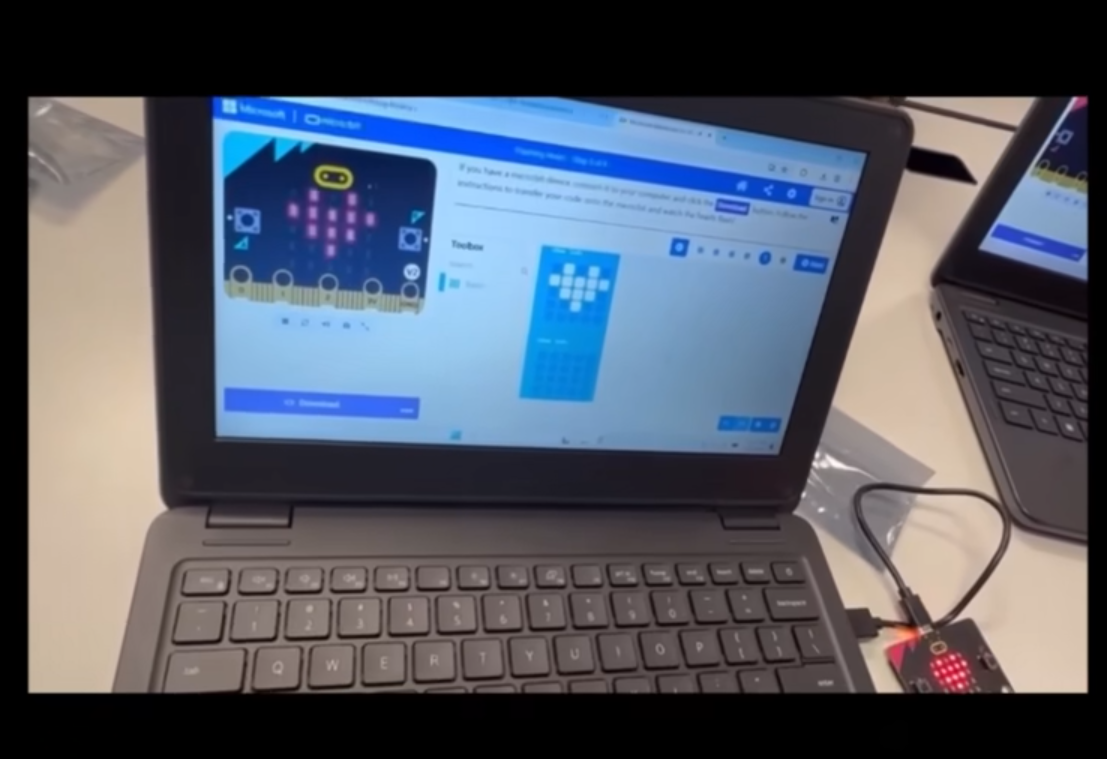
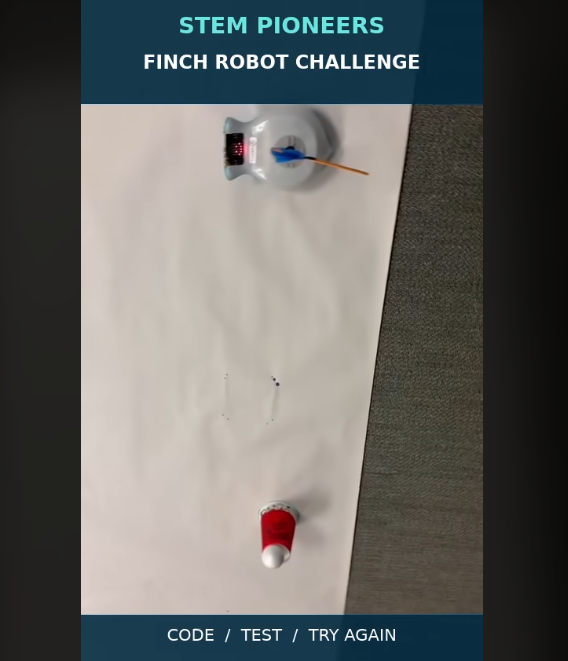
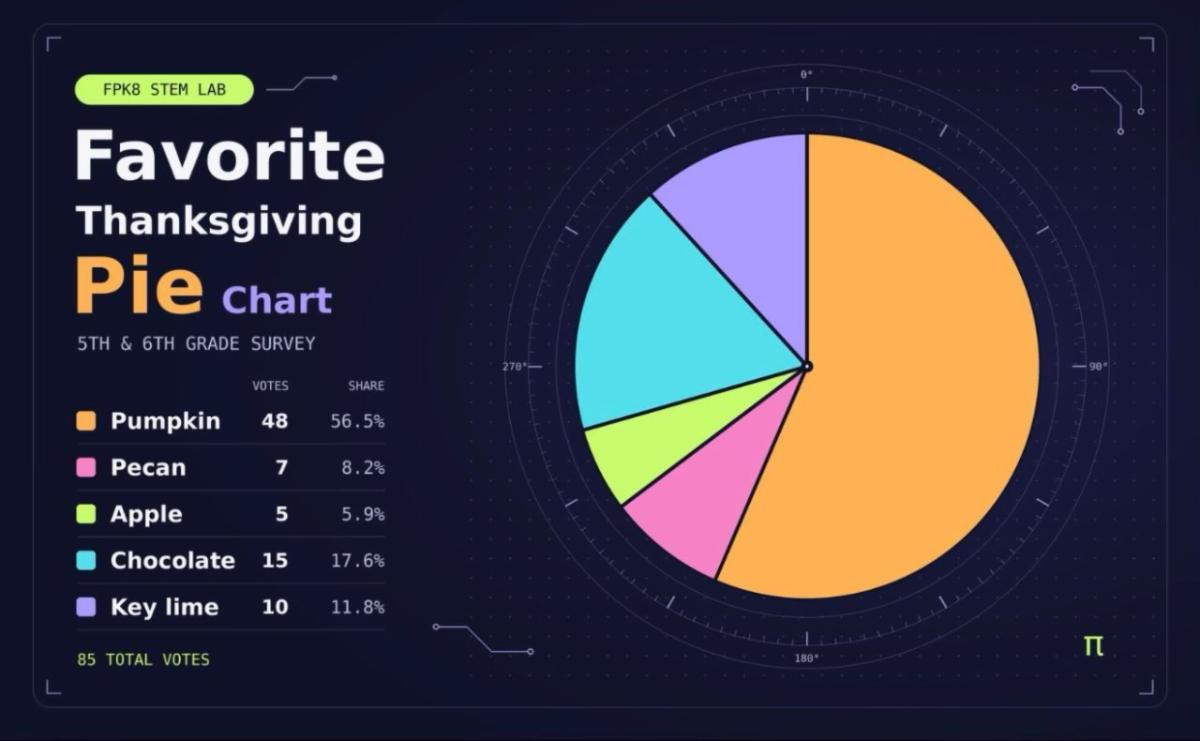
Math, Coding, and Real-World Scale: Young learners are connecting abstract concepts to tangible adventures—whether multiplying 40:1 dinosaur models by hand to chalk life-sized footprints on the sidewalk, surveying peers to chart Thanksgiving pie data in Excel, or coding Ozobot EVOs and micro:bits to navigate state maps and obstacle courses.
Student-Driven Ownership & Durable Skills: In 5th-grade classrooms, students are designing 20 independent science fair investigations driven entirely by their own curiosity. Meanwhile, collaborative KEVA Plank communication challenges are teaching students how to manage frustration, listen to peers, and adapt when directions get tough—essential human skills that extend far beyond the lab.
Educators Leading the Way: #STEMpioneers aren't just transforming their own classrooms; they are elevating elementary STEM at the school, state, and national levels. Cohort members are sharing lending-library materials with colleagues, presenting on the vital link between literacy and science, advising university outreach boards, and even turning classroom questions into National Geographic fellowships in the Galápagos Islands.
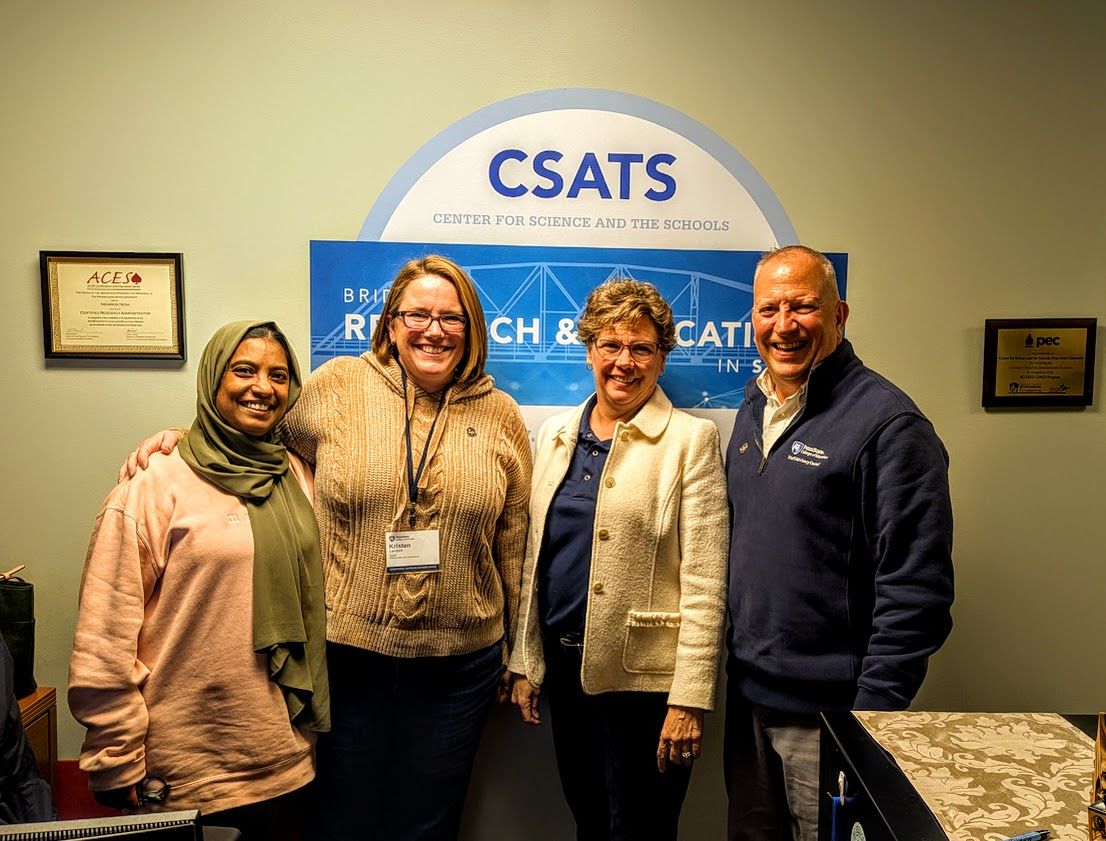
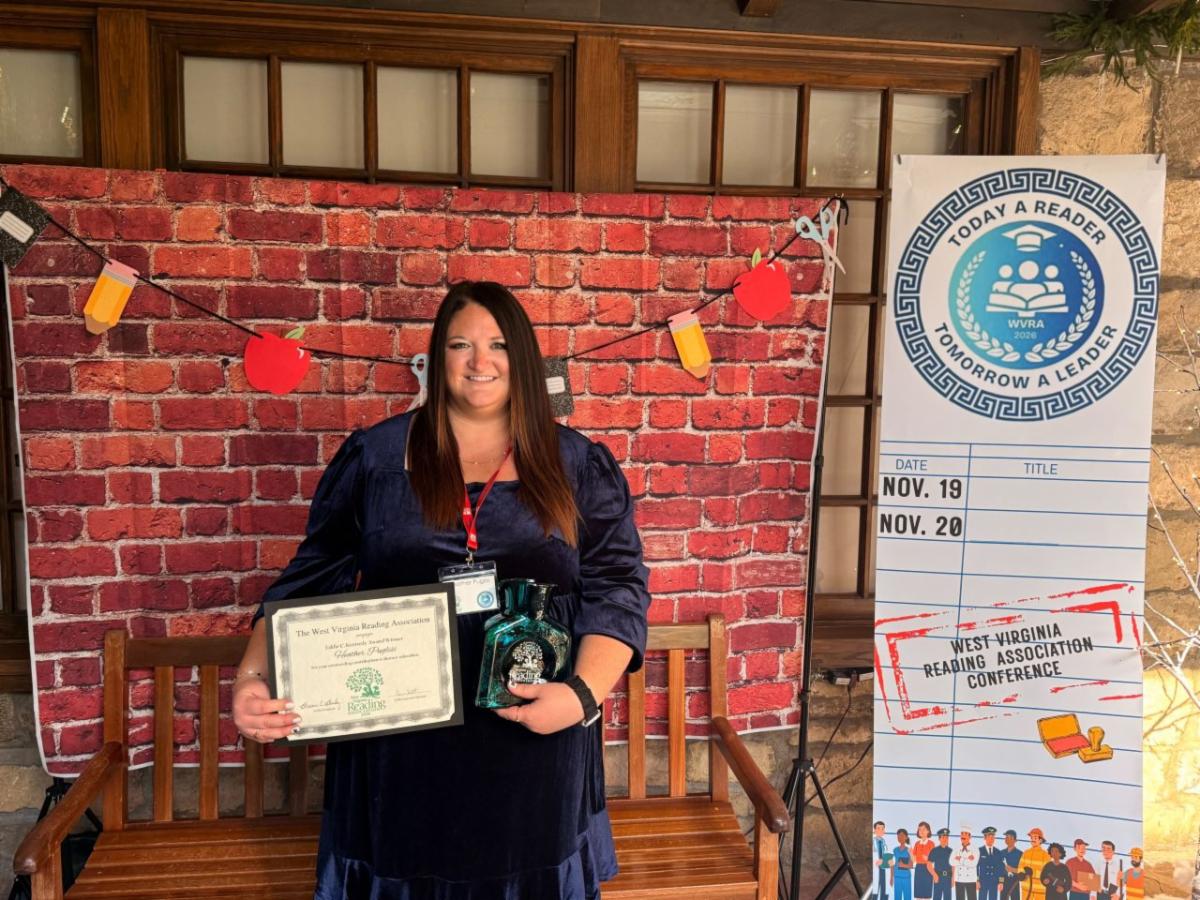
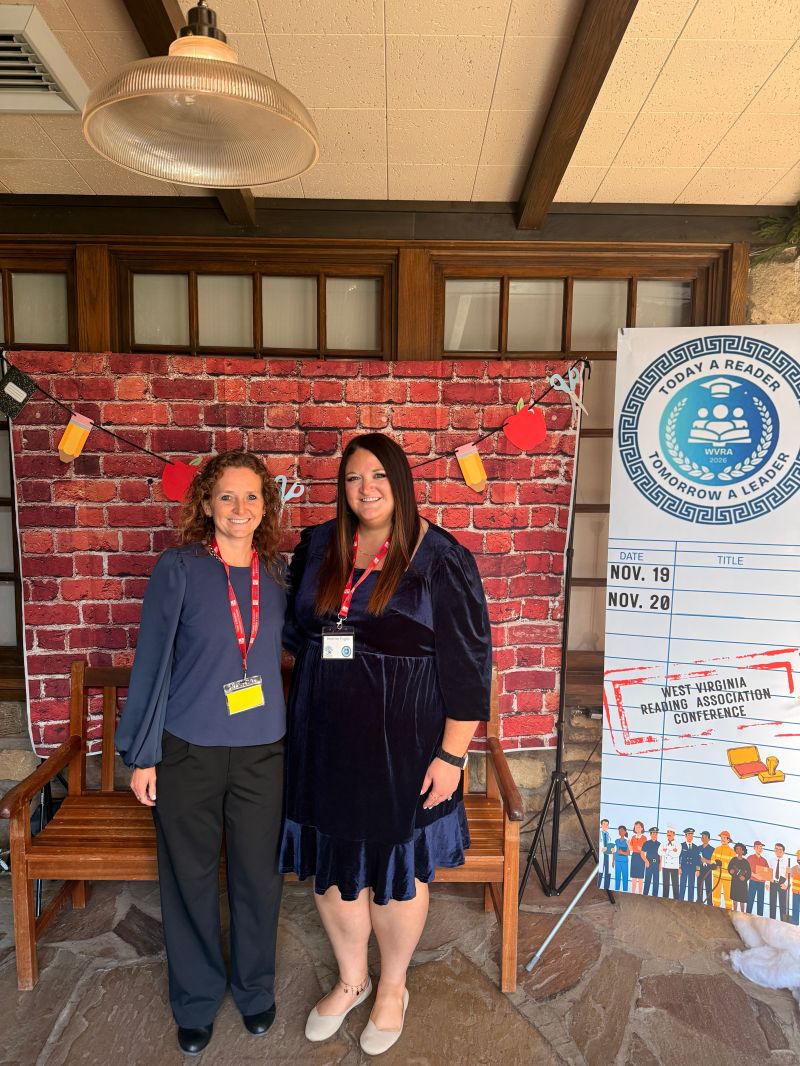
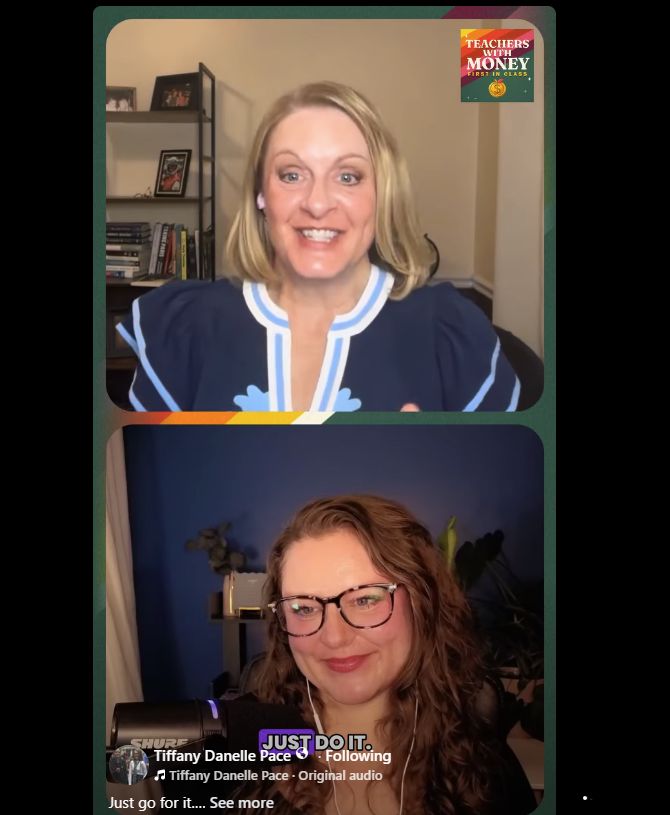
Our pioneers are serving on boards (Kristen Landers - Penn State College of Education Board), being recognized for achievements Heather Puglisi - Eddie C. Kennedy award for contributions to literacy education), and being interviewed on podcasts for expertise (Tiffany Pace - How to Get Grant Funding in K12).
If you need a daily dose of inspiration, search #STEMpioneers on your favorite platform for an instant recharge!
| | Building AI Literacy from the Ground Up: Highlights from Our K–5 Educator Workshop | | |
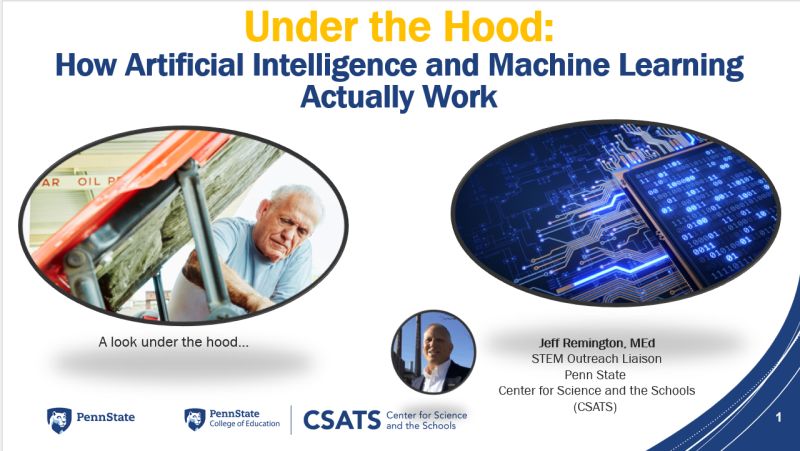
AI literacy starts with understanding—not just knowing which buttons to click. On Saturday, November 7th, educators from across the Mid-Atlantic gathered online for a full-day virtual workshop dedicated to demystifying artificial intelligence and machine learning for elementary classrooms.
Designed specifically to give K–5 teachers practical, classroom-ready strategies, the workshop moved past surface-level tech trends to focus on how AI actually works, how it can support teacher workflows, and how young learners can engage with it critically and safely.
Inside the Workshop: Three Connected Sessions
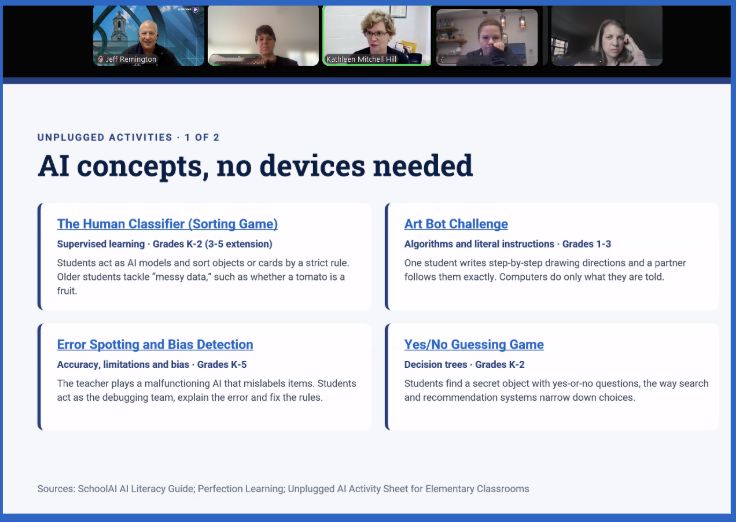
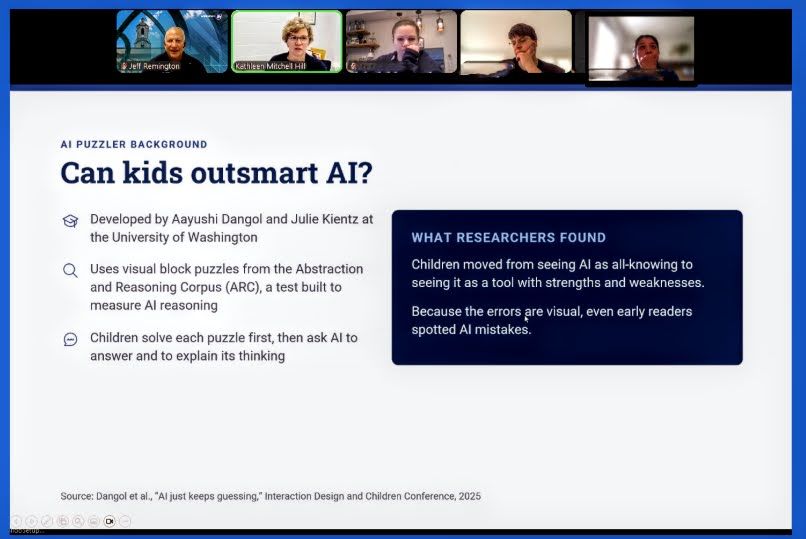
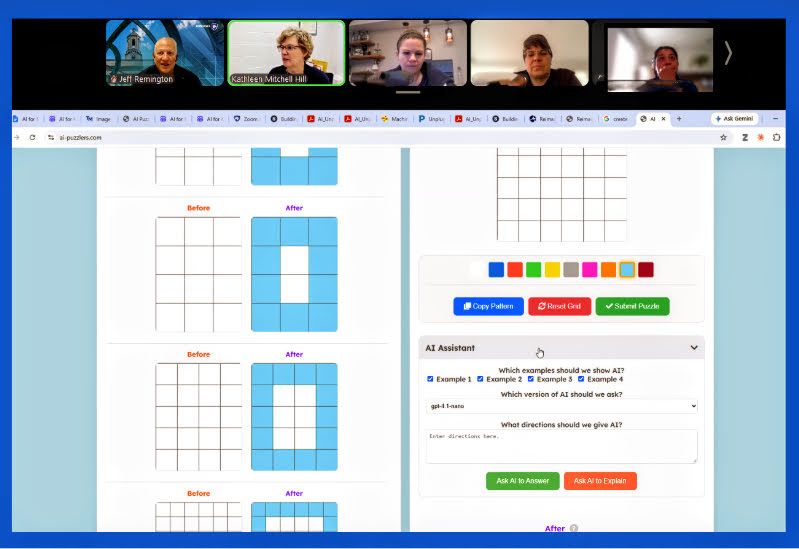
Throughout the day, participants engaged in unplugged activities, AI puzzle challenges, and collaborative discussions across three core areas:
-
Understanding AI and Machine Learning: Teachers went "under the hood" to explore how large language models generate responses. Through hands-on coin-recognition training using Google’s Teachable Machine, educators tested firsthand how data quality impacts outcomes—and how easily bias and limitations can creep into a model.
-
AI in Professional Practice: Educators explored practical ways to use AI tools to streamline lesson planning and create instructional materials, balancing efficiency with a close eye on accuracy, student data privacy, and responsible use.
-
AI Learning for K–5 Students: Participants unpacked developmentally appropriate ways to introduce machine learning concepts to elementary students, ensuring young learners build foundational habits of questioning AI outputs rather than taking them at face value.
Key Takeaways from the Classroom Frontlines
As teachers experimented with training models and adapting lessons, a few central themes emerged from the group:
-
Human judgment comes first: AI can be a helpful co-pilot for planning and brainstorming, but it cannot replace educator expertise, classroom relationships, or human empathy.
-
Healthy skepticism is a superpower: Even our youngest learners can be taught to recognize that AI makes mistakes—and to actively question, verify, and evaluate what a tool produces.
-
Durable skills matter most: In an AI-driven world, critical thinking, problem-solving, collaboration, and curiosity remain the true heart of elementary education.
"This is SO important to understand these fundamentals. EVERYONE needs this basic understanding of how things work and it needs to be early… This needs to be shared."
— Workshop Participant
As another educator noted, stepping into the world of AI can feel "exciting, inspiring, uncomfortable—and even a little overwhelming." Starting early—both for teachers building their own confidence and for students learning how these tools operate—turns that overwhelm into empowerment.
Keep Exploring
Thank you to every educator who brought their questions, creativity, and dedication to the session. Looking for more ways to bring thoughtful AI literacy to your school community? We can help with tailored sessions. Stay tuned for other online workshops in the works.
| |
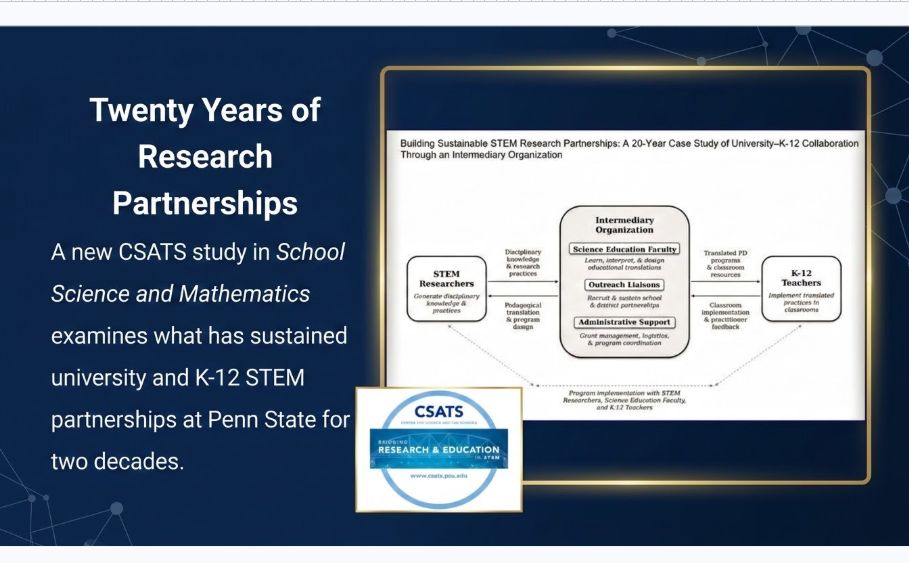
20 Years of Connecting University Research to K–12 Classrooms | |
How do we turn cutting-edge university discoveries into engaging classroom experiences—and build a homegrown STEM workforce along the way?
A newly published 20-year case study examining the Center for Science and the Schools (CSATS) at Penn State shows what happens when dedicated intermediary organizations bridge higher education research and K–12 practice. Over two decades, this model has helped translate complex scientific inquiry into practical teaching while strengthening pathways for students and educators alike.
Why Research–Practice Partnerships Matter for K–12 Educators
Bringing active research into elementary, middle, and high school classrooms takes more than good intentions—it requires shared language, classroom-ready design, and reliable support. The study highlights how structured collaboration pays off for both teachers and researchers:
-
Classroom-Tested Translation Across 25 Disciplines: Using frameworks like the MASTER Model and TEACHER process, CSATS helped translate specialized research across 25 STEM fields into accessible learning experiences.
-
Wide Reach for Teachers: Across 294 workshops, 2,732 teachers from 286 schools across 22 states engaged in professional learning rooted in current science and engineering.
-
High Marks from Educators: Evaluation feedback from 477 K–12 teachers showed a 96.5% overall agreement rating on program quality.
-
Two-Way Growth with Researchers: Over 408 grant proposals across 10 colleges (helping secure $88.2M in funding), CSATS handled recruitment, logistics, and compliance—earning a 5.00/5.00 rating for partnership experience and educational expertise, while 55% of surveyed researchers reported gaining fresh perspectives that strengthened their own teaching and science.
Building Sustainable Bridges for Future Innovators
Sustaining meaningful broader impacts takes strong institutional infrastructure, not one-off outreach. When university researchers and K–12 educators work side by side, students gain earlier access to authentic problem-solving, modern STEM careers, and the curiosity that fuels an innovative citizenry.
Want to dive deeper into the findings and ongoing opportunities?
| A Peek Behind the Curtain: What a Typical Month at CSATS Looks Like | | |
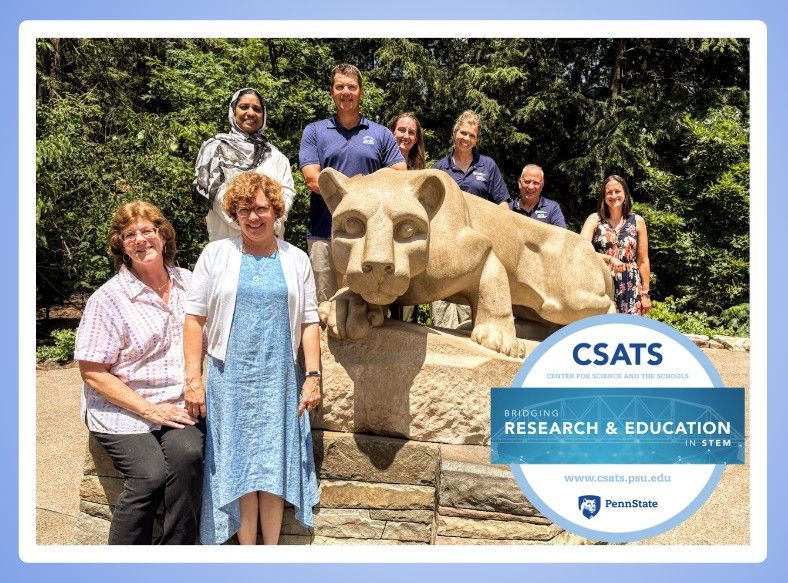
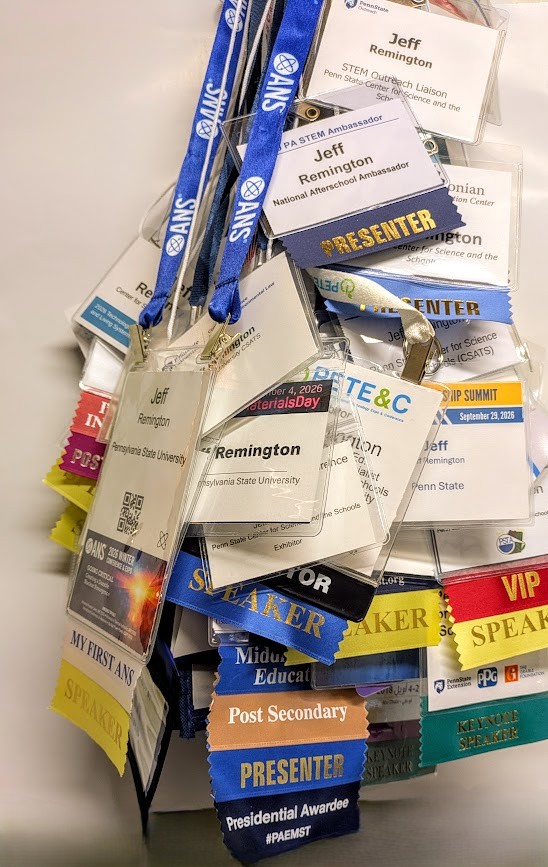
Great science shouldn’t stay locked inside a university laboratory—it belongs in our schools and communities. At the Penn State Center for Science and the Schools (CSATS), our "secret sauce" for translating complex university research into engaging K–12 learning starts long before a lesson plan ever reaches a teacher's desk.
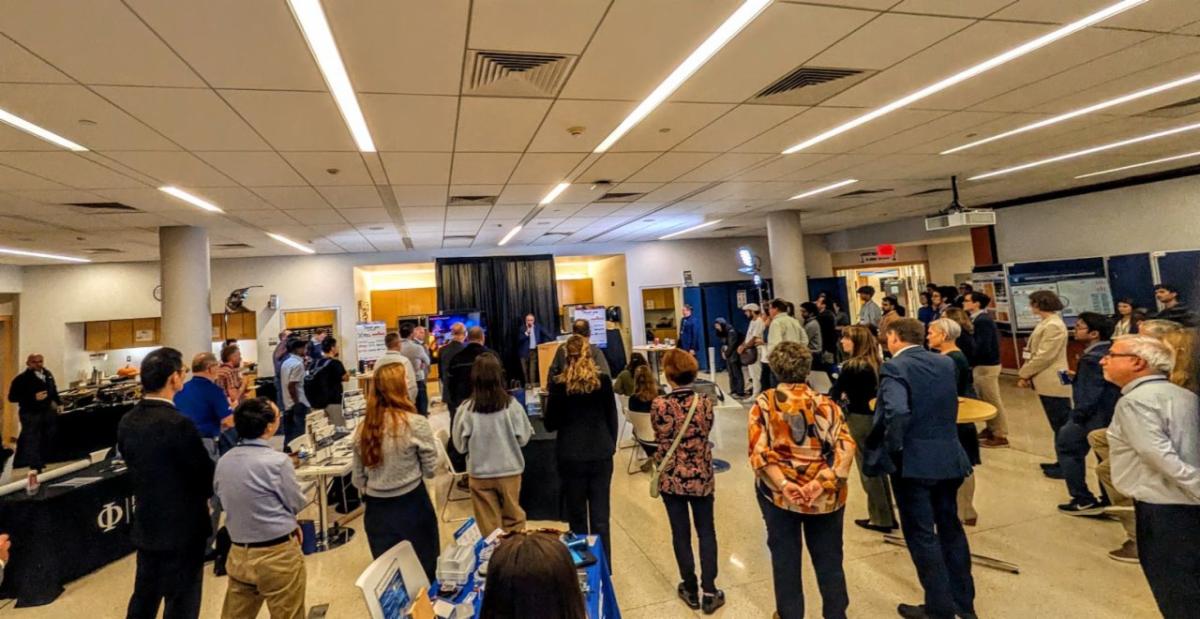
To build authentic "curiosity-to-career" pathways, our team actively embeds within research labs, national industry conferences, and policy symposiums. By listening directly to scientists, engineers, and workforce leaders, we bridge the gap between emerging breakthroughs and the classrooms preparing the next generation of problem-solvers.
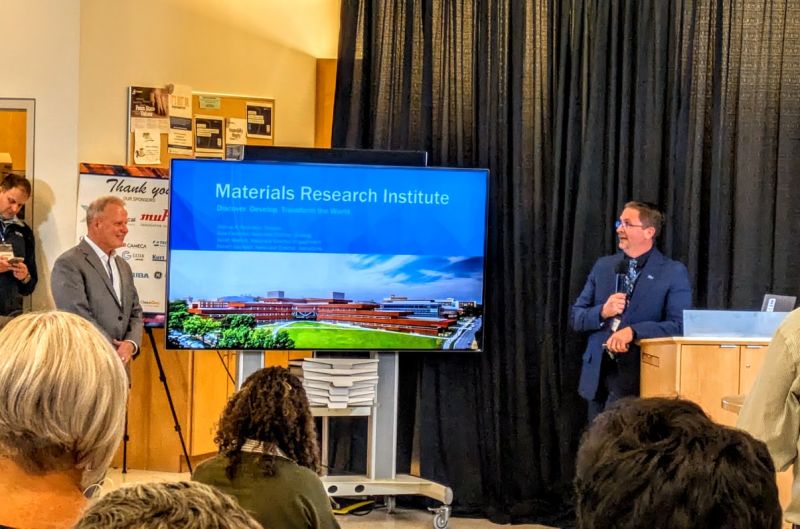
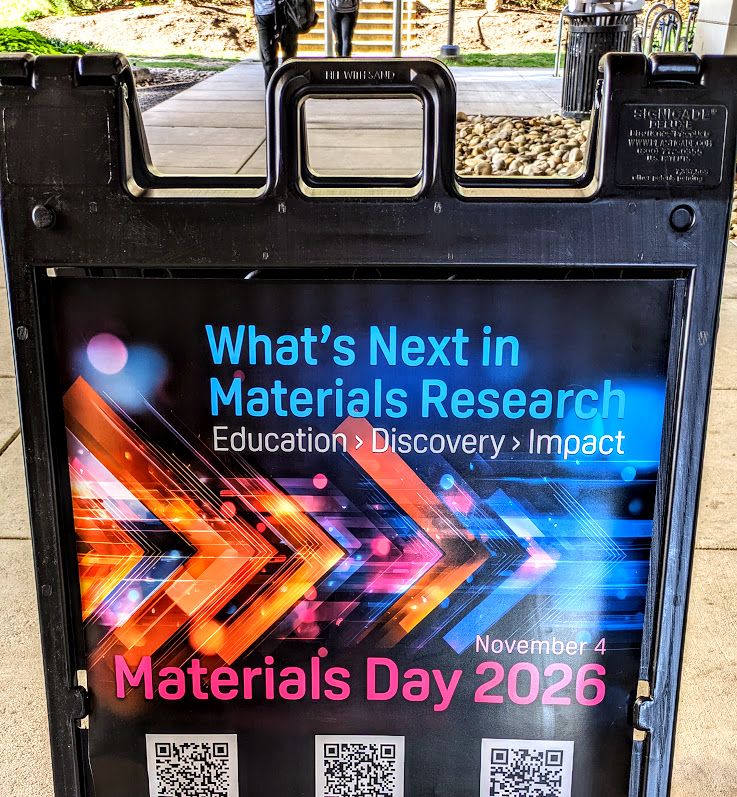
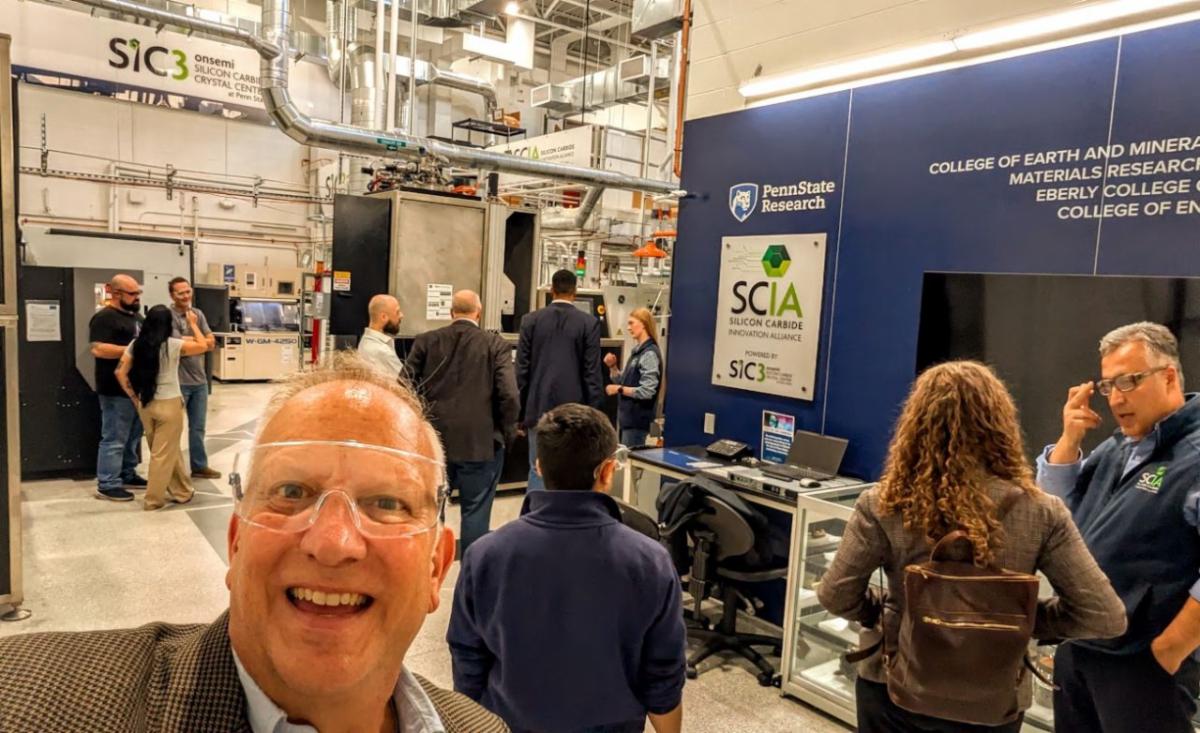
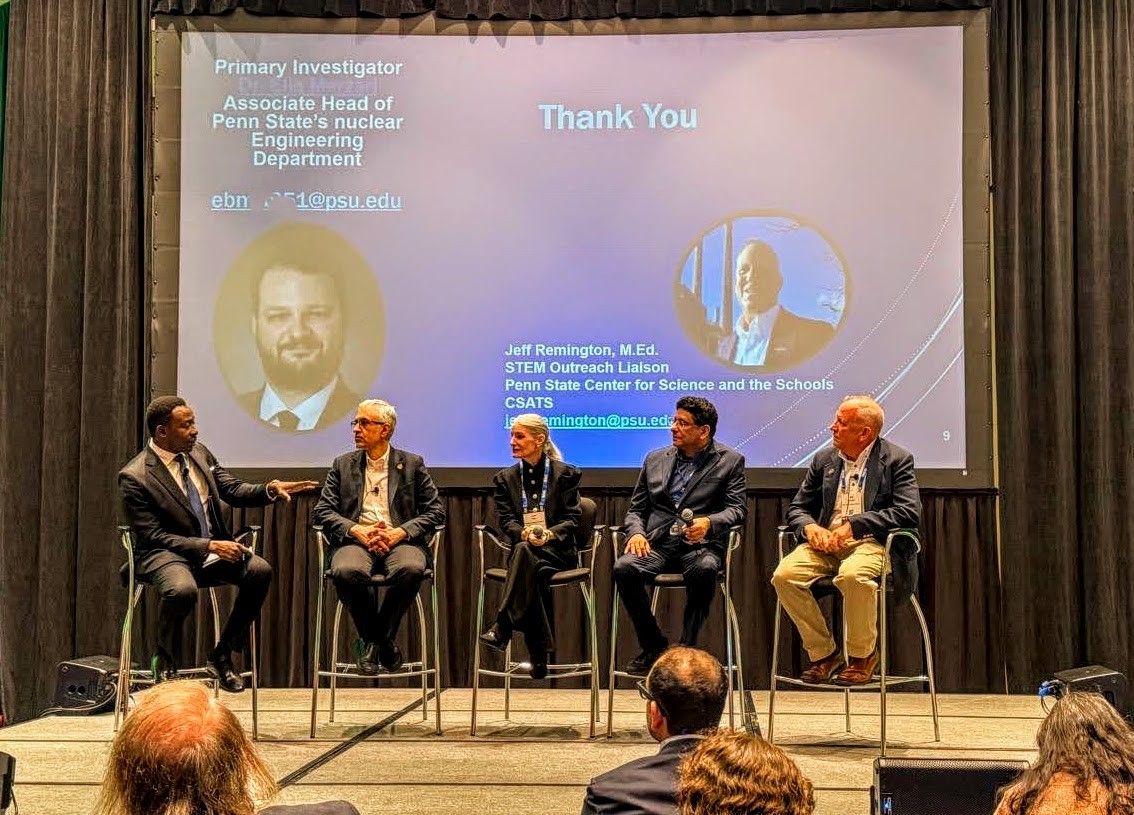
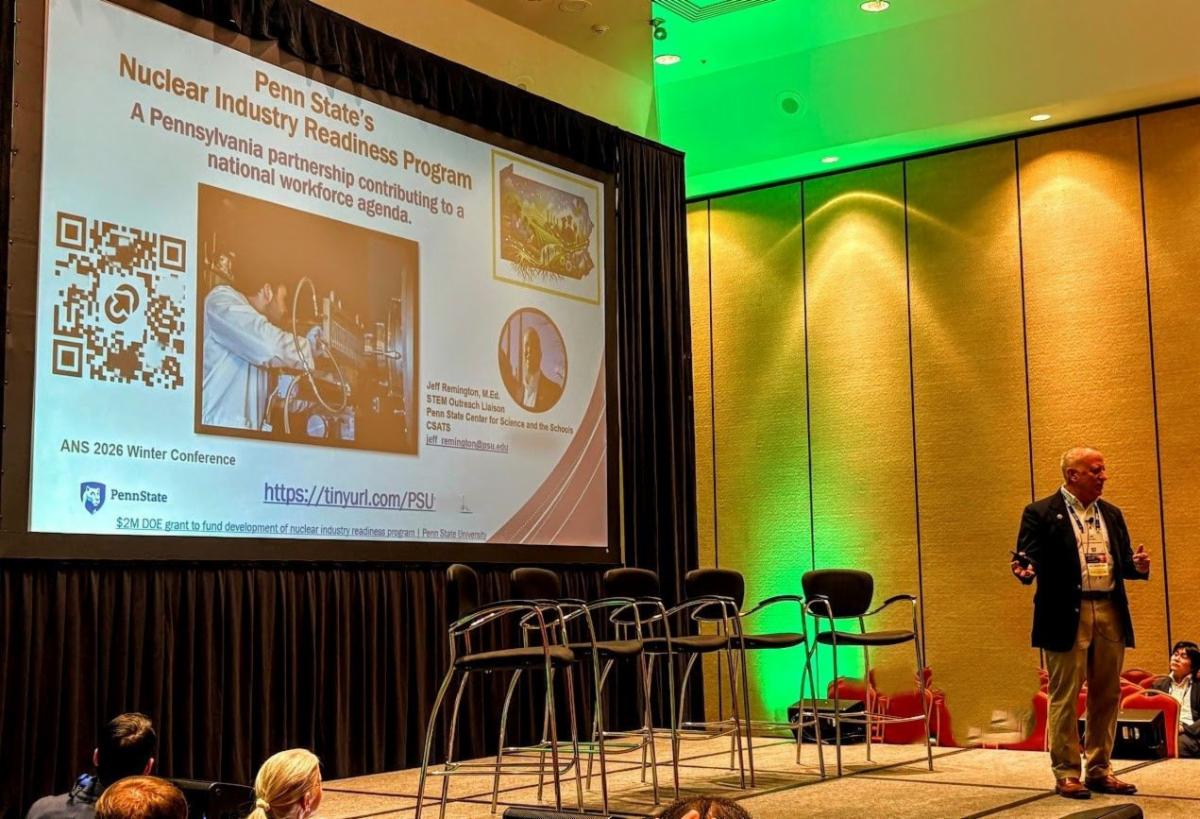
Here is a look behind the curtain at the recent collaborations, lab tours, national conversations, and foundational operations shaping what comes next for K–12 STEM:
-
Powering the Nuclear Renaissance: At the American Nuclear Society (ANS) Winter Conference in Phoenix, CSATS represented Penn State on national workforce development panels. With U.S. reactor-fleet employment projected to grow from 100,000 to 375,000 by 2050—and Pennsylvania ranking as the second-largest nuclear energy-producing state—we are collaborating with researchers and industry leaders on a U.S. Department of Energy-funded Nuclear Readiness Program to introduce students to clean energy careers and modern technologies like Digital Twins.
-
Exploring Next-Gen Semiconductors: Inside Penn State’s Nanofabrication Lab and the Silicon Carbide Innovation Alliance, researchers are advancing materials science and microelectronics that power electric vehicles and renewable energy systems. By touring these facilities and mapping out workflows like silicon carbide (SiC) wafer production, CSATS translates advanced manufacturing into accessible STEM concepts for middle and high school learners.
-
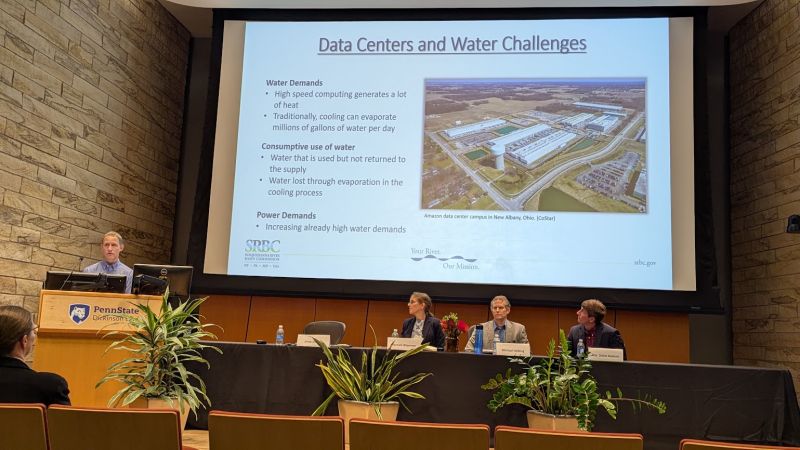
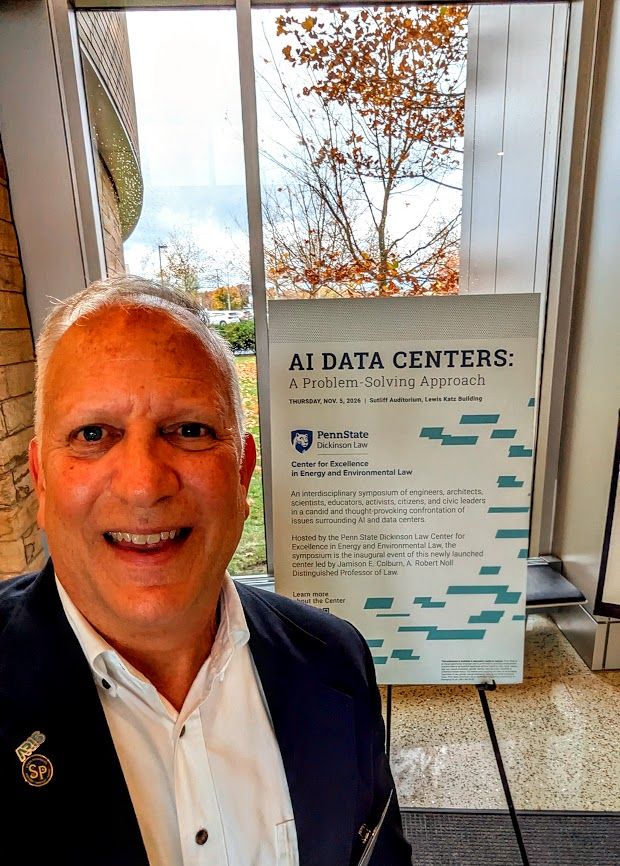
Tackling AI, Energy, and Community Resilience: Preparing future-ready citizens means connecting science to real-world civic challenges. At an inaugural symposium hosted by Penn State Dickinson Law’s Center for Excellence in Energy and Environmental Law, CSATS joined engineers, architects, scientists, and civic leaders to examine the environmental and regional impacts of AI buildouts, data center expansion, and water resource management.
-
Elevating Teacher Leadership in Biotech: Authentic science happens when students move beyond textbook memorization to investigate the world in their own backyards. Through collaborations with the Wolbachia Project and Penn State’s One Health Microbiome Center—recently featured on the inaugural episode of the Magnified podcast—we are championing practical ways for educators to connect with university research, including serving directly on local university Institutional Review Boards (IRBs).
The Engine Behind the Outreach: Grants, Stewardship, and Program Creation
Connecting university breakthroughs with K–12 classrooms takes more than great ideas—it requires sustained structural support and specialized expertise:
-
Countless Hours of Grant Proposal Writing: Turning emerging research into meaningful K–12 opportunities begins with rigorous proposal development. Our team invests extensive time partnering with Penn State principal investigators and researchers to craft compelling broader impacts and workforce development proposals—aligning scientific goals with school district needs, funding priorities, and measurable classroom outcomes.
-
Pre- and Post-Award Grant Management: Once funding is secured, the real operational heavy lifting begins. From pre-award budgeting, compliance alignment, and partner coordination to post-award financial tracking, reporting, evaluation, and multi-year deliverable management, our team ensures grants run smoothly so researchers and educators can stay focused on discovery and teaching.
-
Award-Winning Program Creation by STEM Program Specialists: At the heart of CSATS is an award-winning team of STEM program specialists who know classrooms inside and out. Drawing on deep pedagogical experience, they design hands-on curricula, teacher professional learning experiences, and authentic research engagements that translate complex science into practical, classroom-ready instruction.
Whether we are standing inside a cleanroom, debating sustainable energy infrastructure, partnering with microbiome researchers, or managing the grant lifecycles and curriculum design behind the scenes, every effort has one goal in mind: bringing real-world discovery into K–12 ecosystems so students can see themselves in the future of STEM.
| | |
PA KidWind and Solar Challenge Competitions Just Around the Corner!
Trainings available...
-
KidWind Educator Workshop: From Solar to Spark - Saturday, December 12th. > DETAILS
Registration for the PA KidWind Solar and Wind State Competitions will be LIVE on January 8 2027!
2026-2027 PA KidWind Challenge Season Dates:
-
March 2027: KidWind Solar Energy State Competition to be held at Penn State University Park. (Date will be announced soon.)
-
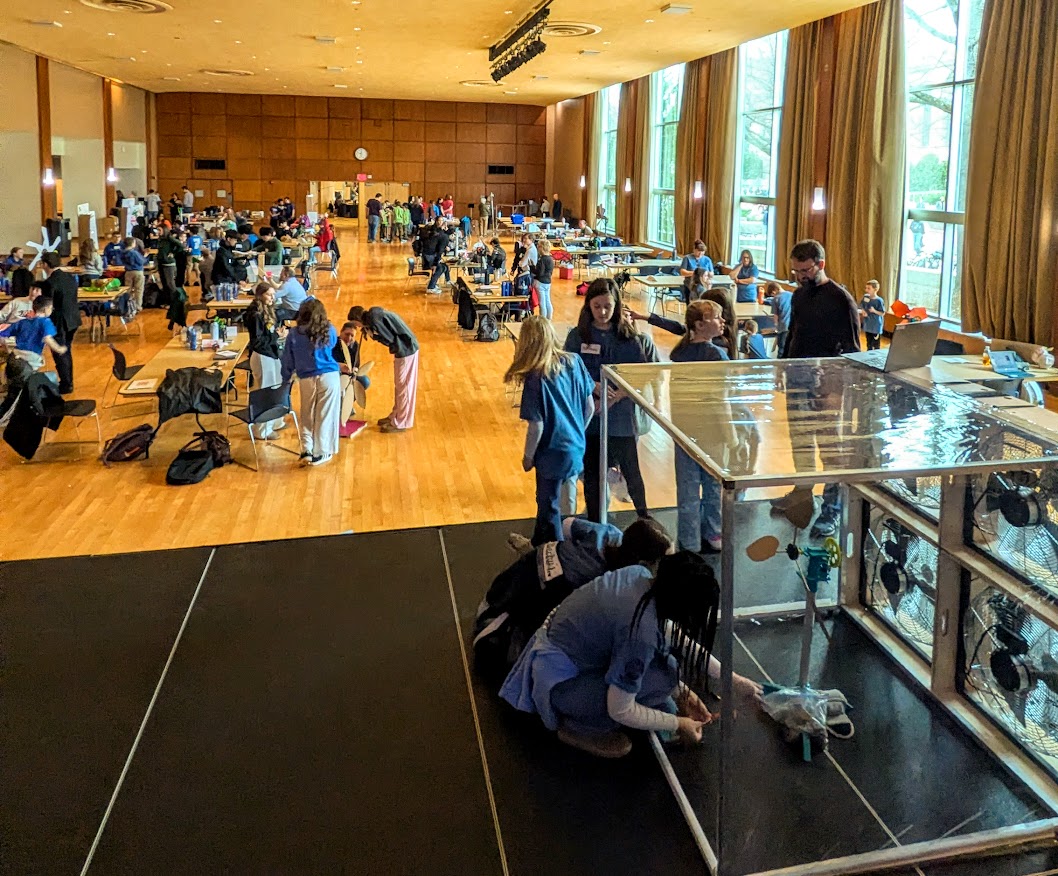
March 30, 2027: KidWind Wind State Competition to be held at Penn State University Park.
For more information, click the button below.
| | Posted on behalf of Remake Learning & Quill | | Free, Classroom-Ready AI Literacy: Explore the New Remake Learning & Quill.org Resource Hub | |
Looking for trustworthy, classroom-ready ways to teach artificial intelligence? Remake Learning and Quill.org have launched the AI Hub: Open Access Resources, a free collection of 91 educator-vetted classroom activities designed to help students understand how AI works, examine its real-world impacts, and use emerging tools responsibly—with zero computer science background required.
Teachers can filter activities by grade level, duration, and core skills across six leading educational partners:
-
Quill.org (21 Activities): Nonfiction case studies on AI’s promises and pitfalls with instant, personalized writing feedback, paired with discussion prompts from aiEDU (20 Activities)—including quick, under-30-minute Snapshots for grades 6–12.
-
Stanford CRAFT (22 Activities): Cross-curricular lessons on algorithm auditing, lateral reading to fact-check AI search results, and AI’s environmental footprint.
-
Raspberry Pi Foundation (11 Activities): Hands-on Experience AI modules exploring machine learning models, decision trees, and data privacy.
-
Common Sense Education & Day of AI (17 Activities): Accessible 15-minute to multi-hour lessons covering algorithmic bias, deepfakes, neural networks, and ethical AI use.
Explore the collection and filter lessons for your classroom at aihub.remakelearning.org.
| Posted on Data Science 4 Everyone | Posted on behalf of Smithsonian Science Education | | |
2027 Smithsonian Science Education Leadership Summit Applications Open
Application Deadline Friday, December 4, 2026
| | |
The 2027 Smithsonian Science Education Leadership Summit applications are open now and close on Friday, December 4, 2026, at 11:59 PM Eastern time. The Smithsonian Science Education Center hosts an annual Science Education Leadership Summit to engage school, district, or state leadership teams throughout the U.S. who seek to address problems of practice related to the recruitment, retention, and support of skilled STEM educators in the K-12 classrooms.
Why Attend? By attending the Summit, the selected teams will have the opportunity to:
• Develop a logic model to address recruitment and retention challenges for a more skilled STEM teacher workforce.
• Collaborate with peers to solve problems of practice.
• Join a national network committed to supporting K-12 STEM teaching.
The Summit will take place in Washington, DC, from Friday, February 26, 2027, to Sunday, February 28, 2027. Please join us and help shape the future of STEM education in your community!
Submit Your Team Application Today!
Team applications are due Friday, December 4, 2026, at 11:59 PM Eastern.
Become a Mentor.
Interested in being a mentor? Mentors play a crucial role in supporting teams by providing expertise and guidance. Mentor applications are due Friday, December 4, 2026, at 11:59 PM Eastern.
Details > https://ssec.si.edu/STEM-summit
| |
2026-2027 Penn DoT Innovation Challenge Announced | |
The PennDOT Innovations Challenge invites Pennsylvania high school students (grades 9–12) to tackle real-world transportation issues using problem-solving, creative, and strategic thinking skills.
Challenge Focus: Preventing Bridge & Tunnel Strikes
With over 600 Pennsylvania bridges struck by over height vehicles in recent years—causing traffic congestion, structural damage, expensive repairs, and emergency closures—student teams are tasked with developing an innovative solution to prevent over height vehicles from striking low-clearance bridges and tunnels across the Commonwealth.
Key Details & Submission Highlights
-
The Objective: Create a original, untested concept to detect over height vehicle hazards before collisions occur while improving roadway safety, protecting infrastructure, and minimizing travel disruptions.
-
Eligible Participants: Pennsylvania high school freshmen, sophomores, juniors, and seniors (public, private, charter, or homeschooled) working in teams of 2 to 4 students under a faculty adviser.
-
Submission Deadline: Friday, January 29, 2027, at 11:59 p.m.
-
Initial Submission: A project description of no more than 750 words submitted online by the faculty adviser via the PennDOT Submission Form.
-
Finalist Presentations: Regional finalists will present a 15-slide PowerPoint (15 minutes max) along with visual aids, models, or data to PennDOT District judges. Regional winners advance to the statewide competition to present to the PennDOT Secretary.
-
Awards: Regional winners receive certificates. The statewide winning team receives certificates, a traveling trophy, a permanent engraved trophy for their school, and monetary awards provided by partner industry organizations.
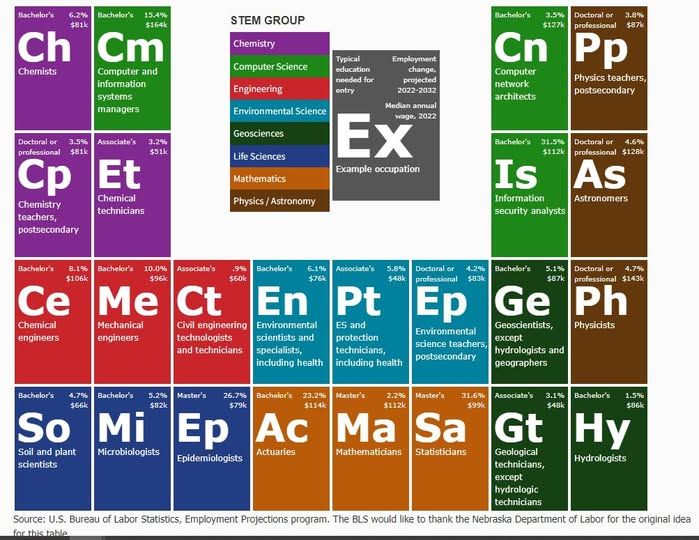
| Periodic Table of STEM Careers | While students across the country learn about elements like Hydrogen, Carbon, and Gold from the traditional periodic table in science class, a different kind of reference tool—the Periodic Table of STEM Occupations—is gaining traction among workforce advocates and educators. Created by the U.S. Bureau of Labor Statistics (BLS), the interactive resource maps out career pathways across disciplines like computer science, engineering, environmental science, and mathematics. | | |
Got AI? We Help You Find 'The Signal Through the Noise'
Our Thumb is on the AI Pulse in Ways Few Others Can Match
| | |
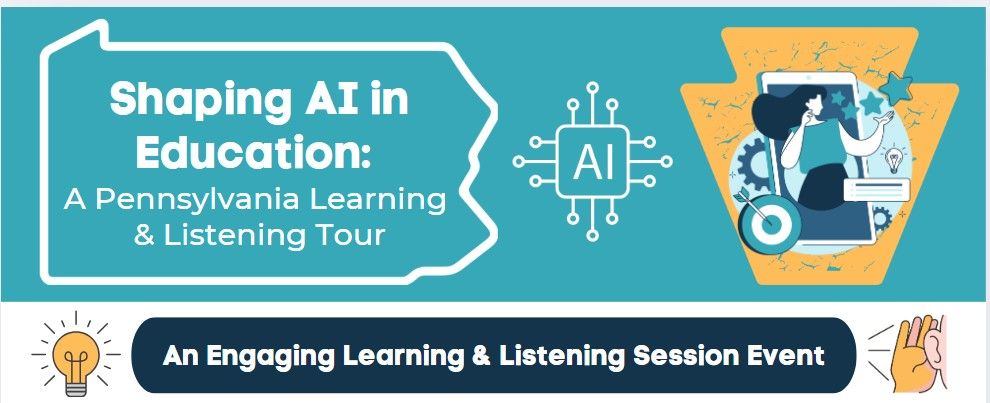
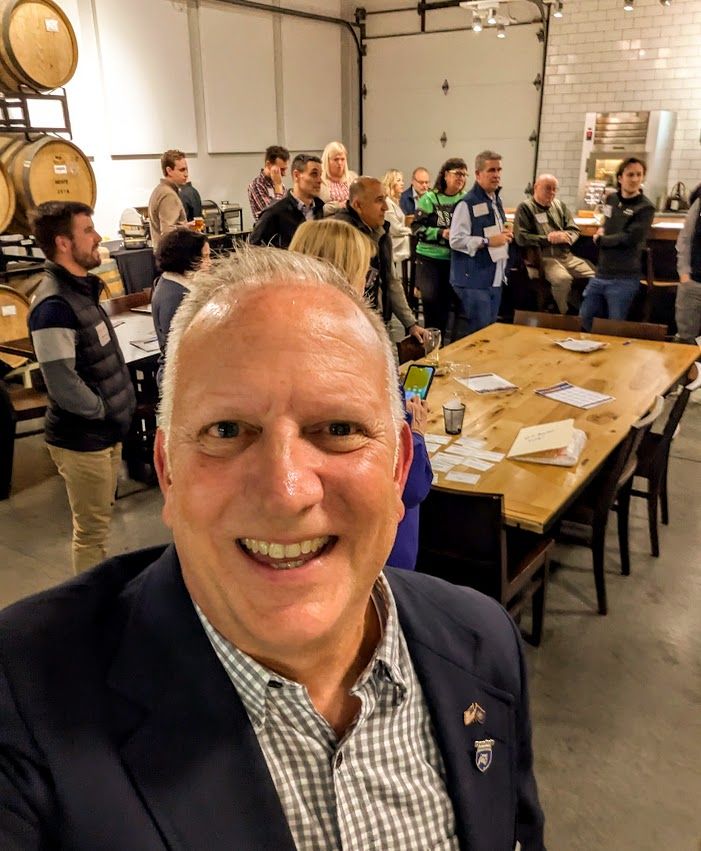
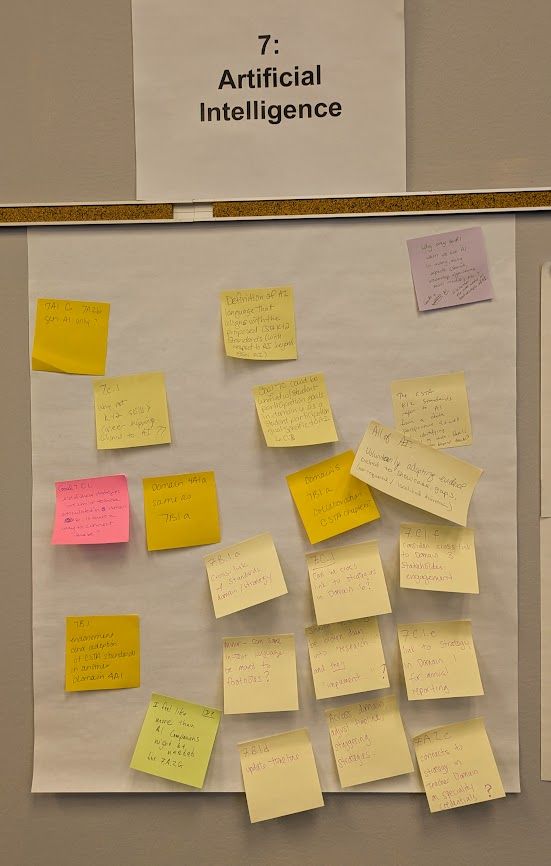
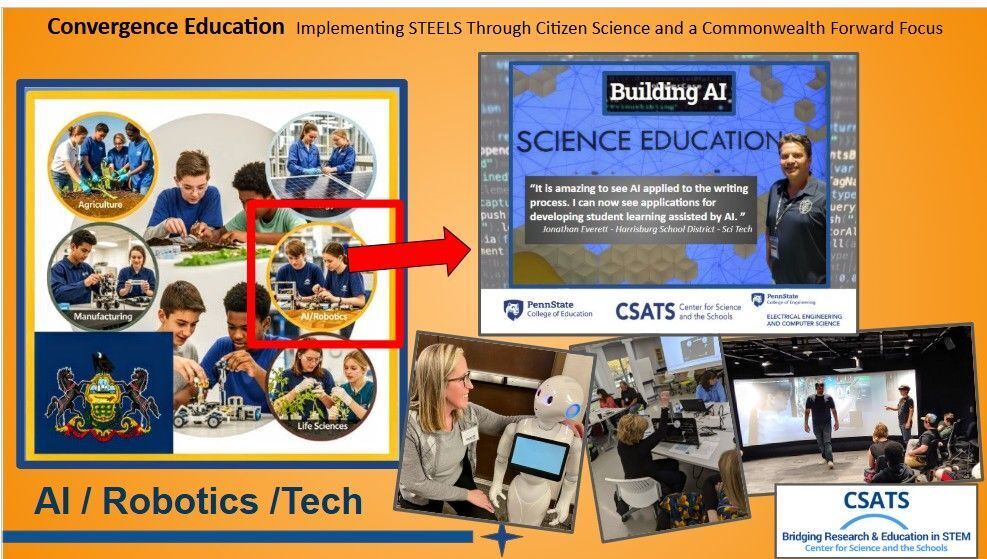
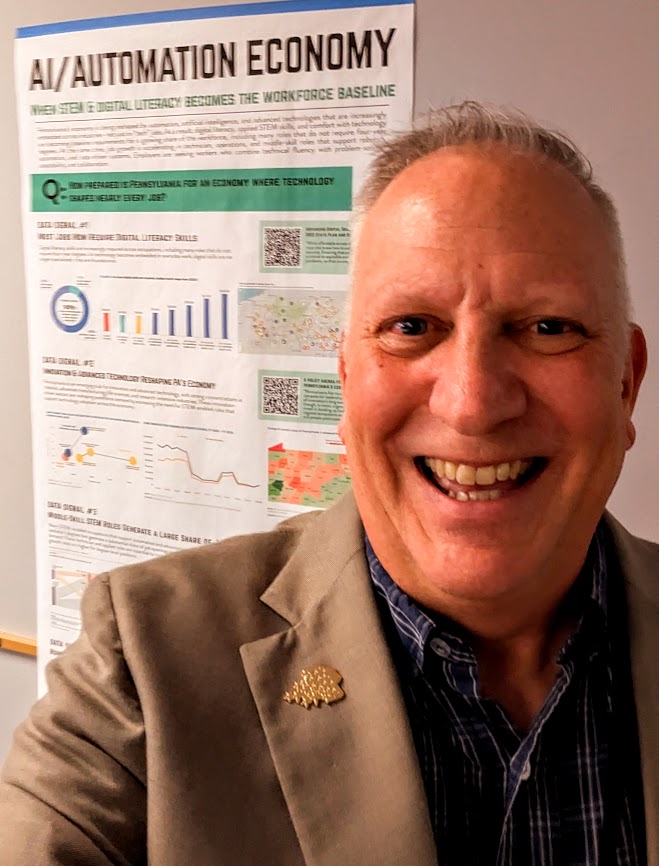
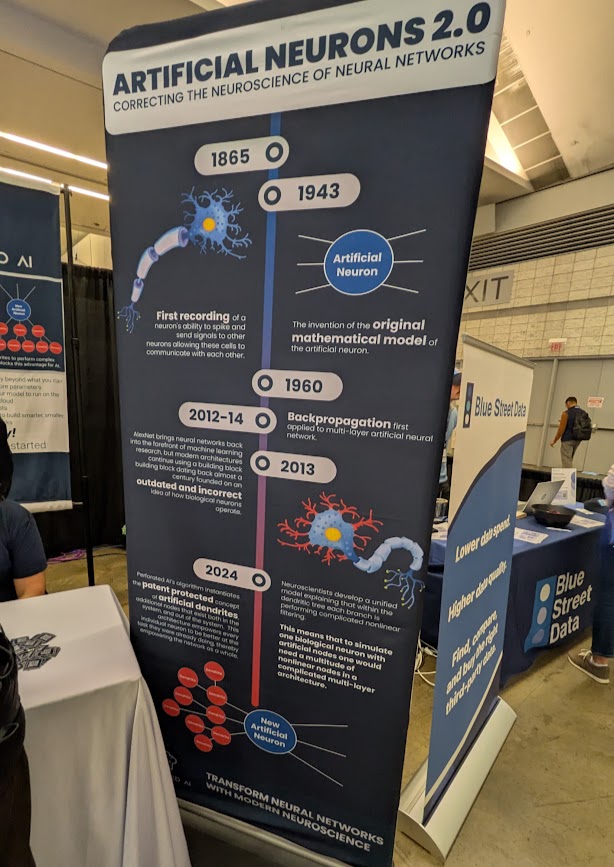
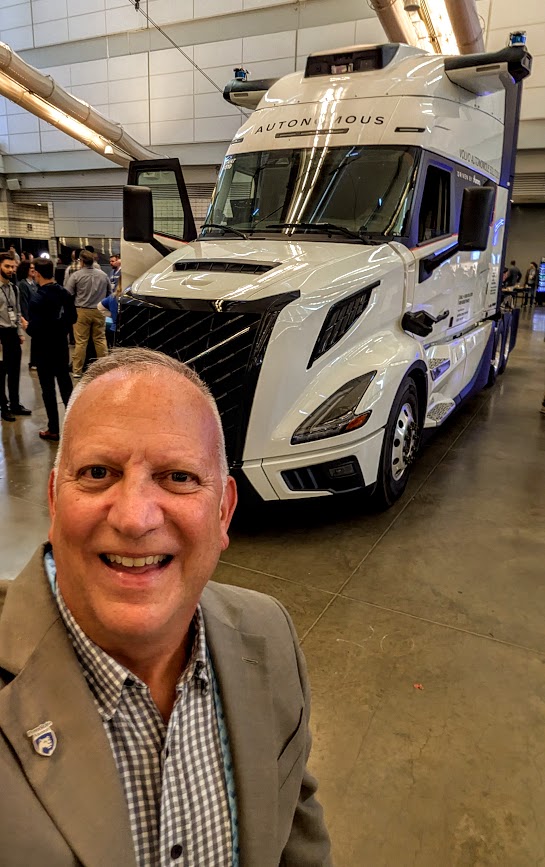
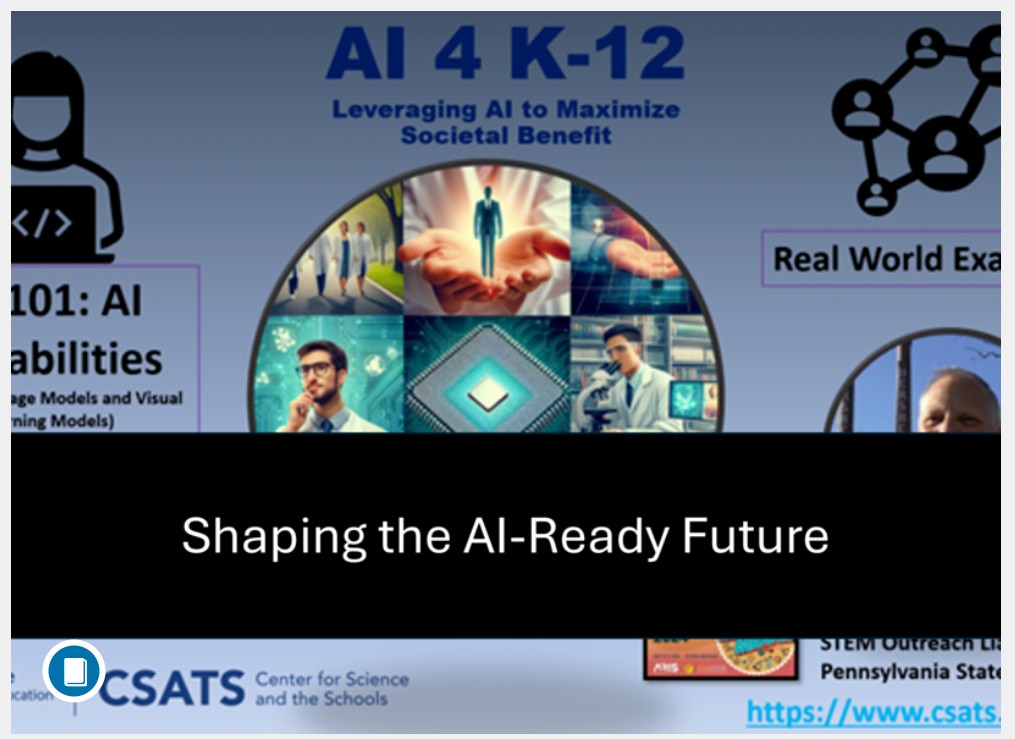
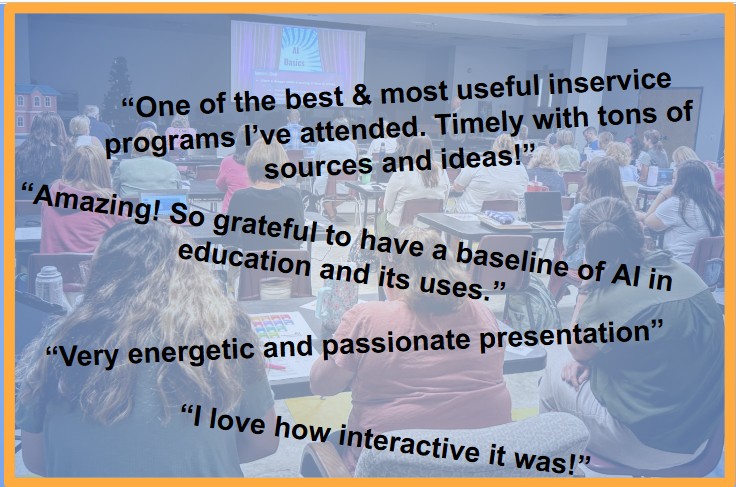
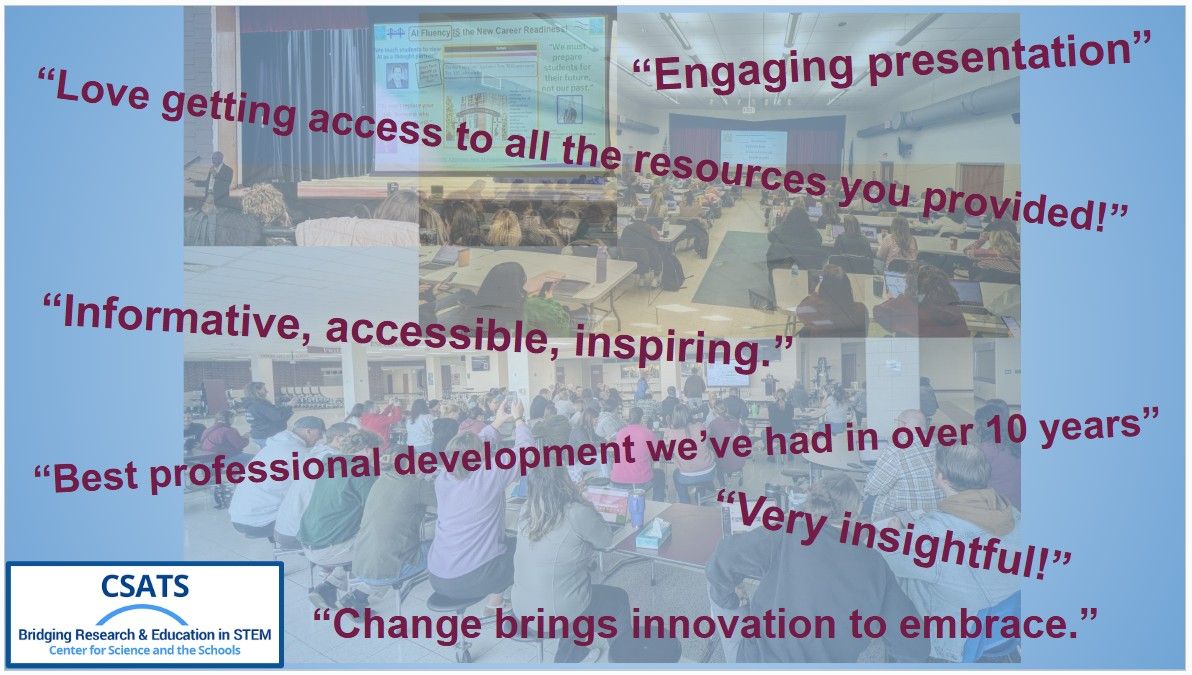
At Penn State CSATS, we immerse ourselves in a vast array of AI influenced sectors with intentionality. From application of AI in K12, to workforce development, to the convergence of AI across Penn State's multiple engineering and STEM research initiatives, we involve ourselves in opportunities to learn the nuances of AI application. We are a member of Penn State's AI Hub and we serve on numerous AI policy and advisement committees and seek opportunities to connect with the Commonwealth's AI/Robotics/Tech networks. We have a voracious appetite to continually learn about AI's impact on K12 as evidenced by our extensive list or AI articles and resources. Within our office, we find AI platforms and tools an indispensable part of our work productivity. We are sought after for keynotes, seminars, professional development, government work, and consultations.
#Jaggedness
In our role translating emerging AI capabilities into K–12 contexts, we found Harvard Business School’s concept of “jaggedness” especially resonant. AI systems often excel at complex, specialized tasks while simultaneously struggling with simple, routine ones. This inconsistency—combined with the inherently human-like way AI interacts with educators and students—can create challenges in K–12 settings. It underscores the importance of grounding AI integration in the pedagogical expertise of experienced educators to ensure both the accuracy of outputs and the integrity of teaching and learning.
How can we support your AI journey? Explore our website or email jeff_remington@psu.edu for more information.
| |
|
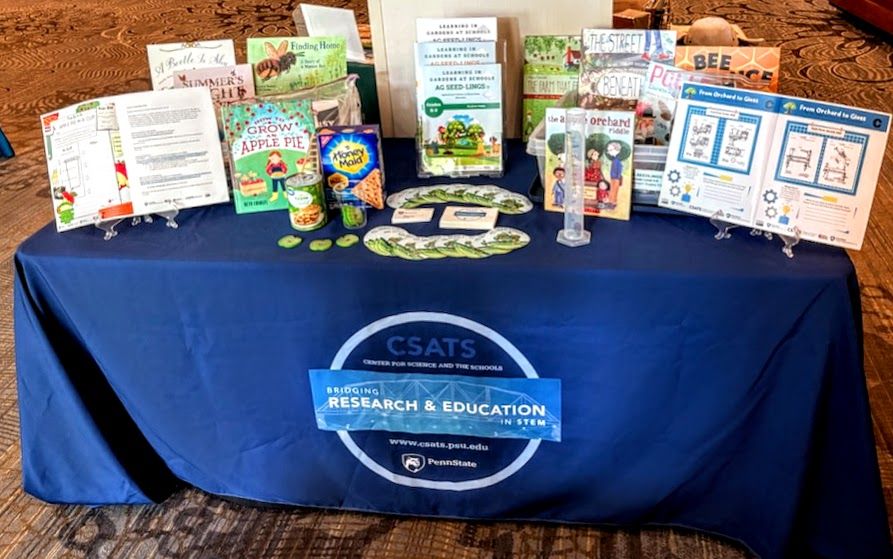
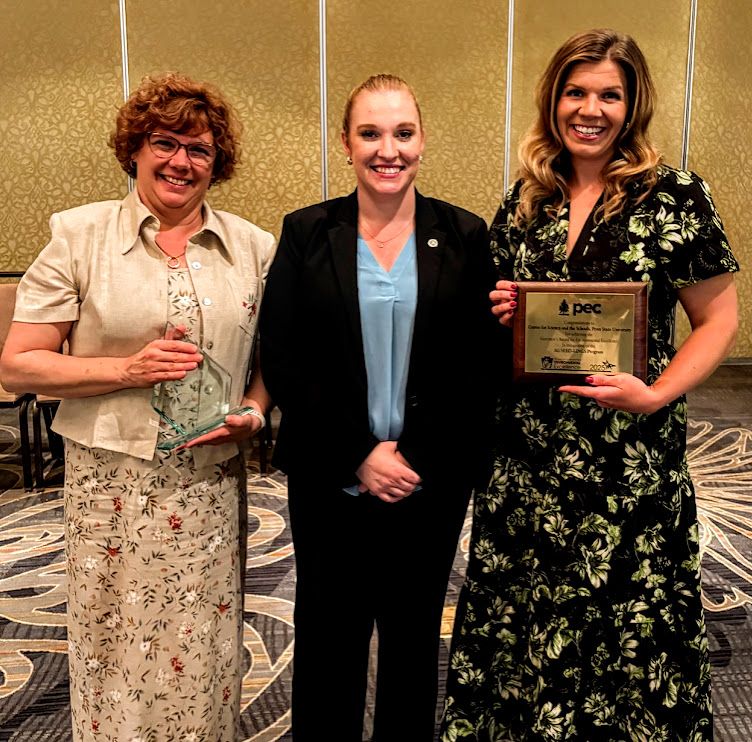
Award Winning AG SEED-LINGS Kits Available
Your School Can Now Acquire These STEELS Aligned Kits!
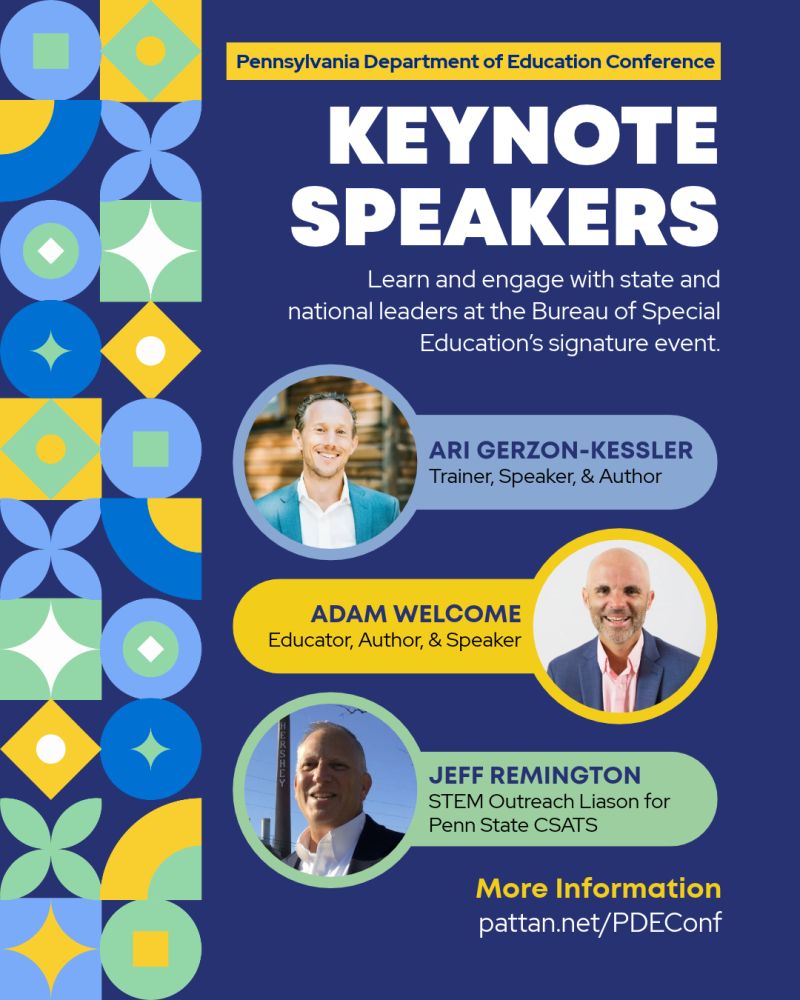
| | Penn State CSATS to Headline 2027 PDE Conference with Keynote on AI and Innovation | | |
Pennsylvania educational leaders will gather next winter for three days of collaborative learning at the Pennsylvania Department of Education (PDE) Conference, taking place February 24–26, 2027, both in person at the Hershey Lodge in Hershey, PA, and virtually via Zoom.
As the signature event of PDE’s Bureau of Special Education—designed by the Pennsylvania Training and Technical Assistance Network (PaTTAN)—the conference centers on the theme "Making a Difference: Educational Practices That Work!" and focuses on advancing system-level implementation, building capacity, and improving outcomes for all students.
Representing Penn State’s Center for Science and the Schools (CSATS), STEM Outreach Liaison Jeff Remington will deliver a keynote address titled "The Promising Side of AI: K-12 Tour Insights & Cutting-Edge Research."
Drawing on insights from Penn State’s research enterprise and statewide K–12 workforce initiatives, Remington’s keynote will explore how educators and school leaders can move beyond apprehension toward artificial intelligence. Rather than viewing emerging technologies solely as a disruption, the session highlights practical strategies for fostering an "AI growth mindset"—empowering school systems to pair technological fluency with uniquely human durable skills, curiosity, and evidence-based instructional practices.
Event Details at a Glance:
-
Event: 2027 Pennsylvania Department of Education Conference
-
Dates: February 24–26, 2027
-
Format & Location: Hybrid — In person at Hershey Lodge (325 University Dr, Hershey, PA) and online via Zoom
-
Featured Keynote: "The Promising Side of AI: K-12 Tour Insights & Cutting-Edge Research." by Jeff Remington, Penn State CSATS
Educators, administrators, and stakeholders interested in attending or learning more about conference programming can explore additional details and access the 2027 PDE Conference flyer directly through PaTTAN.
| | |
CSATS Can Help Your School Find the "Signal Through the K12 AI Noise"
Consider a Customized PD Session for Your School or District
| | ASCE Bridge Designer, Cloud Edition available for Free! | |
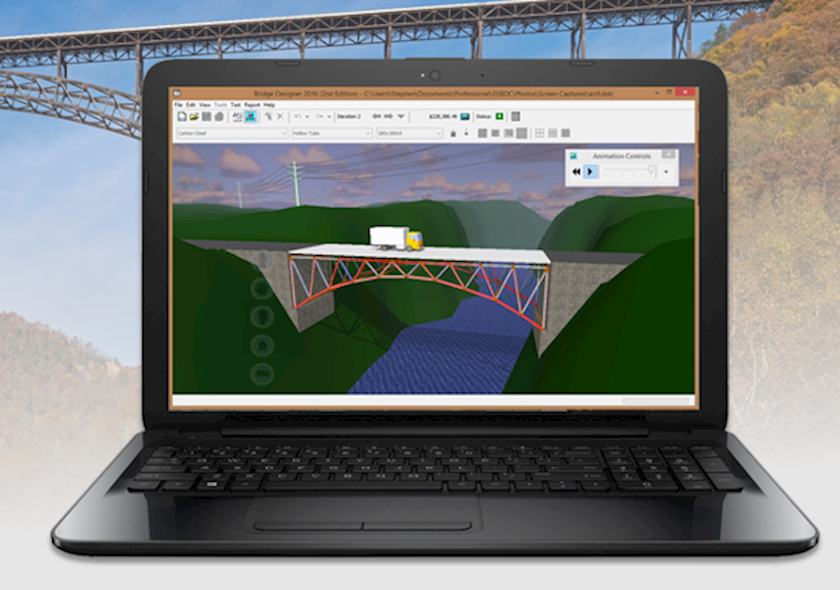
A staples-and-straws classic in STEM education has gone digital—and completely cloud-based. The American Society of Civil Engineers (ASCE) has released the ASCE Bridge Designer, Cloud Edition, updating a free, open-source engineering tool that millions of students have used to learn structural design principles since 2002.
The newest release removes past installation barriers, allowing K-12 educators to integrate real-world engineering concepts directly into their science, physics, and technology curricula through any web browser.
Explore it at this LINK
| | Consider Connecting with The Pennsylvania Statewide STEM Ecosystem (PSSE) | | |
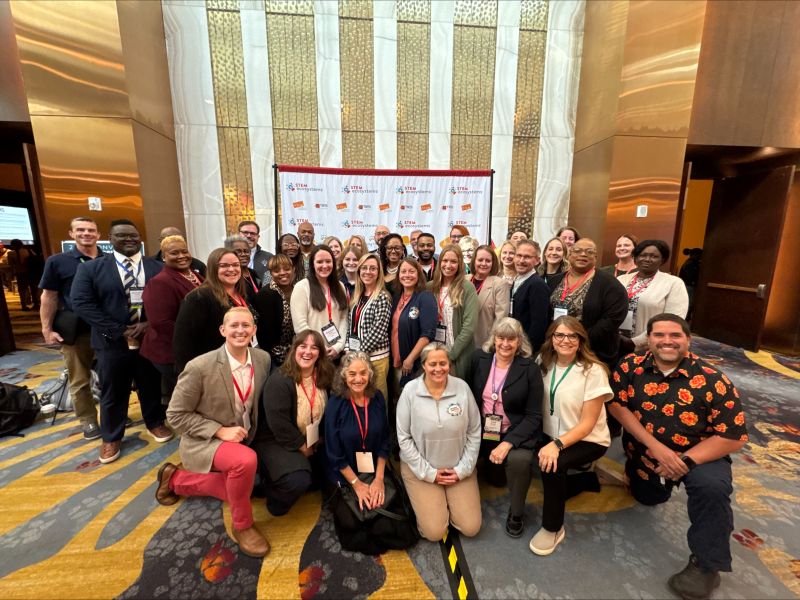
In an era where STEM skills are essential for future careers and innovation, the Pennsylvania Statewide STEM Ecosystem (PSSE) stands out as a vital resource for educators, organizations, and advocates across the Commonwealth. As a collaborative network between regional STEM ecosystems and the Pennsylvania Department of Education, PSSE is designed to foster equitable access to quality STEM education and workforce pathways. Whether you're a classroom teacher, school administrator, or community leader, joining PSSE offers tangible benefits that can transform your work and amplify your impact. Here's why you should connect today.
Free Membership with Exclusive Access
Becoming a PSSE member is straightforward, free, and open to individuals, organizations, and institutions involved in STEM fields. Members gain immediate access to a wealth of resources, including the latest STEM industry news, upcoming events, grant opportunities, and scholarships. For K-12 educators, this means staying ahead of trends like the 2022 STEELS standards or AI integration in curricula without sifting through scattered sources. Recent newsletters, such as the September 2025 edition, highlight practical tools for back-to-school planning, while the October 2024 issue dives into AI's role in transforming education—topics that directly inform classroom strategies.
Networking and Collaboration Opportunities
PSSE's strength lies in its vibrant member directory, which connects you with a diverse community of STEM professionals, from fellow educators to industry experts and policymakers. Use it to share ideas, form partnerships, and tackle local challenges collaboratively. The platform emphasizes inclusivity, diverse perspectives, empathy, and joint action—core values that ensure every voice is heard. For instance, educators can collaborate on project-based learning aligned with Pennsylvania's economic pillars, such as clean energy or advanced manufacturing, creating real-world connections that engage students.
Curated Events and Professional Growth
PSSE curates a calendar of events tailored to STEM advancement, including conferences, webinars, training seminars, and job fairs. Members can submit and promote their own events, ensuring you never miss a policy update or creative workshop. Recent highlights include discussions on unleashing student potential through programs like the CSO Initiative and strategic STEM education plans. These opportunities provide professional development that goes beyond traditional PD, helping teachers build skills in equity-focused STEM while networking with statewide leaders.
Advocacy and Policy Influence
As a member, you join a collective voice advocating for STEM initiatives and legislation. PSSE drafts policy recommendations and stewards a community of practice centered on equity, inclusion, and belonging. This is particularly valuable for K-12 educators navigating changes like the new STEELS standards or funding for sustainability programs. By participating, you help shape Pennsylvania's STEM landscape, ensuring resources reach underserved communities and prepare all students to become tomorrow's problem-solvers.
A Commitment to a Brighter Future
PSSE's vision is clear: All Pennsylvanians deserve access to quality STEM education and career pathways. Their mission—through cross-sector convenings, resource amplification, and advocacy—aligns perfectly with the needs of busy educators seeking meaningful support. The archives offer downloadable resources like introductory STEM guides and visual data, making it easy to reference materials for lesson planning or grant applications.
Joining PSSE isn't just about membership; it's about becoming part of a passionate network driving STEM forward. Head to pastemecosystem.org to sign up today—it's quick, free, and a step toward empowering your students for success. Follow PSSE on Facebook, Instagram, Bluesky, or LinkedIn for ongoing updates, and start connecting with like-minded advocates across Pennsylvania. Your involvement could spark the next big breakthrough in STEM education.
| | Posted on behalf of Penn State College of Engineering | | |
We Are Engineers Campaign
Have Your Students Explore 14 Different Engineering Disciplines
| |
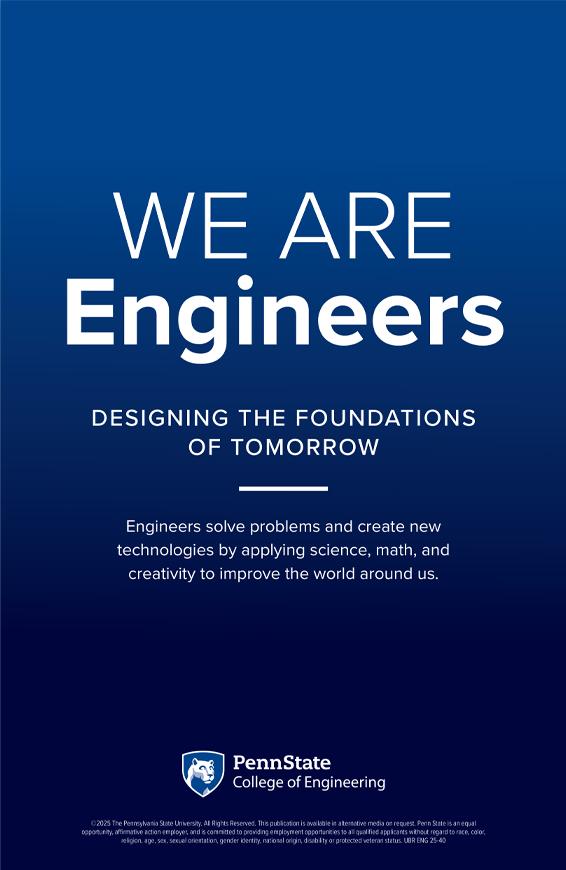
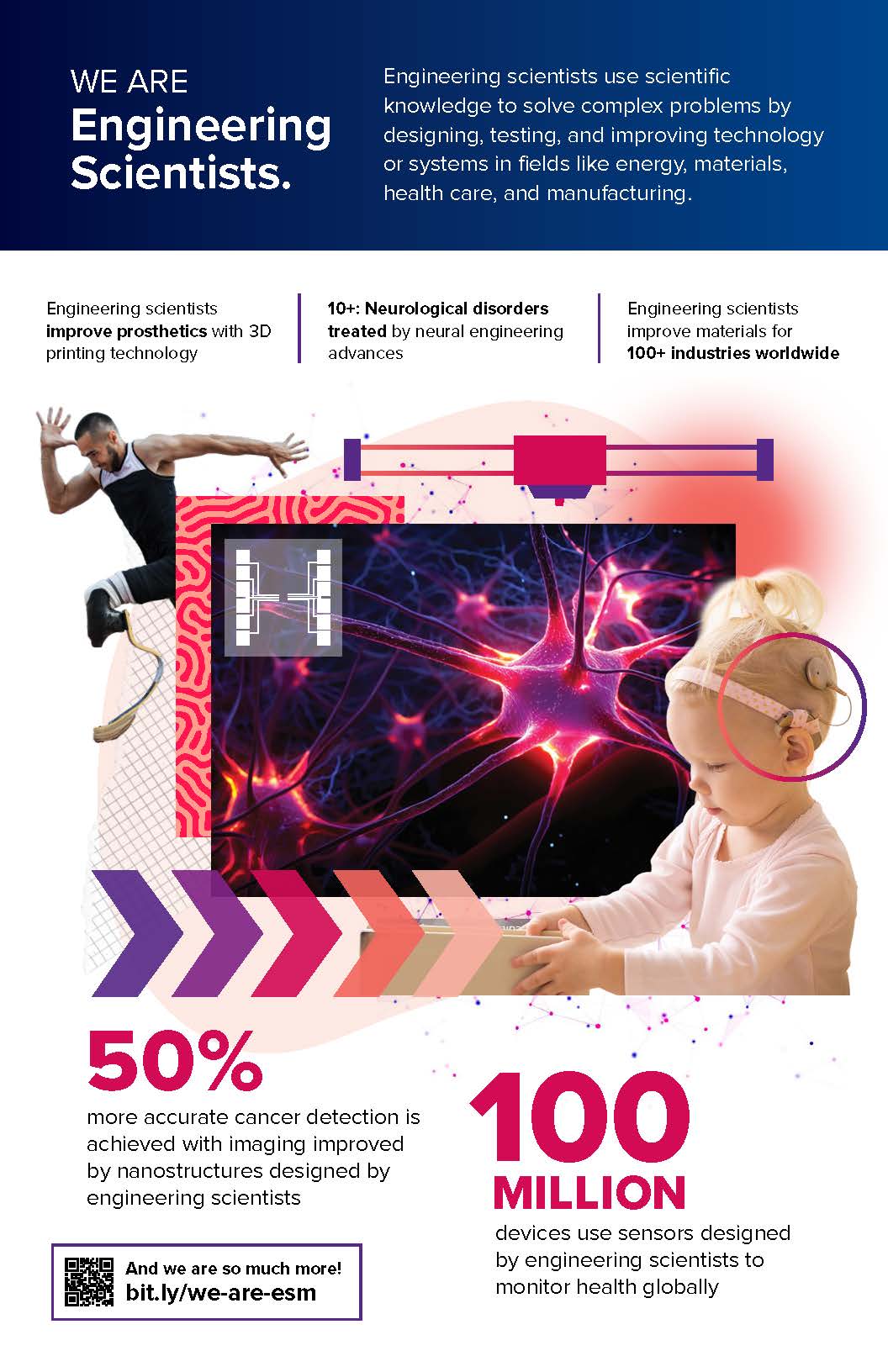
Students don't know what they don't know. Although engineering is a popular major and a general aspiration of many secondary students, they seldom realize the depth and breadth of engineering possibilities. To help students explore engineering disciplines, a poster campaign was developed by the Penn State College of Engineering for the Engineering Ambassadors (EA) to share with teachers and schools. Part of the EA mission to inspire K-12 students to improve the world through engineering (https://bit.ly/46j4ACf).
Engineering Scientists are featured below. Explore "What is Engineering Science?" and learn all about Nuclear Science, the undergraduate major experience, career pathways, and the latest enhancements in the industry from students, faculty, and alumni of the Penn State College of Engineering. What is Engineering Science? (Video)
For more information on all engineering majors at University Park in the College of Engineering, visit the Explore Majors section of the website which includes videos to share with K-12 students. View the playlist of the full Exploring Majors video series. #WeAreEngineers
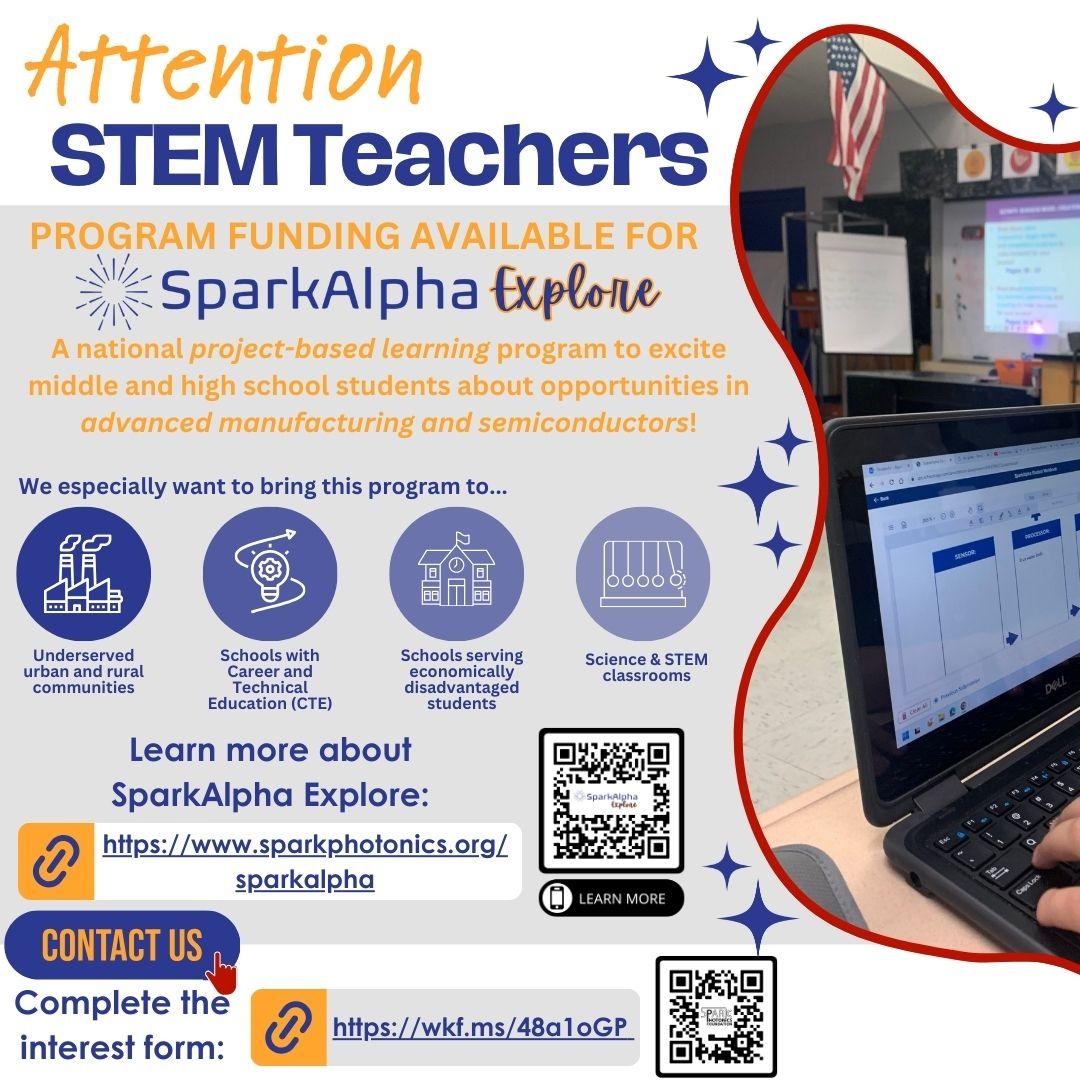
| | Posted on behalf of the Spark Photonic Foundation | |
Explore Advanced Manufacturing
With Your Students
| |
How can CSATS help your school? | |
Interested in learning more about the Center for Science and the Schools and other opportunities for teachers and students available from Penn State? How can your school become involved in STEM projects with us?
Please contact the CSATS Outreach Liaison Jeff Remington (jeff_remington@psu.edu) to set up a phone or in-person appointment with your school to review your STEM needs and goals!
| | |
Our opportunities are possible due to research grants with scientists and engineers. However, in order to expand the work we do to further impact K-12 education in STEM and provide further resources, materials, and experiences for teachers, this is made possible by the support of our donors. To make a donation to Penn State Center for Science and the Schools, please visit our GIVE page and also see our current IMPACTS across Pennsylvania and the nation.
| | Follow us on social media | | | | |