|
Stories of Impact
Opportunities To Learn and Grow
| | |
STEM Pioneers Application Portal Now Live!
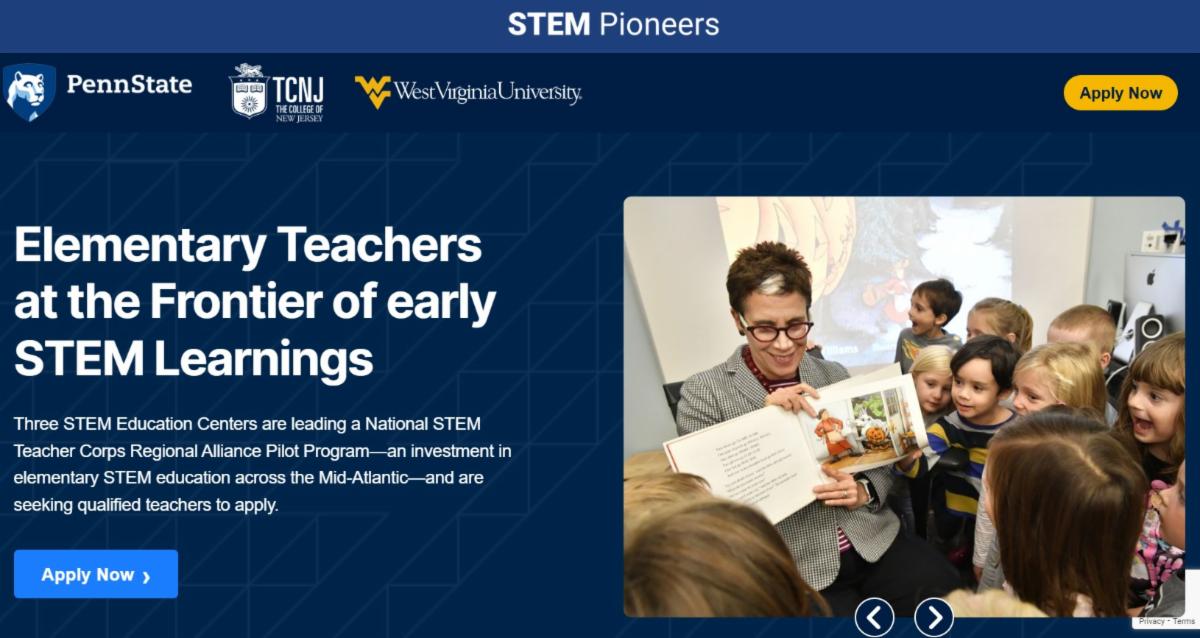
K-5 teachers in NJ, PA, and WV can apply to be part of this prestigious National STEM Teacher Corps
| |
Exciting Opportunity for K-5 Teachers in NJ, PA, and WV!
The National STEM Teacher Corps Pilot Program, funded by the National Science Foundation (NSF) as part of the CHIPS and Science Act, aims to elevate the STEM teaching profession and support outstanding educators. Penn State's Center for Science and the Schools (CSATS) has secured a $5 million grant to launch the STEM Pioneers initiative, focused on empowering elementary teachers in the Mid-Atlantic. Read the full CSATS article HERE. Read the Tech Ed Magazine article HERE. Read The College of New Jersey article HERE.
This program aims to:
- Elevate elementary teachers as foundational/frontier STEM educators
- Evidence the critical importance of K-5 years for developing STEM proficiencies and identities
- Emphasize learning through authentic practices and innovative teaching strategies
- Connect early learning to long-term workforce development and scientific literacy
- Recognize K-5 teachers as essential STEM professionals
Teacher Benefits—STEM Pioneers Corps
- $12,000 annual stipend (three payments of $4,000 over the year)
- Professional development in curriculum related to current STEM and in educational leadership
- Paid travel to the summer professional development, which will rotate between the three HEIs
- Paid travel to the state science teachers association conferences and NSTA
- Paid web-based tools for STEM curriculum design and social media dissemination
- Paid travel to hold a 1-day workshop with other teachers, if needed.
- Materials for teachers who participate in the 1-day workshop that they lead… and more…
For more information and to apply, click the button below. Questions? jeff_remington@psu.edu
| | |
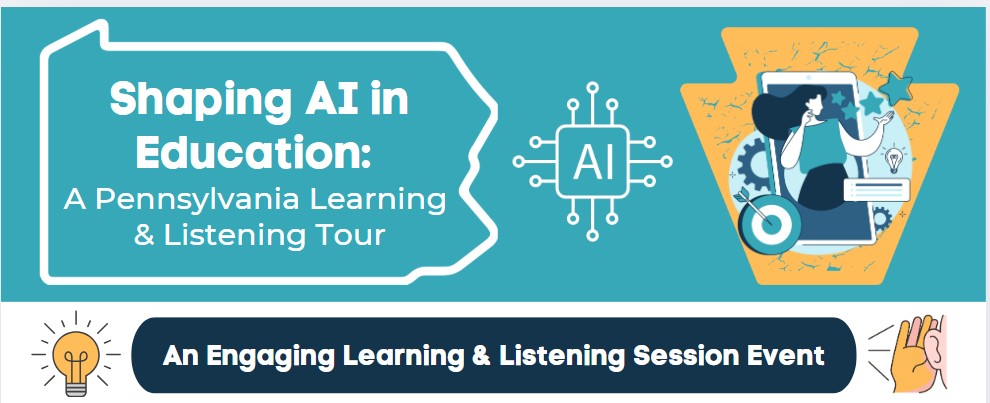
Shaping AI in Education:
Town Halls Coming
to a Location Near You!
| |
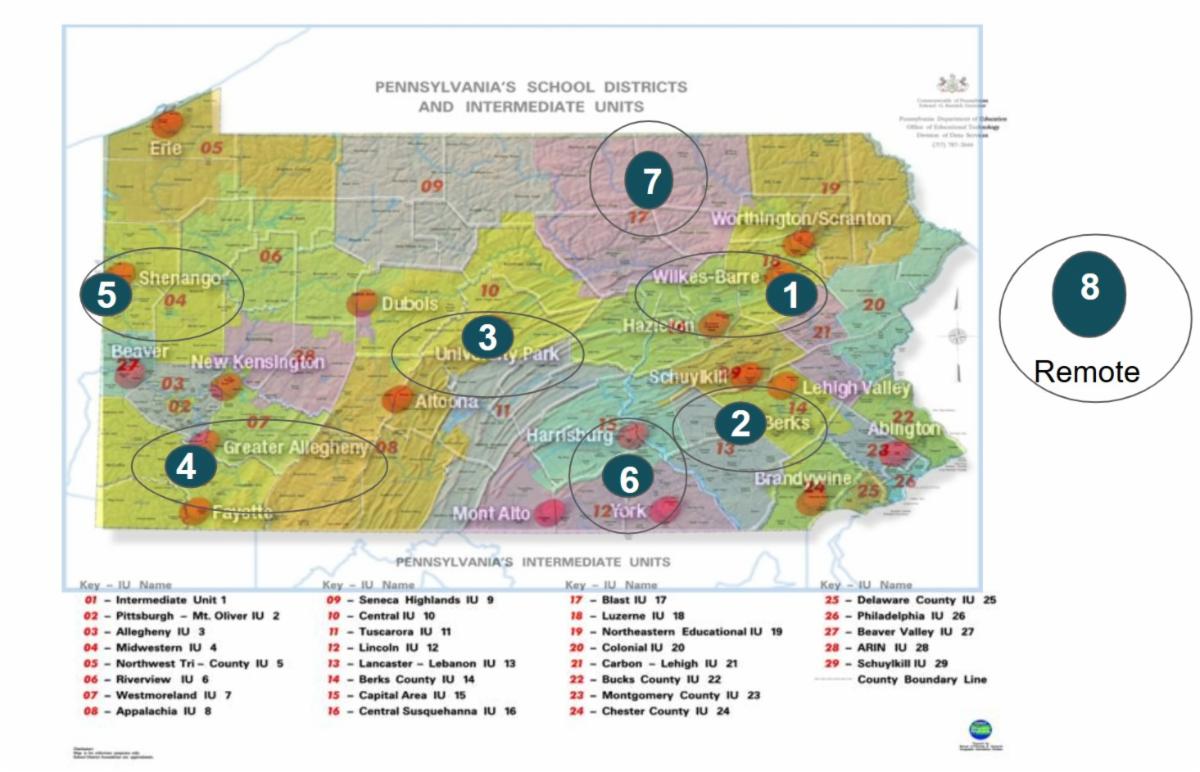
Join Us for AI Town Hall Events in Pennsylvania!
K12 educators and administrators from across the Commonwealth are invited to join a dynamic series of AI road shows, designed to foster collaboration by sharing essential knowledge on AI's role in education while actively shaping its integration in Pennsylvania's schools. Through informative presentations, interactive listening sessions, and pre-/post surveys, these events enable attendees to gain practical insights, contribute their valuable perspectives, concerns, and experiences with AI in classrooms and schools, and build a collective understanding of how AI can enhance teaching, learning, and equity across the Commonwealth. In addition, there will be opportunities for networking and access to additional resources for educators’ AI journeys.
Event Details:
Participants will complete brief pre- and post-event surveys to help build a shared understanding of AI's current and future applications in Pennsylvania's K12 landscape.
Time: 9:00 AM - 2:00 PM for each regional road show.
Food: A complimentary light breakfast and grab and go lunch will be provided at each regional event.
Cost: Free
Session Highlights:
- Keynote Presentation: An accessible overview of how AI works and its potential in education.
- Four Interactive Breakout Sessions:
- Ethical and sustainability considerations for AI
- Key K12 AI guidelines and best practices to adopt
- Preparing the workforce for an AI-driven future
- Leveraging AI to enhance and support education professionals
This road show is a collaborative effort by the Pennsylvania Department of Education, the Penn State AI Hub, the Penn State College of Education, and the Penn State Center for Science and the Schools. Sessions will be led by AI researchers, education policy experts, evaluators, and specialists to ensure a rich, evidence-based dialogue.
Mark Your Calendars!
- First Listening Session: Penn State University Park, December 3, 2025
- Information Sessions: PDE’s SAS Institute, December 7-10, 2025
- Regional Town Halls: Continuing throughout Spring 2026 with dates TBD
*Note: Please limit LEA participation to no more than 2 people.
We look forward to your participation in shaping the future of AI in our schools in the Commonwealth!
Stay tuned for more details coming soon and registration information by subscribing to our newsletter (Scroll down to 'sign up for updates') or follow us on our socials. LinkedIn or Twitter or Facebook
Questions? Email: jeff_remington@psu.edu
| | |
Insect Net:
Research Experience for Teachers (RET)
Coming Summer 2026
| | |
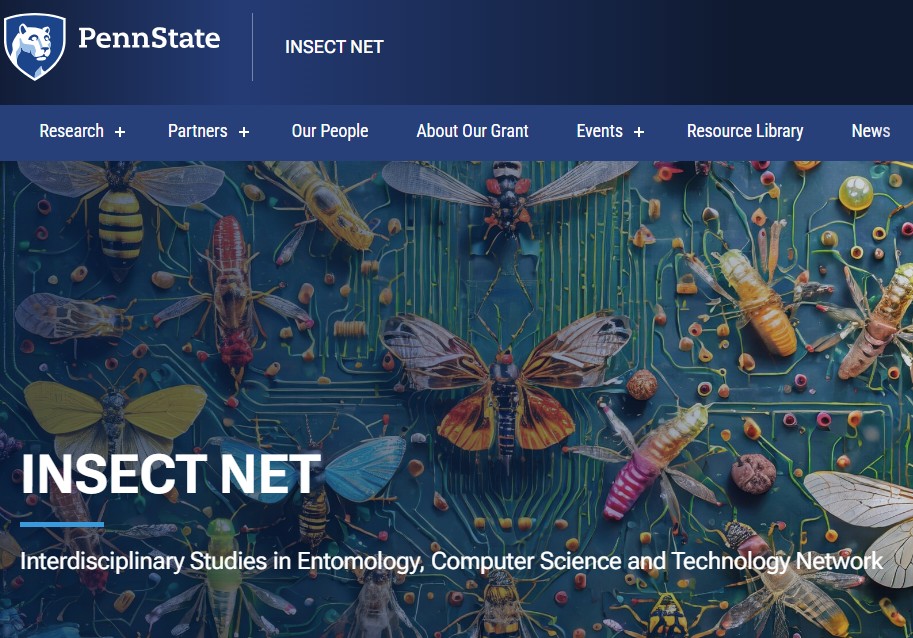
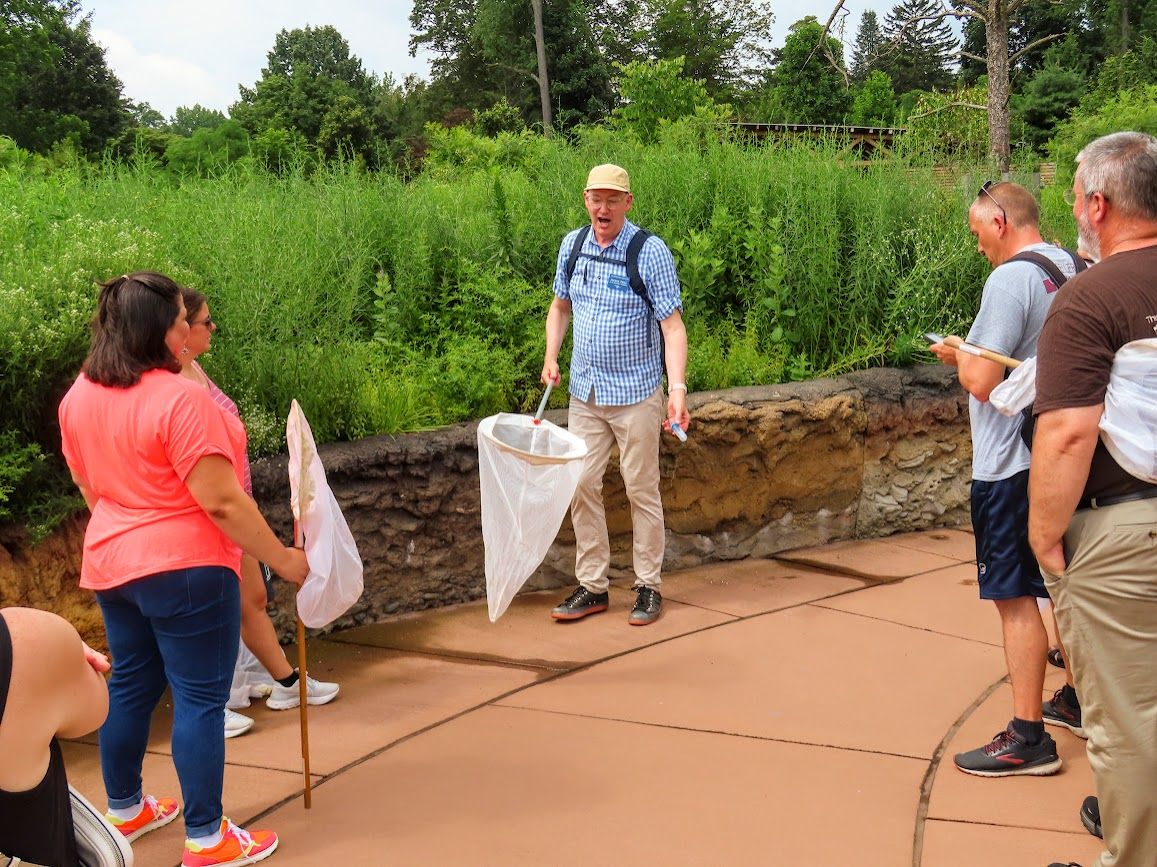
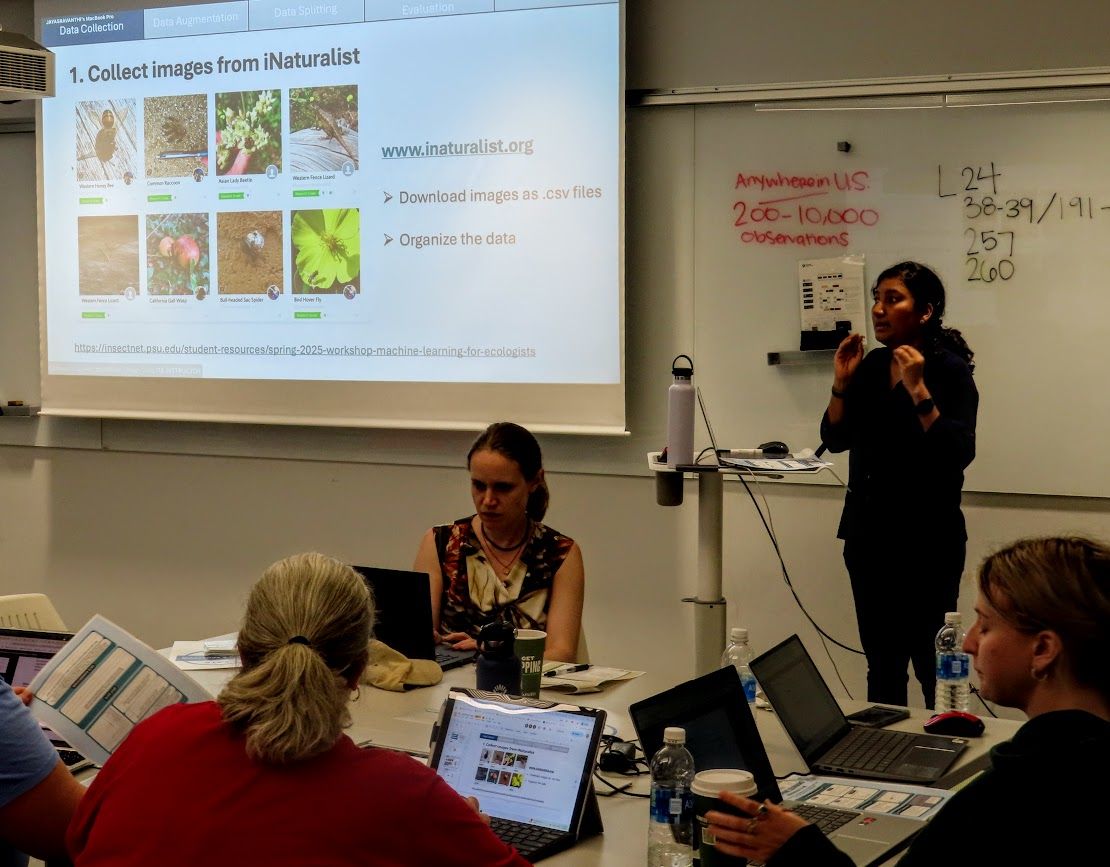
INSECTNET aims to enhance our understanding of insect biodiversity, which is crucial for ecological and human well-being, as insects represent a significant portion of Earth's species. Due to human activities, these vital creatures face threats. The initiative focuses on developing intelligent systems to monitor and predict the status of insect species, providing essential insights for policymakers and communities.
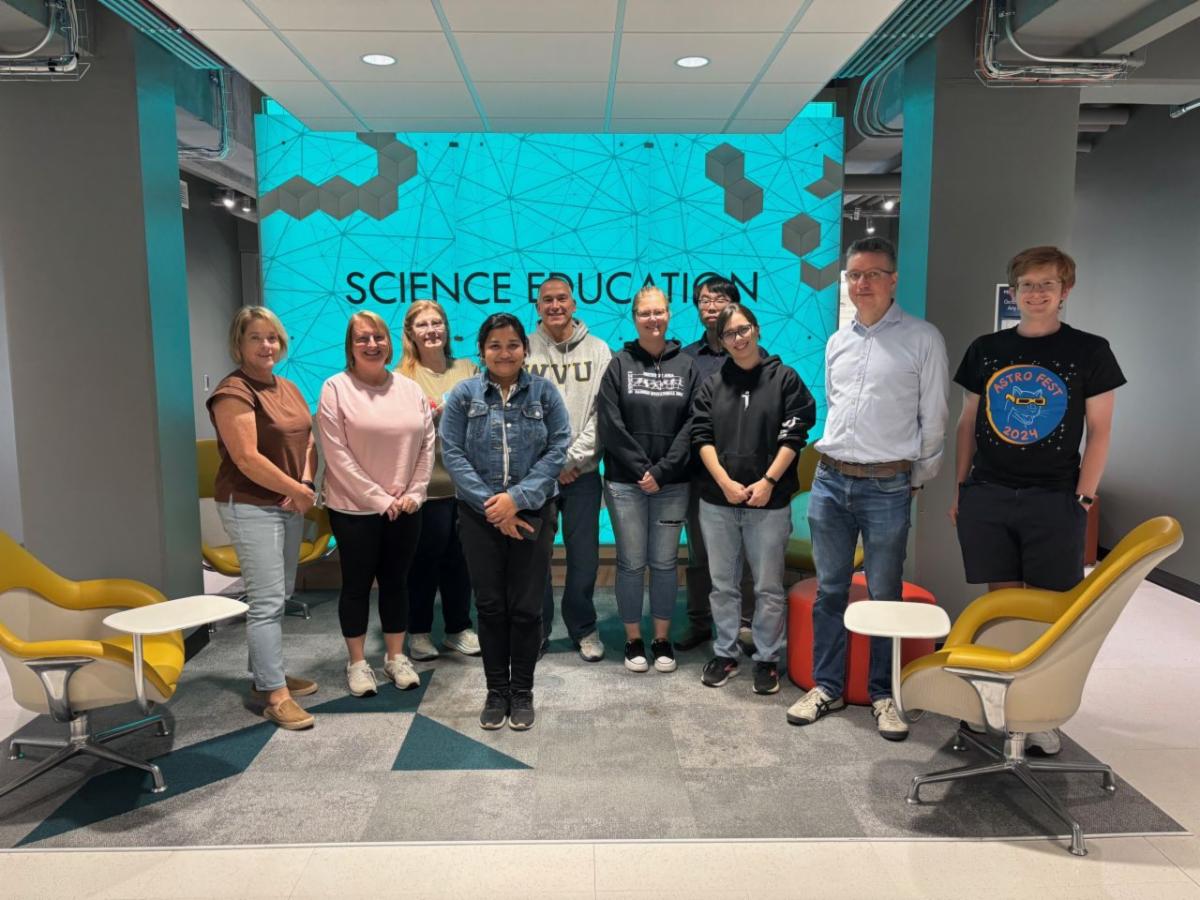
The program also fosters convergence research by training graduate students in various fields, including entomology, computer science, and data visualization. It offers support for second-year PhD students interested in using digital technology to study insect populations over time and across landscapes.
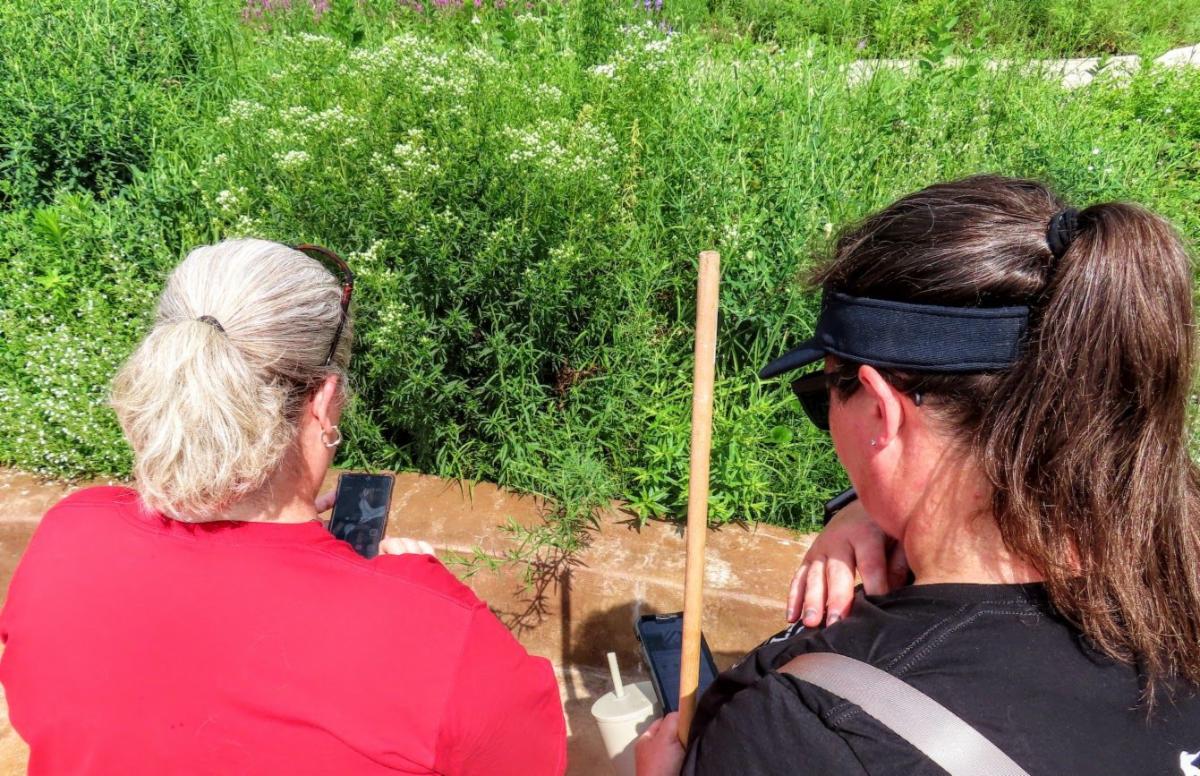
The Research Experiences for Teachers (RET) Program is a seven-week summer initiative for high school STEM teachers, taking place in-person at Penn State University Park in Summer 2026. Participants will conduct research with university faculty for six weeks and prepare for a research symposium in the seventh week, engaging in projects related to the INSECTNET project.
Applicants must be U.S. high school teachers in a computer science or STEM related discipline with at least three years of experience, a teaching position for the 2026-2027 school year, and adequate technology for virtual meetings. The program requires a full-time commitment of 40 hours weekly, with stipends of $6,000 for summer research and $1,500 for implementing classroom projects during the school year. Participants may also earn up to three graduate credits from Penn State.
The application includes personal information, supervisor details, professional references, essays, a support letter, and a lesson plan.
Stay tuned for details in our next newsletters. Contact jeff_remington@psu.edu if you have questions or early interest.
| | CSATS iSTEAM Provided a 'Stellar' Experience on Neutron Stars | | |
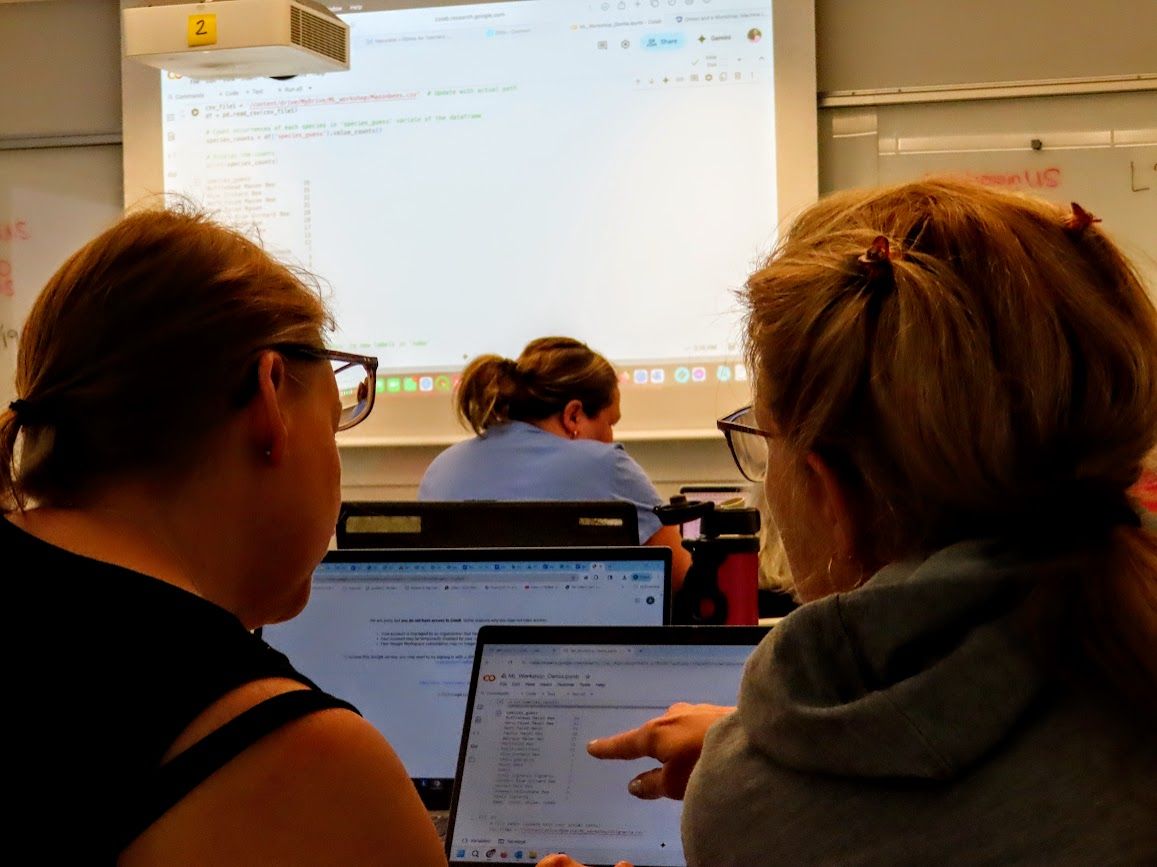
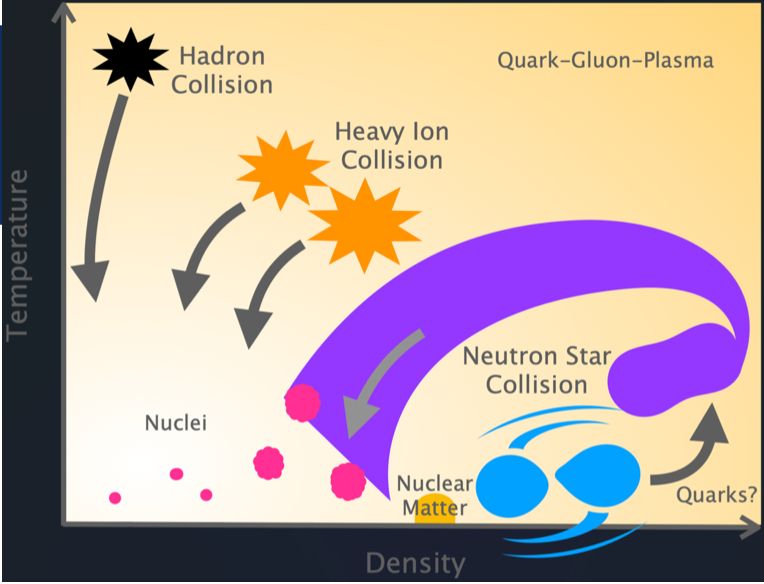
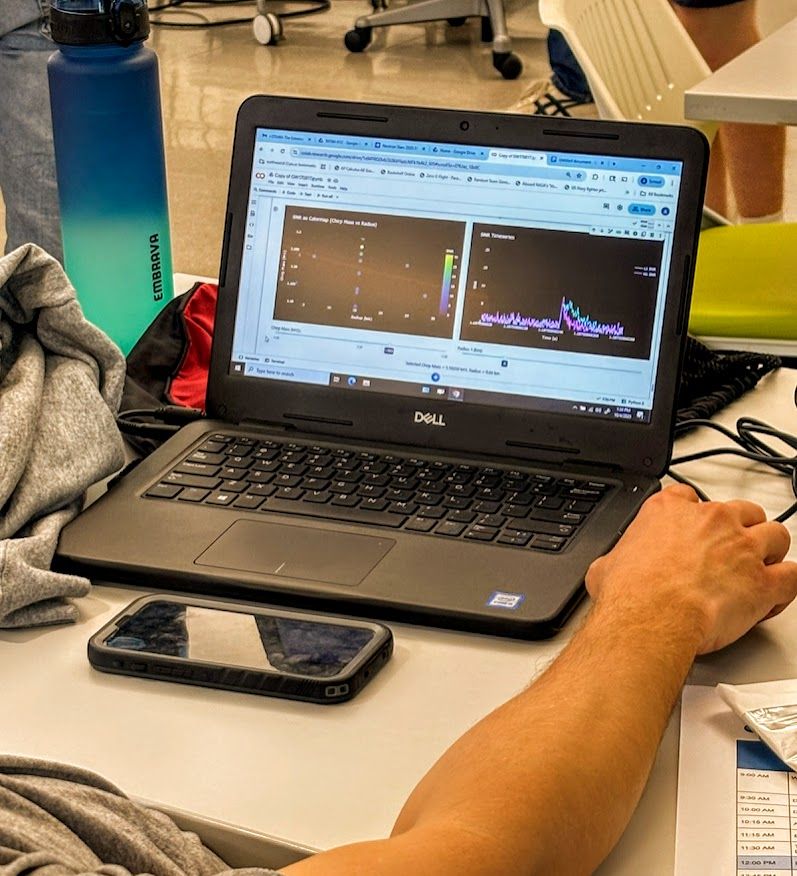
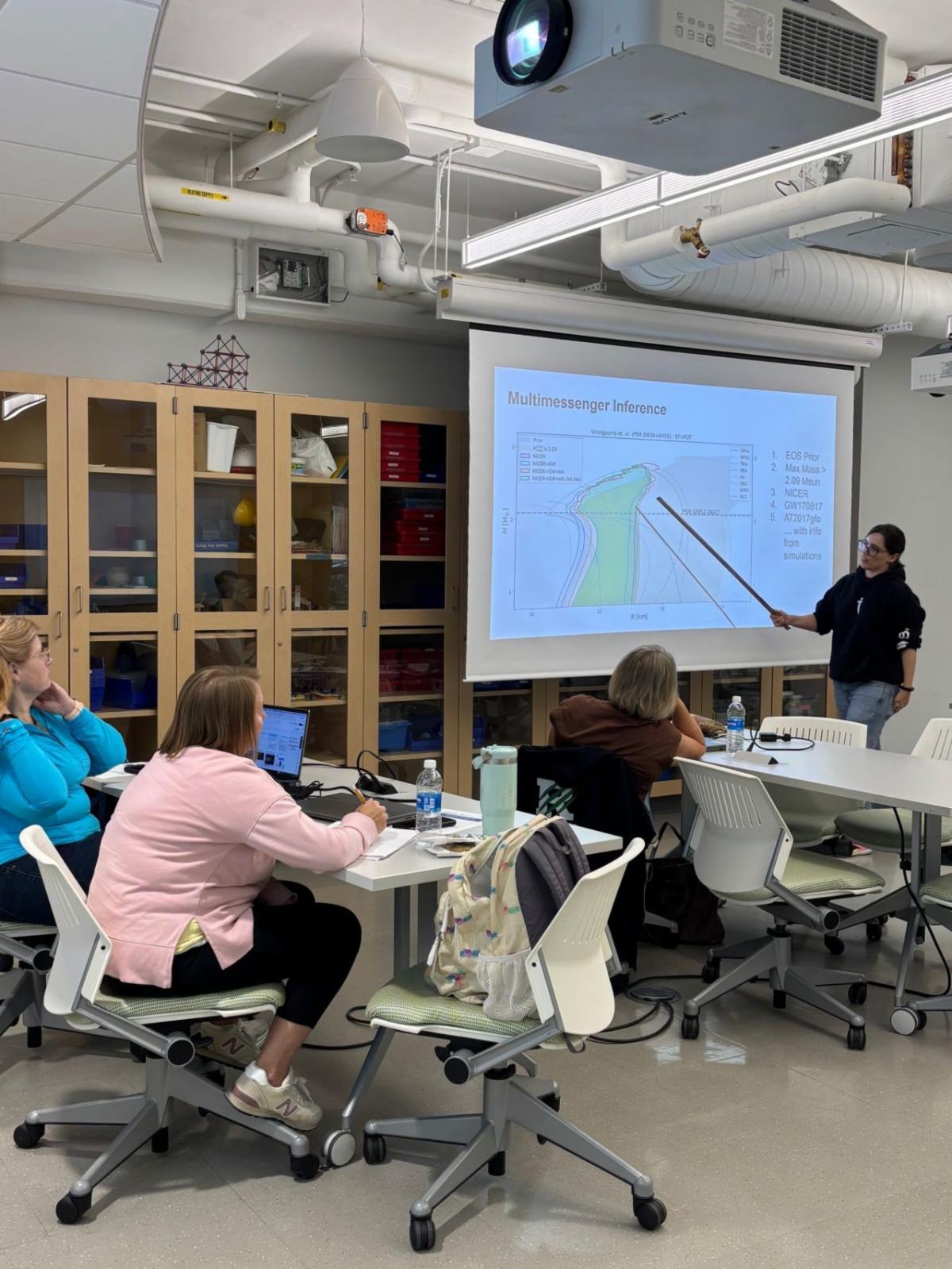
Recently, high school educators took part in a professional development workshop from Penn State Researchers focused on the intriguing world of neutron stars—extreme remnants of massive stars formed after supernovae. These dense objects contain more mass than our Sun, compressed into a sphere less than 10 miles in radius. When neutron stars collide, they produce conditions more extreme than those since the Big Bang, compressing matter to densities over one hundred trillion times that of solid iron and heating it to over one trillion degrees Kelvin. Observing these mergers enables scientists to study matter under conditions impossible to replicate on Earth.
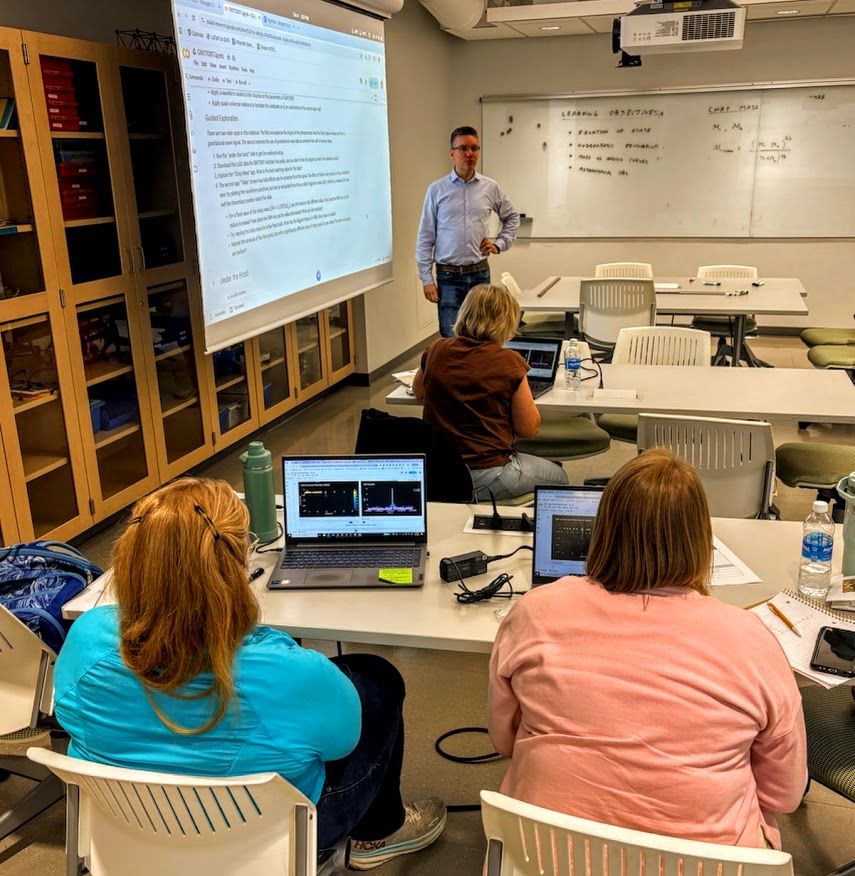
During the workshop, teachers engaged with online modules and multimedia resources, interacting with Penn State researchers to gain tools for introducing astrophysics into their classrooms. The hybrid format featured 10 hours of asynchronous learning and a one-day in-person meeting. Participants explored the connection between dense matter theory and the macroscopic properties of neutron stars, as well as how these can be investigated through gravitational waves and electromagnetic observations. By the end, teachers were well-equipped with resources to create engaging units on neutron stars. Teachers received both a stipend and Act 48 credits for participating. Want to learn more about neutron stars? Click HERE
| | CSATS Provides AI Keynote to Allegheny Intermediate Unit 3 Superintendents | | |
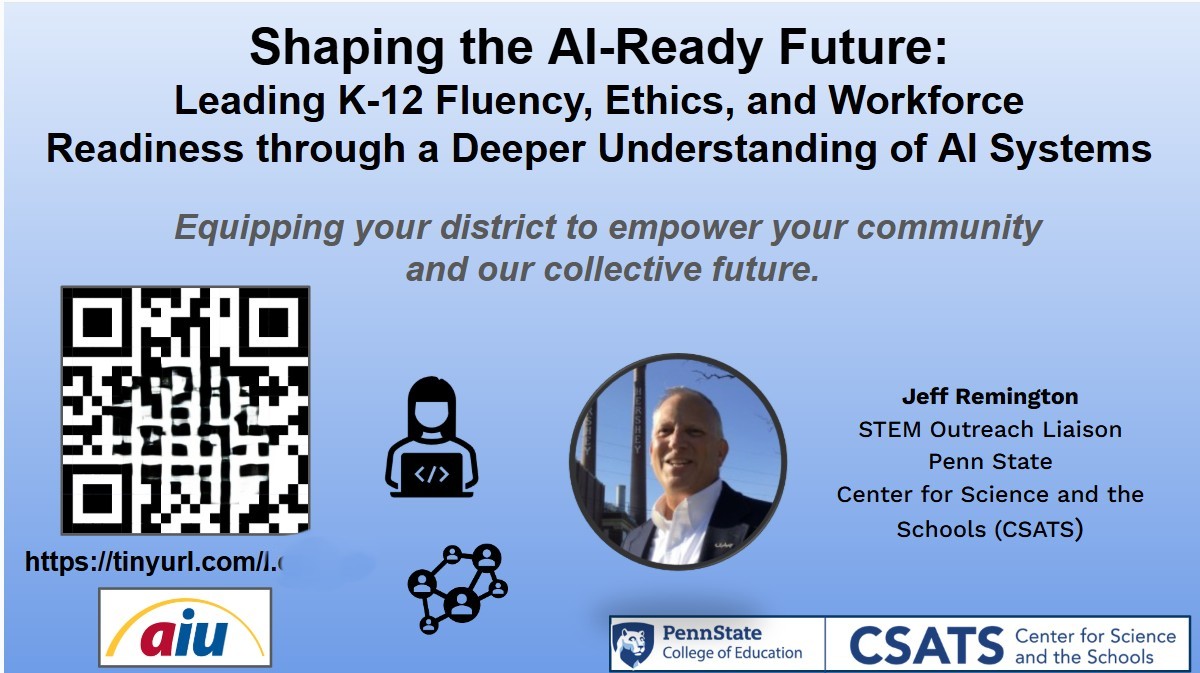
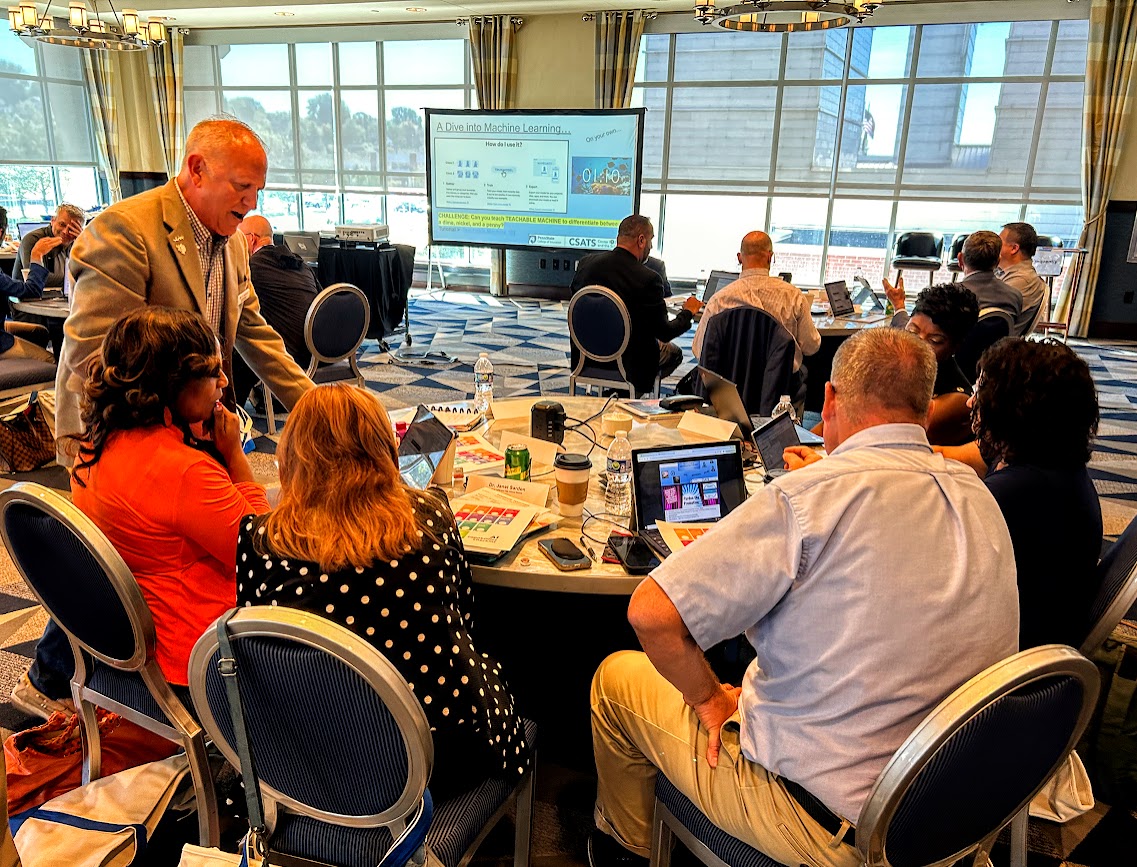
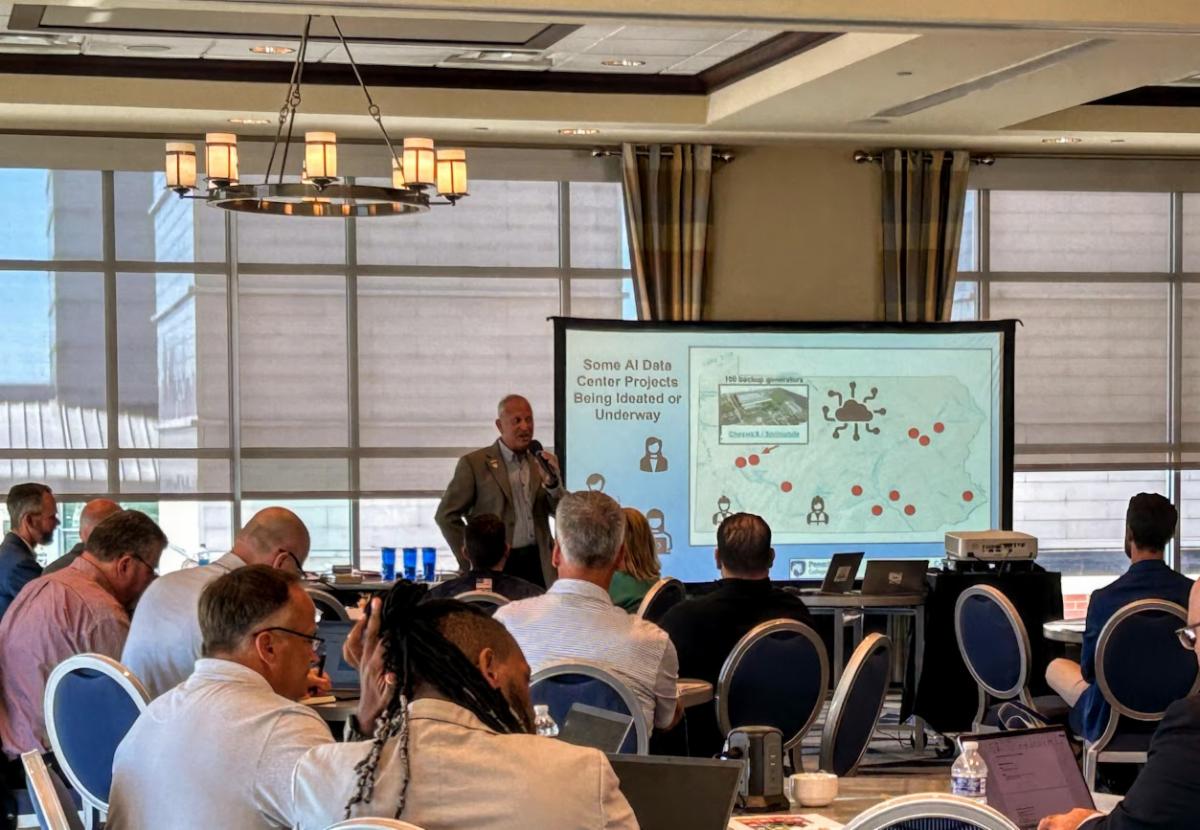
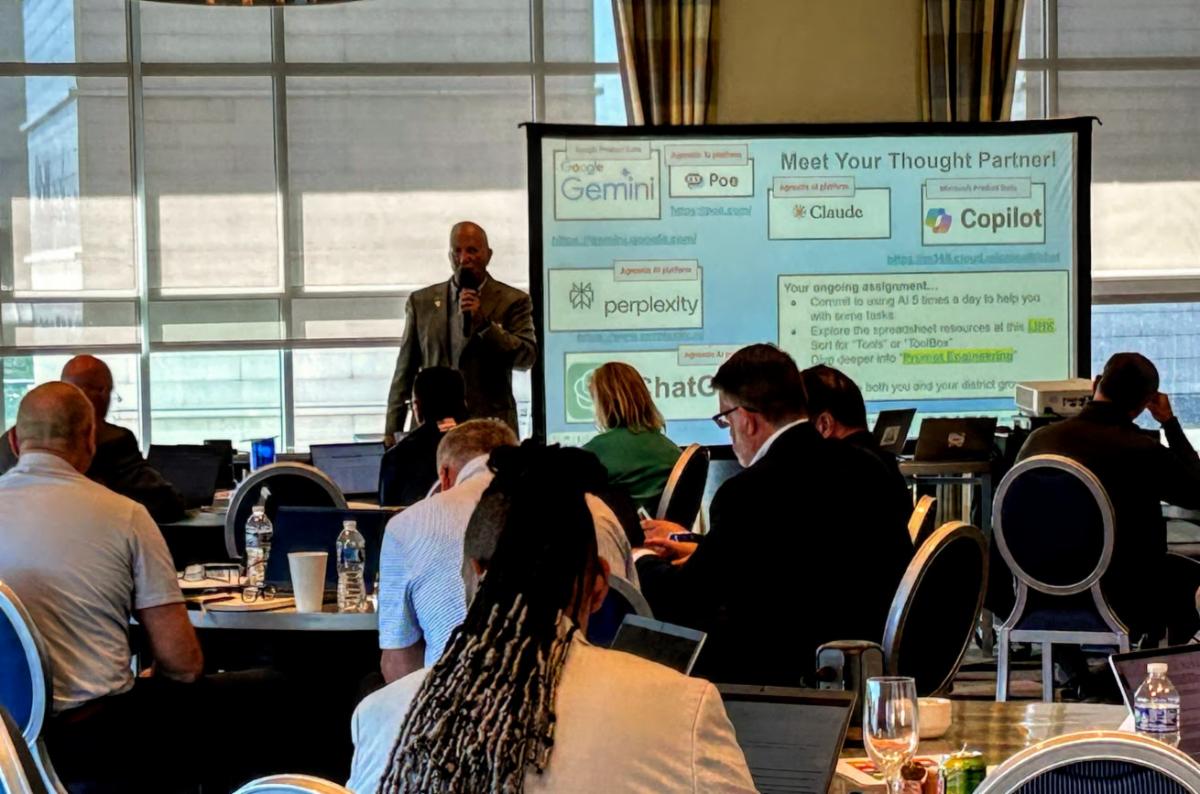
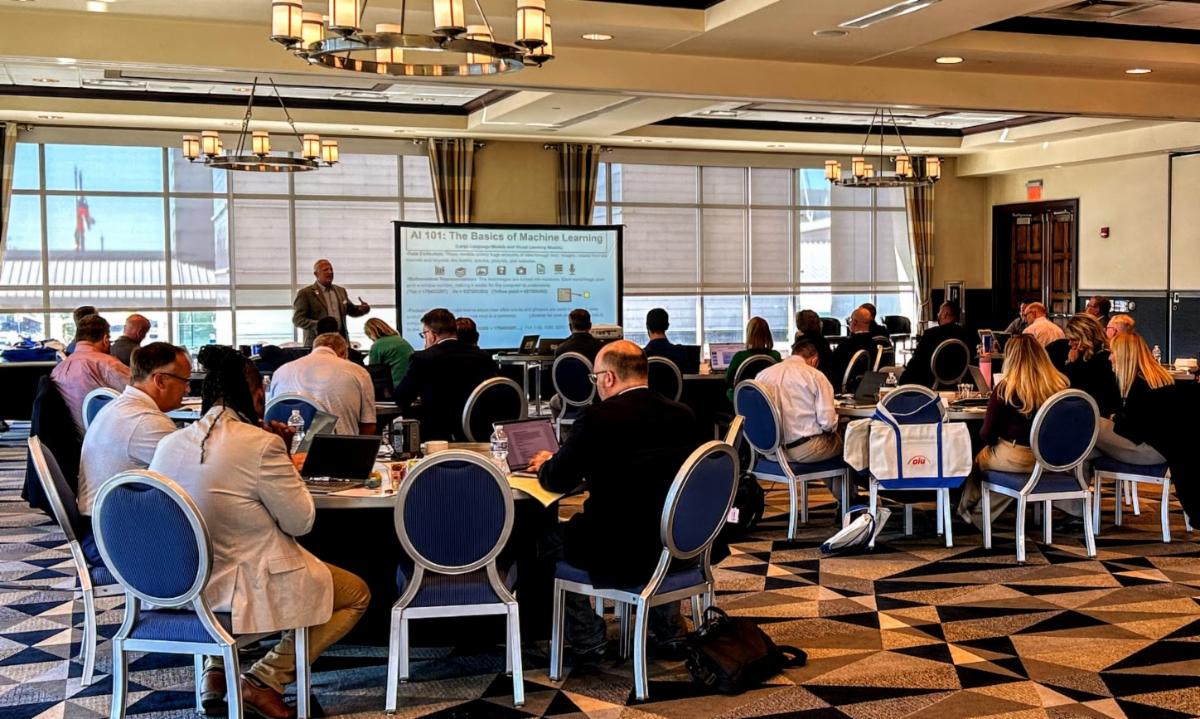
Recently, the Penn State Center for Science and the Schools delivered an impactful presentation to superintendents at the Allegheny Intermediate Unit 3. Titled "Shaping the AI-Ready Future: Leading K-12 Fluency, Ethics, and Workforce Readiness through a Deeper Understanding of AI Systems," the session focused on equipping districts to empower their communities and prepare for a collective future in an increasingly AI-driven world.
The presentation emphasized the importance of fostering AI fluency among K-12 students, highlighting the need for educational frameworks that integrate ethical considerations and workforce readiness into the curriculum. By understanding AI systems, educators can better prepare students for the challenges and opportunities presented by emerging technologies.
Key topics included the ethical implications of AI, the role of educators in guiding responsible use, and strategies for integrating AI concepts into existing educational programs. The presenters provided valuable resources and actionable steps for superintendents to implement in their districts, encouraging collaboration to enhance community engagement and readiness.
The session concluded with a call to action, urging educational leaders to embrace AI education as a vital component of their mission to equip students for the future. Participants left inspired and ready to foster a culture of innovation and ethical awareness in their schools.
The presentation mirrored workshops CSATS has provided for school districts in the past and will apply elements of this presentation for our Commonwealth wide AI K12 Town Hall road tour mentioned in this newsletter. If you would like to have CSATS provide this cutting-edge training for your school, please click HERE or contact jeff_remington@psu.edu
| |
CSATS Contributes to the Penn State K12 Sustainability Summit
From KidWind, to AG-SEEDLINGS, to Biogas, CSATS Showcased Our Work with Penn State Researchers
| | |
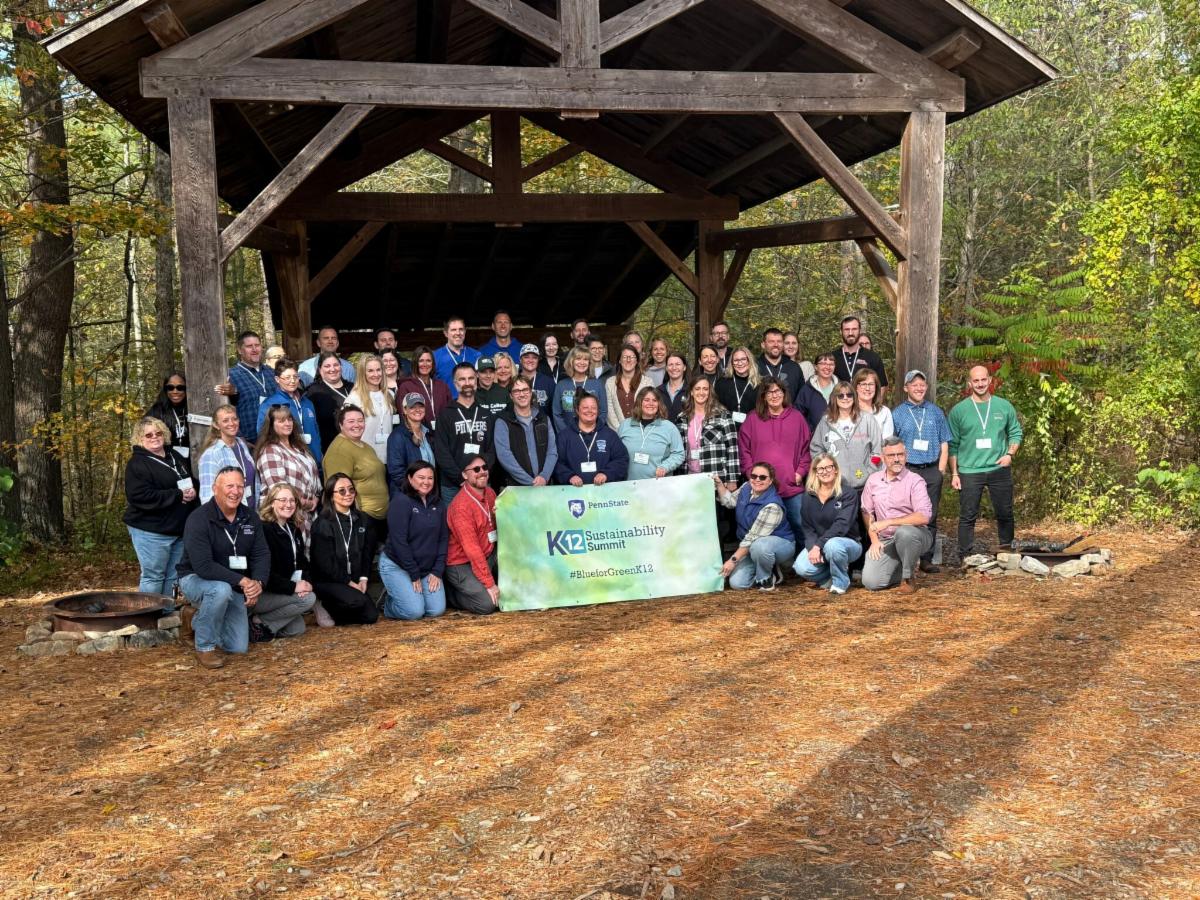
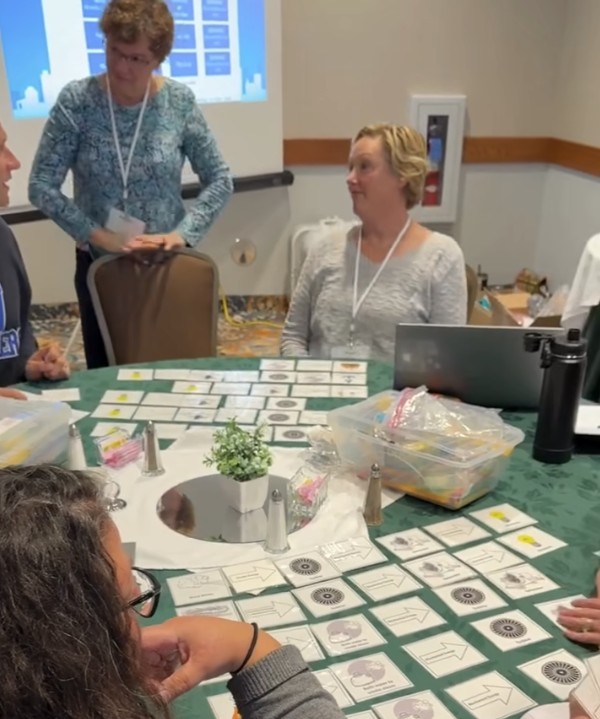
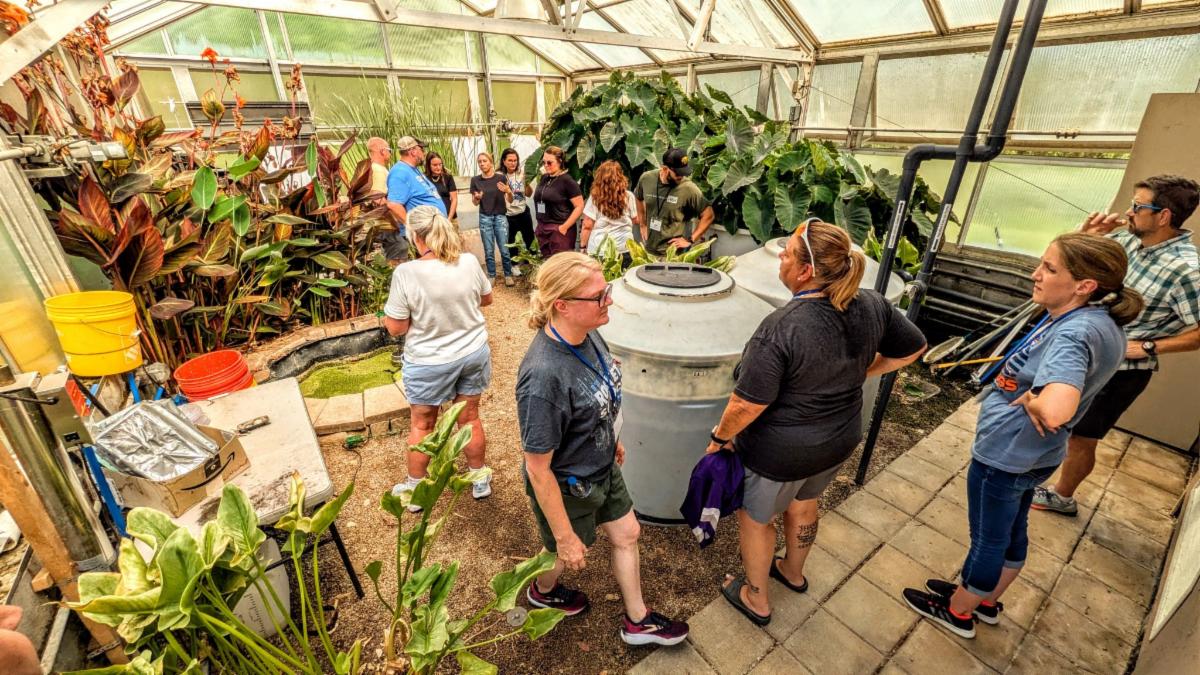
Recently, the Center for Science and the Schools hosted a series of workshop sessions as part of the K-12 Sustainability Summit. Educators participated in the "Grow and Go Sessions," three-hour interactive workshops designed to prepare them for implementing sustainability-focused activities in the 2025–2026 school year. These sessions were aligned with Pennsylvania’s new STEELS standards and emphasized the critical role of environmental literacy in the classroom.
Teachers engaged in practical workshops that provided innovative ideas they could apply immediately. In addition to valuable content, the sessions included opportunities for educators to request funding for materials and supplies necessary to bring these activities to life.
The workshops covered a range of topics, including:
- AG SEED-LINGS for grades K-5, focusing on agricultural sustainability.
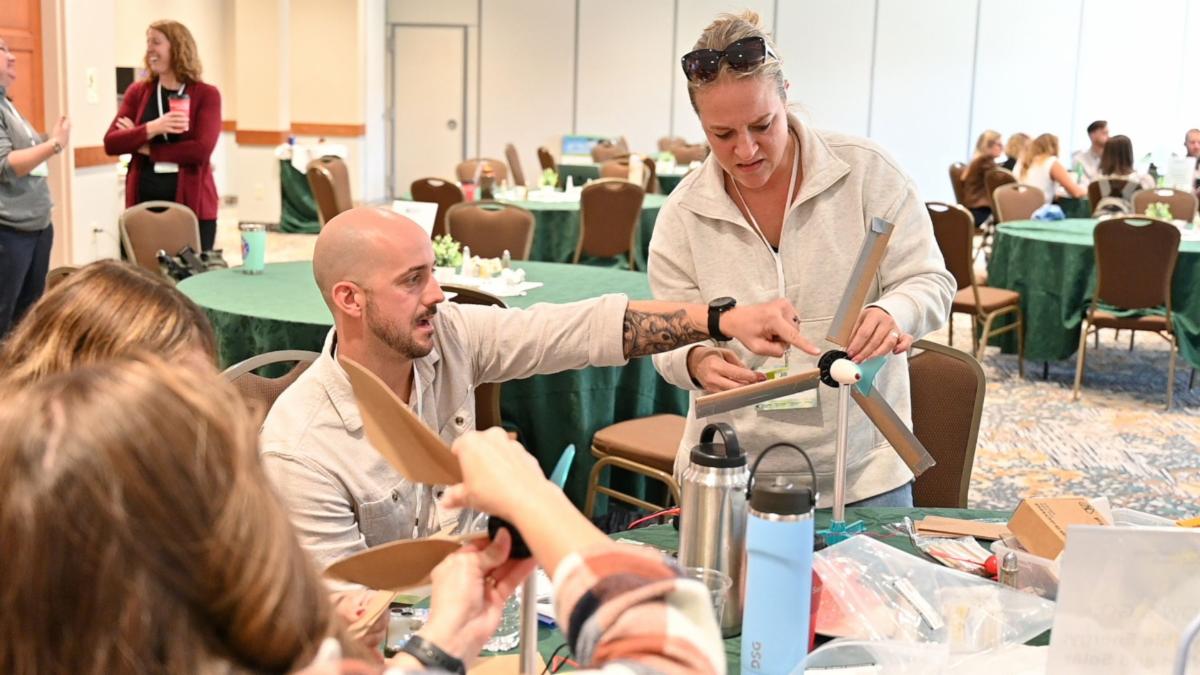
- Renewable Energy: KidWind and Solar Challenges for grades 4-12, encouraging hands-on learning about renewable energy sources.
- Farm Energy Analysis with Anaerobic Digestion for grades 9-12, exploring advanced energy solutions.
- Meaningful Watershed Educational Experiences for grades K-12, promoting an understanding of local ecosystems.
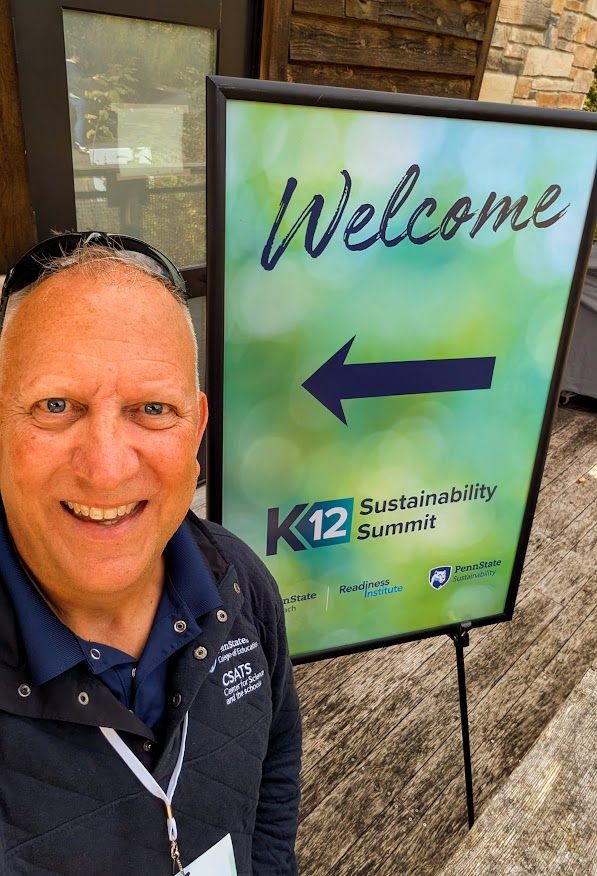
The K-12 Sustainability Summit, hosted by the Readiness Institute and Penn State Sustainability, was a two-day event that brought together K-12 educators from throughout the Commonwealth and Penn State communities to collaborate on enhancing sustainability efforts in education. Attendees participated in design thinking workshops to identify the sustainability needs of individual schools and explore how partnerships with Penn State can support these unique challenges. Explore more about the K-12 Sustainability Summit HERE.
| | CSATS Contributes to the Success of the Pennsylvania Science Teachers Association Conference | | |
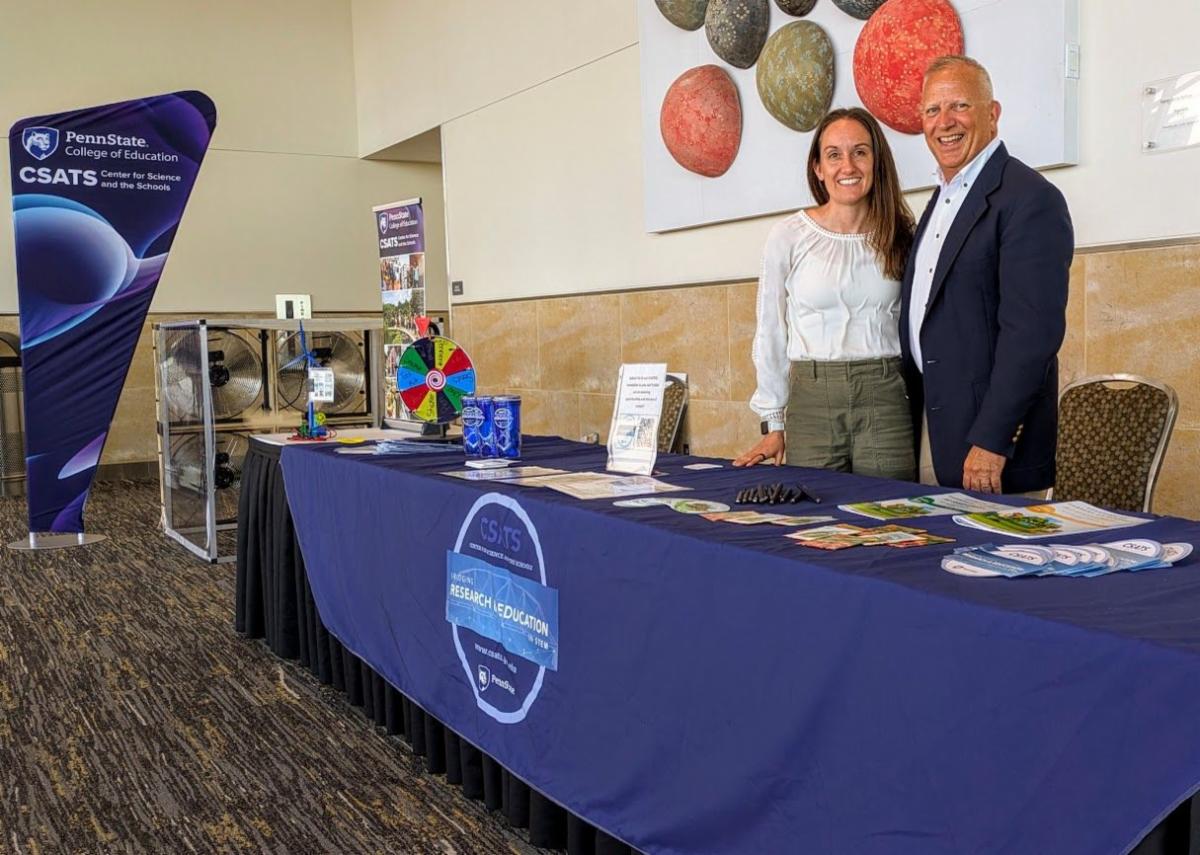
The Penn State Center for Science and the Schools (CSATS) proudly represented the Penn State College of Education and the university's STEM colleges and institutes at the 2025 Pennsylvania Science Teachers Association (PSTA) annual statewide conference held in Erie, PA. This conference aimed to support and elevate Pennsylvania's STEM education community from K-12 through higher education.
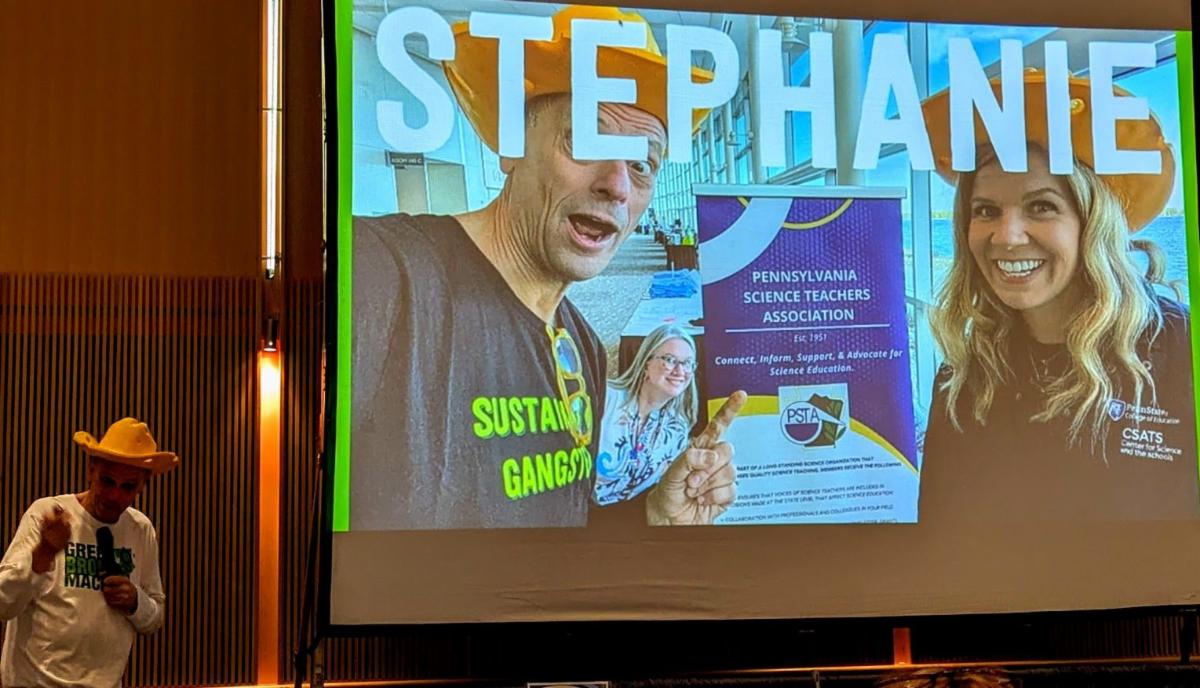
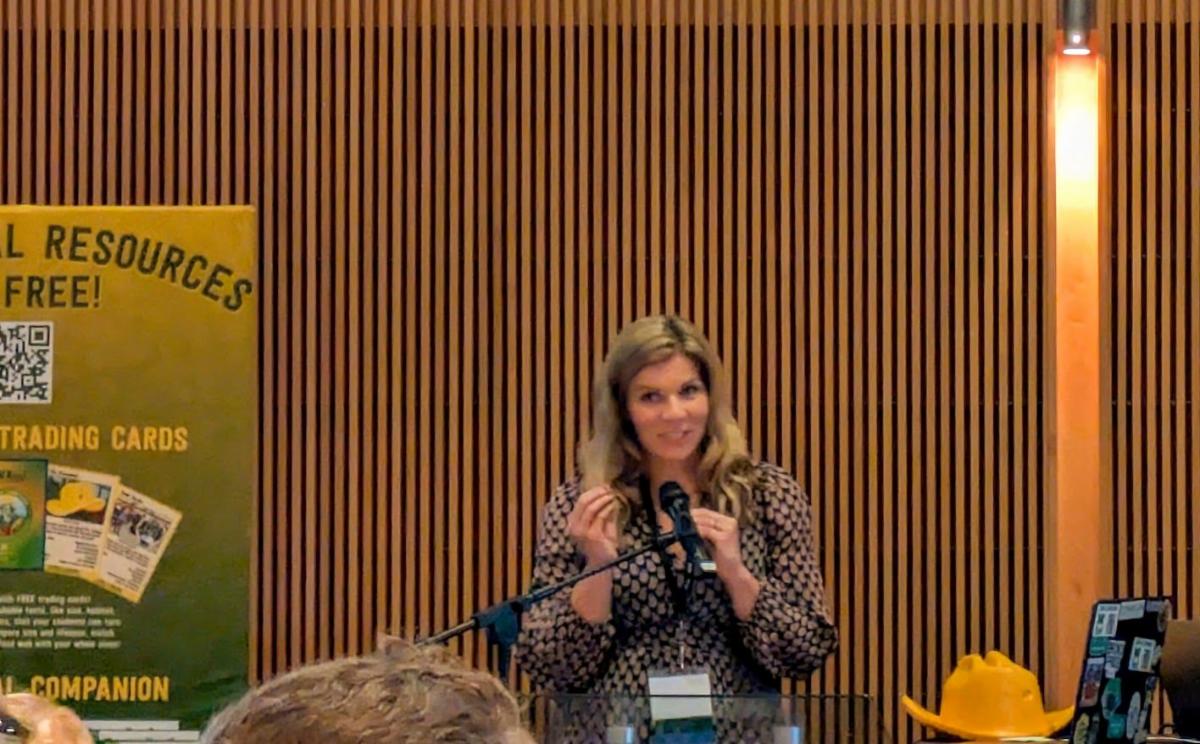
CSATS's influence was evident throughout the conference, with key contributions from CSATS’s Elementary STEM Specialist (K-8), Stephanie Klixbull, who served as the President Elect of PSTA, and CSATS’s Director, Dr. Kathy Hill, a member of the PSTA Board. CSATS was also a Silver Sponsor of the event.
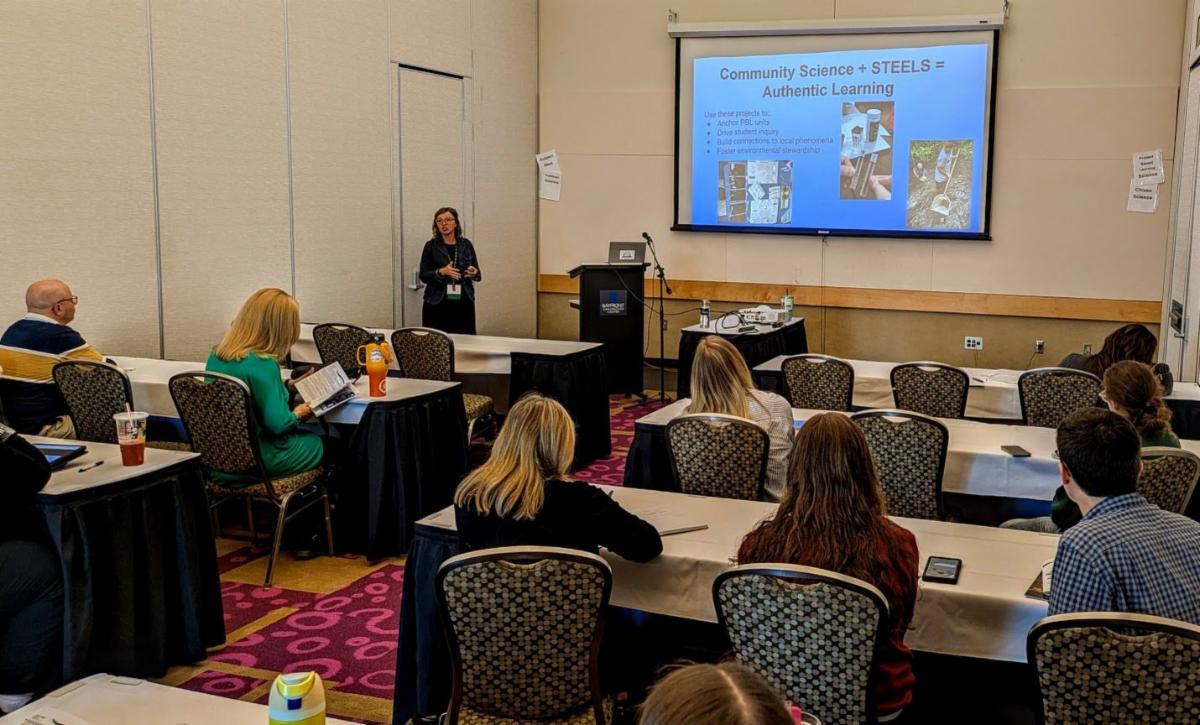
Attendees engaged with various sessions presented by CSATS members, including:
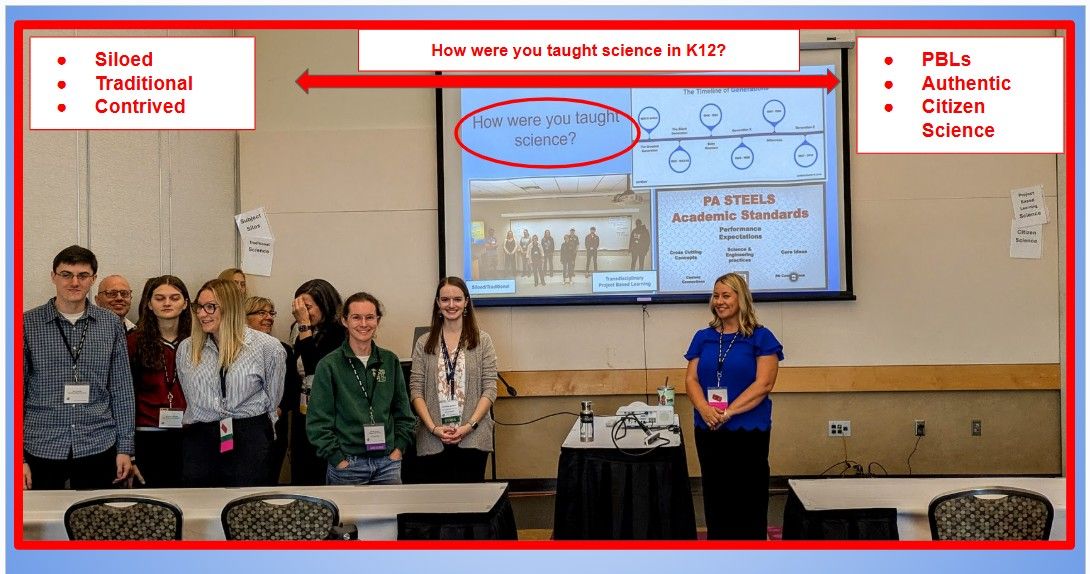
- PA STEELS in Action: PBL, Citizen Science, and Career Pathways in PA's Economic Pillars – Presenters: Jeff Remington & Rebecca Schauffele
- The Elementary Spark: Lighting the Path to Science Leadership and Learning – Presenters: Dr. Kathleen Hill & Stephanie Klixbull
- Developing and Using Models in Molecular Biology – Presenters: Amber Cesare & Dr. Kathleen Hill
- The Perfect Time for Elementary Engineering – Presenter: Dr. Matthew Johnson
- State of STEELS in PA: A PDE Update – Presenter: Tamara Peffer, facilitated by Jeff Remington
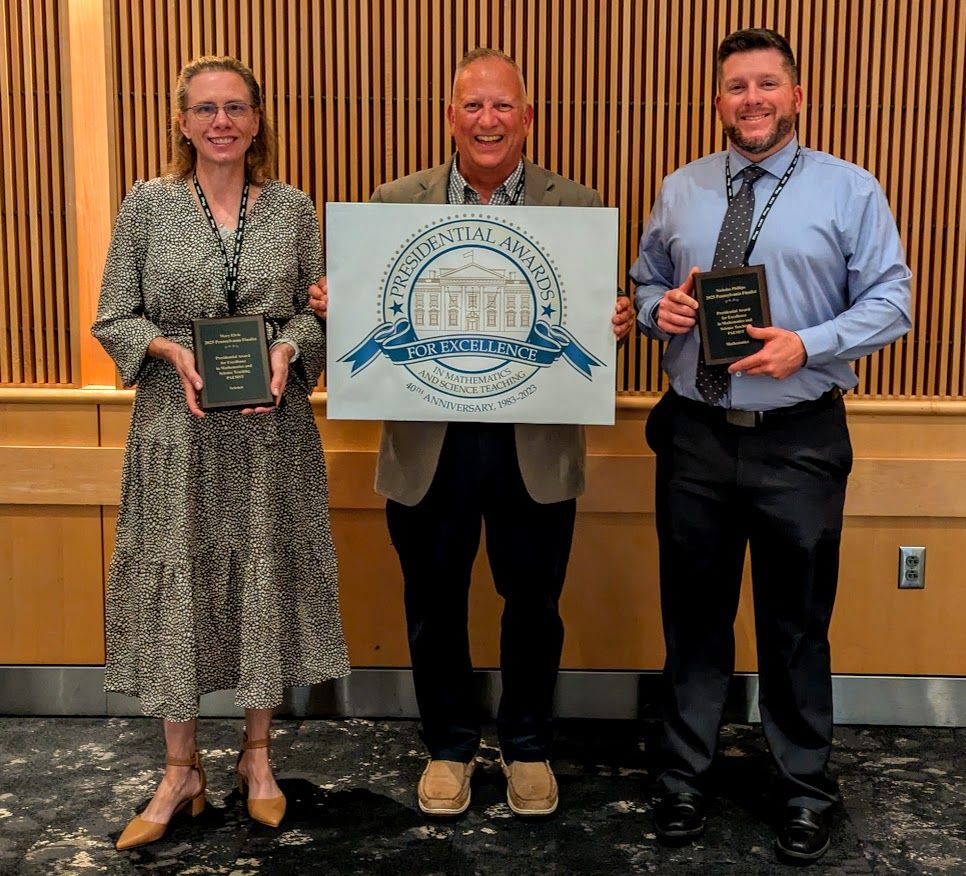
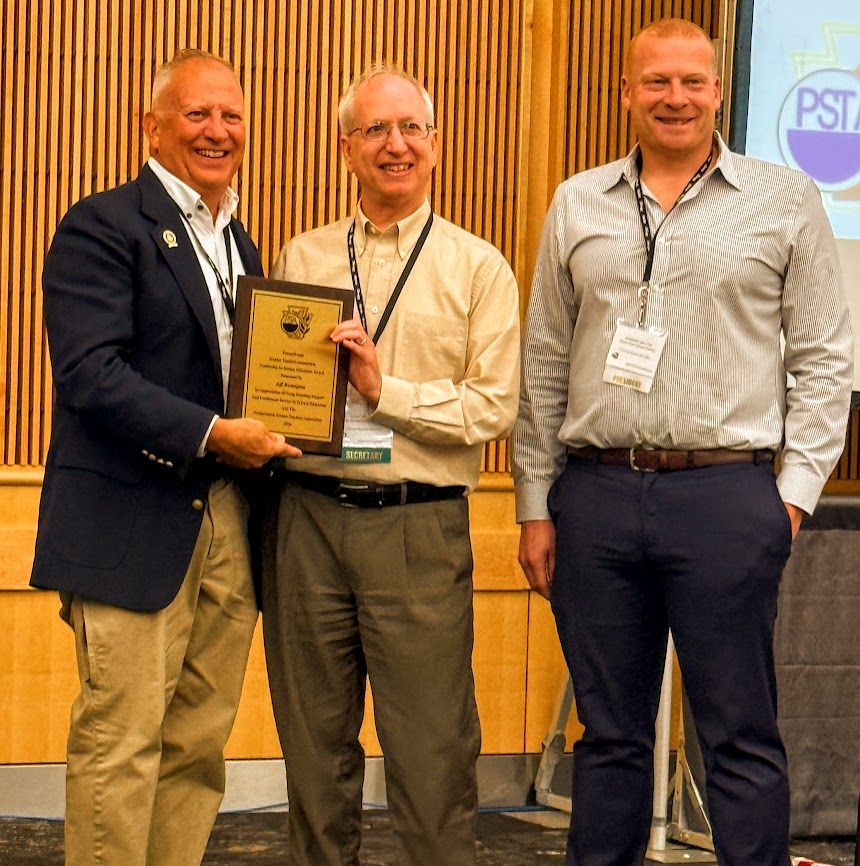
CSATS was also involved in presenting and receiving Pennsylvania Impact Awards. Jeff Remington, Pennsylvania’s Presidential Award for Excellence in Mathematics and Science (PAEMST) Alumni President, presented plaques to the 2025 PA PAEMST State Finalists. Jeff Remington was also the recipient of the prestigious Pennsylvania PSTA Leadership in Science Education Award.
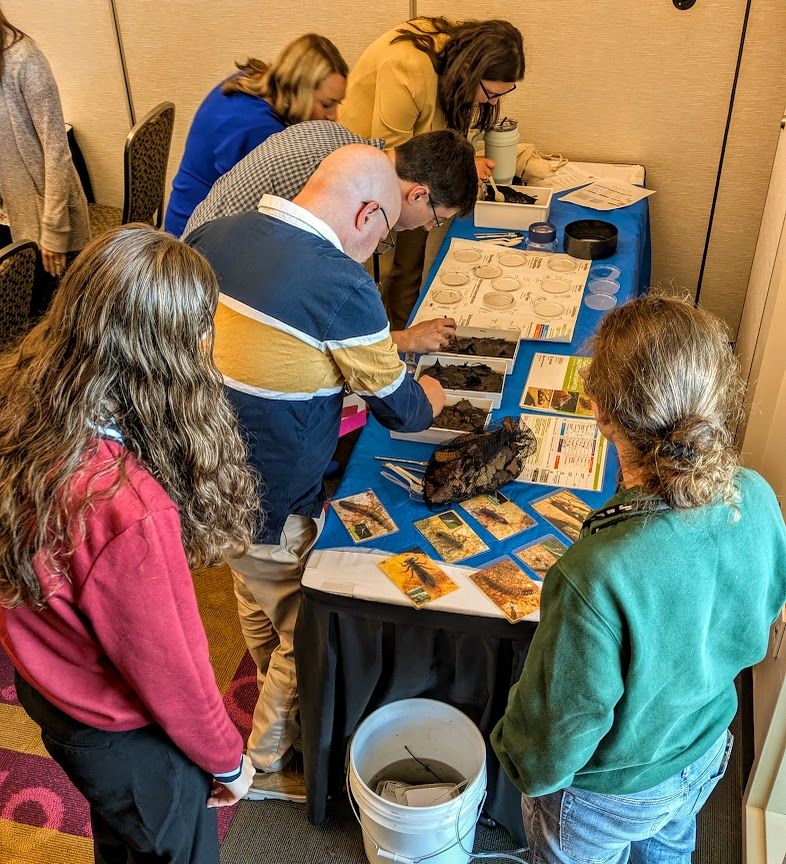
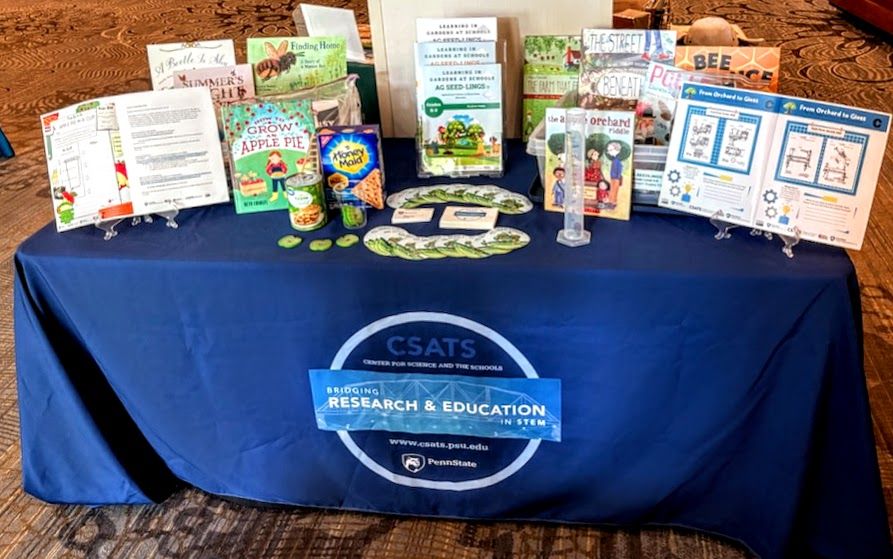
In addition, CSATS engaged conference attendees at their exhibit station, showcasing impactful work in supporting the Penn State Research community through their Broader Impacts (BI) initiatives and CSATS's grant work. Highlights included:
CSATS continues to explore ways to support K-12 educators, research impacts, and industry connections. For more information on how CSATS can enhance your work in K-12 education, visit CSATS.
Not a member of PSTA? Consider joining. There are many benefits for a mere $25 per year. Click the button below for details.
| | CSATS Stays On Top of the Very Latest in AI Education Technology with Penn State's AI Arcade | | |
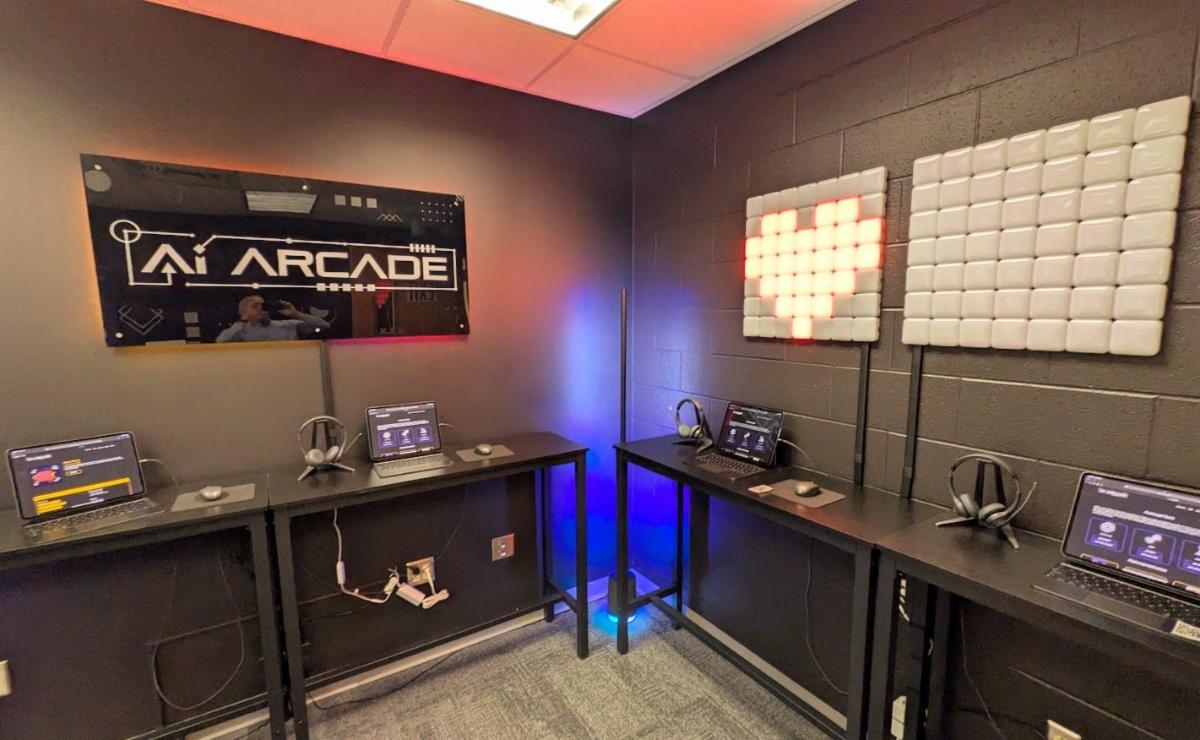
The Penn State Center for Science and the Schools (CSATS) recently took Penn State's new AI Arcade for a test drive. The AI Arcade is a service of Penn State's Teaching and Learning with Technology which allows the Penn State community to engage with the very latest technologies and best practices in education technology, and in this case, AI.
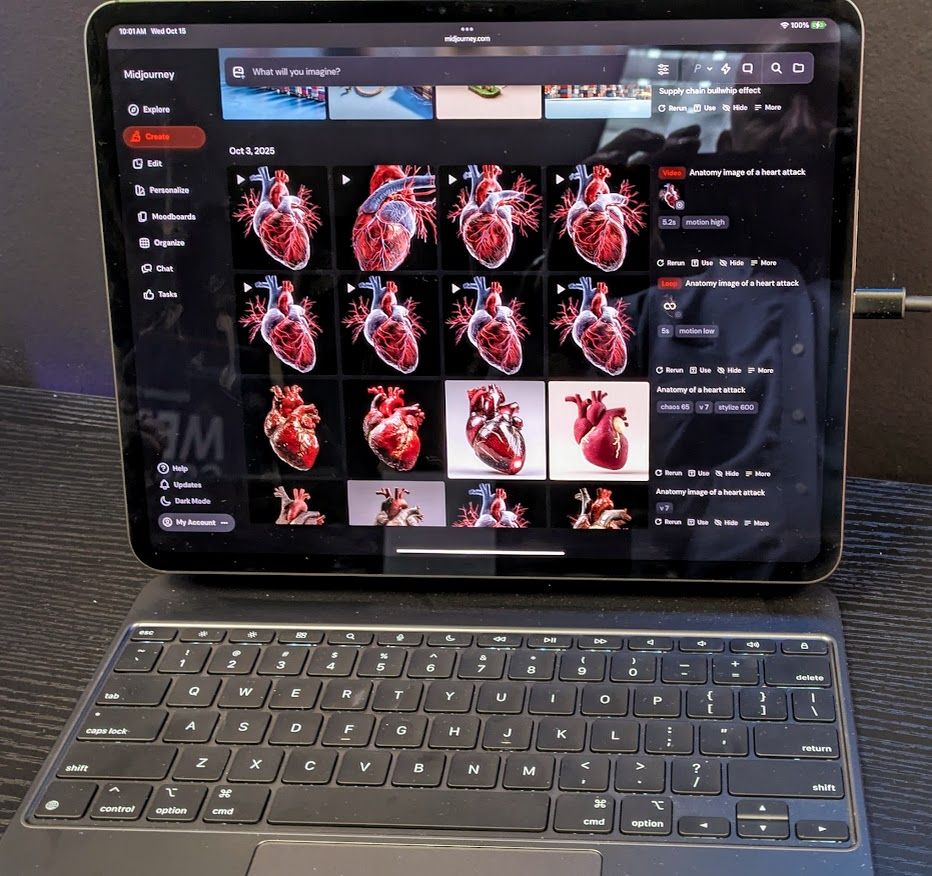
The AI Arcade features premium AI Apps giving CSATS access industry-leading AI tools with full features unlocked, providing us with the best and newest resources available. This will enhance CSATS ability to serve our K12 stakeholders in a way that few other entities can.
Dipping our toes in the AI Arcade, CSATS leveraged AI tools to create a song to tell (sing) the story of impact of CSATS newly updated website. Explore the result in song HERE. IF you missed our recent website refresh, check it out for yourself HERE.
With CSATS' strong connections with Penn State's AI Hub, AI Arcade and Education Policy researchers, we are well suited to provide your education agency with the lasted AI professional development. If you'd like us to customize an AI presentation for your needs, click the button below.
| | |
CSATS Supports WPSU's Education Ambassadors
K12, AI Policy Forum for Rural Pennsylvania
| | |
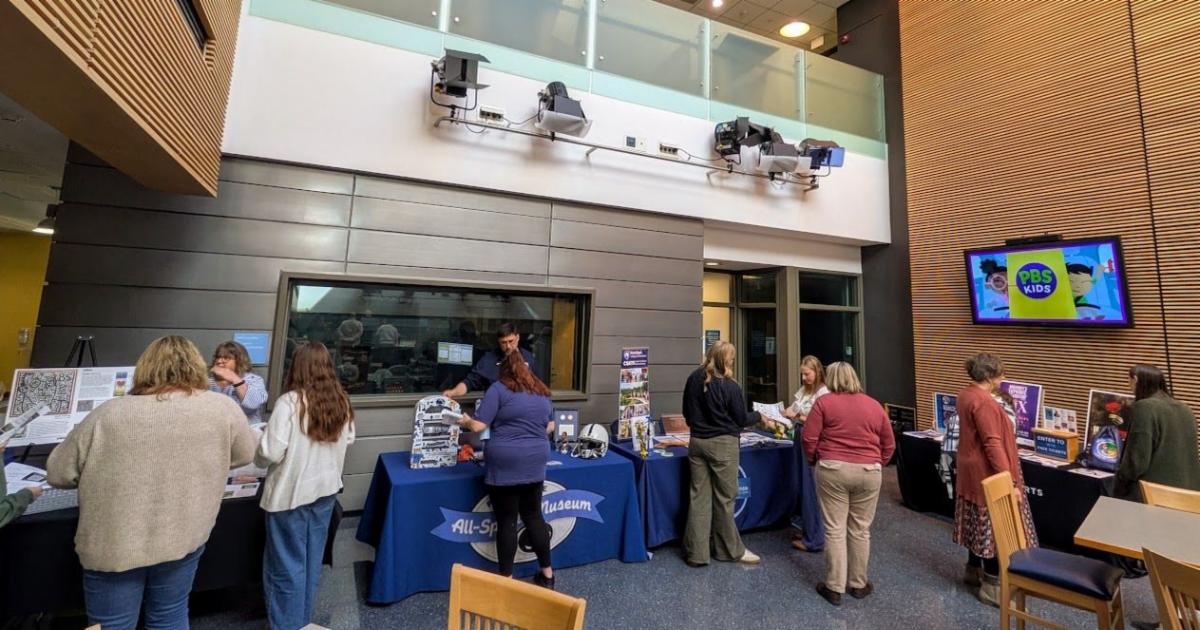
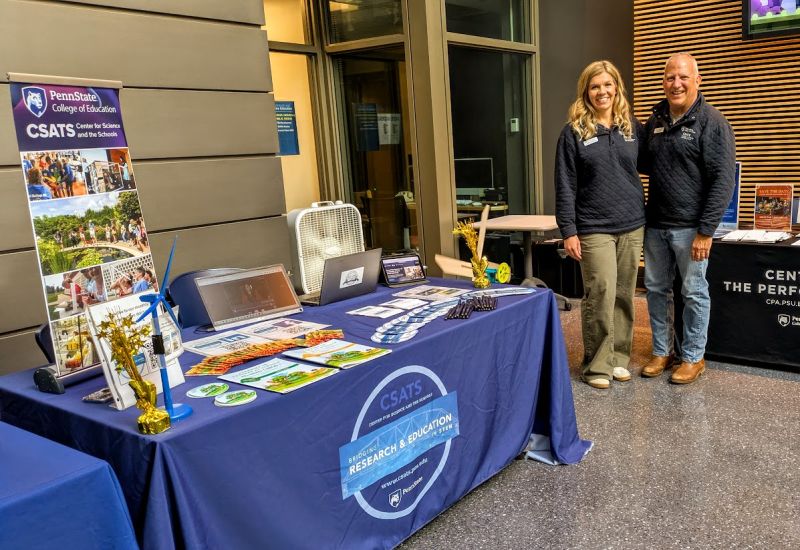
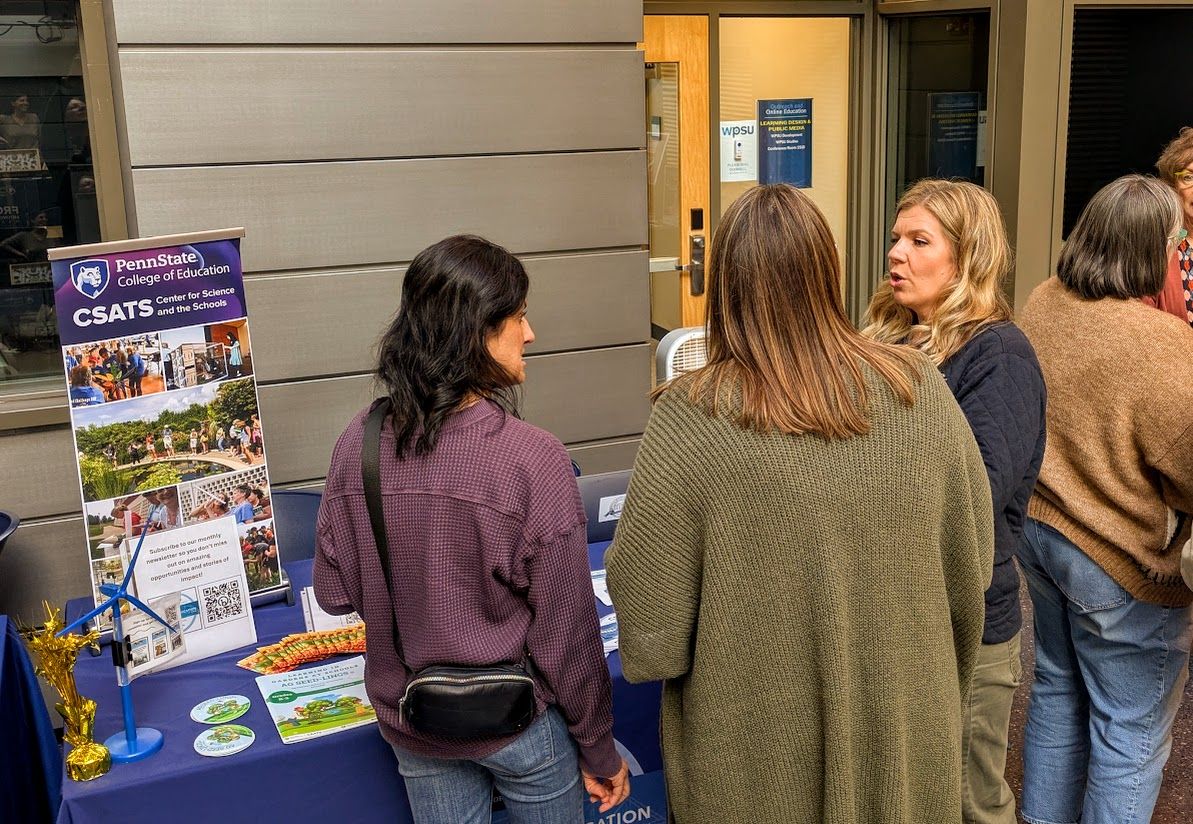
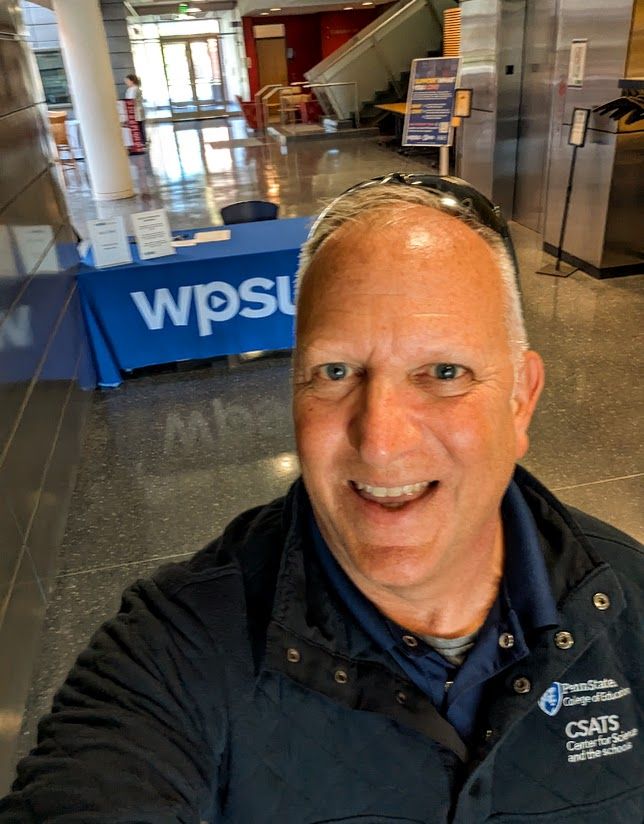
The Penn State Center for Science and the Schools (PSU CSATS) was grateful to participate in WPSU's Education Ambassadors Program Penn State Resources Event. The WPSU Education Ambassador Program offers educators an enriching opportunity to connect and grow through professional development and peer support with their local PBS and NPR station.
Participants kick off the year with a comprehensive in-person training at WPSU, focusing on media literacy integration. Throughout the year, they benefit from ongoing virtual training and resource sharing.
CSATS Elementary specialist, Stephanie Klixbull, and STEM Outreach Liaison, Jeff Remington, showcased some of CSATS' many offerings:
| | |
CSATS KidWind Workshop
"From Wind to Watts" a Success!
| | |
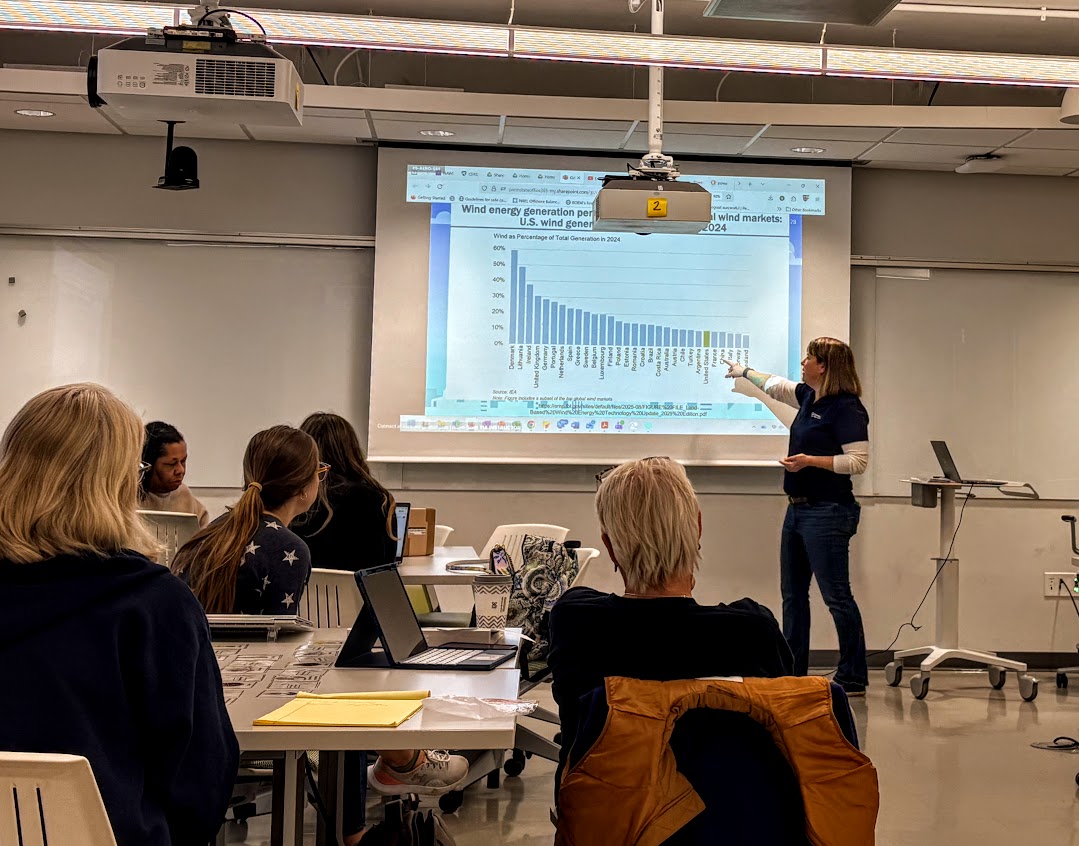
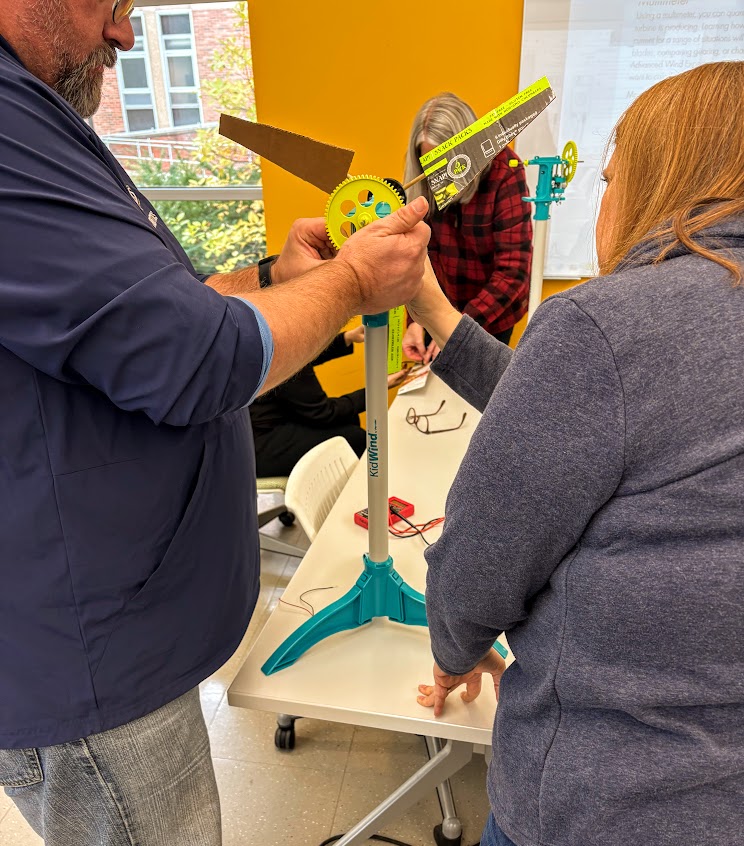
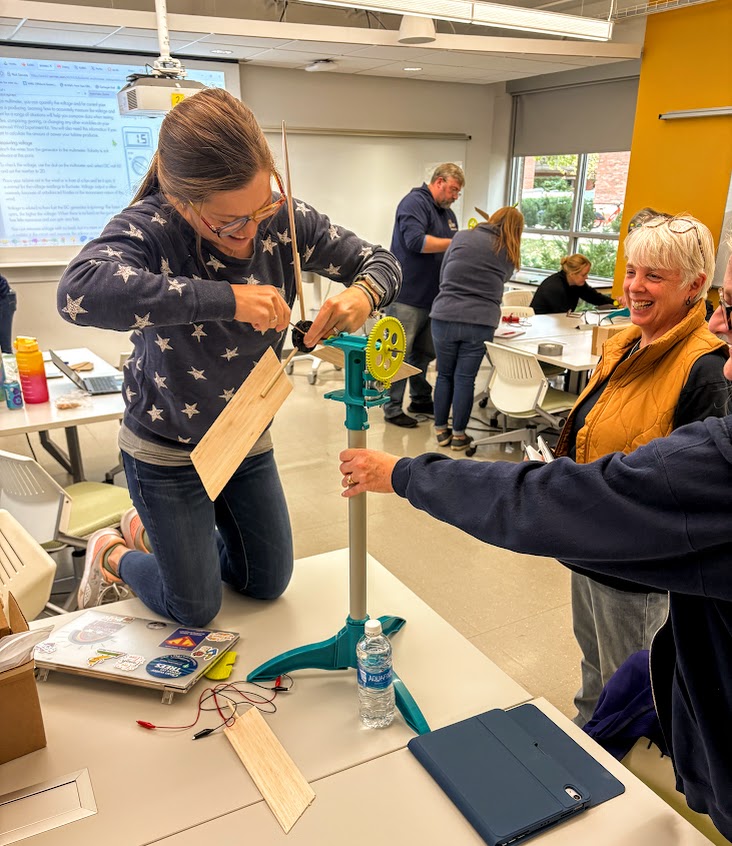
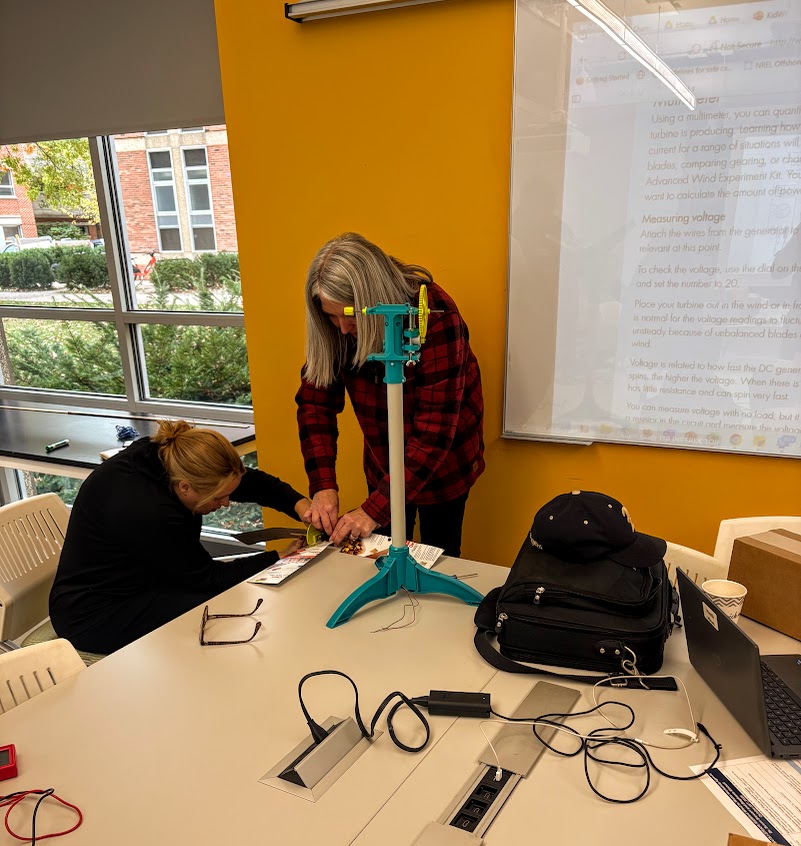
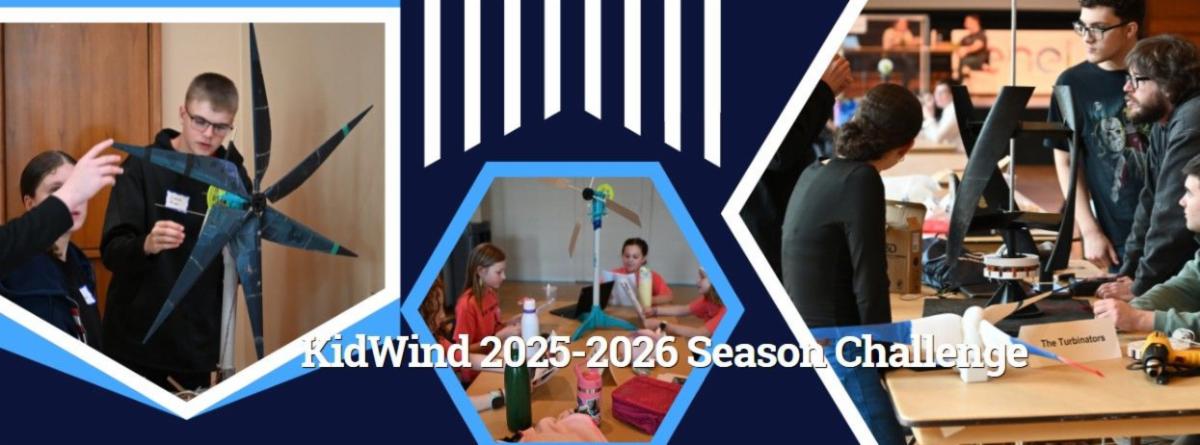
Learn more about the KidWind Challenge extend our gratitude to all participants of the "From Wind to Watts, KidWind Educator Workshop" held recently at University Park, facilitated by Dr. Susan Stewart and Stephanie Klixbull. This workshop is part of the annual PA KidWind Challenge, an exciting event that takes place each year at the end of March or early April on the Penn State University Park campus. Co-hosted by the Center for Science and the Schools in the Penn State College of Education and the Department of Aerospace Engineering, this challenge provides an unparalleled wind energy learning experience for students in grades 4-12.
The KidWind Challenge encourages students to design and build their own wind turbines, fostering creativity and innovation while learning about renewable energy. It’s a fantastic opportunity for educators to engage students in hands-on activities that promote STEM learning and environmental awareness.
Interested in getting involved? Explore more about the KidWind Challenge and see how you can participate in this enriching experience for both educators and students:
Join us in inspiring the next generation of engineers and scientists through this transformative program!
| | |
CSATS Work Highlighted on ChangEd Podcast
"Preparing Students for THEIR future, Not OUR Past"
| | |
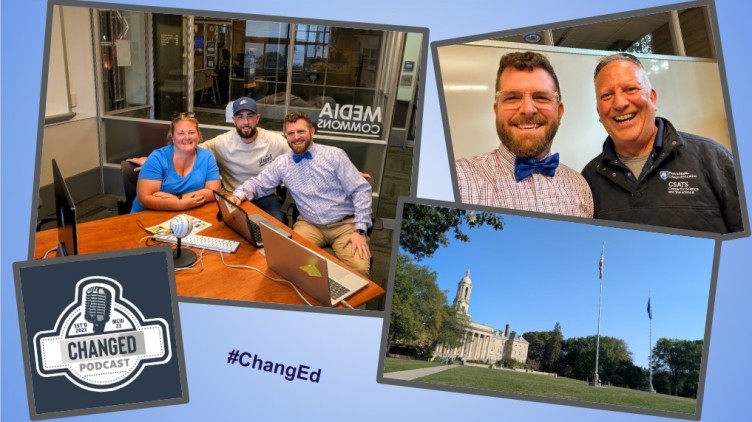
Recently, the crew from the ChangEd Podcast were on the Penn State, University Park Campus. Hosts Andrew Kuhn, Patrice Semicek, and Tony Mirabito interviewed CSATS Outreach Liaison at one of Penn State's podcasting studios.
Here is what they discovered... A pivotal insight reshapes thier teaching approach: we must prepare students for their future, not our past. They explored how classrooms can connect with research, industry, and Pennsylvania’s evolving economy.
Instead of isolated professional development sessions, the focus is on sustained, transdisciplinary learning that engages with local phenomena—like data centers and clean energy—while equipping students with practical skills.
Jeff introduced the NSF-supported STEM Teacher Corps, which empowers elementary teachers to collaborate with researchers and become regional leaders in project-based learning. This aligns with the STEELS standards, promoting higher Depth of Knowledge and application-based learning.
We also discussed integrating AI as a collaborative tool in student groups, enhancing rigor and reflecting modern teamwork dynamics. By establishing guidelines, students learn to utilize AI effectively while teachers model ethical practices.
By incorporating Pennsylvania’s key economic sectors and environmental sustainability, educators can create meaningful, career-ready learning experiences.
For practical steps, consider choosing a local phenomenon, aligning it with STEELS standards, and utilizing AI for deeper inquiry. To stay updated on CSATS and its initiatives, visit their website or follow them on social media.
Want to learn more about ChangED? Check out our website at: learn.mciu.org/changed. To listen to Season 3, Episode 3 interview with CSATS, click the button below.
| |
|
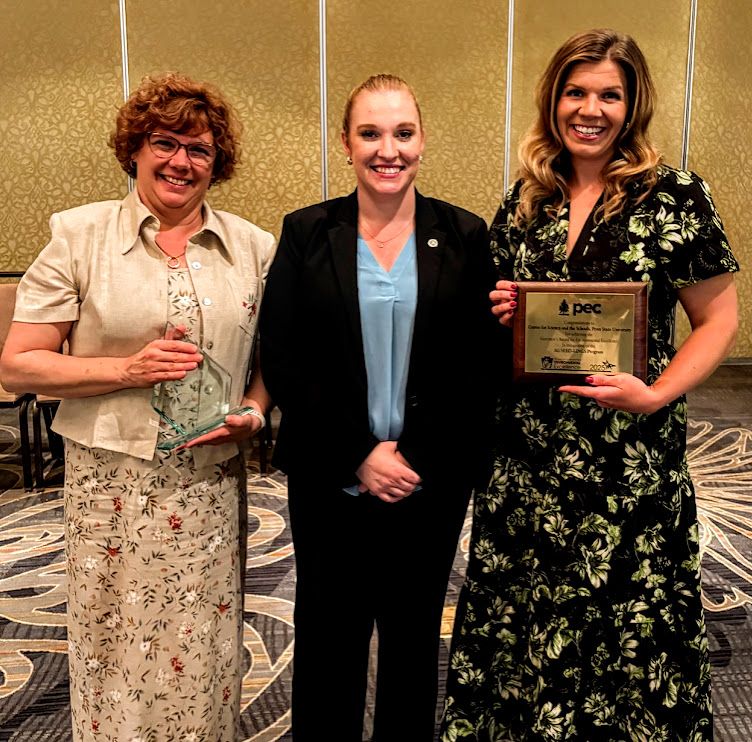
Award Winning AG SEED-LINGS Kits Available
Your School Can Now Acquire These STEELS Aligned Kits!
| | |
CSATS Hits LinkedIn Follower Milestone!
Connect with us and see what 10,000 others have found!
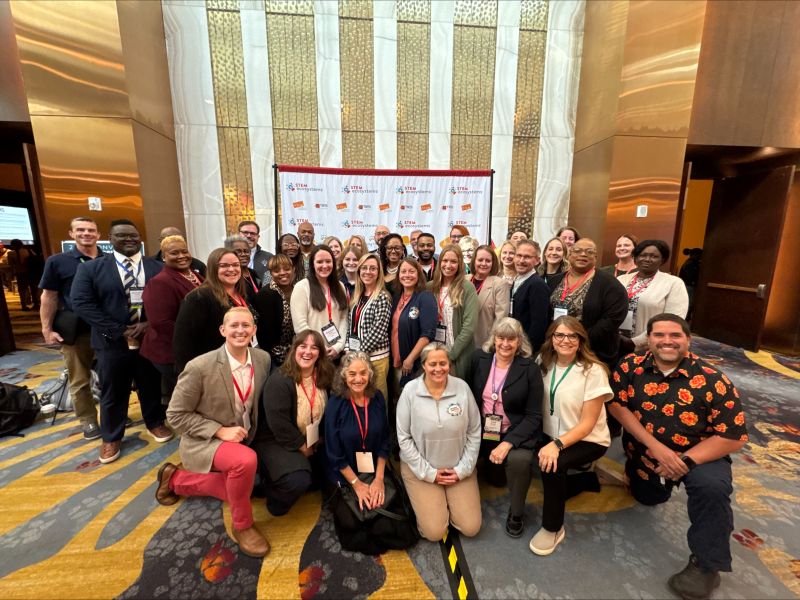
| | Posted on behalf of the Pennsylvania Statewide STEM Ecosystem | | Consider Connecting with The Pennsylvania Statewide STEM Ecosystem (PSSE) | | |
In an era where STEM skills are essential for future careers and innovation, the Pennsylvania Statewide STEM Ecosystem (PSSE) stands out as a vital resource for educators, organizations, and advocates across the Commonwealth. As a collaborative network between regional STEM ecosystems and the Pennsylvania Department of Education, PSSE is designed to foster equitable access to quality STEM education and workforce pathways. Whether you're a classroom teacher, school administrator, or community leader, joining PSSE offers tangible benefits that can transform your work and amplify your impact. Here's why you should connect today.
Free Membership with Exclusive Access
Becoming a PSSE member is straightforward, free, and open to individuals, organizations, and institutions involved in STEM fields. Members gain immediate access to a wealth of resources, including the latest STEM industry news, upcoming events, grant opportunities, and scholarships. For K-12 educators, this means staying ahead of trends like the 2022 STEELS standards or AI integration in curricula without sifting through scattered sources. Recent newsletters, such as the September 2025 edition, highlight practical tools for back-to-school planning, while the October 2024 issue dives into AI's role in transforming education—topics that directly inform classroom strategies.
Networking and Collaboration Opportunities
PSSE's strength lies in its vibrant member directory, which connects you with a diverse community of STEM professionals, from fellow educators to industry experts and policymakers. Use it to share ideas, form partnerships, and tackle local challenges collaboratively. The platform emphasizes inclusivity, diverse perspectives, empathy, and joint action—core values that ensure every voice is heard. For instance, educators can collaborate on project-based learning aligned with Pennsylvania's economic pillars, such as clean energy or advanced manufacturing, creating real-world connections that engage students.
Curated Events and Professional Growth
PSSE curates a calendar of events tailored to STEM advancement, including conferences, webinars, training seminars, and job fairs. Members can submit and promote their own events, ensuring you never miss a policy update or creative workshop. Recent highlights include discussions on unleashing student potential through programs like the CSO Initiative and strategic STEM education plans. These opportunities provide professional development that goes beyond traditional PD, helping teachers build skills in equity-focused STEM while networking with statewide leaders.
Advocacy and Policy Influence
As a member, you join a collective voice advocating for STEM initiatives and legislation. PSSE drafts policy recommendations and stewards a community of practice centered on equity, inclusion, and belonging. This is particularly valuable for K-12 educators navigating changes like the new STEELS standards or funding for sustainability programs. By participating, you help shape Pennsylvania's STEM landscape, ensuring resources reach underserved communities and prepare all students to become tomorrow's problem-solvers.
A Commitment to a Brighter Future
PSSE's vision is clear: All Pennsylvanians deserve access to quality STEM education and career pathways. Their mission—through cross-sector convenings, resource amplification, and advocacy—aligns perfectly with the needs of busy educators seeking meaningful support. The archives offer downloadable resources like introductory STEM guides and visual data, making it easy to reference materials for lesson planning or grant applications.
Joining PSSE isn't just about membership; it's about becoming part of a passionate network driving STEM forward. Head to pastemecosystem.org to sign up today—it's quick, free, and a step toward empowering your students for success. Follow PSSE on Facebook, Instagram, Bluesky, or LinkedIn for ongoing updates, and start connecting with like-minded advocates across Pennsylvania. Your involvement could spark the next big breakthrough in STEM education.
| | Posted on behalf of Penn State College of Engineering | | |
We Are Engineers Campaign
Have Your Students Explore 14 Different Engineering Disciplines
| |
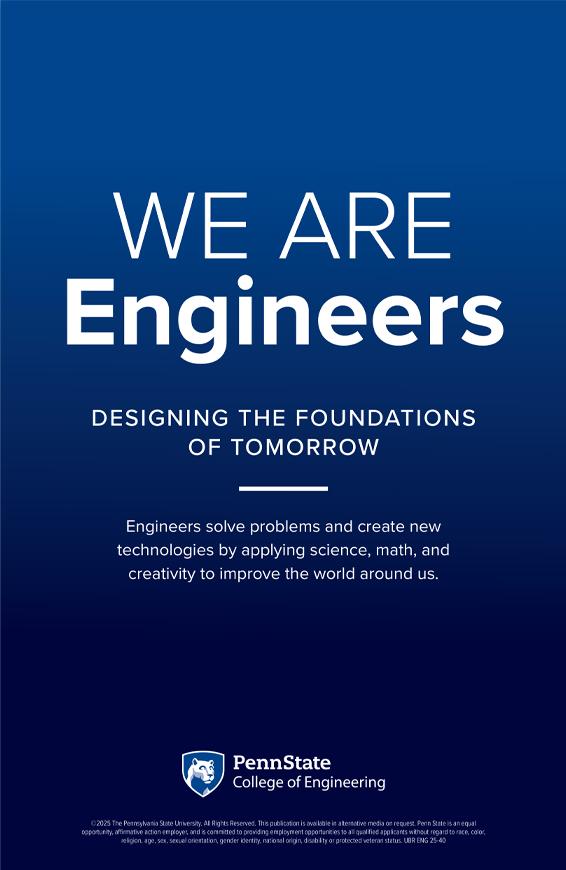
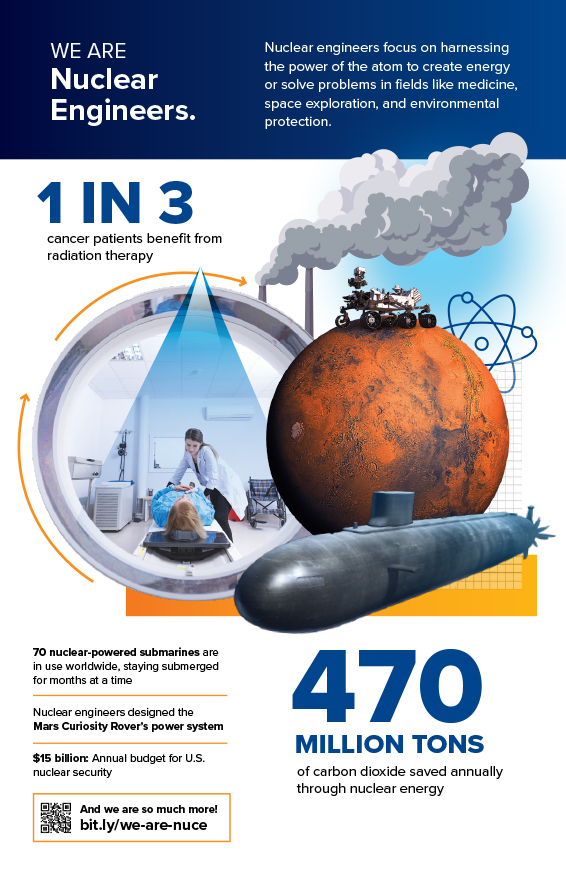
Students don't know what they don't know. Although engineering is a popular major and a general aspiration of many secondary students, they seldom realize the depth and breadth of engineering possibilities. To help students explore engineering disciplines, a poster campaign was developed by the Penn State College of Engineering for the Engineering Ambassadors (EA) to share with teachers and schools. Part of the EA mission to inspire K-12 students to improve the world through engineering (https://bit.ly/46j4ACf).
Nuclear Engineering is featured below. Explore "What is Nuclear Engineering?" and learn all about Nuclear Engineering, the undergraduate major experience, career pathways, and the latest enhancements in the industry from students, faculty, and alumni of the Penn State College of Engineering. What is Nuclear Engineering? (Video)
For more information on all engineering majors at University Park in the College of Engineering, visit the Explore Majors section of the website which includes videos to share with K-12 students. View the playlist of the full Exploring Majors video series. #WeAreEngineers
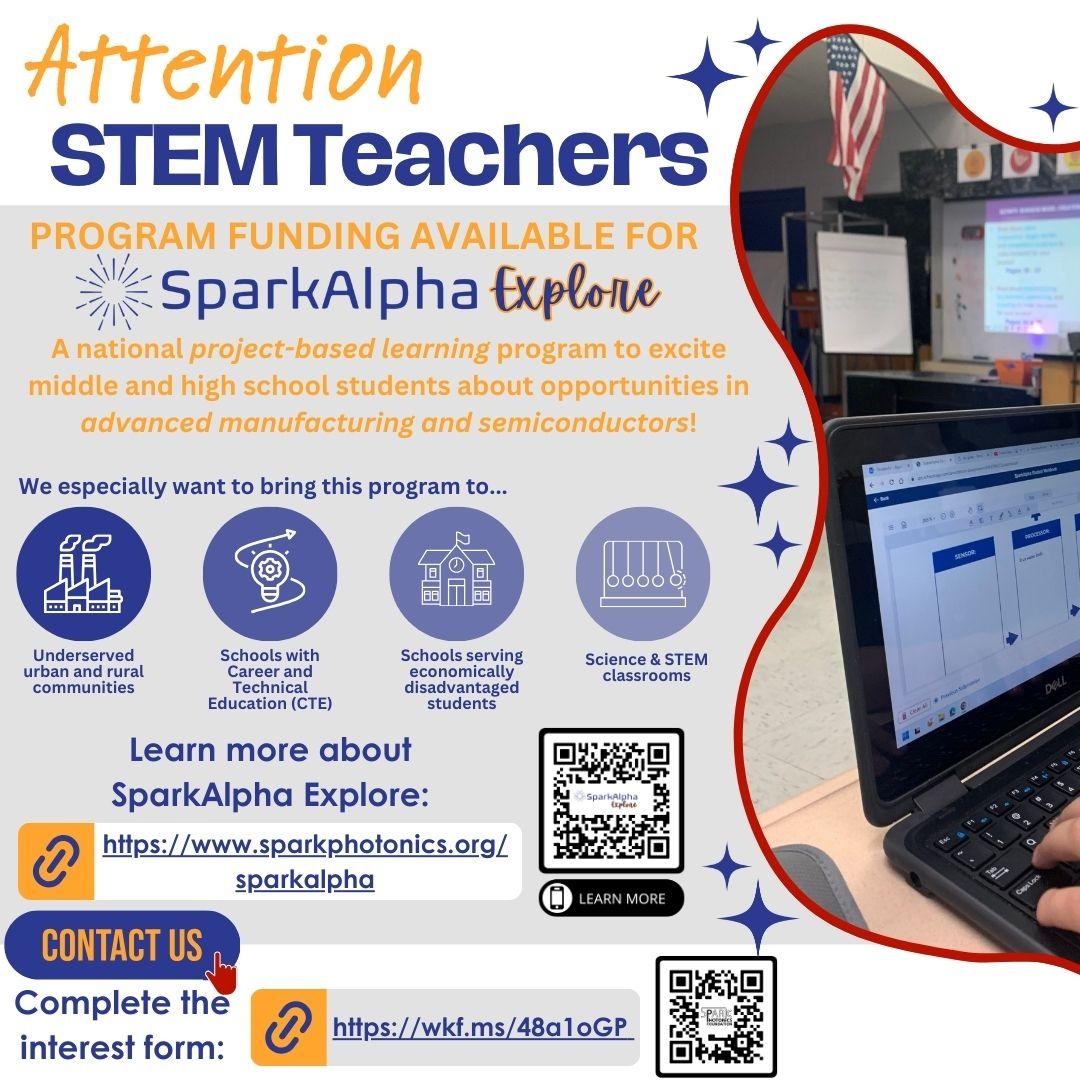
| | Posted on behalf of the Spark Photonic Foundation | |
Explore Advanced Manufacturing
With Your Students
| |
How can CSATS help your school? | |
Interested in learning more about the Center for Science and the Schools and other opportunities for teachers and students available from Penn State? How can your school become involved in STEM projects with us?
Please contact the CSATS Outreach Liaison Jeff Remington (jeff_remington@psu.edu) to set up a phone or in-person appointment with your school to review your STEM needs and goals!
| | |
Our opportunities are possible due to research grants with scientists and engineers. However, in order to expand the work we do to further impact K-12 education in STEM and provide further resources, materials, and experiences for teachers, this is made possible by the support of our donors. To make a donation to Penn State Center for Science and the Schools, please visit our GIVE page and also see our current IMPACTS across Pennsylvania and the nation.
| | Follow us on social media | | | | |