|
Stories of Impact
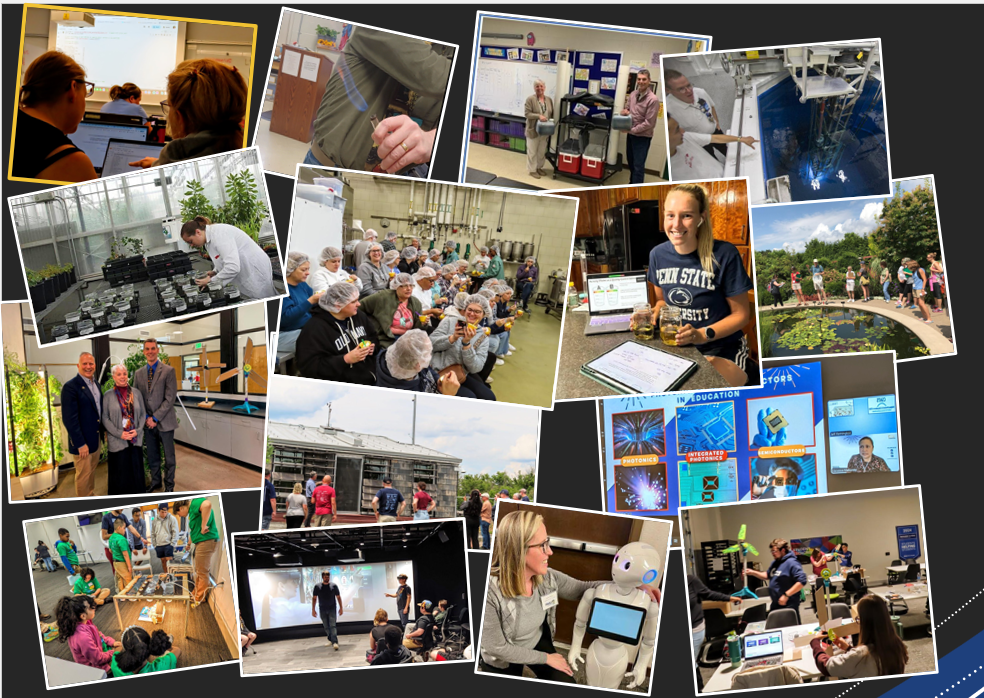
Opportunities To Learn and Grow
| | |
Pennsylvania Science Teachers Association 2026 Conference Showcased Growing STEM Infrastructure in Pennsylvania
CSATS and Pennsylvania’s STEM Pioneers
Bring Added Value to That Infrastructure
| | |
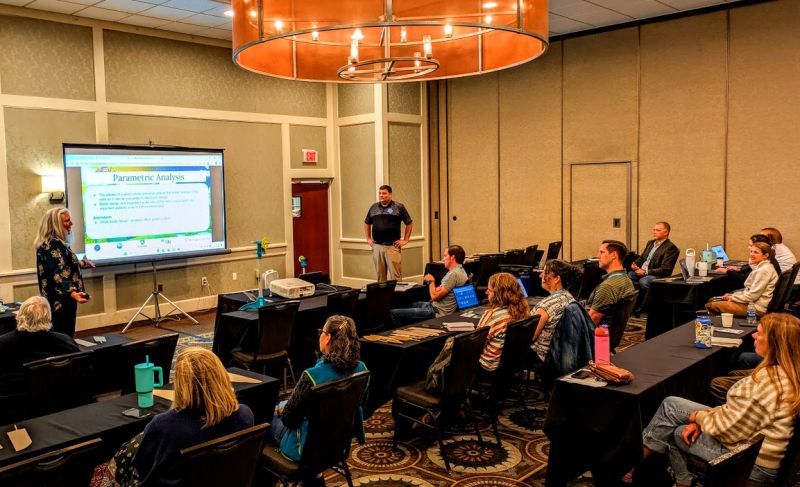
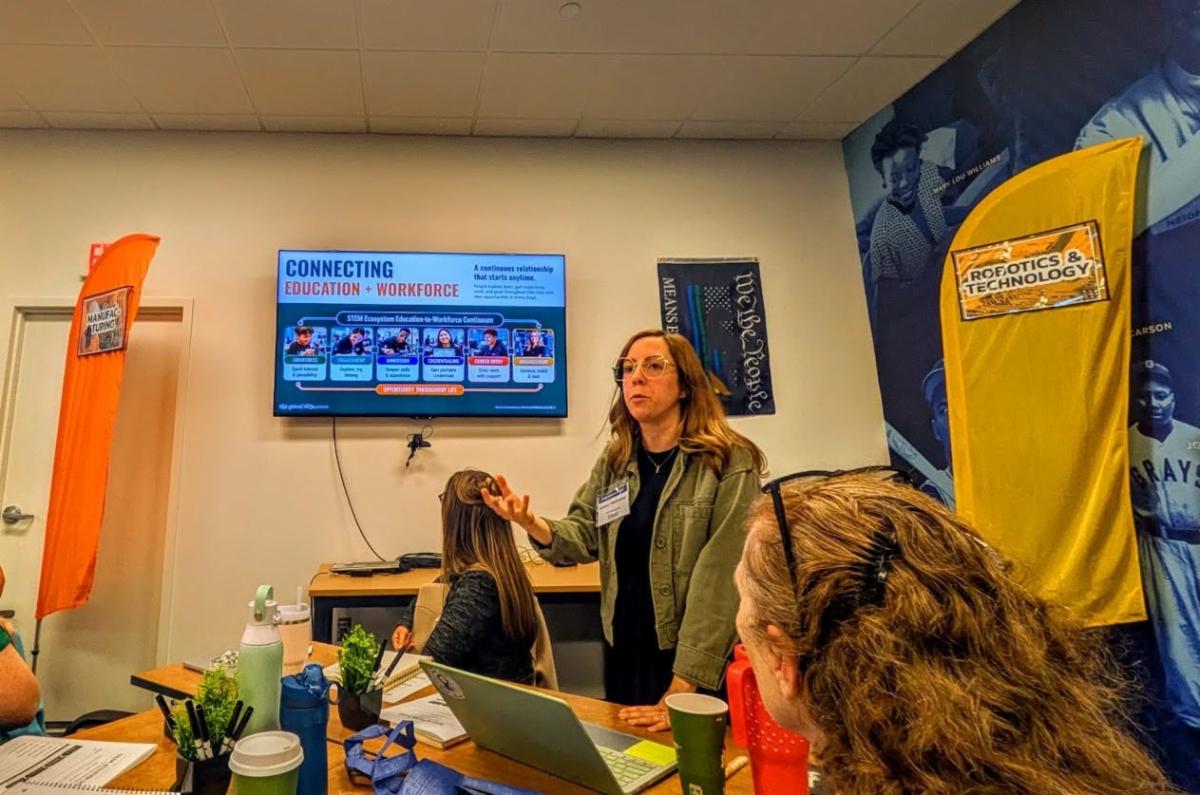
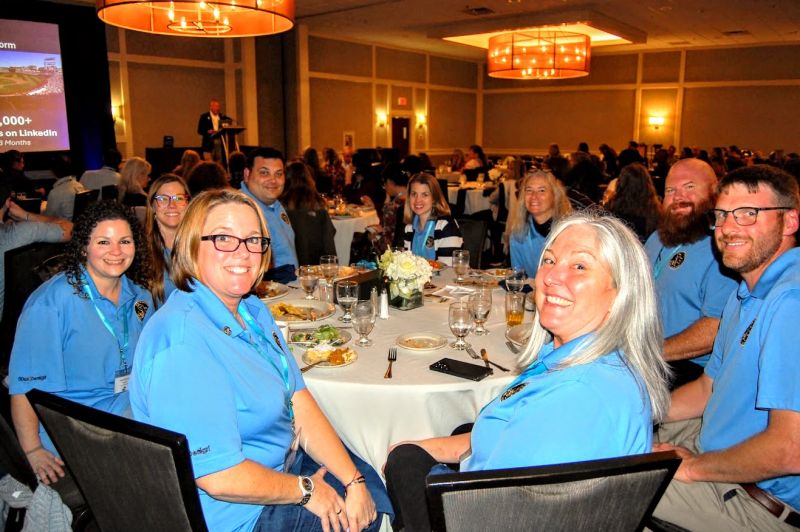
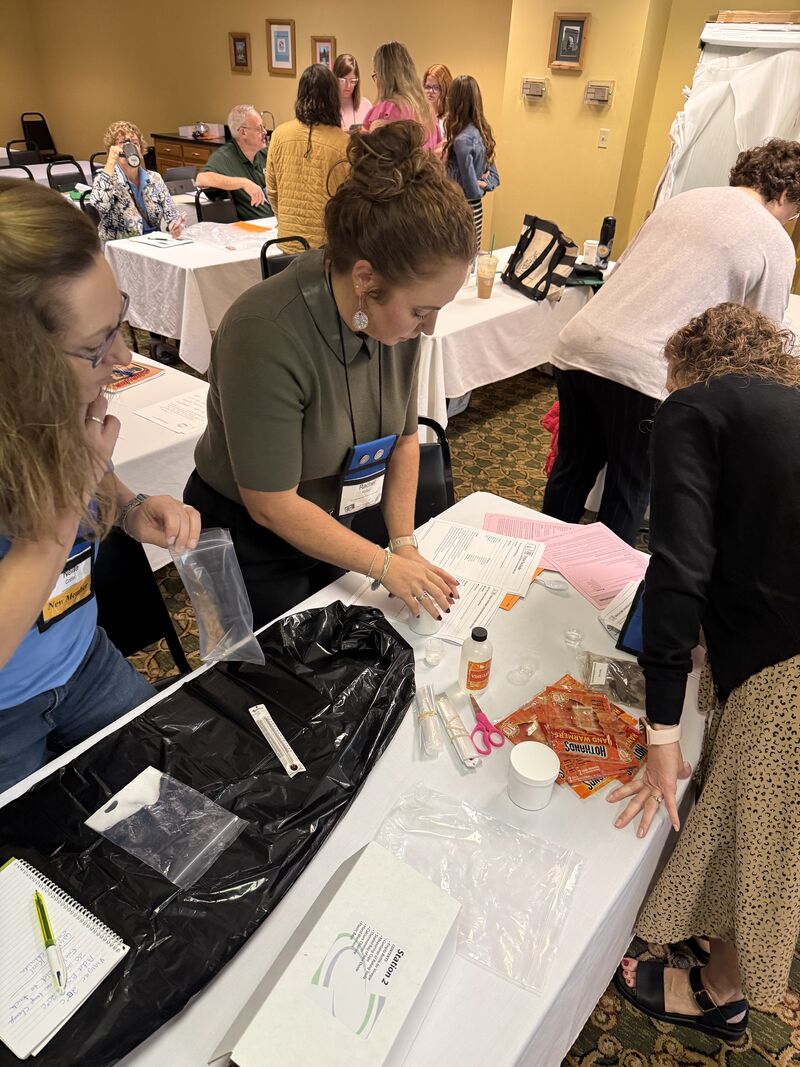
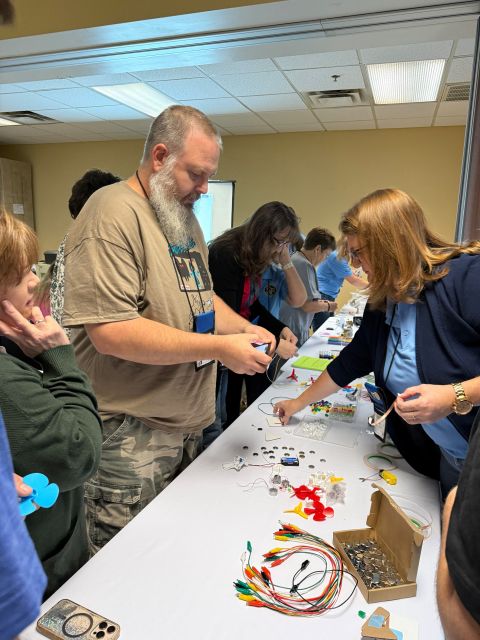
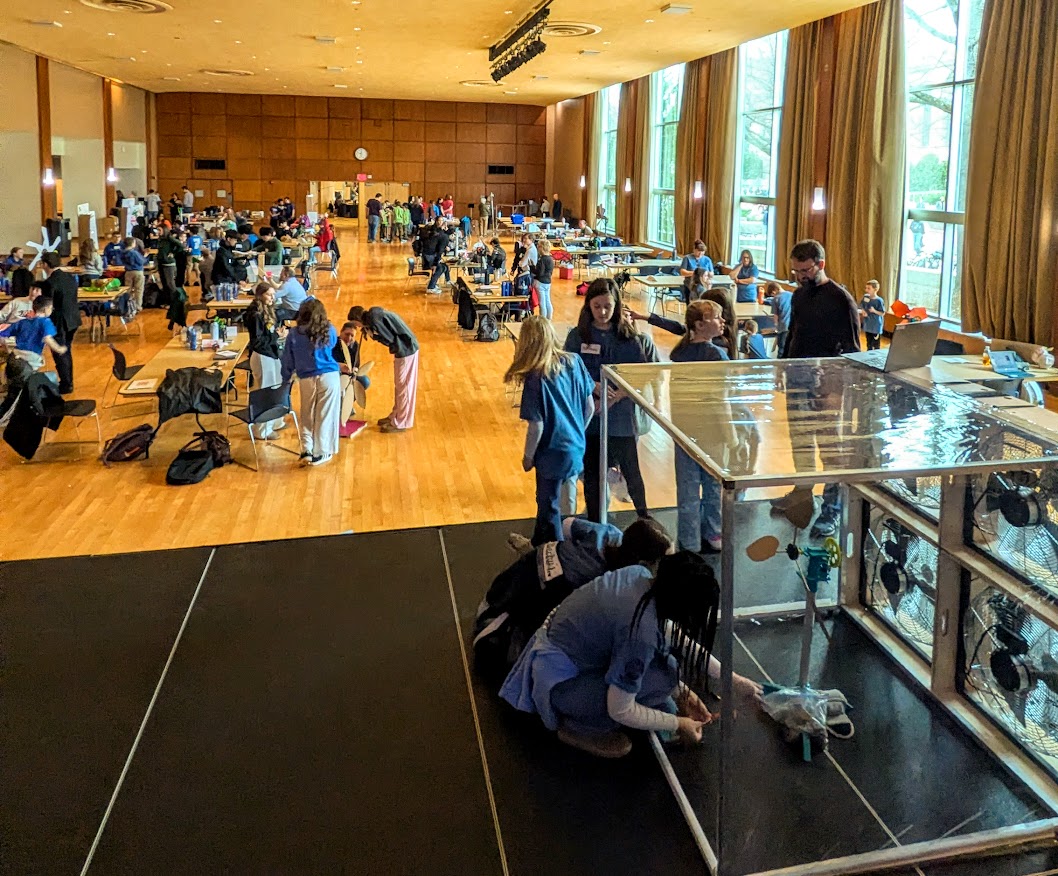
The 2026 Pennsylvania Science Teachers Association (PSTA) Conference in Harrisburg united science educators, leaders, and partners to explore innovative teaching practices, celebrate leadership, and strengthen Pennsylvania’s growing STEM ecosystem.
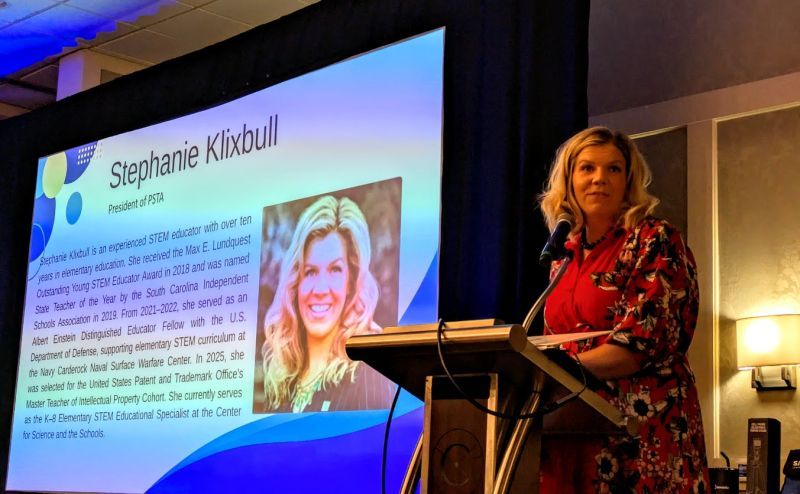
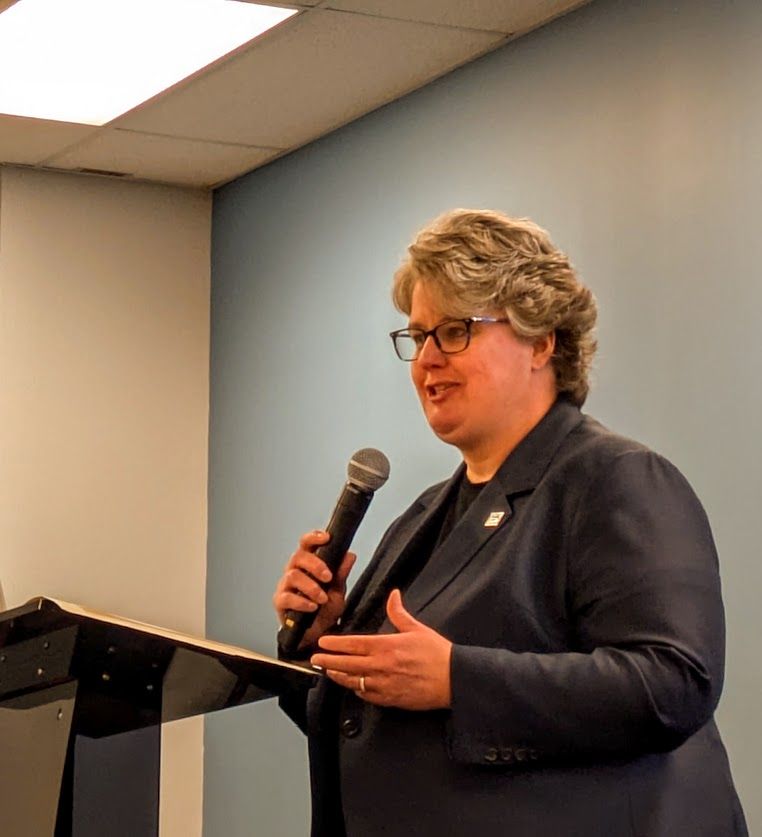
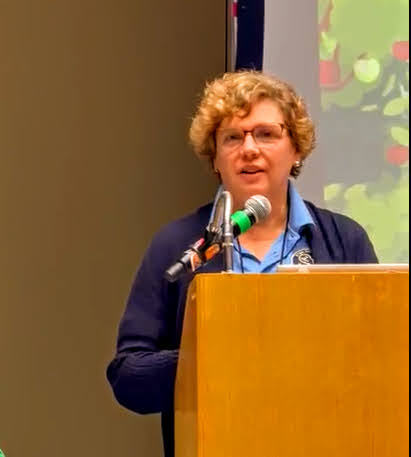
The Penn State Center for Science and the Schools (CSATS) played a major role throughout the event. The conference opened with an inspiring welcome from Stephanie Klixbull, CSATS Elementary STEM Specialist and PSTA President, who challenged attendees to advance high-quality STEM learning for all students.
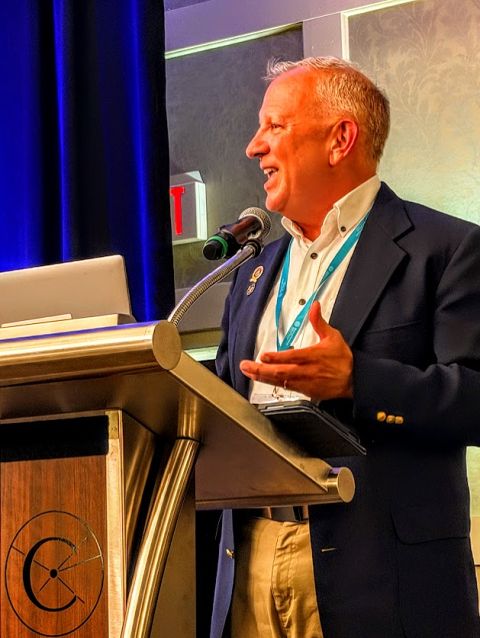
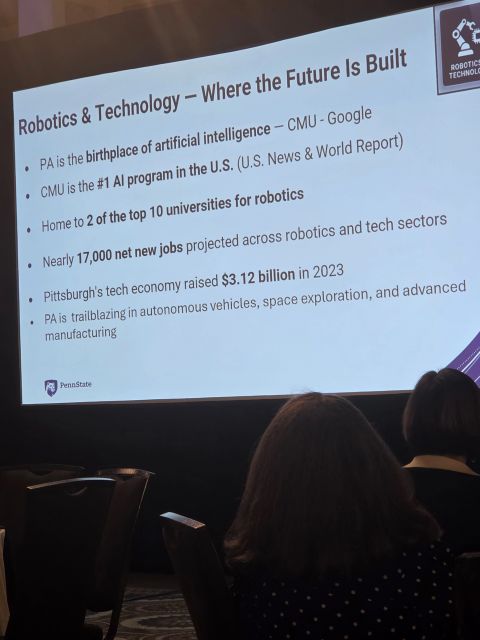
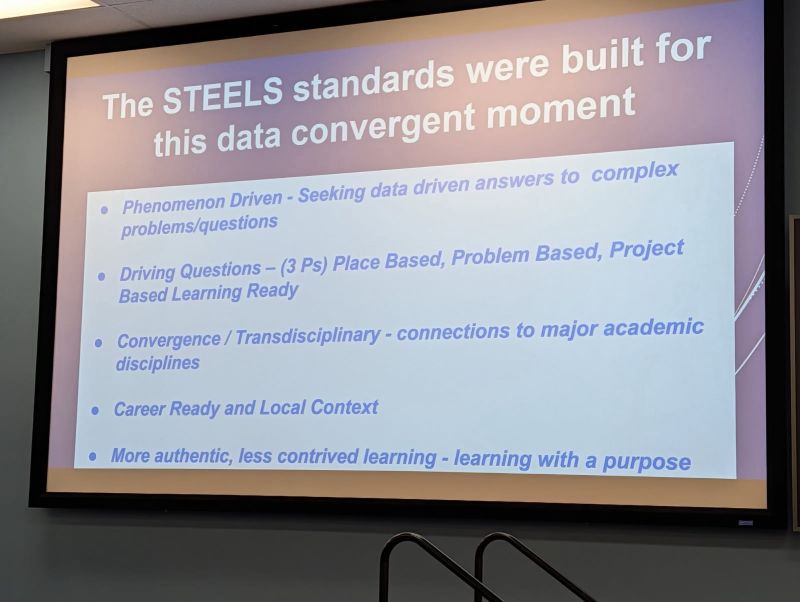
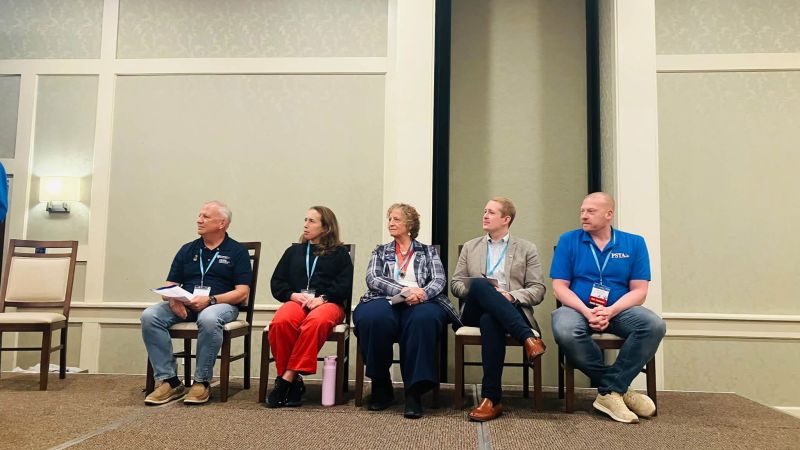
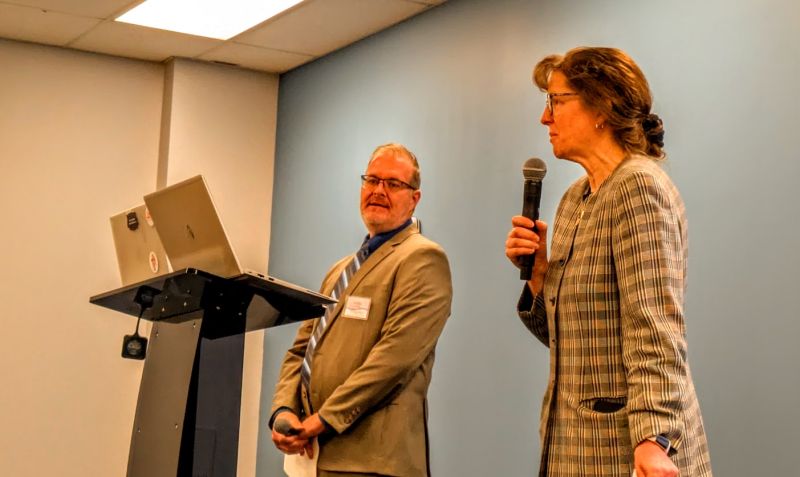
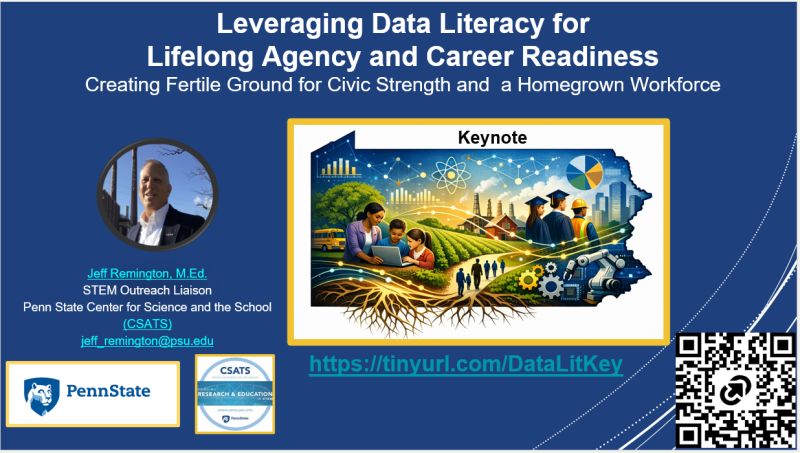
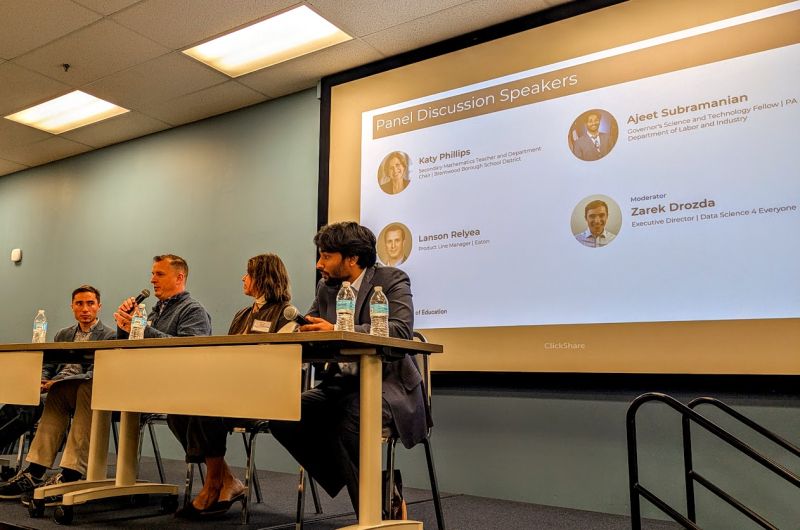
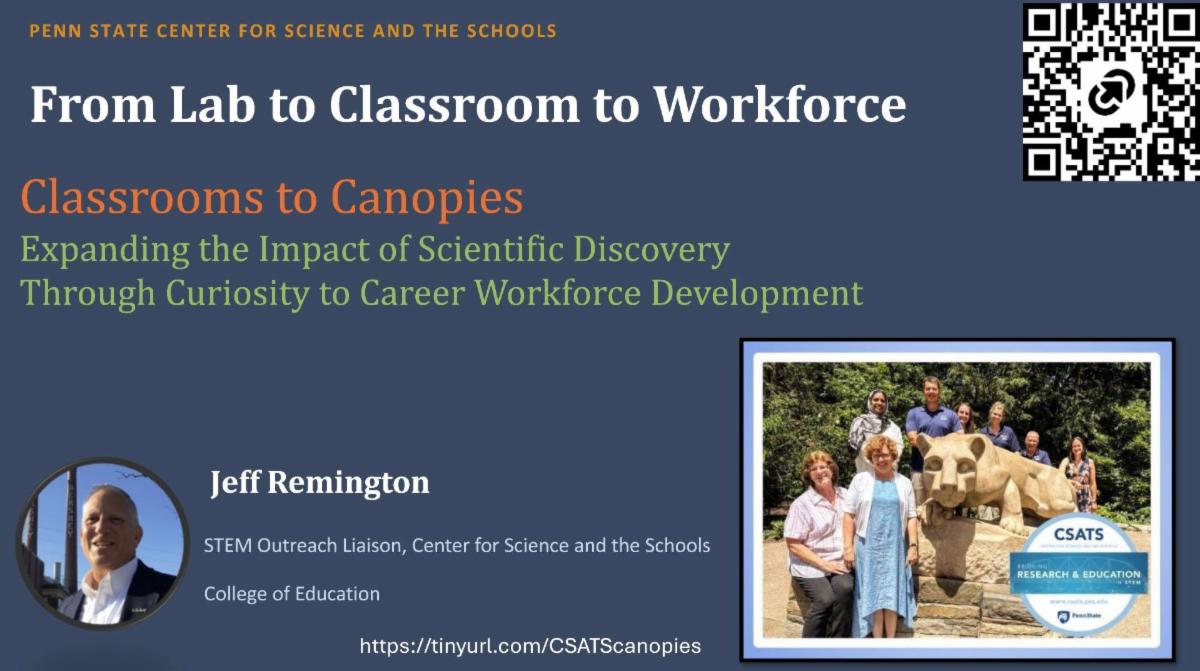
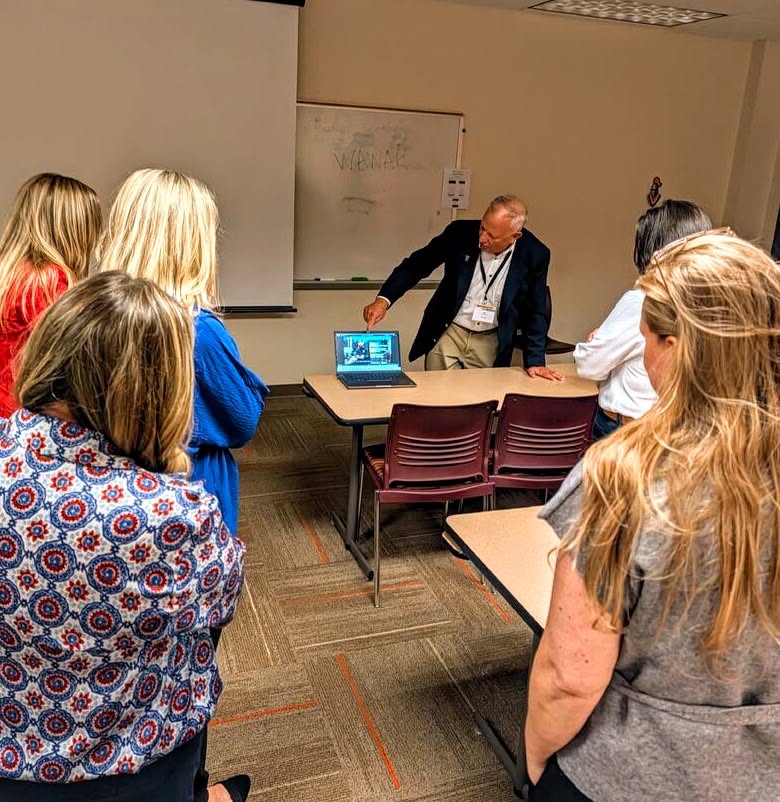
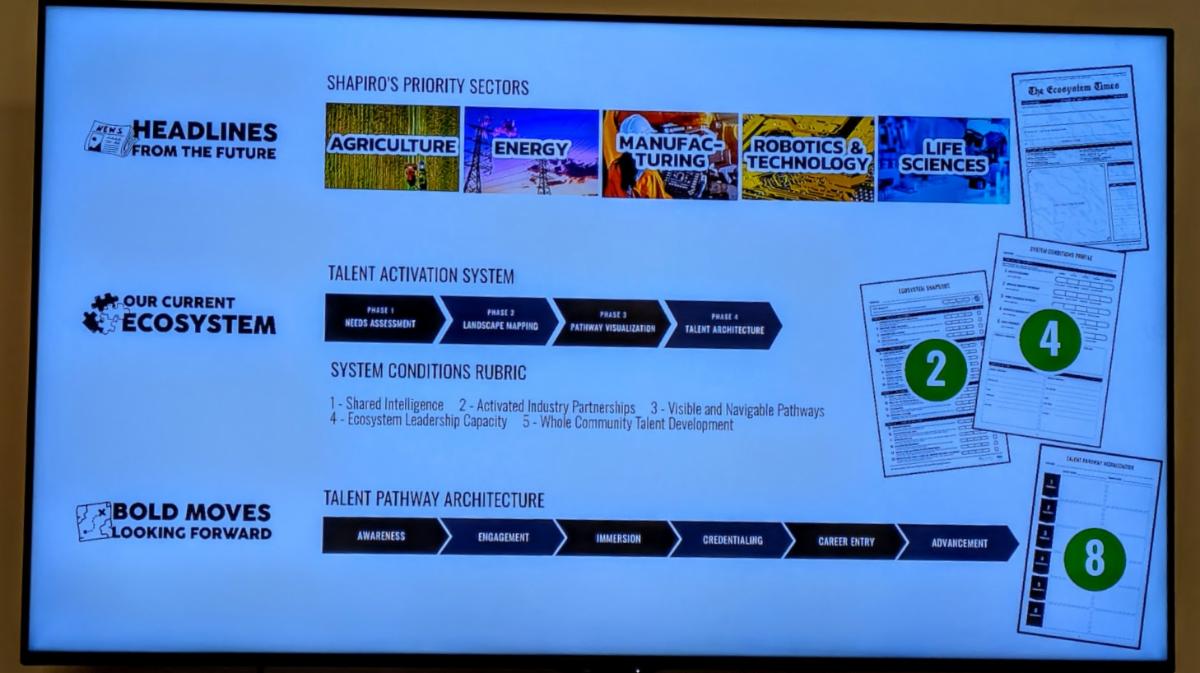
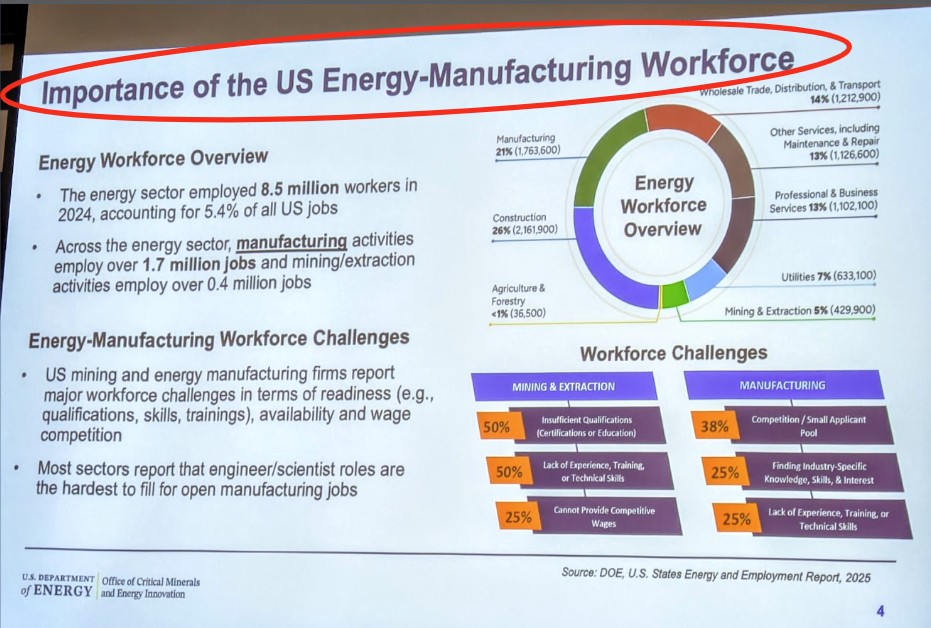
Keynote speaker Jeff Remington, CSATS STEM Outreach Liaison, explored Pennsylvania’s five STEM-driven economic sectors. He highlighted how the STEELS Standards and data literacy prepare students for careers in advanced manufacturing, agriculture, energy, life sciences, and technology, and he also joined a panel discussing evolving workforce needs.
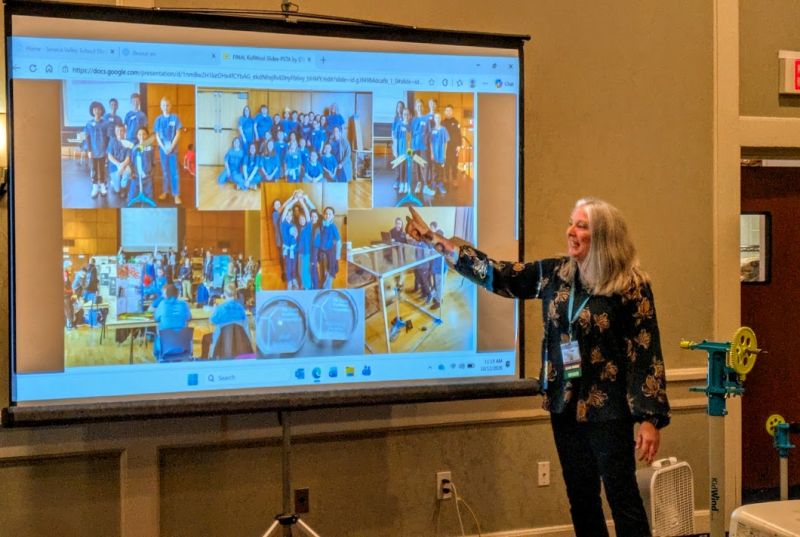
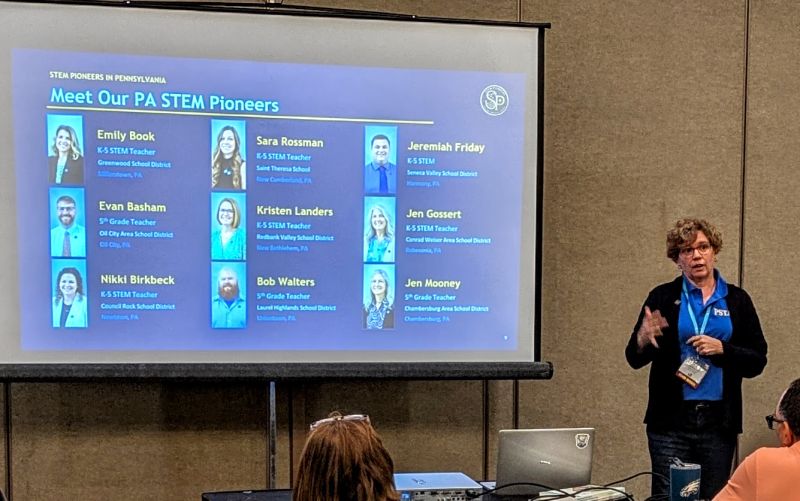
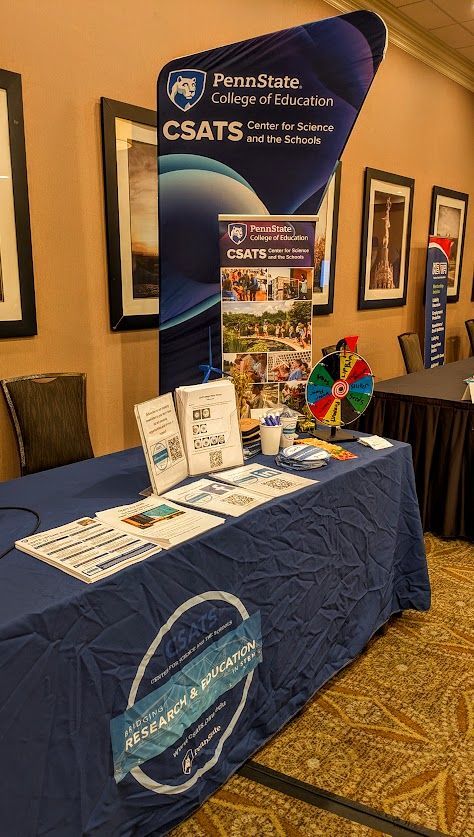
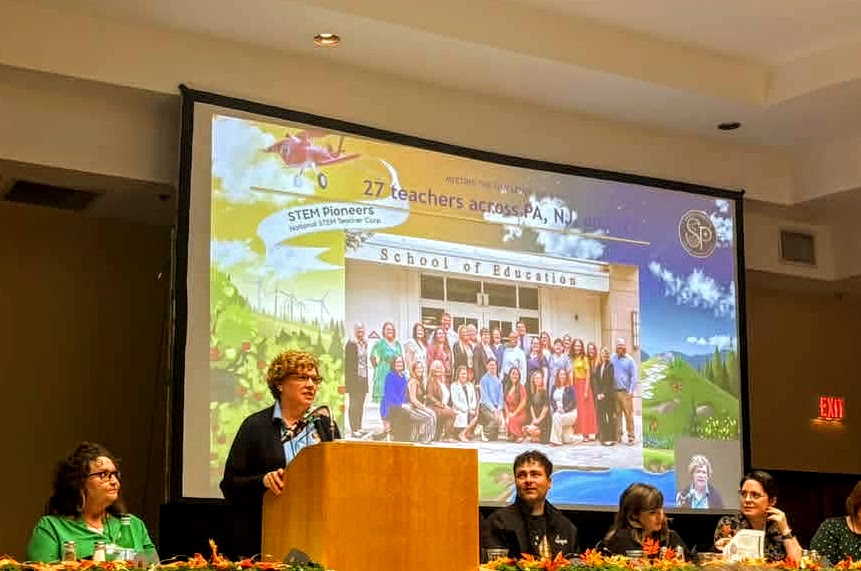
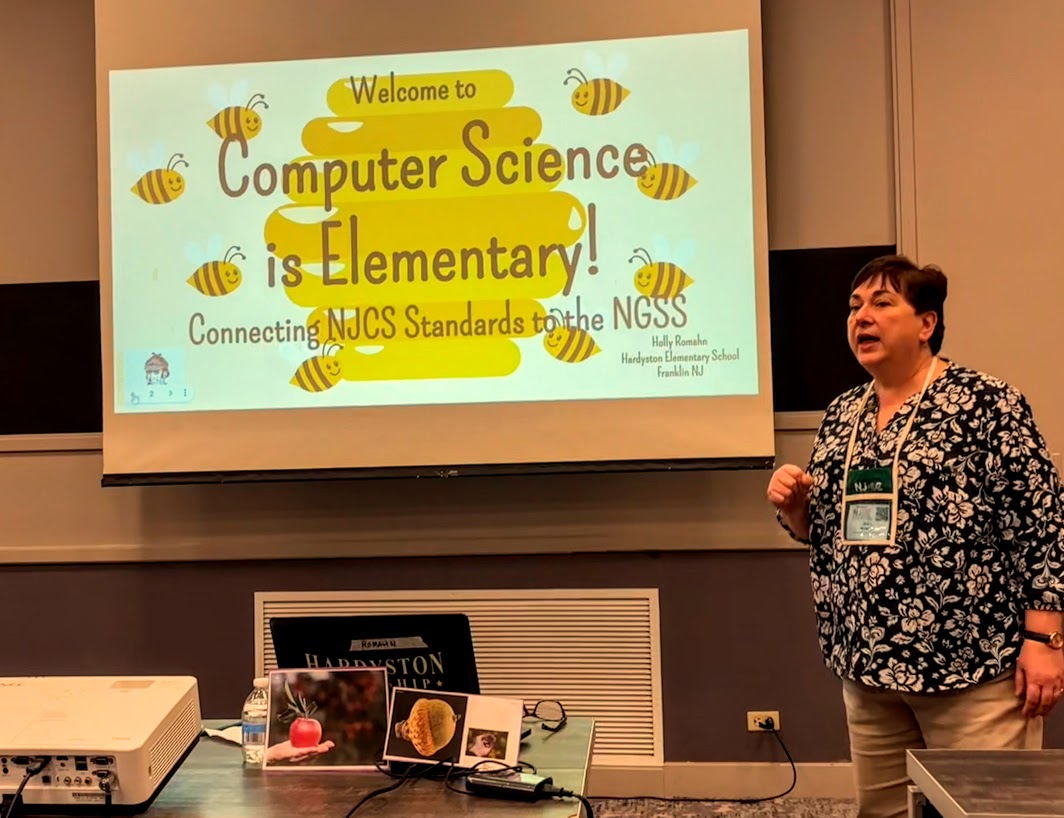
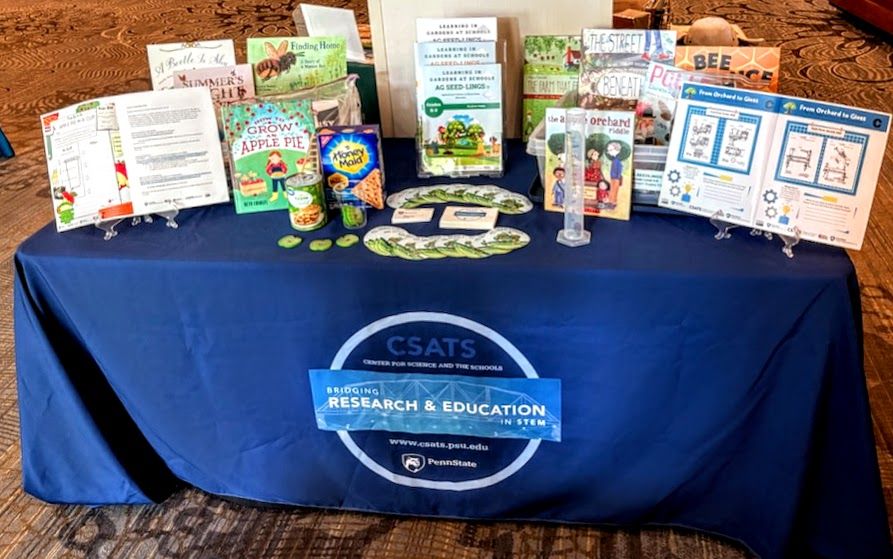
Dr. Kathy Hill, CSATS Director and PSTA Board Member, led a session on early STEM learning, showcasing the NSF-funded STEM Pioneers Program. In the exhibition hall, CSATS connected with educators to share resources and professional learning initiatives.
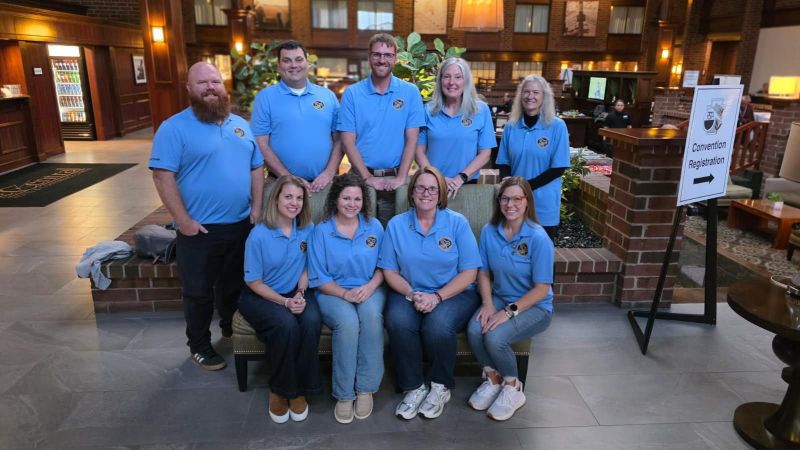
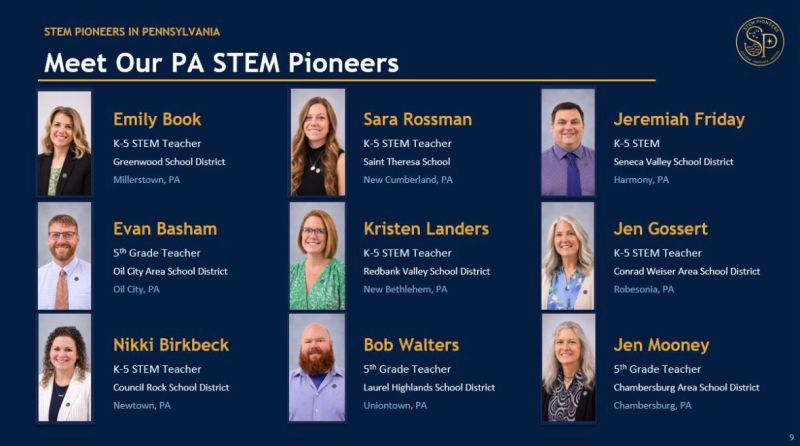
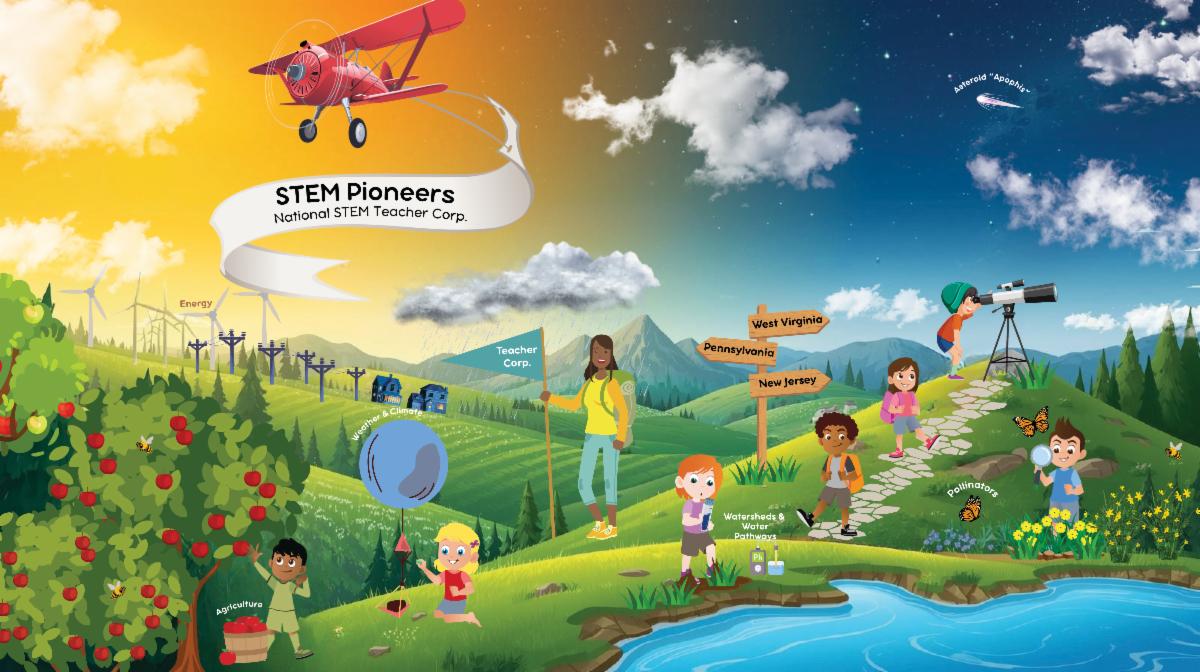
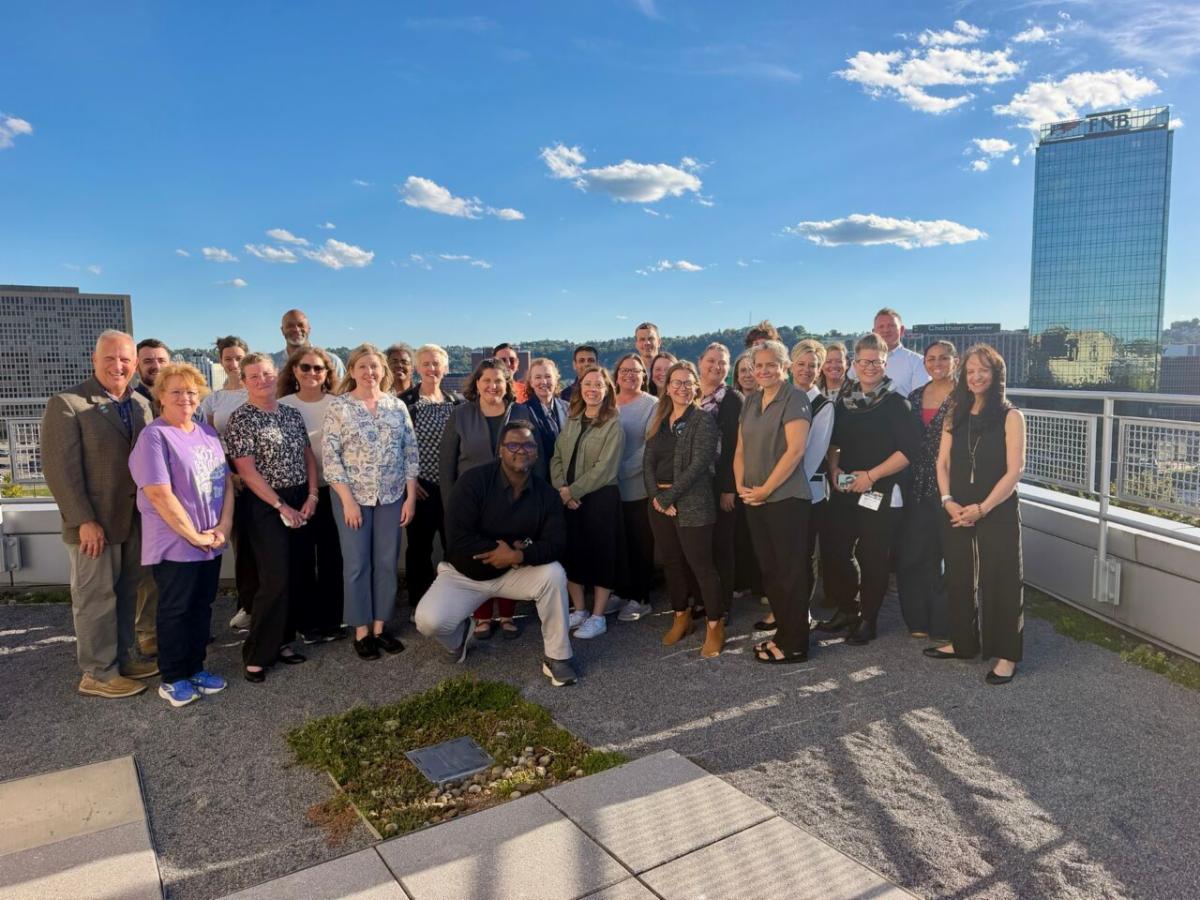
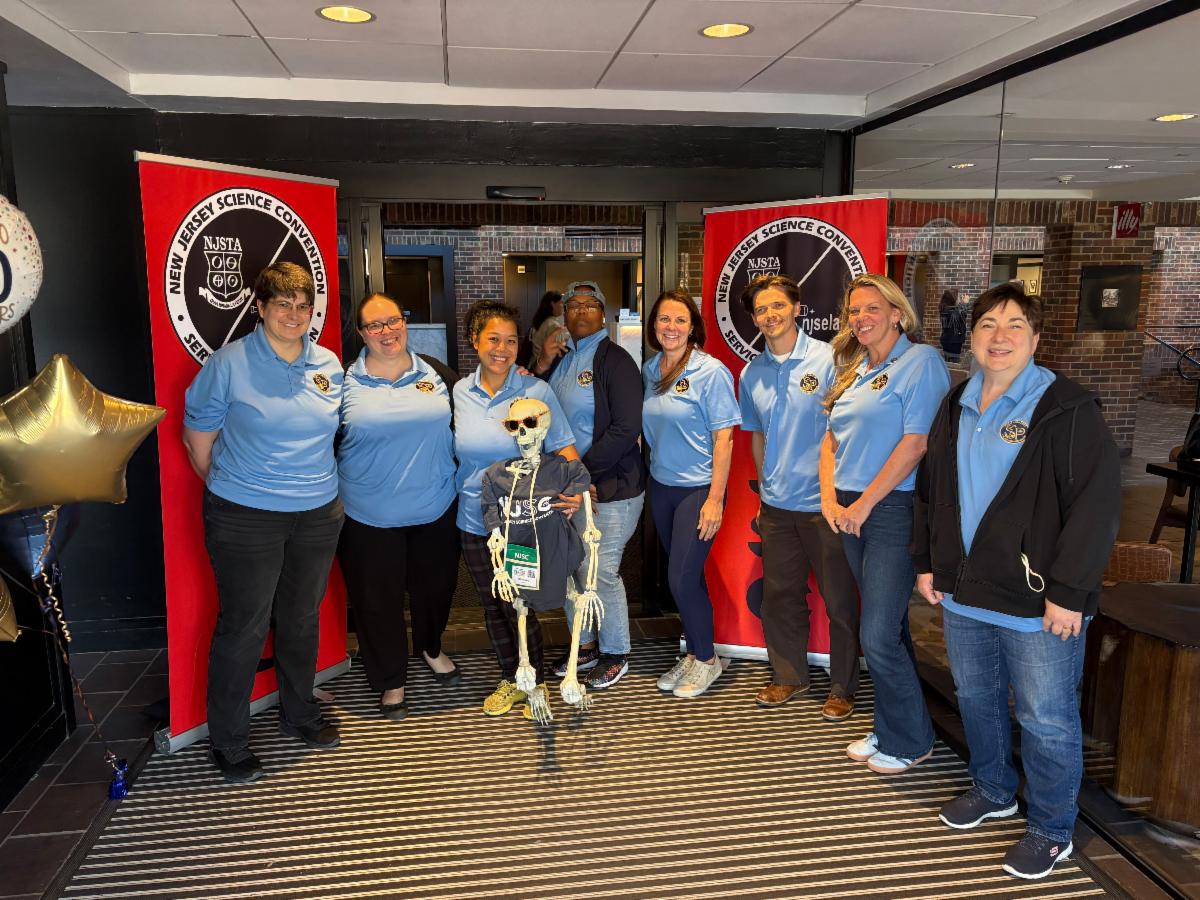
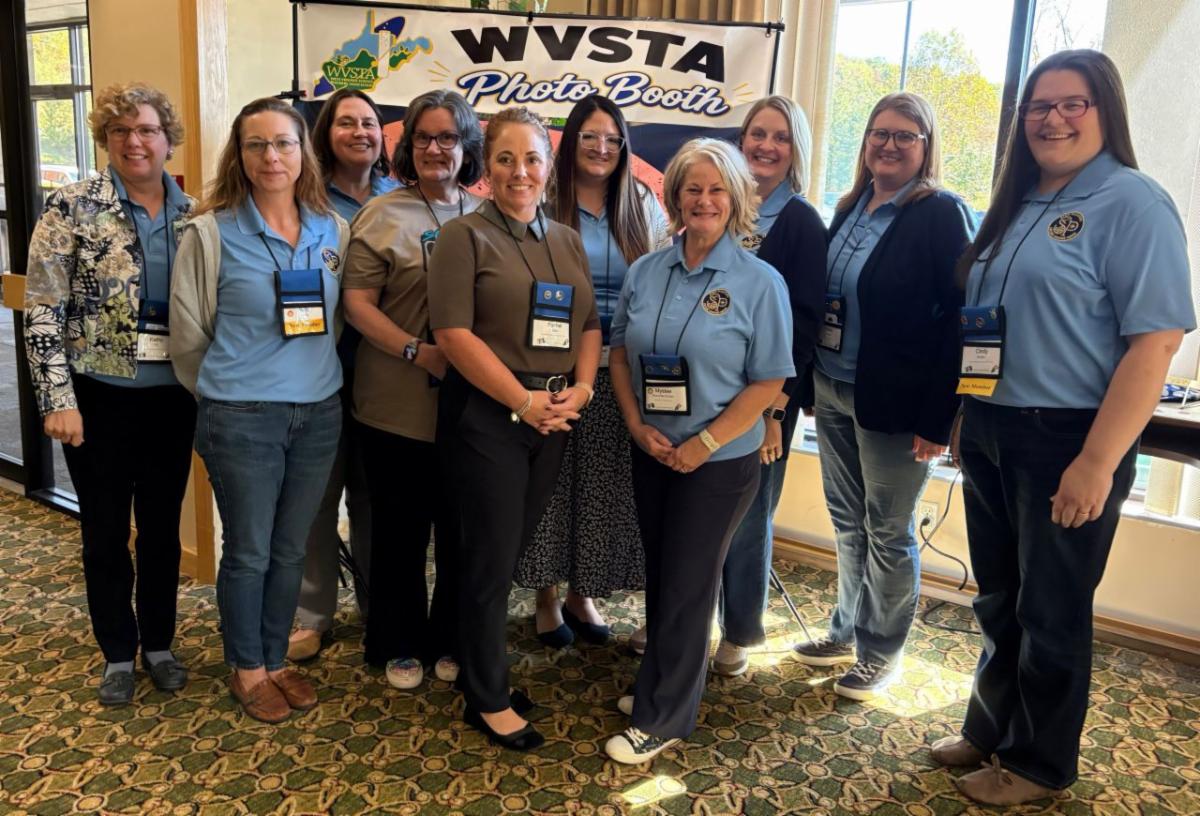
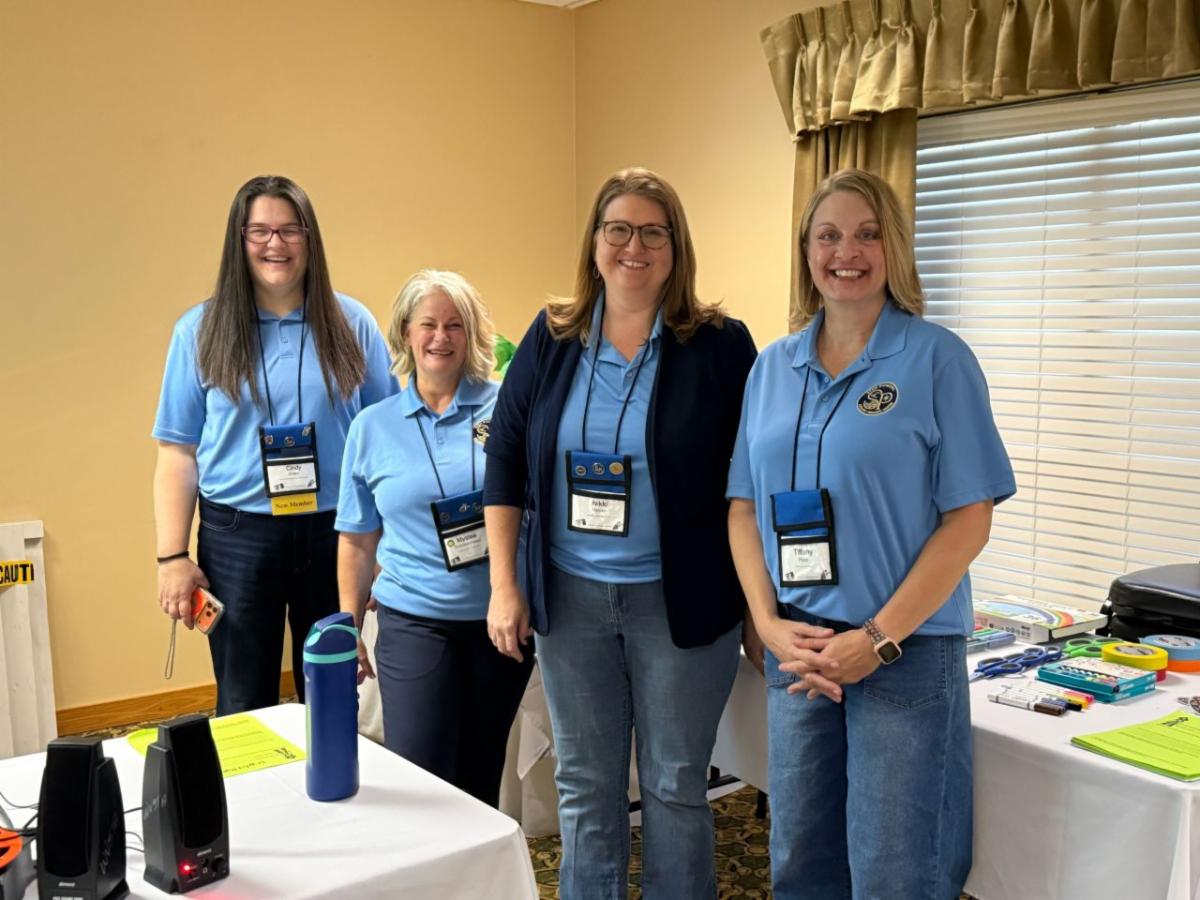
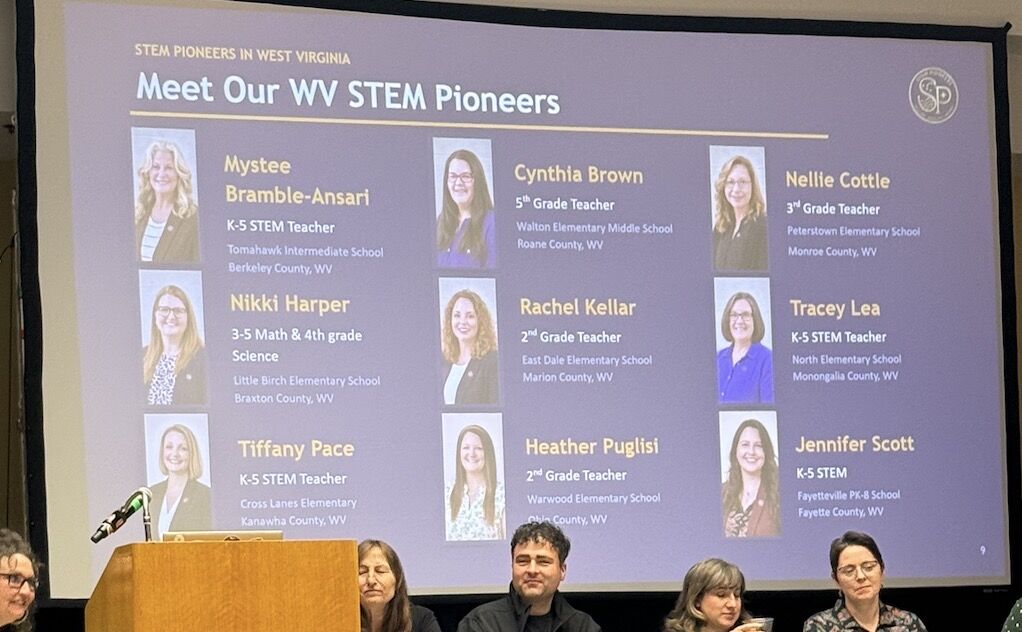
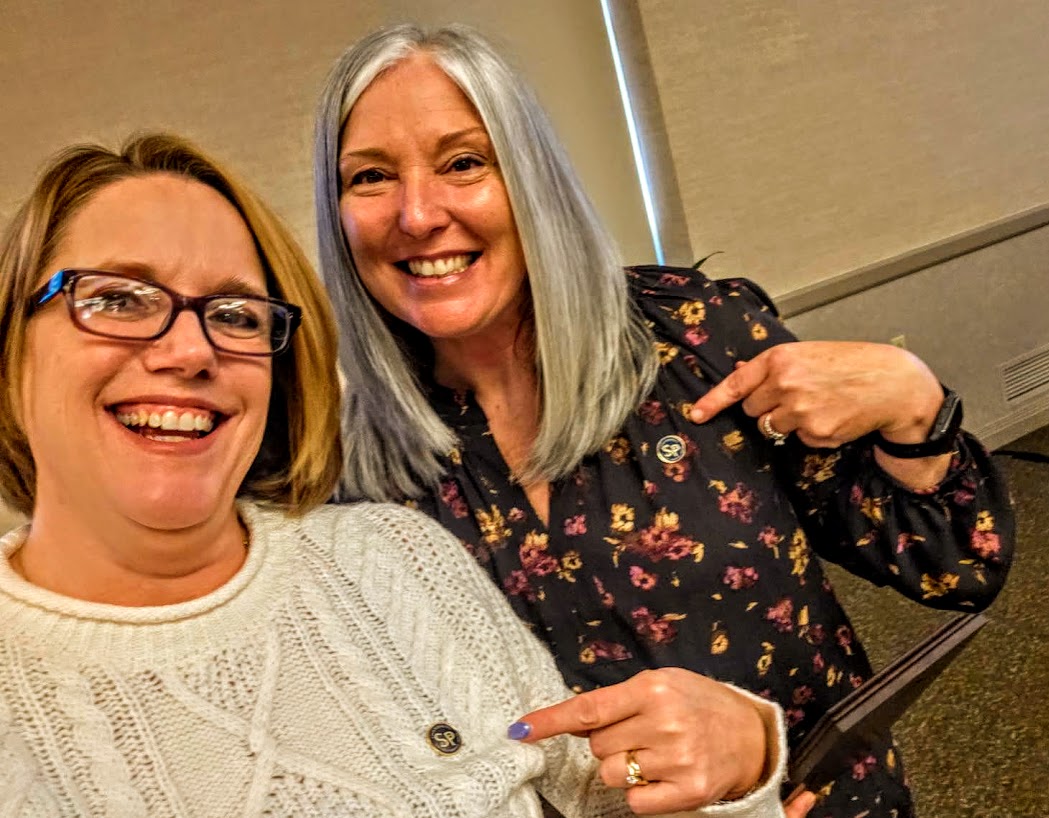
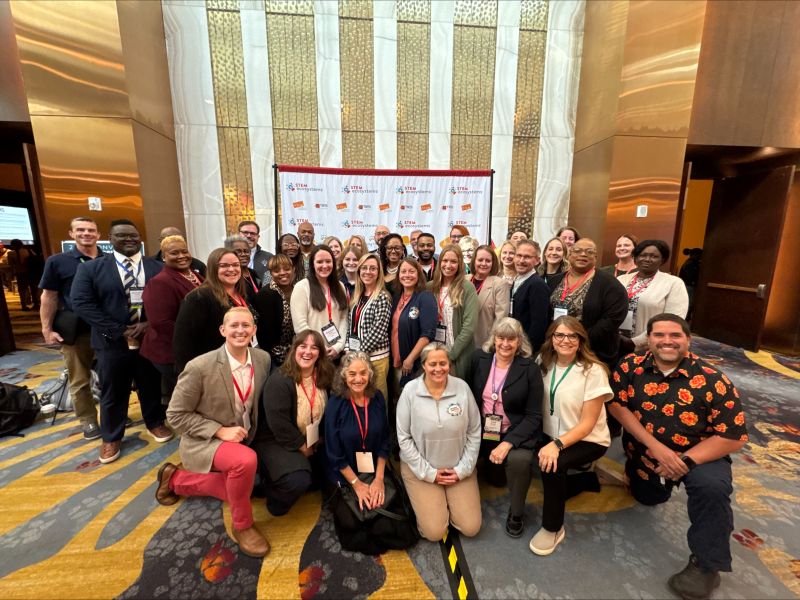
The most impactful presence came from Pennsylvania’s nine STEM Pioneers. As members of the National STEM Teacher Corps, these teacher leaders facilitated discussions, shared innovations, and modeled collaboration. Their collective energy reinforced a central conference message: strong STEM systems require strong teacher leadership.
Participants left energized by the momentum across the Commonwealth. Through organizations like CSATS, the leadership of PSTA, and programs such as STEM Pioneers, Pennsylvania continues building the educational infrastructure needed to prepare the next generation of innovators and problem-solvers.
| | |
CSATS Delivers Keynote for the Pennsylvania Department of Education's Data Literacy Summit at PaTTAN Central
Summit showed the critical importance of Data Literacy in the Age of AI
| | |
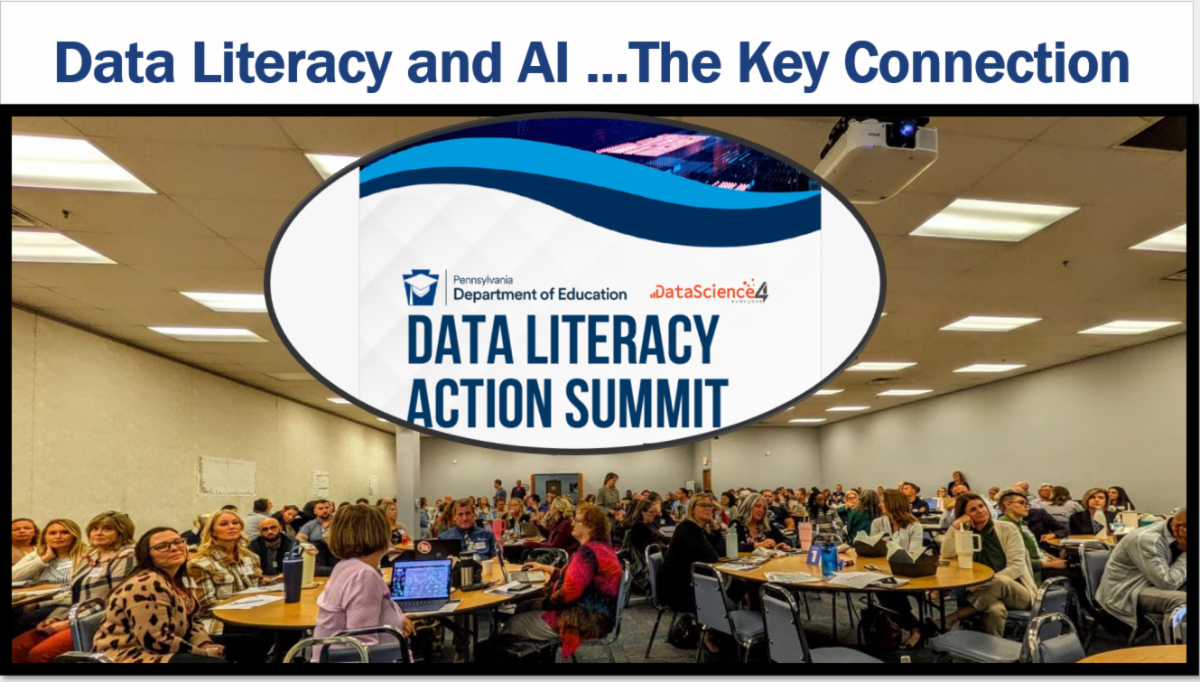
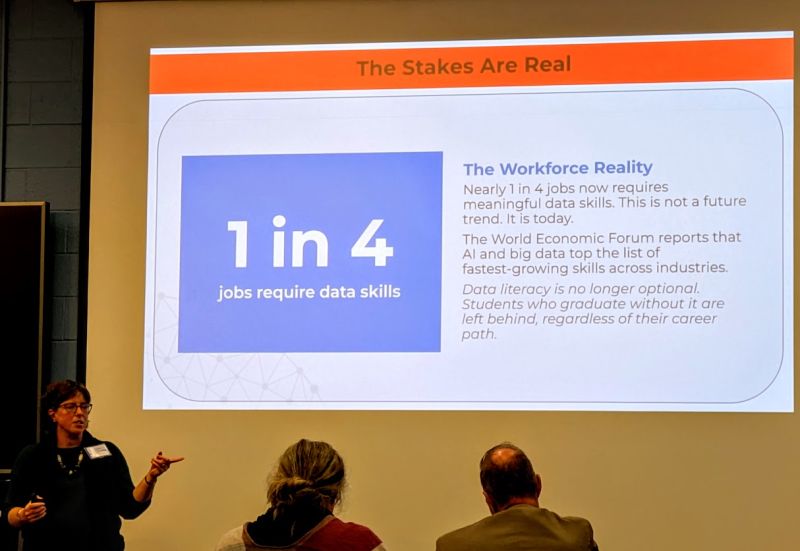
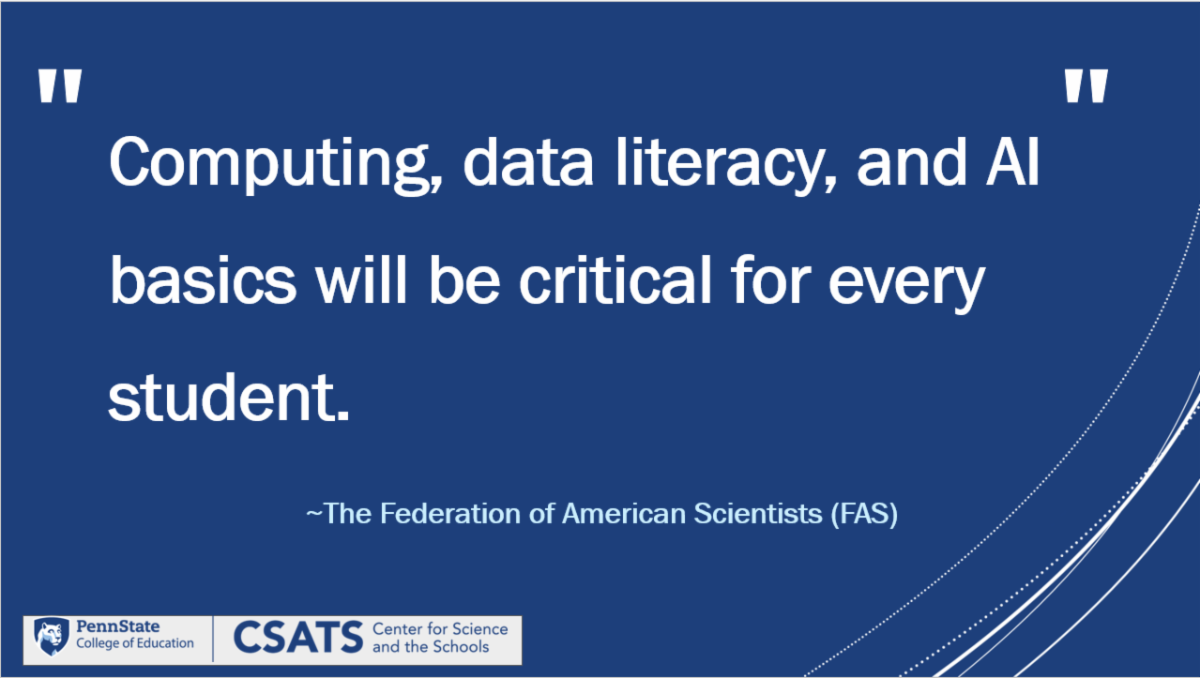
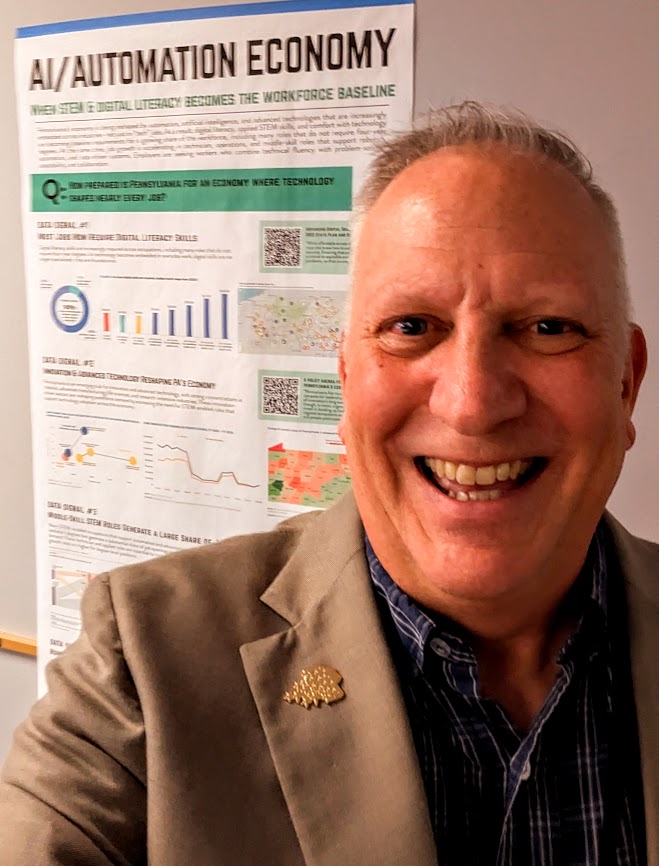
As artificial intelligence and digital technologies transform society, data literacy is becoming an essential skill for students. That message drove the inaugural Pennsylvania Data Literacy Action Summit, where educators and leaders gathered at PaTTAN in Harrisburg to explore preparing learners for a data-driven future.
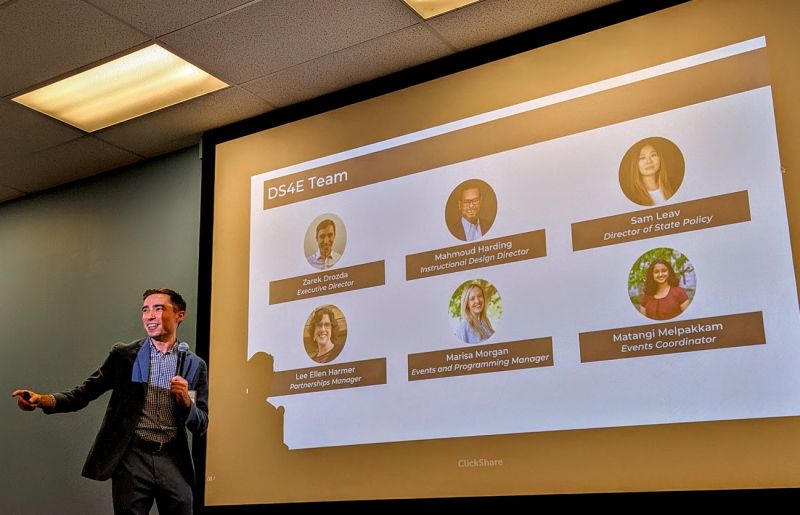
Hosted by Data Science 4 Everyone and supported by the Pennsylvania Department of Education, the summit united K-12 educators and district leaders to share strategies for advancing data fluency across grade levels and subjects.
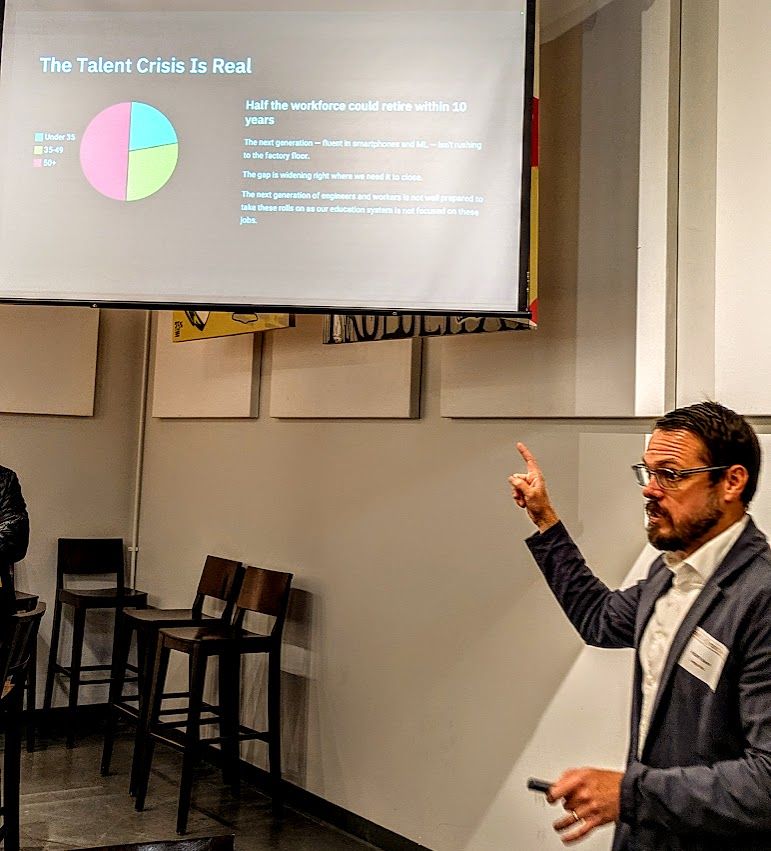
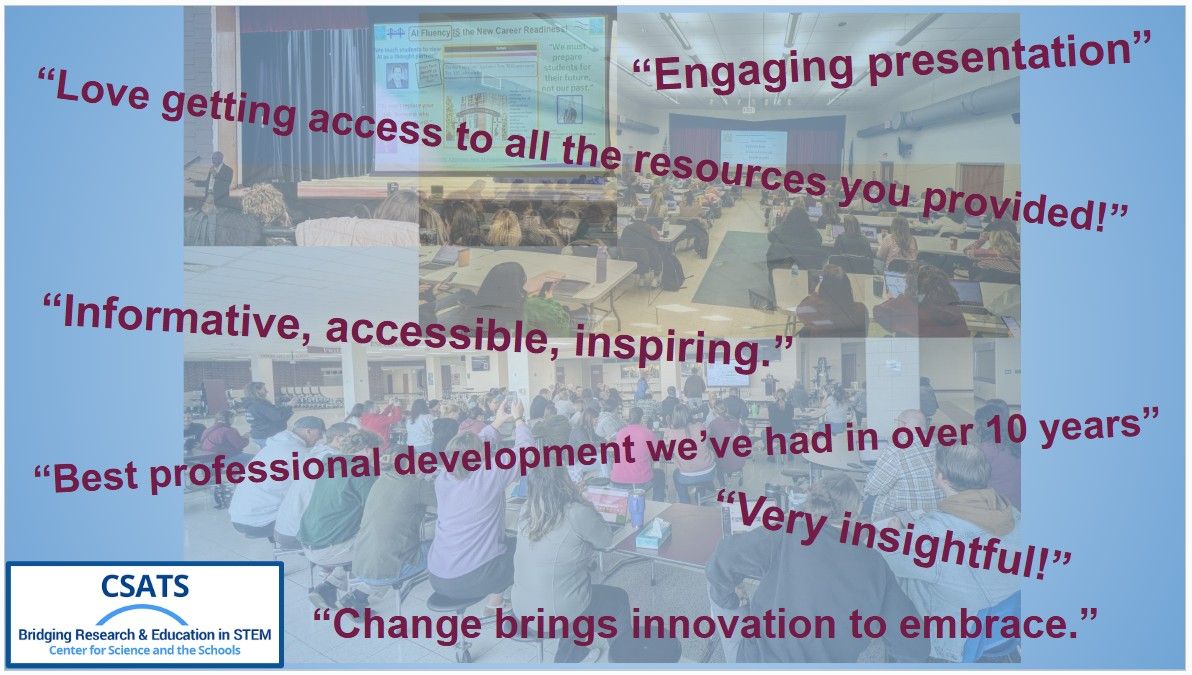
Representing the Penn State Center for Science and the Schools (CSATS), STEM Outreach Liaison Jeff Remington served as the keynote speaker. His presentation, "What is Data Science and Why Is It Critical That We Prepare All Students, K-16?", emphasized data literacy for workforce readiness, civic engagement, and lifelong learning in an AI-powered economy.
The summit theme, "Weaving Data Fluency Across Disciplines for Civic Impact," stressed that data skills extend beyond math and computer science into science, social studies, media literacy, and career readiness. Pennsylvania Secretary of Education Dr. Carrie Rowe noted that these experiences equip students for success in school and beyond.
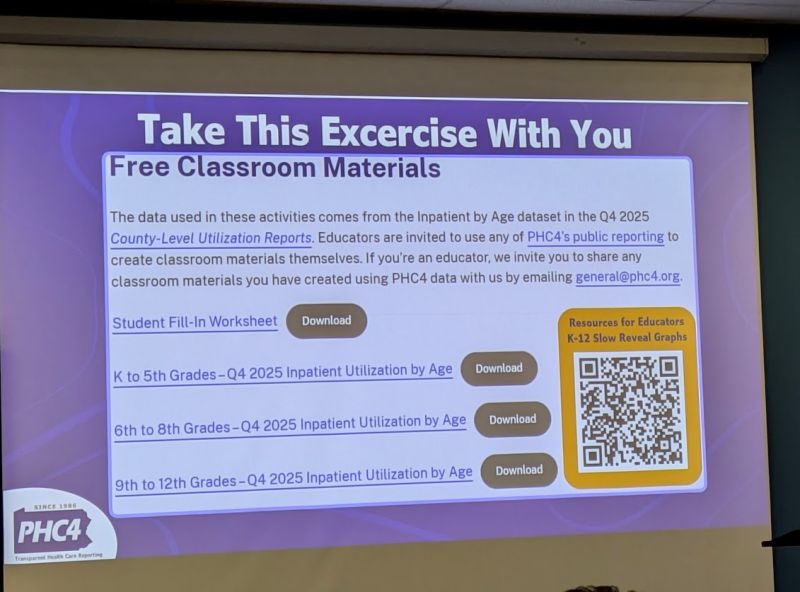
For CSATS, participation aligns with its mission of connecting STEM education to Pennsylvania's workforce needs. A standout breakout session highlighted Slow Reveal Graphs—an instructional strategy encouraging students to draw evidence-based conclusions gradually. Additionally, PHC4 offers free K-12 resources, developed with the Department of Education, using authentic public health data to build problem-solving skills.
CSATS is proud to support this work, ensuring Pennsylvania students are ready to thrive in a data-rich world.
| | |
Meet 3 of the 27 STEM Pioneer Fellows
In each newsletter over the next few months, we will feature 3 of the 27 STEM Pioneer Fellows representing NJ, PA, and WV.
| | |
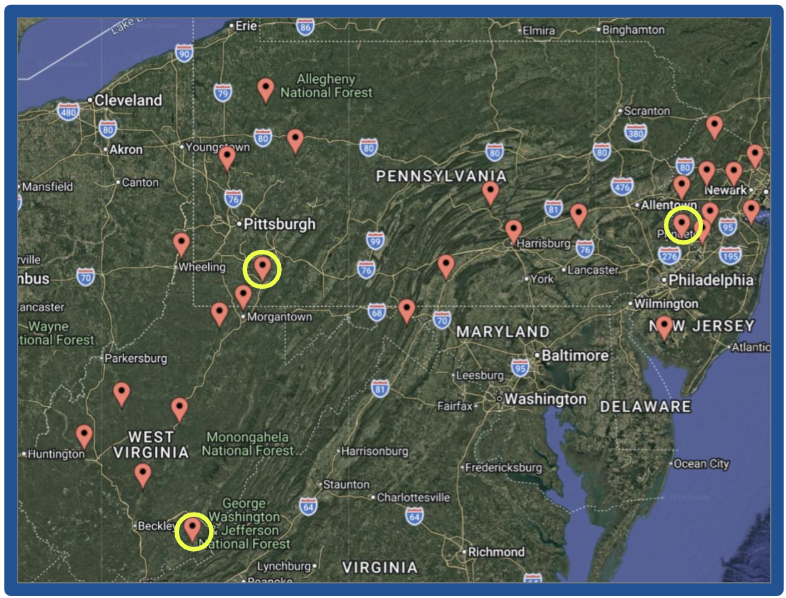
The circled map points below show the school locations of
this month's 3 featured STEM Pioneer Fellows.
| |
New Jersey
Peter Beck - Riverside Elementary School - Princeton, NJ
| |
Peter Beck: Empowering the Next Generation of Innovators
Entering his eighth year as a K–5 STEAM educator in Princeton, New Jersey, Peter is dedicated to fostering student STEM identity, curiosity, and real-world learning experiences. For the 2026–2027 school year, he teaches engineering, computer science, and grade-level science with an emphasis on sustainability, ecosystem restoration, green energy, artificial intelligence, and biomimicry. Alongside holding a Master’s degree in STEM Leadership and supporting multiple environmental grant projects, Peter serves as his school’s Green Team Leader, actively connecting young learners to meaningful environmental and community-based work.
Why did you apply for the STEM Pioneer program?
I applied for the STEM Pioneers program because I saw it as an opportunity to connect with a group of teachers focused on the same goals as myself. I'm always looking for opportunities to continue learning and growing as an educator - the STEM Pioneers was a truly unique opportunity I didn't want to miss! The ability to share, learn, and grow alongside other elementary teachers focused on STEM is truly special and I'm excited to see the impact we will have!
What do you like most about your state?
My favorite thing about New Jersey is the diversity. We have small towns with nice coffee shops and local businesses, large cities with world class performances and restaurants, mountains to ski, the "shore" for vacations, and people from all over the world. I also love the changing of the seasons and can't imagine living anywhere but the North East :)
What is your favorite food connected with your state?
My favorite food connected with my state has to be a tomato "pie". This style pizza (which is essentially just tomato sauce, seasoning, and pizza dough) will always remind me of my grandfather. Jersey tomatoes are the best and a tomato pie from DeLorenzo's pizza is an opportunity you don't want to miss!
Why do you think STEM is important at the elementary school level?
I believe STEM education is especially important at the elementary level because our students are still discovering who they are and who they want to become as a learner in middle school, high school, and beyond. Even in kindergarten, students have a natural curiosity about science, nature, and the world around them. I think it's important to nurture that curiosity early and help students recognize that they are already scientists, engineers, and problem solvers. I want every student to see STEM as something they can be a part of, regardless of their background or interests. Ultimately, my goal is to open the door to STEM education for as many students as possible and help them see the opportunities and people who can support them along the way.
-
You can follow and/or connect with Peter on LinkedIn.
-
Follow all 27 STEM Pioneers by searching for the hashtag "#STEMpioneers" on your favorite social media platform.
| |
Pennsylvania
Bob Walters - Hutchinson Elementary - Laurel Highlands School District
| |
Bob Walters: Dedicated to Hands-On Learning
Bob Walters is a dedicated educator with 22 years of experience in the Laurel Highlands School District, currently teaching fifth grade at Hutchinson Elementary in Uniontown, Pennsylvania. While he has taught all core subject areas throughout his career, he has recently transitioned to teaching Science and Social Studies exclusively.
Beyond the traditional classroom, Bob has played a vital role in outdoor and experiential education as a member of the Laurel Highlands Outdoor School staff, serving as its Program Director since 2015. His commitment to expanding student learning opportunities also extends to regional and national STEM initiatives, including participation in the NASA-sponsored PA Multi-Region Mathematics & Science Partnership Grant and Summer of Innovation programs.
Why did you apply for the STEM Pioneer program?
Science was always my favorite subject growing up. I loved diving into hands-on experiments and seeing scientific concepts come to life right in front of me rather than just reading about them in a textbook.
What do you like most about your state?
I love the rich history that is celebrated in PA. Philadelphia is the birthplace of our country and was the home of so many important people and events that give it such a special feel. Plus, on my side of the state and pretty much in my district's backyard is where the Seven Years War began between the British and the French. In a matter of minutes, I can have my students standing in the exact spot George Washington stood while making decisions that would affect the history of the world! We don't get to the events in Philadelphia without the events at Jumonville Glen and Fort Necessity happening first.
What is your favorite food that is considered a food connected with your state?
When talking about Pennsylvania foods, halupki, haluski, and pierogies are always at the top of my list! These dishes came over with our European ancestors and found a whole new home in our region. The best part is that every family has their own take on each dish and they are all still delicious!
But, if you want to go specifically southwestern PA, Primanti's sandwiches are the go-to. Start with the Cap n' Egg, then go from there!
Why do you think STEM is important at the elementary school level?
Asking why STEM is important in elementary school is a lot like asking why a solid foundation is important when building a house. Before students can navigate complex real-world concepts, they need a strong knowledge base to help them understand how and why things work. Introducing STEM early lays those essential building blocks, sparking curiosity and giving young learners a firm foundation to grow on.
-
You can follow and/or connect with Bob on LinkedIn.
-
Follow all 27 STEM Pioneers by searching for the hashtag "#STEMpioneers" on your favorite social media platform.
| | |
West Virginia
Jennifer Scott - Fayetteville PK-8 - Fayetteville County Schools
| |
Jennifer Scott: Inspiring Rural Innovation
Jennifer Scott is a dedicated Master Teacher in Fayette County, West Virginia, bringing 12 years of experience to her mission of inspiring curiosity through hands-on learning. For the 2026–2027 academic year, she teaches K–8 STEM at Fayetteville PK–8, where she works to bridge the gap between classroom instruction and real-world exploration.
Beyond her daily teaching role, Jennifer serves as an Empowerment Coach for the Mountain State Educational Services Collaborative and channels her students' competitive drive as a coach for Science Bowl and NASA Plant the Moon Challenge teams. An active professional, she is a member of the West Virginia Science Teachers Association (WVSTA) and is currently a National Board Certification candidate. Above all, Jennifer is deeply passionate about connecting students in rural Appalachian communities to high-quality STEM opportunities and empowering them to step confidently into future STEM pathways.
Why did you apply for the STEM Pioneer program?
I applied for the STEM Pioneers program because I am currently building a new STEM program at our school with a goal of providing hands-on STEM instruction to students in grades K-6. I wanted to be part of a community of educators who share my commitment to making meaningful STEM learning accessible to all students.
Being part of this cohort connects me with educators, university faculty, and resources across the mid-Atlantic. I can contribute my own experience and knowledge while learning from others, building partnerships, and discovering opportunities I might not have otherwise known about. Those connections help me grow the STEM program at my own school and bring new ideas and experiences to students across southern West Virginia.
What is your favorite food that is considered a food connected with your state?
For a West Virginia native, there’s really only one answer: the pepperoni roll! At our school, pepperoni roll day is a much-anticipated monthly highlight on the cafeteria menu. This delicious tradition also connects students to our state’s coal mining heritage, as the pepperoni roll was originally developed as an easy and filling lunch for underground miners.
Wild black raspberries also deserve a mention. I’ve spent countless summer hours picking blackberries, raspberries, and wineberries. Local black raspberries are my favorite, with a rich, dense, and distinctive flavor that store-bought berries can’t match.
What do you like most about your state?
I think West Virginia is one of the world’s best-kept secrets. I live in Fayetteville, the gateway to the New River Gorge National Park and Preserve, where incredible scenery and outdoor adventure are part of everyday life. Rafting the world-class whitewater of the New and Gauley rivers and hiking our extensive local trail system are two of my favorite ways to enjoy the place I call home.
As an educator,, I love the endless opportunities for outdoor, place-based learning. Developing lessons around local landmarks and phenomena helps students connect learning to their daily lives and recognize that the places they know are full of things worth investigating.
As an avid traveler, I love exploring new cities and experiencing different cultures. No matter where I travel in the world, when I say I’m from West Virginia, someone almost always sings our song! At the end of each journey I’m grateful for the country roads that take me home.
Why do you think STEM is important at elementary school level?
Early exposure to hands-on STEM education provides our youngest students with an opportunity to see themselves as capable scientists, engineers, and innovators. Learning to ask questions, test ideas, improve designs, and try again after failure helps students build the confidence they need to tackle the unknown challenges of the future.
-
You can follow and/or connect with Jenn on LinkedIn
-
Follow all 27 STEM Pioneers by searching for the hashtag "#STEMpioneers" on your favorite social media platform.
| | |
Building Pennsylvania's STEM Future Together
From statewide STEM ecosystems and workforce development to advising the Department of Education and empowering intermediate units, CSATS is driving meaningful impact across the Commonwealth.
| | |
September and October have been exceptionally busy for the CSATS team! We have been actively involved in virtual working groups and traveling across the Commonwealth at the request of IUs, collective impact organizations, industry partners, and government agencies.
Our team has been proud to:
-
Share expertise on computer science, AI, data literacy, and authentic STEM with a lens of cutting-edge research translation from Penn State's research enterprise.
-
Advise on initiatives ranging from "curiosity to career" workforce development to addressing the STEM teacher shortage.
-
Engage leadership by delivering keynotes and serving on panels to inform stakeholders across the state on salient topics.
Some of our recent and ongoing activity has been with industries, The Department of Conservation and Natural Resources, The Department of Labor and Industry, The Department of Community and Economic Development, The Department of Education, The Department of Agriculture, Teach STEM in PA, The Pennsylvania Statewide STEM Ecosystem, The Western PA consortium of Intermediate Units, IUs 19 & 20, state science teacher associations, as well as individual school districts.
How might we add value and expertise to support your work? Let's talk. jeff_remington@psu.edu
| | |
What Have the STEM Pioneers Been Up to This Month?
From being a leading force in statewide science conferences, to receiving awards, to sharing best practices, the #STEMpioneers have been busy!
| | |
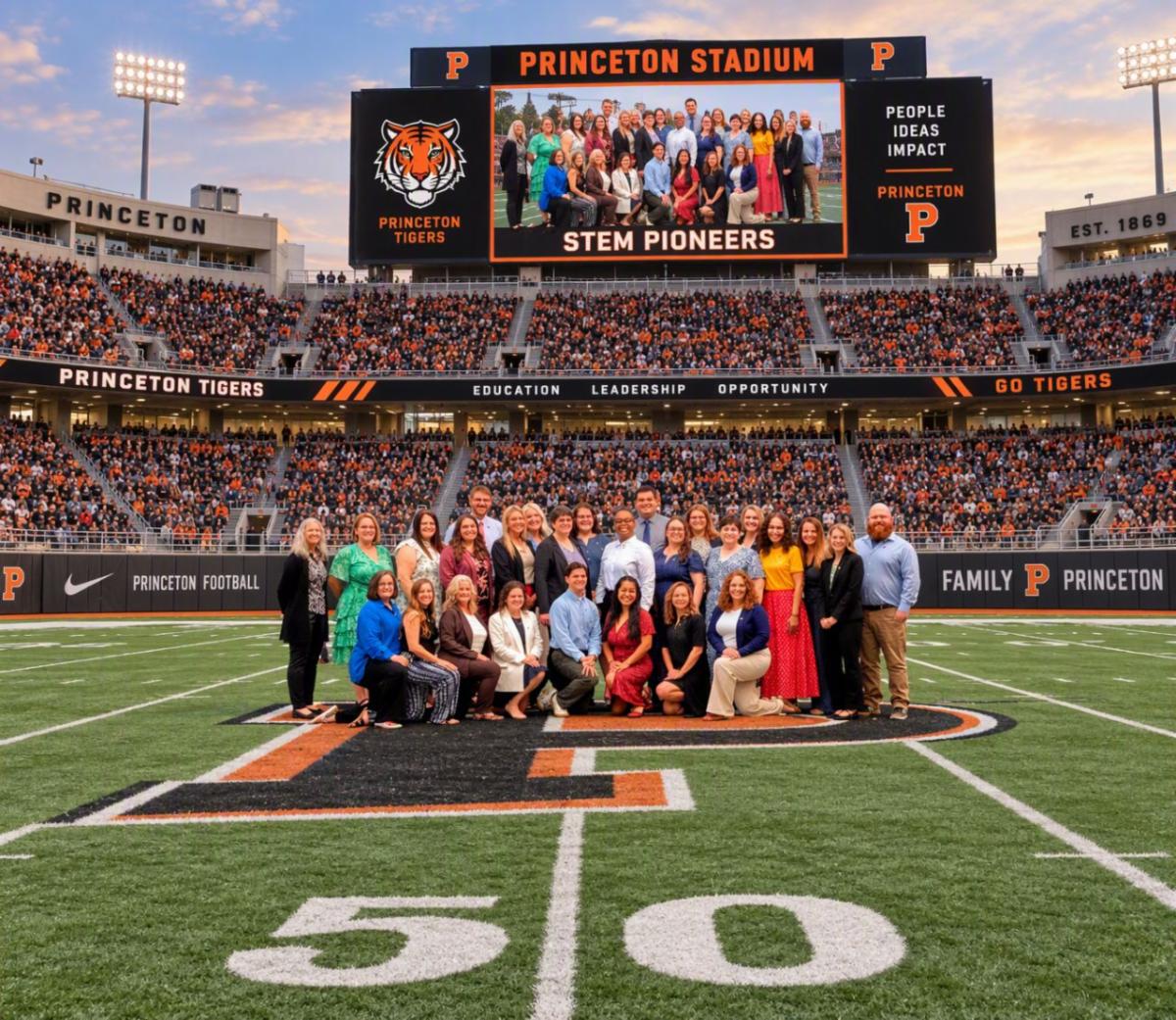
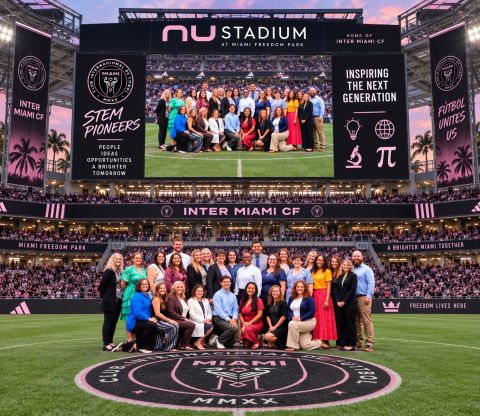
The STEM Pioneers are taking the Mid-Atlantic by storm—both in person and across social media! In just four months since officially launching, their collective online presence has surged to over 28,000 followers on LinkedIn, with thousands more across other platforms and weekly growth nearing 1,500 new followers. To put that into perspective, each week we share a visualization of the packed stadiums it would take to hold their growing community!
What are the STEM Pioneers posting about? Follow #STEMpioneers to connect with them and explore their latest updates:
-
State Conference Impact: Sharing insights and adventures from recent science teachers' conferences, including NJSTA, WVSTA, and PSTA.
-
The Foundation of STEM: Highlighting why Elementary STEM is the bedrock of our nation's collective strength—from workforce development and informed citizenry to national security.
-
Classroom Innovation: Showcasing vibrant, real-world examples of what can be achieved in K-5 classrooms to support and inspire fellow educators.
-
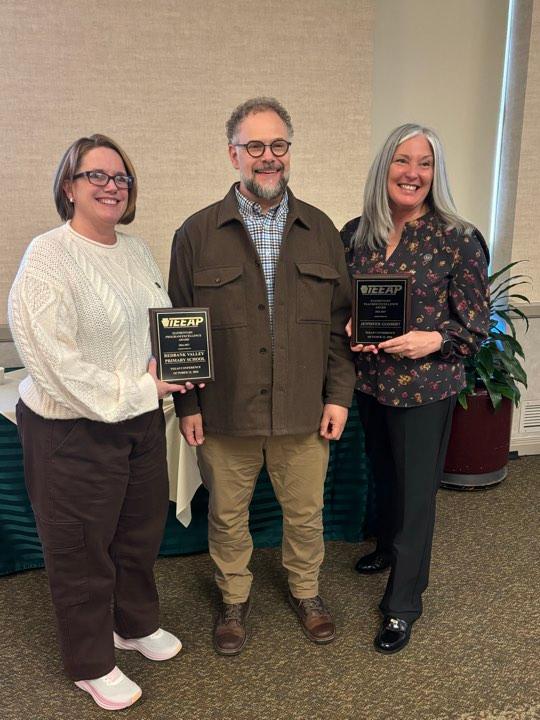
Peer Leadership & Celebration: Highlighting teacher-led workshops across the Mid-Atlantic and celebrating the vital milestones of their colleagues and K12 educators across the Mid-Atlantic. Most recently STEM Pioneers were recognized by the Technology & Engineering Education Association of Pennsylavania, with the TEAP awards for Teacher Excellence (Jen Gossert) and Elementary Program Excellence (Kristen Landers)
If you need a daily dose of inspiration, search #STEMpioneers on your favorite platform for an instant recharge!
| | |
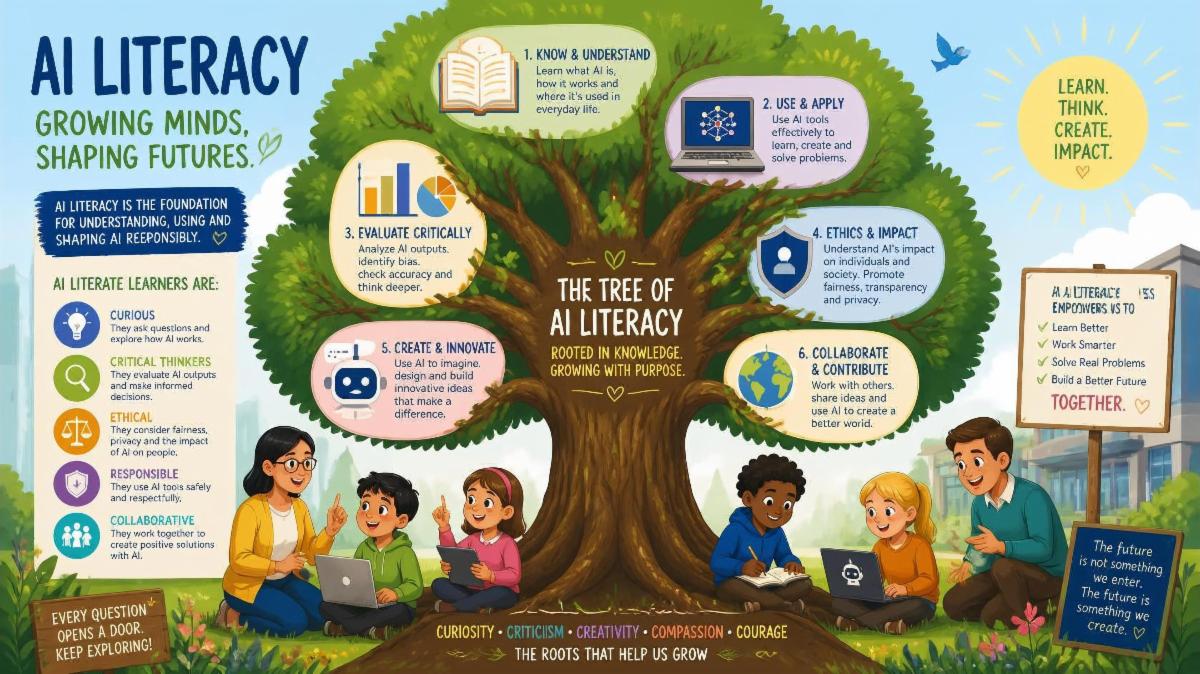
AI Literacy for K-5 Educators
Date: November 7, 2026
Time: 9:00 A.M. - 3:00 P.M.
Location: Virtual Workshop (Zoom)
This one-day virtual workshop introduces K-5 educators to artificial intelligence (AI) and AI literacy through three connected sessions. Participants will leave with practical strategies and classroom-ready ideas they can apply in a range of school settings. Participating teachers will explore:
- Introduction to AI and Machine Learning: An overview of how large language models generate responses and a hands-on demonstration of Google’s Teachable Machine.
- AI in Your Professional Work: Ways teachers can use AI tools for lesson planning and preparing instructional materials, with attention to accuracy, privacy, and responsible use.
- AI Learning for K-5 Students: Developmentally appropriate approaches for building AI and machine learning understanding among K-5 learners.
Click the button below for additional details and registration
| | |
Brain-Inspired Computing Workshop
Date: December 5, 2026
Time: 9:00 A.M. - 3:00 P.M.
Location: 119 Chambers Building, University Park.
How is neuroscience reshaping the future of hardware and artificial intelligence?
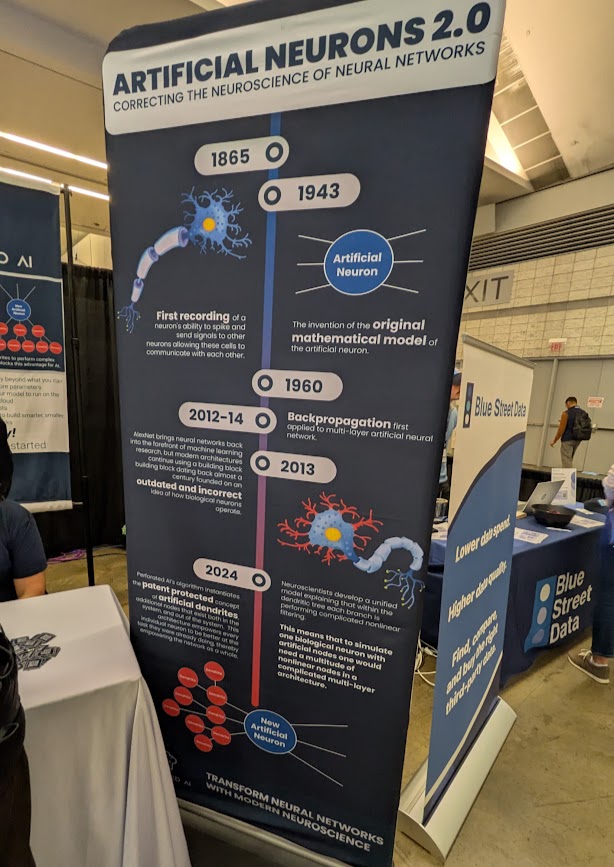
Designed for computer science teachers and educators interested in AI, this hands-on professional development opportunity dives deep into neuromorphic computing and spiking neural networks (SNNs).
What to expect:
- Insights from the Penn State NeuroAI Lab on current research in brain-inspired computing.
- Hands-on Jupyter Notebook coding activities—including training an AI model to recognize handwritten digits.
- Exploration of the trade-offs between accuracy, spike activity, and computational cost for smarter, more efficient AI systems.
Spaces are limited! Learn more and apply today at the button below.
| | |
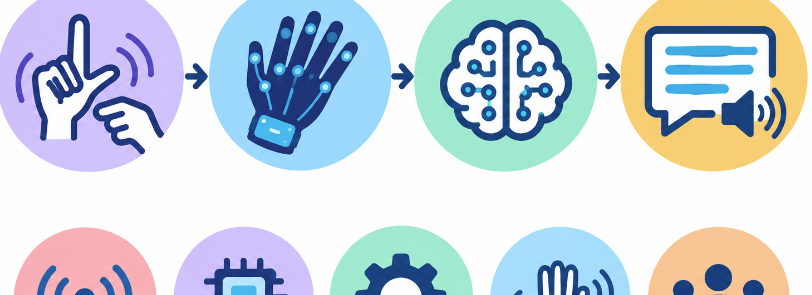
Beyond Words:
Bridging Communication Through Sensor Technology
Date: December 5, 2026
Time: 9:00 A.M. - 3:00 P.M.
Location: 118 Chambers Building, University Park.
Designed for Grades 6-12 and special education educators, this hands-on workshop explores the science behind motion-sensing technology and its potential to support American Sign Language (ASL) recognition in the classroom. Educators will investigate how sensors detect and interpret movement, helping to discover innovative ways to better support students who communicate through ASL.
What to expect and perks:
- Insights into cutting edge technology from our Penn State research enterprise.
- $200 stipend
- Free PocketLab Sensor (valued at $198) to take home for continued experimentation
- ACT 48 noncredit hours
- Complimentary parking pass, breakfast, and lunch
Spaces are limited! Learn more and apply today at the button below.
| | |
PA KidWind and Solar Challenge Competitions Just Around the Corner!
Trainings available for both competitions...
-
Introduction to KidWind (Online Training)- 90-minute training. Thursday, November 19th, 4-5:30 PM > DETAILS
-
KidWind Educator Workshop: From Solar to Spark - Saturday, December 12th. > DETAILS
Registration for the PA KidWind Solar and Wind State Competitions will be LIVE on January 8 2027!
2026-2027 PA KidWind Challenge Season Dates:
-
March 2027: KidWind Solar Energy State Competition to be held at Penn State University Park. (Date will be announced soon.)
-
March 30, 2027: KidWind Wind State Competition to be held at Penn State University Park.
For more information, click the button below.
| | |
Connecting the Dots: Strengthening Pennsylvania’s Energy & Nuclear STEM Pathways
| | |
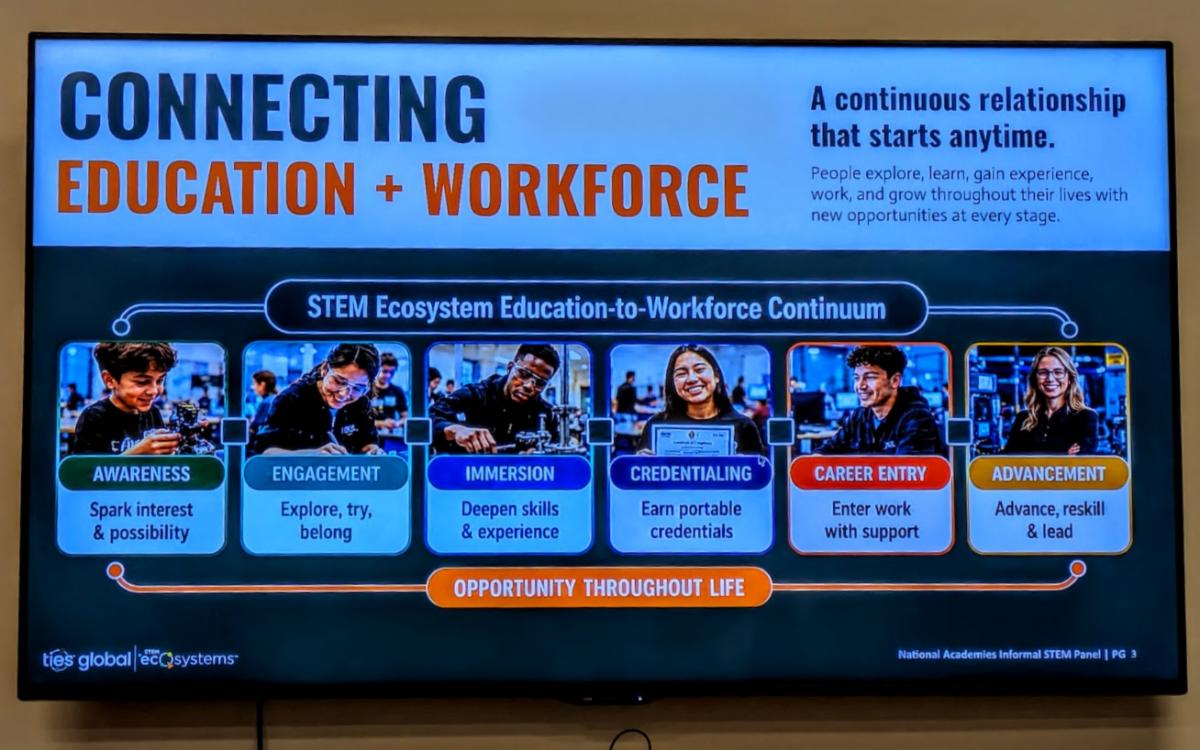
At recent statewide workforce development meetings attended by CSATS, a pattern emerged from asset mapping and gap analyses of "curiosity to career" resources across the Commonwealth: a widespread lack of awareness regarding Pennsylvania’s five STEM-based economic sectors of strength. Furthermore, resources are often missing a clear, vertically articulated alignment across the pipeline:
Awareness > Engagement > Immersion > Credentialing > Career Entry > Advancement.
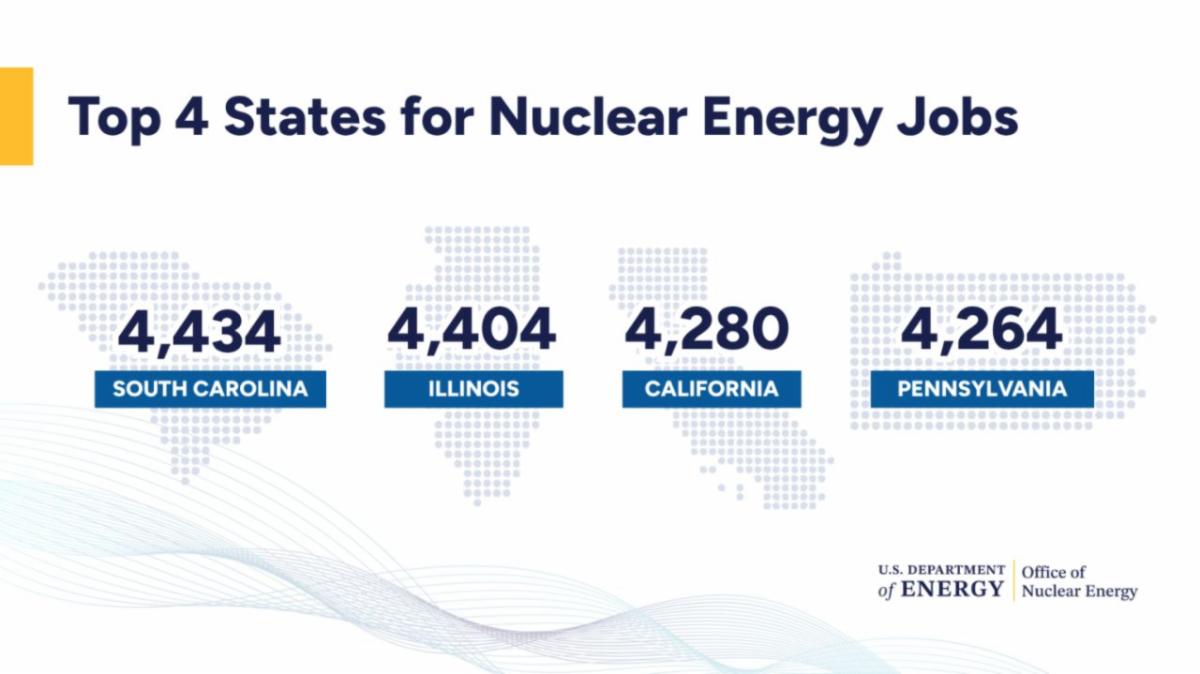
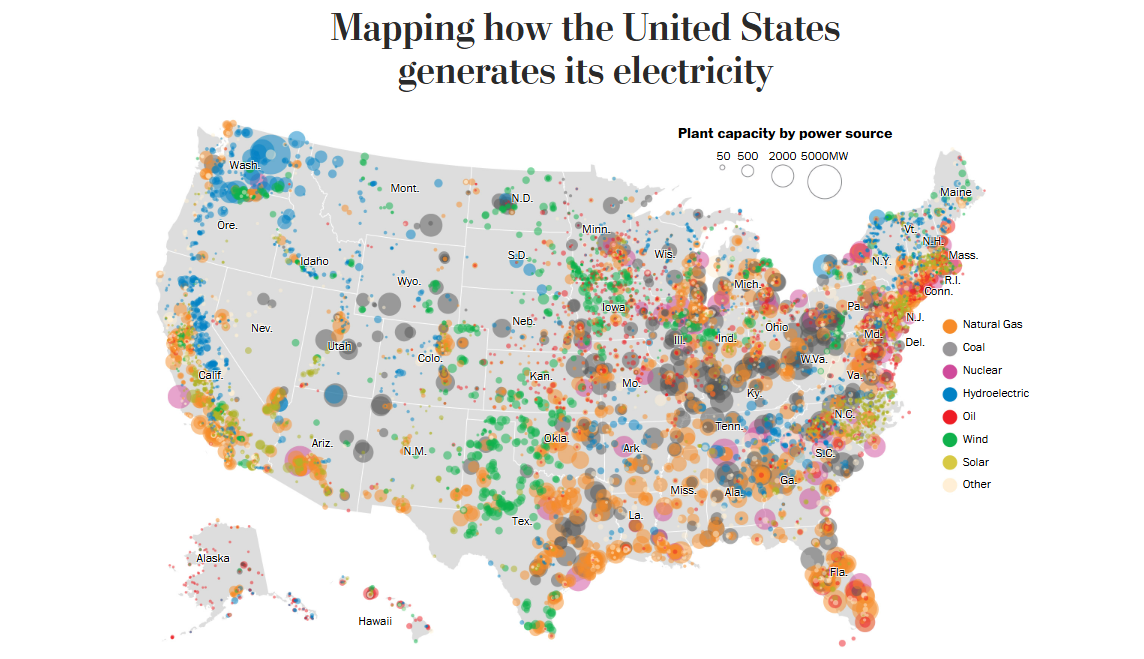
In honor of Nuclear Science and Energy Week, we are highlighting resources within the energy and nuclear sectors to support curiosity-to-career pathways across Pennsylvania. While much work remains to be done, here is a starting look at some valuable assets available in the energy space.
The 35,000 feet view
Awareness > Engagement > Immersion resources for K12
Career Awareness
| | Posted on behalf of Smithsonian Science Education | | |
2027 Smithsonian Science Education Leadership Summit Applications Open
Application Deadline Friday, December 4, 2026
| | |
The 2027 Smithsonian Science Education Leadership Summit applications are open now and close on Friday, December 4, 2026, at 11:59 PM Eastern time. The Smithsonian Science Education Center hosts an annual Science Education Leadership Summit to engage school, district, or state leadership teams throughout the U.S. who seek to address problems of practice related to the recruitment, retention, and support of skilled STEM educators in the K-12 classrooms.
Why Attend? By attending the Summit, the selected teams will have the opportunity to:
• Develop a logic model to address recruitment and retention challenges for a more skilled STEM teacher workforce.
• Collaborate with peers to solve problems of practice.
• Join a national network committed to supporting K-12 STEM teaching.
The Summit will take place in Washington, DC, from Friday, February 26, 2027, to Sunday, February 28, 2027. Please join us and help shape the future of STEM education in your community!
Submit Your Team Application Today!
Team applications are due Friday, December 4, 2026, at 11:59 PM Eastern.
Become a Mentor.
Interested in being a mentor? Mentors play a crucial role in supporting teams by providing expertise and guidance. Mentor applications are due Friday, December 4, 2026, at 11:59 PM Eastern.
Details > https://ssec.si.edu/STEM-summit
| |
Regional Energy Workshops Slated for November 7th | |
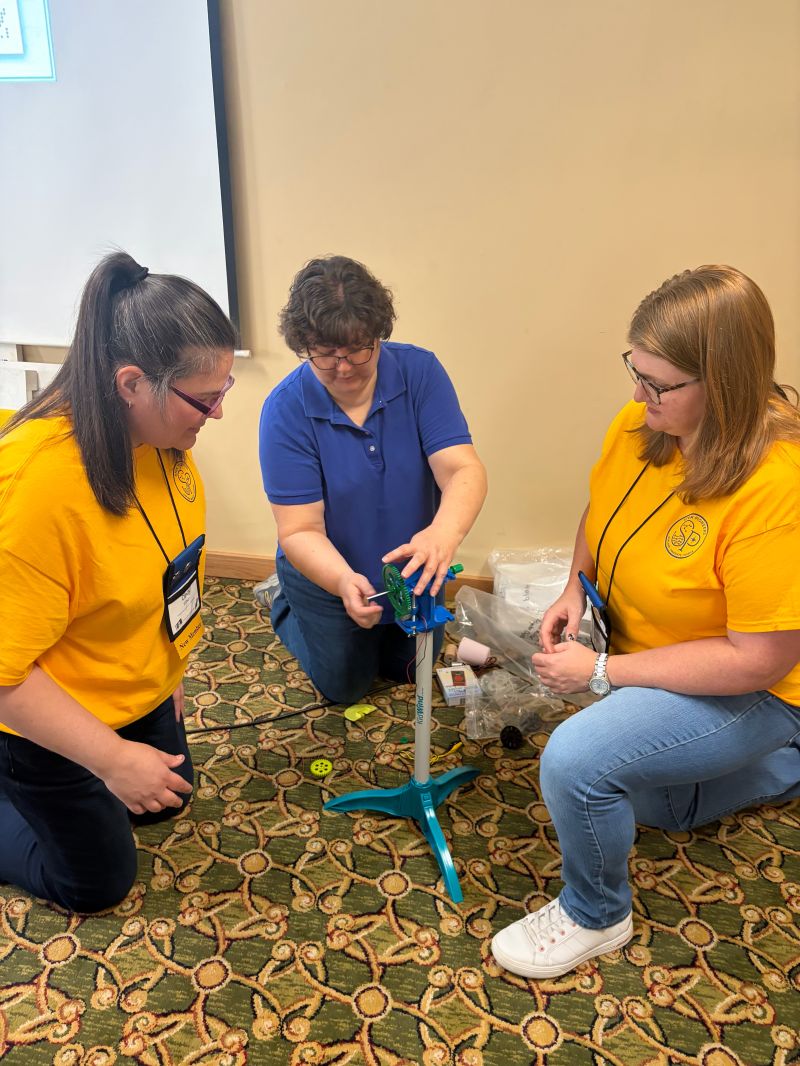
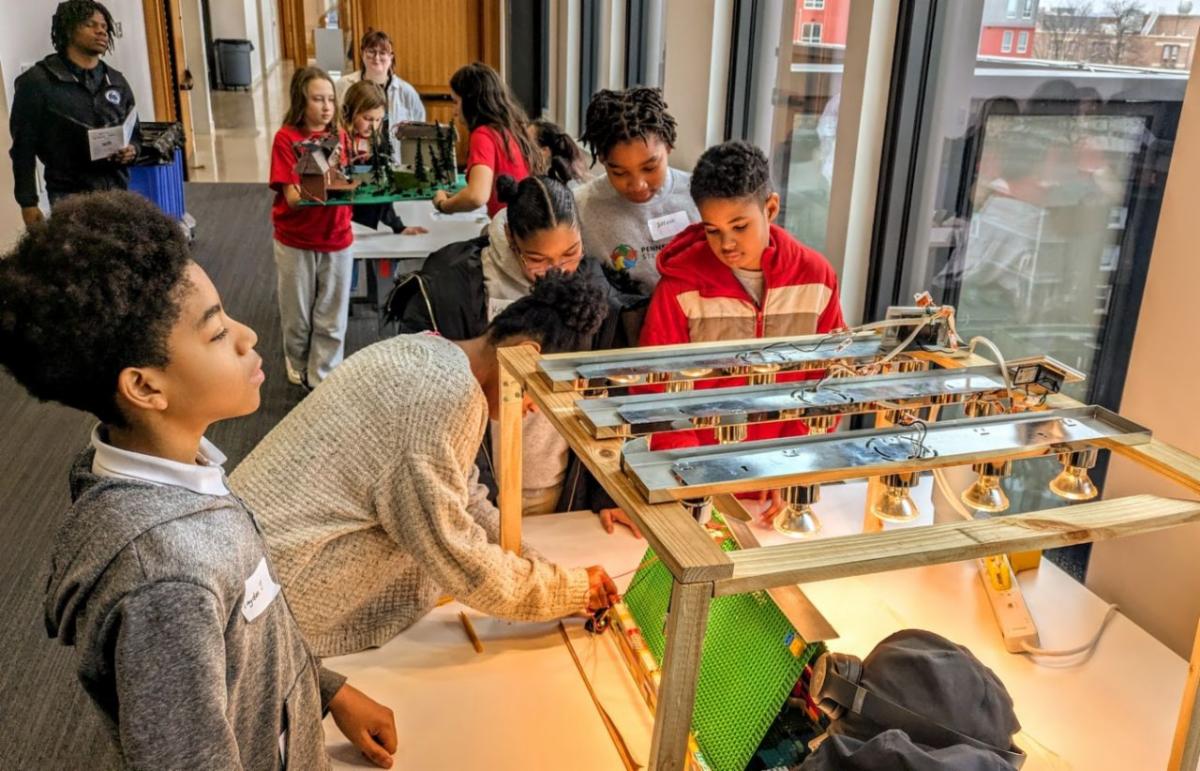
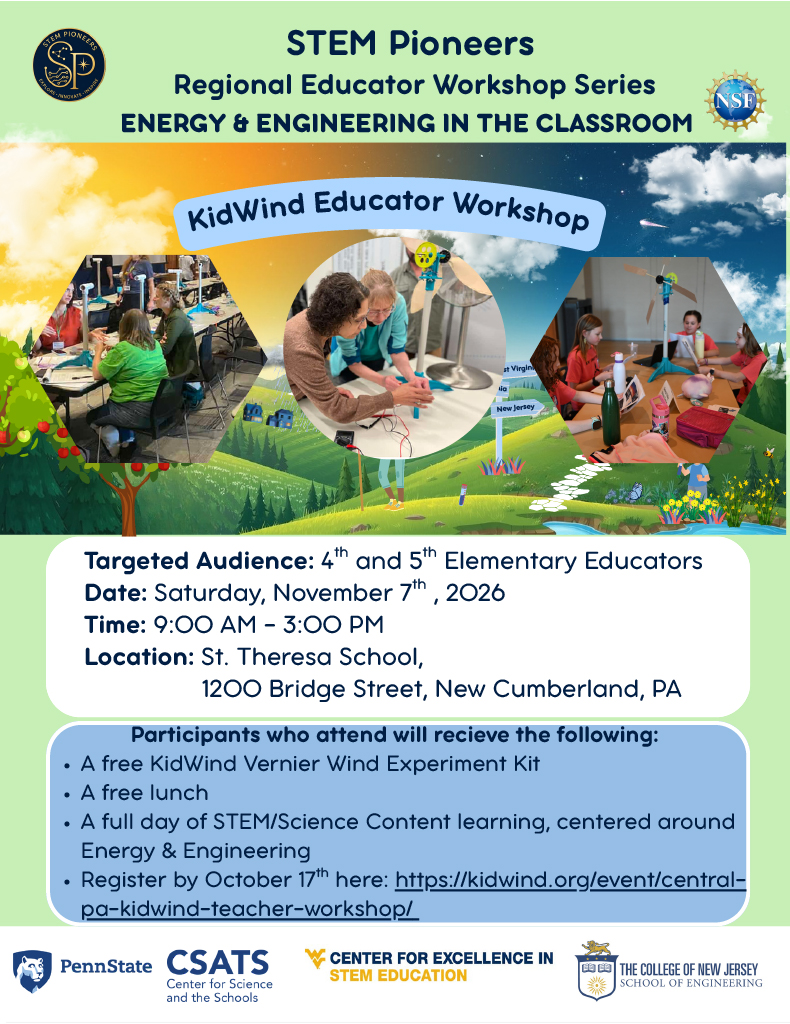
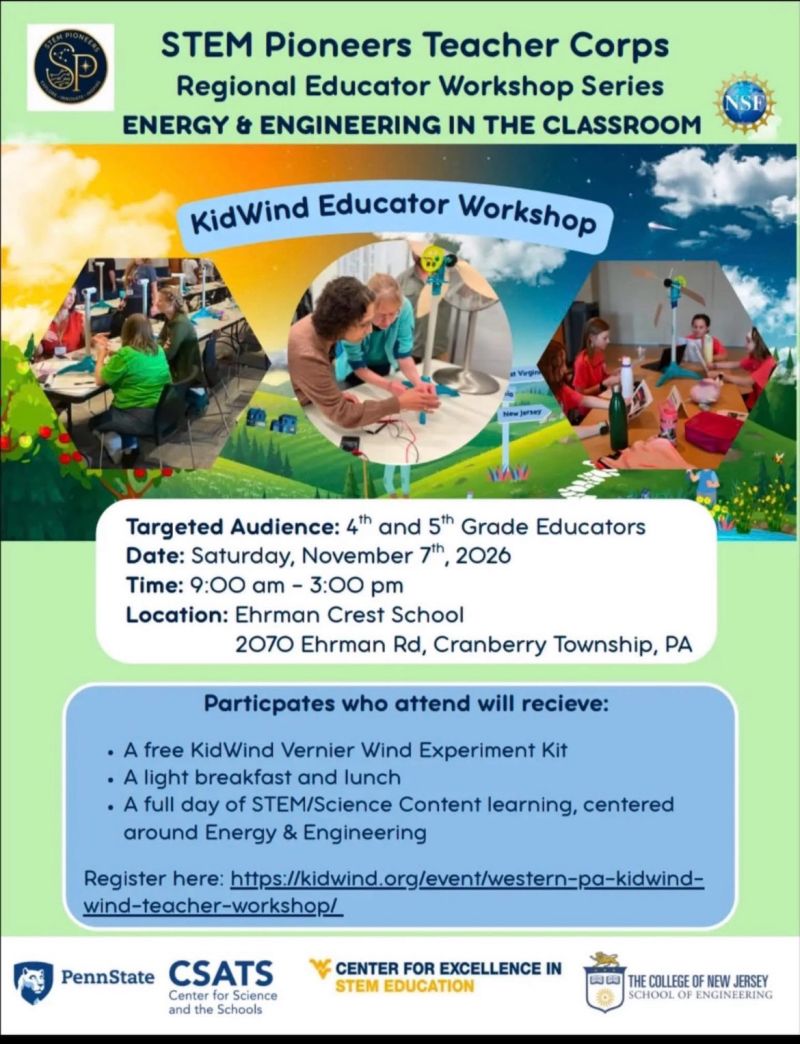
Join fellow educators on Saturday, November 7, 2026, for free KidWind Teacher Workshops at St. Theresa School in New Cumberland, PA. (Central/Eastern PA) and Ehrman Crest School, Cranberry Twp. (Western PA). Participants will explore the fundamentals of energy and electricity, design and test wind turbine blades in a wind tunnel, and discover engaging classroom resources focused on renewable energy and STEM learning. The workshop will also introduce educators to the Pennsylvania KidWind Challenge and provide guidance for coaching student teams through the design and construction of small-scale wind turbines. Each participant will receive a free KidWind Wind Experiment Kit, and lunch will be provided. Space is limited, and registration closes October 20, 2026.
Register today:
Central & Eastern PA
Central PA KidWind Teacher Workshop | KidWind
Westen PA
Western PA KidWind Wind Teacher Workshop | KidWind
| 2026-2027 Penn DoT Innovation Challenge Announced | |
The PennDOT Innovations Challenge invites Pennsylvania high school students (grades 9–12) to tackle real-world transportation issues using problem-solving, creative, and strategic thinking skills.
Challenge Focus: Preventing Bridge & Tunnel Strikes
With over 600 Pennsylvania bridges struck by over height vehicles in recent years—causing traffic congestion, structural damage, expensive repairs, and emergency closures—student teams are tasked with developing an innovative solution to prevent over height vehicles from striking low-clearance bridges and tunnels across the Commonwealth.
Key Details & Submission Highlights
-
The Objective: Create a original, untested concept to detect over height vehicle hazards before collisions occur while improving roadway safety, protecting infrastructure, and minimizing travel disruptions.
-
Eligible Participants: Pennsylvania high school freshmen, sophomores, juniors, and seniors (public, private, charter, or homeschooled) working in teams of 2 to 4 students under a faculty adviser.
-
Submission Deadline: Friday, January 29, 2027, at 11:59 p.m.
-
Initial Submission: A project description of no more than 750 words submitted online by the faculty adviser via the PennDOT Submission Form.
-
Finalist Presentations: Regional finalists will present a 15-slide PowerPoint (15 minutes max) along with visual aids, models, or data to PennDOT District judges. Regional winners advance to the statewide competition to present to the PennDOT Secretary.
-
Awards: Regional winners receive certificates. The statewide winning team receives certificates, a traveling trophy, a permanent engraved trophy for their school, and monetary awards provided by partner industry organizations.
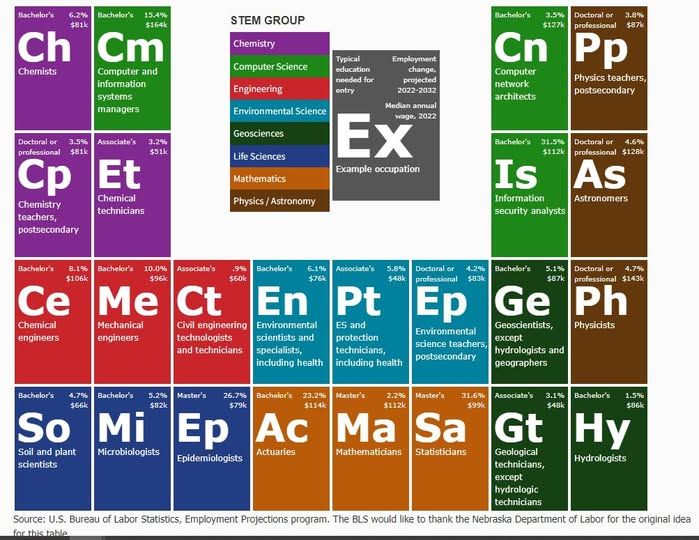
| Periodic Table of STEM Careers | While students across the country learn about elements like Hydrogen, Carbon, and Gold from the traditional periodic table in science class, a different kind of reference tool—the Periodic Table of STEM Occupations—is gaining traction among workforce advocates and educators. Created by the U.S. Bureau of Labor Statistics (BLS), the interactive resource maps out career pathways across disciplines like computer science, engineering, environmental science, and mathematics. | | |
Got AI? We Help You Find 'The Signal Through the Noise'
Our Thumb is on the AI Pulse in Ways Few Others Can Match
| | |
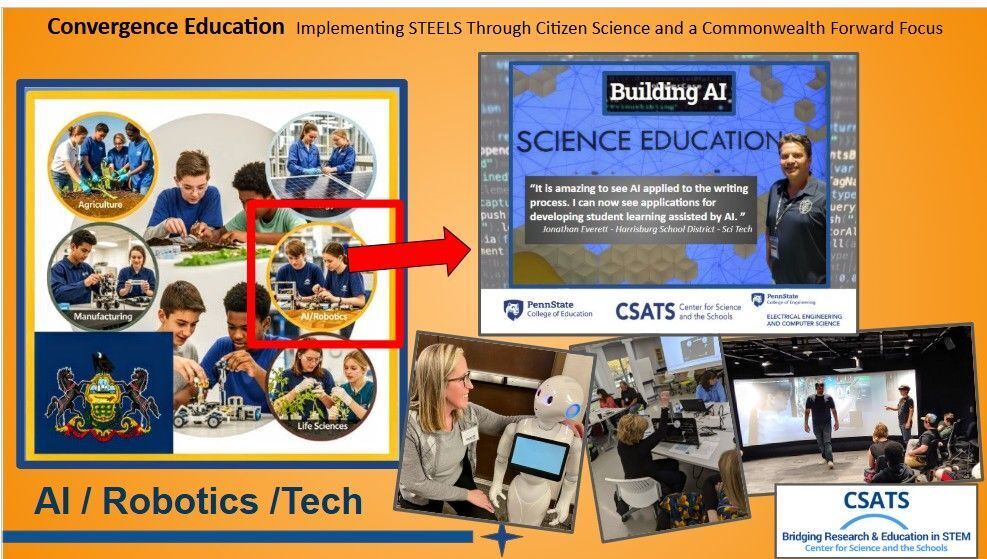
At Penn State CSATS, we immerse ourselves in a vast array of AI influenced sectors with intentionality. From application of AI in K12, to workforce development, to the convergence of AI across Penn State's multiple engineering and STEM research initiatives, we involve ourselves in opportunities to learn the nuances of AI application. We are a member of Penn State's AI Hub and we serve on numerous AI policy and advisement committees and seek opportunities to connect with the Commonwealth's AI/Robotics/Tech networks. We have a voracious appetite to continually learn about AI's impact on K12 as evidenced by our extensive list or AI articles and resources. Within our office, we find AI platforms and tools an indispensable part of our work productivity. We are sought after for keynotes, seminars, professional development, government work, and consultations.
#Jaggedness
In our role translating emerging AI capabilities into K–12 contexts, we found Harvard Business School’s concept of “jaggedness” especially resonant. AI systems often excel at complex, specialized tasks while simultaneously struggling with simple, routine ones. This inconsistency—combined with the inherently human-like way AI interacts with educators and students—can create challenges in K–12 settings. It underscores the importance of grounding AI integration in the pedagogical expertise of experienced educators to ensure both the accuracy of outputs and the integrity of teaching and learning.
How can we support your AI journey? Explore our website or email jeff_remington@psu.edu for more information.
| |
|
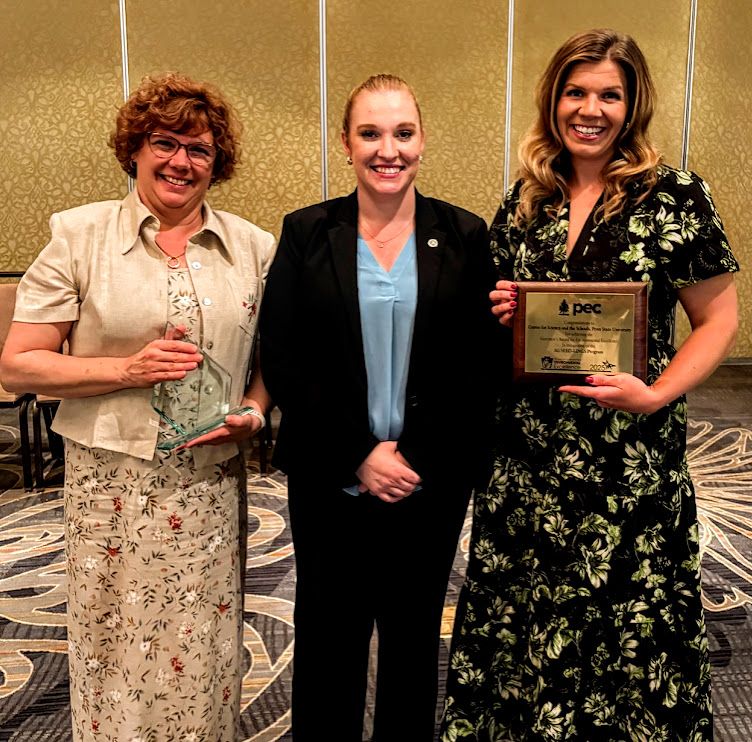
Award Winning AG SEED-LINGS Kits Available
Your School Can Now Acquire These STEELS Aligned Kits!
| | |
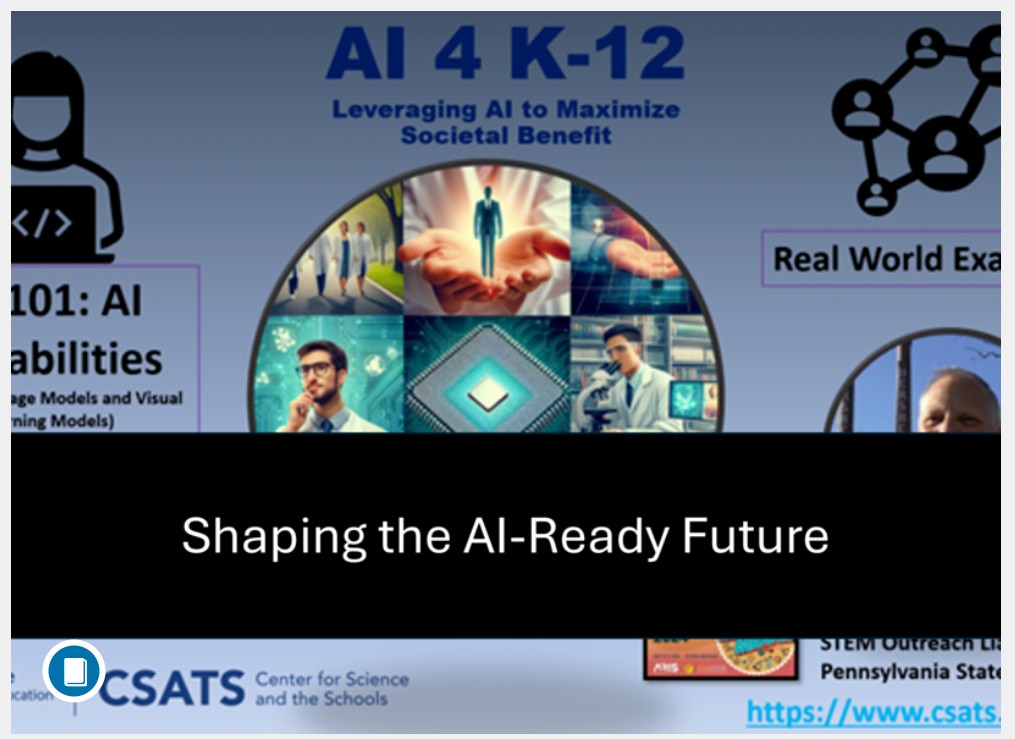
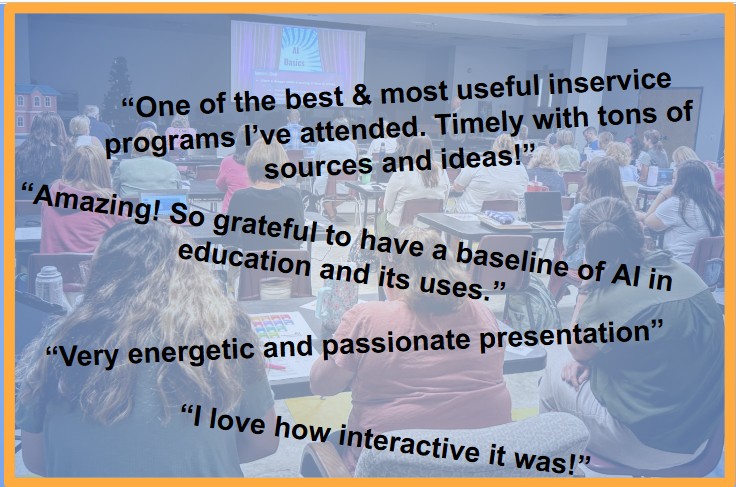
CSATS Can Help Your School Find the "Signal Through the K12 AI Noise"
Consider a Customized PD Session for Your School or District
| | ASCE Bridge Designer, Cloud Edition available for Free! | |
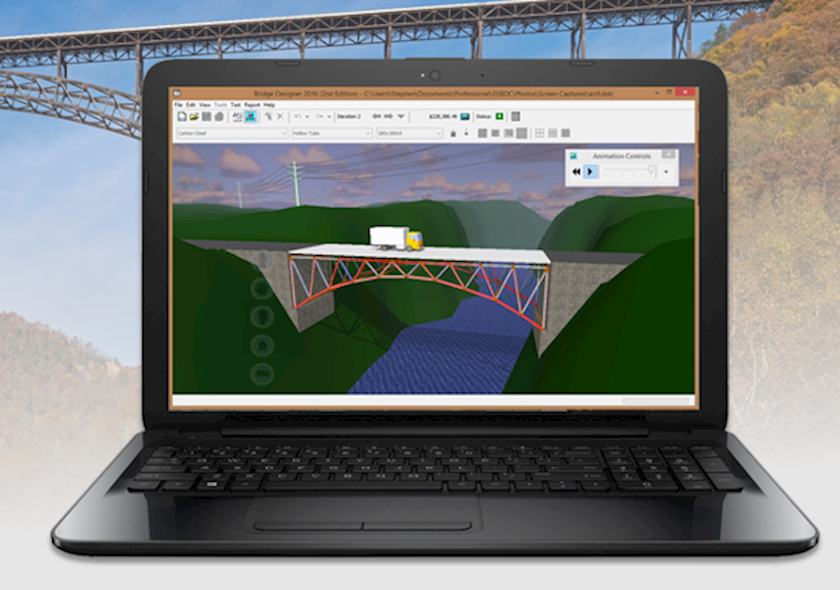
A staples-and-straws classic in STEM education has gone digital—and completely cloud-based. The American Society of Civil Engineers (ASCE) has released the ASCE Bridge Designer, Cloud Edition, updating a free, open-source engineering tool that millions of students have used to learn structural design principles since 2002.
The newest release removes past installation barriers, allowing K-12 educators to integrate real-world engineering concepts directly into their science, physics, and technology curricula through any web browser.
Explore it at this LINK
| | Consider Connecting with The Pennsylvania Statewide STEM Ecosystem (PSSE) | | |
In an era where STEM skills are essential for future careers and innovation, the Pennsylvania Statewide STEM Ecosystem (PSSE) stands out as a vital resource for educators, organizations, and advocates across the Commonwealth. As a collaborative network between regional STEM ecosystems and the Pennsylvania Department of Education, PSSE is designed to foster equitable access to quality STEM education and workforce pathways. Whether you're a classroom teacher, school administrator, or community leader, joining PSSE offers tangible benefits that can transform your work and amplify your impact. Here's why you should connect today.
Free Membership with Exclusive Access
Becoming a PSSE member is straightforward, free, and open to individuals, organizations, and institutions involved in STEM fields. Members gain immediate access to a wealth of resources, including the latest STEM industry news, upcoming events, grant opportunities, and scholarships. For K-12 educators, this means staying ahead of trends like the 2022 STEELS standards or AI integration in curricula without sifting through scattered sources. Recent newsletters, such as the September 2025 edition, highlight practical tools for back-to-school planning, while the October 2024 issue dives into AI's role in transforming education—topics that directly inform classroom strategies.
Networking and Collaboration Opportunities
PSSE's strength lies in its vibrant member directory, which connects you with a diverse community of STEM professionals, from fellow educators to industry experts and policymakers. Use it to share ideas, form partnerships, and tackle local challenges collaboratively. The platform emphasizes inclusivity, diverse perspectives, empathy, and joint action—core values that ensure every voice is heard. For instance, educators can collaborate on project-based learning aligned with Pennsylvania's economic pillars, such as clean energy or advanced manufacturing, creating real-world connections that engage students.
Curated Events and Professional Growth
PSSE curates a calendar of events tailored to STEM advancement, including conferences, webinars, training seminars, and job fairs. Members can submit and promote their own events, ensuring you never miss a policy update or creative workshop. Recent highlights include discussions on unleashing student potential through programs like the CSO Initiative and strategic STEM education plans. These opportunities provide professional development that goes beyond traditional PD, helping teachers build skills in equity-focused STEM while networking with statewide leaders.
Advocacy and Policy Influence
As a member, you join a collective voice advocating for STEM initiatives and legislation. PSSE drafts policy recommendations and stewards a community of practice centered on equity, inclusion, and belonging. This is particularly valuable for K-12 educators navigating changes like the new STEELS standards or funding for sustainability programs. By participating, you help shape Pennsylvania's STEM landscape, ensuring resources reach underserved communities and prepare all students to become tomorrow's problem-solvers.
A Commitment to a Brighter Future
PSSE's vision is clear: All Pennsylvanians deserve access to quality STEM education and career pathways. Their mission—through cross-sector convenings, resource amplification, and advocacy—aligns perfectly with the needs of busy educators seeking meaningful support. The archives offer downloadable resources like introductory STEM guides and visual data, making it easy to reference materials for lesson planning or grant applications.
Joining PSSE isn't just about membership; it's about becoming part of a passionate network driving STEM forward. Head to pastemecosystem.org to sign up today—it's quick, free, and a step toward empowering your students for success. Follow PSSE on Facebook, Instagram, Bluesky, or LinkedIn for ongoing updates, and start connecting with like-minded advocates across Pennsylvania. Your involvement could spark the next big breakthrough in STEM education.
| | Posted on behalf of Penn State College of Engineering | | |
We Are Engineers Campaign
Have Your Students Explore 14 Different Engineering Disciplines
| |
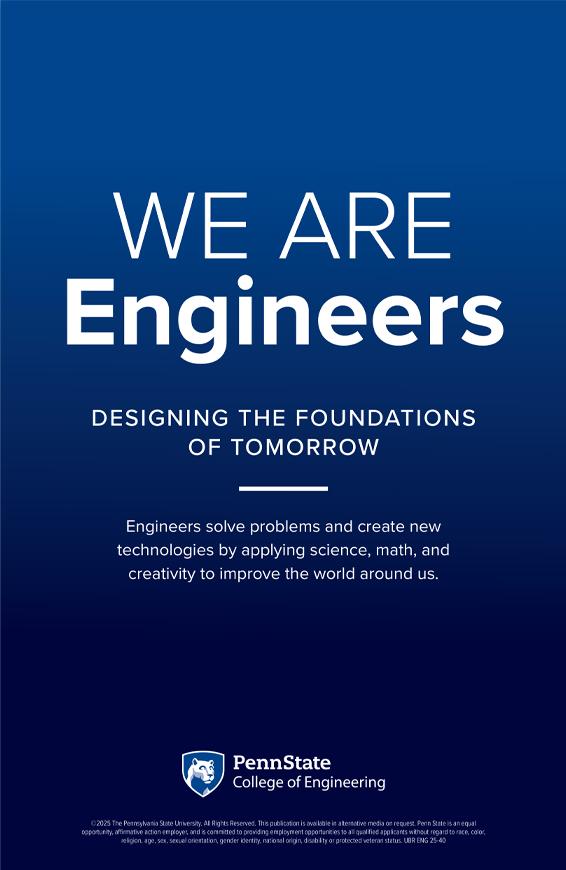
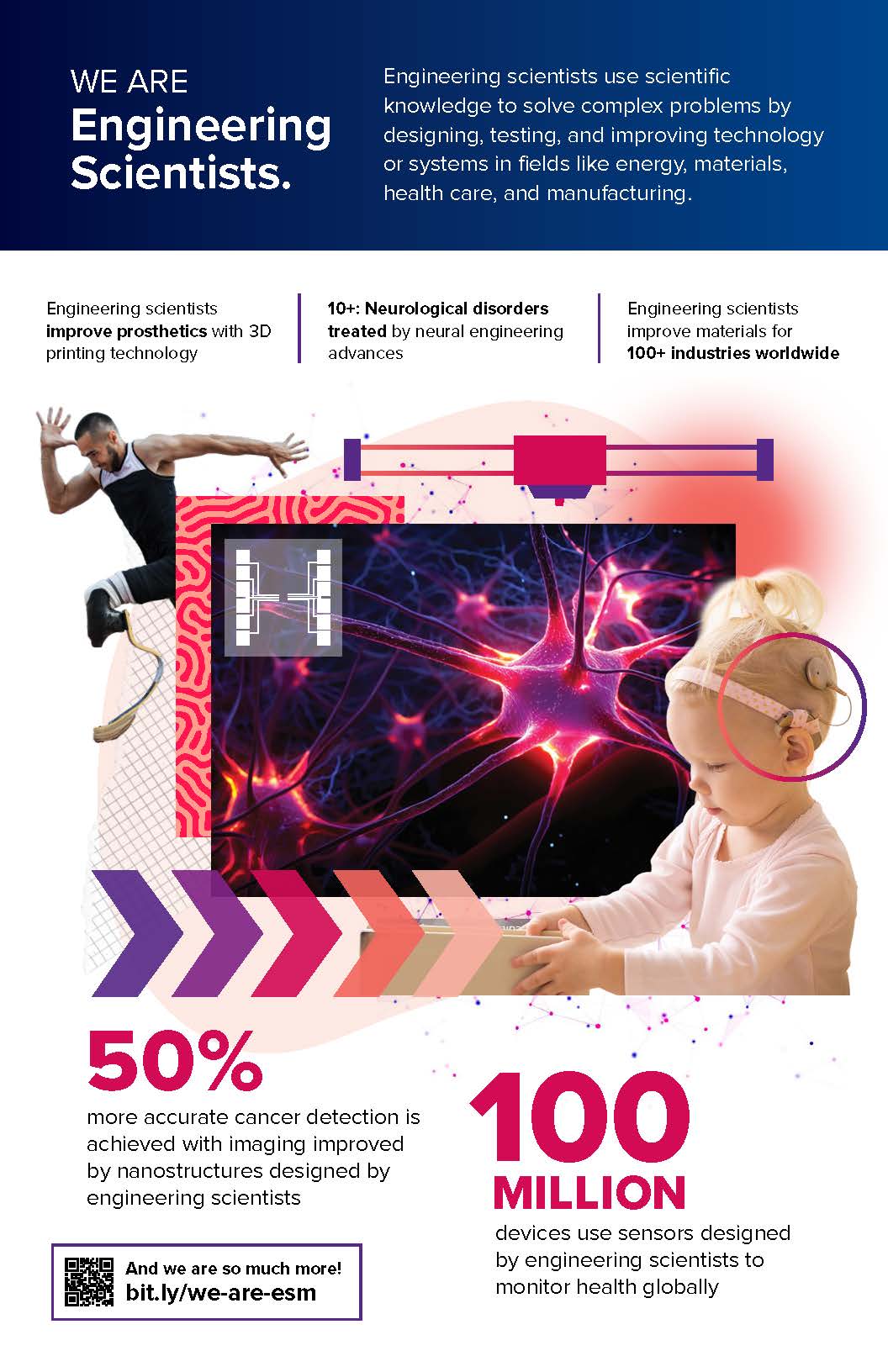
Students don't know what they don't know. Although engineering is a popular major and a general aspiration of many secondary students, they seldom realize the depth and breadth of engineering possibilities. To help students explore engineering disciplines, a poster campaign was developed by the Penn State College of Engineering for the Engineering Ambassadors (EA) to share with teachers and schools. Part of the EA mission to inspire K-12 students to improve the world through engineering (https://bit.ly/46j4ACf).
Engineering Scientists are featured below. Explore "What is Engineering Science?" and learn all about Nuclear Science, the undergraduate major experience, career pathways, and the latest enhancements in the industry from students, faculty, and alumni of the Penn State College of Engineering. What is Engineering Science? (Video)
For more information on all engineering majors at University Park in the College of Engineering, visit the Explore Majors section of the website which includes videos to share with K-12 students. View the playlist of the full Exploring Majors video series. #WeAreEngineers
| | Posted on behalf of the Spark Photonic Foundation | |
Explore Advanced Manufacturing
With Your Students
| |
How can CSATS help your school? | |
Interested in learning more about the Center for Science and the Schools and other opportunities for teachers and students available from Penn State? How can your school become involved in STEM projects with us?
Please contact the CSATS Outreach Liaison Jeff Remington (jeff_remington@psu.edu) to set up a phone or in-person appointment with your school to review your STEM needs and goals!
| | |
Our opportunities are possible due to research grants with scientists and engineers. However, in order to expand the work we do to further impact K-12 education in STEM and provide further resources, materials, and experiences for teachers, this is made possible by the support of our donors. To make a donation to Penn State Center for Science and the Schools, please visit our GIVE page and also see our current IMPACTS across Pennsylvania and the nation.
| | Follow us on social media | | | | |