|
News and Opportunities To Learn & Grow
| |
|
CSATS YIE3LD Summer Workshop Gains Attention
Expanding Youth Involvement in Exploring Exciting Employment Directions in Agriculture
| |
|
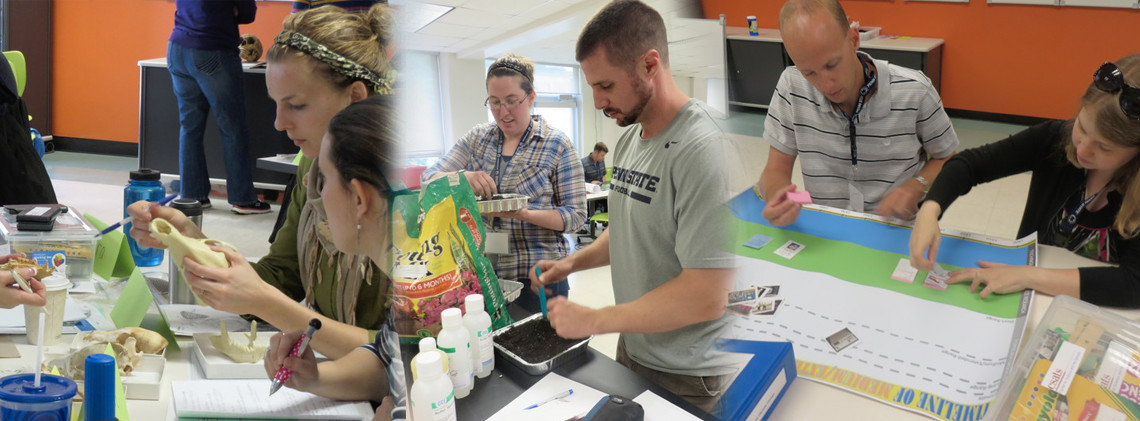
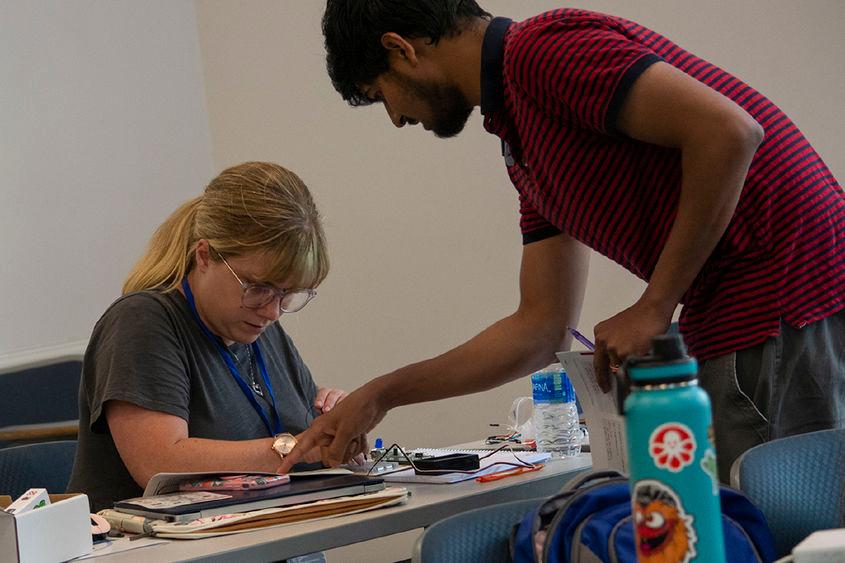
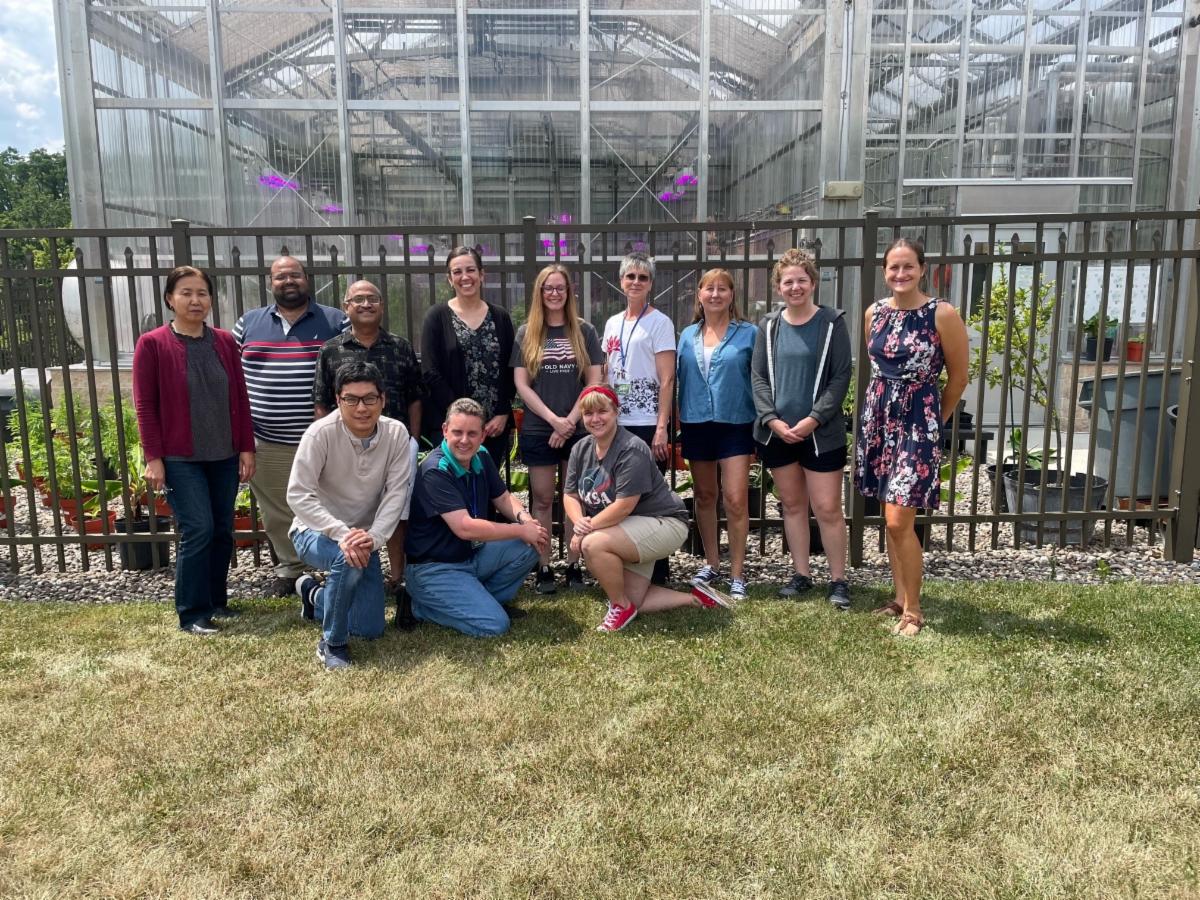
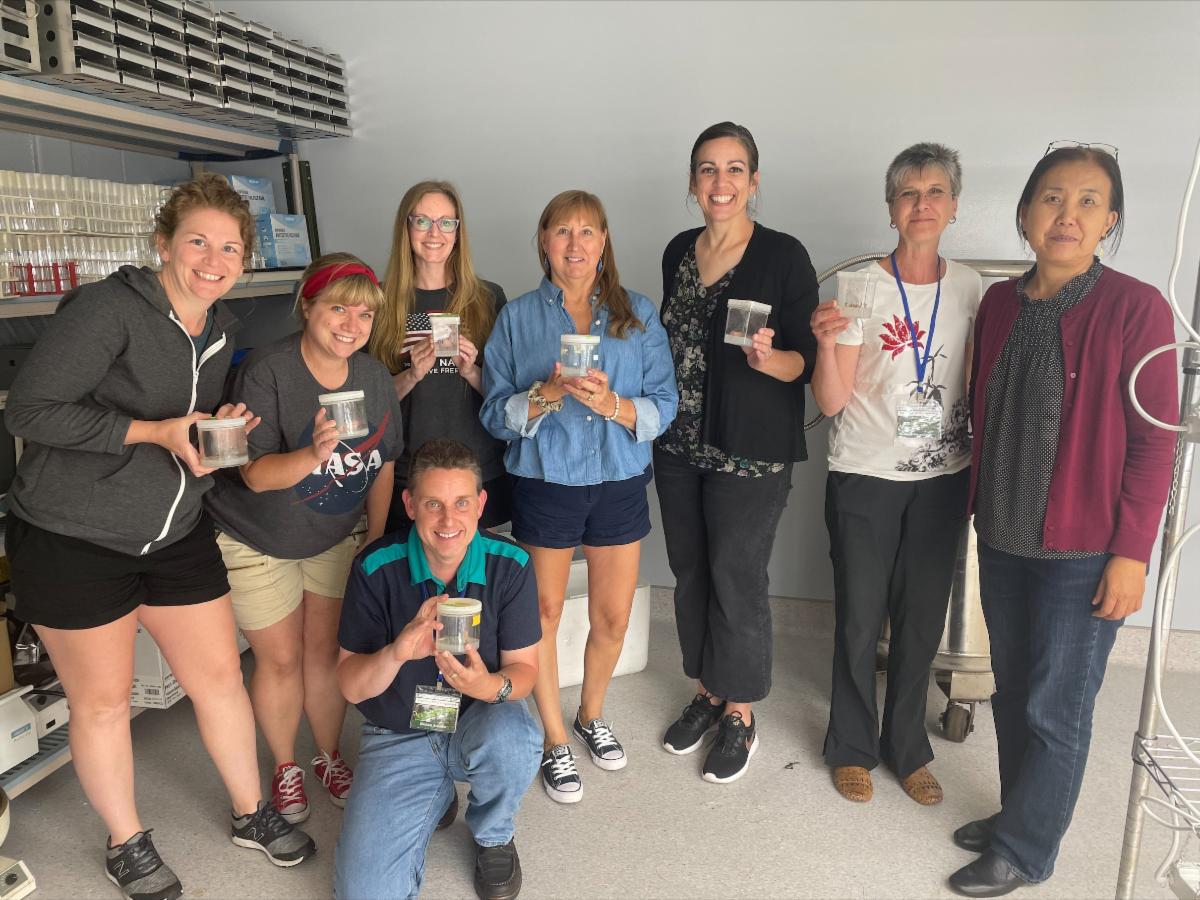
During recent summers, Penn State Harrisburg has been the venue for an innovative workshop that provides educators with a stipend to participate and to implement their newly gained knowledge as well as their honed science and engineering practices.
The week-long professional development workshop addresses the challenge of food production for the world’s increasing population and how to train our youth in state-of-art technology to satisfy the needs of the agricultural industry. Teachers learn how to automate hydroponics systems, carry out plant tissue culture and breeding, and learn about medicinal properties of plants.
Tiffany Lewis, CSATS STEM education specialist, said, “We leverage the practices of researchers to design learning experiences for younger students, so they better understand what the work of science and engineering is all about."
“We’ve got to change the way we approach science instruction — getting kids to actually be able to apply a science or engineering practice,” said Krista Farner, a sixth-grade teacher in the Central Dauphin School District
To find out more about the amazing impact of this program, click the button below. Stay tuned for updated information on how to apply to become a participant of the YIE3LD workshop.
| |
|
CSATS Presents and Makes Connections at PSTA
The Pennsylvania Science Teachers Association Annual Conference
| |
|
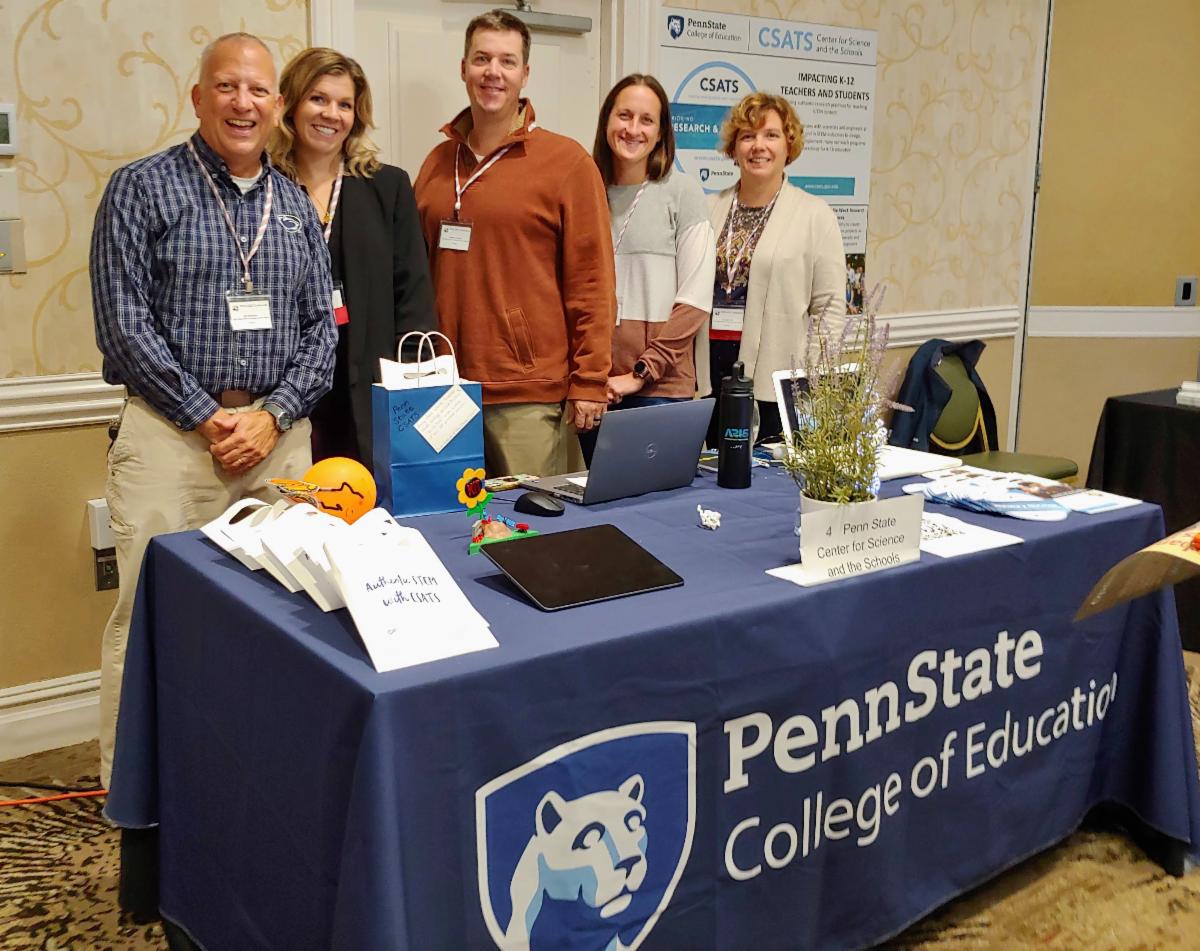
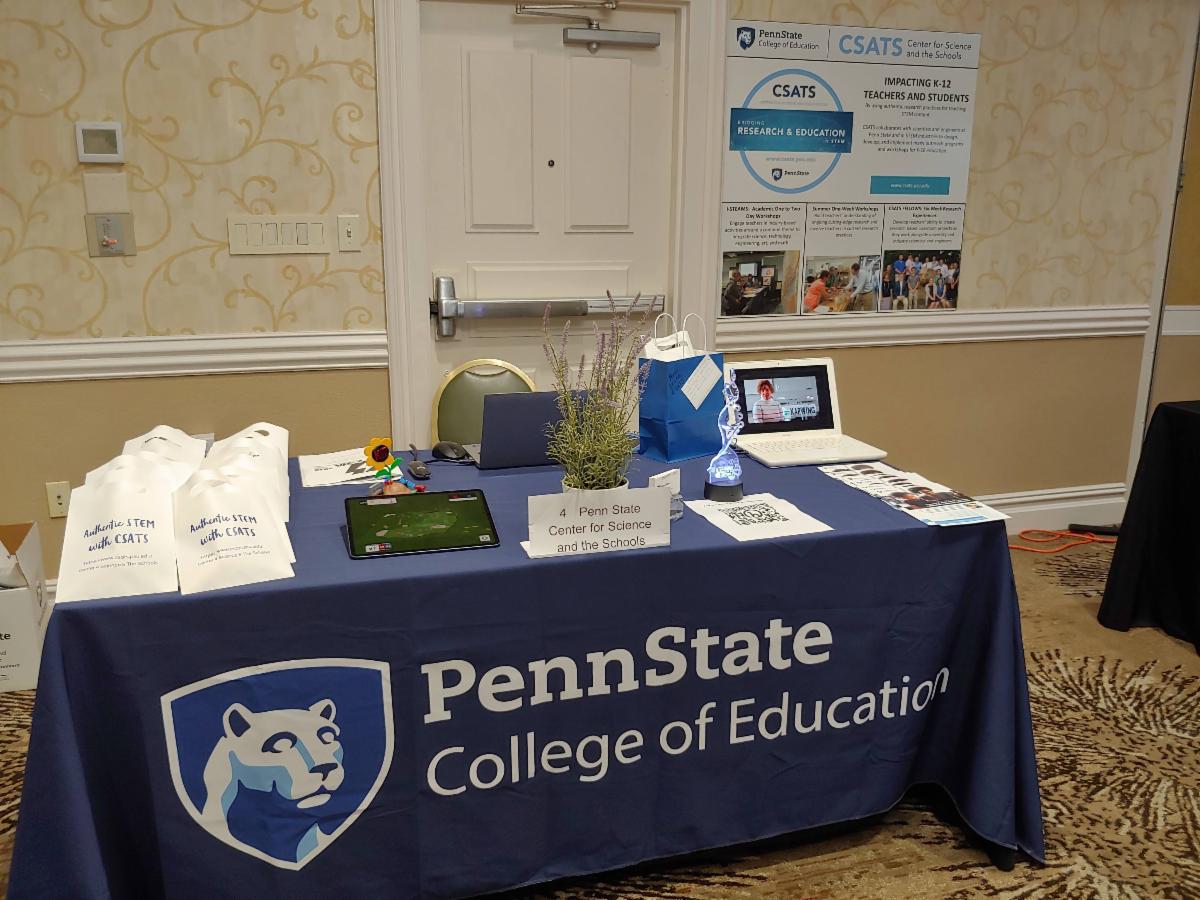
The Lancaster DoubleTree Resort was the site of the 2022 Pennsylvania Science Teachers Association's annual conference. The CSATS team had a substantial presence at the conference highlighting how we support educators and schools on authentic STEM journeys. From poster sessions, to presentations, to a table at the exhibition hall, CSATS staff members were grateful for the opportunity to serve others.
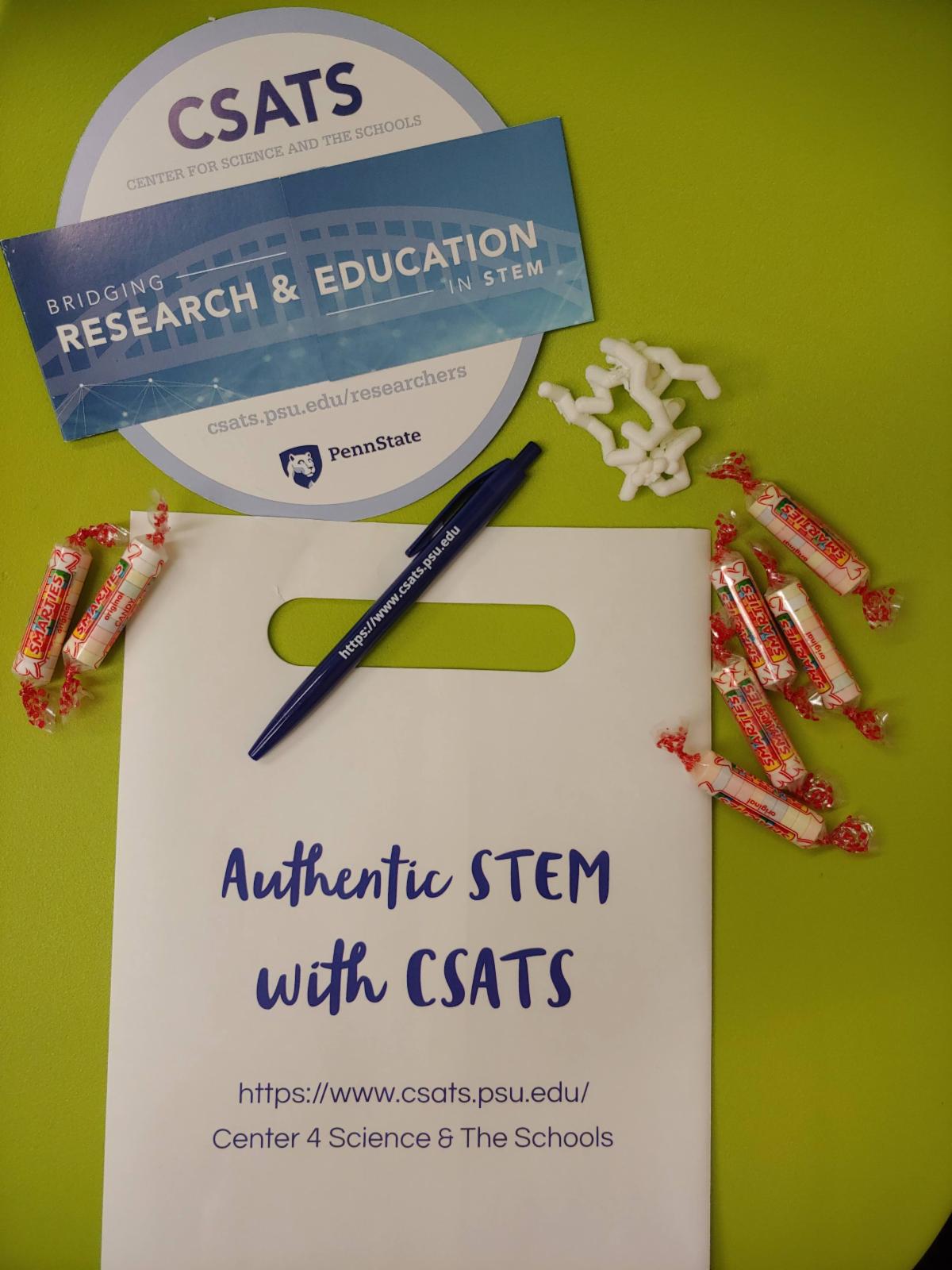
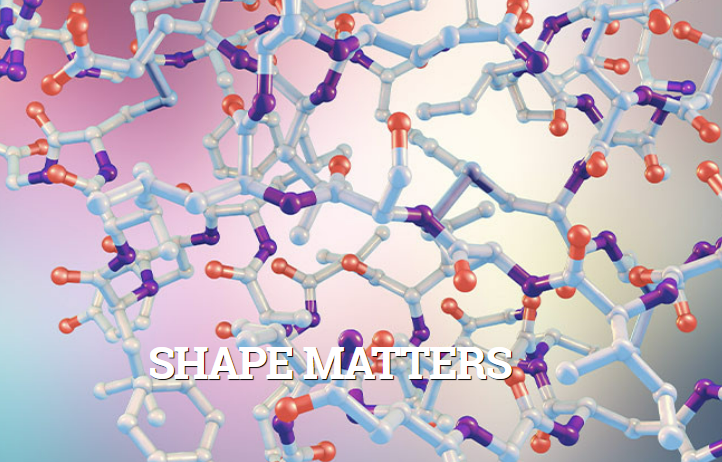
Conference participants stopping by the CSATS table gained awareness of the value that CSATS brings to educators and schools. Participants could view a video showcasing an example of our work, interact with an Agent Based Model similar to what CSATS produces to help students conceptualize science and engineering practices by coding for a purpose. Participants were treated to CSATS "Bling Bags" that contained a 3D printed Insulin model that represents a molecular story from our Shape Matters workshop that we offer.
CSATS supported teachers from the Phillipsburg-Osceola School District as they presented on "Teaching Engineering in Elementary Settings: Challenges and Opportunities". The presenting teachers, Bethany Thompson, Heathery Haney, Ashton Fox, and Ashlea Cower, shared their recent experiences in teaching engineering concepts in their classrooms. The newly-released Pennsylvania Science and Technology Standards, referred to as the STEEEL Standards, will require elementary teachers to teach science and engineering practices in their classrooms. CSATS provides supports for teachers on this journey.
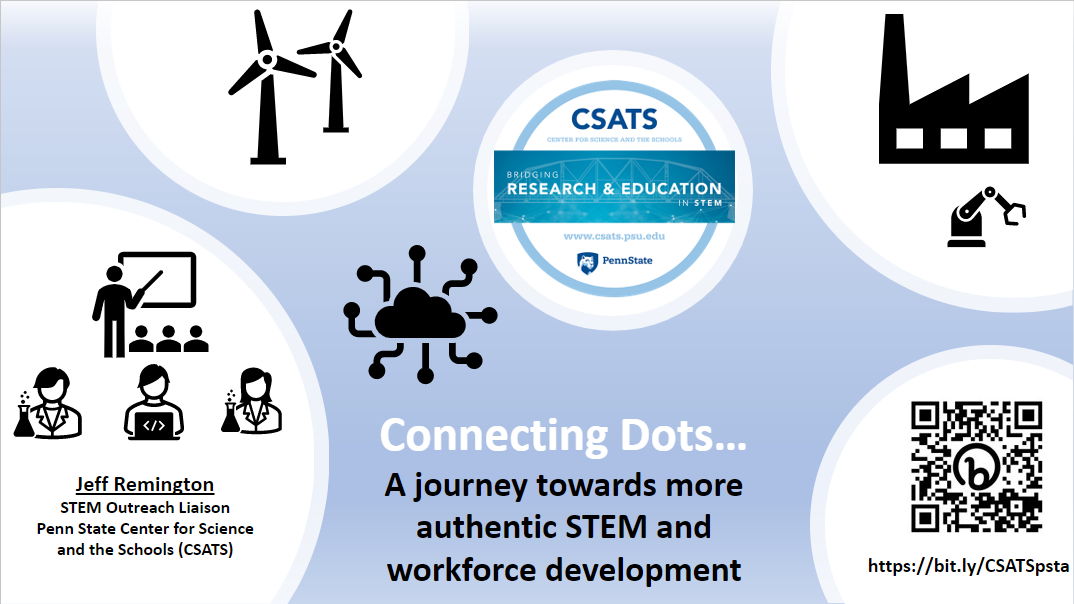
CSATS staff also provided a presentation on ways CSATS can support educators and schools seeking to journey toward more authentic STEM practices and workforce development. An authentic STEM journey aligns wit the intent of the newly-released Pennsylvania Science and Technology Standards as well as federal initiatives. To view that presentation, click the button below.
| |
|
SHAPE MATTERS
Taking Your Students on Molecular Story Journeys Through Authentic Modelling
| |
|
Shaping Authentic Practices by Engaging in Modeling of
A Topic with Teachers to Explore Research in Science
(SHAPE MATTERS)
June 19 - June 30, 2023
Monday - Friday, 9 AM - 4 PM
118 Chambers Building, University Park, PA 16802
Participant Benefits:
- A $600 stipend for participating during the summer
- A $1,500 stipend for implementation in the classroom
- Over $2,000 of lab and molecular modeling materials for the classroom
- Invitation to bring students to present molecular modeling projects at the SMART teams symposium
- Act 48 credit is available upon request
SHAPE MATTERS is a 10-day summer professional development workshop for Pennsylvanian secondary life science and chemistry teachers in collaboration with science education faculty from the Center for Science and the Schools (CSATS) and research scientists from the Penn State College of Medicine and the Eberly College of Science. Teachers will engage in techniques such as crystallization, structure determination, and modeling using the molecular visualization software, Jmol, to explore molecular stories related to human health. Teachers will work with the SHAPE
MATTERS team to co-construct a molecular modeling research project for their classroom. The research project will support student participation in the SMART teams program. For more information or to register, click the Shape Matters button below.
| |
|
IU13 Curriculum Coordinators Gain Awareness of Science Practices
CSATS Staff Facilitate Professional Development on the Science & Engineering Practices Inherent in the Newly-Released Pennsylvania Science and Technology Standards
| |
|
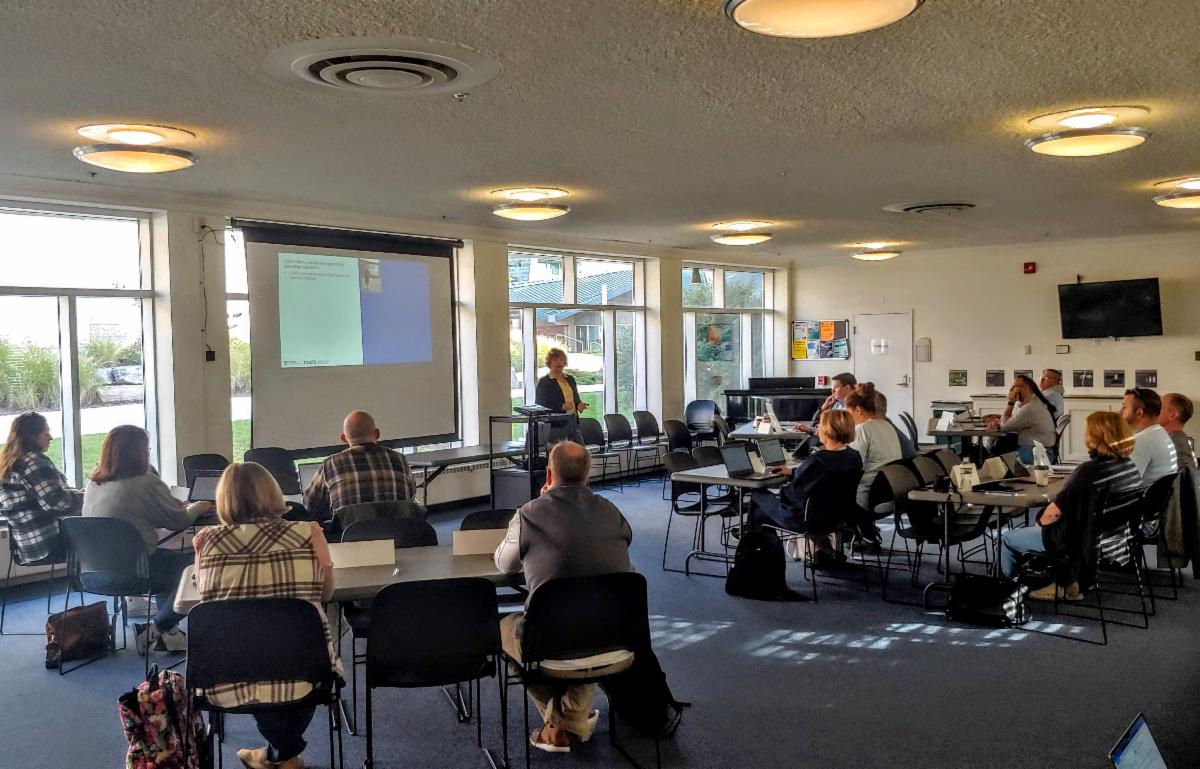
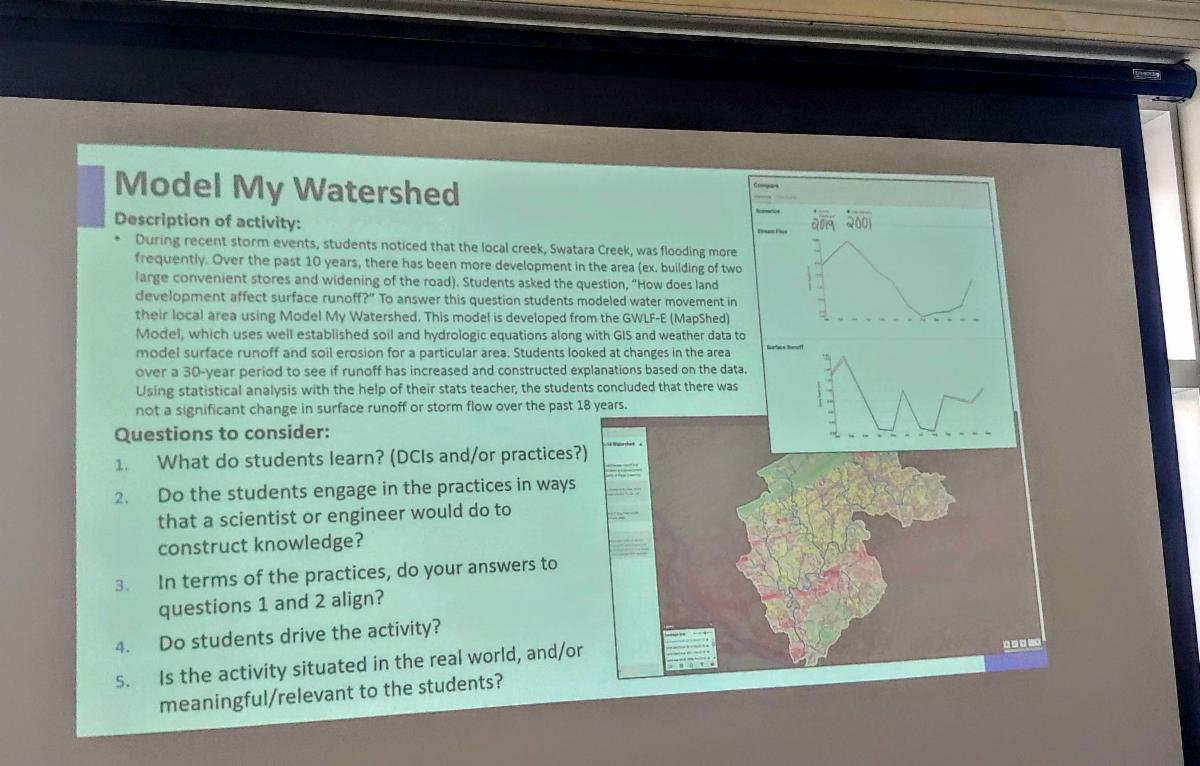
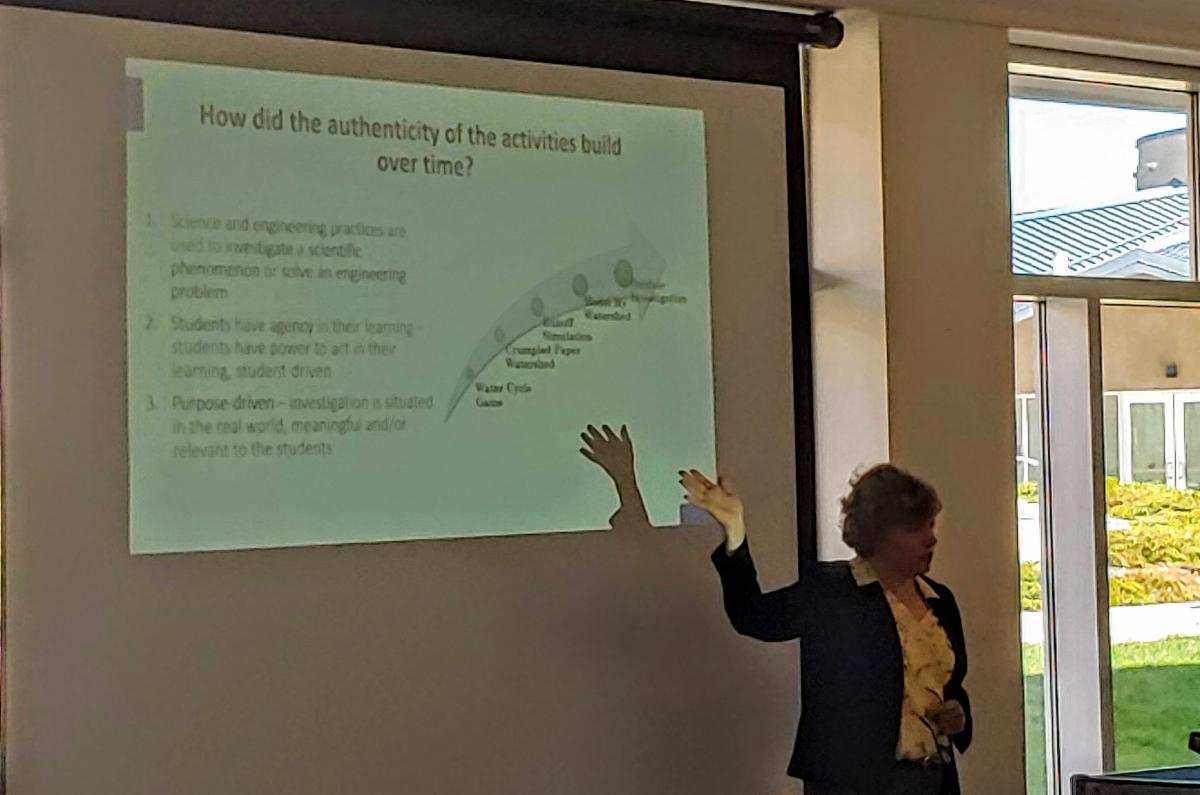
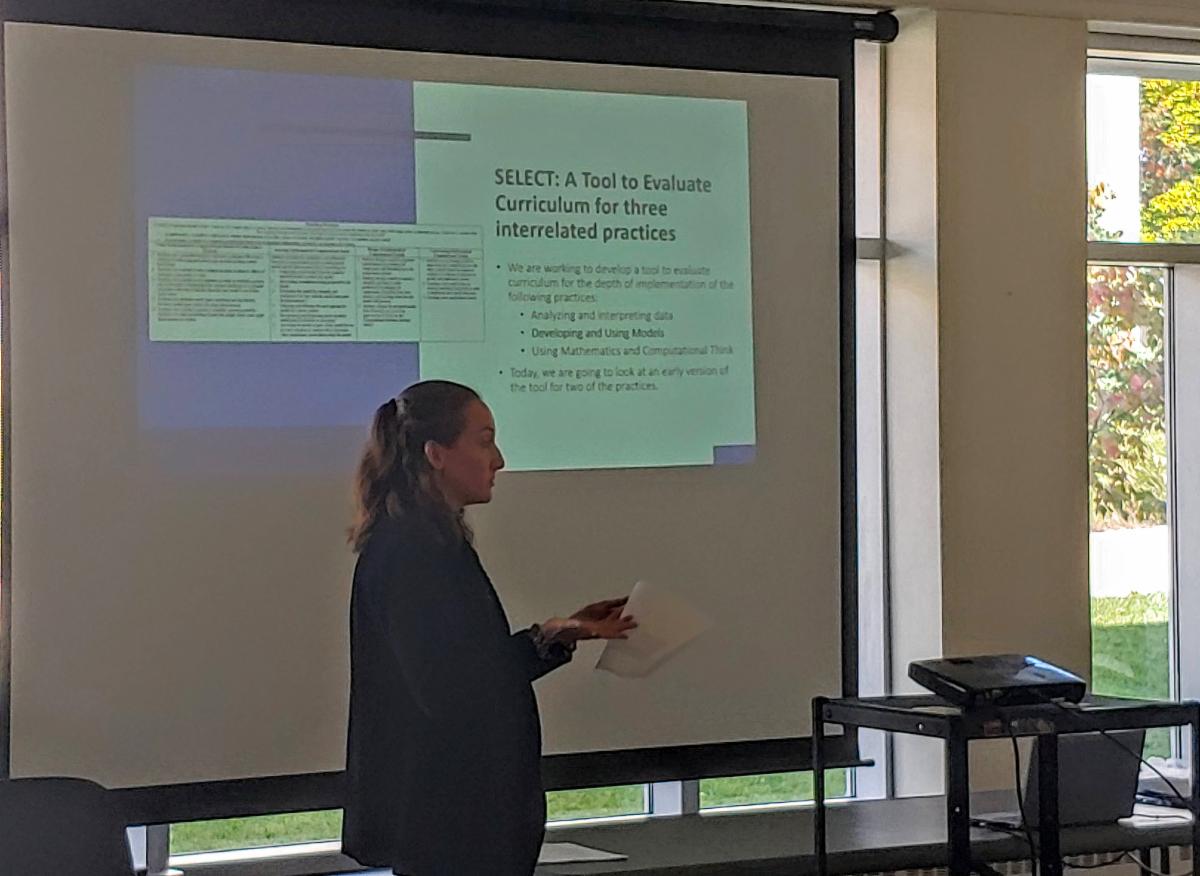
Pennsylvania's newly adopted academic standards for Science, Technology, Engineering, Environment and Ecology Literacy (STEEEL) will be based in 3 Dimensional Learning. An extensive change in the pedagogy of teaching science with these new standards will be the Science and Engineering Practices (SEPs) that PreK-6 and subject specific educators will have to incorporate in their classrooms. IU13 curriculum coordinators participated in a professional development provided by CSATS that helps them understand the implications the SEPs will have on teaching, learning, curriculum development and teacher evaluation. This particular session walked administrators through the SEP of Developing and Using Models. Administrators became aware of a progression of model uses that took them on a journey from contrived science models toward authentic, realistic models, similar to those that scientists and engineers use in their daily practice.
To learn more about these eight SEPs, click the button below. CSATS specializes in developing these practices in educators which in turn creates education providers with more authentic, interdisciplinary, workforce ready experiences for their students.
| |
Posted on behalf of the Penn State IBC | |
|
Community Member Opening
Penn State University Park Institutional Biosafety Committee
| |
|
IBC COMMUNITY MEMBER ANNOUNCEMENT
The Institutional Biosafety Committee (IBC) for The Penn State University, University Park and Commonwealth Campuses is seeking “non-affiliated” community members to join.
If you're an educator, live within 100 miles of Penn State University Park, like to serve your community while engaging in the process of authentic STEM R1 research, please consider becoming an IBC community member. Teacher benefits include connection with researchers, possible classroom connections with researchers, and greater insight into STEM careers and pathways for your students.
IBC Community Membership Criteria:
- IBCs are required to have a minimum of two “non-affiliated” community members under the NIH Guidelines.
- Community members represent the interest of the surrounding community with respect to health and protection of the environment (e.g., officials of state or local public health or environmental protection agencies, members of other local governmental bodies, or persons active in medical, occupational health, or environmental concerns in the community). Other possibilities are teachers from local schools, real estate agents, members of local churches, charitable organizations or local support groups.
- To be eligible for membership, community members must not have a relationship or affiliation with The Penn State University other than service on the IBC.
- Community members should be available to participate in IBC meetings once a month for ~ 2 hours each time.
- Meetings are conducted virtually via Zoom and meeting materials are sent out to members one week in advance of a meeting to allow adequate time for review.
For more information and to contact a Penn State IBC member, click the link below.
| |
Posted on behalf of PA IC | |
|
The Pennsylvania Invention Convention
2022-2023 K-12 Student Invention Competition
| |
|
Creativity, critical thinking, innovation, teamwork, and communication skills are recognized as the skills that prepare students for increasingly complex school, work, and life environments. The Pennsylvania Invention Convention gives students recognition for creating inventions to solve real world problems. Students discover a world in which they can gain the confidence and skills to invent their own future.
Every K-12 student in Pennsylvania is invited to participate in the Pennsylvania Invention Convention including:
- Public,
- Non-Public,
- Parochial,
- Charter,
- and Home Schooled.
How Can A Student Participate?
1. Visit - https://pa-inventionconvention.org/
2. Read and understand the “Framework for Invention.”
3. Start an Invention Log (a journal of your process).
4. Find a problem to solve.
5. Find solutions.
6. Create a prototype.
7. Test & refine your prototype.
8. Make a short video about your video (up to 3-minutes).
9. Complete and submit the online application.
IMPORTANT DATES:
Registration Opens: December 1, 2022
Virtual Submission Due Date: January 12, 2023
Statewide Competition Finalists Notified: January 19, 2023
Pennsylvania Invention Convention Statewide Competition (Finalists Only) – Wednesday, February 15, 2023
There is no fee to participate.
The Pennsylvania Invention Convention is sponsored by PETE&C and PAIU/PAIMS, and is an affiliate organization of The Henry Ford - Invention Convention Worldwide.
For more information, click the button below.
| |
Posted on behalf of PAEMST | |
|
PAEMST Award Nominations Now Open
Presidential Awards for Excellence in Mathematics and Science Teaching is Accepting Nominations for Outstanding 7-12 Science, Technology, Engineering or Mathematics Students
| |
Do you know an outstanding STEM teacher? Consider nominating them for the PAEMST award.
Eligibility
Applicants must:
- teach science, technology, engineering, or mathematics as part of their contracted teaching responsibilities at the 7-12 grade level in a public (including charter) or private school;
- hold at least a bachelor's degree from an accredited institution;
- be a full-time employee of their school or school district as determined by state and district policies, with responsibilities for teaching students no less than 50% of the school's allotted instructional time;
-
have at least five years of full-time employment as a K-12 teacher prior to the 2022-2023 academic school year, with science, technology, engineering, or mathematics teaching duties during each of the past five years;
- teach in one of the 50 states, the Department of Defense Education Activity schools, or the U.S. Jurisdictions of the District of Columbia, the Commonwealth of Puerto Rico, or as a group American Samoa, Guam, the Commonwealth of the Northern Mariana Islands, and the U.S. Virgin Islands;
- be a U.S. citizen or permanent resident; and
- not have received the PAEMST award at the national level in any prior competition or category.
| |
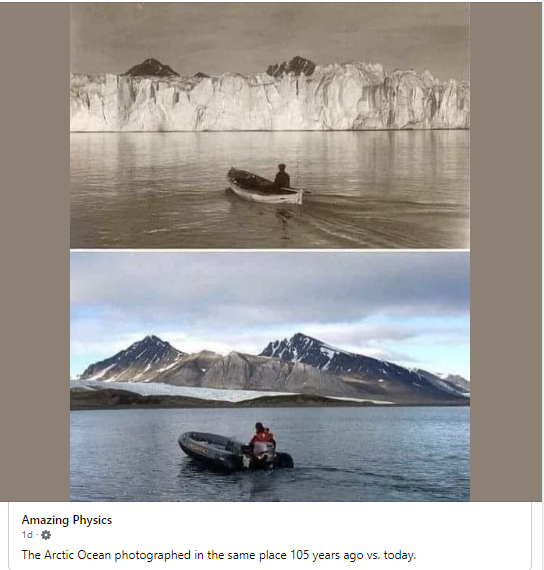
Phenomena and 3 Dimensional Learning | |
Photo Credit: Amazing Physics | |
Pennsylvania's newly adopted academic standards for Science, Technology, Engineering, Environment and Ecology will be based in 3 Dimensional Learning. 3D Learning often uses phenomena as an anchor for student exploration of an natural or man made event or substance. A good phenomena anchor is too complex for students to explain or design a solution for after a single lesson as noted by William Penuel and Philip Bell. If you are looking for baby steps into phenomena as you embark on a 3D Learning journey while implementing the new science standards, consider the phenomena image resource site noted below. | |
|
The Pennsylvania Statewide STEM Ecosystems
Supporting Pennsylvania On A STEM Education and Workforce Journey
| |
|
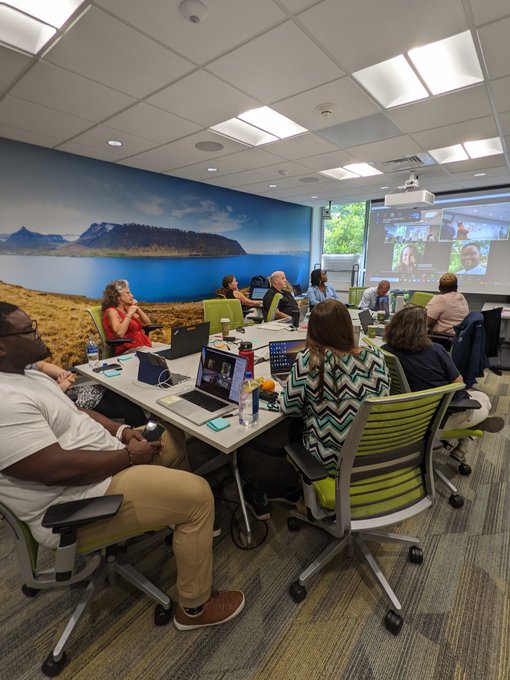
A PA Smart grant was awarded to formally create a statewide STEM ecosystem. Named the Pennsylvania Statewide STEM Ecosystem (PSSE), this structure will support and collaborate with all of Pennsylvania's STEM ecosystems and allow greater coordination to take advantage of STEM education, and workforce development opportunities throughout the state. PSSE provides biweekly STEM related webinars and discussion session on Thursdays.
PSSE's Mission:
Through purposeful cooperation and collaboration, PSSE facilitates stakeholder convenings, amplifies STEM resources, drafts policy recommendations, and stewards a community of practice to advance equitable access and inclusion in quality STEM education and workforce development.
To discover more about PSSE or to attend webinars, click on the button below.
#FurtherTogether
| |
Posted on behalf of West Chester University | |
Improving STEM Education
NSF NOYCE Grant Opportunity
| |
With funding from the National Science Foundation, NOYCE grant, West Chester University (WCU) offers the West Chester University Improving STEM Education through Residency (WISER) Program where candidates earn a Masters Degree and teaching certification in 13 months. Candidates in the program will have opportunities to take coursework such as secondary STEM teaching and learning outcomes, supporting English Language Learners, and literacy development. Candidates will also have the opportunity to teach in a high-needs school. We are currently recruiting people with undergraduate or graduate degrees in STEM-related fields to apply for our first cohort of NOYCE scholars. The application deadline is March 1, 2023. See the flyer for more details | |
Posted on behalf of West Chester University | |
STEM Education Survey
How Are STEM Educators Approaching STEM Integration?
| |
|
Policy documents such as A framework for K-12 science education: Practices, crosscutting concepts, and core ideas published by the National Research Council in 2012 have recommended that STEM fields become more integrated into the K - 12 classroom. In order for STEM integration to occur, not only do we need changes in curriculum, we need to prepare future teachers for such endeavors. However, there seems to be great variance across institutions and disciplines about the definitions, roles, and approaches to STEM integration. Thus we are conducting an analysis of syllabi for STEM education methods coursework to learn more about how STEM educators are approaching STEM integration. For these data, we are looking to collect syllabi for elementary STEM teaching methods and secondary STEM teaching methods courses. We would also like to ask participants if they would be interested in a follow-up interview.
The intent of our study is not to evaluate the syllabi for STEM education methods courses but instead to understand more about how to support future and current STEM teachers with STEM integration. We will look for patterns and themes across the syllabi to see which STEM topics are being highlighted as well as the various pedagogical methods that are emphasized. If you would like to contribute to our research, we ask that you fill out the Qualtrics Survey by following the link below where you can upload your STEM education methods syllabi by December 1, 2022.
| |
How can CSATS help your school? | |
Interested in learning more about Center for Science and the Schools and other opportunities for teachers and students available from Penn State? How can your school become involved in STEM projects with us?
Please contact the CSATS Outreach Liaison Jeff Remington (jeff_remington@psu.edu) to set up a phone or in-person appointment with your school to review your STEM needs and goals!
| | |
Our opportunities are possible due to research grants with scientists and engineers. However, in order to expand the work we do to further impact K-12 education in STEM and provide further resources, materials, and experiences for teachers, this is made possible by the support of our donors. To make a donation to Penn State Center for Science and the Schools, please visit our GIVE page and also see our current IMPACTS across Pennsylvania and the nation.
| |
Follow us on social media | | | | | |