CSBC NEWSLETTER OCTOBER 2025 | | |
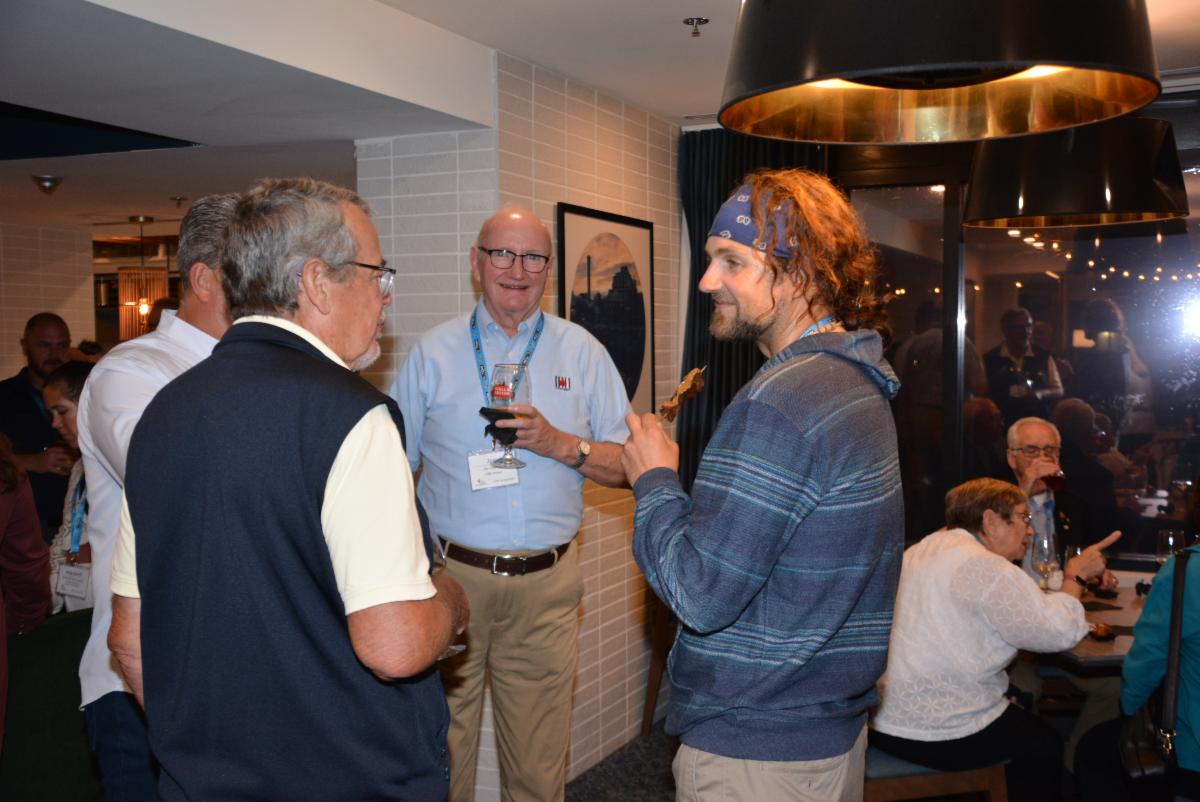
This is an exciting (and busy) time of the year for the CSBC. We just completed our annual Symposium, which was held in Kingston, Ontario. Symposiums are a great experience. I personally find that through the networking, idea sharing, collaboration and excellent presentations, attendees and their organizations get energized with a renewed enthusiasm and focus for our collective mission to promote safe boating and save lives.
A special thanks to Michelle McShane and Sean Arbour and their committee for such a great experience. A great deal of time goes into the planning and execution of the symposium. Most take longer than a year to plan.
The event wouldn’t be complete without the attendance and participation of our partners and stakeholders. We recognize that in tough fiscal times, it is difficult to travel to such events and we very much appreciate that you were able to make attending this event a priority.
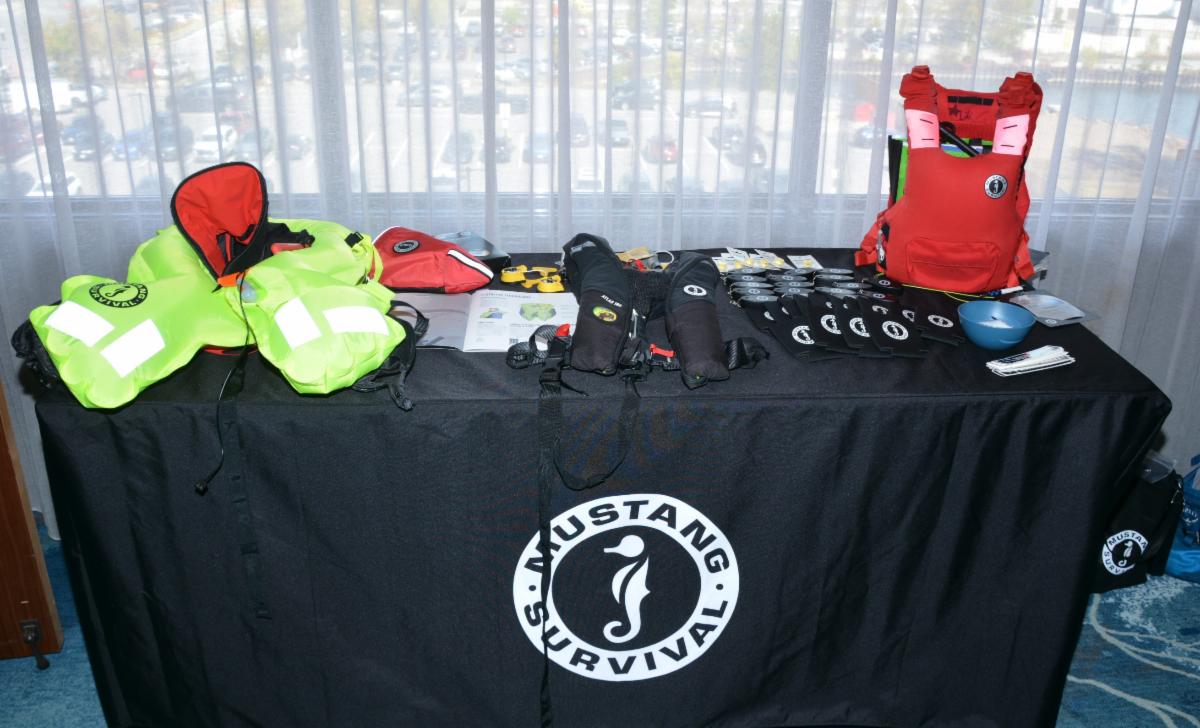
A shout-out to our presenting sponsor, Mustang Survival, and the many other sponsors whose contributions make hosting the Symposium possible.
During the Symposium, we recognized ten of our volunteers for outstanding service to the organization. Congratulations and many thanks! Please see further along for details. I would also like to thank two of our safe boating ambassadors, Marybeth and Alex for their outstanding contribution to our Symposium and for messaging the importance of safe boating throughout the season.
Our October 31 deadline for Canadian Safe Boating Awards is quickly approaching. Please visit our website for more info and submission forms. We are actively seeking nominations.
As the recreational boating season starts to wind down in Central Canada, we would like to remind everyone that there are inherent risks to operating on or even being near cold water. It is up to all of us to pass on the message!
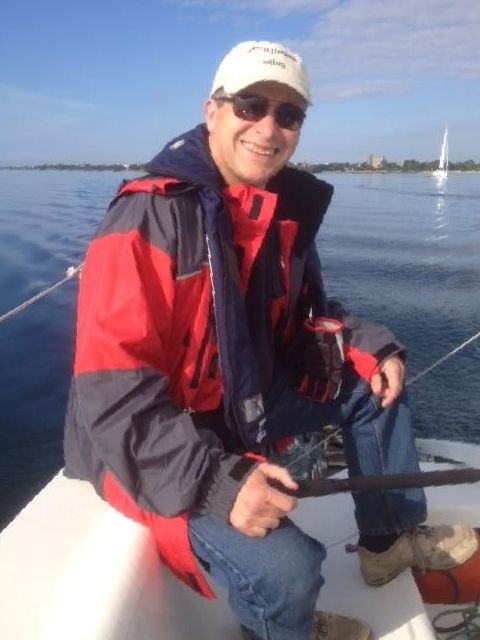
Peter
| | Canadian Safe Boating Council Symposium 2025: Solutions Through Partnerships: Charting a Course for Marine Safety/Des solutions via des partnerariats: tracer la voie de la sécurité maritime | | |
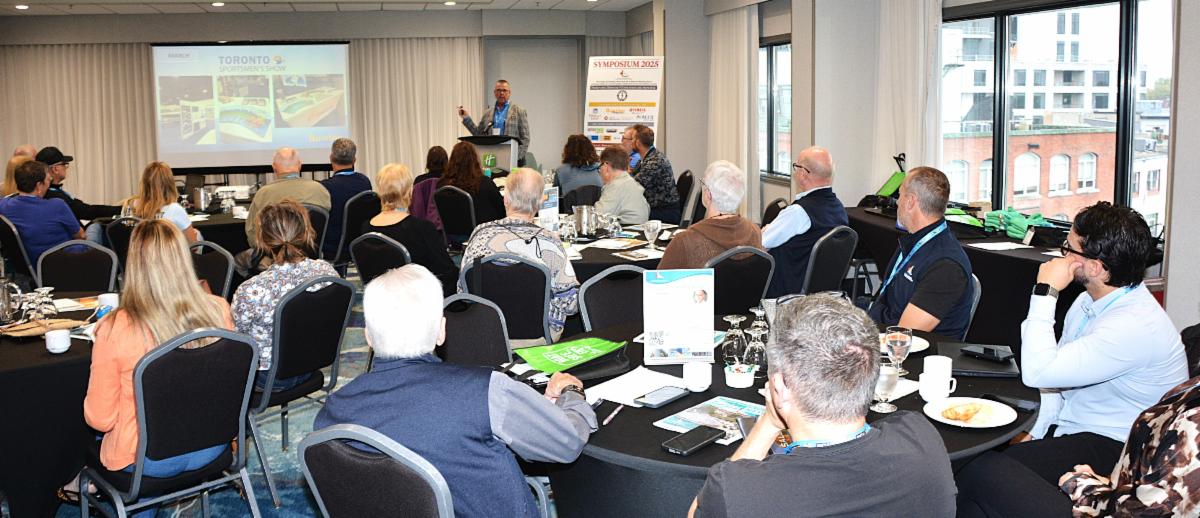
The 2025 Symposium was held from 23 – 25 September in Kingston, Ontario. Following is an outline of the program. The presentations will be posted on the CSBC website at Annual Symposium – Canadian Safe Boating Council
JRCC Trenton. Maritime SAR, a Product of Collective Efforts
Samantha Sterling, Maritime Search Mission Coordinator, Joint Rescue Coordination Centre Trenton
Visitor Safety Through Ontario's Historic Canals
Chris Kaloudas, Visitor Safety and Prevention Coordinator for Ontario Waterways, Parks Canada
From Shorelines to Safety: Community-Driven Partnerships for Safer Waters
Briar McCaw, Research Chair, Lifesaving Society Ontario
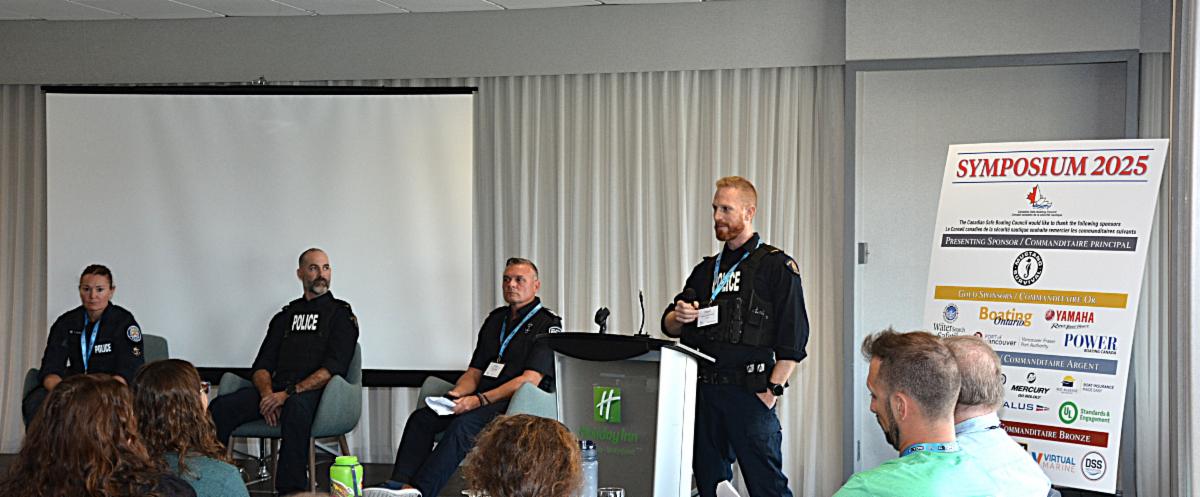
Boating Law Enforcement Panel
Facilitator: Sergeant David Charbonneau, Manager, RCMP National Marine Program
Speakers: Sergeant Sven Hapke, Peel Regional Police, Corporal André Lalande, Central Region Marine
Advisor, Royal Canadian Mounted Police, Constable Stacy Kellough, Specialized Emergency
Response Marine Unit,Toronto Police
CSBC on Education
Peter Heard, CSBC Chair and Lisa Hanson Ouellette, Director
An Introduction to our Ambassadors
Marybeth McLaughlin and Alex Byczo (see Marybeth’s profile below)
3rd Canadian Ranger Patrol Group: Living, Working, and Playing on the Water
Dan Stortz and Ben Kirke, Warrant Officers, Canadian Rangers
Canadian Coast Guard National Partnerships at Work
Catherine Jellett, National Manager of Search and Rescue Project Oversight, CCG
A Partnership in Safe Boating: PFDs and PLBs
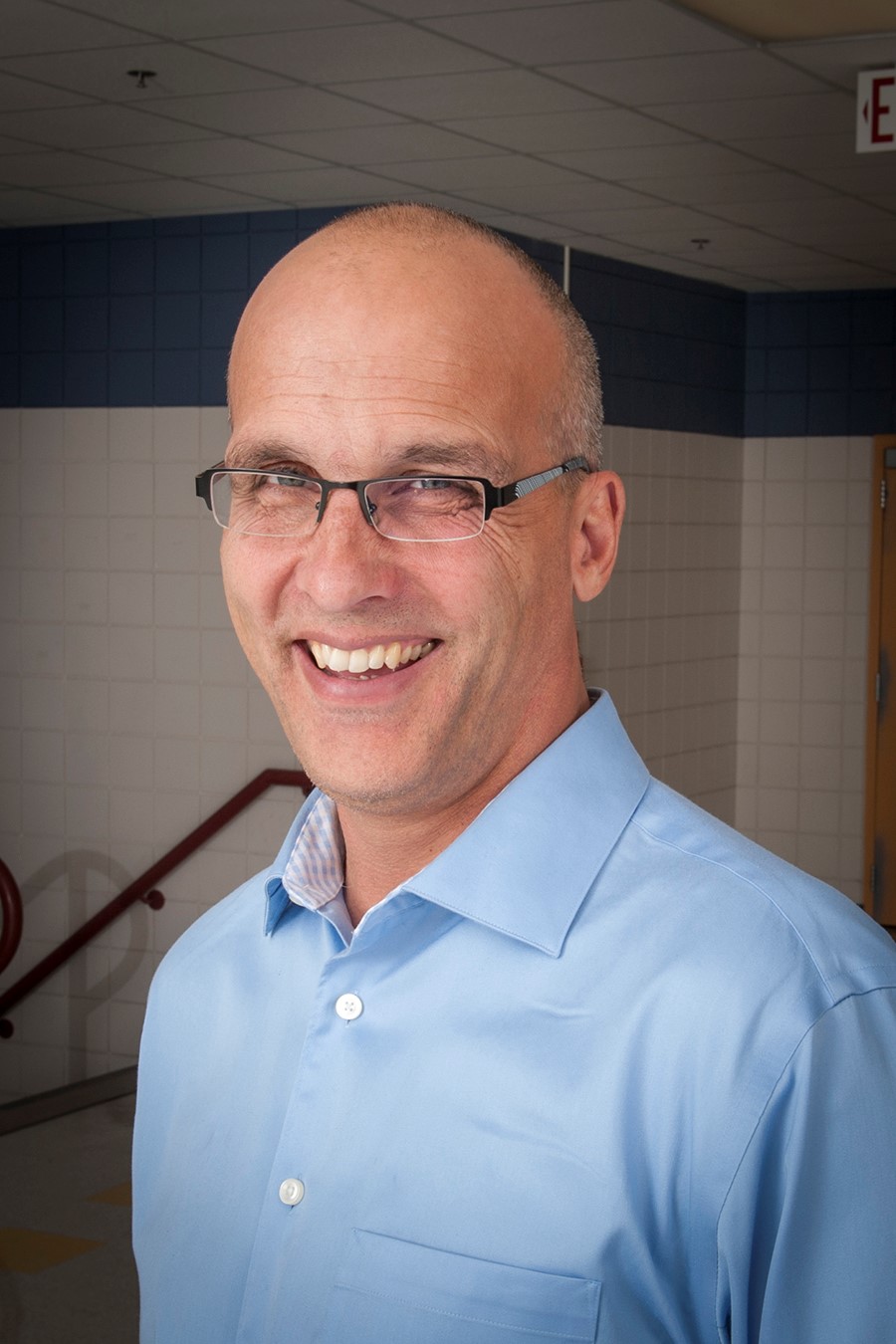
Kerri-Ann Ennis, Marine Safety and Survival Researcher, Fisheries and Marine Institute
of Memorial University Newfoundland (see article below)
Creating Thriving WATER SMART® Communities: A Public Education Drowning
Prevention Initiative Driven by Behaviour Change Models and Multisectoral Partnerships
Lisa Hanson Ouellette, Senior Research Officer, Lifesaving Society
Waterway Public Safety at OPG Hydroelectric Facilities
Mike Poehlmann, Sr. Advisor - Emergency Preparedness & Public Safety, Ontario Power Generation
Collective Contributions to Marine Safety
Rick Layzell, CEO, Boating Ontario Association
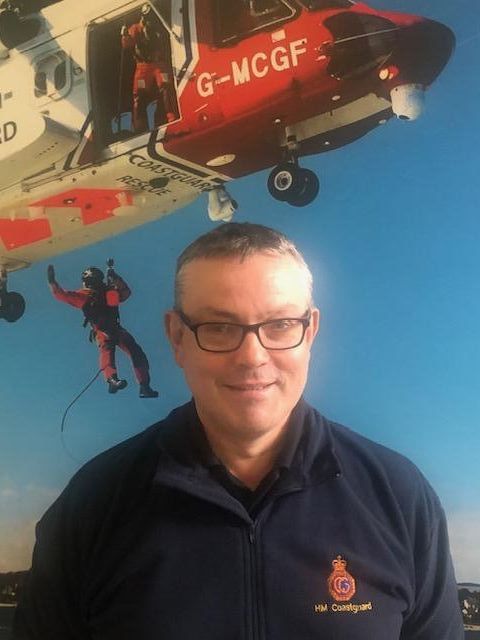
Collaborative Working for Marine Safety across the UK.
Richard Wasson, Community Safety Lead, His Majesty’s Coast Guard, U.K.
Marine Safety: A Community Effort
LCdr Chris Elliott, Commanding Officer, Royal Canadian Navy
Behind the Seahorse. How Mustang Survival Designed the Next Generation of PFDs
Lili Colby, Industry and Non-Profit Relations Specialist, Mustang Survival
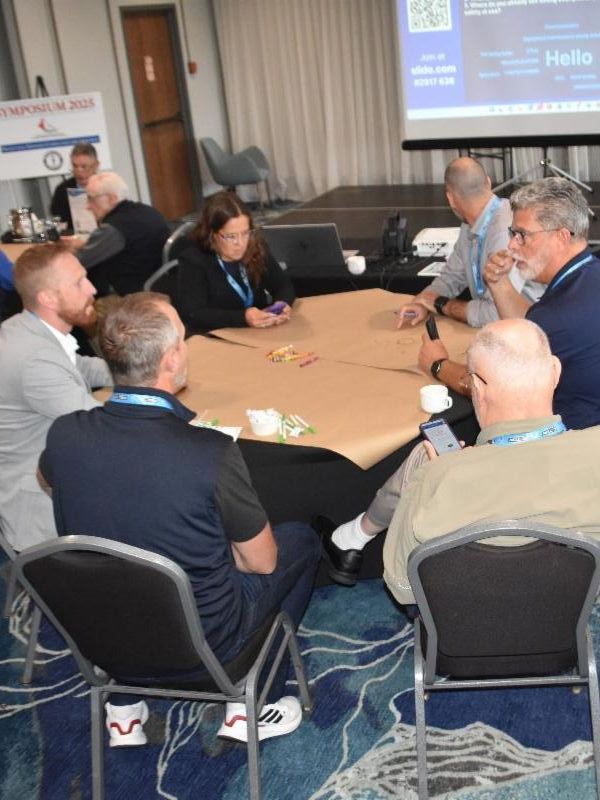
Waterways Cafe
Facilitated by Michelle McShane and Sean Arbour
The Kingston Symposium was judged a resounding success by those who completed the post-event survey. Ninety-five percent stated that the event either met or exceeded their expectations. Equally encouraging is that without exception, all indicated that they would attend another CSBC organized symposium.
High ratings were given to presentations, on both their relevance to the Symposium’s theme of striving for solutions and exploring partnerships, and the quality of the presentations themselves, with many going beyond the already high bar.
“I enjoyed each presentation and there were valuable take aways from all of them.”
“Loved the panel sessions, both with law enforcement and with the table groups.”
“Scheduling was great – didn’t feel rushed with presentations.”
”Smaller symposium this year – but one of the most powerful in terms of content.”
As for the Waterways Café, the following is noteworthy; “This was excellent. I always dread the breakout groups with flipcharts.” Others indicated their desire to see the report produced based on this interesting exercise. The Symposium team is finalizing the report, and it will be circulated to attendees and posted in the 2025 Symposium section of the CSBC website.
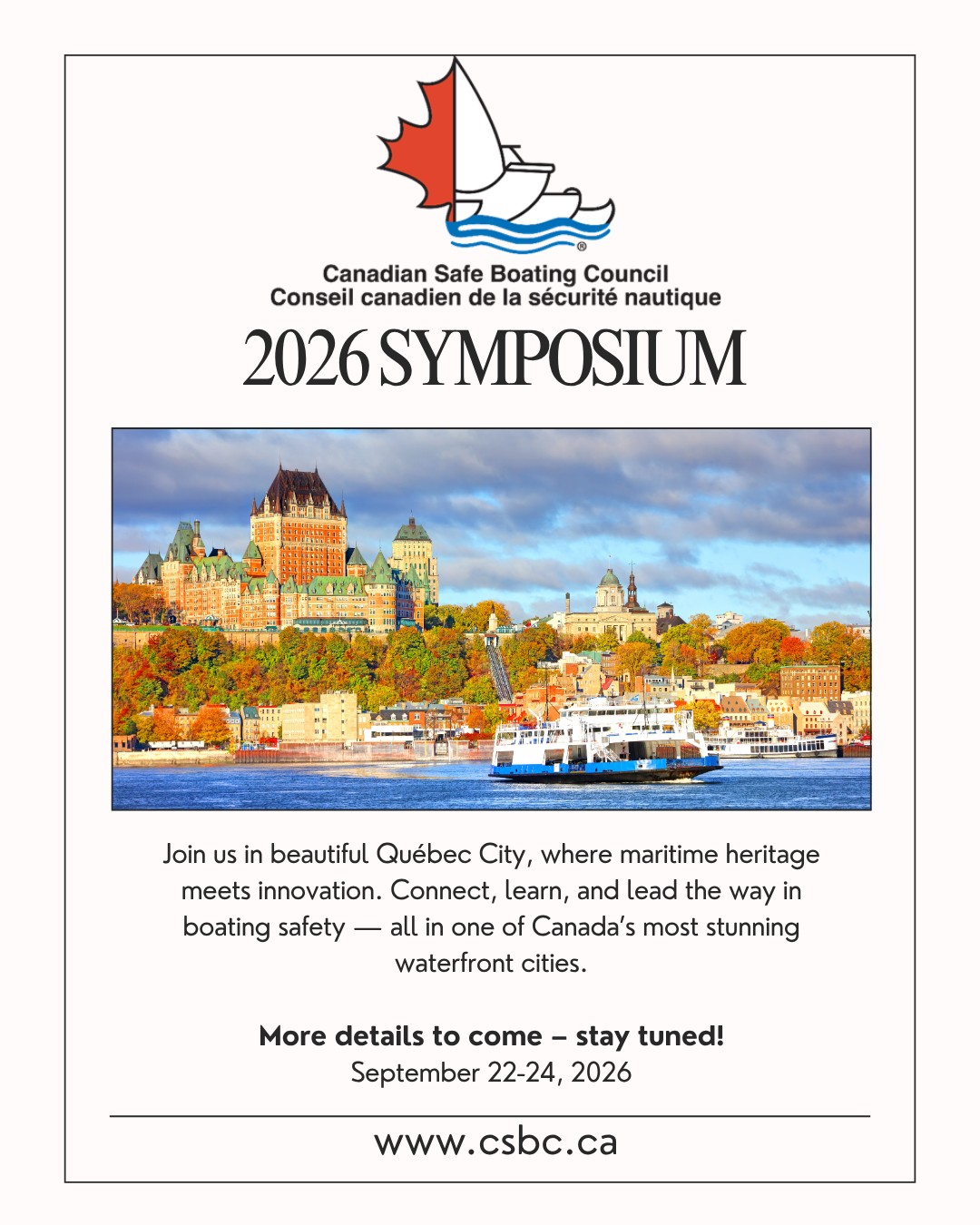
The CSBC team will digest the survey findings in their entirety as we start to work on next year’s symposium, to be held in Quebec City September 22 – 24, 2026.
Many thanks to the Symposium Committee, led by Co-Chairs Sean Arbour and Michelle McShane, together with David Charbonneau, Jason Krott, Cheryl Gallagher, Joe Gatfield, Ian Gilson, John Gullick, Ron Kroeker, John McMullen and Jean Murray. Special thanks to Jason Krott for running the audiovisual side of the Symposium, to Ron Kroeker, photographer extraordinaire and to John Gullick, who as MC kept the program running smoothly.
Thank you as well to the Great Lakes Museum, Kingston for hosting the much-appreciated off-site visit.
| |
Presenting Sponsor
Mustang Survival
Gold Sponsors
Boating Ontario
Cook-Rees Memorial Fund
Port of Vancouver/Vancouver Fraser Port Authority
Power Boating
Yamaha Canada
Silver Sponsors
Inland
MD Marine
Mercury
Ontario Power Generation
Salus
UL
Western Marine/Transat Marine
Bronze Sponsors
C-TOW
DSS Protection
Kingston Tourism
NMMA Canada
Princecraft
Virtual Marine.
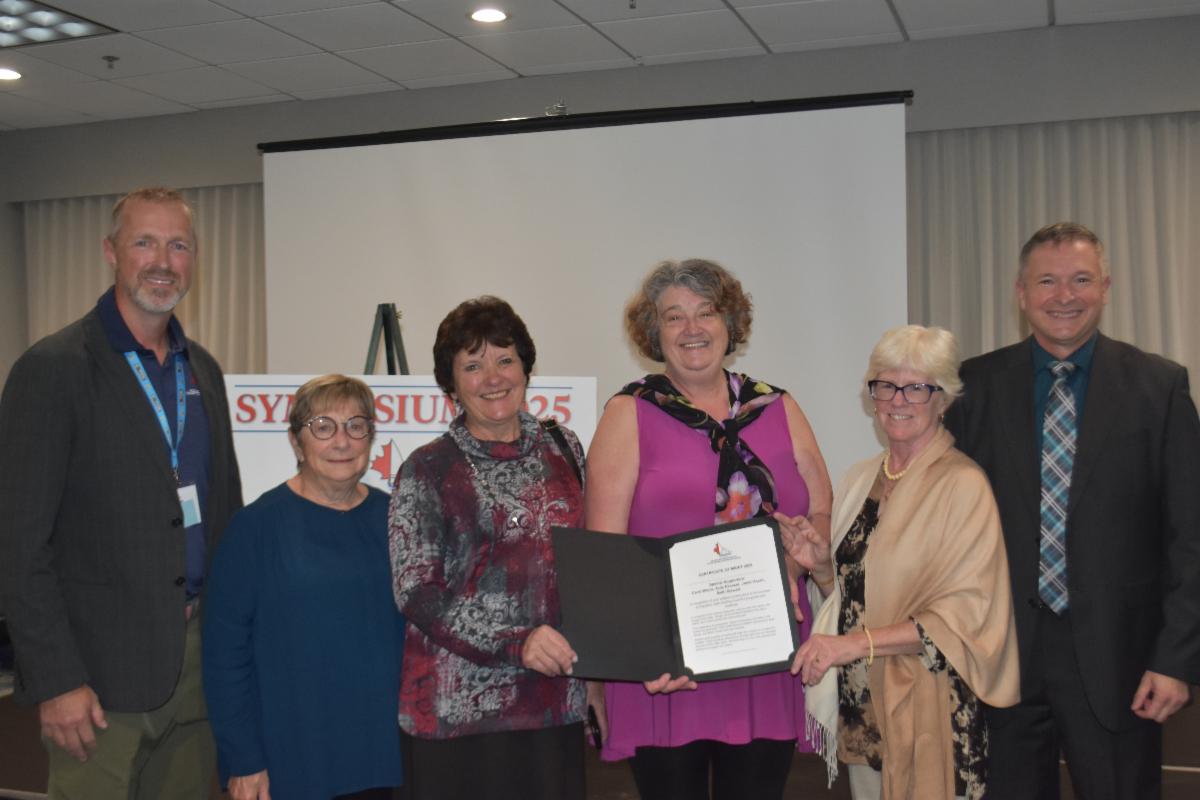
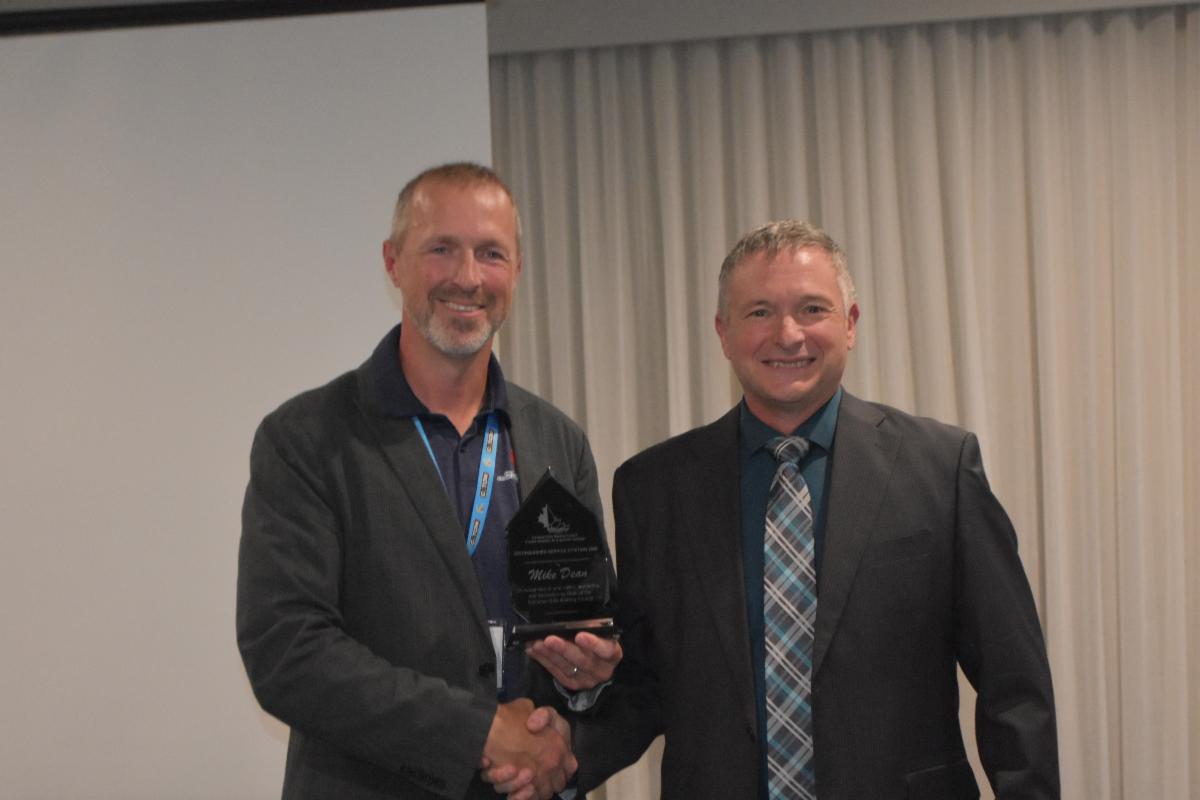
| | CSBC Volunteer Recognition Awards 2025 | | The Canadian Safe Boating Council relies on the hard work and commitment of our volunteers, directors and other partners to support the mission of our organization and to deliver our safety programs and events. We received many nominations for our volunteer awards, with many of our recipients receiving multiple nominations. The annual Volunteer Recognition Awards were presented by Past CSBC Chair Mike Dean and current CSBC Chair Peter Heard at our symposium on September 25 in Kingston, Ontario. Congratulations and many thanks to this year’s award winners for their tremendous contribution to the Canadian Safe Boating Council. | | |
New dates for the CSBC’s popular virtual cold water workshops with Dr. Gordon Giesbrecht have been scheduled on:
- Tuesday, November 25 and Thursday, November 27, 2025
- Tuesday, January 13 and Thursday, January 15, 2026
- Tuesday, February 24 and Thursday, February 26, 2026
Workshops will run from 8:00 p.m. - 10:30 p.m. Eastern time.
If you’re a first responder, work or just spend time recreating on or near cold water, this workshop is for you! You will learn everything you need to know to survive an accidental cold water immersion and also how to help others who may have become hypothermic. Workshops are delivered over Zoom and will cover...
✔ Understanding the Myths Around Cold Water Immersion and Hypothermia
✔ How Our Bodies React to Heat and Cold Stimuli
✔ 4 Ways Our Bodies Lose Heat
✔ What Happens to Our Bodies When Immersed in Cold Water
✔ Immersion vs. Submersion in Cold Water
✔ Cold Water Survival and Thermal Protective Clothing
✔ Basic First Response…When You’re The Only One Who Can Help!
✔ The Decision to Stay or Swim When You’re on Your Own
The cost of this online Cold Water Workshop is only $100 and participants will receive a
certificate of completion. Please note that the course instruction will be in English, but a French “crib” is available so participants can follow along.
To register, go to Cold Water Workshops – Canadian Safe Boating Council
| | |
Please join us for the 2025 CASBAs to be held on Sunday, January 18, 2026 at 6:15pm at the National Yacht Club, 1 Stadium Road, Toronto, Ontario (Dinner Buffet at 6:15pm, Awards at 7:15pm, Cash Bar). It's a wonderful evening of celebration and fellowship. With your help, we will acknowledge the heroes who work tirelessly to improve and innovate in the boating safety community / lead the way in environmental stewardship.
The Canadian Safe Boating Awards (the CASBAs) are held annually in January to recognize the efforts of the public, volunteers, professionals, agencies, and organizations who have distinguished themselves in boating safety and environmental stewardship. Recipients of awards are nominated by YOU, members of our safe boating community.
Nominations are open until October 31. If you know of someone who should be recognized in one (or more!) of the following categories, please nominate them today! CASBAS Nomination Form – Canadian Safe Boating Council If you need inspiration, check out our past winners at the same link.
• Best Boating Safety Initiative
• Best Media Contribution To Boating Safety
• Marine Industry
• Marine Professional Of The Year
• Rescue Of The Year
• Rescue Of The Year – First Responder
• Safeguarding The Environment
• Top Volunteer Dedicated To Safe Boating
• Visible PFD / Lifejacket Wear In Advertising
• Special Recognition
Tickets to attend are now available and can be purchased here. CASBA Registration – Canadian Safe Boating Council
| | |
Preventing accidents is the best way to ensure boaters remain safe. However, when accidents do happen, personal protective equipment becomes the last line of defence for protecting an individual. In the event of a boating-related accident, combining the use of a personal flotation device (PFD) with a personal locator beacon (PLB) can considerably increase a boater’s chances of survival in an emergency. A PFD will keep the boater afloat should they fall overboard. However, if the individual is lacking sufficient thermal protection when they enter cold water, it also becomes critically important that they be rescued as quickly as possible to reduce their exposure time. One of the most versatile and reliable methods available for alerting rescuers and reducing search time (and hence exposure time) is a personal locator beacon (PLB).
While initiatives promoting PFD use have led to improvements in wear rates in some locations, incident statistics show that most boating related fatalities were not wearing PFDs. In addition, reports of overdue vessels suggest that there is also a lack of PLB use by recreational boaters, though there is less data available on PLB use. To improve the rate of PFD and PLB use by boaters, it is critically important to understand why they choose to use or not use PFDs and PLBs and then focus on how to encourage them to regularly use this critical safety equipment.
With funding from Transport Canada’s Boating Safety Contribution Program, a team of researchers at the Fisheries and Marine Institute and Memorial University of Newfoundland is working to better understand the barriers and facilitators to PFD and PLB use, and to develop an evidence-based intervention to increase their use during boating activities. To achieve this goal, the team is conducting a multi-phase research project for recreational boaters in Newfoundland and Labrador (NL). Our research includes:
- a systematic review of previous research examining factors associated with the use of PFDs and PLBs by recreational boaters
- an observational study of PFD use by recreational boaters in NL
- a survey to further understand the barriers and facilitators influencing the use of PFDs and PLBs, and
- the design and delivery of an intervention that will target the use of PFDs and PLBs by recreational boaters.
Results from the research will be presented at workshops and conferences, and published in peer-reviewed journals so that communities of interest and other researchers can use and build on the findings to meet our ultimate goal: improving the safety of recreational boaters in Canada.
| | |
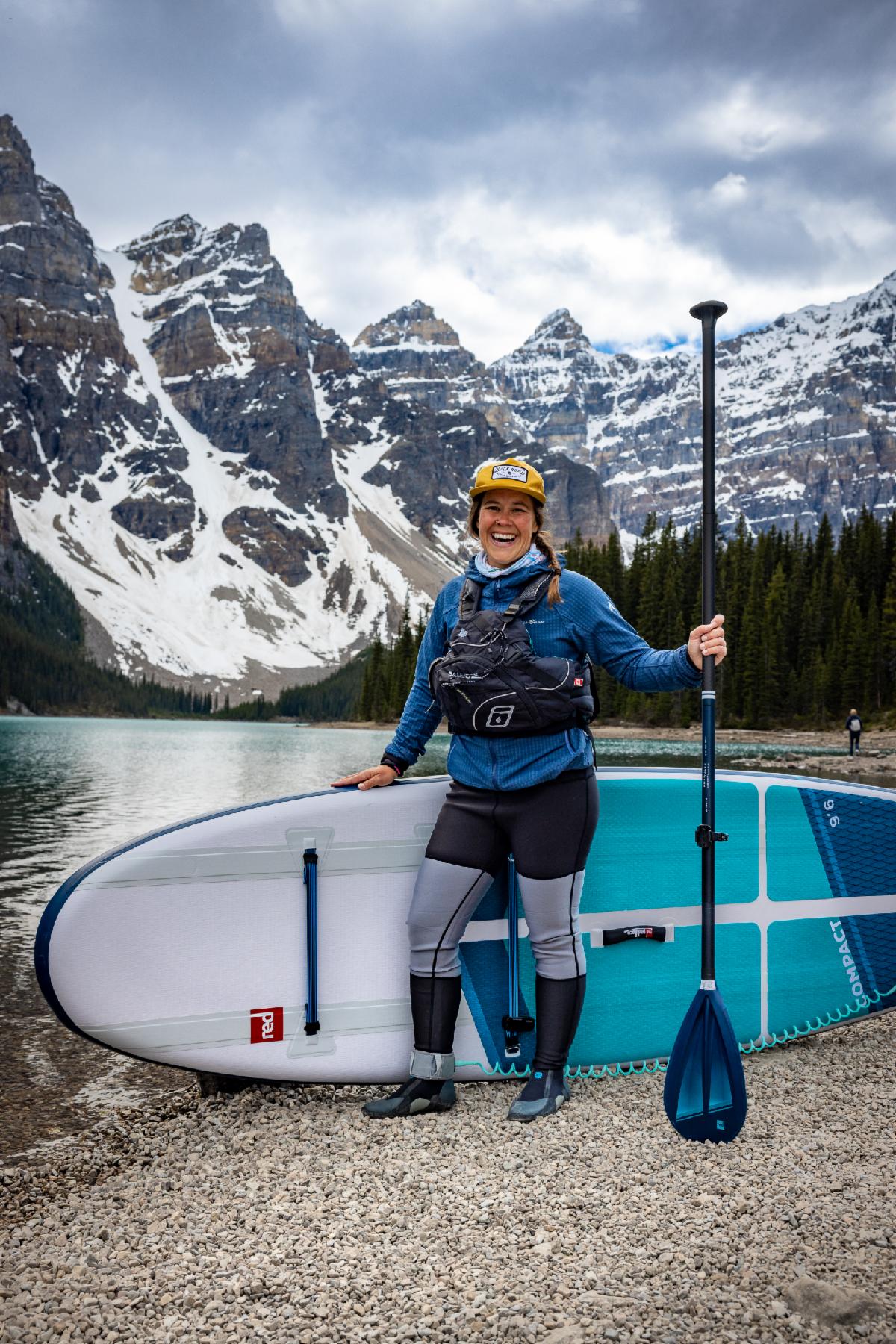
Marybeth McLaughlin built Paddle Adventurer in 2020 to share her love of paddle boarding, sea kayaking, and outdoor and travel exploration, and to inspire others to get outside with confidence and curiosity. With a degree in Outdoor Recreation, Parks and Tourism and years of adventure experience, she educates, motivates, and shares stories and tips through her website, YouTube, social media channels, and guided outdoor adventure retreats in Ontario.
Marybeth says: Join me on an adventure in 2026! Subscribe to my website to be the first to sign up
| | |
Did you know that you can direct your United Way Campaign donation to any registered Canadian charity? Please consider donating to the Canadian Safe Boating Council; our registration number is 875659864RR0001.
Amendments to the Vessel Operation Restriction regulations are now in force. Minister of Transport and Internal Trade amends regulations to give communities more authority over our waterways - Canada.ca
Applications to the Canadian Coast Guard’s summer Inshore Rescue Boat Student Program are now open; the closing date is November 24. This is an incredible opportunity to make a significant contribution to saving lives and promoting boating safety, and to spend your summer on the water. For many, it is a stepping stone to great career opportunities: in discussions at the recent CSBC Symposium in Kingston, many participants shared that they were graduates of the IRB Program! To apply, go to Apply to the Inshore Rescue Boat student program
Work continues on the integration of the Canadian Coast Guard (CCG) in the National Defence portfolio. The CCG will now report through DND, but as a Special Operating Agency it will remain a separate, civilian organisation and will maintain operational autonomy over its missions, personnel, and assets. There are no plans to arm CCG personnel or assets, or to incorporate an additional enforcement role in the organization. The CCG will continue to deliver the essential services on which Canadians rely, including search and rescue, icebreaking, environmental conservation and protection, safe navigation, and supporting ocean science.
The next International Boating and Water Safety Summit will be held from May 4 – 7, 2026 in Tampa, Florida. For more information, go to www.ibwss.org
| | | | |