Asbestos | Indoor Air Quality | Infectious Disease | Lead | Litigation Support

Mold | Occupational Health & Safety | Site Assessments | Water Quality Testing

Environmental Newsletter

Vol. 14, No. 7 - July 2025

Arsenic Contamination After an Urban Wildfire


A Hidden Danger

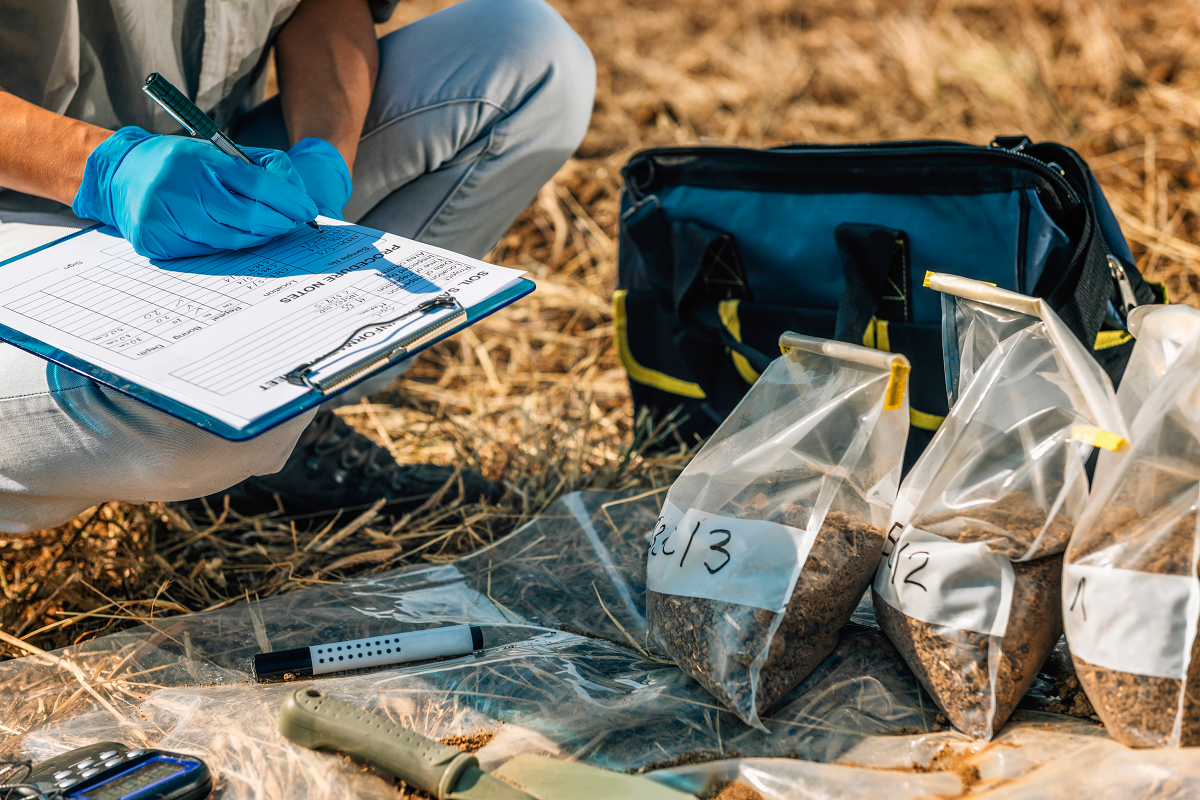
As wildland-urban interface (WUI) fires grow more frequent and destructive across the western United States, they leave more than structural damage in their wake. One often underestimated threat is the release of hazardous substances -particularly arsenic, a CAM 17 metal - from burned materials, treated wood, or industrial waste.


CAM 17

The California Administrative Manual 17 (CAM 17) is a list of 17 heavy metals regulated in California that are commonly evaluated in environmental assessments including in soil, water, and air. Evaluating the presence and concentration of CAM 17 metals, including arsenic, is crucial for post-wildfire assessments to determine whether contamination has occurred and which remediation steps are needed.


Learn more...

Emergencies and Indoor Air Quality Resources for Businesses and Institutions


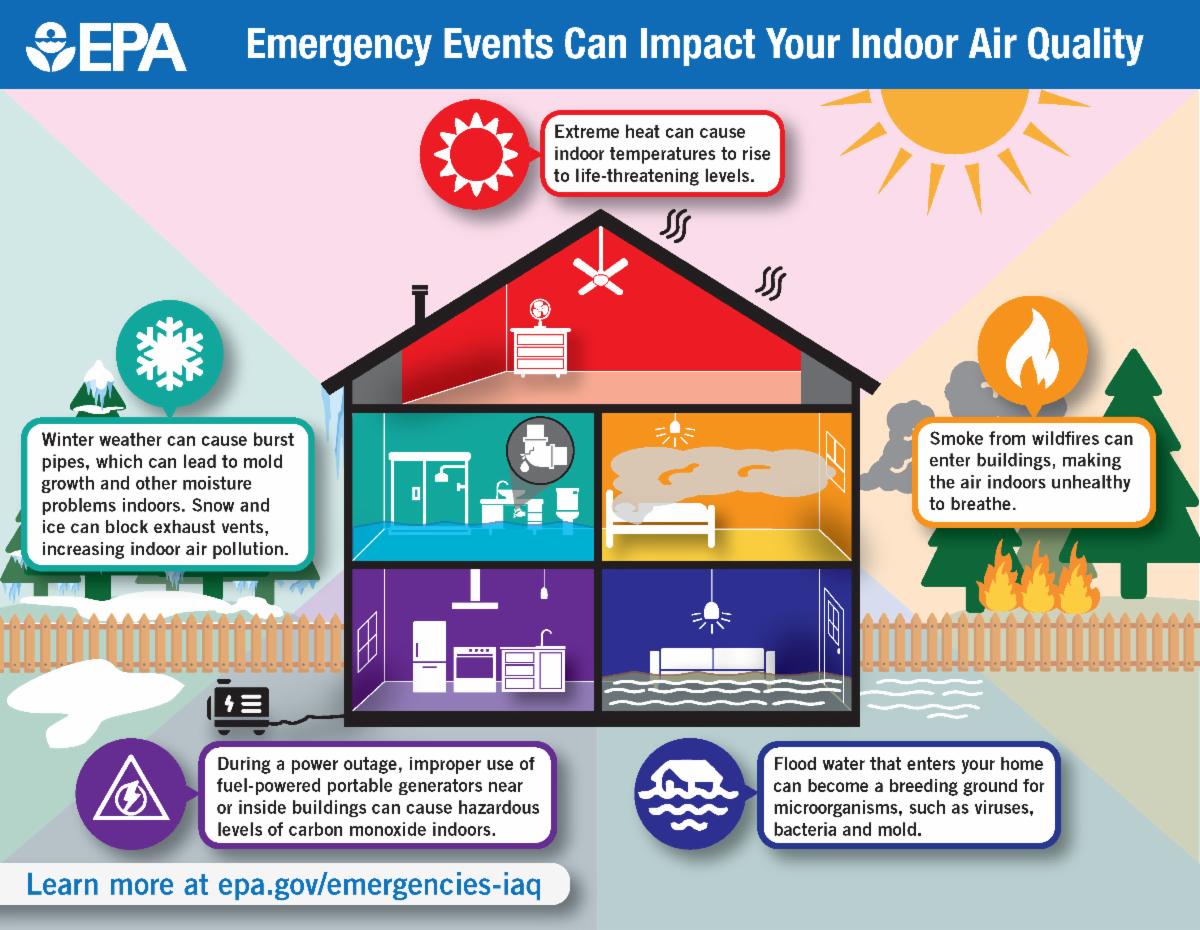
Last year, the U.S. Environmental Protection Agency (EPA) published its Emergencies and Indoor Air Quality (IAQ) website to provide the public with information about how to protect themselves and their IAQ before, during, and after an emergency. The agency suggests that preparation and response to weather-related and man-made emergencies are particularly important when it comes to indoor environments, since people spend most of their time indoors, and rely on indoor spaces for shelter. Specific areas of focus listed by the EPA include wildfires, floods, power outages, extreme heat, and winter weather.


Regarding floods, the agency warns they can make the air indoors unhealthy. This is because when things remain wet for more than 24 to 48 hours, they usually get moldy. Floodwaters can even carry biological and chemical contaminants indoors, which may affect people’s health.


Read More...

Infection Control Resources to Detect Klebsiella and Other Pathogens in Healthcare Environments


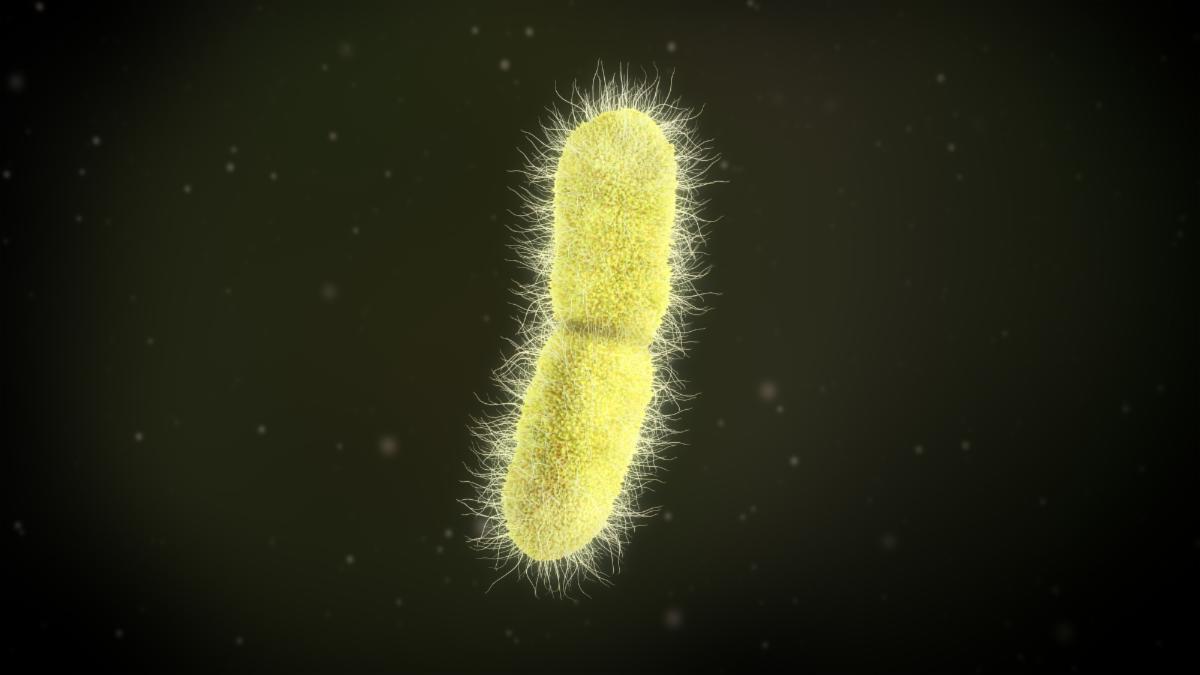
Klebsiella is described by the Centers for Disease Control and Prevention (CDC) as a type of gram-negative bacteria that can cause different types of healthcare-associated infections (HAIs). These include pneumonia, bloodstream infections, wound or surgical site infections, and meningitis.


Klebsiella are normally found in the human intestines (where they do not cause disease), and also in human feces. The CDC reports that in healthcare settings, Klebsiella infections commonly occur among sick patients who are receiving treatment for other conditions. For example, patients whose care requires devices like ventilators or intravenous catheters, and patients who are taking long courses of certain antibiotics are most at risk.

Read more...

Upcoming Events Where CSC Professionals Will Present


July 17  

2:00 PM - 3:00 PM EDT      

Environmental Information Association's (EIA) Summer Webinar Series:

Indoor Environmental Impacts of Wildland-Urban Interface Fires: Prevention, Response, and Recovery

Clark Seif Clark, Inc. (CSC) is the preferred environmental consultant for healthcare facilities, architects, schools, builders, contractors, developers, real estate professionals and municipalities. CSC provides air quality testing, monitoring, consulting and training services to reduce building occupant exposure to airborne pollutants and optimize indoor conditions.


Asbestos | Indoor Air Quality | Infectious Disease | Lead | Litigation Support

Mold | Occupational Health & Safety | Site Assessments | Water Quality Testing


Clark Seif Clark, Inc. (CSC)

800-807-1118

www.csceng.com

csc@csceng.com

Facebook  LinkedIn  X