|
Environmental Newsletter
Vol. 14, No. 9 - September 2025
| | |
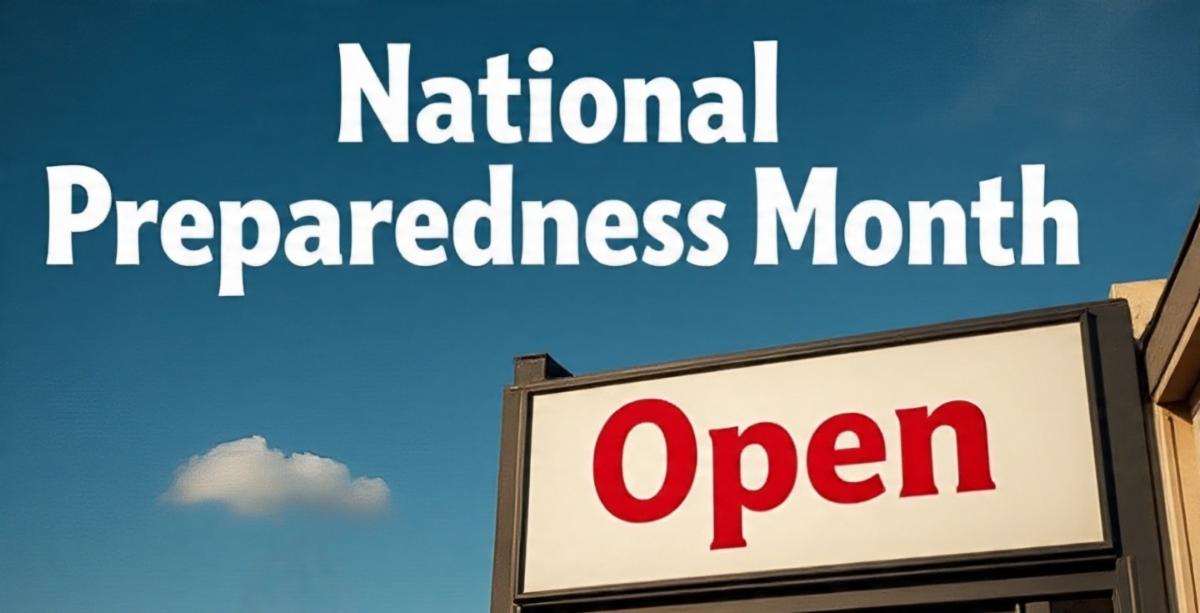
Clark Seif Clark Supports National Preparedness Month with Focus on Business and Institutional Resilience
September marks the 21st annual National Preparedness Month (NPM), an initiative led by the Federal Emergency Management Agency (FEMA) to help communities, organizations, and individuals across the U.S. strengthen their readiness for emergencies.
From hurricanes, floods, earthquakes, and wildfires to public health crises and technology-related disruptions, preparation remains critical. For businesses, readiness is more than important, it’s often the difference between reopening or closing permanently after a disaster. Establishing a plan that incorporates inspections, testing, training, and hazard mitigation can help safeguard employees, maintain compliance, and speed recovery.
Learn more...
| | |
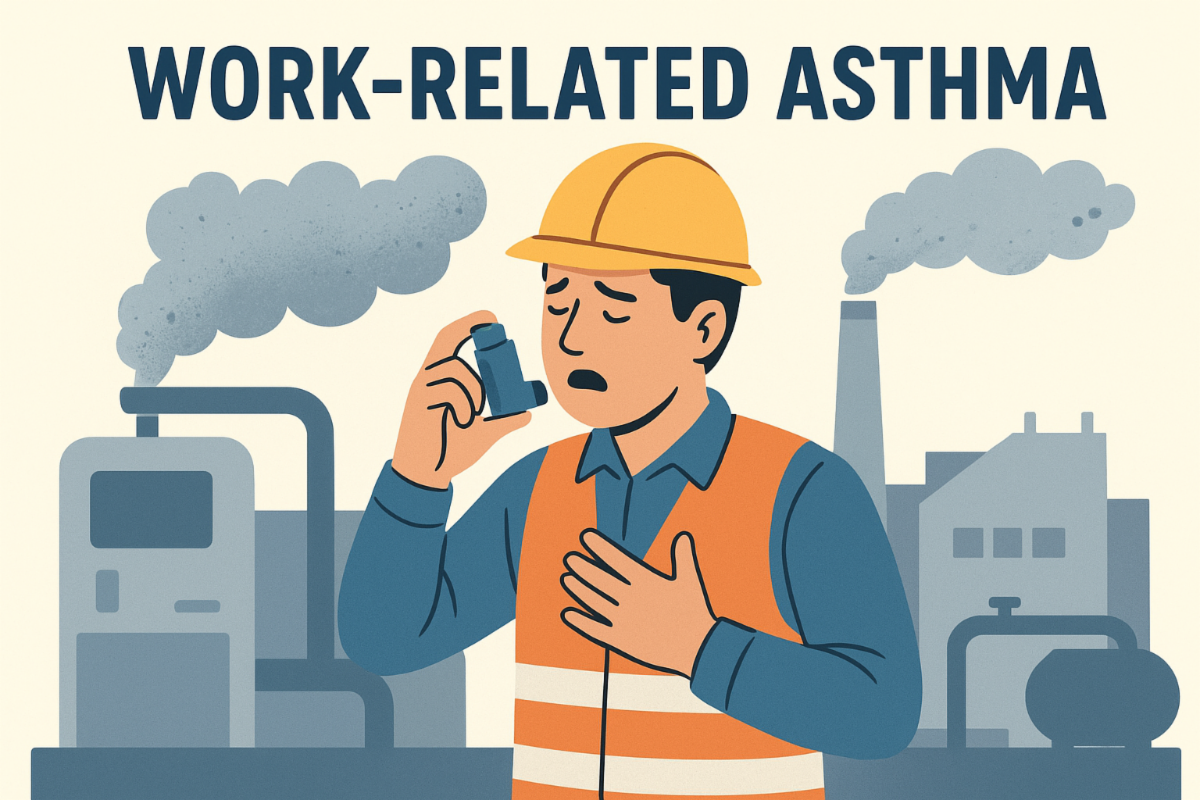
The National Institute for Occupational Safety and Health (NIOSH) describes work-related asthma as asthma triggered by exposures at work. The agency reports that there are over 300 known substances in the workplace that can cause or worsen asthma.
Symptoms of work-related asthma are the same as those for non-work-related asthma, and may include wheezing, coughing, chest tightness, and shortness of breath. NIOSH warns that asthma symptoms can come and go, and some workers might not have all the symptoms. Symptoms can develop shortly after an exposure; however, they can also develop months or years after repeated exposures to harmful substances.
Read More...
| | |
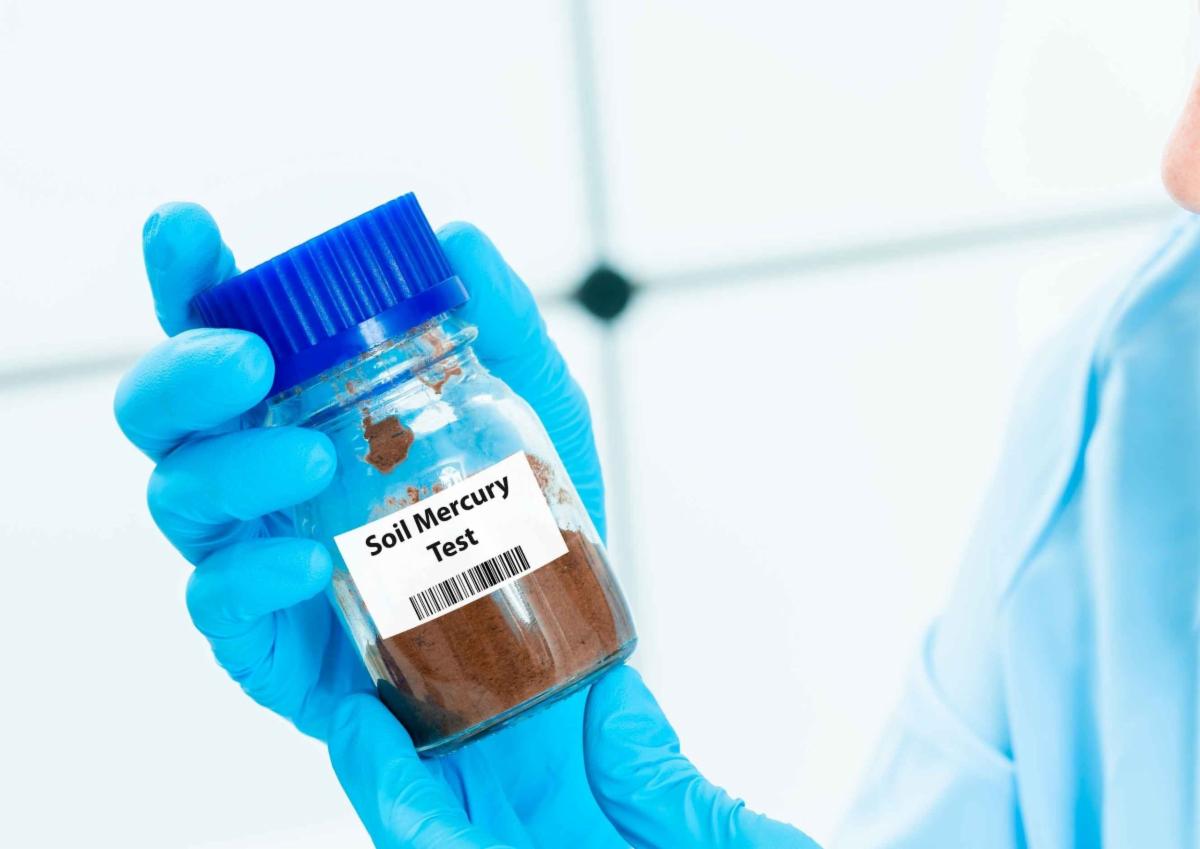
Why Mercury Testing Matters After an Urban Wildfire
One of the most concerning urban wildfire pollutants is mercury, a potent neurotoxin found in items such as fluorescent lamps, thermostats, switches, electrical equipment, and some building materials. When these materials burn, mercury can be released as vapor or particulate matter, settling into ash, soil, and dust around homes and businesses.
Why Mercury Matters
After an urban wildfire, small amounts of mercury from burned household items and building materials can settle into dust, soil, or ash. In certain situations, this may lead to exposure through breathing in dust or vapors, or by accidentally ingesting contaminated soil or ash. While most people are unlikely to experience serious effects from brief, low-level exposure, mercury can affect the brain, nervous system, kidneys, and other organs with prolonged or significant contact. Children and pregnant women are more sensitive to mercury’s effects, so taking precautions during cleanup and restoration is especially important.
Read more...
| |
Upcoming Events
Sep. 18 – “Lithium-ion Battery Safety,” St. Vincent De Paul, Phoenix, Arizona
Sep. 24 – “Economic and Commercial Forum: Understanding Environmental Deal Killers: Top Environmental Issues Facing Commercial Real Estate Professionals Just Like You,” Scottsdale Area Association of Realtors, Scottsdale, Arizona
Oct. 3 – Environmental Information Association’s (EIA) Fall Technical Seminar – “Don’t Get Burned: Lithium-ion Battery Fire Awareness – Prevention, Response and Recovery from the Perspective of an Industrial Hygienist,” Hyatt Regency, Tempe, Arizona
Oct. 8 – “Hoarding, Fentanyl, Legionella, Asbestos: 12 Common Environmental Issues Facing Multifamily Facilities,” online
Oct. 16 – “Top Environmental Issues for Realtors,” Coldwell Banker Realty East Valley, Mesa, Arizona
Nov. 5 – “Indoor Air Quality,” Electric League of Arizona Building Operator’s Program, Phoenix, Arizona
We would be happy to speak at your next event. Contact us at info@csceng.com.
| | | | |