CSD Connects: Winter 2025 | |
|
Dear CSD Community and Friends,
We’re delighted to share the Winter issue of CSD Connects with exciting news: both of our graduate programs—Audiology and Speech Language and Learning —have climbed in the latest U.S. News & World Report rankings, now standing at #2 and #3 in the nation [Two CSD Graduate Programs Get High Marks from US News and World Report: School of Communication - Northwestern University]. This recognition reflects the collective excellence and momentum across our department.
This issue offers one more glimpse into what’s driving that success: students receiving national honors and leading important scholarly work; faculty pushing the boundaries of clinical innovation and translational science; impactful publications in top-tier journals that are advancing our understanding of communication, cognition, and swallowing. Whether it’s community-engaged clinical initiatives or pioneering fundamental research, the depth and breadth of work happening in our department is truly inspiring.
Thank you for continuing to being a part of our journey. We’re proud to share these stories with you—and grateful for your continued support as we look ahead.
Bharath Chandrasekaran, PhD
Ralph and Jean Sundin Endowed Professor and Chair
ASHA Fellow, Knowles Fellow
Roxelyn and Richard Pepper Department of Communication Sciences and Disorders
Megan Roberts, PhD, CCC-SLP
Professor and Associate Chair, ASHA Fellow
Roxelyn and Richard Pepper Department of Communication Sciences and Disorders
| | | | Research Excellence and Innovation | | |
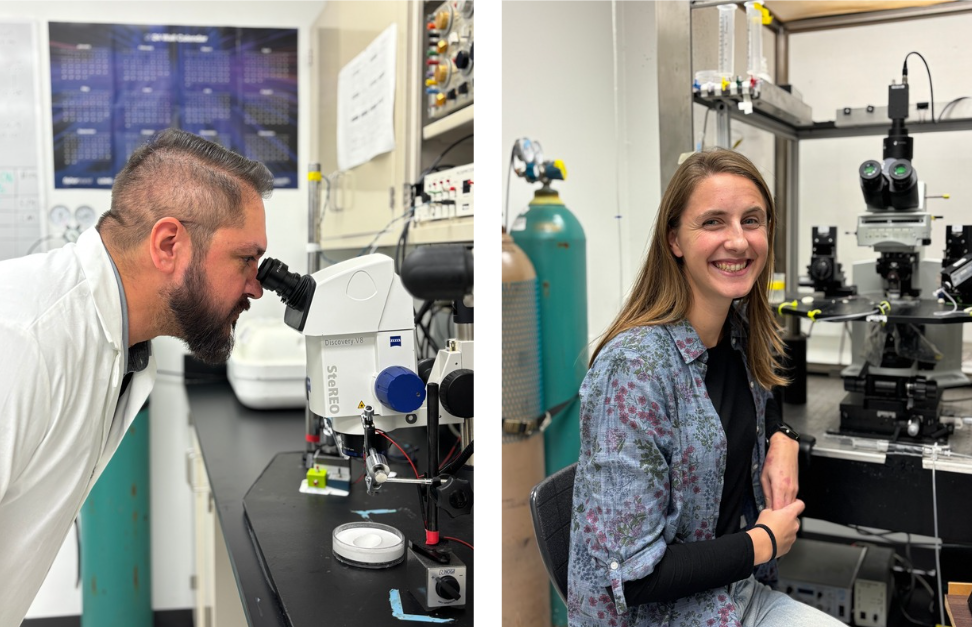
Jason Tait Sanchez, Associate Professor in the Roxelyn and Richard Pepper Department of Communication Sciences and Disorders (CSD) joined Northwestern from the University of Washington in Seattle in 2012. He heads the Central Auditory Physiology Laboratory, and their long-term goal is to elucidate mechanisms regulating neural coding in the developing auditory system. Deficits in neural coding result in numerous auditory pathologies, such as auditory neuropathy and temporal processing disorders. His research focuses on the development of excitatory properties in neurons responsible for encoding temporal cues of sound. He hopes that the results of his research will help audiologists better understand how the auditory system develops so that they can diagnose and treat disorders more effectively. Here are excerpts from an interview with him.
What led you to study neuronal connectivity in the auditory brainstem?
Precise connections between neurons in the auditory brainstem are fundamental to speech perception, binaural hearing, and sound localization. These auditory functions depend on the specialized interactions between intrinsic and synaptic properties within a neural network, as defects in brain microcircuitry and their neuronal connectivity result in numerous auditory processing disorders.
What has been the most exciting finding in your research so far?
My lab's funded work has determined the role of neurotrophin growth factor proteins in establishing intrinsic neuronal properties across the frequency axis (i.e., tonotopic gradient) in the developing auditory brainstem. Future projects address how neurotrophin signaling regulates synaptic connections and auditory circuit formation.
You work with the chicken model. Your lab has recently found that neurotrophin signaling affects the intrinsic properties of high-frequency auditory neurons that help to accurately encode auditory stimuli. This is spatially opposite to a different neurotrophin that your lab has studied earlier, which influences the maturation of low-frequency neurons across development. Could you help us understand the importance of the two different neurotrophin signaling systems on auditory brainstem development?
Neurotrophins and their receptors are present in every structure of the developing brain. Our recent publications inform our understanding of the developmental events that are necessary for the maturation of a highly structured and precise central auditory system. The two neurotrophins act in opposing signaling gradients to effectively maintain the tonotopic gradient in the cochlear nucleus, an auditory brainstem structure.
Temporal precision is essential for auditory brainstem neurons to accurately encode the complexities of sound of all frequencies. Therefore, our work begins to show how neurotrophin signaling affects intrinsic ion channel properties responsible for establishing functional phenotypes for the roles they subserve: binaural hearing and sound localization. These results also highlight neurotrophins as a possible avenue of study for central auditory therapeutics.
Do these results extend to the human model?
Yes! All vertebrates use neurotrophin signaling to establish and maintain neuronal structure and function. Birds and humans share the same family of neurotrophins, they use similar frequency cues for binaural hearing and sound localization functions, and the auditory structures that my lab studies are analogous to the mammalian system.
What does the future hold for research on neurotrophic factors and neurophysiology?
Recent work in the neuroscience field has linked neurotrophin signaling in the adult human brain to neurogenesis and learning in the hippocampus. While neurotrophins are not naturally present in the adult auditory system, our work raises questions about whether and how neurotrophin treatments could be used to ameliorate peripheral or central auditory deficits in the adult brain.
What advice do you have for students who are interested in pursuing animal models of research?
Keep an open mind when it comes to animal research. Most of what we know about human hearing comes from comparative animal models. For example, work from mice, rats, guinea pigs, chinchillas, gerbils, chickens, barn owls, songbirds, zebra finch, bats, frogs, sheep - (you
get the point) - highlights similarities and, importantly, differences between species. Understanding the mechanisms underlying animal models not only helps us better understand the human auditory system, but it identifies possible avenues for clinical treatment that are gleaned from advanced auditory features shared across all vertebrates.
Animal research for the auditory system is critical to enhance auditory understanding, as human experiments have obvious limitations on what can be studied. Funding to support animal work –
whether from the national or foundational level – directly benefits our fundamental understanding of the auditory system.
| |
Roberts Reduce the Wait Project
Professor and Associate Chair Megan Roberts and the Early Intervention Research Group have been working on improving the efficiency of early autism detection with funding from the Institute of Education Sciences. Check out the link to full story featured in the Northwestern Magazine.
| | | |
|
Ryan Family Funds Research Acceleration Award
Chair and Ralph Jean Sundin Endowed Professor Bharath Chandrasekaran and co-PI’s Professor Sumit Dharand Research Asssistant Professor Jacie McHaney were awarded funding for their project, "Neura-Speech: Bridging the Diagnostic Gap for Hidden Hearing Loss Through Electrophysiological Speech Markers". This project aims to diagnose hidden hearing loss accurately. It uses cutting-edge AI and data analytics to address a critical unmet need in hearing health diagnostics.
The Ryan Family Research Acceleration Fund supports life sciences research with immediate societal impact by providing seed grants to bridge the gap between academic innovation and commercialization.
| | | |
Losh Receives NIH R01
Professor Molly Losh has been awarded NIH funding for her project titled “Defining the female pragmatic language profile of autism and the broad autism phenotype” (R01DC022484). This project aims to analyze the features and contributors to the hypothesized sex-specific pragmatic language profiles of ASD and the broad autism phenotype that extend beyond traditional, categorically-defined diagnostic boundaries, using a family-study design.
| | | |
Weisleder Receives 2024 Collaborative Research Award
Assistant Professor Adriana Weisleder was awarded funding the Academic Pediatric Association's Board of Directors for her project, "Enhancing Early Relational Health through Promotion of Home Language: Utilizing Parent and Pediatrician Voices to Adapt Reach Out and Read". She received a subaward from New York University School of Medicine to develop a framework for cultural and linguistic adaptations of Reach Out and Read to serve the needs of bilingual and language minority families, focusing particularly on Spanish- and Chinese-speaking communities in New York City, Chicago, and North Carolina. PhD Student Milton Guendica will lead the data collection efforts.
| | | |
Bilingualism & Psycholinguistic Research Team Recognized for Best Paper
The Journal Languages recognized co-authors Drs. Peiyao Chen, Ashley Chung-Fat-Yim, and Viorica Marian for their paper, "Cultural experience influences multisensory emotion perception in Bilinguals". The work focuses on emotion perception in Chinese-English bilinguals. Read the full paper at the link: https://www.mdpi.com/2226-471X/7/1/12
| | | |
Chandrasekaran Publishes in Highly Prestigious Journal
Chair and Professor Bharath Chandrasekaran's paper, “Cortical processing of discrete prosodic patterns in continuous speech,” was published in Nature Communications! You can access it freely here: https://rdcu.be/ebZ96. Their project leveraged the high spatiotemporal resolution of human intracerebral recordings to study how intonational categories extracted from continuous speech are encoded as discrete representations in Heschl’s Gyrus (HG), relative to the Superior Temporal Gyrus (STG). They found that the HG encodes pitch accent categories discretely, beyond acoustic representations of pitch and intensity. The specialization of HG for prosodic features, alongside the distributed processing of segmental features in HG and STG, suggests a parallel cortical organization for speech processing.
| | | | |
New Publications Involving CSD Faculty and Students
Bahia, M.M., Carpenter, J., & Cherney, L. R. (2025). Barriers and facilitators in using surface electromyography (sEMG) in swallowing management: An Implementation Science study. American Journal of Speech-Language-Pathology.
Bonacina, S., Lichtenstein, J. D., Niemczak, C., Magohe, A., Fellows, A., Nicol, T., ... & Buckey, J. C. (2022). The relationship between HIV and reading performance for children in Tanzania. AIDS, 10-1097.
Baricevich, A., Bassett, D., Chan, S., Lavi, S., & Siegel, J. (2025). Frequency and level dependence of the middle ear acoustic reflex and its decay measured in wideband absorbance with contralateral narrowband noise elicitors. Hearing Research, 459, 109225.
Burleson, A. M., & Souza, P. E. (2024). The time course of cognitive effort during disrupted speech. Quarterly Journal of Experimental Psychology, 17470218251316797.
Cychosz, M., Villanueva, A., & Weisleder, A. (2025). Bilingual language input to infants in Bolivia and the United States. Infancy, 30(2), e70009.
Gnanateja, G. N., Rupp, K., Llanos, F., Hect, J., German, J. S., Teichert, T., ... & Chandrasekaran, B. (2025). Cortical processing of discrete prosodic patterns in continuous speech. Nature Communications, 16(1), 1947.
Graham, K., Reedy, E. L., Lee, J. J., Norton, E. S., Arunachalam, A., Tomic, R., & Martin-Harris, B. (2024). Respiratory-swallow patterning and oropharyngeal swallowing impairment in patients undergoing evaluation for lung transplant. Neurogastroenterology and motility, 36(11), e14912.
Glavin, C. C., & Dhar, S. (2024). The Ins and Outs of Distortion Product Otoacoustic Emission Growth: A Review. Journal of the Association for Research in Otolaryngology, 1-16.
Grieco-Calub, T. M., Ilyas, Y., Ward, K. M., Clain, A. E., & Olson, J. (2025). Effect of hearing experience on preschool-aged children’s eye gaze to a talker during spoken language processing. Attention, Perception, & Psychophysics, 1-14.
Hadley, P. A., Harrington, E. K., Krok, W. C., Preza, T., Harriott, E. M., Manning, B. L., ... & Norton, E. S. (2025). Evaluating the Construct Validity of Sentence-Focused Diversity Measures With Late-Talking Toddlers and Same-Age Peers. Journal of Speech, Language, and Hearing Research, 1-16.
Hilger, A. I., Levant, S., Kim, J. H., Lester-Smith, R. A., & Larson, C. (2022). Task-Dependent Modulation of Auditory Feedback Control of Vocal Intensity. Journal of Voice.
Houldin, E., Babbitt, E. M., Hurwitz, R., Baliki, M. N., & Cherney, L. R. (2025). Language and Attention Networks Have Distinct Roles in Language Improvement Following an Intensive Comprehensive Aphasia Program. Stroke, 56(3), 705-715.
Humes, L. E., Dhar, S., Meskan, M., Pitman, A., & Singh, J. (2025). A Multisite Randomized Controlled Trial Comparing the Effectiveness of Two Self-Fit Methods to the Best-Practices Method of Hearing Aid Fitting. Journal of Speech, Language, and Hearing Research, 1-24.
Kinsey, L. E., & Cherney, L. R. (2024). Measuring Real-World Talk Time and Locations of People With Aphasia Using Wearable Technology. American journal of speech-language pathology, 33(6S), 3247-3262.
Krizman, J., Colegrove, D., Cunningham, J., Bonacina, S., Nicol, T., Nerrie, M., & Kraus, N. (2025). Concussion acutely disrupts auditory processing in division I football student-athletes. Brain injury, 39(1), 17-25.
Lau, J. C., Guilfoyle, J., Crawford, S., Johnson, G., Landau, E., Xing, J., ... & Losh, M. (2025). Prosodic Differences in Women with the FMR1 Premutation: Subtle Expression of Autism-Related Phenotypes Through Speech. International Journal of Molecular Sciences, 26(6), 2481.
Lee, J. B., Kinsey, L. E., & Cherney, L. R. (2024). Typing Versus Handwriting: A Preliminary Investigation of Modality Effects in the Writing Output of People With Aphasia. American journal of speech-language pathology, 33(6S), 3422-3430.
Markfeld, J. E., Kiemel, Z., Santapuram, P., Bordman, S. L., Pulliam, G., Clark, S. M., Hampton, L. H., Keçeli-Kaysili, B., Feldman, J. I., & Woynaroski, T. G. (2025). Links Between Early Prelinguistic Communication and Later Expressive Language in Toddlers With Autistic and Non-Autistic Siblings. Journal of speech, language, and hearing research : JSLHR, 68(1), 178–192.
McHaney, J. R., Hancock, K. E., Polley, D. B., & Parthasarathy, A. (2024). Sensory representations and pupil-indexed listening effort provide complementary contributions to multi-talker speech intelligibility. Scientific reports, 14(1), 30882.
Rallapalli, V., Freyman, R., & Souza, P. (2025). Relationship Between Working Memory, Compression, and Beamformers in Ideal Conditions. Ear and hearing, 46(2), 523-536.
Saxon, M., Jackson, S., Seth, M., Koralnik, I. J., & Cherney, L. R. (2025). Cognitive Rehabilitation Improved Self-Reported Cognitive Skills in Individuals With Long COVID: An Observational Study. Archives of Physical Medicine and Rehabilitation.
Szatkowski, G., & Souza, P. E. (2024). Evaluation of Communication Outcomes With Over-the-Counter Hearing Aids. Ear and hearing, 10-1097.
Weiland, A. C., Samant, S., Clain, A. E., & Martin‐Harris, B. (2024). Short‐and Long‐Term Swallowing Outcomes in Head and Neck Cancer Patients Receiving TORS and Adjuvant Therapy. Head & Neck.
Zuk, J., Davison, K. E., Doherty, L. A., Manning, B. L., Wakschlag, L. S., & Norton, E. S. (2025). Maternal Oral Reading Expressiveness in Relation to Toddlers' Concurrent Language Skills Across a Continuum of Early Language Abilities. Journal of Speech, Language, and Hearing Research, 68(3), 1177-1187.
| | Education, Growth, and Professional Development of Students and Postdoctoral Scholars | | | | |
Matt Zellner
PhD Student Matt Zellner recently transitioned to an Assistant Professor position in the Department of Speech Language Pathology and Audiology at Ithaca College.
| | | | | |
Joy Chiang
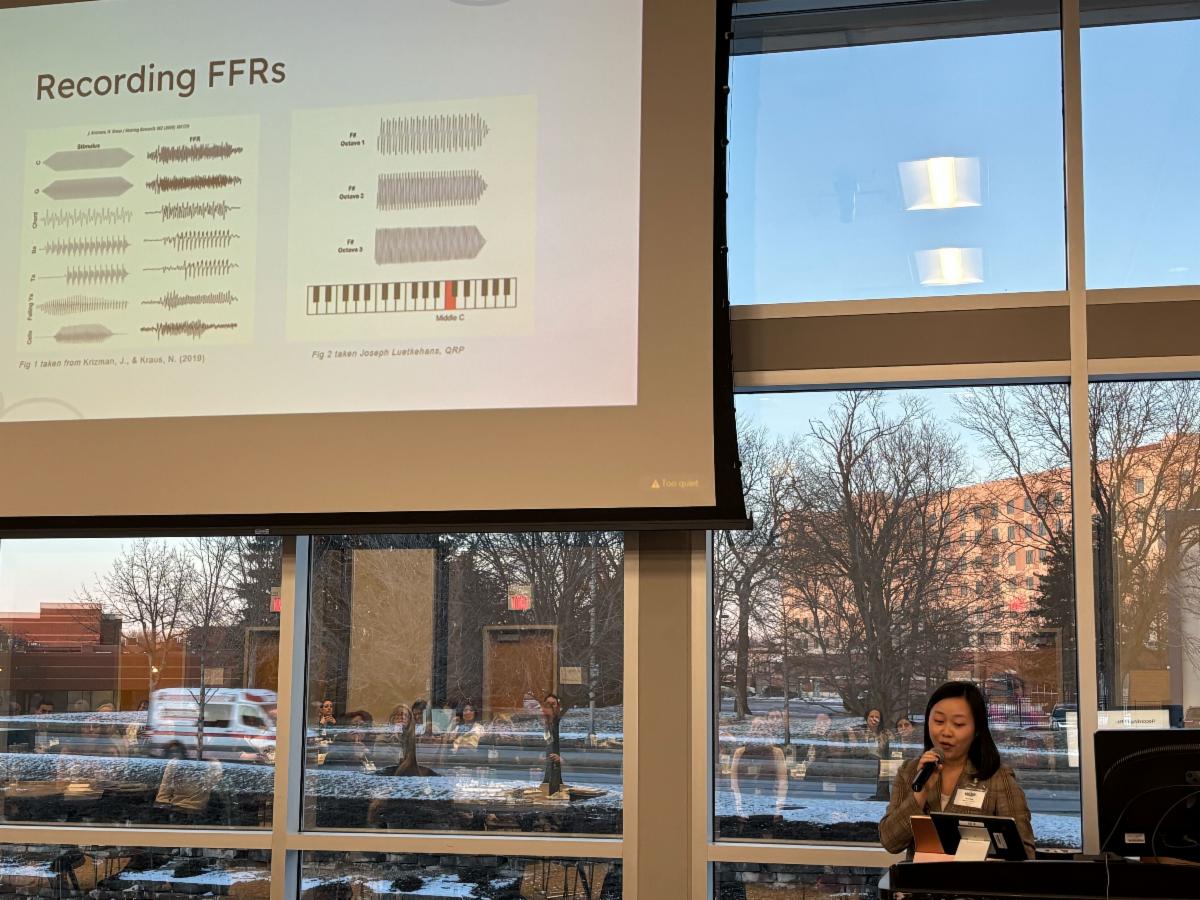
AuD student Joy Chiang presented her capstone research project, "SIN abilities and central auditory processing revealed through the FFR: A lifespan perspective with a focus on middle age" as one of the student presentations selected by a committee for the at the Illinois Academy of Audiology conference.
| | | |
Sara Siddiqui
AuD student Sara Siddiqui presented with collaborators to discuss important work around the Early Hearing Detection and Intervention program in Illinois in a talk titled, "Bridging gaps through partnership with EHDI" at the Illinois Academy of Audiology conference.
| | | | | |
Malak Elmessiry
PhD Student Malak Elmessiry, Dr. Aya Inamori Williams, Dr. Ashley Chung-Fat-Yim, and Dr. Viorica Marian received the Graduate Student Paper Award from the Midwestern Psychological Association (MPA). Their paper, "Language Shapes expression of depression symptoms in Spanish-English bilinguals" describes how older Spanish-English bilinguals express depression symptoms differently across their two languages.
| | | |
| |
Abhijit Roy
PhD Student Abhijit Roy is one of 13 members of the Acoustical Society of America student council. He is the Psychological and Physiological Acoustics Representative for a 2-year term.
| | | |
| |
Grace Szatkowski
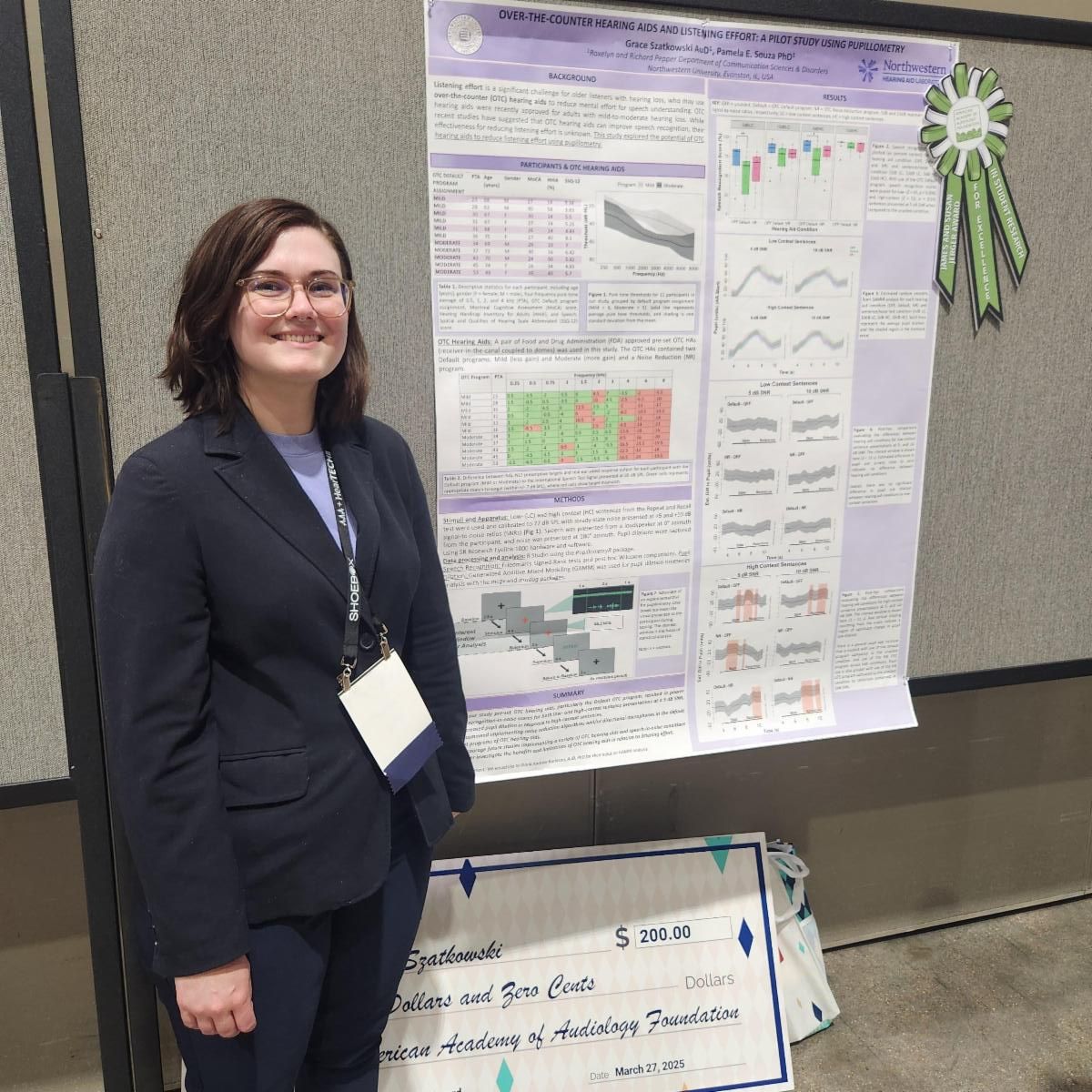
At the American Academy of Audiology (AAA) PhD Student Grace Szatkowski received the James and Susan Jerger Award for Excellence in Student Research for her poster, "Over-the-Counter Hearing and Listening Effort: A Pilot Study using Pupillometry".
| | | Faculty and Staff Development | |
Souza Gives Keynotes
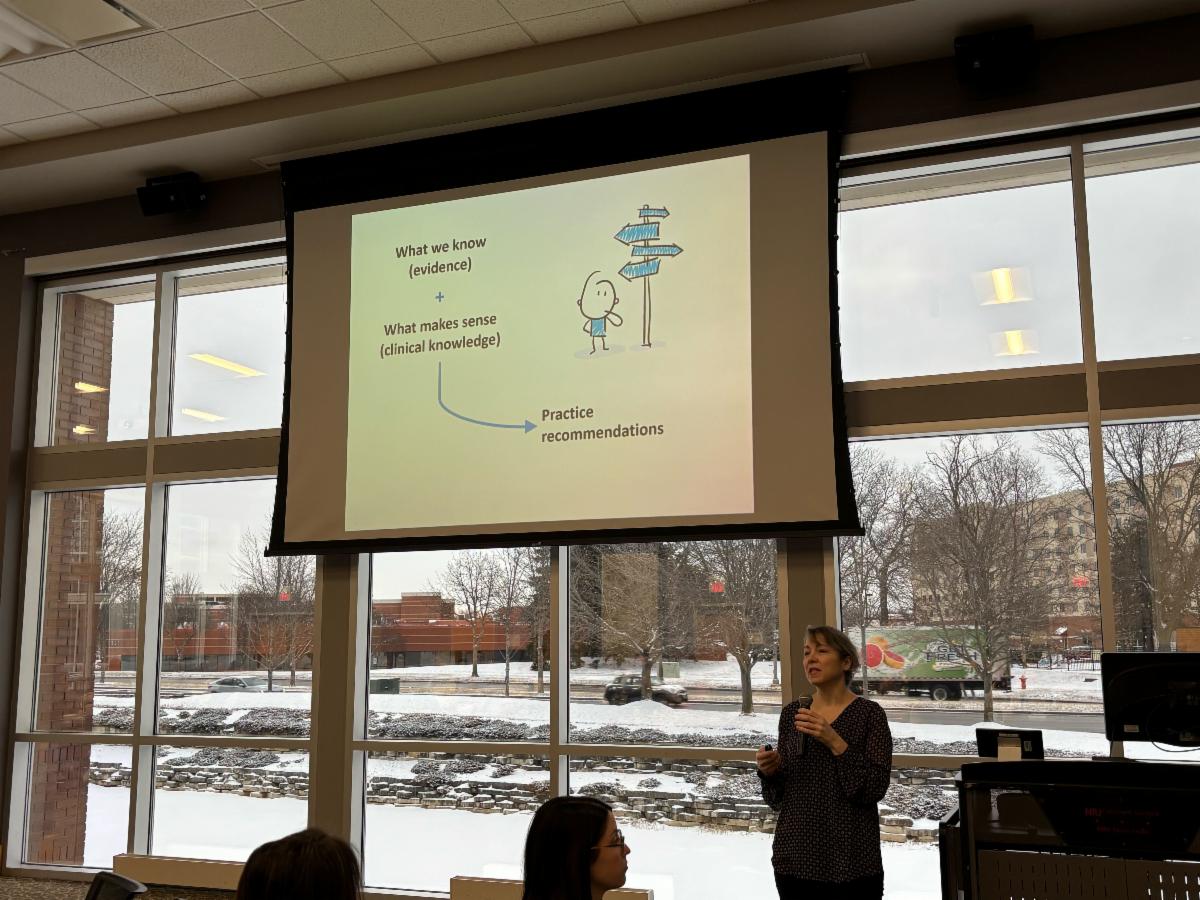
Professor Pamela Souza gave the Keynote Presentation, "A new look at an old problem: Managing severe loss" at the Illinois Academy of Audiology convention in Naperville, IL.
Dr. Souza also presented the 2025 Killion Lecture, titled “Understanding Individual Variability Among Older Adults with Hearing Loss” where she reviewed the effects of hearing loss, age, and cognitive ability on communication, and how hearing aids can be optimized for real-life listening needs at the American Auditory Society.
|
| |
Martin-Harris Presents to NU Audiences
Professor Bonnie Martin-Harris presented “Resetting respiratory pattern at swallow initiation: impact on laryngeal biomechanics and airway protection" for the NU CSD community and our clinical instructors. She also served as a course director for the 7th Annual Women in Medicine Conference at Northwestern Medicine – The Time is Now: Forging & Strengthening our Path in Medicine.
| | | |
Marian's Book Title Part of NYT Puzzle
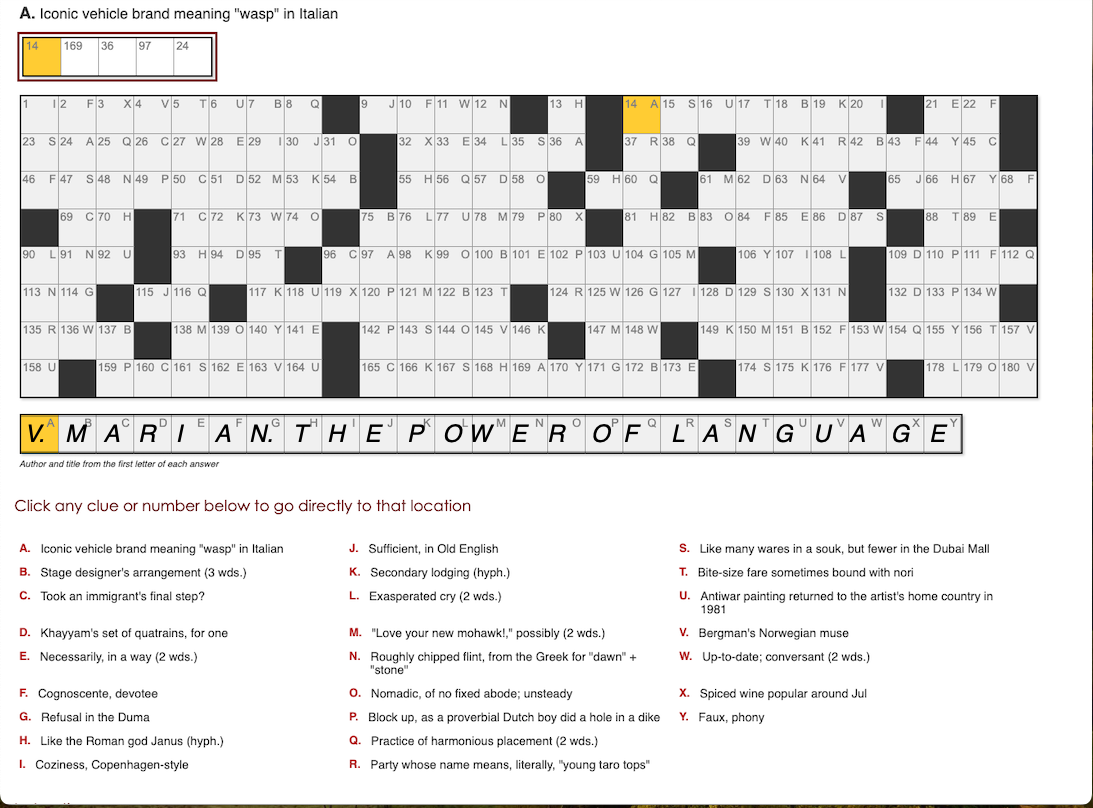
A quote from Professor Viorica Marian's book The Power of Language is an answer to a recent New York Times acrostic word puzzle.
| | | | |
Kinderman Earns New Credentials
Assistant Clinical Professor Karen Kinderman successfully defended her Doctorate of Speech-Language Pathology. Her culminating project was a clinical research project titled, "Investigating the relationship between blood pressure variability and cognitive processing speed in collegiate athletes with persisting concussion symptoms: A retrospective Analysis."
|
| | |
Rodriguez-Contreras Completes AI Program
Associate Professor Adrian Rodriguez Contreras completed Generative AI 101, a program cosponsored by the Office of the Provost and Northwestern IT. During the six-week program, participants learned how generative AI works, designed an assignment using generative AI for one of their upcoming courses, and piloted a student-facing module about using generative AI ethically in academia.
|
| | |
Singh Accepts New Faculty Position
Former Research Assistant Professor Jasleen Singh took a new position as an Assistant Professor at the University of Massachusetts Amherst.
|
| | |
|
Smith Defends PhD
Clinical Research Associate in the The Swallowing Cross-Systems Collaborative Rebecca Smith successfully defended her doctoral dissertation, “Screening for pediatric feeding disorder: advancing clinical practice standardization”.
|
| | |
|
Skortez Completes Intensive Training with the The Swallowing Cross-Systems Collaborative
Professor Martin-Harris sponsored Dr. Stacey Skortez, visiting scholar from the University of British Columbia, for a 1-week hands-on training in respiratory signal acquisition, including instrument calibration, data collection techniques, and quality assurance measures to ensure reliable signal capture. Dr. Skoretz also engaged in detailed data analysis processes, which included respiratory phase pattern analysis and videofluoroscopic assessment of swallowing physiology. Beyond these practical skills, the practicum immersed Dr. Skoretz in a collaborative, multidisciplinary research environment. During her visit, Dr. Skoretz worked alongside clinicians and researchers who apply respiratory swallowing data to improve clinical decision-making and patient outcomes, giving Dr. Skoretz a deeper understanding of how these data inform translational research.
| | | |
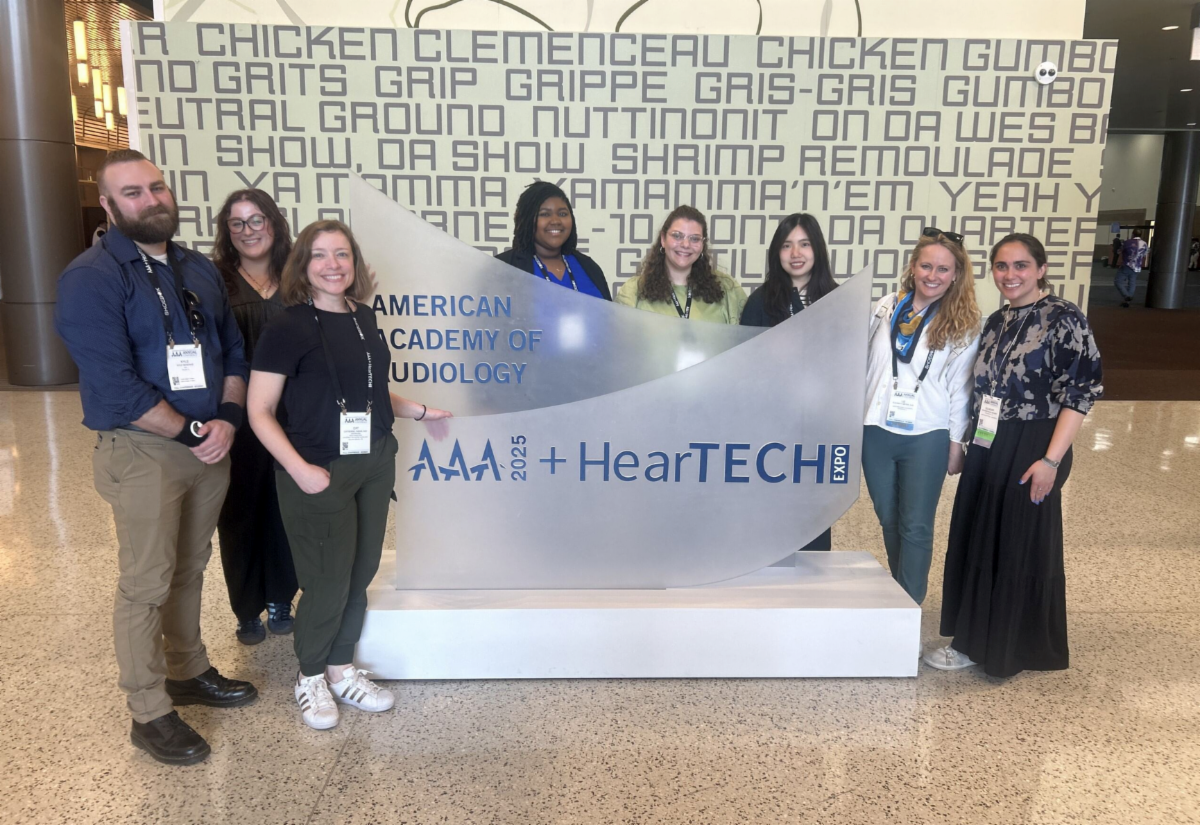
NU CSD was well represented at the annual Academy of Audiology (AAA) Convention in New Orleans. |
| | High Quality Clinical Services | | |
Head Neck Cancer Support Group
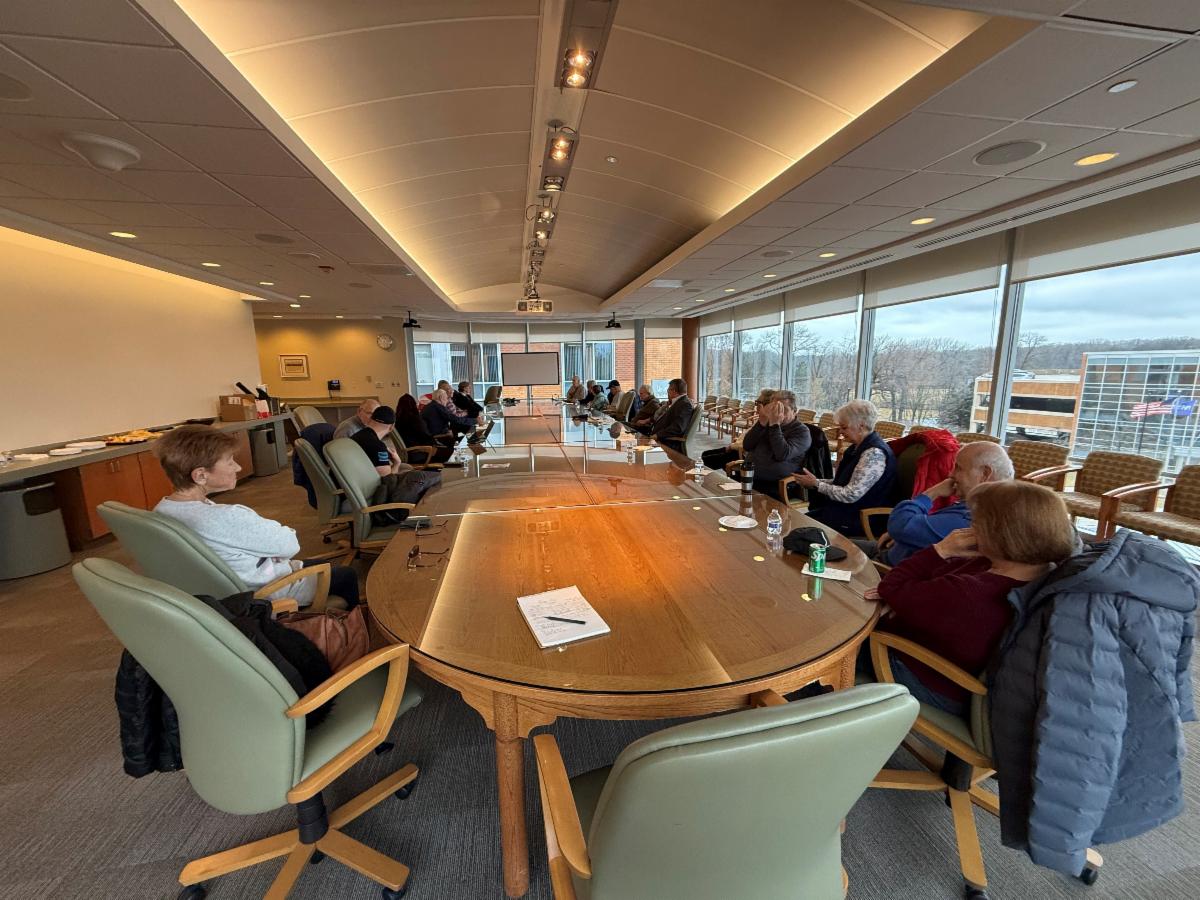
Professor Bonnie Martin-Harris and the Swallowing Cross-Systems Collaborative lab sponsored a quarterly support group for head and neck cancer survivors and their families at the NM Living Well Cancer Resource Center in Warrenville. This initiative helped expand outreach efforts to the western suburbs of Chicago, providing essential resources, support, and community connections for those with swallowing impairments associated with head and neck cancer and its treatment.
| | | |
Laryngectomy Support Group
Clinical Assistant Professor Sarah Kramer hosted the first first laryngectomy support group meeting at the Marianjoy Rehabilitation Hospital in Wheaton.
| | | |
Boron Continues Advocating for our Clients
Assistant Clinical Professor Stephanie Boron wrote the article, "Positively Disrupting Social Groups: A Neurodiversity-Affirming Glow-Up By Embracing And Celebrating Neurodivergent Social Norms", in the ASHA Leader. Read the full article here to learn how she's built social groups for teenagers.
| | | |
Roman Hosts Discussion on Graduate Students Motivation
Associate Clinical Professor Judy Roman hosted a discussion with faculty from the University of Minnesota, Duluth and several of our clinical faculty at NUCASLL on the current research surrounding motivation in graduate students.
| | | |
Audiology Team Hosts First Hearing Clinic at ReVive Center for Housing and Healing
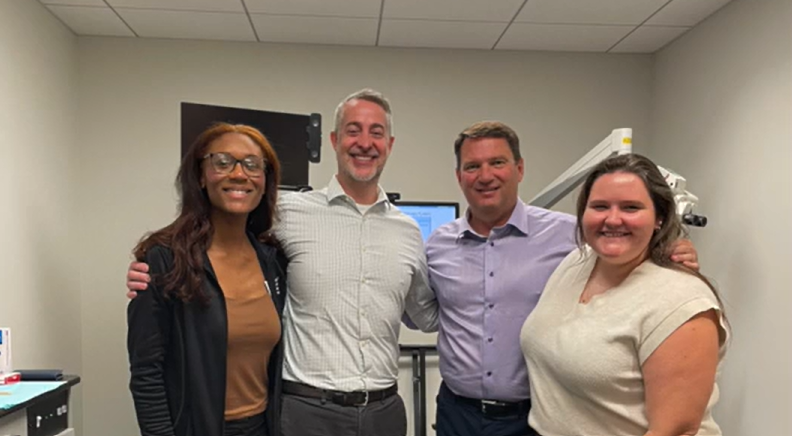
Assistant Clinical Professor Katherine Swem and AuD students provided their first monthly hearing clinic at ReVive Center for Housing and Healing on February 22nd with huge success in student and community member engagement! ReVive is a Chicago nonprofit that provides daily living support programs for community members across the spectrum of housing. Mary Meskan from the Auditory Research Laboratory had an overstock of hearing aids from a research trial and initiated the NUCASLL partnership with ReVive as they saw a high need in ReVive community members for both accurate assessment and long-term support in treating hearing loss successfully with hearing aids. Special thanks to Assistant Clinical Professors Vidya Krull for leading grant writing efforts and to Liz Gardner Meyer for wrapping in the Student Academy of Audiology's efforts in hearing aid donation program.
| | |
Voice and Hearing Screenings
The Department of Otolaryngology assisted our students with giving voice and hearing screenings to students in the School of Communication.
| | |
Northwestern CSD Represented at IMPACT Labapalooza
Drs. Mercedes Spencer, Adrián Rodríguez-Contreras and Mariah Morton-Jones shared their research with the students who are part of the collaborative mentoring program for Case Western and Hampton University Communication Sciences and Disorders students.
| | |
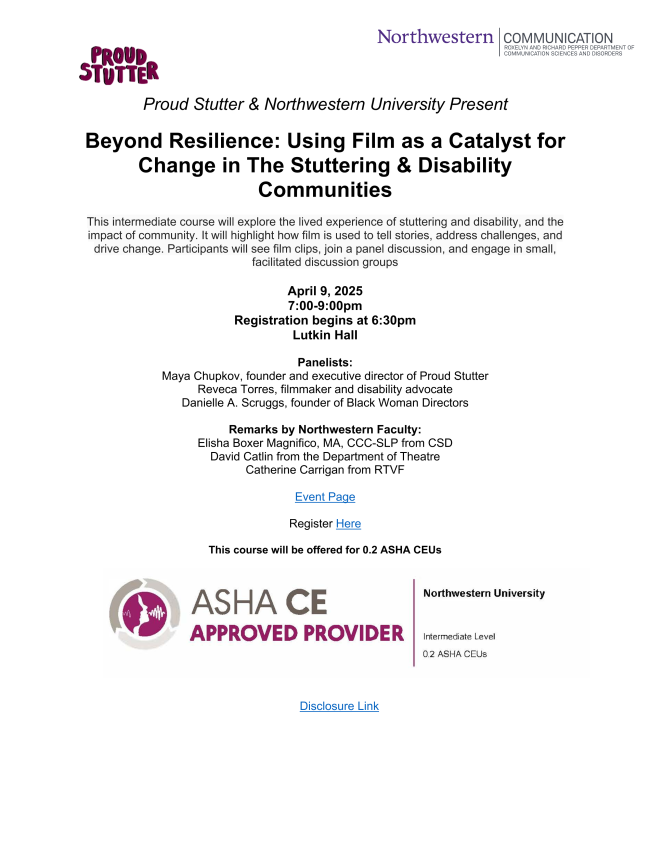
Course on Lived Experiences of Stuttering and Disability
Assistant Clinical Professor Elisha Magnifico, along with her colleagues in theater and RTVF, hosted a continuing education course that explored the lived experiences of stuttering and disability in collaboration with Maya Chupkov, founder of the Proud Stutter podcast.
| | | |
Informing the Public on LSVT
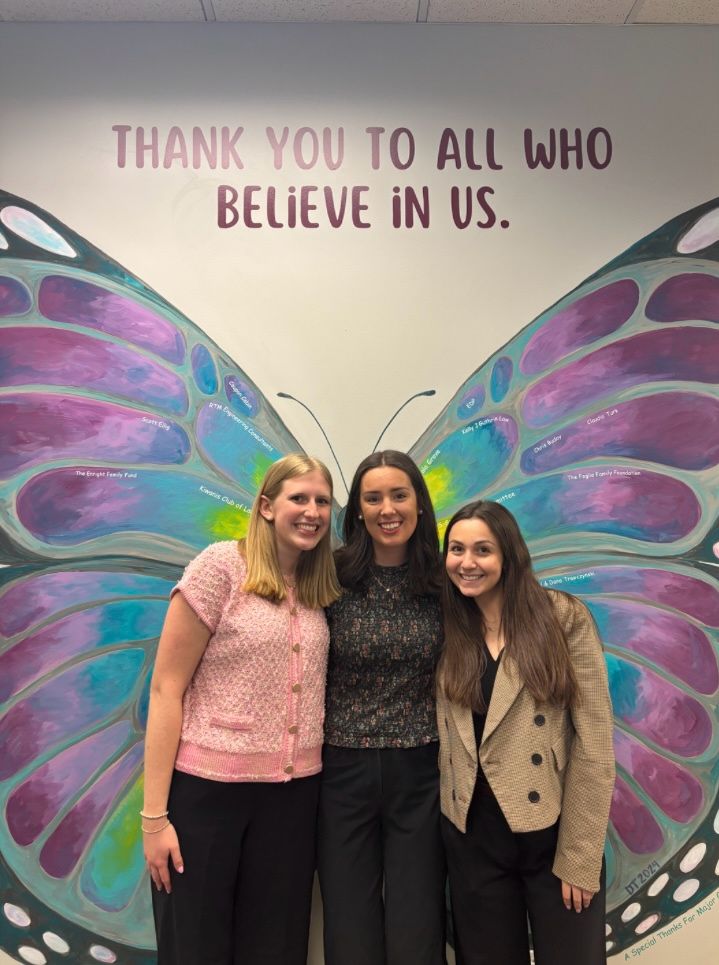
Assistant Clinical Professor Leigh Cohen and her LSVT certified graduate students Annie Magner, Talia Just, and Sydney Rubenstein presented to GiGi's Playhouse Deerfield on the impact of LSVT Global, Inc. evidence-based treatment for pediatrics.
| | | |
Educating Parents and Caregivers
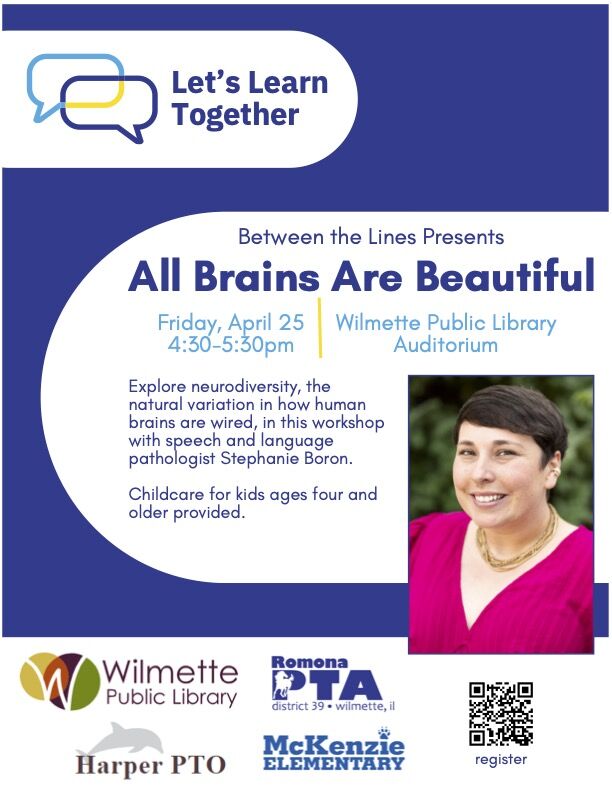
Assistant Clinical Professor Stephanie Boron will be giving a presentation for parents, "All Brains Are Beautiful" at a local library. The presentation will explore different types of neurodiversity, identities, and how to support young neurodivergent community members.
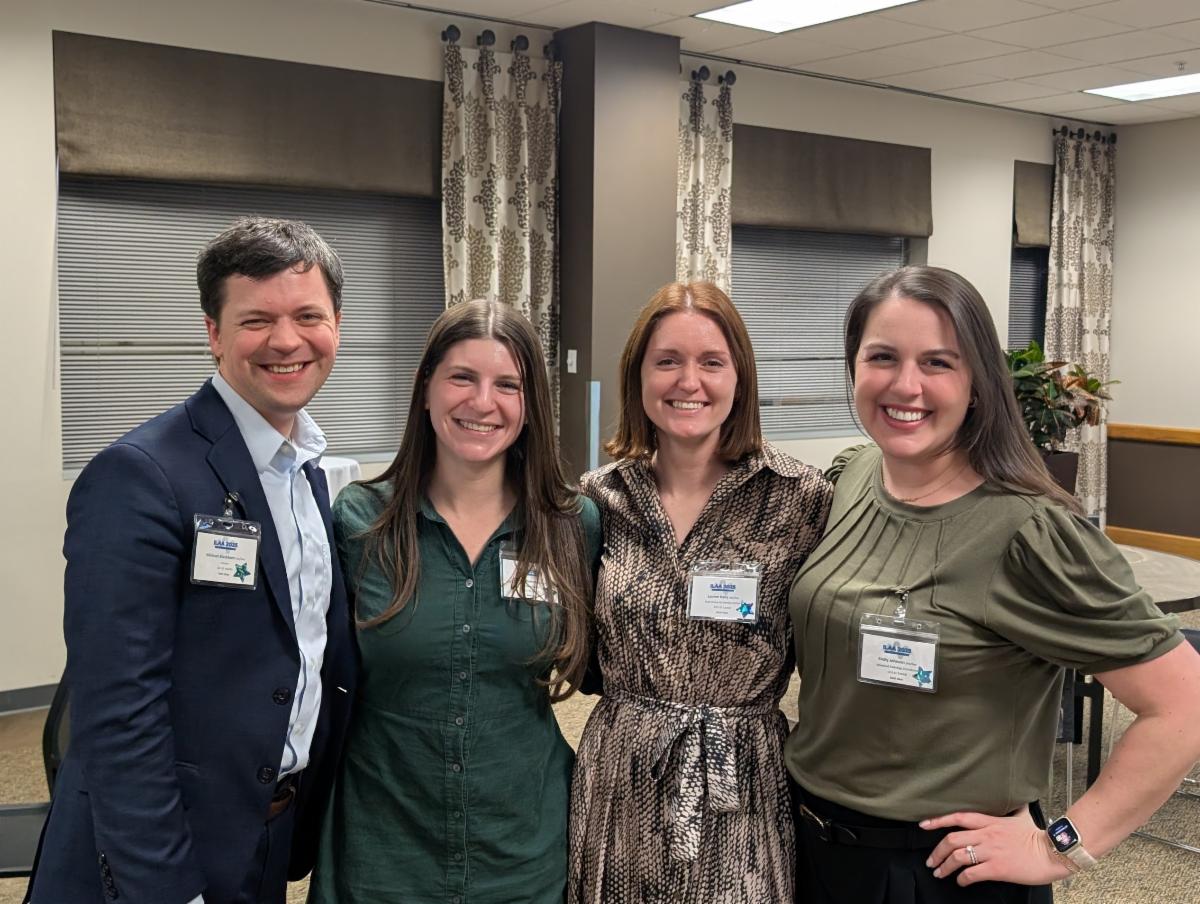
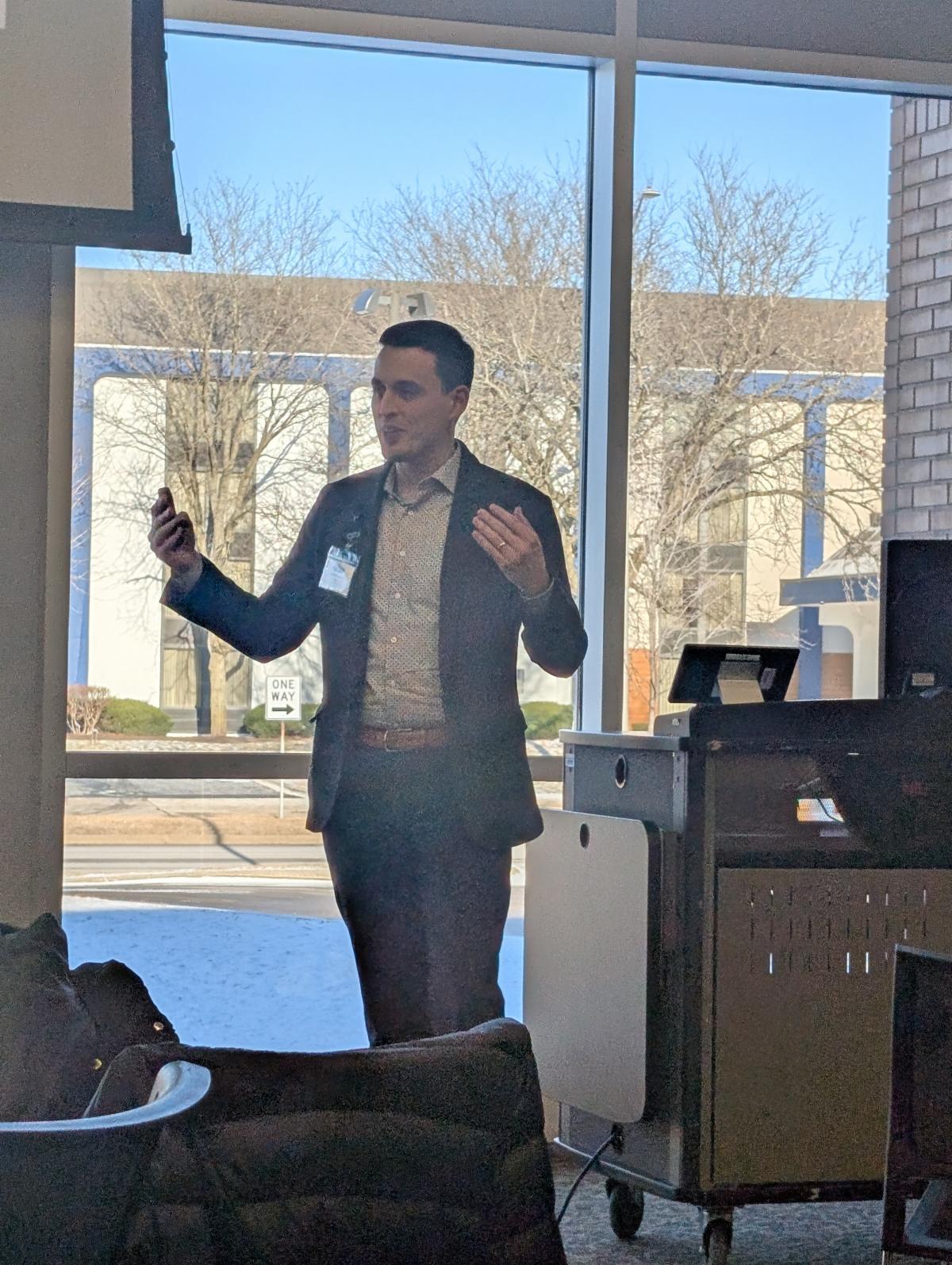
| | | Illinois Academy of Audiology (ILAA) Board members and AuD program graduates president-elect Michael Blackburn (left) and president Lauren Kelly (third from left) with other ILAA members at the convention. | | AuD Program alumnus Kevin Seitz-Paquette (class of 2015) provided a highly informative and timely presentation titled, "Introduction to Artificial Intelligence for Audiologists" at the ILAA Convention. | | Follow our Department Social Media Accounts for updates | | | | |