From the Nation’s Capital

Rheumatology Community Unites in DC for CSRO’s Annual Advocacy Conference

On October 2–3, 2026, CSRO brought leaders from state and regional rheumatology organizations to Washington, DC, for its flagship Advocacy Conference. Over two days of policy briefings, expert panels, and networking, attendees heard from national health policy leaders and patient


advocates and left with new tools to advocate for their practices and patients.


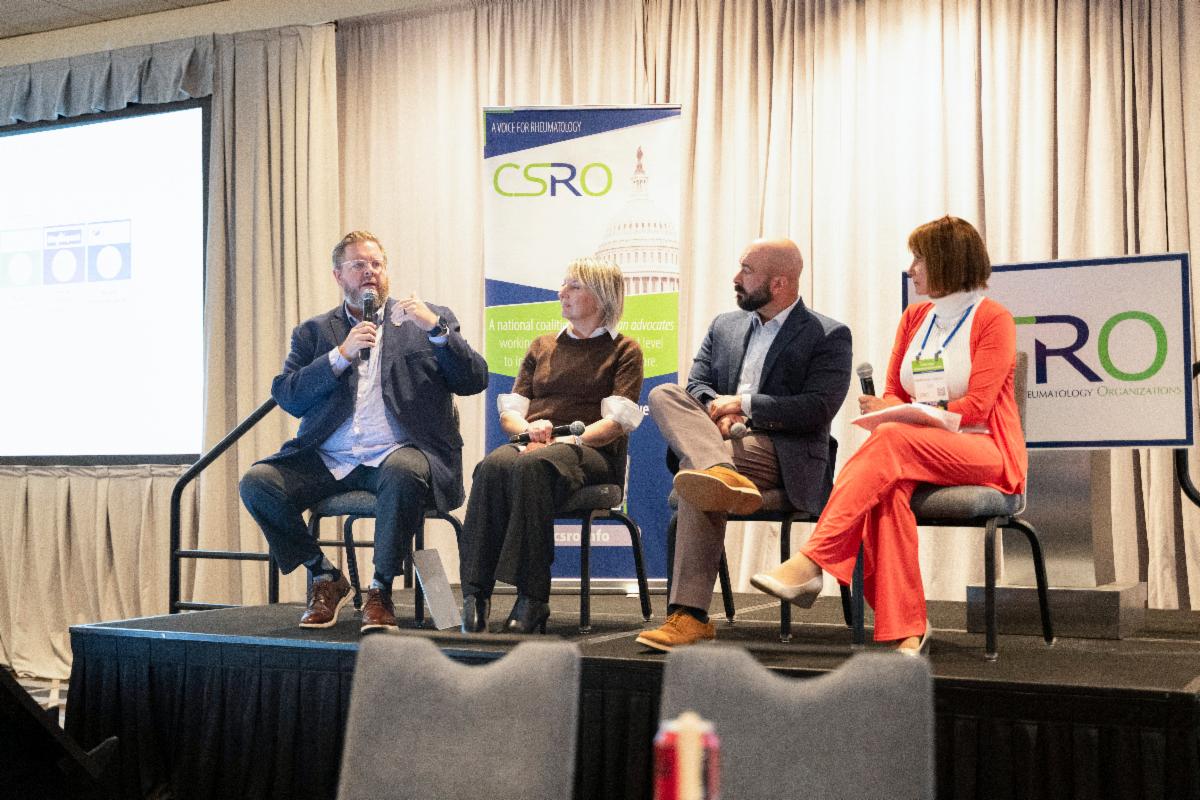
The conference opened on Friday evening with a cocktail reception and dinner. The evening featured a panel led


 by House RX and CSRO members Meredith Hirsch and Beth Simpson, MD, on the policy opportunities medically integrated dispensing offers rheumatologists.


CSRO President Aaron Broadwell, MD, FACR, launched Saturday’s full day of programming with welcome remarks and an Advocacy 201 session that guided attendees through the policy nuances of today’s political landscape. Then CSRO’s government affairs team at Hart Health Strategies delivered a federal and state update, highlighting rheumatology’s advocacy wins in 2026 and previewing CSRO’s issues for the upcoming 2027 legislative session. One message was clear throughout these presentations: as health plans and PBMs lobby more aggressively across the country, the stories of real patients and practices are among the most powerful tools rheumatologists have when advocating with lawmakers.


The day featured three in-depth panel discussions with health care thought leaders and patient advocates, each moderated by a CSRO board member. The first panel, “How Price Fixing and Over-Rebating Harm Patient Access,” looked at how rebate-driven pricing limits patients’ access to the treatments they need. The second panel, “Navigating ERISA: Understanding Coverage, Utilization Management, and Policy Reforms,” explained how self-funded employer plans fall outside many state protections and where reforms are needed to protect patients’ access. The final panel, “How States and Congress Are Tackling Vertical Integration: Breaking Up the PBM Middlemen,” covered state and federal efforts to address the increasing vertical integration of PBMs, health plans, and pharmacies. Together, the panels gave attendees a clear picture of the threats facing rheumatology practices and patients, along with the policy opportunities to address them.


Before concluding the Annual Business Meeting, attendees participated in a Start-up CEO for a Day presentation by conference sponsor Bristol Myers Squibb to better equip independent rheumatology practices for the financial and policy threats they face as business owners. The event concluded with a Closing Reception, offering attendees an opportunity to network and trade advocacy strategies. CSRO will return to Washington, DC, for next year’s Advocacy Conference on September 10–11, 2027. Registration details are coming soon. Mark your calendar now and plan to join us!


CSRO Advocacy Day: 72 Meetings Amplify Rheumatology’s Voice in Congress

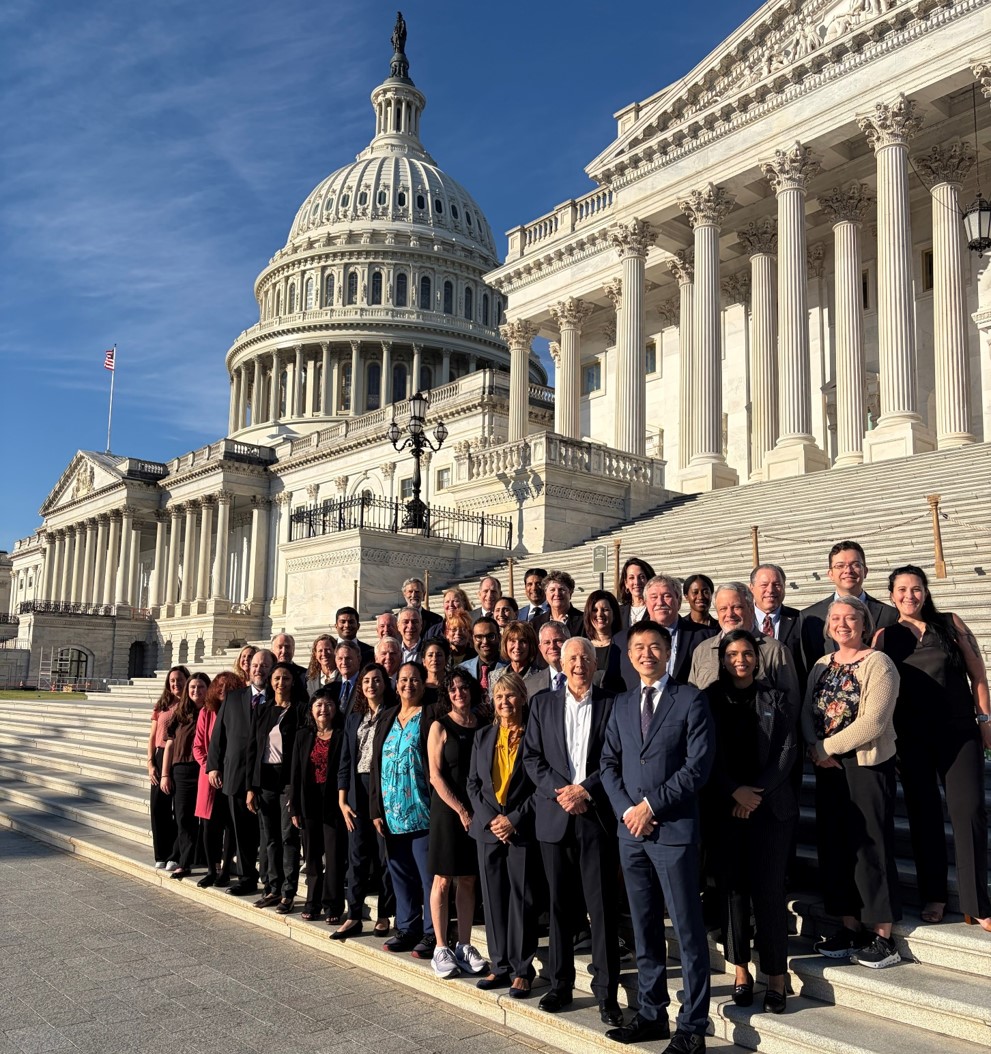
Ahead of the 2026 CSRO Advocacy Conference, CSRO hosted a successful federal Advocacy Day on Capitol Hill, where board members and at-large members from 23 states met with congressional offices to advocate for CSRO’s legislative priorities. CSRO secured 72 bipartisan meetings, 41 with Senate offices and 31 with House offices, to educate lawmakers and their policy advisors about the federal issues affecting patients and the rheumatology community.


During the meetings, CSRO members highlighted the importance of rheumatology practices to the broader health care system and advocated for five key priorities:


  • Protecting Part B Drug Reimbursement: Advance the Protecting Patient Access to Cancer and Complex Therapies Act (H.R. 4299), which would hold rheumatologists harmless by removing physician Part B drug reimbursement from the middle of the Medicare Drug Price Negotiation Program and preserving the buy-and-bill model.


  • Pharmacy Benefit Manager (PBM) Reform: Advance the Patients Before Monopolies Act (S. 4509/H.R. 8779), which would end the vertical integration of health plans, PBMs, and pharmacies that drives up patients’ out-of-pocket costs.


  • Prior Authorization Reform: Pass the Improving Seniors’ Timely Access to Care Act (S. 1816/H.R. 3514), which would streamline prior authorization in Medicare Advantage by requiring greater transparency and oversight of health plans.


  • Step Therapy Reform: Support the Safe Step Act (S. 2093/H.R. 5509): which would establish common-sense exceptions to the step therapy protocols health plans and PBMs use to limit patient access to medications.


  • “Underwater” Biosimilars: Urge congressional oversight of CMS and direct the agency to establish a formulary adequacy standard for physician-administered drugs in Medicare, so that fail-first therapies are meaningfully available to beneficiaries and patients have an alternative when they are not.


CSRO thanks every member who traveled to Capitol Hill to share their expertise and patient stories with congressional offices. Their voices make a real difference, and CSRO will continue working with congressional offices to advance these priorities through the remainder of the year.

CMS Finalizes GLOBE Model, GUARD Model Remains Pending

On September 30th, CMS finalized the Global Benchmark for Efficient Drug Pricing (GLOBE) Model, which will use international drug prices to calculate manufacturer rebates for certain Medicare Part B drugs. The model launches January 1, 2027, with voluntary manufacturer submission of international pricing data, and its five-year performance period and reduced beneficiary coinsurance begin April 1, 2027. Consistent with the proposal, GLOBE will apply to beneficiaries residing in randomly selected geographic areas encompassing approximately 25% of beneficiaries with Original Medicare as their primary coverage.


The proposed model excluded drugs with an effective Medicare-negotiated maximum fair price, as well as biosimilars and their reference biologics once a biosimilar enters the US market; the final rule adds exclusions for orphan-only drugs, plasma-derived products, and certain cell and gene therapies. Importantly, CMS also intends to provide manufacturer waivers tied to participation in the GENErating cost Reductions for US Medicaid (GENEROUS) Model, the Administration’s voluntary Medicaid drug-pricing model, which substantially narrows GLOBE’s reach and anticipated savings. As explained in the rule, assuming GENEROUS participants receive waivers, the “number of remaining manufacturers of GLOBE Model drugs would be four,” down from the 19 before accounting for those waivers. As a result, rheumatology therapies appearing on CMS’s illustrative drug list may ultimately fall outside the model.


A companion rule establishing the Guarding US Medicare Against Rising Drug Costs (GUARD) Model for certain Medicare Part D drugs remains under White House review.


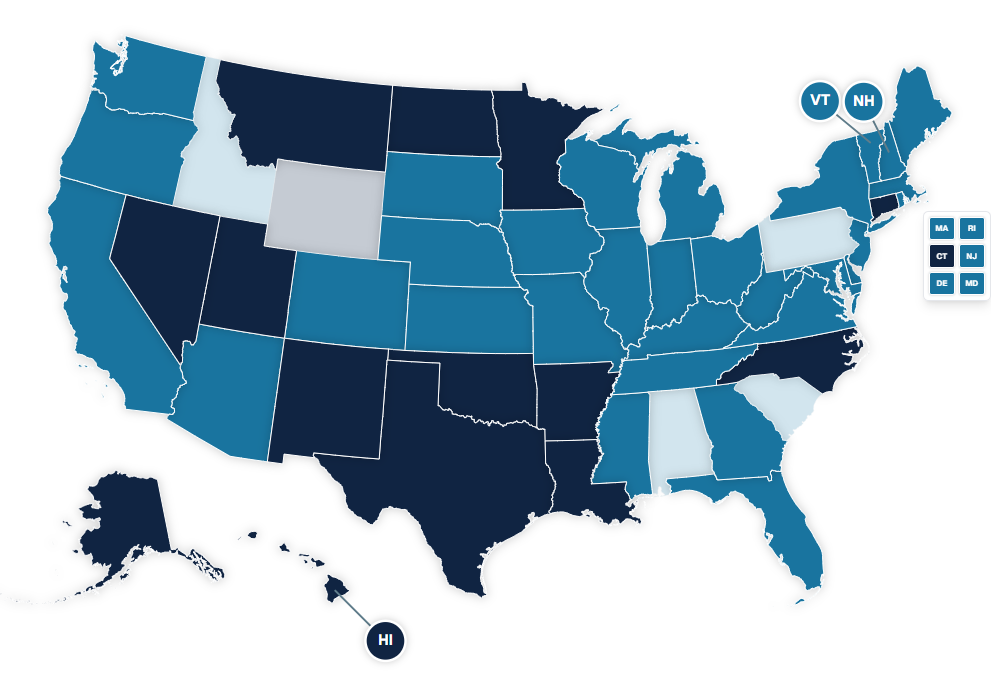
Want to learn more about the legislation introduced in your state? Visit CSRO’s Map Tool to find all of the new and enacted bills within CSRO’s policy priorities.


Explore the PIRT Archive


CSRO's Payer Issue Response Team (PIRT) has helped address payer challenges affecting rheumatology practices across the country. Now, you can browse the new PIRT Archive to explore past payer issues, the actions taken by CSRO, and the outcomes achieved. Whether you're facing a similar challenge or want to learn more about CSRO's advocacy efforts, this resource is a valuable place to start.


What's Happening in the States


Interested in learning more about CSRO’s engagement in the states? Visit our State Legislation Correspondence page to review the letters submitted to state legislatures on CSRO’s priority issues.

Click above to access CSRO’s new State Legislative Tracker to find the status of CSRO’s priority legislation affecting the rheumatology community and its patients at the state level.

Mark Your Calendar: Upcoming Events

Keeping a Healthy State Rheumatology Society: Structural and Financial Fundamentals: October 14, 2026

Join us to learn more about the fundamentals of building a strong and sustainable state rheumatology society.

Register here!

Business of Rheumatology Seminar Series - Smart Payer Contracting and Transparency in Coverage: December 2, 2026

Join us for our December Business of Rheumatology webinar to learn how to navigate payer contract negotiations with confidence. This session is part of our ongoing webinar series, generously supported by Johnson & Johnson.

Register here!

Fellows Conference: March 19-20, 2027

Calling all rheumatology fellows! Mark your calendars to join us in San Antonio, TX , for the CSRO annual Fellows Conference.

Sign up for the Registration Launch here!

2027 Advocacy Conference: September 10-11, 2027

Save the date for our 2027 Advocacy Conference and Day on the Hill, held in Washington, D.C.!

State Society Conferences:

CSRO's state rheumatology society members host their own annual meetings throughout the year. Find a listing of these state-specific conferences on our website.

Action Center

Use CSRO's convenient online platform to easily find out who your elected officials are and engage with them directly.


Career Center

Locate the perfect fit whether you're looking for new career opportunities or trying to find the right candidate.


Explanatory Statement: “Underwater” Biosimilars

To aid in addressing the issue of "underwater" biosimilars with payers, CSRO has created a document to illustrate the extent of the problem.


Legislative Map Tool

Find your state on our interactive map tool to learn about current or proposed policy and ways you can take action to make an impact.


Payer Issues Reporting Form

Request assistance with any payer relation issues that may be impacting your patients or office.


Policy Correspondence

Easily access all of CSRO’s policy letters submitted to payers, state, and federal governments as an informational resource.


Rheum for Action

Learn about the latest advocacy issues in CSRO's advocacy column authored by Dr. Madelaine Feldman and produced in partnership with Medscape.


Step Therapy Cover Sheets

Review CSRO's state-specific step therapy materials that help guide practices in gaining an exemption from step therapy protocols.

Questions?

Please visit the CSRO website for other news and updates, and do not hesitate to contact us with any questions at info@csro.info.

X  LinkedIn  Facebook  Email  Web