|
On September 8, CSRO submitted comments to the Centers for Medicare and Medicaid Services (CMS) on the Calendar Year (CY) 2027 Medicare Physician Fee Schedule (PFS) proposed rule, raising concerns about the continued decline in Medicare physician payment and several policies that could affect rheumatology practices and patient access to care.
CSRO noted that Medicare physician payment increased only 10 percent between 2001 and 2026 while practice costs increased 63 percent, representing a 33 percent decline when adjusted for inflation in practice costs. CSRO urged CMS to work with Congress on a long-term payment solution tied to the Medicare Economic Index (MEI) and to develop more meaningful opportunities for rheumatologists to participate in Advanced Alternative Payment Models (APMs). CSRO also urged CMS to address excess Medicare Advantage (MA) spending by increasing the MA coding intensity adjustment and using the resulting savings to help offset the cost of permanent physician payment reform.
Of particular concern, CSRO strongly opposed CMS’ proposal to reduce payment by 50 percent when a separately identifiable evaluation and management (E/M) service is furnished on the same day as a procedure with a 0-, 10-, or 90-day global period. CSRO emphasized that Modifier -25 identifies significant, separately identifiable care and that CMS provided no evidence that furnishing the services together reduces physician work or practice resources by 50 percent. CSRO warned that the reduction could result in payment that does not cover the actual costs of furnishing medically necessary care, forcing rheumatology practices to effectively subsidize these services and potentially threatening patient access. CSRO reinforced its opposition through its participation in the Same Day Care Coalition and a grassroots campaign mobilizing rheumatologists to contact CMS, as well as by joining an American College of Rheumatology-led coalition letter urging CMS to withdraw the proposal.
CSRO also raised concerns with CMS’ proposed changes to the indirect practice expense methodology, particularly the elimination of the indirect practice cost index (IPCI), which could further reduce payment for drug administration services. CSRO urged CMS to retain the IPCI until reliable, current specialty-level practice cost data are available.
Among other issues, CSRO opposed limiting remote monitoring services furnished by clinical staff to employees of the billing practice; sought additional data before CMS fundamentally changes the G2211 payment methodology; supported permanent Medicare telehealth flexibilities and timely guidance on new telehealth modifiers; and cautioned against replacing the existing medical procedural coding system.
Finally, CSRO continued to oppose the Rheumatoid Arthritis Cost Measure in the Advancing Rheumatology Patient Care MIPS Value Pathway (MVP), citing policies that limit rheumatologists’ ability to select therapies for Medicare beneficiaries. CSRO urged CMS not to mandate MVP participation beginning in 2029 until the measures used to evaluate rheumatologists appropriately and accurately reflect rheumatology practice.
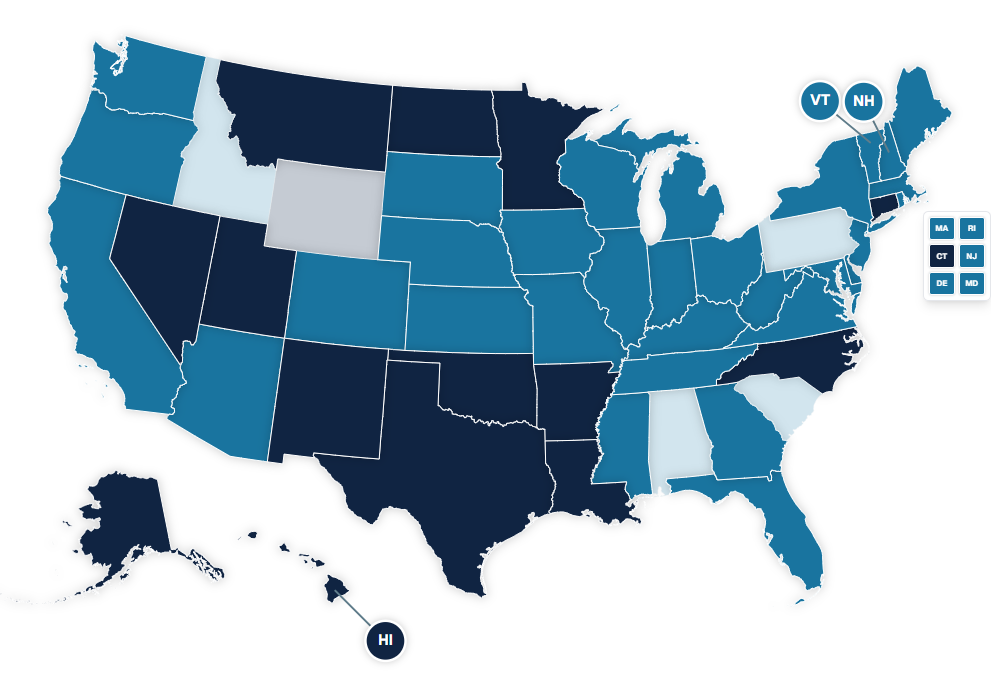
CSRO’s comments were joined by 29 state and regional rheumatology organizations, demonstrating broad concern across the rheumatology community about the impact of these proposals on physician practices and patient access to care. CSRO also signed onto the Alliance of Specialty Medicine’s comment letter, reinforcing the specialty medicine community’s broader concerns with the proposed rule.
|