2021 Fishing Licenses are Available Online |
|
Fishing Fuels Conservation!
100% of your investment funds fish and fishing
|
|
SOCIAL DISTANCE WHILE FISHING
Fishing is a great way to spend time outdoors, reduce stress, and possibly catch a tasty meal. The Fisheries Division along with the CDC, State of CT DPH, and the DEEP strongly encourage social distancing and not fishing with anyone other than people living in the same space.
|
|
Latest Updates from the Fisheries Division
To advance the conservation, enhancement, restoration, use, and appreciation of Connecticut’s fish, fisheries and fish habitats.
|
|
Circle Hooks Required for Striped Bass. Effective December 1, 2020 it is mandatory to use inline circle hooks whenever fishing with bait (live, dead, or cut) for Striped Bass. Please view our web page for the latest information and details.
|
|
The Good and the Bad of "Bunker" |
|
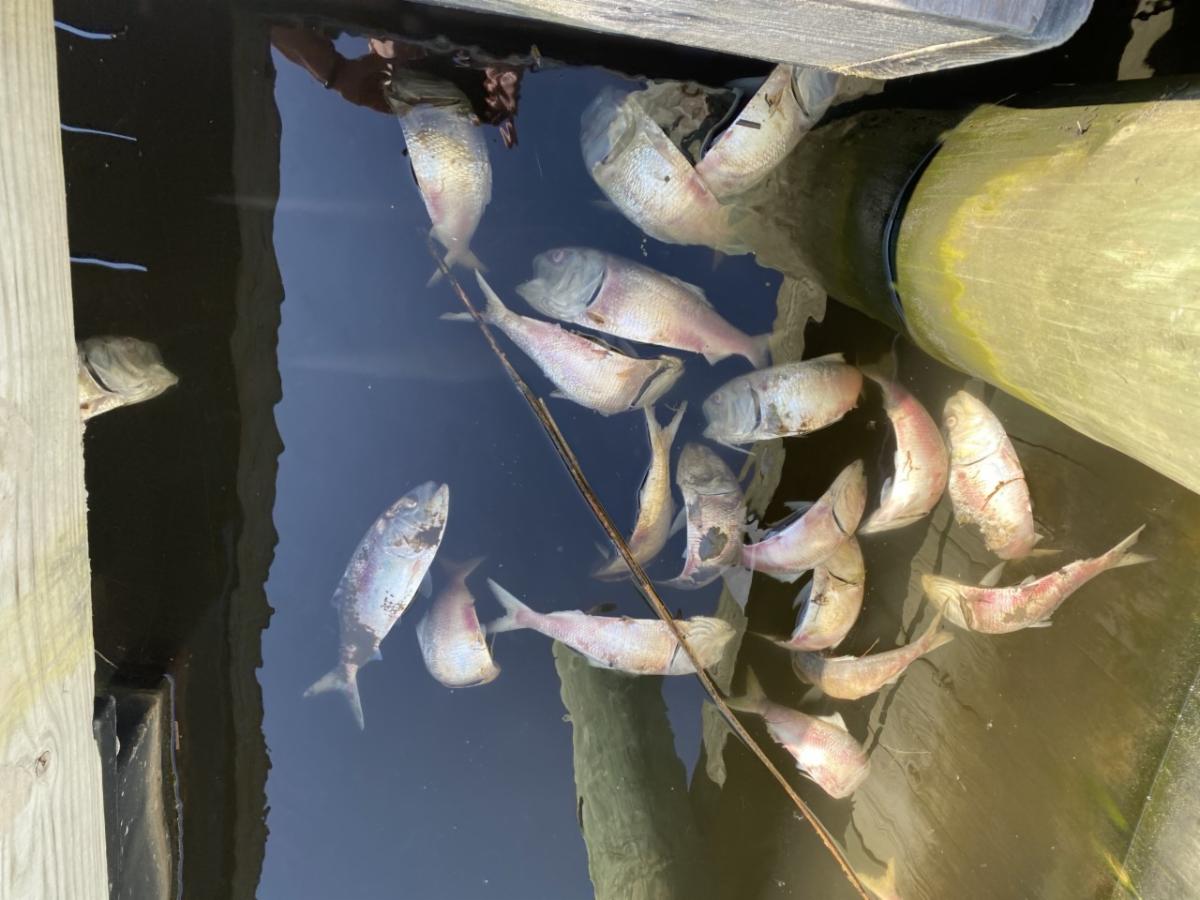
- DEEP is aware of recent fish kills involving Atlantic menhaden (aka "bunker") in various coastal areas, most recently over the weekend in the CT River.
- These kills are a natural event, we see them every summer to some degree. They are a product of high localized abundance of menhaden and warming water temperatures.
- Atlantic menhaden are a fisheries management success story - due to effective management by the Atlantic States Marine Fisheries Commission, menhaden are currently super abundant
- This is a great thing for coastal ecosystems - menhaden are important forage for many predators (striped bass, ospreys, whales, etc.)
- However, one byproduct of high menhaden abundance is more frequent/larger summertime fish kills
- There is no reason to be concerned about water quality, pollution, etc. - these are natural events. DEEP will continue to monitor the situation
|
|
NEW Learn to Fish CT - Online Course |
|
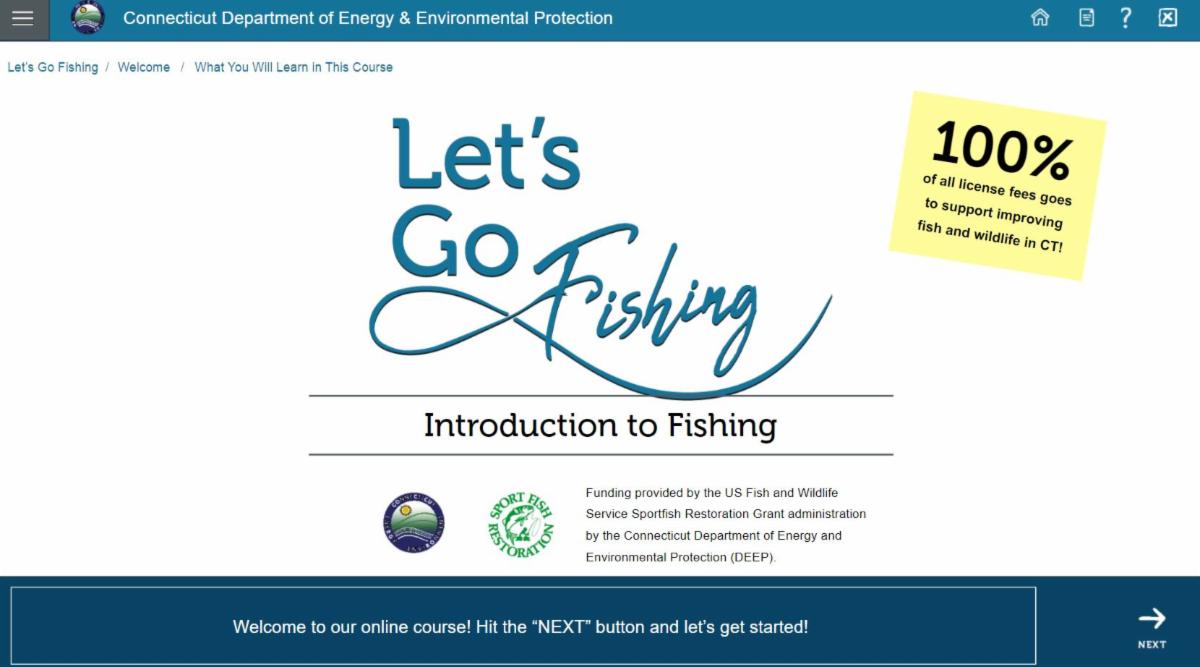
HOT OFF THE PRESS! Our brand new "Learn to Fish" interactive online class. This class follows our popular "Learn to Fish Workbook" giving you information on all of the important aspects of fishing. Take the class at your pace and when completed you will get a custom certificate.
|
|
The CT DEEP Fisheries Division is offering you the opportunity to learn to fish for FREE!
Explore our "Learn to Fish" interactive online class from the comfort of your couch. Then put your knew skills to the test, while enjoying some time spent out of doors!
Join us at a FREE upcoming Fishing Field Trip! We provide all the rods, bait, tackle, and instruction. You just need a fishing license if 16 years and older and be ready to have some fun! You can view a schedule of fishing field trips for now through June below, and register HERE by searching "Fishing Field Trip" in the filter by event box. The fishing has been AWESOME over the past month of events, with hundreds of 1st catches consisting of many species of fish.
|
|
The Housatonic River is well known for its scenic beauty and quality fishing. During the late summer, when water levels are low and temperatures are high, the Smallmouth Bass Fishing is HOT! Check out some tips for Smallmouth fishing in the Hous.
|
|
This past month three non-native organisms have made the headlines. Non-native means the organism has been found in a habitat or location that is outside of its natural range. An clear example is a Panda Bear here in CT. Less obvious are the Red Swamp Crayfish, Goldfish, and the Mitten Crab. While some non-native organisms end up "fitting in" with the native flora and fauna, those who become significantly disruptive, either ecologically or economically, are labeled "invasive". Examples of some of the non-native fish species that are not considered invasive are Northern Pike, Largemouth Bass, Smallmouth Bass, Bluegill, Calico Bass, Rock Bass, Rainbow Trout, Brown Trout, and Common Carp.
Currently, CT is considering adding the Knobfin Sculpin as an invasive species (only found in one watershed in CT but has been very disruptive to the fish and invertebrates). Learn more about CT's aquatic invasive species on our web page.
It is highly irresponsible as well as illegal to release living animals to the environment (other then from which it was taken).
|
|
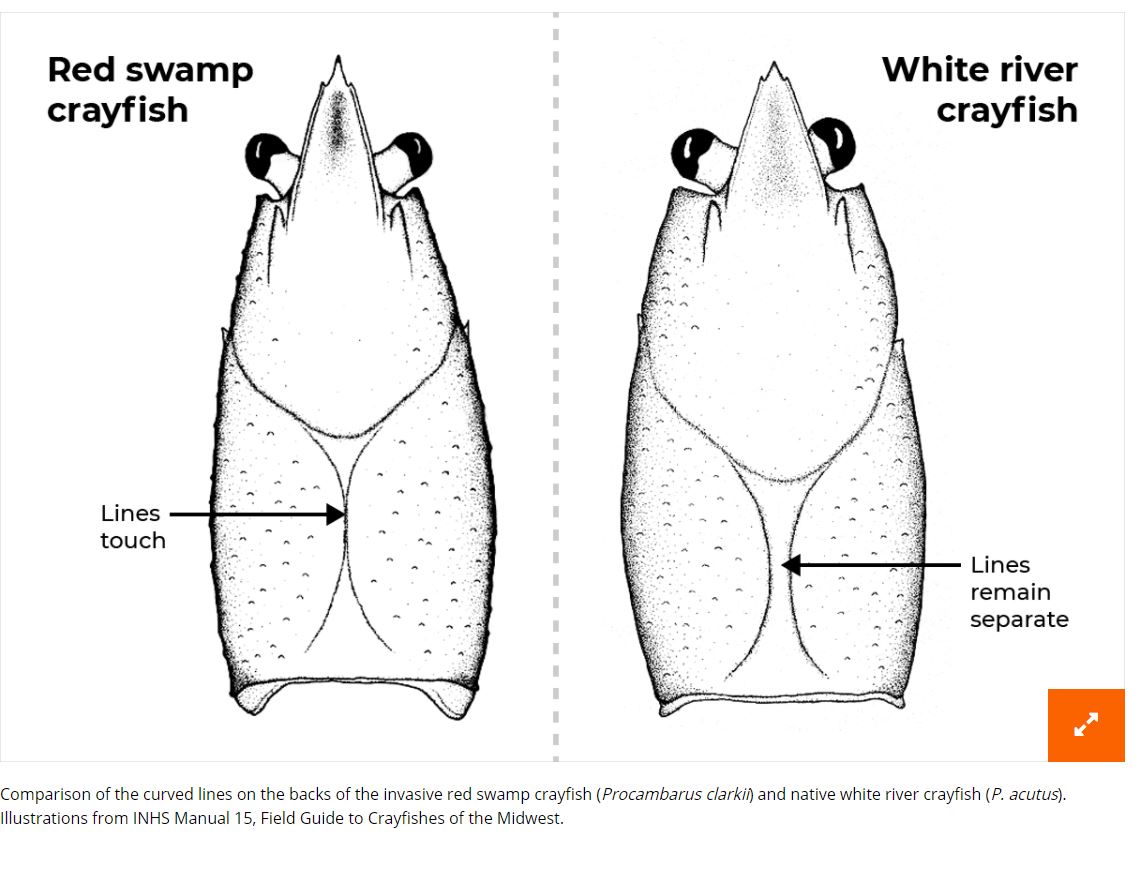
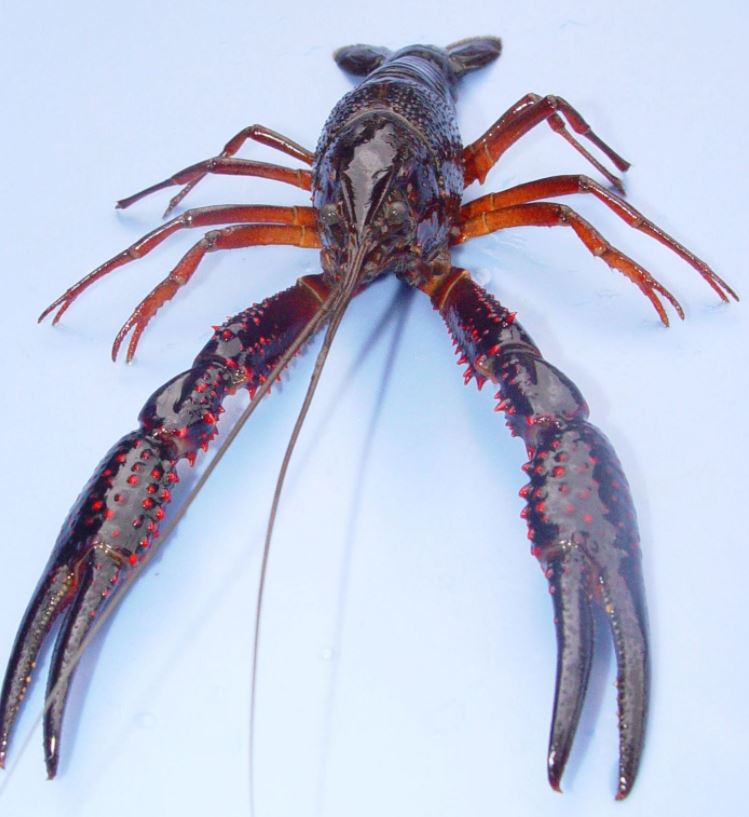
The Red Swamp Crayfish, AKA Louisiana Crayfish is often used for Crayfish Boils and as such can be purchased live via the internet or at some fish markets. This non-native crayfish has the potential to become invasive as it is extremely aggressive and is known to displace native crayfish where it has been released (NOTE: it is illegal to release living animals to the environment).
|
|
|
|
|
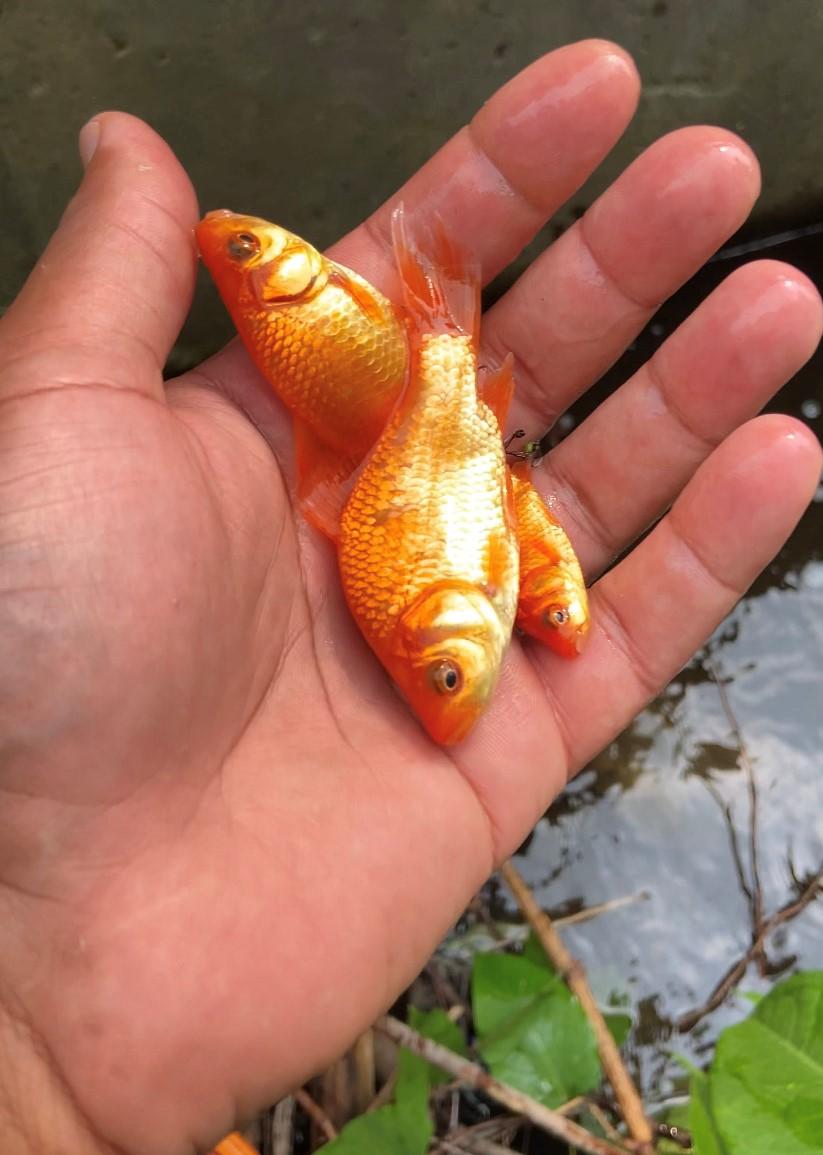
Found at nearly every pet store, the charming and docile Goldfish is a common pet for many. Unfortunately, as a non-native species, the release of these fish can have negative impacts to the environment. Check out what happened in Minnesota through this story.
This month, Fisheries Division Staff were called by the town of Wolcott to remove several dozen Goldfish from the Mad River. The fish pictured in the photo to the left were apparently dumped into the river. Fisheries Staff used their electrofishing equipment (gear used to momentarily stun fish) to remove these non-native fish from the river.
|
|
Circle Hooks Now Mandatory - Striped Bass |
|
"We're trying to help conserve a stock of fish that is in an overfished condition and needs help. By using inline circle hooks, people are pitching in to that effort."- Justin Davis, Assistant Director, Marine Fisheries Program
This regulation was mandated by Atlantic States Marine Fisheries Commission and is being adopted by all Atlantic coast states. View the regulation change.
|
|
Learn to Fish Videos on YouTube |
|
Let's Go Fishing YouTube playlist: To enhance our very popular "Let's Go Fishing" workbook, we have created a short series of instructional fishing videos on DEEP's YouTube channel. These videos are a DIY way to get the instruction delivered during our Introduction to Fishing classes, which have been suspended indefinitely due to the Corona Virus Pandemic.
|
|
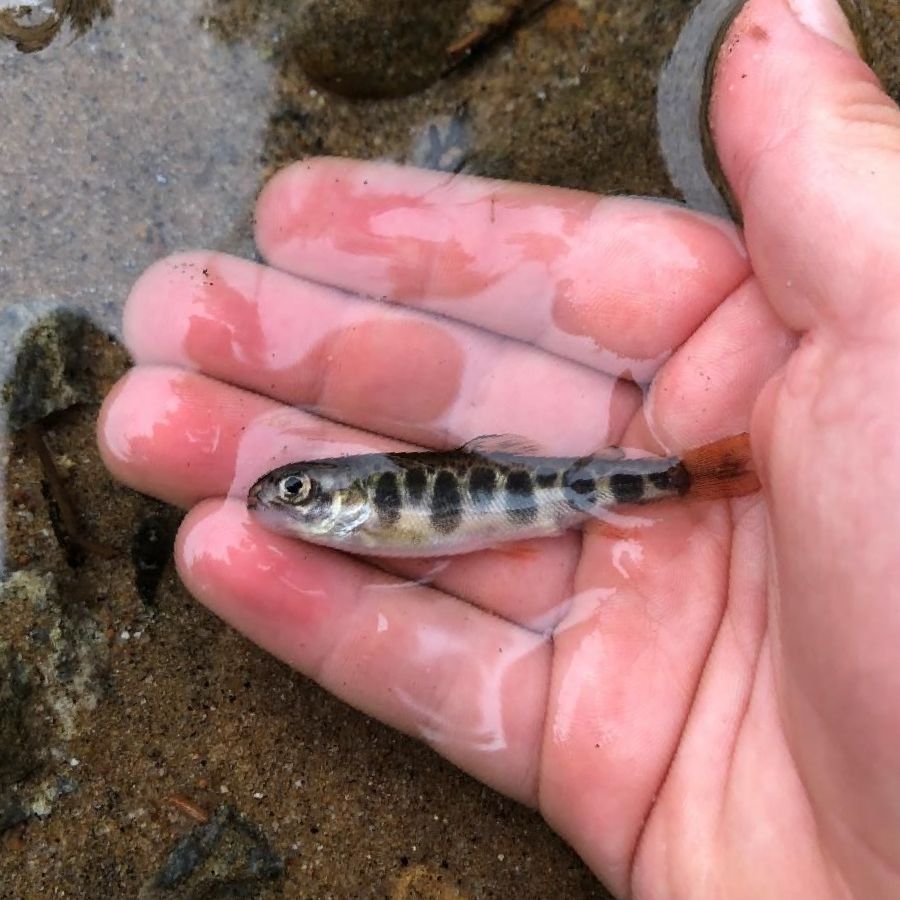
This Month's Mystery Fish |
|
Fishing Challenge - For YOUth |
|
|
|
Fishing is the perfect family activity during this time of "distance learning" and being "socially distant". CT's FREE Youth Fishing Passport is your child's ticket to all of the amazing outdoor discoveries fishing has to offer. Fishing involves knowing about habitat, environmental quality, food webs, life history of species, and so much more. You can get a Youth Fishing Passport, for those 15 or younger, using our online licensing system. Register your child as a new user. If you have questions please contact us.
|
|
Fishing Challenge Scorecard |
|
The Youth Fishing Passport Fishing Challenge is a year long fishing scavenger hunt. To have your catch count, simple snap a photo of your fish (from our scorecard) and email it to us. The top four anglers (who catch the most different types on our list) receive a prize pack full of fishing swag.
|
|
Fishing Guide - Access Online Anytime |
|
The 2021 Fishing Guide is available in English and Spanish. |
|
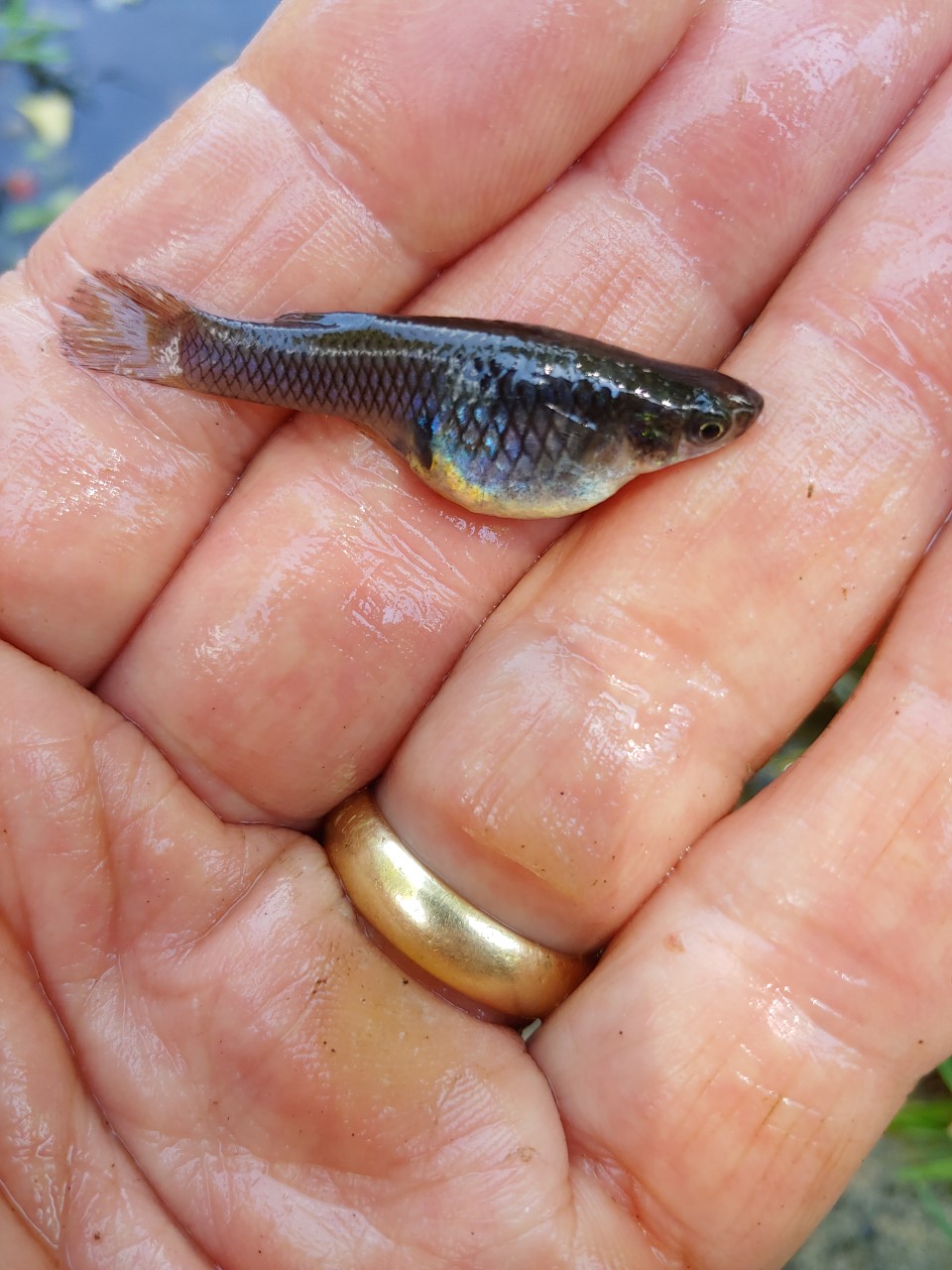
Last month's mystery fish was the mosquito fish (Gambusia sp.). The mosquito fish is a small fish with maximum size of a couple of inches. There are two species, the Eastern and Western Mosquito fish. They feed on a variety of small prey including the larvae of insects and fish as well as zooplankton. The fish are very tolerant of low dissolved oxygen and warm temperatures and as such have been introduced into small ponds to help control mosquitos. Neither species is native to CT.
|
|
Información disponible en español
|
|
|
|
|
|
|