2022 Fishing Licenses are Available Online
|
|
|
|
Fishing Fuels Conservation!
100% of your investment funds fish and fishing
|
|
Latest Updates from the Fisheries Division
To advance the conservation, enhancement, restoration, use, and appreciation of Connecticut’s fish, fisheries and fish habitats.
|
|
June 19, 2022 is the first of two FREE FISHING LICENSE DAYS! Anyone can fish for free after obtaining the 1-day free fishing license. All other rules and regulations remain in effect. Get your free 1-day license now.
|
|
Simple overview of Freshwater Fishing Regulations - this pamphlet is designed to provide a simple overview of freshwater fish in CT. It also lists waters where there are special regulations which can be found listed alphabetically at these links: Lake and Ponds or for Rivers and Streams
|
|
Learn the basics of fishing at your pace: The CARE program (CT Aquatic Resources Education) has a complete web-based introduction to fishing course in English and Spanish. Take the course and then come join us at one of our dozens of fishing events this spring and summer.
|
|
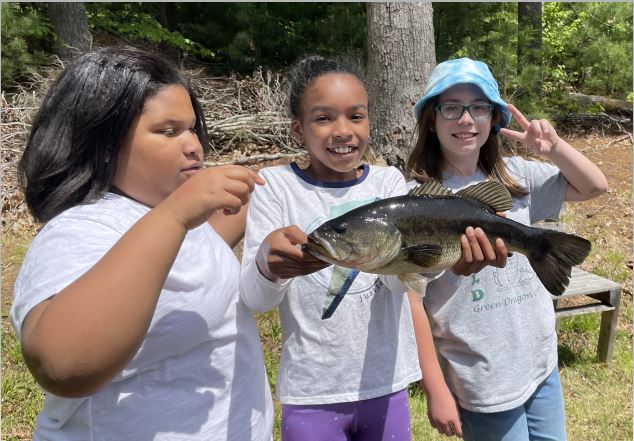
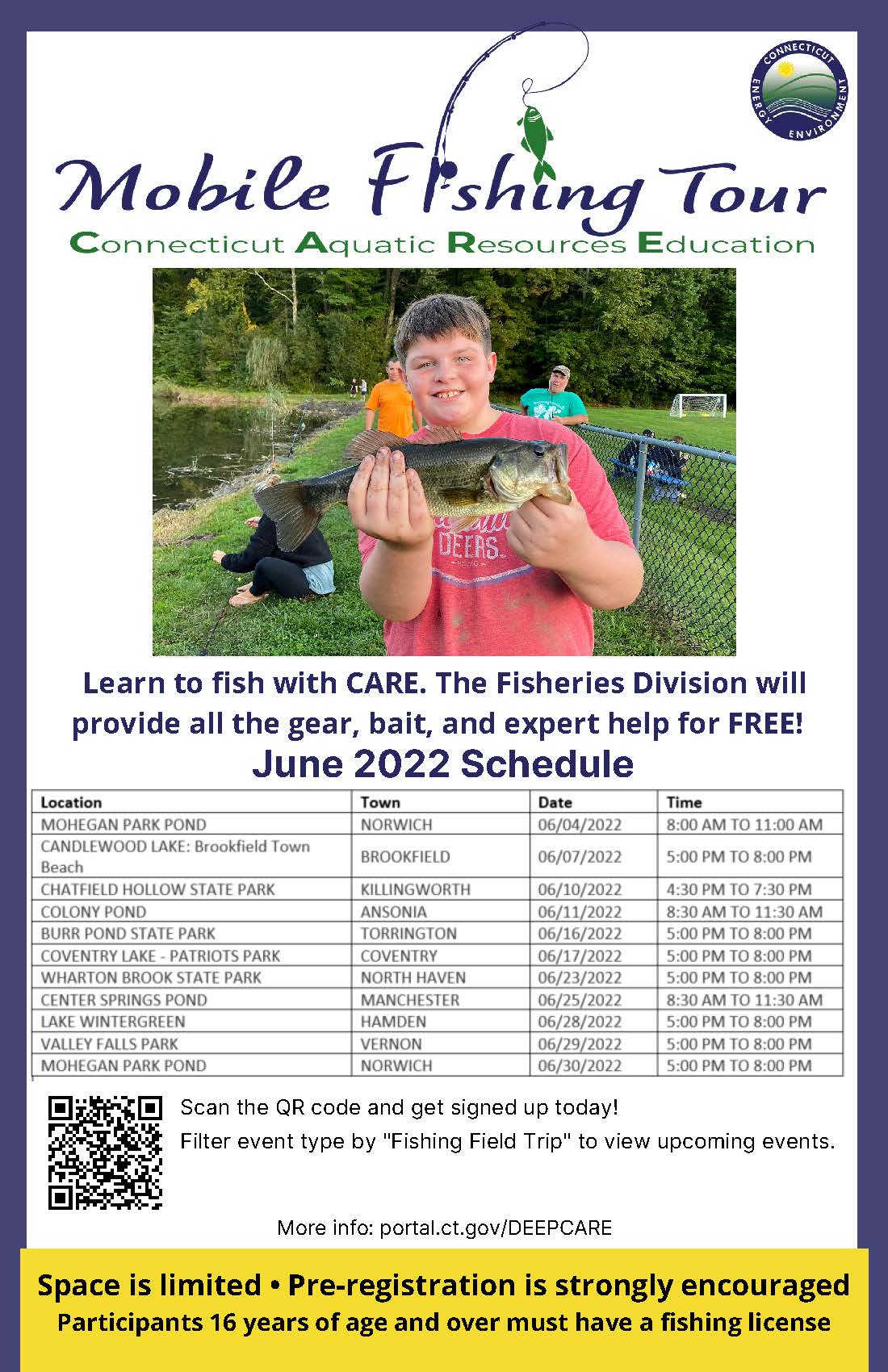
The 2022 Mobile Fishing Tour (MFT) registration is now open for May and June fishing events! The MFT consists of Fishing Events open to the public that are held from April through October around the state. The CARE program supplies all bait, tackle, and instruction. Pre-registration is strongly encouraged at the DEEP Hunting and Fishing Education registration system (Filter by Event Type “FISHING FIELD TRIP”) .
Prepare yourself for a successful year and learn all the basics of fishing in the CARE program’s self-paced Let’s Go Fishing / Vamos de Pescar online course!
|
|
Anglers - Do Your Part
to Help Nesting Shore Birds
|
|
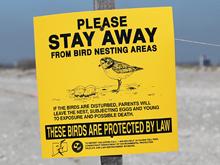
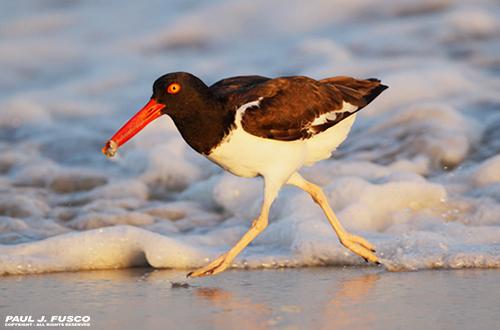
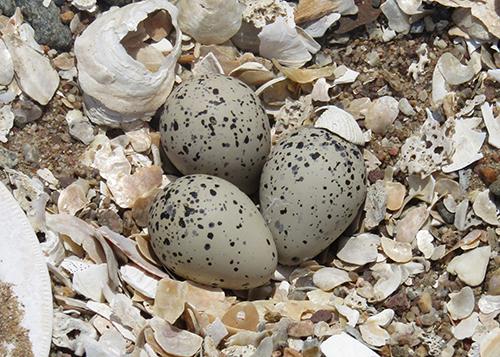
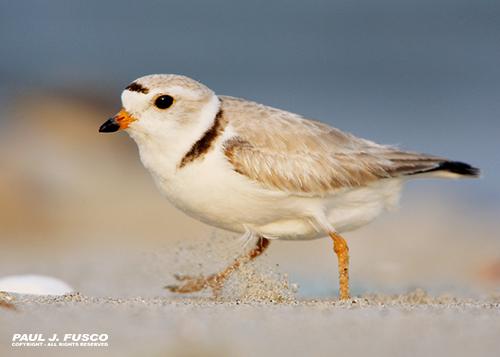
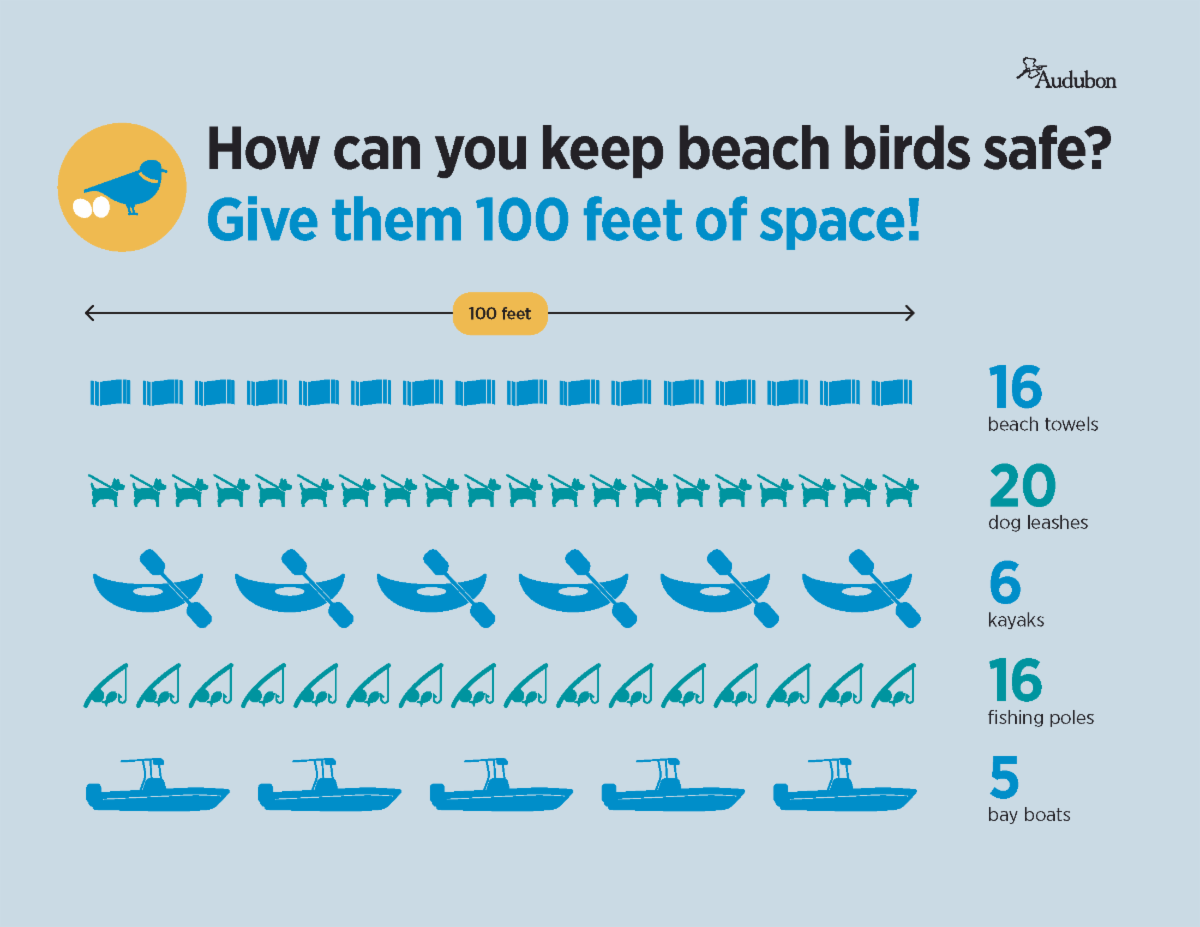
Piping plovers and other shorebirds have returned to Connecticut and are hanging out on coastal beaches! While some plovers will continue their migration north, many will stay here to establish their nesting territories.
Over the years, shoreline development has fragmented dune habitat, forcing many shorebirds to nest in less desirable areas, such as smaller, busier beaches with limited options for foraging.
You can help Connecticut’s shorebirds by maintaining a safe distance from all shorebird nesting areas that are fenced or posted for the birds' protection. Please do not approach or linger near piping plovers or their nests. Remember, beaches are habitat, too!
|
|
|
For more information about sharing the shore along Connecticut's coast, please visit the CT Audubon web page.
|
|
2022 Recreational Marine Fishing Regulations |
|
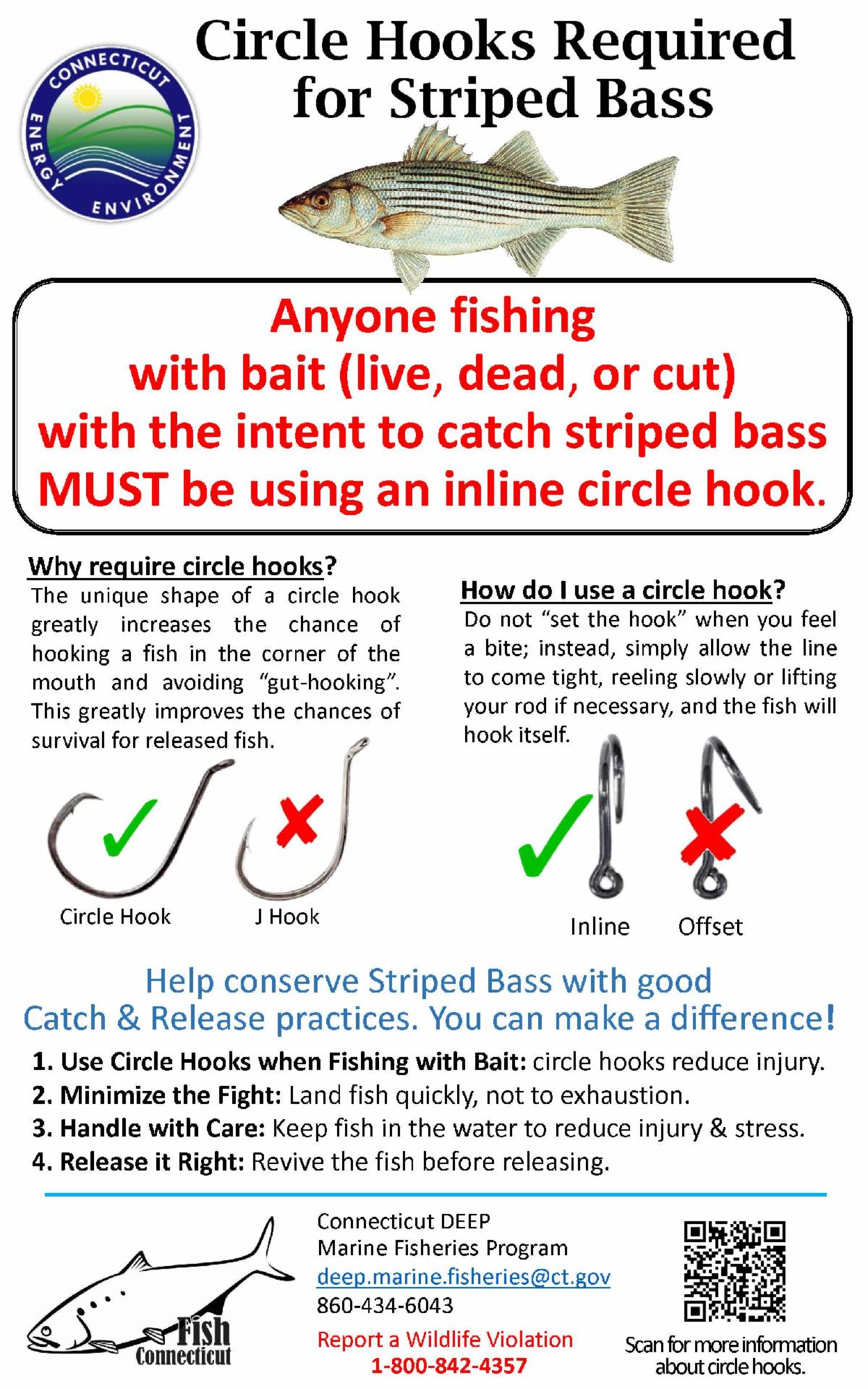
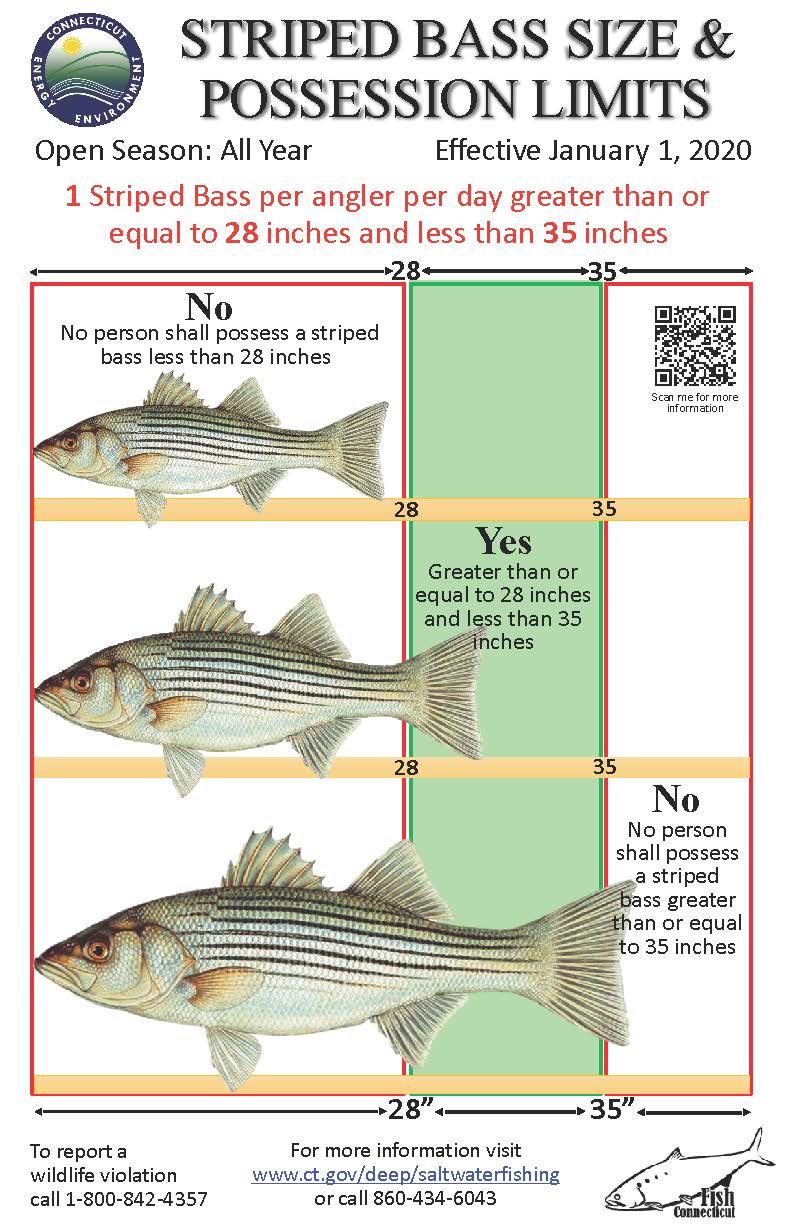
Changes from 2021 are indicated in Red Font. Please check out our digital marine fishing guide for more information.
|
|
Sturgeon Sightings Sought |
|
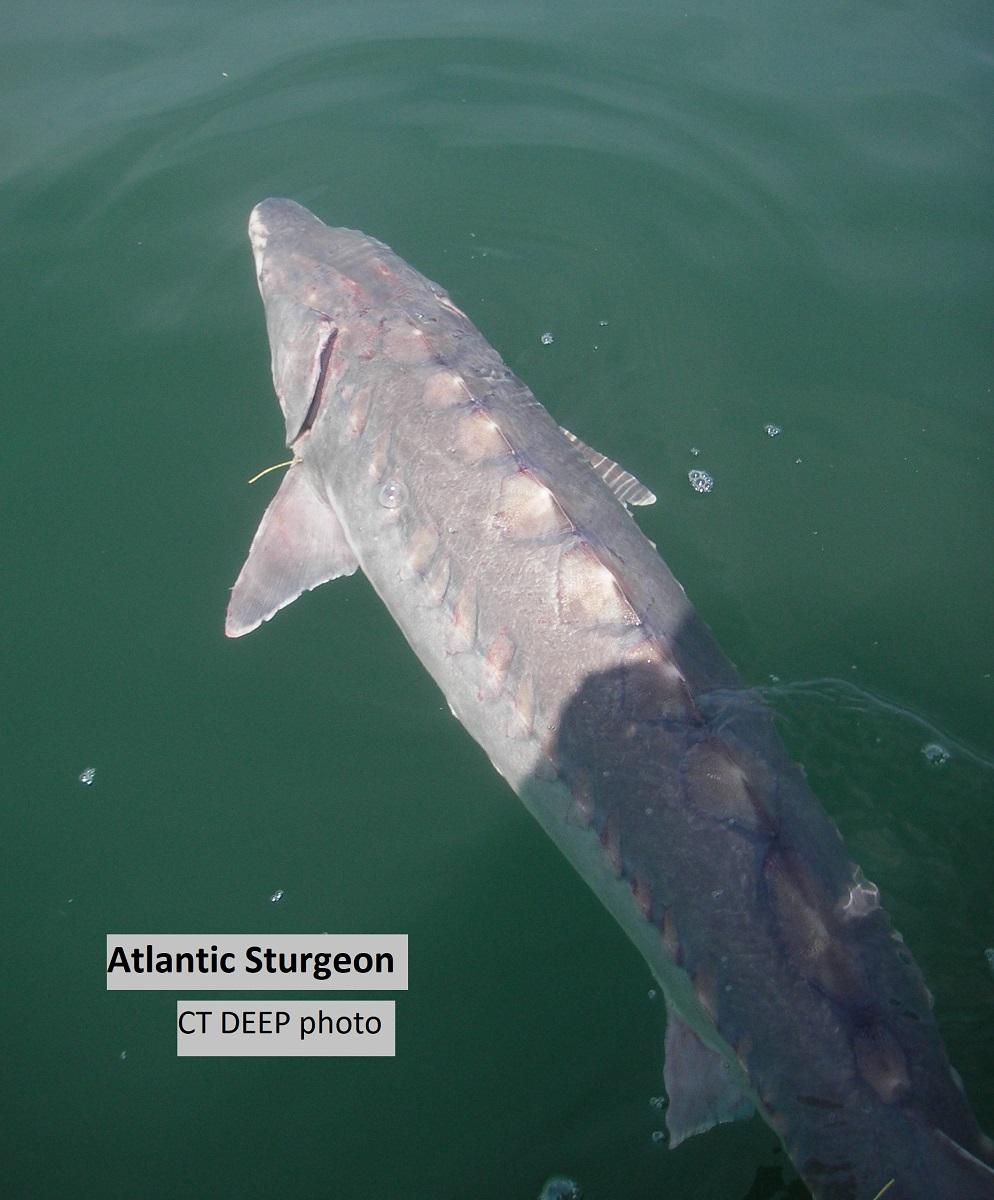
With increased boating and fishing activity comes the increased chance of encountering a Sturgeon, so CT DEEP biologists would like to remind folks to use the online Report-a-Sturgeon app to let us know if you see one.
Since the app was launched last year, we have received some great information. Thank you and keep sending us your Sturgeon sighting info. We really appreciate it!
Tracking these observations is an important part of research into the Shortnose and Atlantic Sturgeon populations in Connecticut waters being conducted by the Connecticut Department of Energy and Environmental Protection. But sometimes biologists working on Sturgeon Research don’t see the social media post. And sometimes researchers need more information but don’t have an effective way to get the information directly from the person who saw the Sturgeon.
Would you like to help with Sturgeon Research in Connecticut waters?
Any sturgeon sighting information, past or present, whether the sturgeon was healthy, injured, or dead, is important to CT DEEP researchers. One easy way to help is to use CT DEEP’s new online app, Report-a-Sturgeon, whenever you see a Sturgeon! Report your sightings here
|
|
We are pleased to offer "Learn to Fly Fish" classes this summer. Space is limited, pre-registration is required AND attending the ZOOM session is mandatory.
|
|
Recreate Responsibly on the Housatonic River |
|
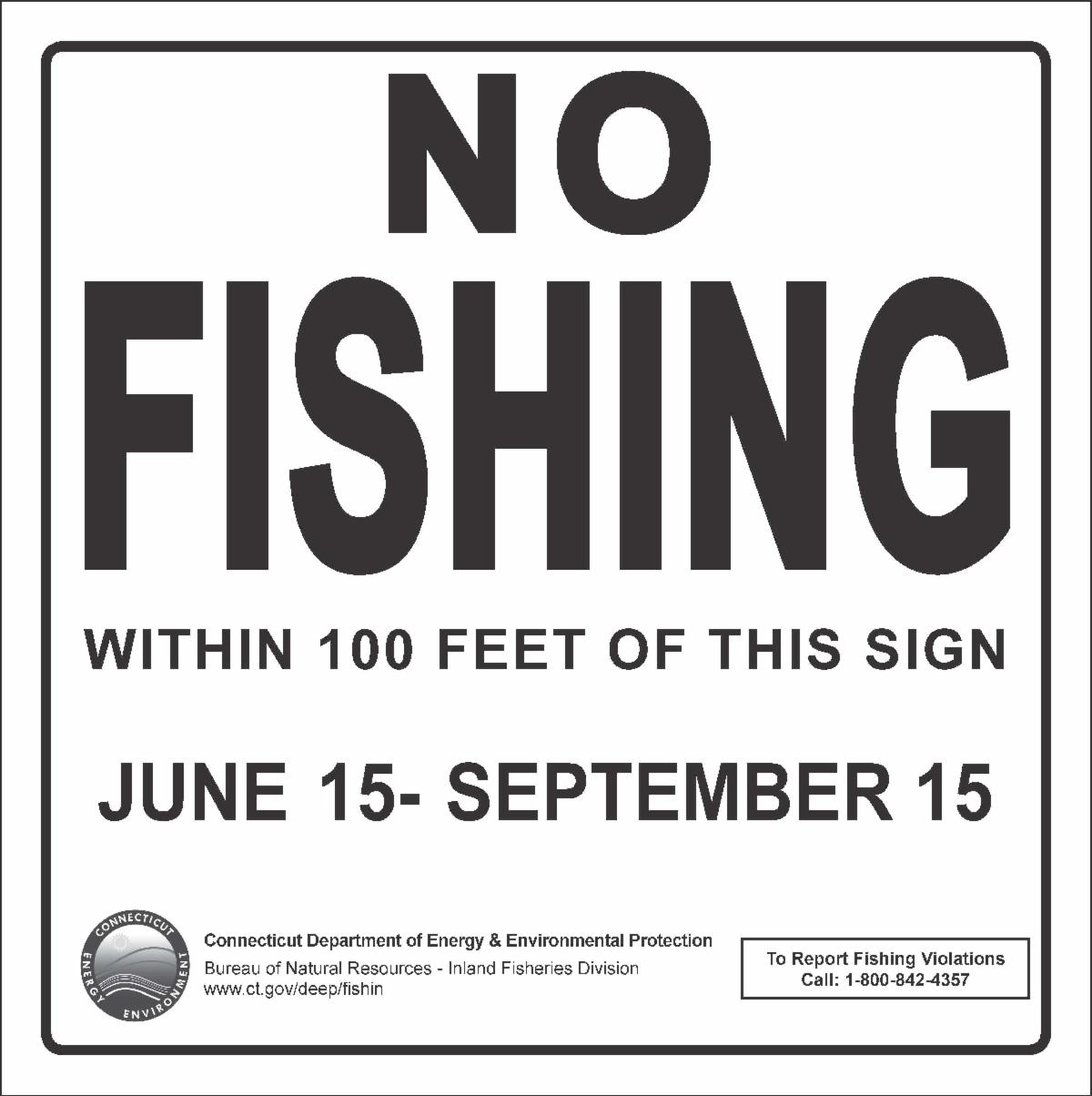
Just a reminder that several important trout refuges will close to fishing starting on June 15. These areas are found on the Housatonic River, Naugatuck River, and Shetucket River. Do your part to help trout survive the hot summer water temperatures by not disturbing the fish seeking refuge. |
|
Digital Versions of Guide Books for 2022 |
Being a responsible user of the Connecticut outdoors means staying informed of, and complying with, the current laws and regulations.
Connecticut DEEP's outdoor field guides make it easy to find and follow the laws and regulations that apply to you. And now, Connecticut's Fishing and Hunting Guides are online in an easy-to-use eBook version.
Coming in 2022, NEW digital formats will allow you to quickly check a regulation, confirm legal methods, look up best practices and more – from anywhere at anytime. Stay tuned! Printed hunting and fishing guides will be scaled back and available in limited quantities.
View the Digital Freshwater Fishing Guide Here
View the Digital Saltwater Fishing Guide Here
|
|
Fishing Challenge - For YOUth |
|
The Youth Fishing Passport Fishing Challenge is a year long fishing scavenger hunt. To have your catch count, simply snap a photo of your fish (from our scorecard) and use our online submission form. The top four anglers (who catch the most different types on our list) receive a prize pack full of fishing swag.
|
|
CT's FREE Youth Fishing Passport is your child's ticket to all of the amazing outdoor discoveries fishing has to offer. Fishing involves knowing about habitat, environmental quality, food webs, life history of species, and so much more. You can get a Youth Fishing Passport, for those 15 or younger, using our online licensing system. Register your child as a new user. If you have questions please contact us.
|
|
|
Enter your catches online
Please use our online form to enter your youth fishing challenge catches
|
|
Join CARE (CT Aquatic Resources Education) state certified volunteer fishing coach as he provides his tried and true techniques for fishing for "panfish" in our lakes and ponds. |
|
This Month's Mystery Fish |
|
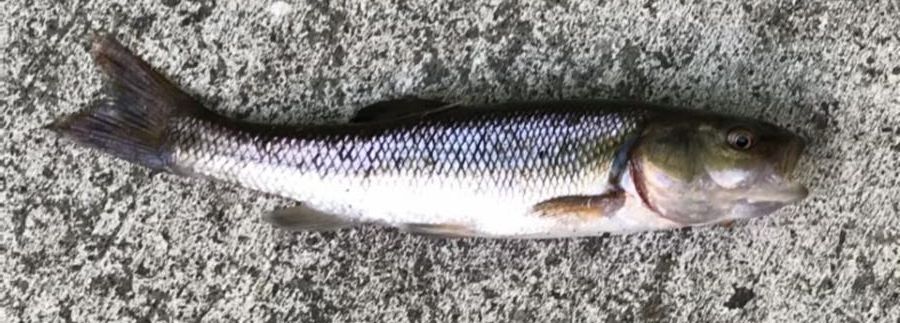
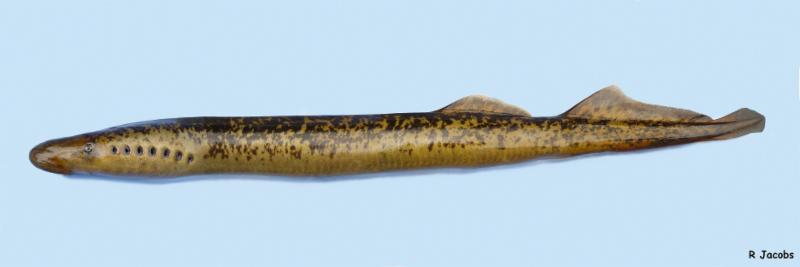
Last month's mystery fish was a Sea Lamprey (Petromyzon marinus). Sea lamprey are native to Connecticut and are NOT considered to be invasive or harmful to Connecticut's fisheries. This is unlike the situation in the Great Lakes where the Sea Lamprey was introduced and has done significant harm to Lake Trout fisheries.
Sea lamprey begin life as larvae (ammocoetes) that live in burrows in streambed sand or mud. After about five years, they transform during July to November into miniature adults (transformants) and head to sea. Adult sea lamprey live for two years at sea, where they feed on the body fluids of fishes by attaching themselves with their oral disks. Each spring, mature adults return to Connecticut coastal streams to spawn. They congregate in estuaries as early as January and enter spawning habitat in May and June. Sea lamprey make distinctive nests in gravel riffles that consist of a depression accompanied by a downstream pile of rocks. All lamprey die after spawning. Juvenile lamprey might be captured by kick netting with a small mesh dip net or seine, but most are probably burrowed too deeply to be dislodged. Spawning sea lamprey are easily observed from shore, and dead or dying adults are a common sight during June.
The Connecticut River hosts one of the largest runs on the East Coast, and most tributaries support runs. Runs in most Connecticut streams were lost due to dam building and pollution, but remnant runs persist in the Noroton, Mill (Fairfield), Housatonic, Quinnipiac, Branford, East, and Hammonasset rivers. Runs have been extended in several rivers due to the building of fishways. The species began recolonizing the Shetucket River (using the Greenville Fishlift) in 2003.
|
|
How to get your License Online |
|
Información disponible en español
|
|
The Connecticut Department of Energy and Environmental Protection is an Affirmative Action/Equal Opportunity Employer that is committed to complying with the requirements of the Americans with Disabilities Act. If you are seeking a communication aid or service, have limited proficiency in English, wish to file an ADA or Title VI discrimination complaint, or require some other accommodation, including equipment to facilitate virtual participation, please contact the DEEP Office of Diversity and Equity at 860-418-5910 or by email at deep.accommodations@ct.gov. Any person needing an accommodation for hearing impairment may call the State of Connecticut relay number - 711. In order to facilitate efforts to provide an accommodation, please request all accommodations as soon as possible following notice of any agency hearing, meeting, program or event.
|
|
This program receives Federal financial assistance from the U.S. Fish and Wildlife Service.
Under Title VI of the 1964 Civil Rights Act, Section 504 of the Rehabilitation Act of 1973, Title II of the Americans with Disabilities Act of 1990, the Age Discrimination Act of 1975, and Title IX of the Education Amendments of 1972, the U.S. Department of the Interior prohibits discrimination on the basis of race, color, national origin, age, sex, or disability.
If you believe that you have been discriminated against in any program, activity, or facility, or if you need more information, please write to:
Office of Diversity, Inclusion and Civil Rights
U.S. Department of the Interior 1849 C Street, NW
Washington, D.C. 20240
|
|
|
|
|
|
|