2021 Fishing Licenses are Available Online |
|
Fishing Fuels Conservation!
100% of your investment funds fish and fishing
|
|
CT DEEP Fisheries Division Covid-19 update web page
|
|
SOCIAL DISTANCE WHILE FISHING
Fishing is a great way to spend time outdoors, reduce stress, and possibly catch a tasty meal. The Fisheries Division along with the CDC, State of CT DPH, and the DEEP strongly encourage social distancing and not fishing with anyone other than people living in the same space.
|
|
Latest Updates from the Fisheries Division |
|
Free Fishing Day - Saturday, May 8, 2021: Everyone can fish for FREE, no fishing license is required. All other rules and regulations still apply, like daily limit, size limit, and closed seasons. Lots of great places to fish - check out the interactive Trout Stocking Map, CT is Fishy or the Saltwater Resource Map for ideas on places to go.
|
|
Circle Hooks Required for Striped Bass. Effective December 1, 2020 it is mandatory to use inline circle hooks whenever fishing with bait (live, dead, or cut) for Striped Bass. Please view our web page for the latest information and details.
|
|
Save the Dates "Free Fishing License Days - June 20, 2021 and August 14, 2021": Everyone can get a one day fishing license for FREE. The FREE one day fishing license will be available three weeks prior to each date. Lots of great places to fish - check out the interactive Trout Stocking Map, CT is Fishy or the Saltwater Resource Map for ideas on places to go.
|
|
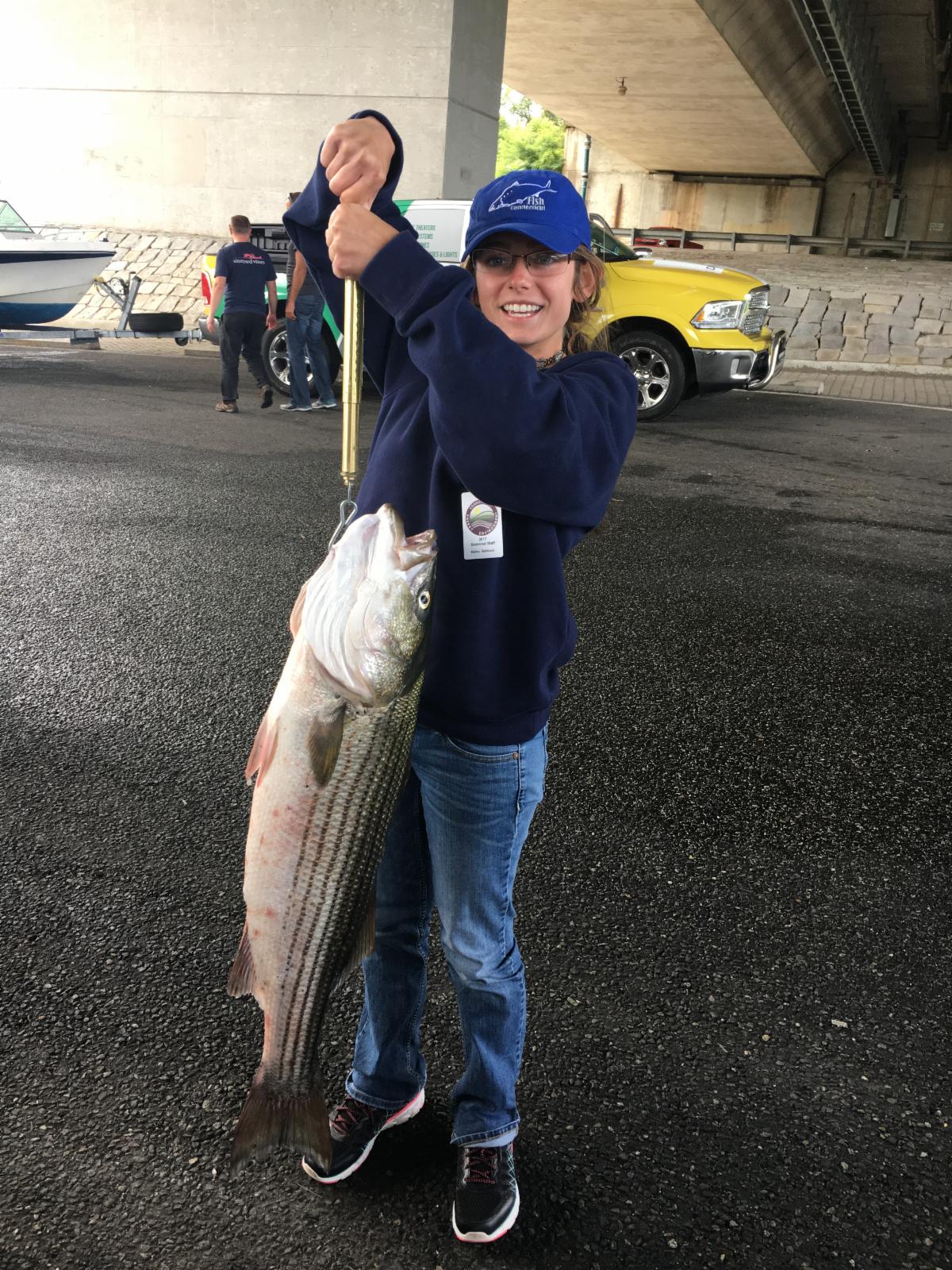
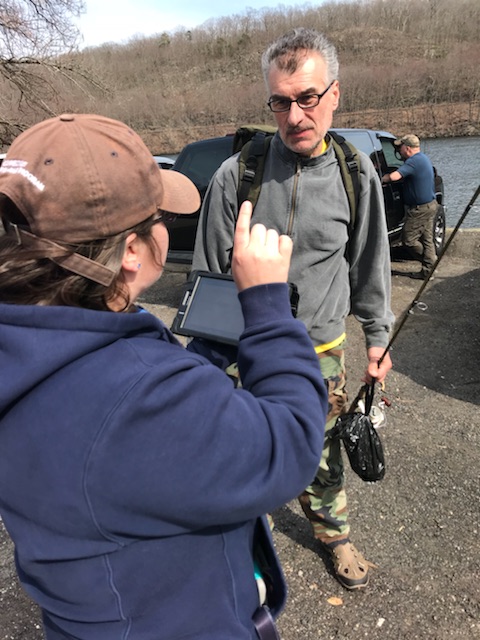
The DEEP, Marine Fisheries Program (MFP) is conducting a survey of marine recreational anglers along CT’s coastline in order to collect fishing trip information. This information includes quantities of kept and released fish, their associated length/weight measurements and other trip effort data.
Anglers will be recruited by DEEP staff to voluntarily report their fishing trip information through an intercept questionnaire recorded on a tablet. Angler survey data is used to determine recreational harvest and catch of marine fish species, which is critical for stock assessment purposes and ultimately for managing the marine recreational fishery for all citizens of the state.
|
|
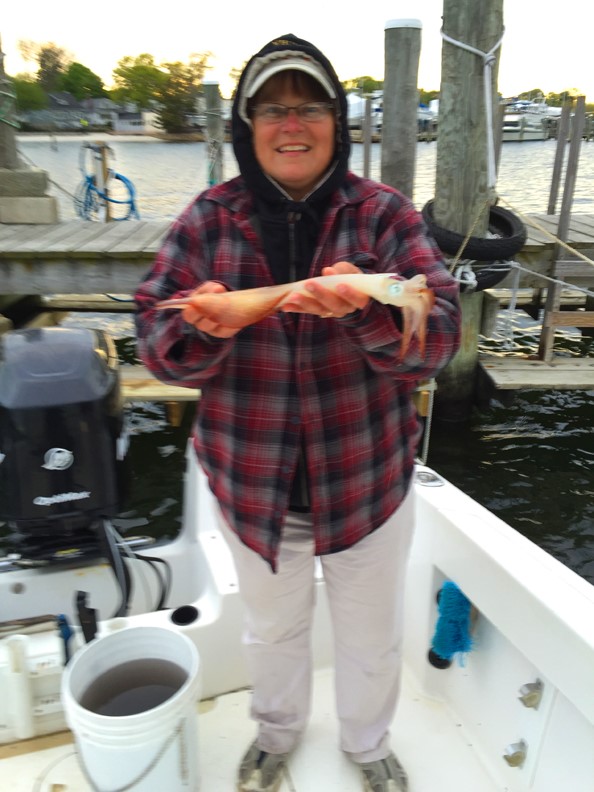
Have you Fished for Squid? |
|
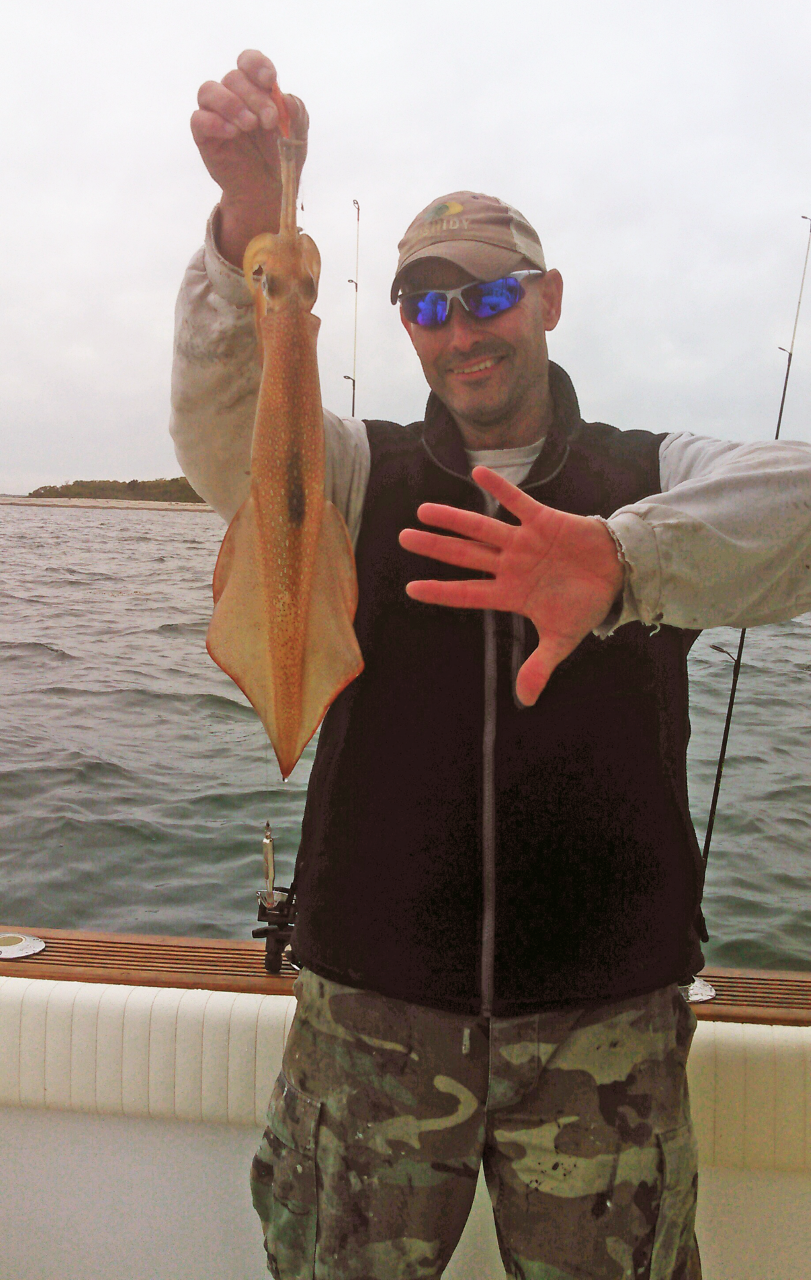
VERY tasty, squid can be very abundant in Long Island Sound during certain times of the year. If you have the opportunity, give it a go. |
|
How to catch Longfin Squid:
1. Choose a light, long rod with lighter pound test (2lb) so it’s easier to feel when the squid hits the bait.
2. The most popular type of bait used to catch squid is a squid jig. The squid jig has a body that looks like a fish, is illuminated, and has one or two sharp prongs that they grab to be reeled in. Common colors include blue, pink, green, red, orange, amber, and clear. Live bait, like minnows, can also be used.
3. Squid fishing is a nocturnal activity, preferably during high tide, and when there is a full moon.
4. Use a jigging technique- let the squid jig down to a depth the squid will likely be lurking and retrieve it with a steady series of jerks or “jigs”.
5. Squid don’t bite, they wrap their tentacles around the bait. When there is a slight change in the way the gear feels, jerk upward to set the hooks and keep reeling at a steady pace.
6. Use a net to avoid the ink! The ink is water soluble, so it will wash out. They also have a parrot-like beak and will try to bite if they feel threatened.
|
|
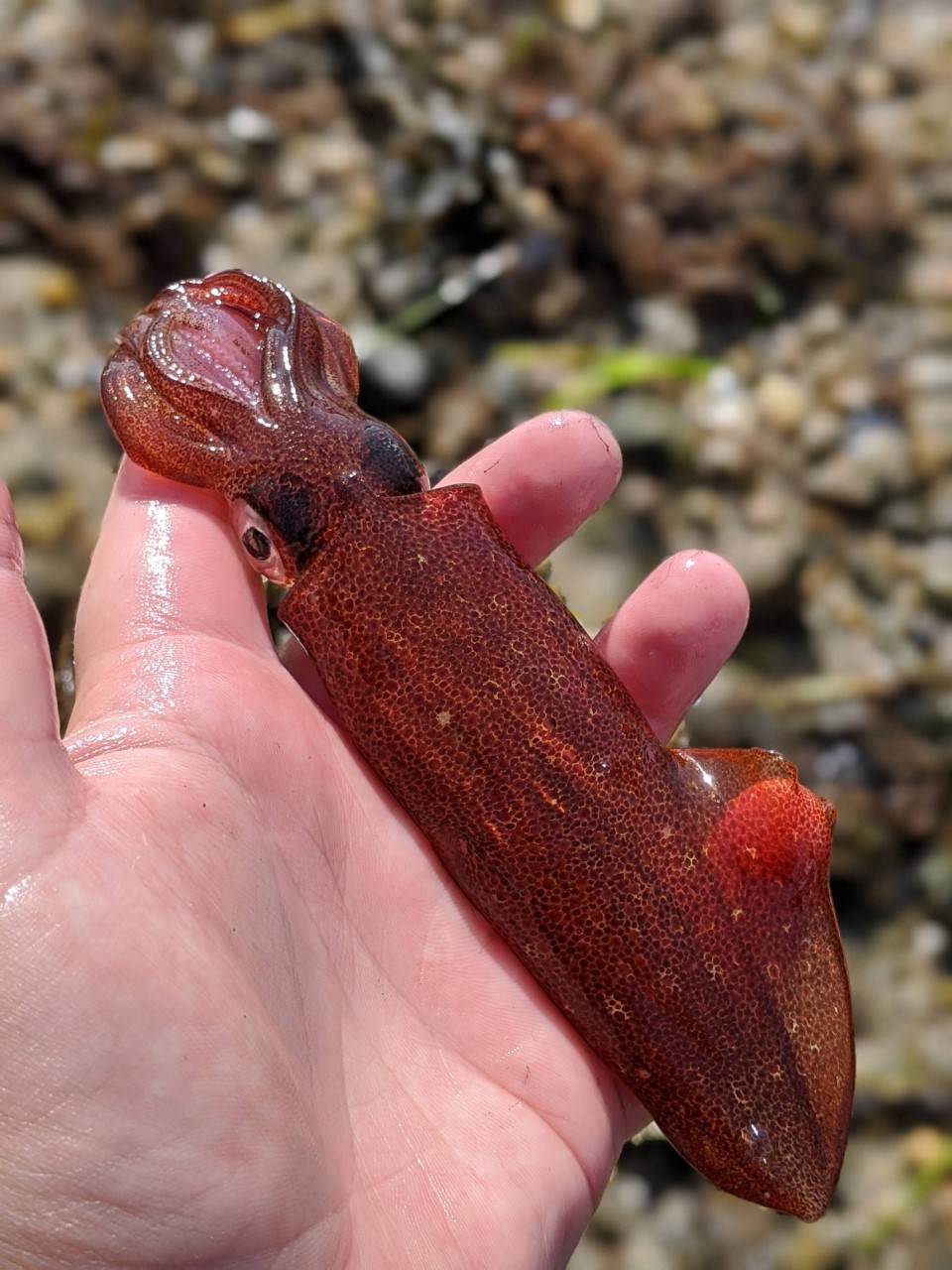
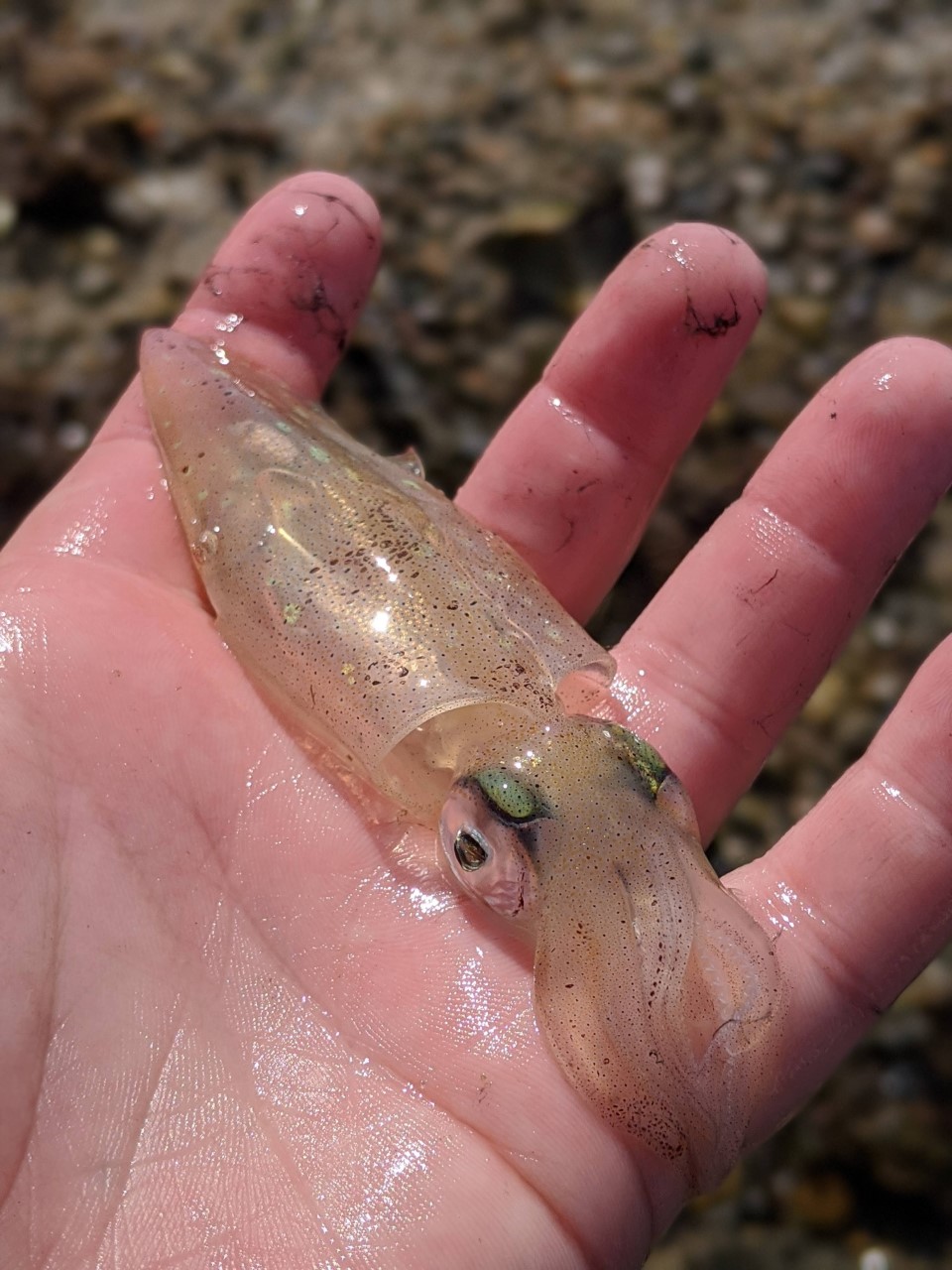
COOL facts about Longfin Squid in Long Island Sound
- Longfin Squid are characterized by their “longfin” that is about half the length of their mantle (tube). They can grow up to 1.75 feet, but usually measure around a foot or less.
- They often have a reddish hue, but they can manipulate their color to be pink, orange and mottled with brown or purple to ais in camouflage.
- They use special pigments in their skin called chromatophores to change their color and patterns to disguise themselves and escape from predators.
- Although considered a mollusk, squid don’t have an outside shell but rather and internal shell called a “pen”.
- They have a short lifespan, and live less than one year. They reproduce at around 6-8 months right before they die.
- Females lay egg capsules that contain 150-200 fertilized eggs in clusters on the bottom of the ocean for a total of 3,000-6,000 eggs. They hatch in 11-26 days.
- Their growth and development are extremely sensitive to their environment. Squid hatched during the summer grow faster than those hatched during the winter.
- Small squid feed on plankton and larger ones eat crustaceans and other small fish.
- They are very aggressive and can eat fish larger than themselves, or even their own species.
- Their defense mechanism is to squirt ink.
- They are a key prey species for a variety of fish species, marine mammals, and diving birds.
|
|
Baits and Lures - Tips for Success |
|
Justin Wiggins offers his expert advice on hot baits and lures to get you on the fish this spring! Watch more DIY fishing videos on our CARE video page or YouTube Channel
|
|
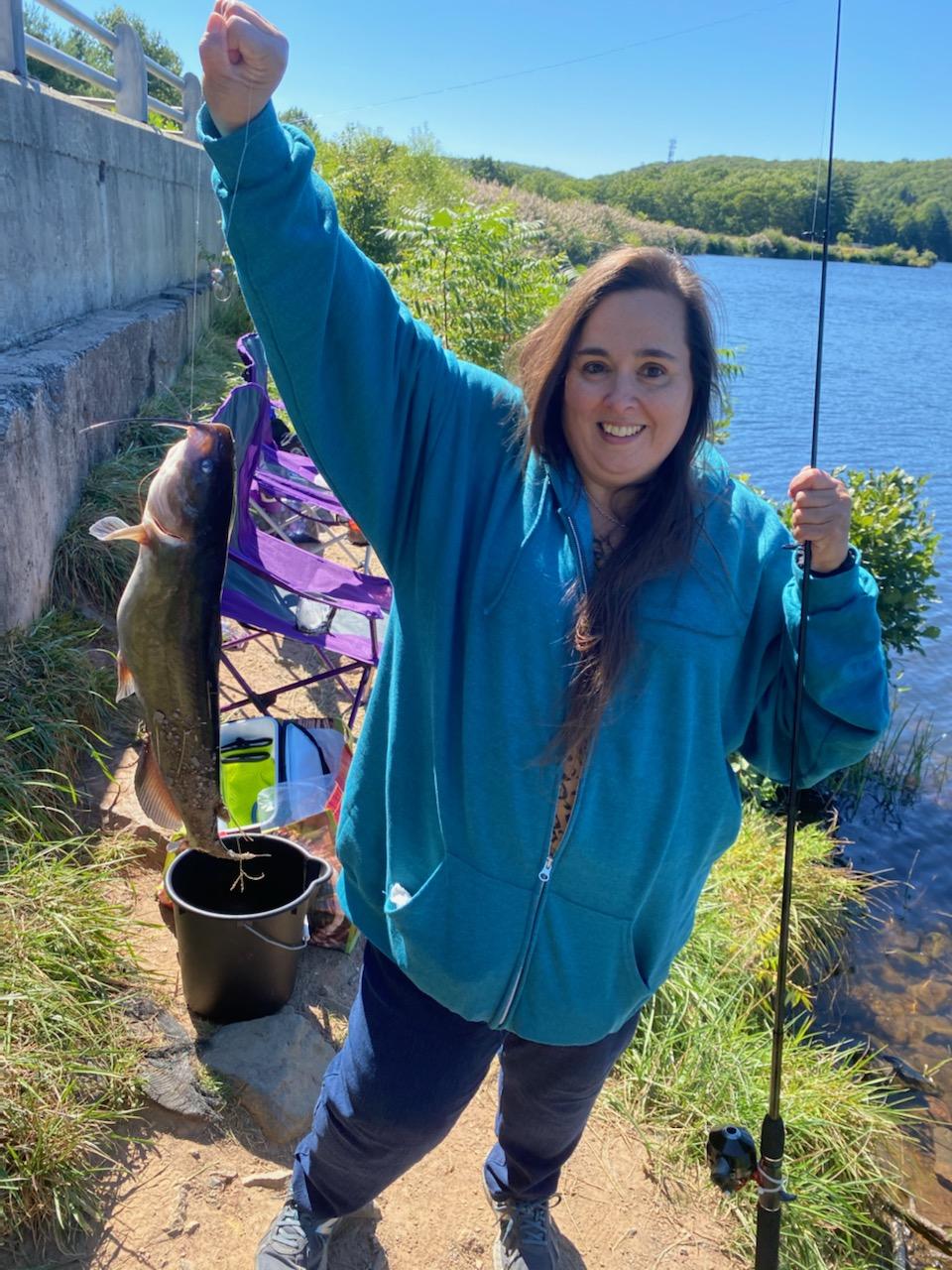
The Fisheries Division is pleased to announce we will be stocking adult-size (14-20 inches) Channel Catfish to our Community Fishing Waters this month. This annual stocking complements the well established fishery in our Catfish Management Lakes and the Connecticut River. The Channel Catfish Stocking is supported through your purchase of fishing equipment and a tax on motor boat fuel. Thanks for your support and enjoy these delicious fish.
|
|
Relax and Fish with CARE -
ZOOM Classes and Special Fishing Events
|
|
Come Fish with DEEP CARE! The Fisheries Division - Connecticut Aquatic Resources Education (CARE) program is here to help you get fishing by offering Introduction to Fishing ZOOM classes and fishing field trips!
First - register for an Introduction to Fishing ZOOM class to learn all the basics of fishing in an interactive virtual format. Classes are offered weekly and from the comfort of your couch!
Second - join CARE at one of our free Special Fishing Events, offered 3 times a week at locations around the state from mid-April through the summer. CARE fishing Instructors will be on hand at these fishing field trips with loaner equipment, bait, and instruction to help you have a positive and successful fishing experience! Pre-registration is strongly recommended, and space is limited to the first 35 people.
|
|
Fishing Guide Transitioning to Fully Online! |
|
An exciting development is underway in what we refer to as “Information on Demand", where the DEEP Bureau of Natural Resources will expand on the delivery of fishing, hunting, and trapping information through the DEEP website and seek development of a robust smartphone APP. As 2020 has highlighted for all of us, information continues to be sought and consumed at an ever faster and faster rate. And you - our customers - are ready, willing, and able to consume that information in novel way. That is true in our education, licensing, permitting, virtual public gatherings, and more.
Check out the new format with the link below.
|
|
As part of this transition, the printed full-color guides for Fishing and Hunting will be phased out. Beginning with the 2021/2022 season, each guide will be available on the DEEP website (see links above). To bridge any gaps as we transition, a pamphlet-style pocket guide of the fishing regulations will be printed in English and Spanish versions and published on our website.
This effort will represent major change and we have carefully considered those impacts. The benefits to “going digital” are many—convenient, immediate access to information from nearly anywhere; the ability to include multiple languages; the ability for real-time updates as regulations change or new areas open; increased relevance to the next generation of outdoor enthusiasts; and elimination of thousands of unused copies that end up being recycled or worse, simply disposed of. The option of having shorter PDF versions that can be printed for users if needed will help ease the transition.
|
|
Tips for Better Catch and Release Fishing |
|
Catch and Release fishing does not always equal fish survival.
Poor technique often leads to delayed mortality even if the fish seems fine when it swims away. What you do in those first few moments after landing the fish makes a huge difference.
Fishing in our rivers and streams is near ideal right now, plenty of stocked fish, good flows and slowly warming water temperatures.
We would like to take a minute to remind anglers that if you are planning to release the fish you catch, please take the time and effort to make sure that the fish will live on for another day.
- consider changing from treble hooks to a single hook
- consider pinching down the barbs on your hooks
- keep the fish in the water when removing the hook
- wet your hands prior to holding the fish
- if taking a photo, be ready in advance and be quick
- do not lay the fish on the bank, pavement, or other structures
- if the hook is deeply set, snip the line as close to the hook as possible and release
- for photos of large fish, hold them horizontal not vertical (causes organ damage)
Thank you for helping to do your part in keeping CT fishing great.
|
|
The Fisheries Division is stocking Channel Catfish once again - here are a couple of videos to get you on these tasty fish! |
|
Circle Hooks Now Mandatory - Striped Bass |
|
"We're trying to help conserve a stock of fish that is in an overfished condition and needs help. By using inline circle hooks, people are pitching in to that effort."- Justin Davis, Assistant Director, Marine Fisheries Program
This regulation was mandated by Atlantic States Marine Fisheries Commission and is being adopted by all Atlantic coast states. View the regulation change.
|
|
Learn to Fish Videos on YouTube |
|
Let's Go Fishing YouTube playlist: To enhance our very popular "Let's Go Fishing" workbook, we have created a short series of instructional fishing videos on DEEP's YouTube channel. These videos are a DIY way to get the instruction delivered during our Introduction to Fishing classes, which have been suspended indefinitely due to the Corona Virus Pandemic.
|
|
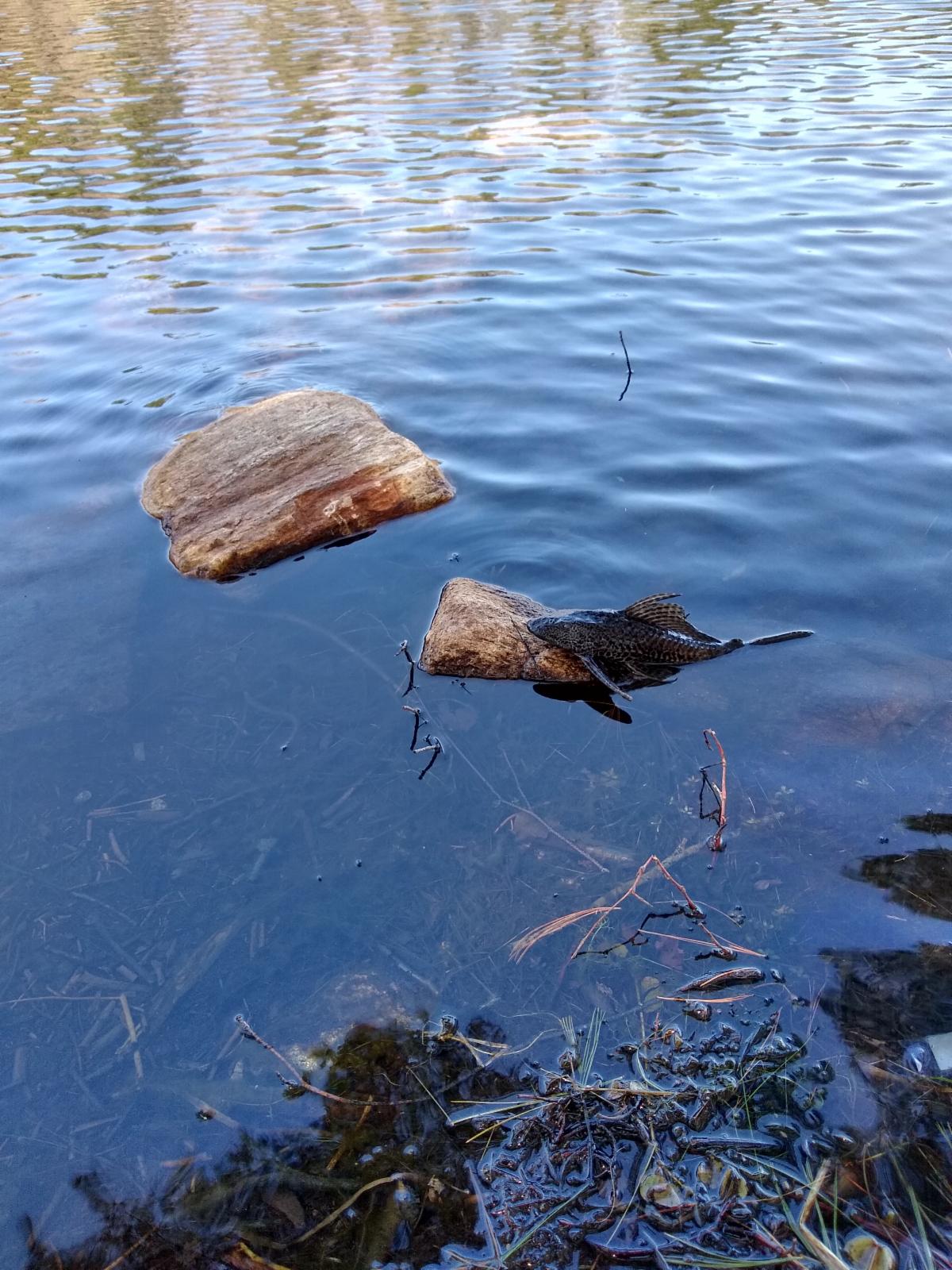
This Month's Mystery Fish
(on the rock in the foreground)
|
|
Fishing Challenge - For YOUth |
|
|
|
Fishing is the perfect family activity during this time of "distance learning" and being "socially distant". CT's FREE Youth Fishing Passport is your child's ticket to all of the amazing outdoor discoveries fishing has to offer. Fishing involves knowing about habitat, environmental quality, food webs, life history of species, and so much more. You can get a Youth Fishing Passport, for those 15 or younger, using our online licensing system. Register your child as a new user. If you have questions please contact us.
|
|
Fishing Challenge Scorecard |
|
The Youth Fishing Passport Fishing Challenge is a year long fishing scavenger hunt. To have your catch count, simple snap a photo of your fish (from our scorecard) and email it to us. The top four anglers (who catch the most different types on our list) receive a prize pack full of fishing swag.
|
|
Fishing Guide - Access Online Anytime |
|
The 2021 Fishing Guide is available in English and Spanish. |
|
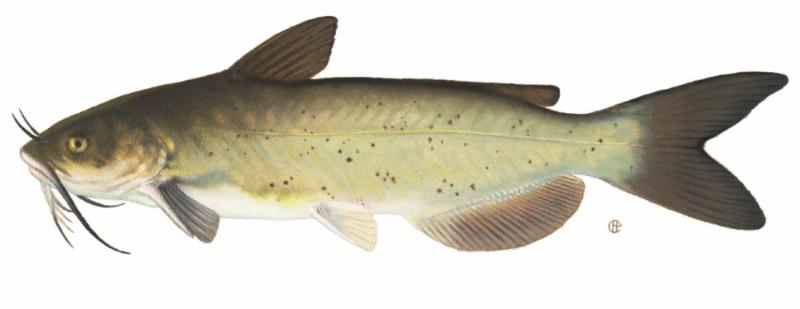
Last month's mystery fish was the Channel Catfish (Ictalurus punctatus). The Channel Catfish is one of the most sought after gamefish species in the country, primarily due to the quality of the flesh. Channel catfish are delicious with nearly every preparation, fried, cajun, blackened, or broiled. Channel Catfish are predatory and can be caught using active fishing (lures and plastic baits) as well as natural baits (live and dead). These nocturnal predators can grow to very large sizes, over 12 pounds! To learn more about this fishery check out our webpage.
|
|
Información disponible en español
|
|
|
|
|
|
|