Fishing Licenses are Available Online! |
|
Fishing Fuels Conservation!
100% of your investment funds fish and fishing
|
|
CT DEEP Fisheries Division Covid-19 update web page
|
|
SOCIAL DISTANCING WHILE FISHING IS A MUST!
Fishing is a great way to spend time outdoors, reduce stress, and possibly catch a tasty meal. The Fisheries Division along with the CDC, State of CT DPH, and the DEEP strongly encourage social distancing and not fishing with anyone other than people living in the same space.
|
|
Connecticut Fishing COVID-19 Updates
|
|
Latest Updates from the Fisheries Division |
|
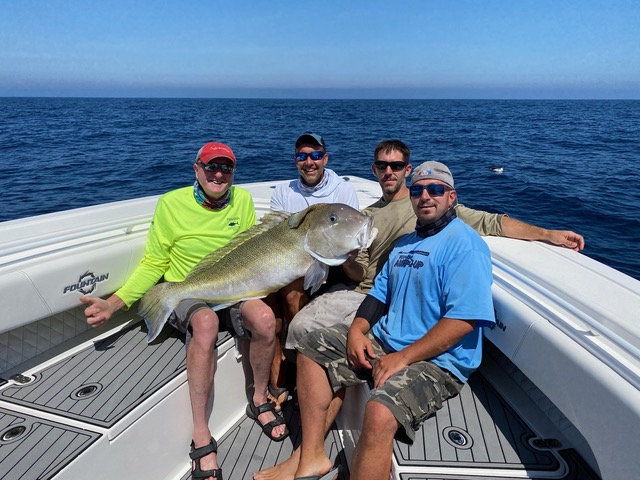
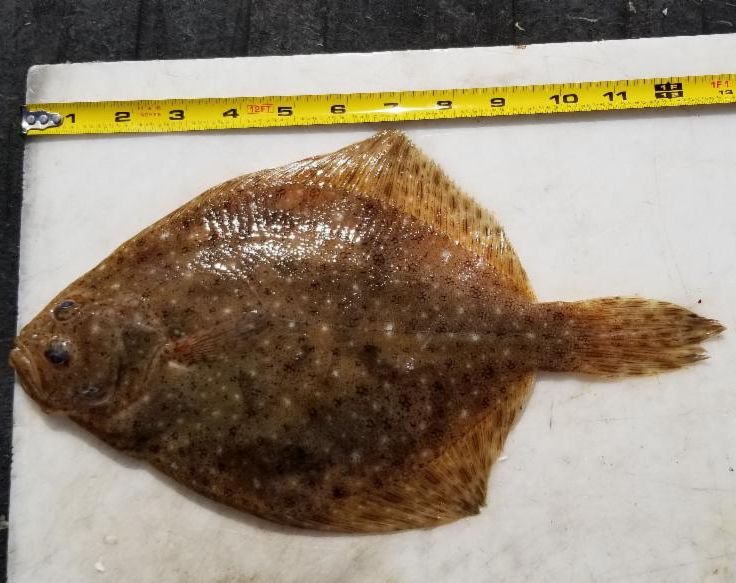
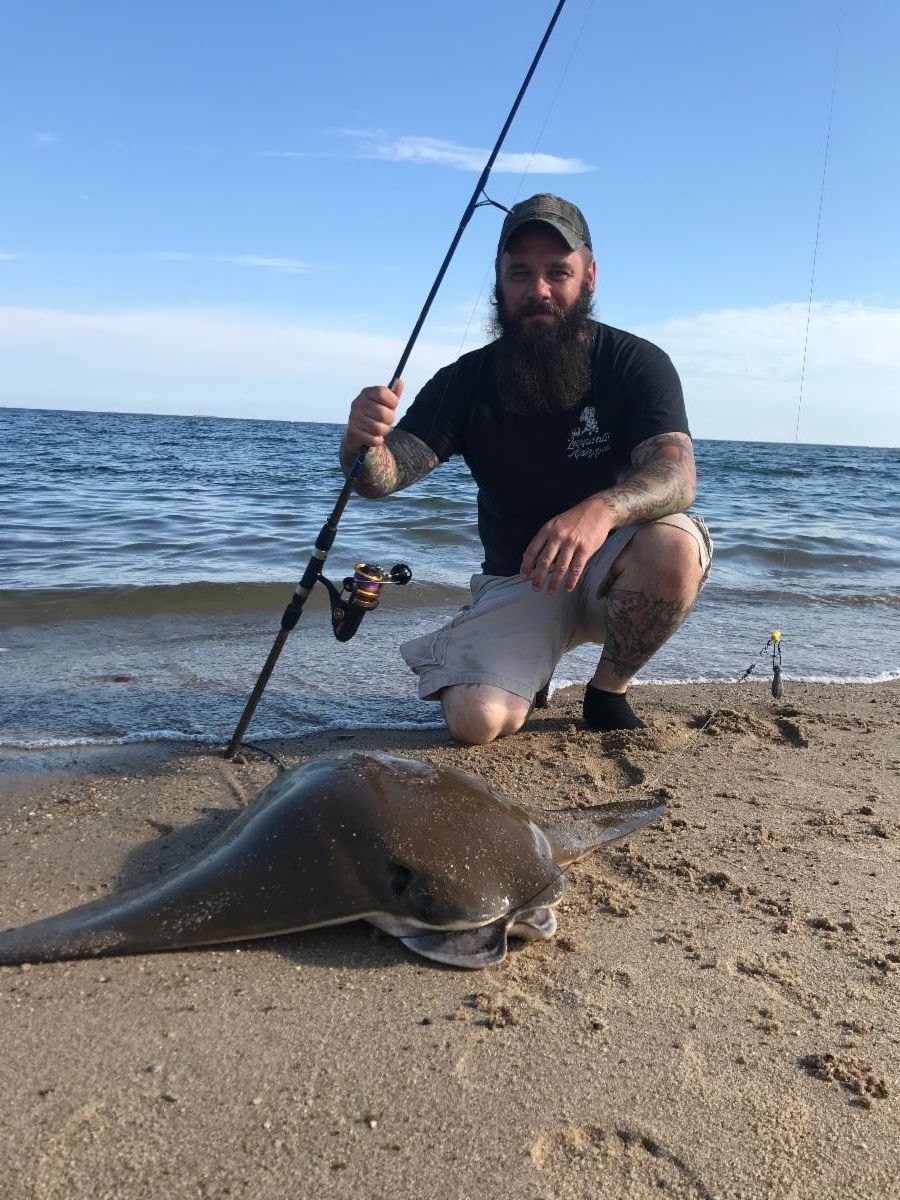
NEW State Records (Harvest) for Tilefish, Cownose Ray, and Windowpane Flounder - check out the details below.
|
|
NEW State Records (Catch and Release) for Spanish Mackerel, Cownose Ray, Weakfish, and Scup - check out the details below.
|
|
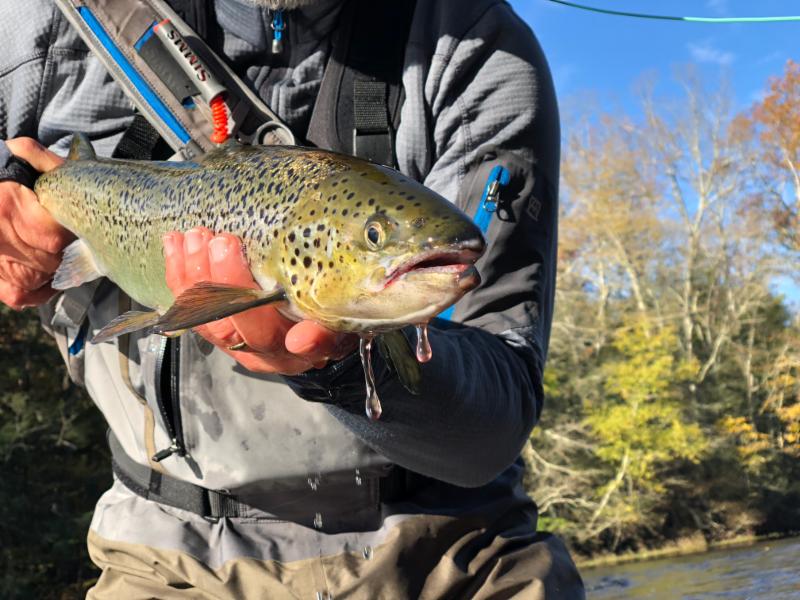
We have begun our annual stocking of our specially produced Atlantic salmon by stocking two lakes, Mount Tom Pond (Washington) and Crystal Lake (Ellington). In the near future, as flows allow, we will also stock the Atlantic Salmon Management Areas on the Naugatuck River and the Shetucket River. About 25% of these fish produced each fall are stocked into the lakes and 75% into the rivers.
For more on this program please visit our webpage.
It is important to understand that these fish are not part of any restoration effort, they are produced specifically to provide a unique recreational fishery. The Fisheries Division can only stock these fish in waters outside of the Connecticut River Watershed (it is illegal to fish for Atlantic salmon within the CT River Watershed).
For more on this program visit our web page
For the lakes, the daily limit is one salmon per person per day. A trout and salmon stamp is needed to keep these fish.
For the rivers, fishing is catch and release until December 16, 2020. A trout and salmon stamp is required to FISH in the Naugatuck Rive and Shetucket River Atlantic Salmon Management areas.
Tackle is limited to the use of a single fly or artificial lure that has a single (not double or treble) free swinging hook. Additional weight may not be added to the line.
|
|
We Stock Tigers not Lions! |
|
|
|
This fall the Fisheries Division will be stocking a series of waterbodies across the state with Tiger Trout (3,500 total fish). Should you be one of the lucky ones to "Tame A Tiger", fill out our Google form and after we confirm your catch, we will send you a FREE tiger tamer t-shirt.
We have 500 shirts we will be giving away. this fall (one shirt per conservation ID).
Check out some of these Fish here.
|
|
New "Harvest" State Records |
|
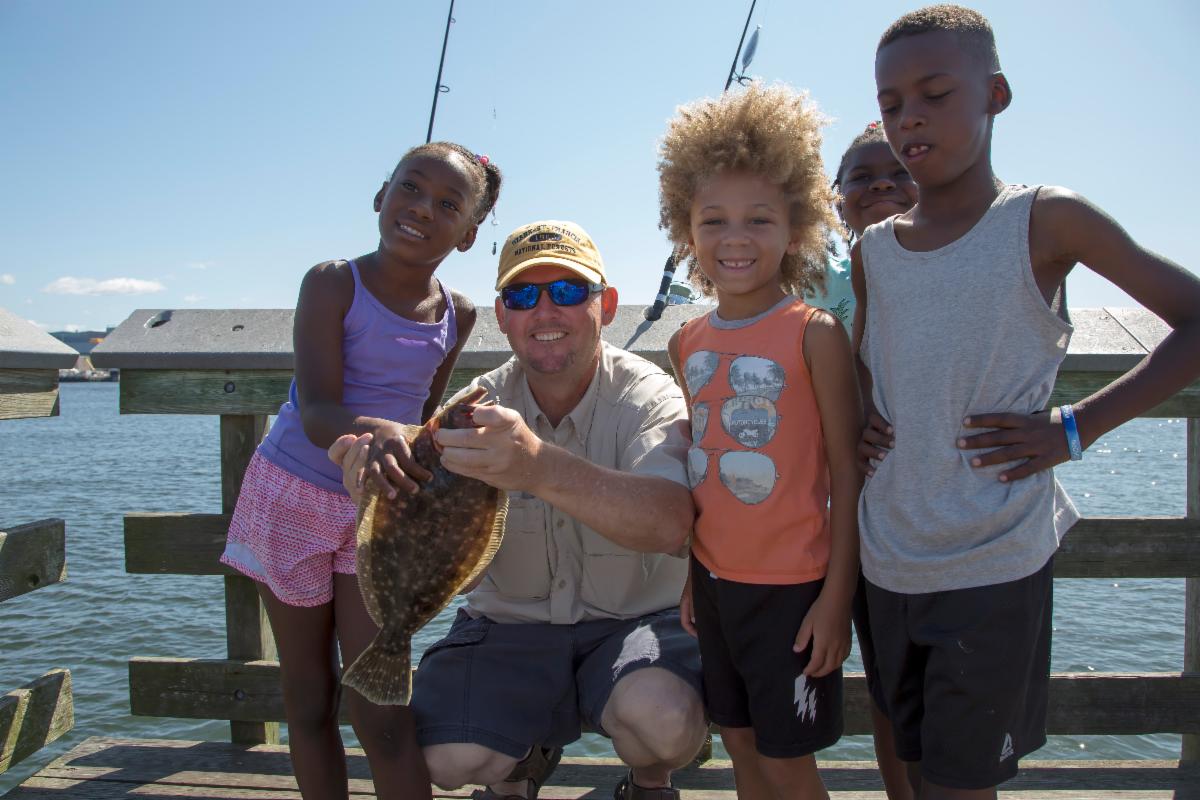
The Fisheries Division would like to congratulate the following for raising the bar and catching the "new" heaviest saltwater fish.
Jarred Velardi, a 51 inch and 51 pound 6 ounce Tilefish caught at East Atlantic Canyon (top photo).
Alexander Welford, with his 12.75 inch and 11.2 ounce Windowpane Flounder caught at Long Sand Shoal (middle photo).
Al Zuppe, with a Cownose Ray weighing 37 pounds12.5 ounces and measuring 57 ¼”. This ray was caught at Sandy Point (bottom photo).
Check out our Trophy Fish Award Program web page, including current state records for Harvest (heaviest fish) and Catch and Release (longest fish) in the Freshwater and Marine categories. Please be advised that since mid-March our ability to mail Trophy Fish Award Pins has been greatly reduced as the office is closed.
|
|
New "Catch and Release" State Records |
|
The Fisheries Division would like to congratulate the following for raising the bar and catching the "new" longest saltwater fish. The longest fish was created last year (2019) to recognize anglers who prefer to release their catch.
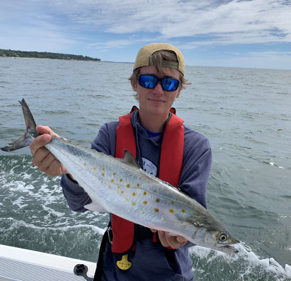
Evan Kamoen with a 20.75 inch Spanish Mackerel, caught and released in Niantic.
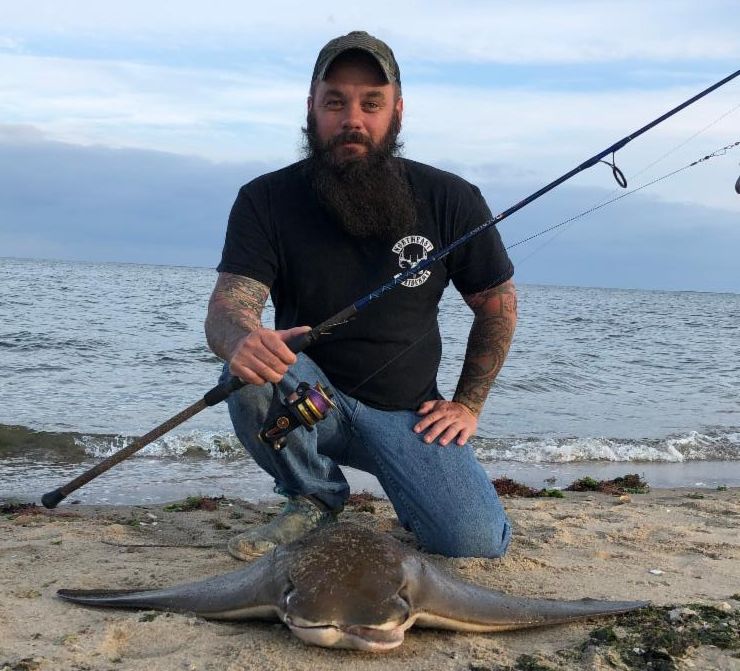
Al Zuppe with two new records, the first for a Cownose Ray measuring 57.75 inches caught and released at Sandy Point Beach
AND
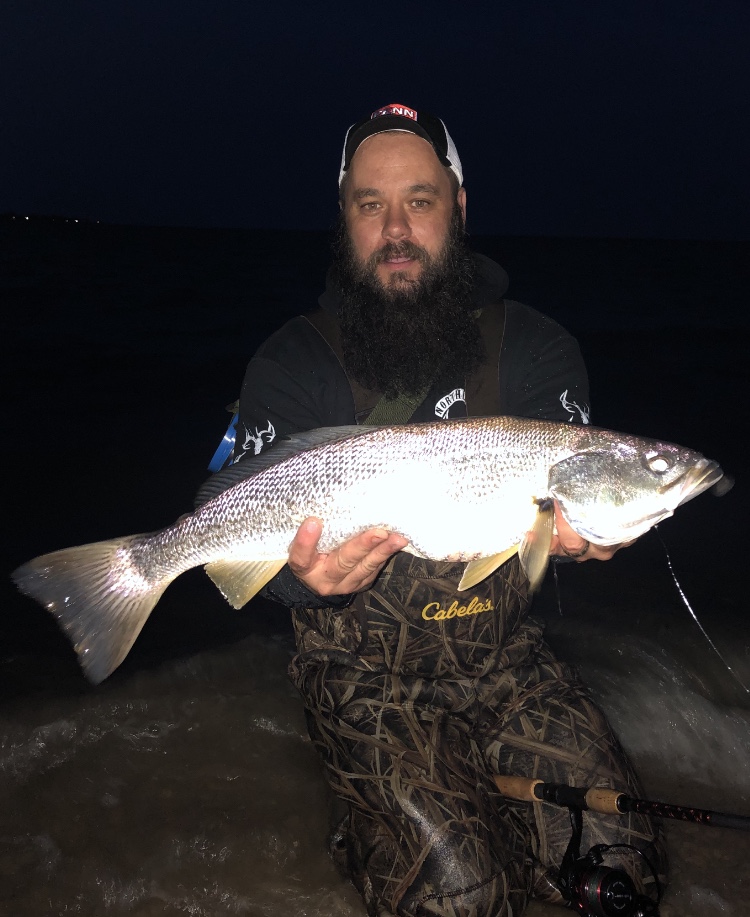
a monster Weakfish at 33.75 inches caught and released at the West Haven Breakwall.
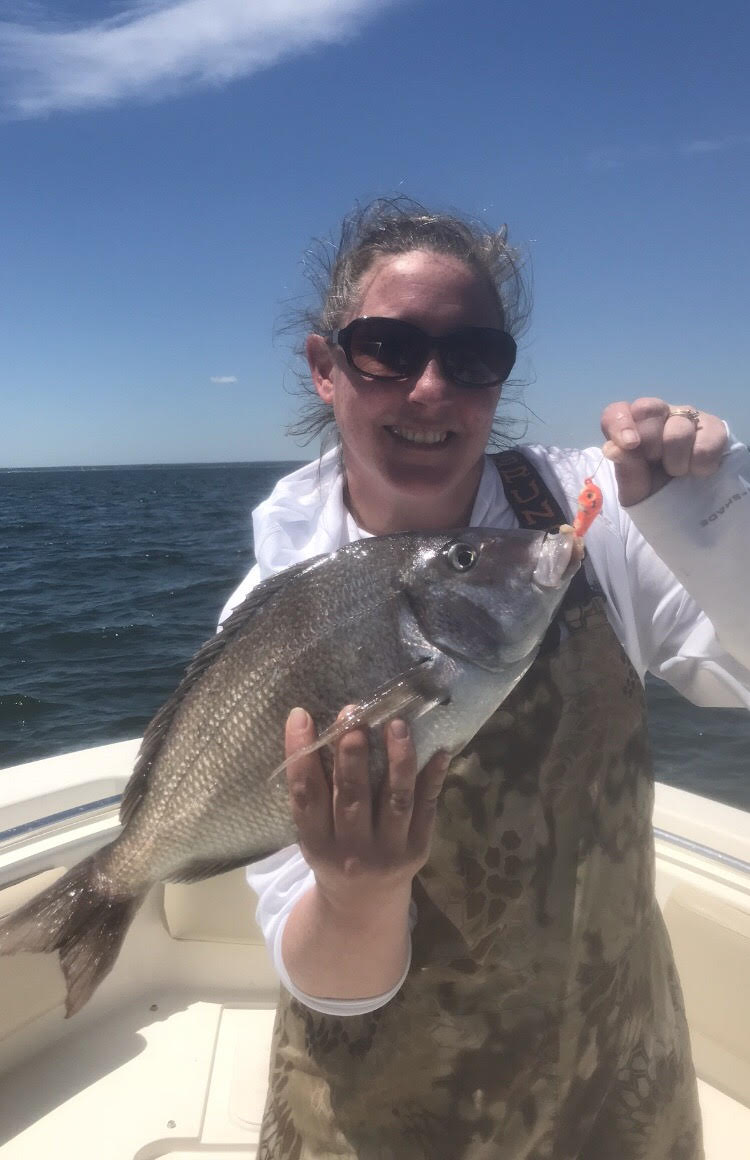
Jennifer Zuppe with a Scup (Porgy) measuring 19 and 7/8 inches caught and released at the New Haven Breakwall.
Check out our Trophy Fish Award Program web page, including current state records for Harvest (heaviest fish) and Catch and Release (longest fish) in the Freshwater and Marine categories. Please be advised that since mid-March our ability to mail Trophy Fish Award Pins has been greatly reduced as the office is closed.
|
|
Fishing Guide Cover Shots Needed!
DEADLINE is NOVEMBER 1, 2020
|
|
The Fisheries Division is looking for your best fishing photo! Please send us colorful, exciting, eye catching, shots that represent Connecticut's awesome fishing. Details on how to enter the annual Fishing Guide cover shot contest, including the photo release form, can be found on our website. Entries can be emailed to the Fisheries Division.
|
|
Tautog Season Opening Day - October 10 |
|
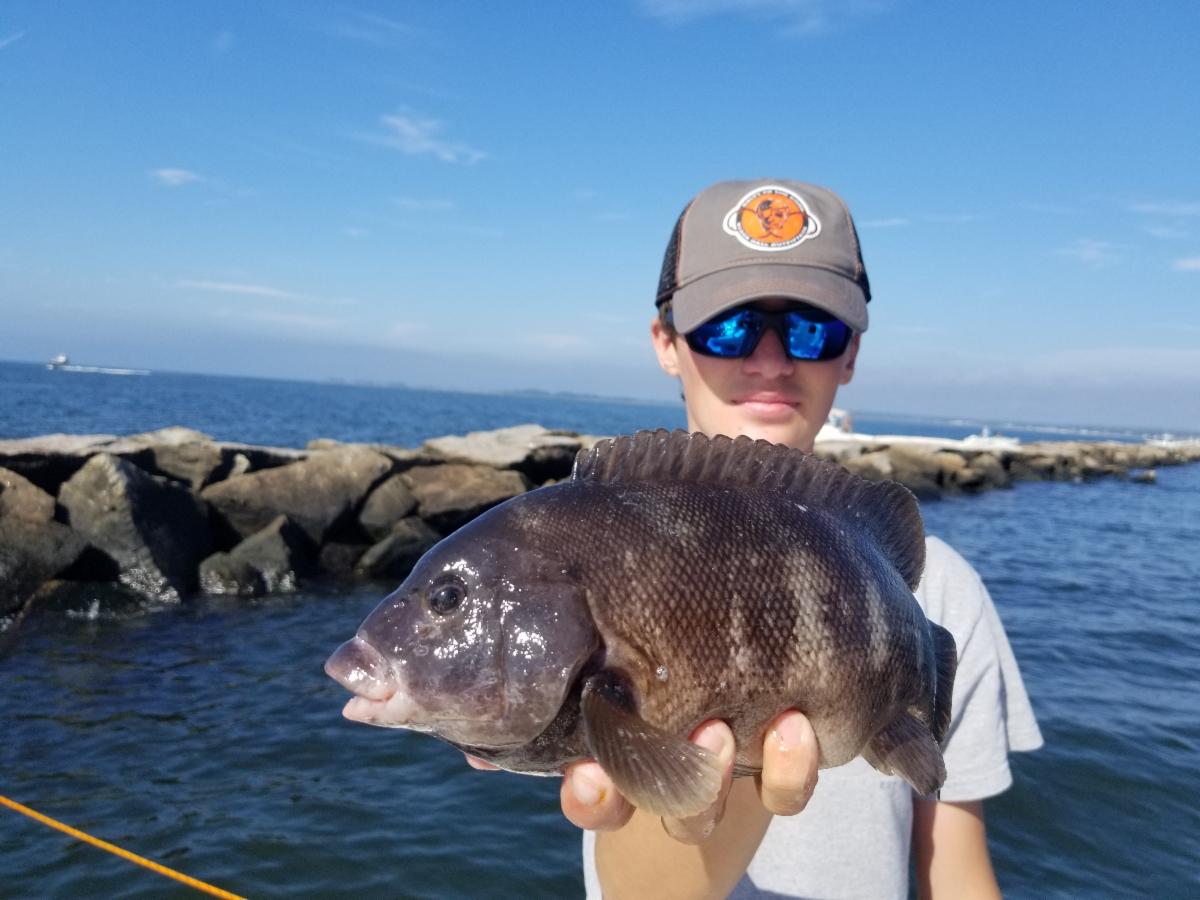
Tautog AKA Blackfish fall season opens on Saturday, October 10, 2020. This super feisty, yet very tasty, marine fish is a favorite among many New Englanders. Tog as they are better know as prefer to live in and among rocky structure. A trait that can make catching them a challenge as they are quick to grab your bait and dive back into their rocky lair.
Crabs are the go to for these fish. Be sure to have a stout hook and solid line as they will give you a serious fight.
Each angler may keep 3 fish per day provided they are at least 16 inches in length. Enjoy!!
|
|
Brown or Tiger, Which Did I Catch? |
|
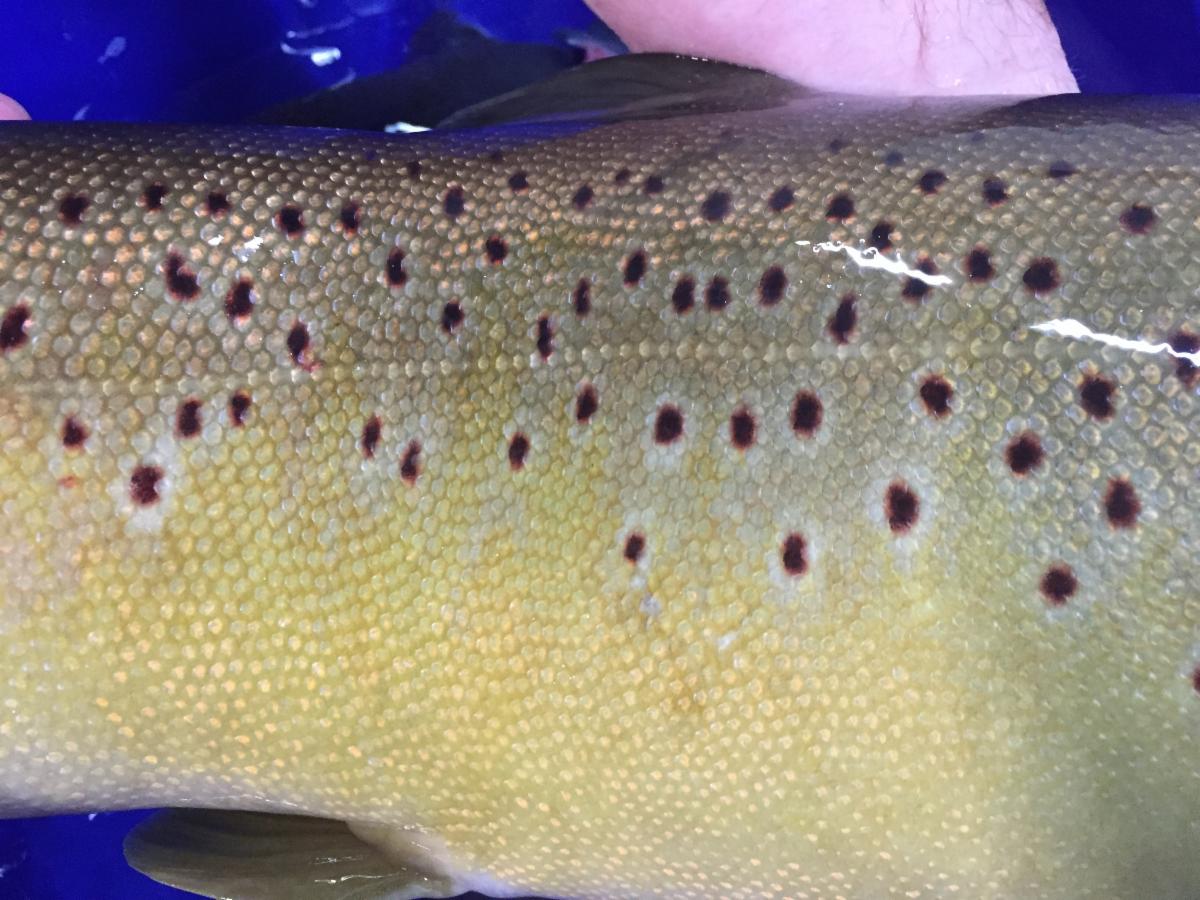
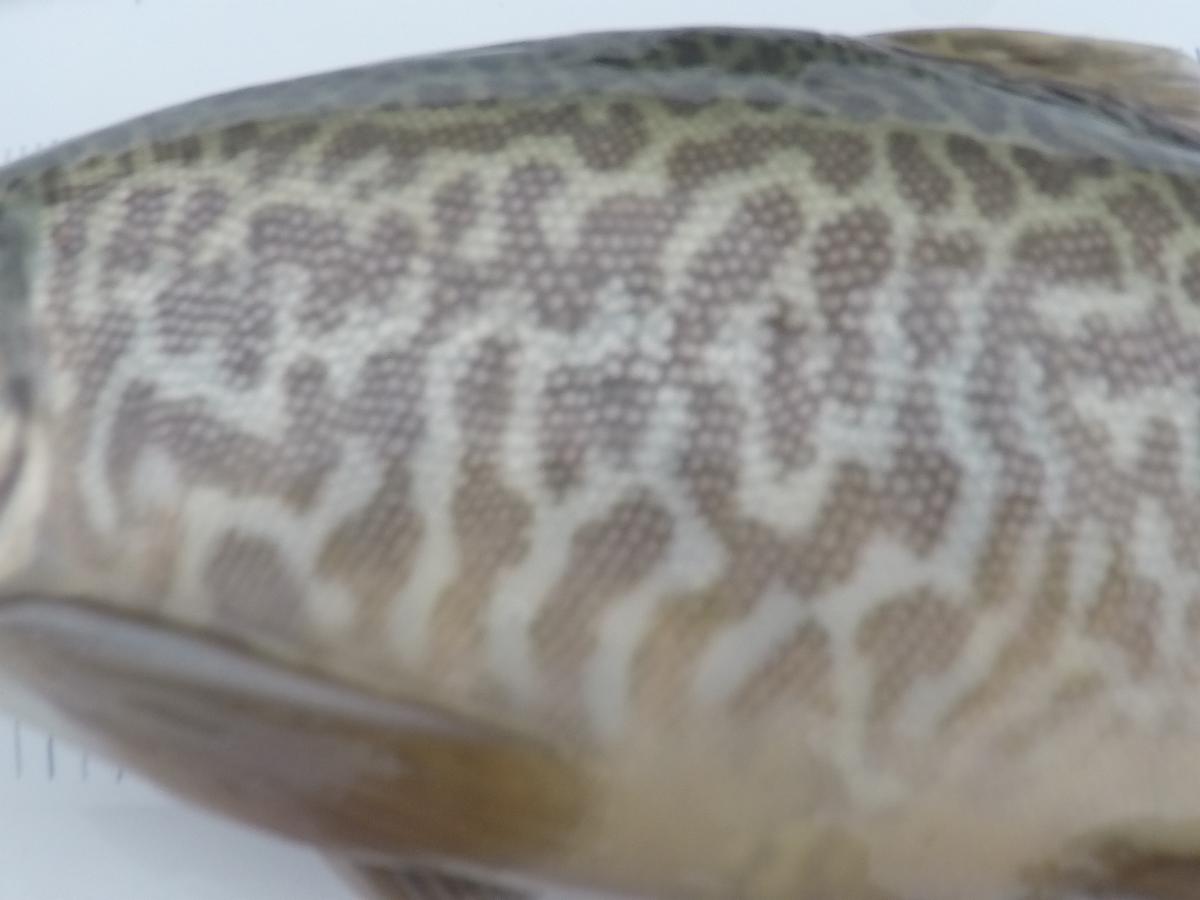
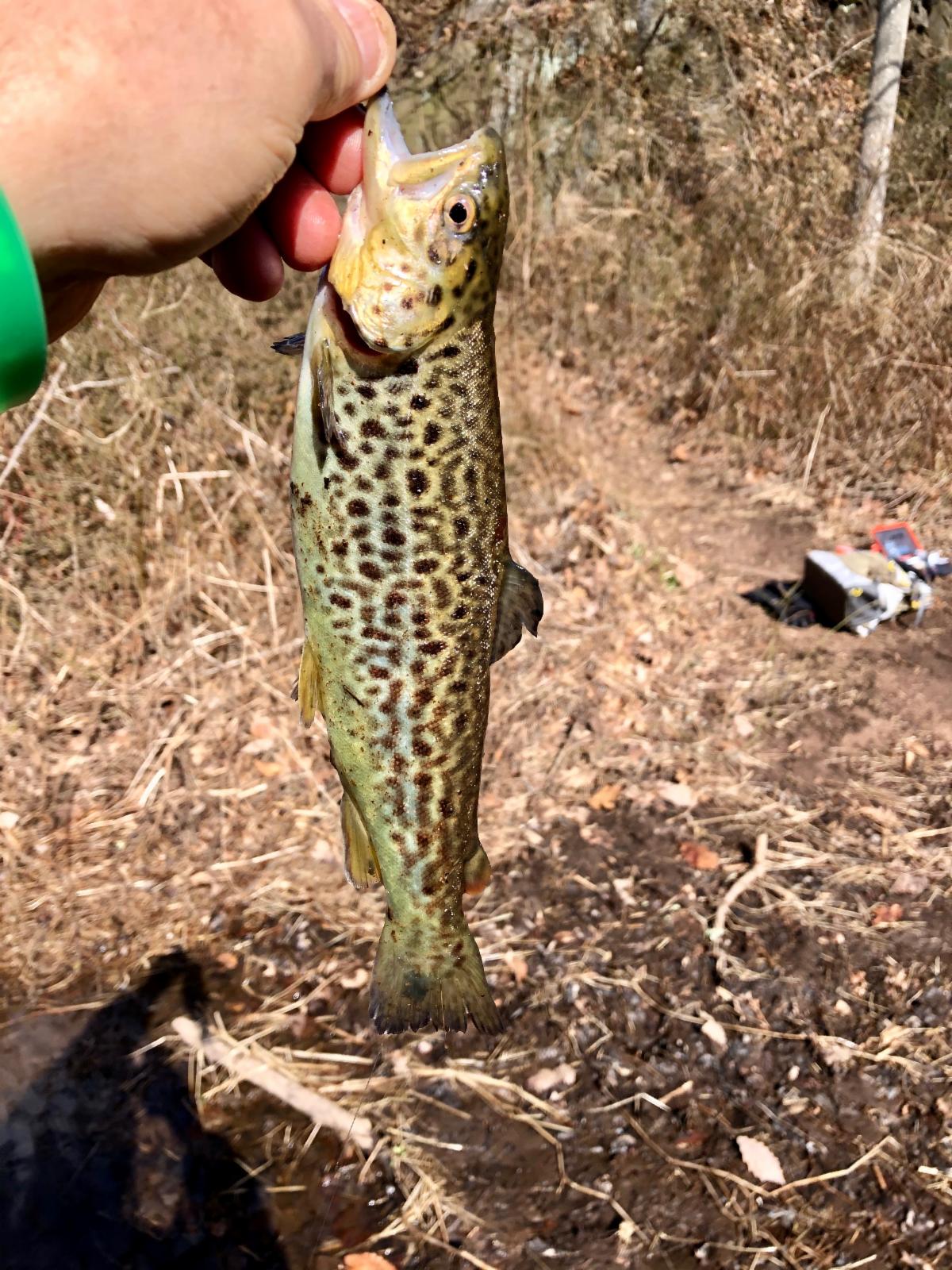
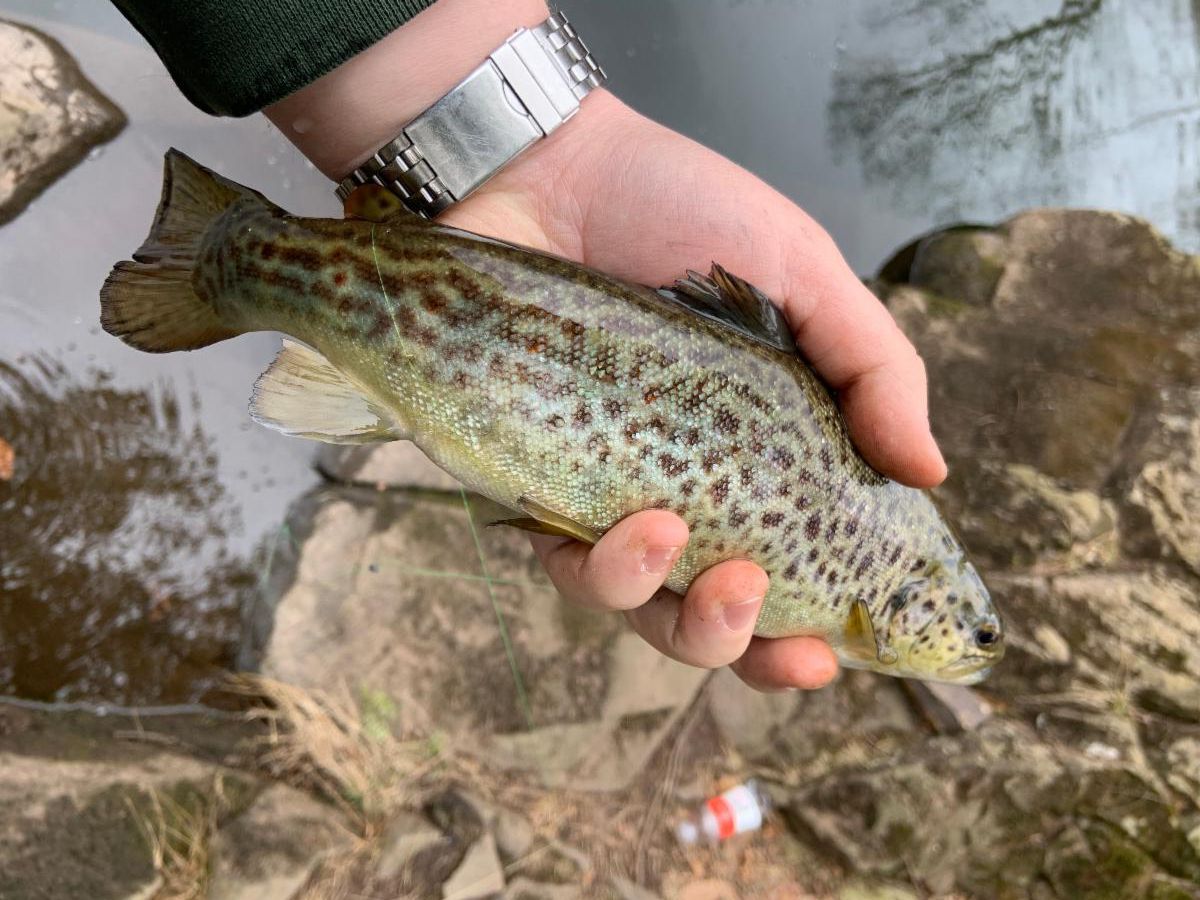
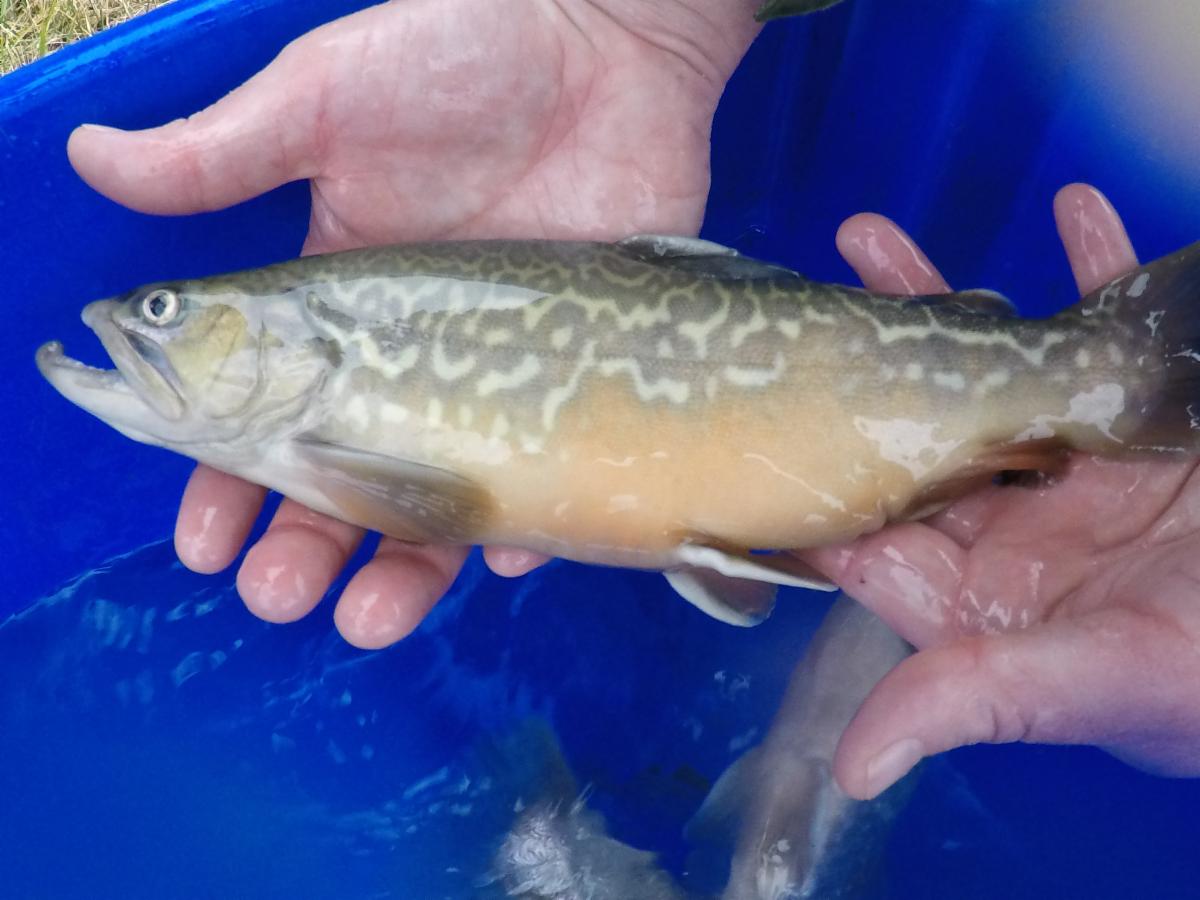
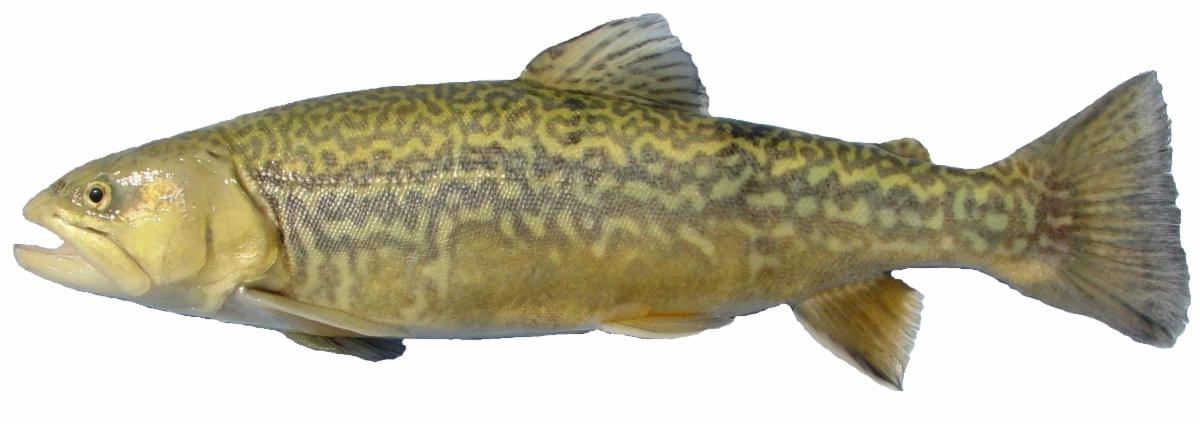
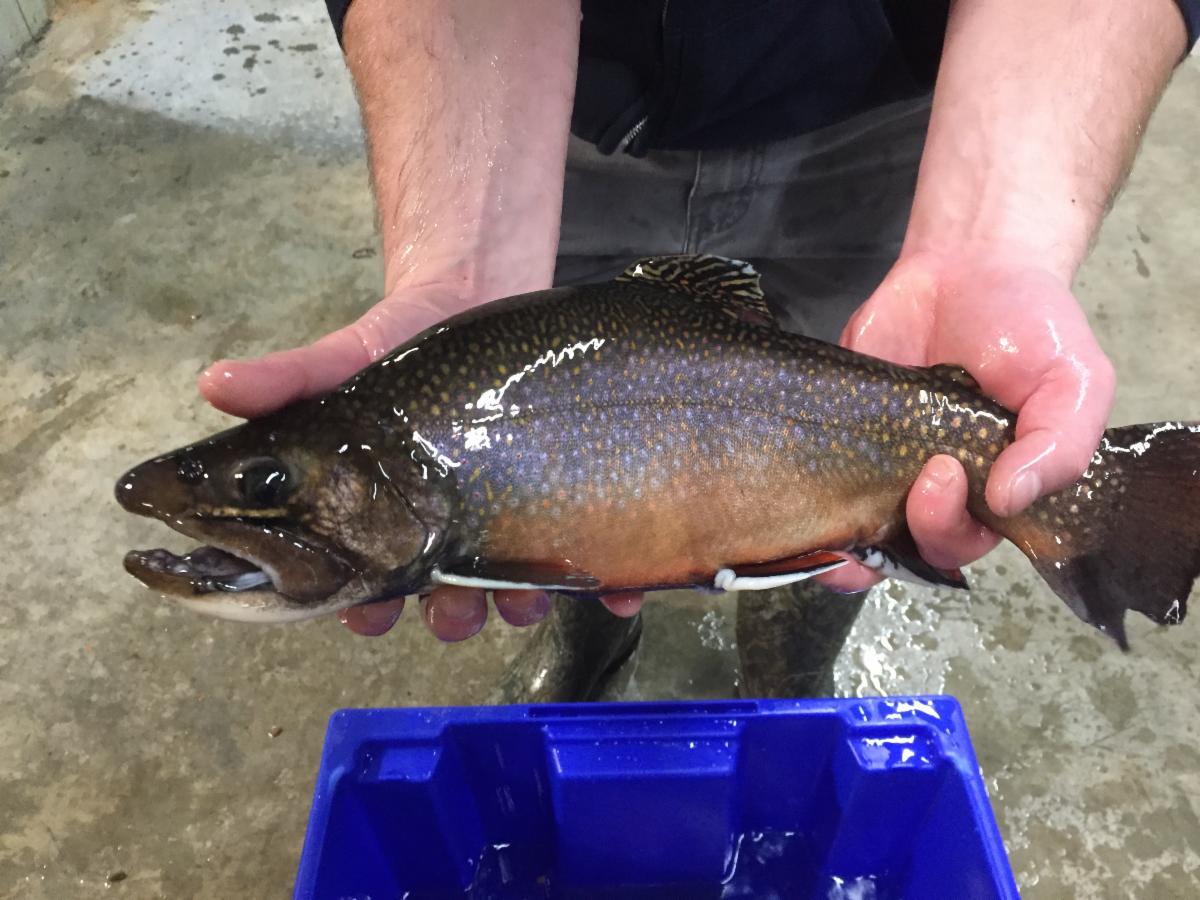
Telling the difference between a Tiger Trout and some of our stocked Brown Trout can be a bit of a challenge. Some of the genetics within our Cortland strain have the traditional spotted pattern of the Brown looking more like the wavy lines of the Tiger.
The photos on the left are of a Brown Trout. Top photo is the typical spotted pattern normally seen. The middle and bottom left photos are of the Cortand strain with some of the spots larger and more blurred than normal.
Contrast that with the Tiger Trout on the right. Spots or markings are absent from the head, the body has a dark background and with continuous wavy lines.
|
|
Take A Friend Fishing - Win Great Prizes |
|
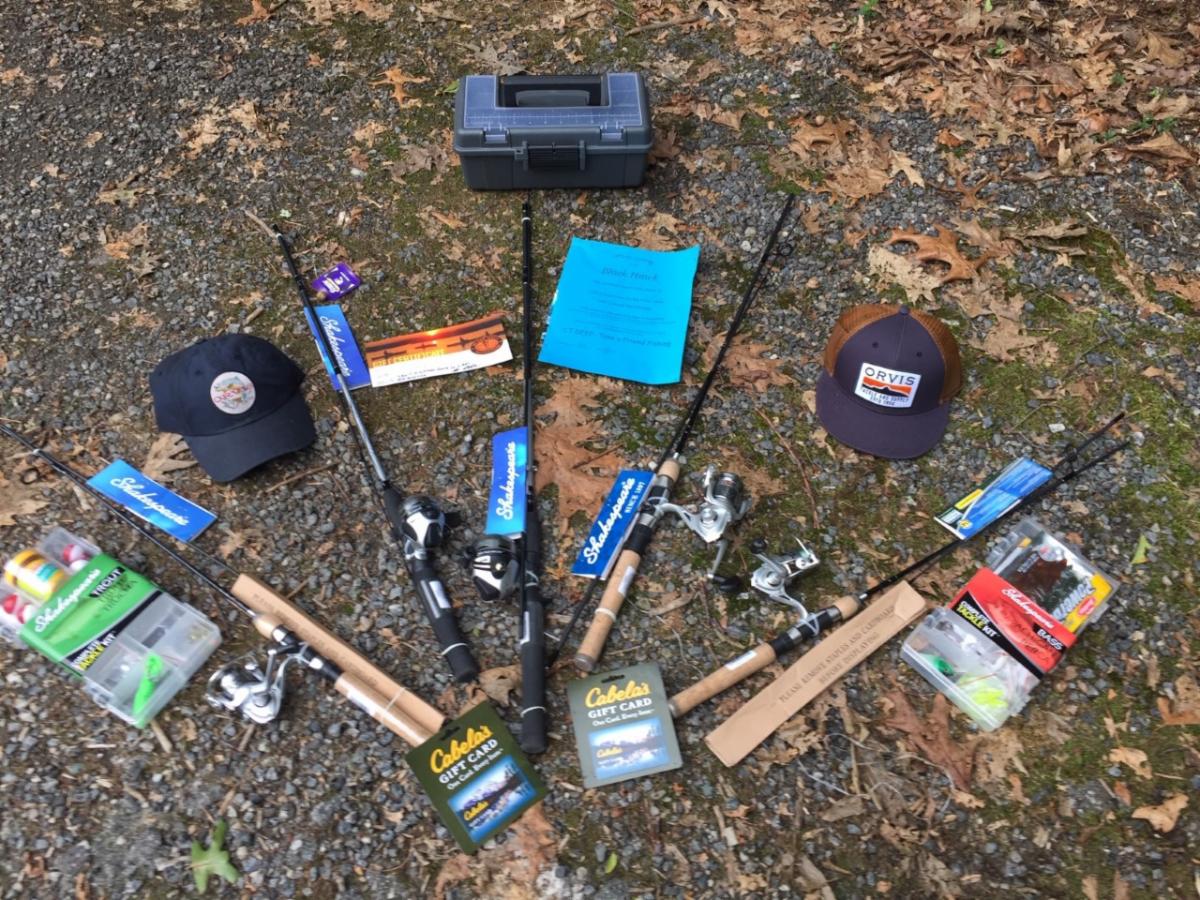
This is a great time to enter our Take A Friend Fishing contest. All you need to do is find a friend who has not been fishing (or has not for a very long time), take them out, and send us a short blurb on your fishing experience. You could be our next winning pair. Here are the official rules and good luck!!!
|
|
Learn to Fish Videos on YouTube |
|
Let's Go Fishing YouTube playlist: To enhance our very popular "Let's Go Fishing" workbook, we have created a short series of instructional fishing videos on DEEP's YouTube channel. These videos are a DIY way to get the instruction delivered during our Introduction to Fishing classes, which have been suspended indefinitely due to the Corona Virus Pandemic.
|
|
Marine Regulations for 2020 |
|
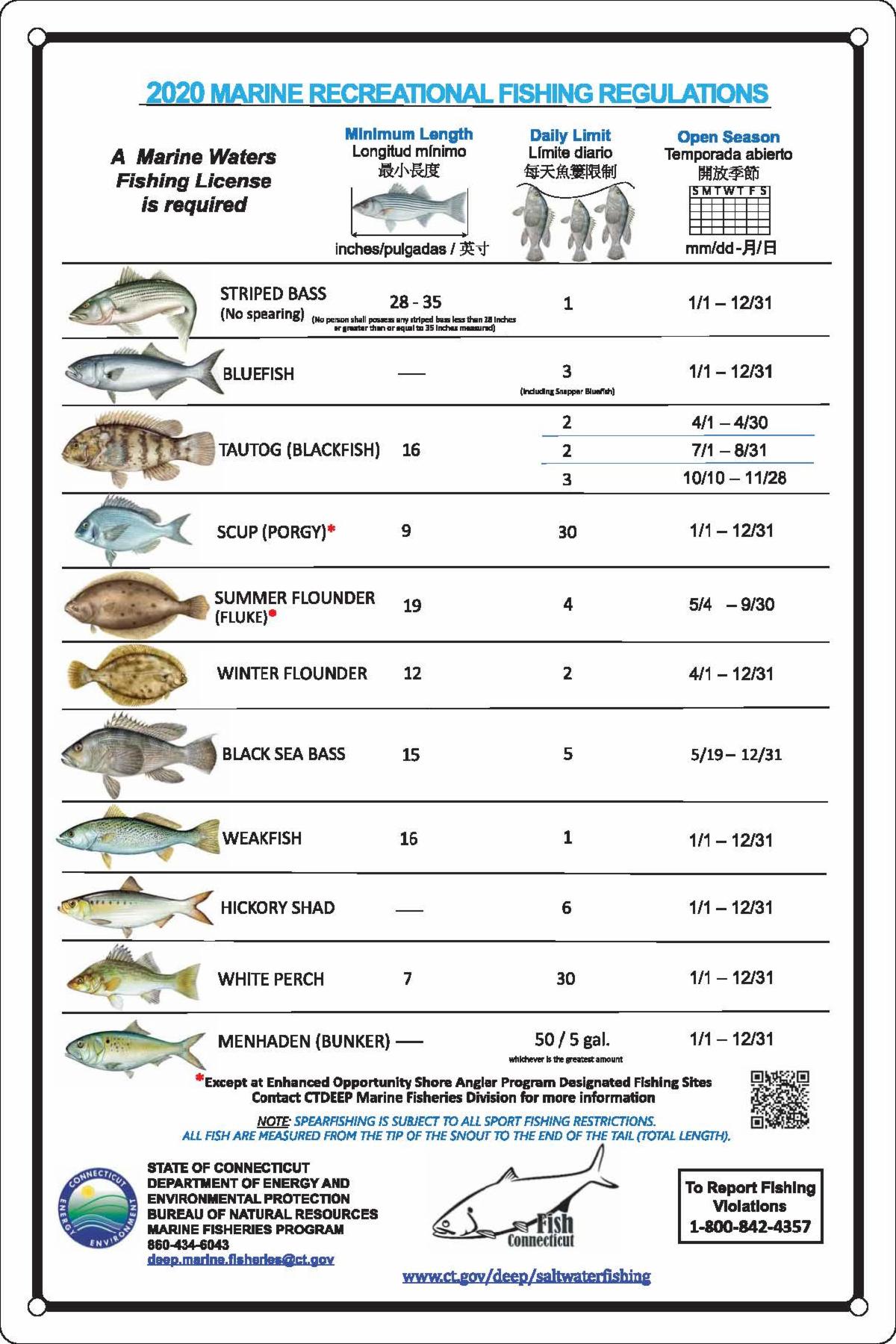
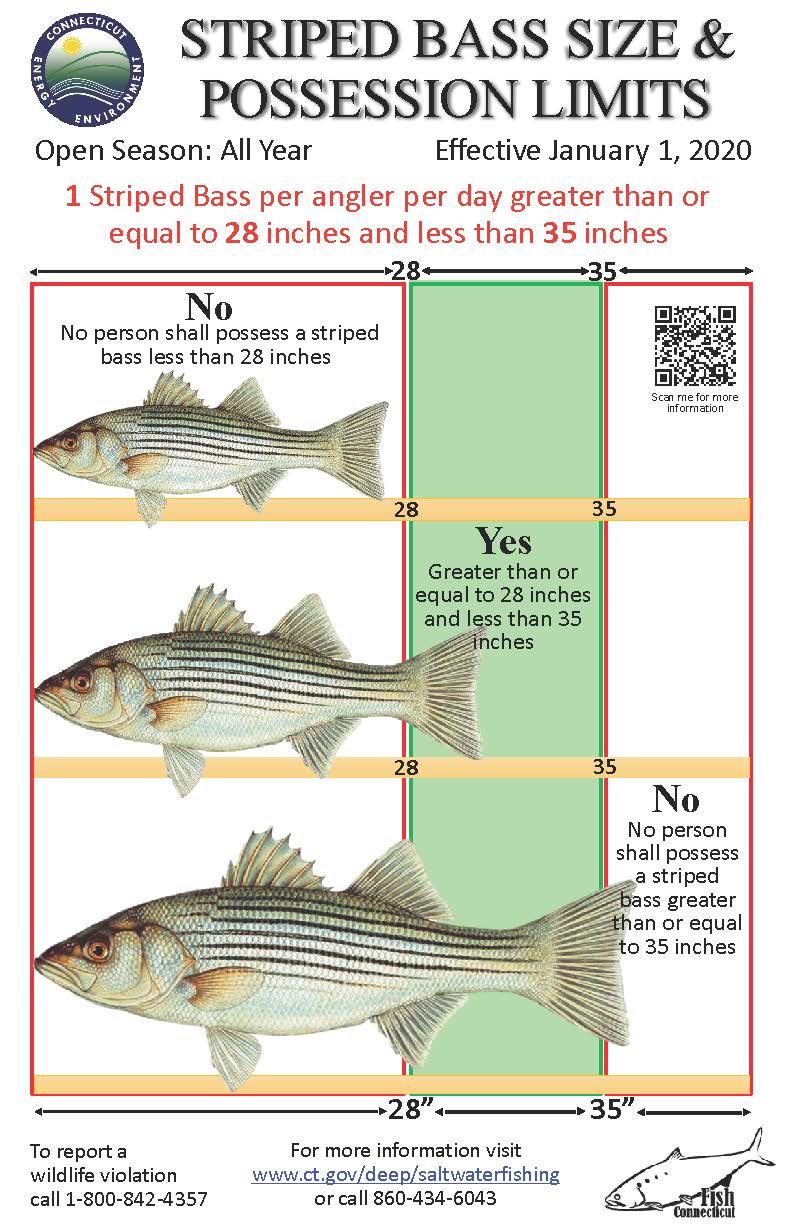
Striped Bass: Connecticut along with almost all other coastal states has implemented a 28-35" slot limit for striped bass in 2020. This regulation was adopted in response to the overfished condition of the stock, and is intended to protect older, larger female fish from harvest. This means that 1 Striped Bass that is 28.0 to 34.9 inches may be kept per day. Any fish less than 28 inches must be released. Any fish 35 inches or larger must be released. This regulation applies in the marine and inland districts.
Note there was a typo on page 21 of the print version of the 2020 fishing guide. It should read slot limit of 28-35 inches, not 28 inches as printed.
Bluefish: Connecticut along with all other coastal states has implemented a reduced bag limit for bluefish in 2020: 3-fish for private anglers, 5-fish for party/charter boat anglers. The reduced bag limit was adopted in response to the overfished condition of the stock (no size limit or closed season).
Sea Bass, Summer Flounder (Fluke), Scup (Porgy), Tautog (Blackfish) and all other marine recreational fisheries, no changes from 2019 to 2020.
|
|
This Month's Mystery Fish |
|
Fishing Challenge - For YOUth |
|
|
|
Fishing is the perfect family activity during this time of "distance learning" and being "socially distant". CT's FREE Youth Fishing Passport is your child's ticket to all of the amazing outdoor discoveries fishing has to offer. Fishing involves knowing about habitat, environmental quality, food webs, life history of species, and so much more. You can get a Youth Fishing Passport, for those 15 or younger, using our online licensing system. Register your child as a new user. If you have questions please contact us.
|
|
Fishing Challenge Scorecard |
|
The Youth Fishing Passport Fishing Challenge is a year long fishing scavenger hunt. To have your catch count, simple snap a photo of your fish (from our scorecard) and email it to us. The top four anglers (who catch the most different types on our list) receive a prize pack full of fishing swag.
|
|
2020 Fishing Guide - Access Online Anytime |
|
|
|
The 2020 Fishing Guide is available in English and Spanish. The best and fastest way to get your copy is online. We have a couple of options for you:
-
The DEEP Webpage as a pdf
-
In digital book format at the e-regulations page
|
2020 Fishing Guide in Spanish: The Fishing Guide is now available in Spanish via digital book format, |
|
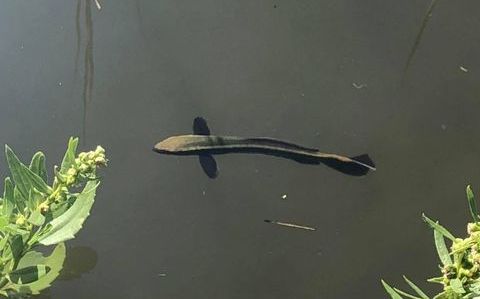
This month's mystery fish was a juvenile Cobia (Rachycentron canadum) are a very popular game fish in warmer southern waters. While they are distributed from Nova Scotia south, this species of fish is not super common in Long Island sound and surrounding waters. Based on angler reports, it does seem that Cobia are increasing in numbers and if the sound continues to warm, may become even more prevalent.
Cobia can reach nearly six feet and 100 pounds, a formidable foe at the end of the line. Cobia spawn in coastal bays and estuaries several times throughout their spawning season, which lasts from late June to mid-August in the Southeast and from late summer to early fall in the Gulf of Mexico. Females release between 375,000 and 2 million eggs each time they spawn.
The Atlantic States Marine Fisheries Commission oversees the fishery and details can be found on their webpage. There are currently no regulations for Cobia in CT, meaning you can fish for them year-round, there is no daily limit, and no size limits.
This photo was taken in the Hammonasset River estuary.
|
|
Información disponible en español
|
|
|
|
|
|
|