April 7, 2026

Vol. 60

CTFC MONTHLY HIGHLIGHTS

Latest News From California Tribal Families Coalition

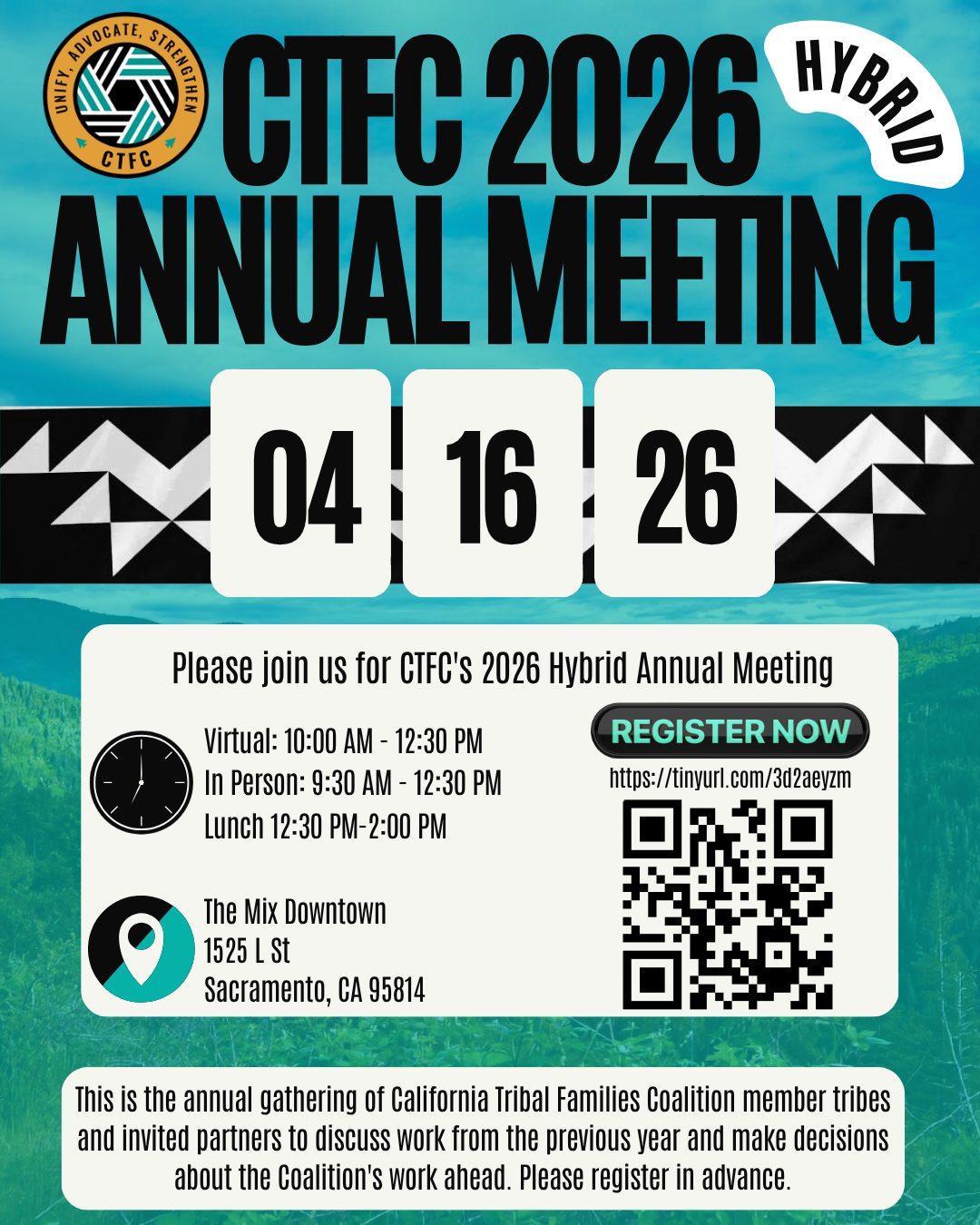
CTFC's Hybrid

2026 Annual Meeting is April 16!

The clock is ticking!


This is the annual gathering of California Tribal Families Coalition member tribes and invited partners to discuss work from the previous year and make decisions about the Coalition's work ahead.


Join us by registering in advance!

Federal Updates in Tribal Child Welfare

GAO Seeking Tribal Input on Prevention Programs

The U.S. Government Accountability Office (GAO) is seeking tribal input on child abuse and neglect prevention programs. GAO attended the annual NICWA conference last week to host in-person listening sessions and will also accept feedback via email at dawsona@gao.gov or sena@gao.gov. There are no advertised deadlines, so tribes are encouraged to send input as soon as possible. The GAO report was requested by Senator Lisa Murkowski in 2024 and is expected to inform forthcoming legislative efforts.


ICWA AFCARS Data Elements Under Scrutiny Again

The U.S. Administration for Children and Families (ACF) is asking states to estimate the administrative burden of complying with the new ICWA data elements added in 2024. ACF assumes the ICWA-related data elements in the main federal child welfare data set, the Adoption and Foster Care Analysis and Reporting System (AFCARS), have increased the child welfare reporting for state agencies and likely seeks to reduce the number of data measures once again. Comments are due May 29, 2026.


CAPTA Tribal Set-Aside Proposed 

Last month, Senators Murkowski, Warren and Grijalva introduced the American Indian and Alaska Native Child Abuse Prevention and Treatment Act (S. 4179). The bill would separate tribal access to Child Abuse Prevention and Treatment Act (CAPTA) grant funds from the currently designated Tribal and Migrant grant fund set-aside and create a tribal-only grant program. The bill proposes setting aside 5% of CAPTA funding for the tribal-only grant program. Tribes continue to receive inequitable funding from the federal government for tribal child welfare, especially for the prevention of child abuse and neglect. This bill seeks to fix that inequity by creating a tribal-only funding for prevention programs. The bill was referred to the Committee on Health, Education, Labor and Pensions. 

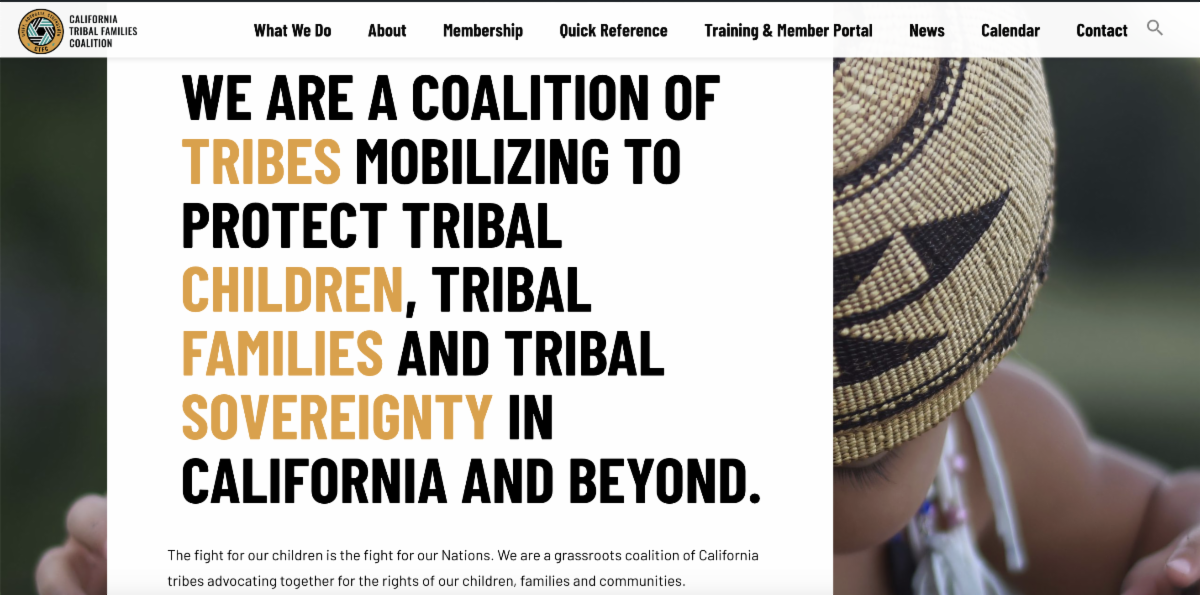
CTFC's Website Update Is Live!

We've updated our website with new pages, new content on existing pages, sidebar navigation and a new look. (Photography courtesy Shanley Masten.)


New pages include:


As well as updated content under What We Do:


We hope you take a moment to look around at www.caltribalfamilies.org.

New Treatment Facility for

Tribal Communities in Southern California

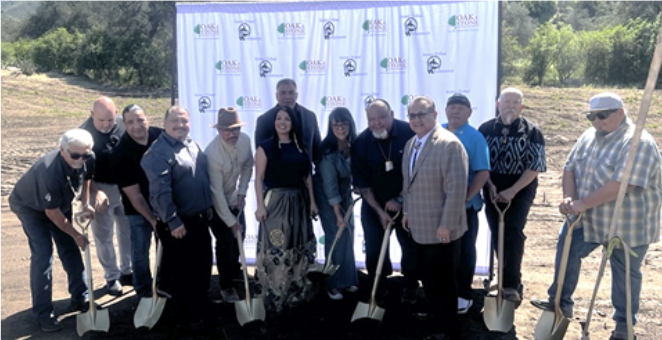
From the DHCS press release: “Delivering on Governor Gavin Newsom’s commitment to expand and modernize California’s behavioral health system, the California Department of Health Care Services (DHCS) joined Inner-Tribal Treatment and community partners on March 20 to break ground on the new Inner-Tribal Wellness Village in Pauma Valley. … The campus will serve Tribal communities throughout San Diego County and surrounding regions who need behavioral health treatment and support. When completed, the Inner-Tribal Wellness Village will include a 60‑bed adult residential SUD treatment facility and a community mental health clinic with 120 outpatient slots, serving an estimated 500 individuals annually.”

Free Access to Foster Parent College for

Tribally Approved Homes (TAHs)


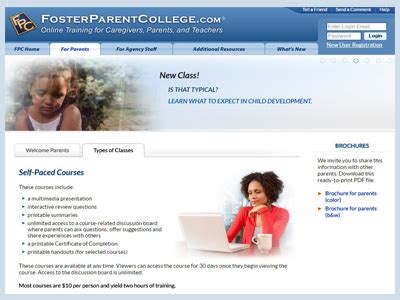
Foster Parent College provides innovative, interactive online courses for foster, adoptive, and kinship parents...and now Tribally Approved Homes!


All Tribally Approved Homes can access Foster Parent College (FPC) at no cost. To get started, they will need to email TAH@dss.ca.gov with the required information below. This information will then be forwarded to Foster Parent College so an account can be created on their behalf.


Please include the following information:


  1. Tribe name
  2. Tribe point of contact
  3. Tribe point of contact email


Once the accounts are set up, FPC will send an email with instructions on how to access and use the platform. FPC is also available to assist Tribes directly with any questions after account creation.

New Report: How Changes in Foster Youth Classification Status Relate to Student Absenteeism and Discipline

"In California, youth in foster care experience some of the highest rates of chronic absence, with more than one in three missing 10 percent or more of the 2024–25 school year. Boosting the school attendance of youth in foster care requires pinpointing and addressing the factors that influence their attendance—including entry into and exit from classification status as foster youth while still in school. This brief presents new evidence of how such status relates to attendance and discipline in four of California’s CORE school districts. Entry into classification as a foster youth is associated with decreases in days absent and chronic absence alongside increases in exclusionary discipline, while exiting classification is associated with increases in absenteeism and no significant change in disciplinary risk. These findings have implications for strengthening educational stability and for state policies aimed at supporting the educational well-being of youth in foster care."

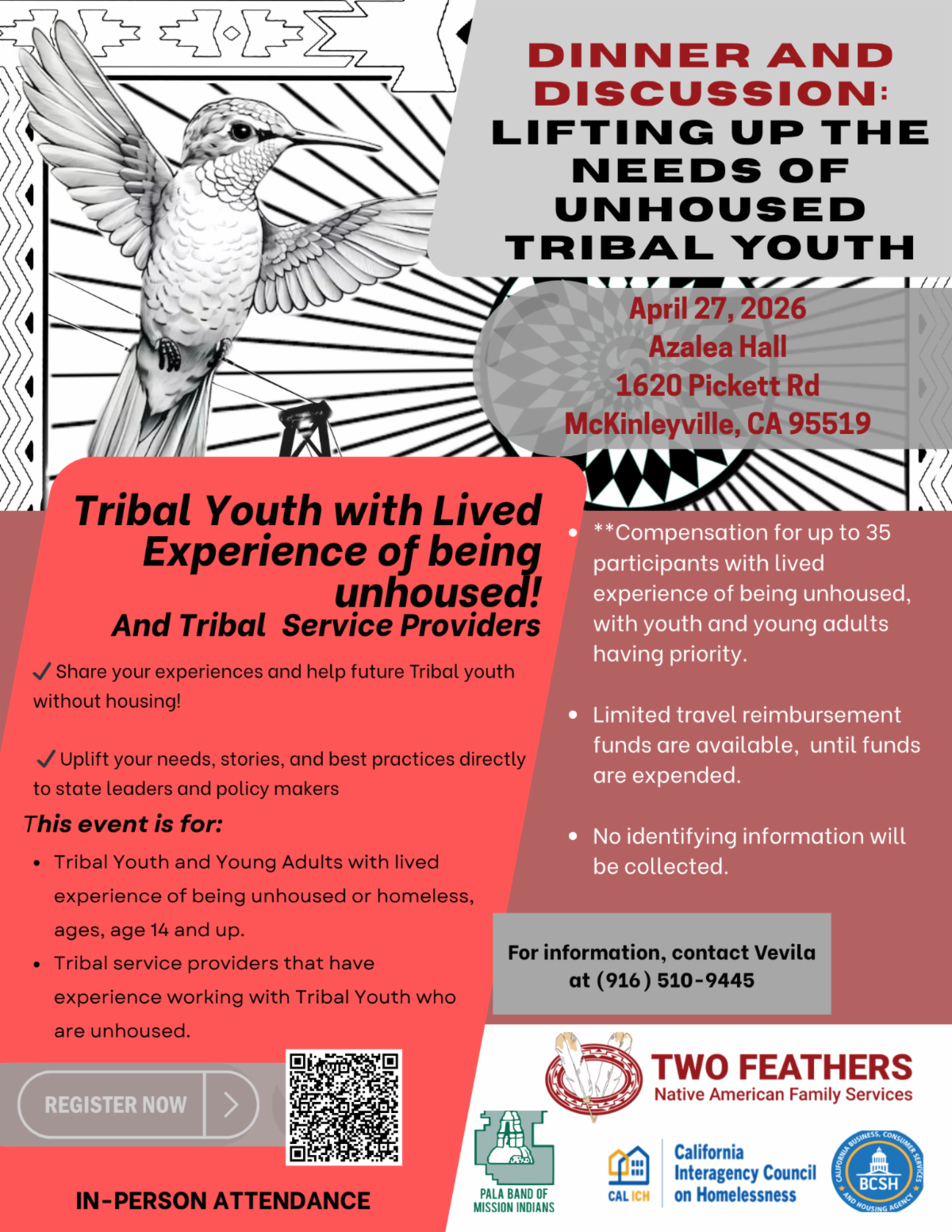
Listening Session: Lifting up the Needs of Unhoused Tribal Youth

Attention tribal youth and tribal service providers: Please register for an in-person dinner and discussion to lift up the needs of unhoused tribal youth on April 27, 2026 at Azalea Hall (1620 Pickett Rd, McKinleyville, CA 95519).


This event is for Tribal youth and young adults who have experienced being unhoused, ages 14-26 years, and for Tribal service providers who work with unhoused Tribal youth. 


Compensation for time and expertise for formerly unhoused Tribal youth and young adults is provided in a $180 gift card (up to 40). There will be dinner and raffles. Information learned will help to improve technical assistance for providers that work with unhoused Tribal youth. Travel reimbursement is available at state rates, until expended.


Register here.

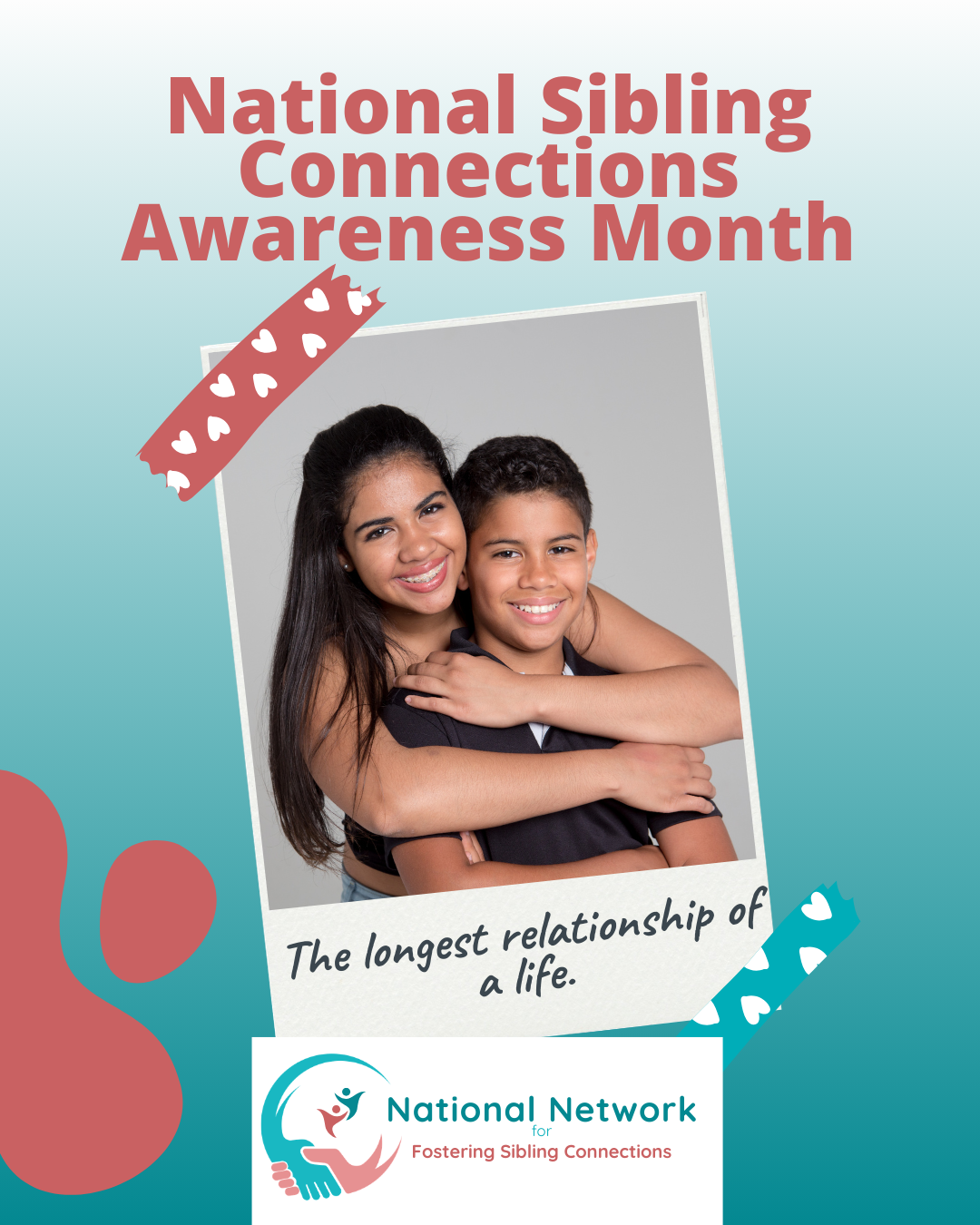
April is the Inaugural National Sibling Connections Awareness Month

For too many youth in foster care, sibling separation is a “hidden crisis,” with up to 75% of siblings, and as many as 90% of Indian children in California, being placed apart sometime during their time in care.


This April, CTFC is joining the National Network for Fostering Sibling Connections in breaking the silence by recognizing the inaugural National Sibling Connections Awareness Month. 


Membership Spotlight &

Training Portal

Membership Spotlight

This month we'd like to highlight the Habematolel Pomo of Upper Lake, a member of The Coalition since 2017!


A special thank you to Chairwoman Danielle Cirelli for her membership on the CTFC Board of Directors, and thank you to The Habematolel Pomo of Upper Lake for your commitment to issues of Indian child welfare in California.

Has your tribe renewed your membership recently? Reach out to us at contact@caltribalfamilies.org to find out more to ensure you continue to be unified with 50 other tribes around the state on child welfare issues.

CTFC Member & Training Portal

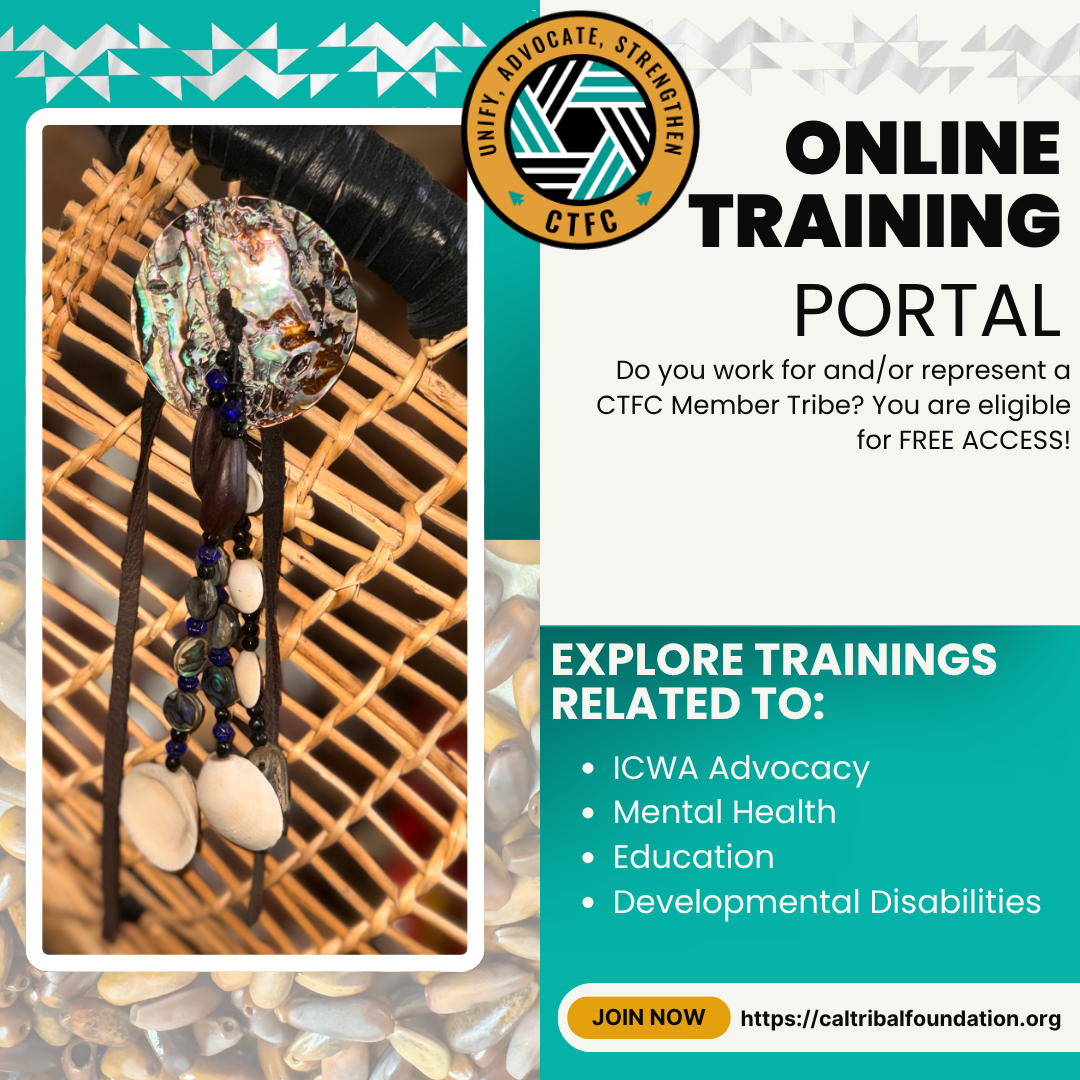
The California Tribal Families Coalition's Training and Member Portal offers a comprehensive suite of courses designed for tribal leaders, social workers, attorneys, and community professionals. These trainings focus on Indian child welfare and its intersections with various systems. 


📚 Start Learning Today: https://caltribalfoundation.org/

Upcoming Events & Meetings


Facebook  Twitter  Instagram