|
February 2026, Issue 2 | CTSC Newsletter
To ensure you're always viewing the entire newsletter, check at the bottom of the email to see if the newsletter has been "clipped" and, if so, click "view entire message". You can also view the full newsletter on the News and Announcements page of our website.
| | Click on the images below to be directed to more information: | | |
Dear colleagues,
This year, it is essential that we align our efforts with current National Institutes of Health (NIH) priorities, as emphasized by NIH Director, Jay Bhattacharya. Key focus areas include the preventive and therapeutic role of nutrition and nutritional supplements, Artificial Intelligence based research, autism research, intervention-based approaches to reduce health disparities (beyond descriptive observational studies), among others.
Case Western Reserve University and our partner institutions have significant strengths across these domains. This is a pivotal moment to leverage our collective expertise and pursue new opportunities for NIH funding in these priority areas. The CTSC is committed to supporting investigators at all career stages in developing competitive translational and clinical research proposals. Whether through our upcoming Mock Study Section on May 1, 2026, or through individualized, no-cost consultations, we encourage you to connect with us for guidance and support.
While the current healthcare and research landscape presents challenges, it also offers a meaningful opportunity to demonstrate our leadership and innovation in areas of national priority. We look forward to working together to advance impactful research.
| | |
INCLUDE Project: Clinical Trials Phased Awards for Down Syndrome Research (R61/R33 – Clinical Trial Required): A phased innovation award supporting milestone-driven development and execution of clinical trials addressing critical and co-occurring health conditions in individuals with Down syndrome. Aims to improve health outcomes and quality of life across the lifespan for individuals with Down syndrome.
-
Due Date: February 19, 2026 | Estimated Award Start: September 1, 2026 | RFA-OD-25-021
| | |
INCLUDE Project: Transformative Research Awards for Down Syndrome (R01 – Clinical Trial Not Allowed): Supports groundbreaking, exceptionally innovative, and unconventional research with the potential to transform scientific paradigms, clinical approaches, or technologies related to Down syndrome and its co-occurring conditions. Open to all Down syndrome–relevant topics, with no preliminary data required. Projects must demonstrate strong logical justification and compelling potential for major impact on Down syndrome research and quality of life.
-
Due Date: February 19, 2026 | Estimated Award Start: September 1, 2026 | RFA-OD-25-020
COMING SOON: ELEVATE Model (Enhancing Lifestyle and Evaluating Value‑based Approaches Through Evidence): A CMS Innovation Center model offering approximately $100 million in 3‑year cooperative agreements to support up to 30 proposals that promote health and prevent chronic disease among Original Medicare beneficiaries. Supports evidence‑based, whole‑person approaches—including functional and lifestyle medicine interventions not currently covered by Original Medicare—that complement existing medical care. The model will generate new evidence on cost and quality to inform future Medicare coverage and value‑based care strategies focused on nutrition, physical activity, and other lifestyle interventions.
-
NOFO Release: Early 2026 | Model Launch: September 1, 2026 | ELEVATE
| | |
OligoTox Open Data Challenge
The NIH National Center for Advancing Translational Sciences (NCATS) has launched the Oligonucleotide Toxicity (OligoTox) Open Data Challenge, a two-phase prize competition to build public, high-quality datasets from in vitro human-based systems to improve AI/in silico models for predicting oligonucleotide therapeutic toxicity.
Phase 1 submissions are open through February 28, 2026.
Read the Requirements and Registration for the OligoTox Open Data Challenge
| | | | |
CTSC Big Data Webinar
TriNetX Advanced, part 2
Featuring: Craig Jarrett, MD & Ashley Hughes, PhD
| | | | |
CTSC & UH Clinical Research Center:
Electronic Informed Consent Using REDCap
Featuring: Sheree Hemphill, MS & Amanda Tyhulski
| | | | |
Penn State CTSI Event
"Engaging Rural Communities in Research:
Strategies for Meaningful Engagement"
Featuring: Kristina Brant, PhD & Florence Becot, PhD
Event Details
| | | | |
CTSC Distinguished Speaker Series
'Optimizing HOPE in Clinical & Translational Science'
Speaker: Felicity T. Enders, PhD
Event Details, CME Available
| | | | |
CTSC Big Data Informatics Open Office Hours
Moderators: Craig Jarrett, MD, & Ashley Hughes, PhD
| | | | |
CTSC Science Cafe:
Real World Data
Speaker: David Kaelber, MD, PhD & Craig Jarrett, MD
| | | | |
UH Webinar Series:
Emergency Medicine Research Awareness
Event Details
| | | |
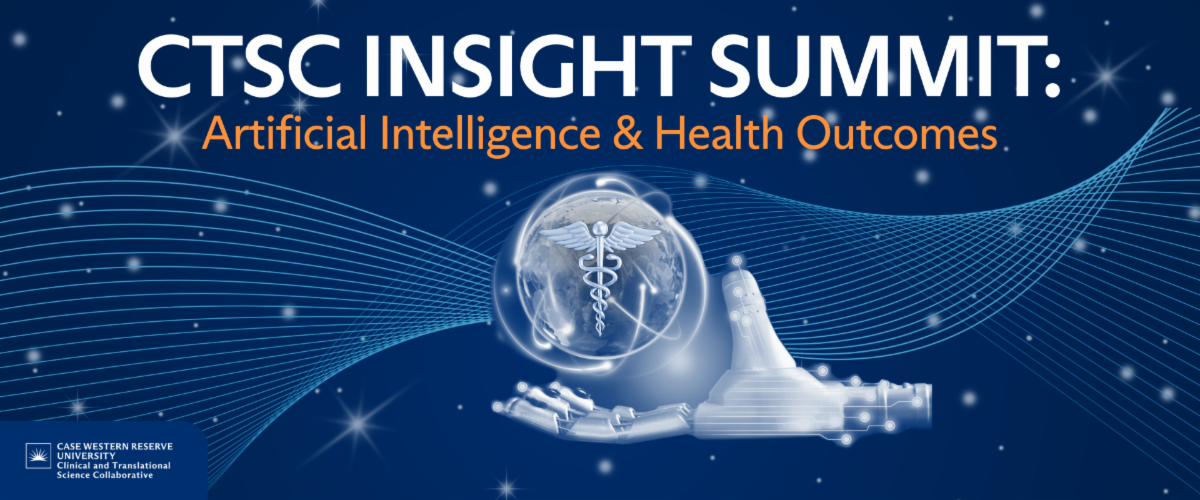
Announcing the Insight Summit Keynote:
Dr. John Piette
We are pleased to welcome John Piette, PhD, MPH, Professor Emeritus of Public Health and Internal Medicine in the VA Ann Arbor Center for Clinical Management Research at the University of Michigan. His research focuses on developing and evaluating novel strategies for using mobile health technology to improve the accessibility and quality of care for patients with chronic illnesses.
| | The CTSC Insight Summit: Artificial Intelligence and Health Outcomes will be held on May 20, 2026, at the Tinkham Veale University Center at Case Western Reserve University, bringing together researchers, clinicians, technologists, and community partners to explore how AI is shaping health outcomes—particularly for chronic disease and rural health in Northern Ohio. The full‑day summit will feature a keynote address, spotlight talks, poster presentations, a point–counterpoint session on AI‑driven solutions for rural health, and conclude with a networking reception. Registration is now open. | | |
Now Accepting Abstracts!
Abstract submissions are now available for the CTSC Insight Summit. Submissions are welcome from investigators, clinicians, trainees, technologists, public health professionals, and community partners, and may feature original research, early‑stage innovations, or real‑world applications of AI in health. Abstract deadline: 12:00 PM EST, Monday, March 9, 2026.
| | |
Translating Innovation to Impact:
CTSC Pilot Award Leads to FDA Breakthrough
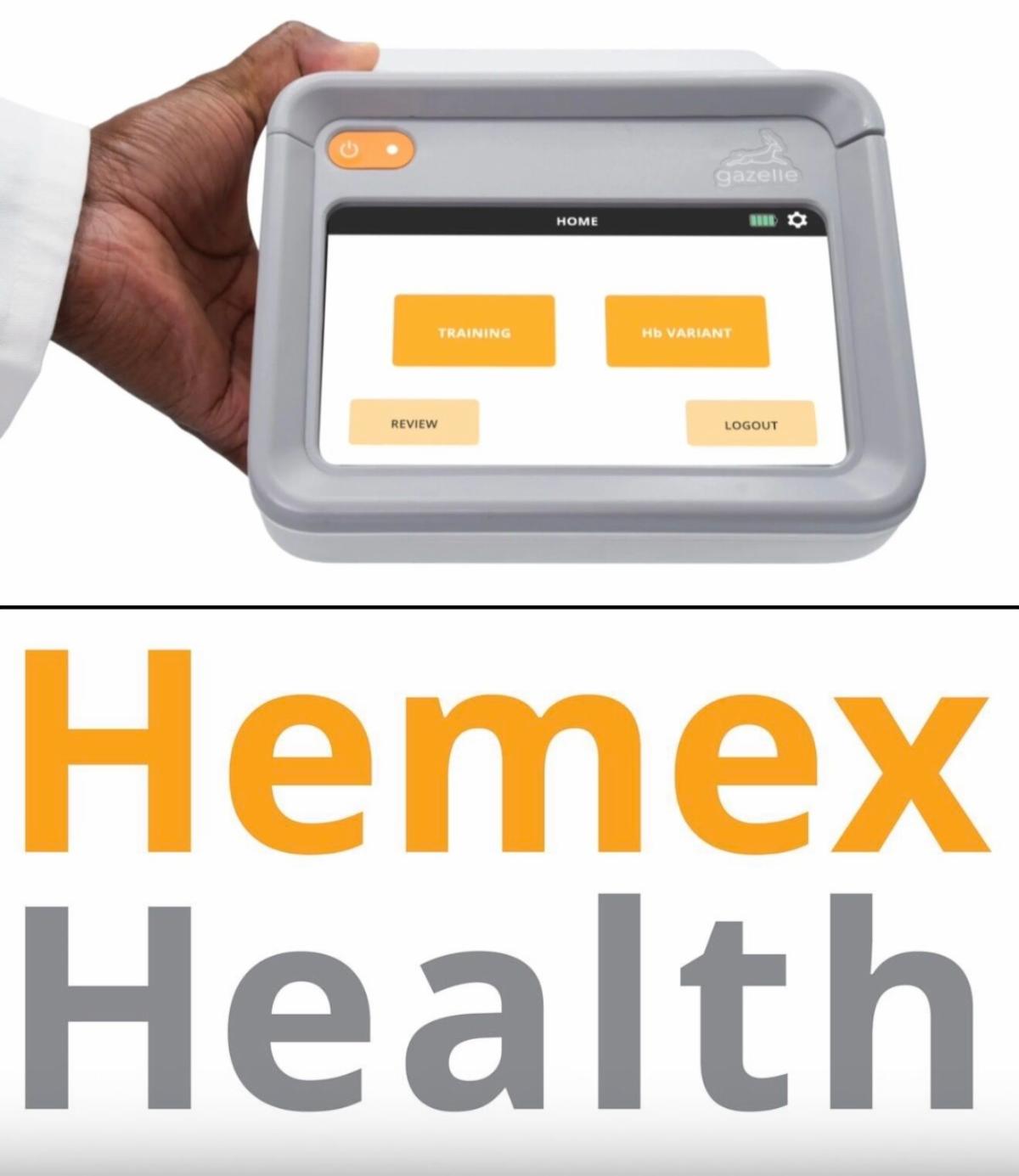
Led by Dr. Umut Gurkan, CTSC Pilot Program co-lead at CWRU, with early research supported by a 2015 CTSC Annual Pilot Award helped advance the Gazelle® Hb Variant Test from academic innovation to FDA Breakthrough Device Designation in early 2026. The designation accelerates development and review of devices addressing life‑threatening conditions through prioritized FDA engagement. This milestone advances rapid, decentralized hemoglobin monitoring for sickle cell disease and highlights the critical role of early CTSC support in translating research into real‑world solutions for hemoglobinopathies.
Read the full article about Dr. Gurkan's breakthrough
| | | | |
New Study in JAMA Ophthalmology Examines AMD Risk After Cataract Surgery
Co-authored by David Kaelber, CTSC Informatics Module Co-Lead, a research letter published in JAMA Ophthalmology explores whether cataract surgery influences the progression of age-related macular degeneration (AMD) to its more severe form, neovascular AMD (nAMD). This retrospective cohort study leverages large-scale, deidentified data to provide important insights for clinicians and patients navigating cataract surgery decisions. The study analyzes 2006–2025 data from the TriNetX US Collaborative Network to help clarify longstanding questions around this association.
Read the full JAMA Research Letter
| | |
T32 Predoctoral Applications are Open!
Applications are now open for the CTSC T32 Predoctoral Mentored Research Training Program, which provides full‑time research training support for CWRU PhD students pursuing clinical and translational research. The program includes an NIH‑approved stipend, tuition and fees, research support, and travel funds, along with structured training in areas such as team science, community engagement, innovation, and scientific communication.
Applications must be submitted by the trainee’s mentor by March 15, 2026.
| | |
VA North East Ohio Fellowship Opportunities — Applications Open
The VA North East Ohio Health System is now recruiting for the next cohort of two paid, full‑time fellowship programs beginning July 1, 2026: the VA Quality Scholars (VAQS) Fellowship and the Health Professions Education, Evaluation, and Research (HPEER) Fellowship. VAQS is a two‑year postdoctoral program for doctorally prepared healthcare professionals focused on healthcare quality improvement, implementation science, and health systems research, while HPEER is a two‑year fellowship for individuals with a master’s degree in a health professions field, emphasizing curriculum design, evaluation, teaching, and research. Both fellowships include a stipend, healthcare benefits, and national collaboration opportunities with fellows across the country.
If interested, please contact the VAQS Faculty Scholar and CTSC Workforce Development
Co-lead, Mary Dolansky, PhD, RN
| | |
Mock Study Section:
Understanding Grant Peer Review
Ever wondered how grant applications are evaluated once they’re submitted? Join us at the Midtown Collaboration Center on Friday, May 1, 2026 for a half-day Mock Study Section that demystifies the peer review process. This interactive session will walk participants through a simulated study section, offering insight into how reviewers assess criteria such as significance, innovation, approach, and overall impact. Attendees will gain a practical perspective on common factors that strengthen or weaken grant applications. Visit our website to learn more and register.
| | |
Call for Applications
We are now accepting applications from investigators who would like to have a grant application discussed in a supportive, educational mock review setting. Participants will receive structured feedback and practical guidance to strengthen future submissions.
| |  | |
Call for Reviewers
We are now recruiting a limited number of investigators to serve as reviewers during the session. Reviewers will take part in the mock review process, gain insight into scoring criteria, and contribute to constructive feedback. Compensation will be provided.
| | | |
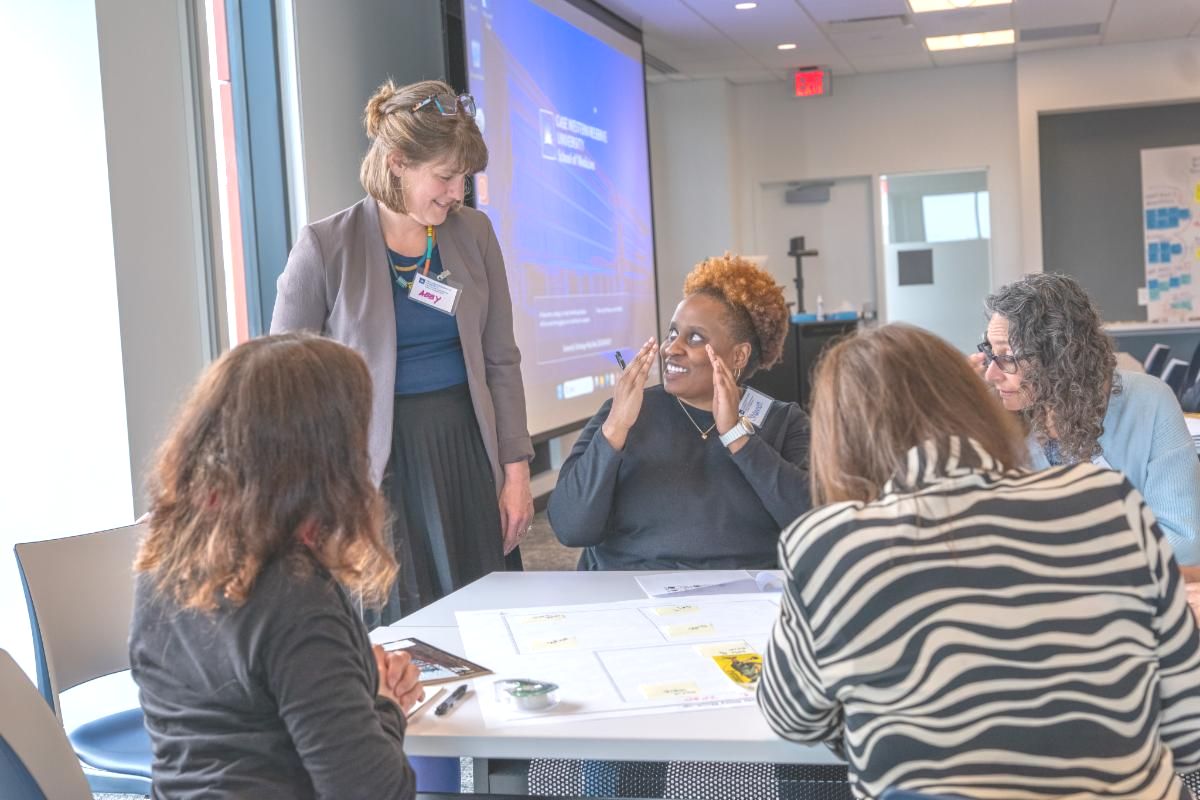
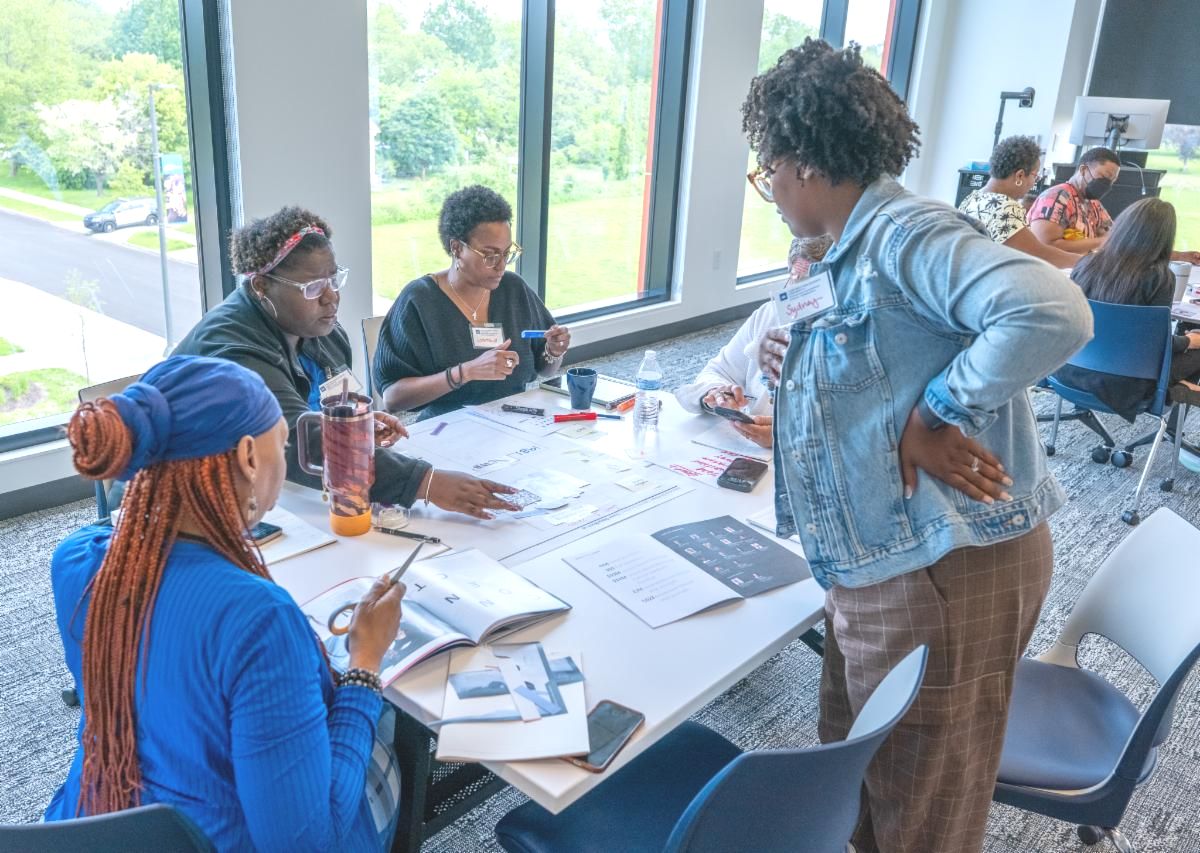
Community Health Co‑Lab: Winter 2026
The Community Health Co‑Lab is a two‑session training designed to strengthen community‑academic partnerships through hands‑on Community Engaged Research (CER). Open to community and academic partners planning or continuing CER projects in 2026, the program supports turning research into a meaningful community health impact in Northern Ohio.
| | |
Session 1: Grounding in Your CER Style
Virtual, asynchronous training must be completed anytime before March 9, 2026 (approximately two hours total).
| | | |
Session 2: CER- What It Is, What It Isn’t, & Why It Matters
An in‑person session at the Midtown Collaboration Center in Cleveland, with options on March 11 or April 1, 2026 (12:30–4:00 PM).
| | | |
Community partners who participate will be compensated.
Applications are accepted on a rolling basis through March 1, 2026.
| | Click on the images below to be directed to more information from the CTSC and our colleagues: | | | |
ACTS Membership for Community Members
CTSC community partners are eligible to become members of the Association for Clinical and Translational Science (ACTS). Community members are able to access ACTS' member benefits, including:
- Discounted registration to the annual Translational Science meeting
- Opportunities to participate in Special Interest Groups and Committees
- Access to the ACTS community platform website, Tradewing
- And more!
To join, community members can create an account on the ACTS website and join under Case Western Reserve University.
| | |
| How did you like this email? | | | | | | |