July 2026 | CTSC Newsletter | | | Message from our PI:
-Stories of Impact Jayme Knutson
-AI Landscape Assessment Survey
Info to Know:
-2026 Annual Pilot Contributors
-Free TIN Training Opportunity
-TriNetX Datathon
-Mobile Research Unit Expands Access
-Students Explore Careers in Clinical Research
-Canvas Catalog Highlight
Funding Opportunities:
-CTSC Themed Pilot Opportunity
-New Innovator Award | Research and Media Highlights:
-Semaglutide’s Impact on Biological Aging
-Advancing the Translational Workforce
-AMIA Spotlight on Informatics Research
Upcoming Events:
-CTSC Big Data Informatics Open Office Hours
-CTSC Science Cafe: Microbiome and Chronic Disease
-CTSC Scientific Writing Open Office Hours
-CTSC Dissemination & Implementation (D&I) Bi-Monthly Meet-up
| | | To ensure you're always viewing the entire newsletter, check at the bottom of the email to see if the newsletter has been "clipped" and, if so, click "view entire message". You can also view the full newsletter on the News and Announcements page of our website | | Click on the images below to be directed to more information: | | |
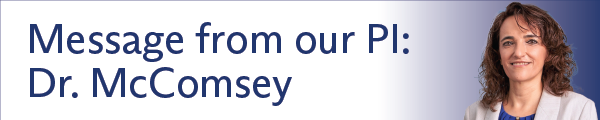
Warm greetings,
We are enthusiastic as we enter a new grant year, Year 4 out of 7 in the current grant cycle. As we begin a new year in the Clinical and Translational Science Collaborative of Northern Ohio, I am thrilled by the momentum driving our entire collaborative forward as we deepen our clinical and translational impact locally, regionally, and nationally. This year, our Community Engaged Research (CER) team is supercharging its efforts by implementing a comprehensive co-learning series, launching new mentoring cohorts, and expanding rural outreach to bridge crucial research gaps. Simultaneously, our Workforce Development module is transforming career pathways by expanding our Summer Observation program, rolling out cutting-edge curricula on our newly established Canvas Catalog, and planning a sequel to our Discovery Day symposium in Spring 2027.
Combined with impact-focused storytelling from our Communications team and new and existing members of our Community Advisory Board, we are actively cultivating a highly connected, community-driven research environment. Stay tuned for season three of our podcast with a twist: “Research in Real Life” where we’ll hear from our community-engaged research partners.
Innovation is also at the forefront of our technical and recruitment infrastructure. For our clinical trial teams, we are adopting the University of Michigan CTSA’s participant-centered trial finder platform and volunteer registry towards our goal of breaking down barriers to research and being able to offer more research opportunities to our Northern OH community. From a Bionutrition-focused internship to the curation of real-world data to standardize integrative health documentation, our CTSA is catalyzing cutting-edge healthcare research.
Finally, we are fundamentally elevating how we support you. Our Resource Utilization Studios are shifting directly to the pre-award and active consultation phases to provide flexible, modular service packages early in the study design process. Furthermore, the CTS Pilot module is introducing dynamic investigator development initiatives, including Dissemination and Implementation consultations for finalists, a new tracking system for ClinicalTrials.gov maintenance, and a twice-yearly Mock Study Section to maximize proposal quality. Our Grant Development team will continue to help you identify and competitively submit proposals to opportunities. As we head into our 20th anniversary in 2027, we are not just funding research; we are actively accelerating life-changing discoveries from research to real life. Thank you for your incredible dedication, and let's make this our most impactful year yet!
| | |
Innovative Technology for Stroke Recovery
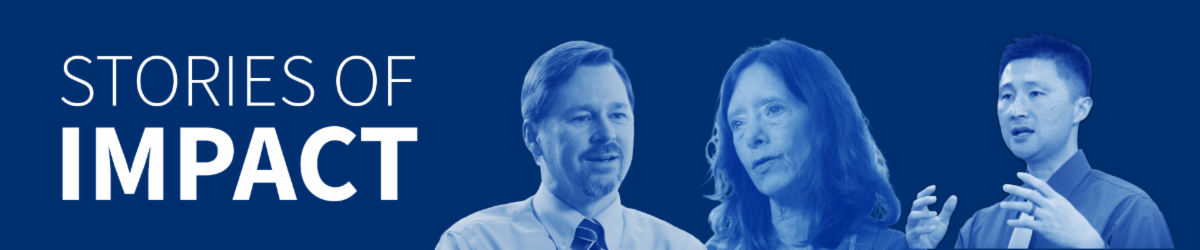
The newest CTSC Stories of Impact, spotlights Dr. Jayme Knutson, KL2 Scholar, and his pioneering work developing Contralaterally Controlled Functional Electrical Stimulation (CCFES) to improve motor recovery of the hemiplegic hand after stroke. Knutson’s work has led to multiple peer-reviewed studies, inspired researchers around the world to replicate the approach, and resulted in a U.S. patent licensed to Synapse Biomedical, Inc. This episode highlights how translational science can move innovative rehabilitation strategies from early development toward broader clinical use and improved quality of life for stroke survivors.
Watch the video below, and explore past episodes on the CTSC YouTube channel
| | |
CTSC AI Landscape Assessment Survey
The CTSC of Northern Ohio is conducting an AI Landscape Assessment to better understand how artificial intelligence is being used across our partner institutions and where additional support is needed. We invite researchers, clinicians, educators, staff, and trainees to share their perspectives.
Your input will help inform future CTSC investments in AI resources, training, consultation, governance, and implementation support. The survey takes just 5–7 minutes to complete, and all responses are confidential.
Thank you for lending your voice to this important effort.
| | |
Free TIN Training Opportunity
The Trial Innovation Network (TIN) Training Program for Multicenter Clinical Trial Management is a free, 9-session online program designed for PI/Project Manager dyads transitioning from single-site to multicenter clinical trials. The program covers key topics including multicenter trial planning, site management, IRB coordination, budgeting, recruitment and retention, quality assurance, and more. The program runs from mid-September through mid-November 2026 with live, discussion-based sessions held Fridays from 2–4 p.m., EST.
Applications are due July 31, 2026. For questions, email Jerry Tribout.
| | |
Datathon Advances Student Research at the University of Toledo
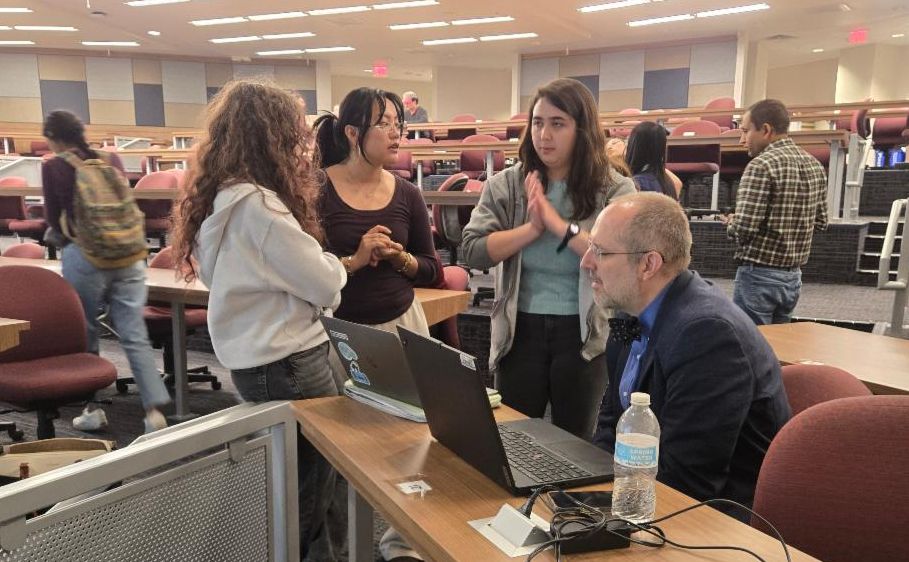
With support from CTSC leadership, the University of Toledo held a two-day Datathon on May 28–29, 2026. The event brought together more than 100 attendees for live training focused on building TriNetX database skills and developing feasible real-world data research plans. Organized by UToledo’s Office of Medical Student Research and the Jacobson Center for Clinical and Translational Research, the event gave students hands-on experience translating clinical questions into workable cohort designs using EHR-based data. With support from the CTSC informatics team led by Dr. David Kaelber and TriNetX leaders Sarah Williford, PhD, and Matthew Skowronek, the Datathon highlighted the power of partnership in advancing trainee development and clinical informatics education.
Learn more about the CTSC Informatics Module
| | |
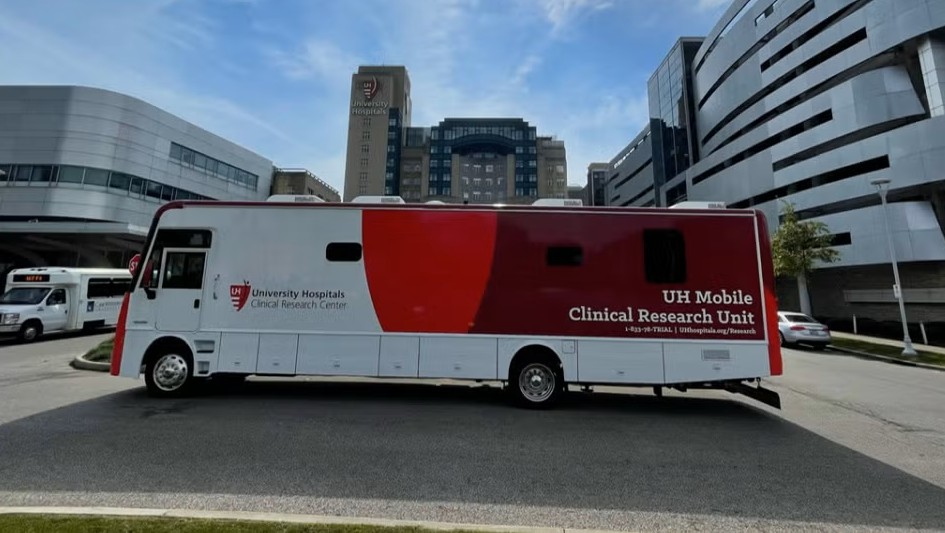
Mobile Research Unit Expands Access
The University Hospitals Mobile Research Unit (MRU) is expanding access to clinical research by bringing study visits directly into communities across Northern Ohio. In a recent feature, CTSC Principal Investigator Grace McComsey, MD, FIDSA, and Betul Hatipoglu, MD, highlighted how the mobile clinic helps reduce barriers such as travel, transportation, and scheduling while strengthening community engagement. Available to investigators across CTSC partner institutions, the MRU can support recruitment, study visits, specimen collection, and decentralized research.
Learn more about the Mobile Research Unit and how it is expanding health access
| |
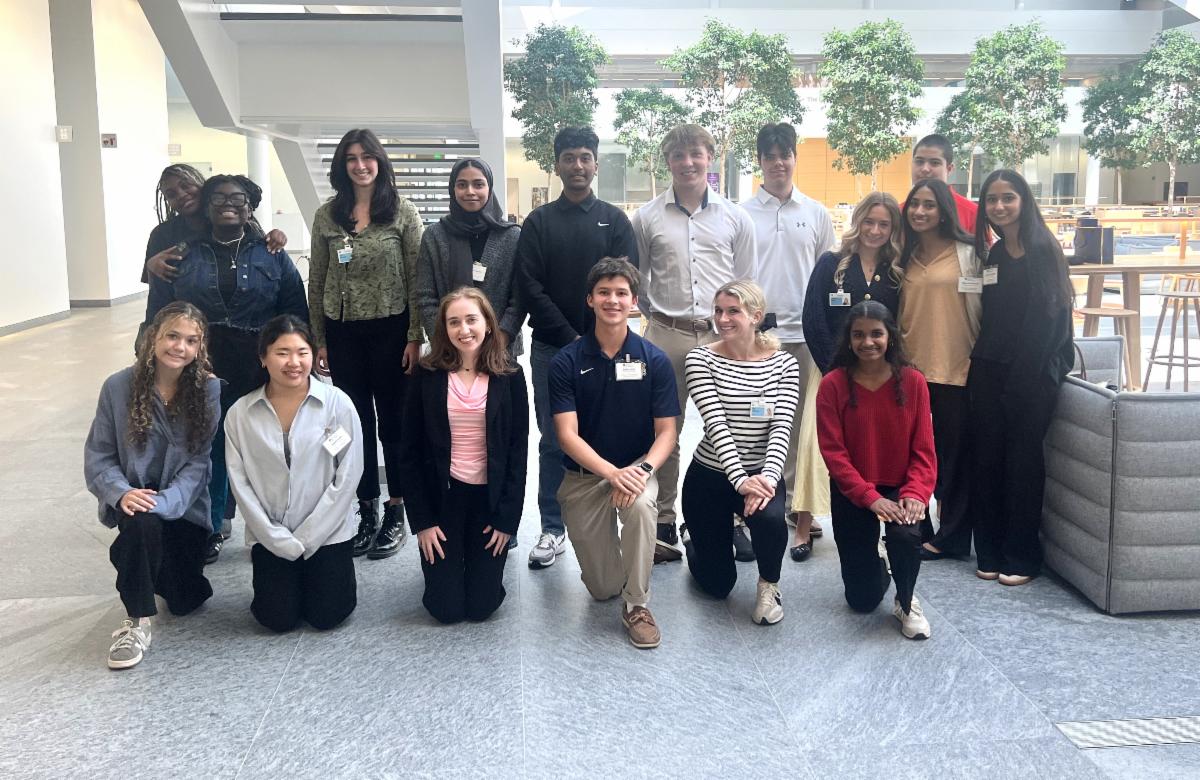
Students Explore Careers in Clinical Research
This summer, the CTSC Workforce Development team hosted its third annual Clinical Research Summer Observation Program, a week-long immersive experience introducing students to career pathways in clinical research. Eighteen students, including 11 high school and 7 undergraduate participants from schools across Northeast Ohio and beyond, took part in three days of shadowing clinical research professionals and two days of interactive classroom sessions with guest speakers from across the research enterprise. Through this hands-on experience, students built connections with research professionals, expanded their understanding of the clinical research process, and gained greater insight into the many roles that support clinical and translational research and advance patient care and innovation.
| | |
CTSC Launches Free Research Education Platform
Canvas Catalog offers free, self-paced clinical and translational research education in one convenient online platform. In each newsletter, we spotlight a different learning track, and this month we’re featuring the High School (CTSC Workforce Development) track. This track is designed to introduce high school learners to research and career pathways in clinical and translational science through engaging educational opportunities, foundational skill-building, and early exposure to the research workforce.
Join the growing community of CTSC members discovering flexible, on‑demand learning through Canvas Catalog!
| | |
High School (CTSC Workforce Development)
| | Introduction to Clinical Research | This module introduces the fundamentals of clinical research, including common types of research studies, key clinical research roles, and the importance of Institutional Review Boards (IRBs). Learners will gain a broad overview of the field and build foundational knowledge for understanding how clinical research is conducted. | |  | The History and Creation of the FDA | This module introduces the history of the FDA, its regulatory authority, and its role in overseeing pharmaceutical and medical innovations. Learners will explore how the agency was created and gain a foundational understanding of how it helps ensure the safety, effectiveness, and quality of products used every day. | | | | | |
As a benefit of your membership with the CTSC of Northern Ohio, you now have free access to Canvas Catalog - a collection of research, education, and resources provided by the CTSC Workforce Development team.
Access the catalog today!
| | |
CTSC Themed Pilot Opportunity:
"Advancing Clinical and Translational Science with AI"
The CTSC of Northern Ohio is now accepting applications for a new Themed Pilot funding opportunity focused on integrating artificial intelligence (AI) to enhance clinical and translational research and improve health outcomes. This opportunity will support four pilot awards up to $50,000 each.
| | |
NIH Director’s New Innovator Award (DP2 Clinical Trial Optional): The NIH Common Fund, through the Office of the NIH Director, is offering the NIH Director’s New Innovator Award (DP2 Clinical Trial Optional) funding opportunity (RFA‑RM‑27‑002). Awards provide up to $475,000 in direct costs per year for five years, with approximately 30 awards anticipated in FY 2027.
| | |
Semaglutide’s Impact on Biological Aging
Grace A. McComsey, MD, Principal Investigator of the CTSC, is a co-author on a new Nature Communications article exploring the effects of semaglutide on epigenetic aging in adults with HIV-associated lipohypertrophy. Supported in part by the CTSC of Northern Ohio, this study underscores the promise of translational research at the intersection of HIV, aging, and innovative therapeutics.
Read Dr. Grace McComsey's article to find out more about how Semaglutide impacts aging
| | |
Advancing the Translational Workforce
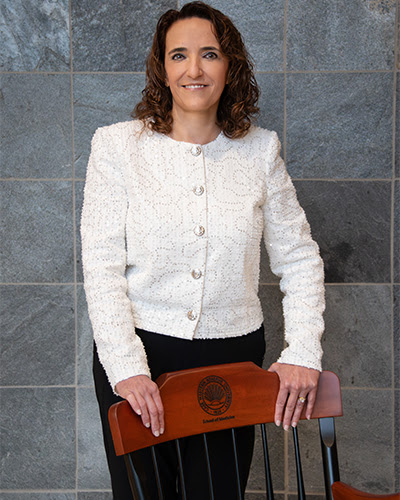
Darcy Freedman, PhD, CTSC co-lead of Community Engaged Research, is featured in a newly accepted Journal of Clinical and Translational Science manuscript, Evaluating Confidence in Translational Science Principles to Guide Workforce Development. The article explores how confidence in core translational science principles can inform workforce development and strengthen training, mentoring, and professional development across the research spectrum.
Read Darcy Freedman's full article in JCTS
| | |
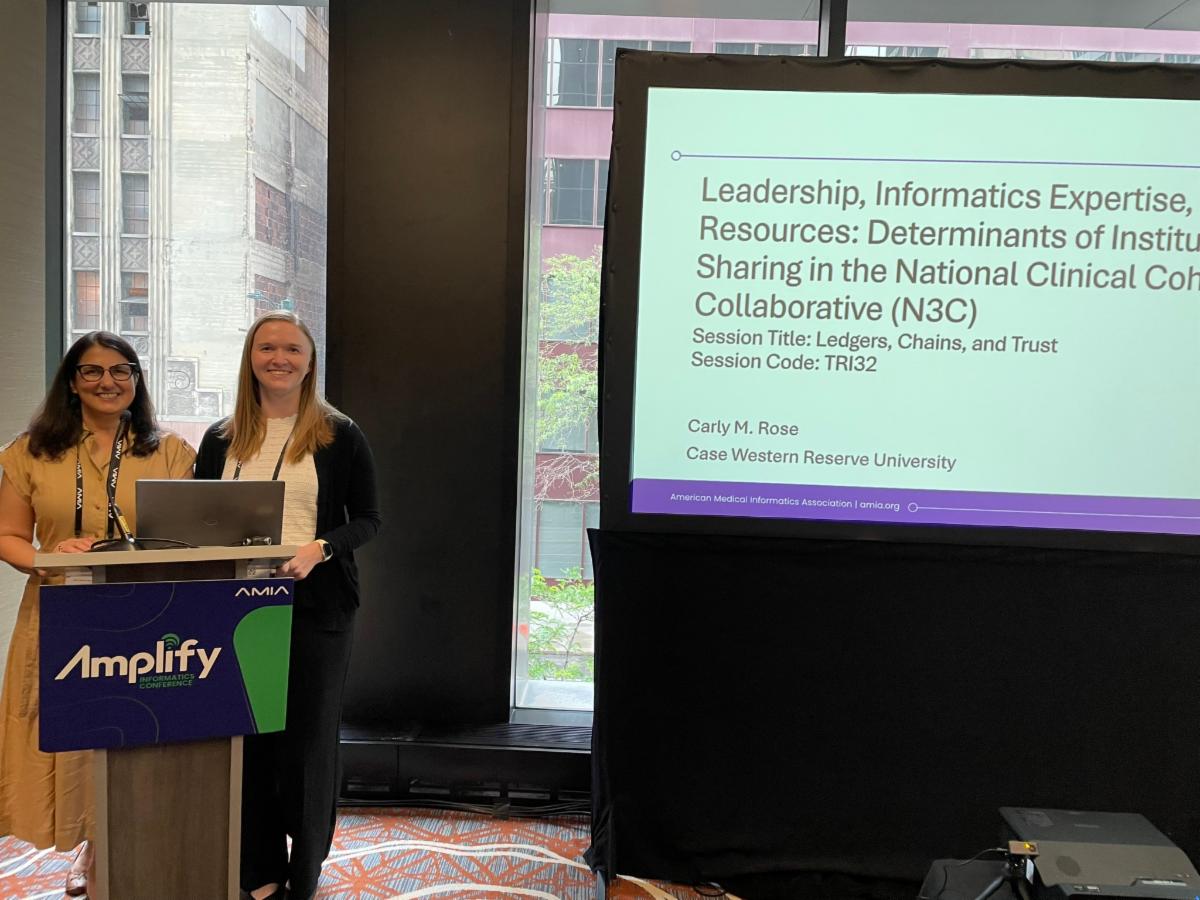
AMIA Spotlight on Informatics Research
Dana Crawford, PhD, CTSC Co-Investigator of Informatics, attended the 2026 AMIA Amplify Informatics conference in Denver, Colorado, where her mentee, Carly Rose, PhD, a 2026 graduate of the CWRU Biomedical & Health Informatics PhD program, was selected to give an oral presentation. Rose’s research examined why some institutions choose to share clinical data for research while others do not, using insights from the National Clinical Cohort Collaborative (N3C). Her work found that institutions with resources such as informatics expertise and NCATS funding were more likely to contribute data, while also pointing to additional factors that influence data-sharing behavior. Rose also used N3C data in her dissertation research on COVID-19 infection, shingles vaccination, and risk of late-onset Alzheimer disease, highlighting the growing impact of informatics research on understanding complex health outcomes.
View Carly’s study on Alzheimer’s risk after COVID-19 infection and her research on institutional factors associated with clinical data sharing
| | | | |
CTSC Big Data Informatics Open Office Hours
Moderators: Craig Jarrett, MD and Ashley Hughes, PhD
*No registration required
| | | | |
CTSC Science Cafe:
Microbiome and Chronic Disease
Speaker: Mahmoud Ghannoum, MD
Event Details
| | | | |
CTSC Scientific Writing Open Office Hours
Speaker: Roberto Alers-Velazquez, PhD
*No registration required
| | | | |
CTSC Dissemination & Implementation (D&I)
Bi-Monthly Meet-up
Event Details
| | Click on the images below to be directed to more information from the CTSC and our colleagues: | | | |
ACTS Membership for Community Members
CTSC community partners are eligible to become members of the Association for Clinical and Translational Science (ACTS). Community members are able to access ACTS' member benefits, including:
- Discounted registration to the annual Translational Science meeting
- Opportunities to participate in Special Interest Groups and Committees
- Access to the ACTS community platform website, Tradewing
- And more!
To join, community members can create an account on the ACTS website and join under Case Western Reserve University.
| | |
| How did you like this email? | | | | | | |