|
June 2026 | CTSC Newsletter
To ensure you're always viewing the entire newsletter, check at the bottom of the email to see if the newsletter has been "clipped" and, if so, click "view entire message". You can also view the full newsletter on the News and Announcements page of our website
| | Click on the images below to be directed to more information: | | |
Thank You and Farewell to Two Valued CTSC Leaders
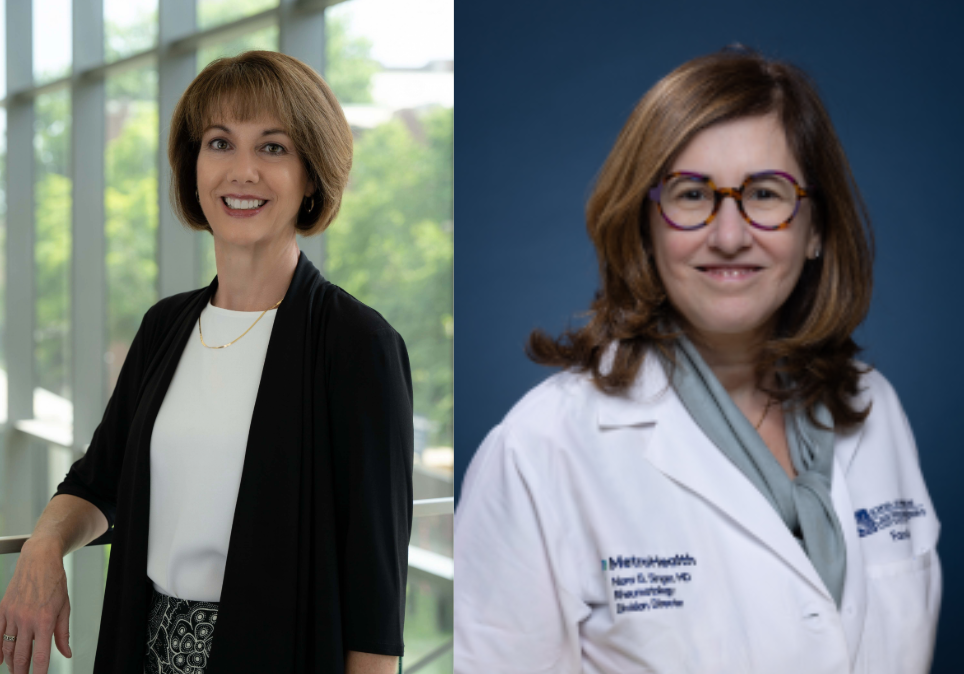
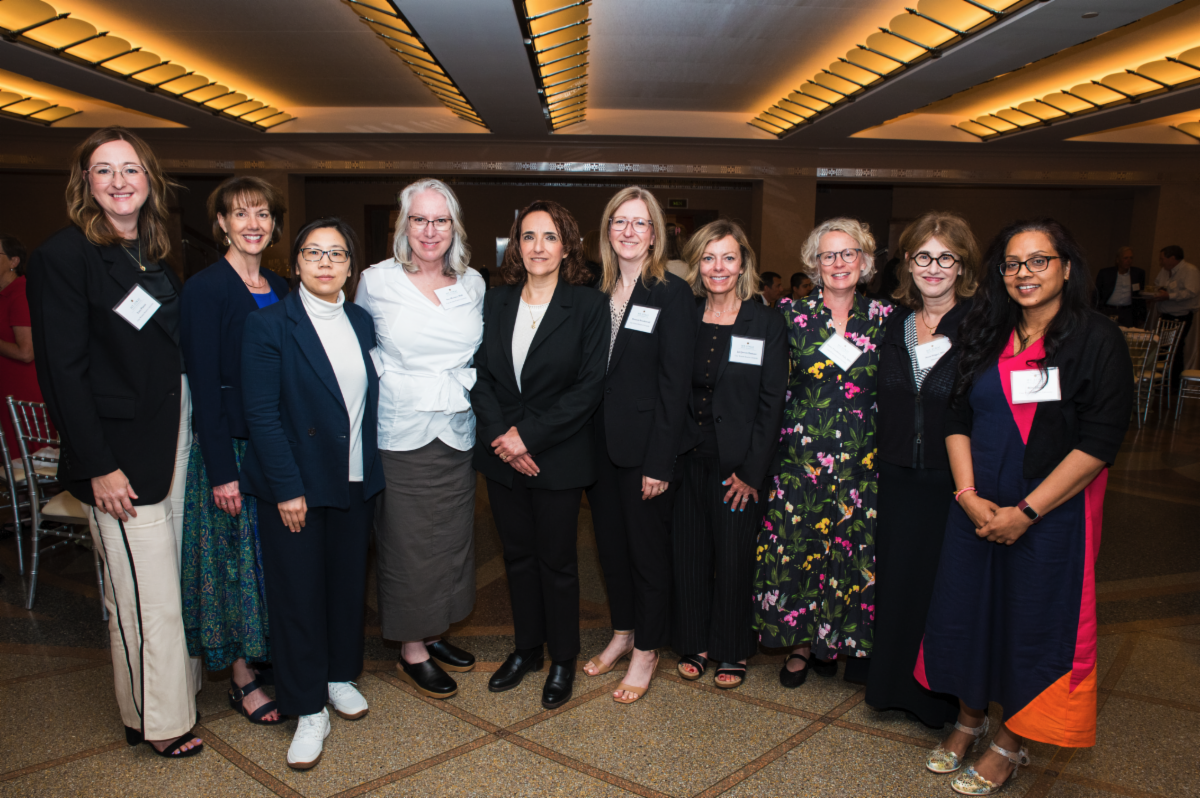
The Clinical and Translational Science Collaborative (CTSC) of Northern Ohio extends its sincere thanks and best wishes to Nora Singer, MD and Clara Pelfrey, PhD as they enter new chapters following years of dedicated service. As MetroHealth’s CTSC Site Lead, Dr. Singer strengthened connections between investigators and research resources, fostering cross‑institutional collaboration and expanding access to pilot and voucher funding; she will be missed as she moves to Arizona to lead rheumatology research efforts at the University of Arizona Arthritis Center. After more than 14 years as CTSC Evaluation Director, Clara retires having made a lasting impact on translational science evaluation through national leadership, innovative infrastructure development, and pioneering work in Translational Science Case Studies. We are deeply grateful for their leadership, collaboration, and commitment, and we wish them continued success and fulfillment in the journeys ahead!
Learn more about the contributions and next chapters of Nora Singer and Clara Pelfrey
| |
Advancing Whole Health through Research
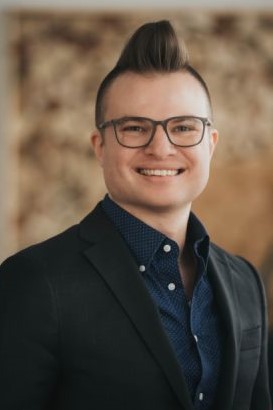
We’re excited to share that Samuel Rodgers‑Melnick, PhD, MPH, LPMT, MT‑BC, who leads our Integrative Health initiatives in the CTSC, has been promoted to Research Scientist at UH Connor Whole Health. Sam’s work has shaped the national landscape of whole health research—from pioneering studies on music therapy for adults with sickle cell disease to leading multi‑site NIH‑funded research and advancing real‑world evidence using EHR data. With 31 peer‑reviewed publications, multiple federal grants, and a strong commitment to evidence‑based integrative care, Sam continues to elevate the impact of integrative health in the CTSC. Learn more about this growing area of work at the upcoming CTSC Whole Health Summit on January 15, 2027.
Learn more about Dr. Samuel Rodgers‑Melnick
| | |
From Research to Real Life
Episode 6 | Funding & Publishing
"...we need people, everybody on board to understand how important research is, for society as a whole." -Ian Neeland, MD
| | |
The Season 2 finale of 'From Research to Real Life' is here, and we’re closing out the season with a must‑listen conversation! Host Lora Parent, Director of Strategic Partnerships & Research Development for the CTSC, sits down with CTSC Pilot Program co‑leads Drs. Ian Neeland and Amar Desai for an honest, energizing discussion on two topics that shape every research career: funding and publishing. Together, they explore how the funding landscape has evolved, what it takes to navigate grants and manuscripts at different career stages, and why rejection isn’t failure—but fuel for resilience, growth, and impact.
Don’t miss the Season 2 finale—subscribe and stream now on our website or on any of the following platforms:
Watch and subscribe to the video podcast on YouTube!
| | |
CTSC Launches Free Research Education Platform
Canvas Catalog brings together self‑paced clinical and translational research education in one easy‑to‑access platform. In each newsletter, we will spotlight a different Canvas Catalog learning track. This month, we’re featuring the Research Education & Resources for Research Support Professionals track, designed to support coordinators, administrators, and other research support staff with:
- practical training,
- regulatory guidance, and
- professional development resources essential to their roles.
Join the growing community of CTSC members discovering flexible, on‑demand learning through Canvas Catalog!
| | Research Education & Resources for Research Support Professionals | | Strategies to Improve Health Literacy | This module introduces the concept of health literacy and practical strategies for clear communication in clinical research. Learners will explore real‑world examples, effective use of print and translated materials, and the Teach‑Back method to support participant understanding in clinical trial settings. | |  | This module provides practical strategies for effective team science through a series of videos and toolkits. Learners will explore best practices for team building, management, and productivity to address common challenges in multidisciplinary research teams. | | | |
CTSC Themed Pilot Opportunity:
"Advancing Clinical and Translational Science with AI"
The CTSC of Northern Ohio is now accepting applications for a new Themed Pilot funding opportunity focused on integrating artificial intelligence (AI) to enhance clinical and translational research and improve health outcomes. Projects may leverage approaches such as machine learning, large language models, computer vision, and other advanced AI tools, with a strong focus on rigor, reproducibility, and translational impact. A consultation with the CTSC staff is required for the themed pilot application process. This opportunity will support four pilot awards up to $50,000 each.
| | |
NIH Research Project Grant (Parent R01 Clinical Trial Not Allowed) – NCATS Participation:
The National Center for Advancing Translational Sciences (NCATS) at the NIH is participating in the NIH Research Project Grant (Parent R01 Clinical Trial Not Allowed) funding opportunity (PA‑25‑301). The Parent R01 mechanism supports investigator‑initiated research projects that advance biomedical and translational science, excluding clinical trials, and is offered in collaboration with multiple NIH Institutes and Centers.
-
NCATS Application Acceptance Begins: July 05, 2026 | NOT‑TR‑26‑007
| | |
NIH Funding Opportunity: INCLUDE Transformative Research Awards for Down Syndrome(R01 Clinical Trial Not Allowed): The NIH INCLUDE (Investigation of Co‑occurring conditions across the Lifespan to Understand Down syndrome) Transformative Research Award supports bold, high‑risk, high‑reward research with the potential to transform understanding and care for individuals with Down syndrome. This trans‑NIH R01 opportunity encourages groundbreaking, paradigm‑shifting projects on any topic related to Down syndrome or its co‑occurring conditions, including genetics, neurodevelopment, Alzheimer’s disease, immune dysregulation, cancer biology, and other associated health conditions. Up to four awards will be made, with funding ranging from $500,000 to $3,000,000 per award.
| | |
Spinal Cord Injury CE Studio
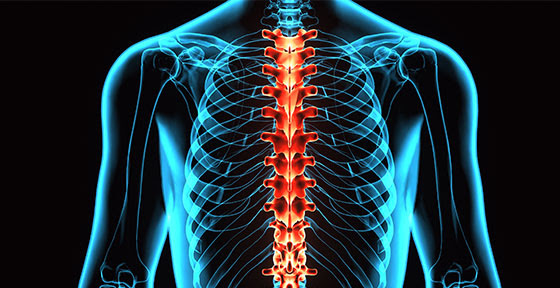
This Community Engagement (CE) Studio brings together community members and researchers to inform the development of a Spinal Cord Injury Living Learning Lab (SCILL) and will take place on Wednesday, June 24, 2026, from 12:00–2:00 PM via Zoom. Participants include adults age 18 and older living with a cervical spinal cord injury (injury occurred at least six months ago and requiring assistance with daily activities), as well as caregivers who provide regular care for someone with a cervical spinal cord injury. Participant insights will help shape future research, care, and resources for adults living with spinal cord injuries.
Register for the Spinal Cord Injury CE Studio
| | |
Healthy Aging & Epilepsy CE Studios
This month’s CE Studio invites healthcare providers who care for adults aged 55+ with epilepsy to participate in an interactive, virtual Community Engagement Studio focused on the Healthy Aging in People with Epilepsy (HAP‑E) Program. Taking place on Tuesday, June 30, 2026, from 5:00–7:00 PM via Zoom, this session will bring together clinicians and Ohio‑based researchers to share experiences, provide feedback, and help shape the development and implementation of the HAP‑E program, which supports brain health and well‑being as people age. Participants will engage in a facilitated discussion with community and research leaders, contribute practical insights from clinical practice, and receive a $100 thank‑you for their time.
Register now: Healthy Aging in People with Epilepsy
| | |
Dr. Grace McComsey Receives the 2026 Maurice Saltzman Award
We are proud to share that Grace McComsey, MD, Principal Investigator of the Clinical and Translational Science Collaborative (CTSC) of Northern Ohio, has been named the 2026 recipient of the Maurice Saltzman Award by the Mt. Sinai Health Foundation. Established in 1983, the award honors individuals in Greater Cleveland whose work has made outstanding national or international contributions to health and medicine. Dr. McComsey was recognized for her transformative leadership in clinical and translational research, her commitment to improving population and community health, and her lasting impact on patient care. Her work embodies the spirit of Maurice Saltzman’s legacy—improving health today and for generations to come. Congratulations Dr. McComsey!
| | |
Advancing Measurement of Hand Function in MS
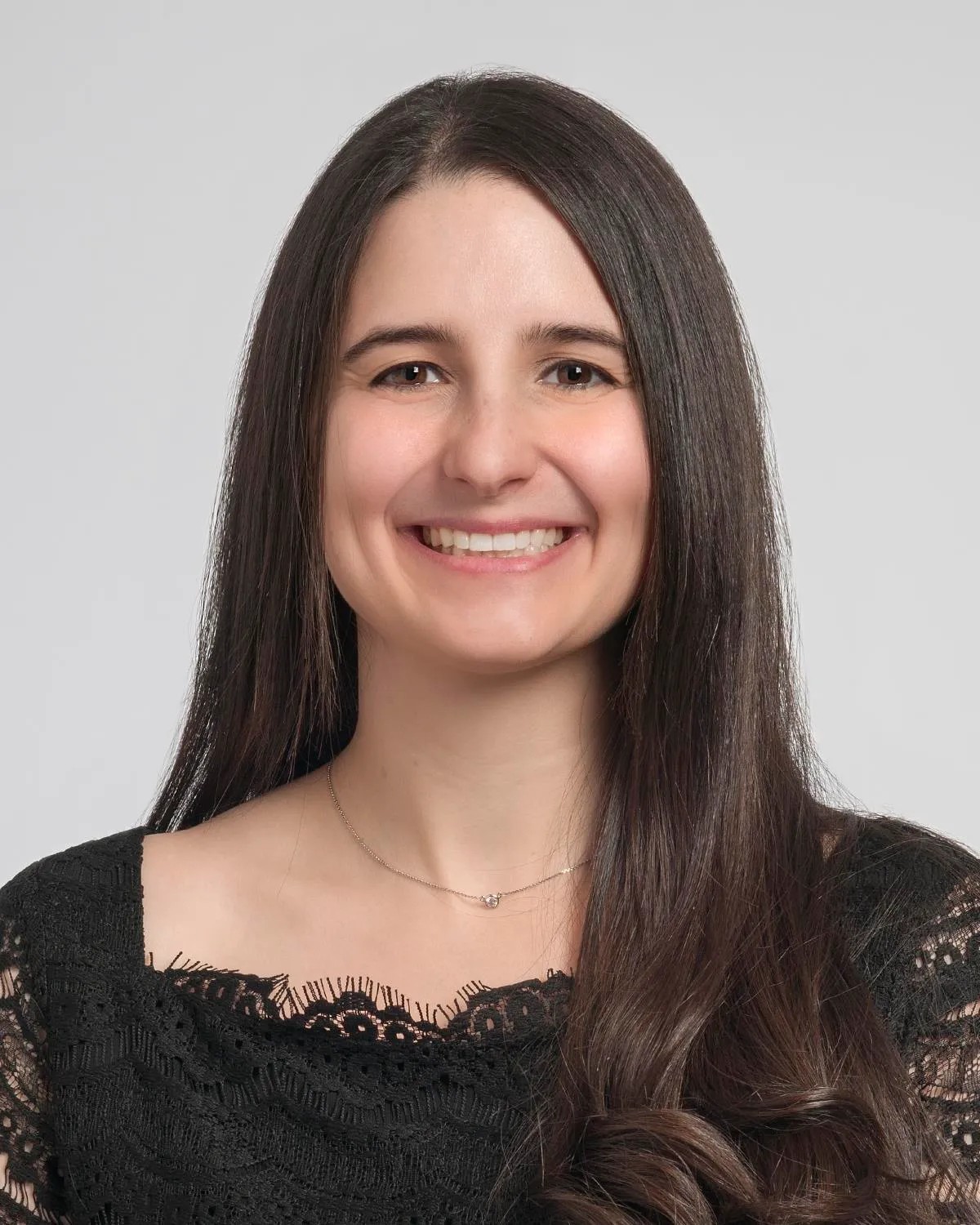
Dr. Marisa McGinley, a CTSC KL2 program graduate and current participant in the CTSC Collaboration Workshop Series, is leading innovative work to improve the measurement of hand function in people with multiple sclerosis (MS). Her recent study used motion capture technology during a digital Nine‑Hole Peg Test to develop novel biomechanical outcomes that more sensitively distinguish individuals with MS from healthy controls, demonstrating the potential of advanced movement analysis to enhance clinical research assessments.
Learn more about hand function in MS
| | |
NIH R01 Award Supports Innovative ICU Decision‑Making Research
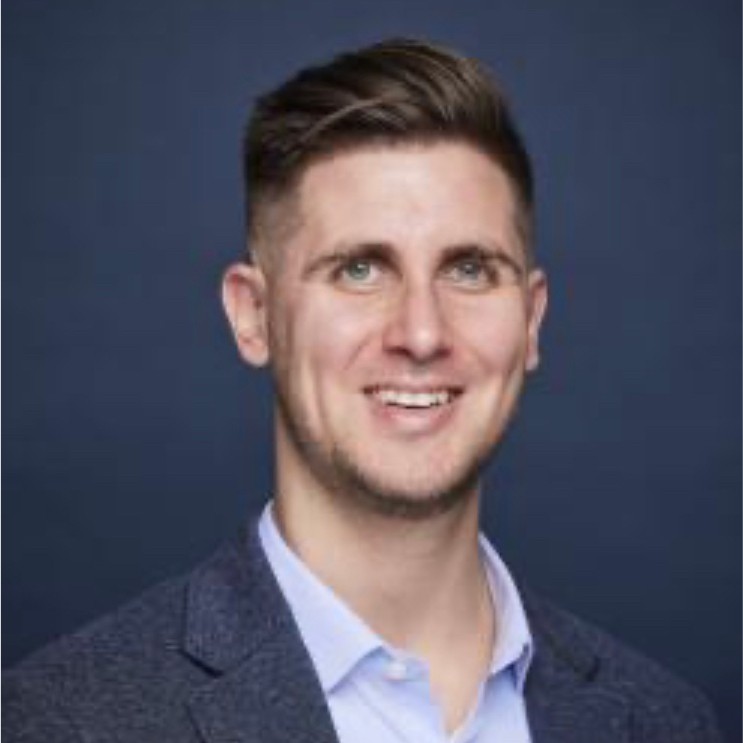
Grant Pignatiello, PhD, CTSC KL2 Scholar alum, has received his first NIH R01 award from the National Institute on Aging for his project, A Randomized Trial of REFRAME, which addresses the emotional burden faced by surrogate decision‑makers in intensive care units. The study will test a brief, tablet‑based intervention designed to help family members regulate intense emotions and make more informed decisions for critically ill loved ones.
Through a randomized controlled trial of 387 participants, the research will examine whether REFRAME reduces depressive symptoms, post‑traumatic stress disorder (PTSD), and decision regret by targeting emotion regulation. This milestone award highlights Dr. Pignatiello’s growing impact as an independent investigator and reflects the success of CTSC training in advancing patient‑centered, translational research.
| | | | |
CTSC Scientific Writing Open Office Hours
Speaker: Roberto Alers-Velazquez, PhD
*No registration required
| | | | |
CTSC Resource Utilization Studio
Information Session
Event Details
| | | | |
CTSC Big Data Informatics Open Office Hours
Moderators: Craig Jarrett, MD and Ashley Hughes, PhD
*No registration required
| | | | |
CTSC Science Cafe:
Microbiome and Chronic Disease
Speakers: Mahmoud Ghannoum, MD
| | | | |
CTSC Dissemination & Implementation (D&I)
Bi-Monthly Meet-up
*No registration required
| | Click on the images below to be directed to more information from the CTSC and our colleagues: | | | |
ACTS Membership for Community Members
CTSC community partners are eligible to become members of the Association for Clinical and Translational Science (ACTS). Community members are able to access ACTS' member benefits, including:
- Discounted registration to the annual Translational Science meeting
- Opportunities to participate in Special Interest Groups and Committees
- Access to the ACTS community platform website, Tradewing
- And more!
To join, community members can create an account on the ACTS website and join under Case Western Reserve University.
| | |
| How did you like this email? | | | | | | |