|
November 2025, Issue 2 | CTSC Newsletter
To ensure you're always viewing the entire newsletter, check at the bottom of the email to see if the newsletter has been "clipped" and, if so, click "view entire message". You can also view the full newsletter on the News and Announcements page of our website.
| | Click on the images below to be directed to more information: | | 2026 CTSC Themed Pilot Funding Opportunity: Advancing Rural Health | | |
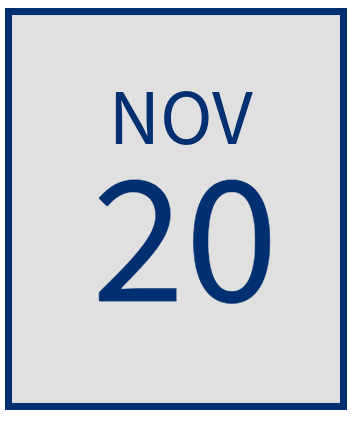
This November 20, join the National Organization of State Offices of Rural Health (NOSORH) in celebrating National Rural Health Day (NRHD) and the Power of Rural. We honor the dedicated providers, communities, and organizations striving to improve access and quality healthcare for nearly 61 million rural Americans.
We reinforce this commitment to rural communities through the Advancing Rural Health: 2026 CTSC Themed Pilot Funding Opportunity. This opportunity encourages faculty from all partner institutions to submit proposals focused specifically on improving healthcare delivery and access in rural settings, especially through innovations like mobile diagnostics, wearable technologies, AI-driven solutions, and implementation science. Up to four grants are available, ranging from $25,000 to $50,000, supporting researchers pursuing preliminary data or feasibility studies.
Applications Due: December 1, 2025
Read the full RFA for the 2026 Themed Pilot, or for questions, contact Anna Thornton Matos, MPH
| | Other Funding Opportunities: | |
Small Grant Program for NCATS CTSA Scholars (R03 Clinical Trial Optional): Provides up to $50,000/year for 2 years to support pilot, feasibility, and technology/methodology development projects that address translational roadblocks and foster research independence for recent KL2/K12 scholars. Projects may include digital health, community engagement, and data science innovations.
Awards Supporting Cutting-Edge Technologies for Translational Science (ASCETTS): (R21 Clinical Trials Not Allowed) –Supports investigator-initiated, early-stage development of innovative technologies aimed at overcoming bottlenecks in translational science and therapeutic development. This 2-year grant (up to $275,000 direct costs; max $200,000/year) is designed for high-risk, high-reward projects focused on prototyping and platform-based solutions such as drug delivery systems, biomarker tools, computational models, and data-driven technologies applicable across multiple diseases.
| | | | |
CTSC Distinguished Speaker Series:
'Research with Electronic Health Records: Promise, Opportunities, and Pitfalls'
Speaker: Emily Pfaff, PhD
*CME Available
| | | | |
CTSC Scientific Writing Open Office Hours:
Speaker: Roberto Alers-Velazquez, PhD
| | | |
Informatics Open Office Hours
Moderators: Drs. Hughes and Jarrett
| | | | |
CTSC Spotlight Series:
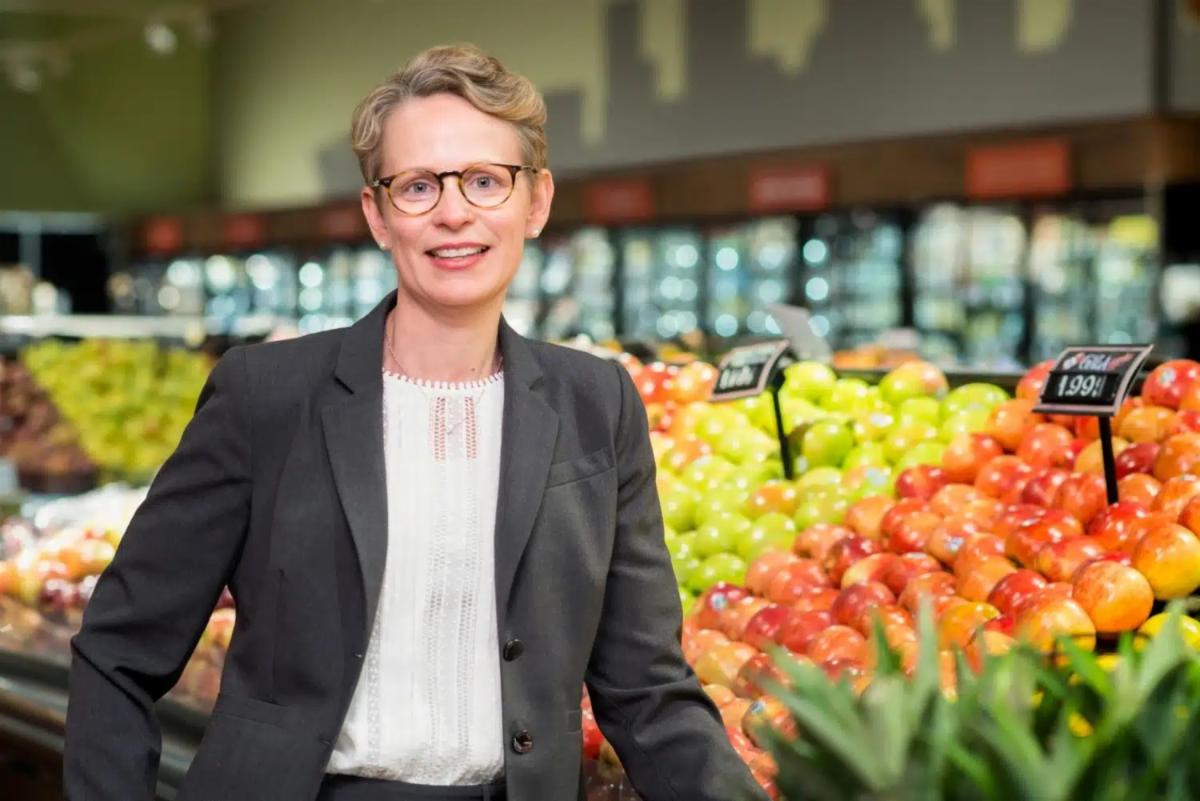
'Reimagining How Science Speaks'
Speaker: Roberto Alers-Velasquez, PhD
| | | | |
CTSC Science Cafe:
Health Informatics
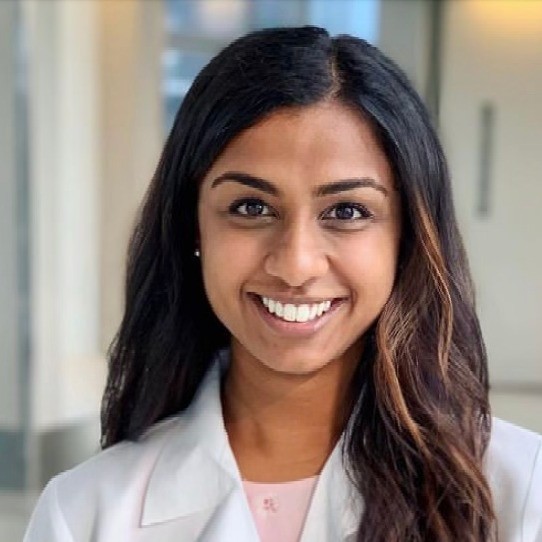
Speaker: Ashley Hughes, PhD
| | | | |
CTSC Quarterly Big Data Webinar:
TriNetX Database Advanced
| | | | |
CTSC Distinguished Speaker Series:
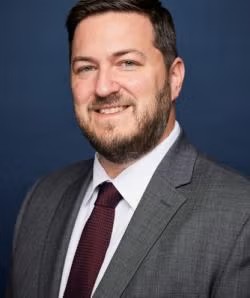
'Successful Advocacy in Dynamic Times'
Speaker: Dane Christiansen, MBA
*CME Available
| | | | |
Cardi-OH Webinar: Think Well, Live Well:
Brain Health Through a Holistic Lens
Speaker: Dr. Robert B. Saper, MPH
| | Save the Date: Coming in 2026 | | | | |
Call for 4x4 Presentations:
Rural Health
| | | | CTSC Town Hall: Epic Tools for Clinical Research | | | | |
International Network on Health and Hepatitis
in Substance Users
Hepatitis C Intervention Symposium
| | |
Patient Priorities in Ambulatory Care: Social Activities Matter Most
KL2 alumni and CTSC investigator Nicholas K. Schiltz, PhD, led a national study—supported by the CTSC—published in JAMA Network Open (October 2025) that surveyed 388,046 older adults in ambulatory clinics using the Age-Friendly Health Systems’ 4Ms framework. The study found that nearly half of patients (48.6%) identified social activities and inclusiveness as their top priority, above health (21.0%), independence (17.0%), and family togetherness (10.5%). These results, consistent across diverse demographic groups and trending upward over time, highlight the CTSC’s role in promoting patient-centered care and the importance of integrating social priorities into health planning for older adults.
Read Schiltz’s article on older adults’ priorities in ambulatory care
| | |
New Mobile App Connects SNAP Families to Farmers Markets
Led by Dr. Darcy Freedman, CWRU site lead for the CTSC of Northern Ohio, a community-engaged approach has been developed to create a mobile app that helps SNAP families with children access nutrition incentive programs and shop at farmers’ markets. The app offers local market information, inventory lists, market events, and grocery shopping tools—all designed with input from SNAP consumers and market managers. This user-focused technology aims to make it easier for low-income families to shop for fresh produce and participate in healthy eating programs. Future research will assess the app’s impact on shopping habits and nutrition.
Learn more about Dr. Darcy Freedman’s research on mobile apps for SNAP families
| | |
Variation in Egg Donor Treatments Linked to Bank Practices and Donation Purpose
Egg donors may receive different care depending on the commercial egg bank and whether eggs are intended for fresh or frozen transfer, according to data analyses led by Dr. Archana Ayyar—a CTSC member—at University Hospitals Fertility Center and Case Western Reserve University, with help from the CTSC’s biostatisticians. The studies found notable differences in hormone dosages and egg retrieval outcomes, with higher medication doses not always producing more eggs. Donations for freezing generally used slightly more hormones and yielded more eggs than fresh transfers, highlighting the need for more research and standardization in donor protocols.
Discover how egg donor treatment varies by Egg Bank and Fresh vs. Frozen Transfers
| | |
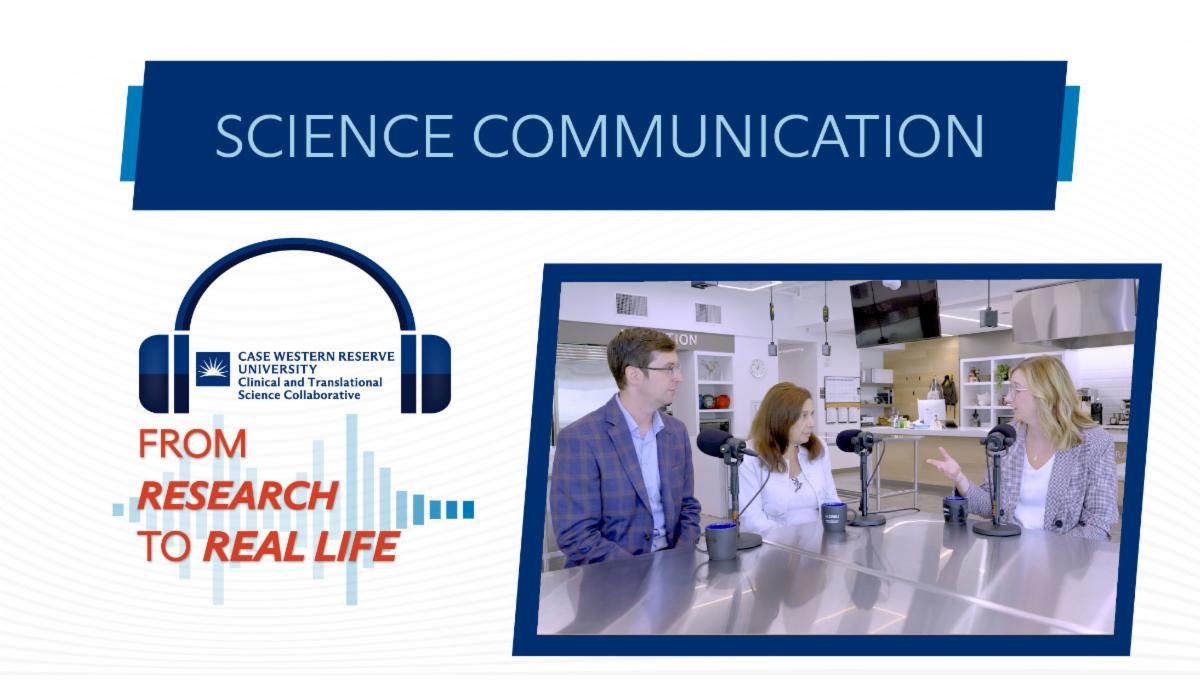
'From Research to Real Life' Podcast
Episode 3 | Science Communication
Season 2, Episode 3 of the ‘From Research to Real Life’ podcast features host Lora Parent, Director of Strategic Partnerships & Research Development, joined by Dr. Hope Barkoukis (CWRU) and Dr. Logan Harper (Cleveland Clinic) for an engaging conversation on the art of science communication. The episode dives into how researchers and clinicians make their work accessible to the public, how communication strategies evolve throughout a research career, and what it takes to bridge complex scientific topics with real-world impact.
Subscribe and stream episode 3 on our website or any of your favorite podcast platforms.
Watch and subscribe to the video podcast on YouTube!
| | |
Health Screenings Empower Northeast Ohio
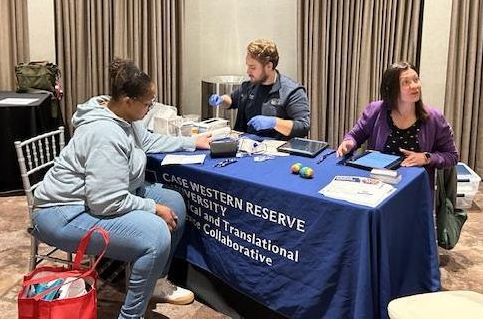
Empowering Northeast Ohio residents with free health screenings and research opportunities this fall, Jerry Tribout, Research Participant Recruitment Manager at the CTSC of Northern Ohio, led on-site lab screenings and helped attendees join the CTSC research volunteer registry at the inaugural UH Cutler Men’s Full Life Summit. The CTSC’s community engagement continued at the Caring for the Caregiver Expo, where Teresa Fonk, CTSC resources and services committee member, shared clinical research information, engaged with attendees, and assisted new volunteers with registry enrollment.
Learn how these collaborations are making a difference in our community.
| | |
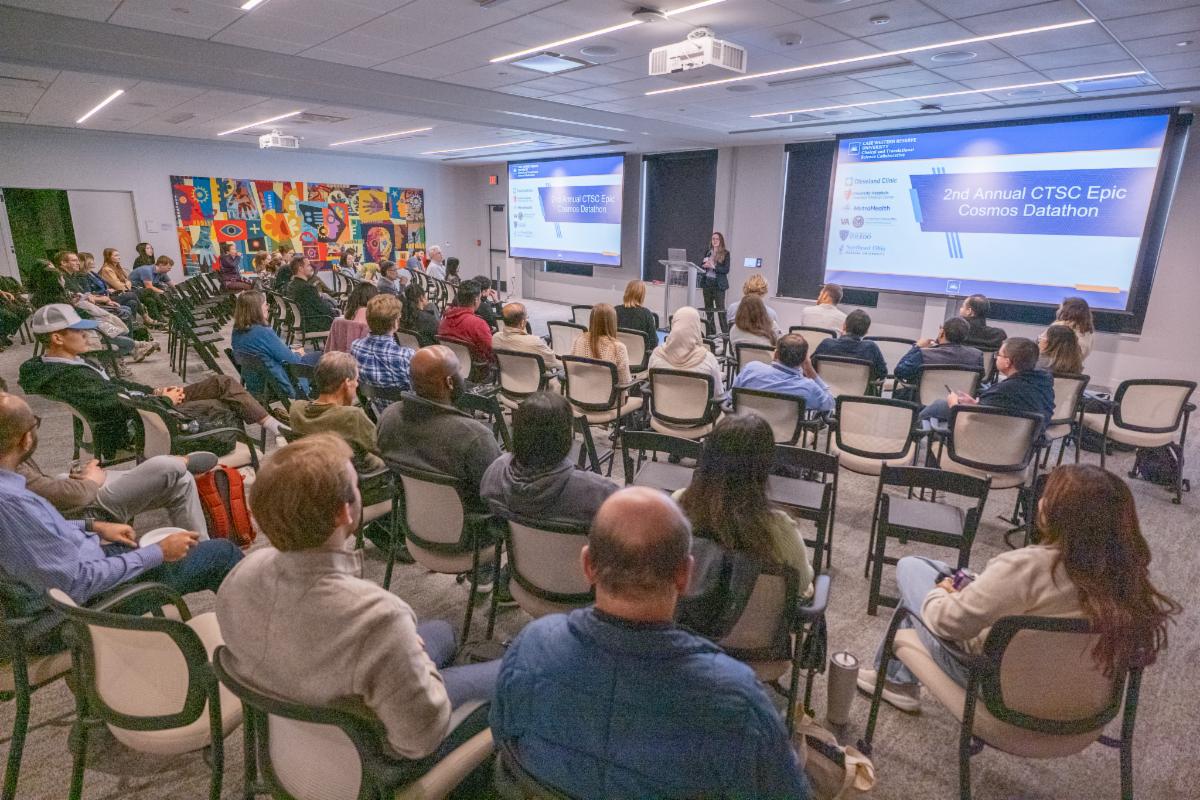
Driving Healthcare Innovation: Highlights from the CTSC Epic Cosmos Datathon 2025
The Clinical and Translational Science Collaborative (CTSC) of Northern Ohio hosted its second annual Epic Cosmos Datathon in October 2025, uniting teams from six partner institutions and guests to explore collaborative, data-driven research using the Epic Cosmos platform. Participants leveraged deidentified data to tackle real-world health questions, with the winning team presenting insights on trends in opioid prescriptions for dental pain. The event highlighted the value of cross-institutional collaboration, direct industry support, and advanced informatics tools in accelerating scientific discovery and improving patient care.
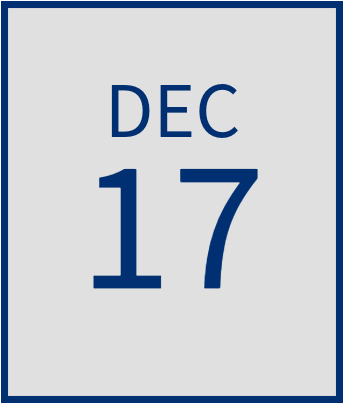
CTSC members are also invited to register for the upcoming "TriNetX Advanced Users" Webinar on Wednesday, December 17th from 12–1 PM.
Read more about the CTSC Epic Cosmos Datathon 2025
| 2025 CTSC Epic Cosmos Datathon Highlight Video | | |
Fellowship Opportunity: Advance Your Career in Population Health Research
The MetroHealth System is now accepting applications for the PHRI Research Fellowship, aimed at preparing pre- and postdoctoral clinicians for careers in population health research. Fellows receive mentorship and training in community-engaged research, clinical informatics, epidemiology, quality improvement, and grant writing, and will complete both a research project and a community-based quality improvement project. Eligible applicants include nurse practitioners, dentists, clinical psychologists, physician assistants, or physicians who are U.S. citizens or permanent residents; those from disadvantaged backgrounds are encouraged to apply.
Deadline to apply: April 30, 2026
Read this flyer for more information or contact Dr. Aleece Caron or Dr. Daryl Thornton
| | Click on the images below to be directed to more information from the CTSC and our colleagues: | | | |
ACTS Membership for Community Members
CTSC community partners are eligible to become members of the Association for Clinical and Translational Science (ACTS). Community members are able to access ACTS' member benefits, including:
- Discounted registration to the annual Translational Science meeting
- Opportunities to participate in Special Interest Groups and Committees
- Access to the ACTS community platform website, Tradewing
- And more!
To join, community members can create an account on the ACTS website and join under Case Western Reserve University.
| | | | | |