|
Happy February!
As Health Centers continue to navigate increasingly complex environments, financial sustainability is a priority and building clinical and operational efficiencies is critical. Federally Qualified Health Centers (FQHCs) are navigating rising patient demand, expanding quality expectations, and increasing administrative workload—all while protecting provider capacity and controlling costs.
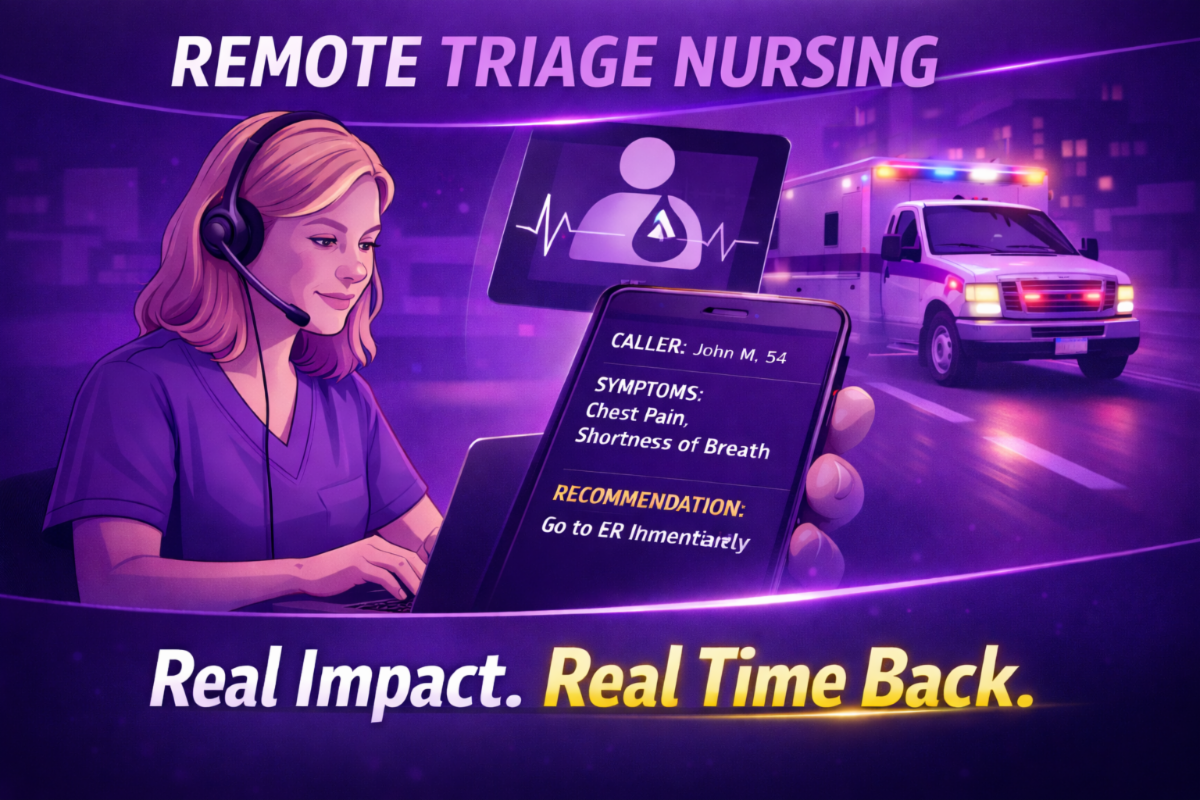
CURIS partners with FQHCs to meet these challenges through remote triage nursing designed specifically for safety-net care models and we want to share with you one of our most successful case studies.
FQHC Case Snapshot: A Measurable Impact
The Challenge
A multi-site FQHC faced growing volumes of triage calls, medication refill requests, patient portal messages, and ER/TOC follow-up. Providers were spending hours each day on indirect patient care tasks, internal nursing teams were overwhelmed, and turnaround times were impacting access and patient satisfaction.
The CURIS Approach
Rather than expanding internal staffing and increasing operational strain, the health center partnered with CURIS for strategic external support. CURIS optimized workflows and seamlessly integrated a dedicated remote triage nursing team into existing systems. Through standardized protocols, standing orders, and clearly defined clinical escalation pathways aligned with HRSA and FTCA expectations, the model improved efficiency, reduced provider burden, and strengthened patient access to timely care.
6 Months of Measured Results
Over the course of six months, the CURIS team was able to implement new workflows and remove the following tasks from the providers, returning thousands of hours back to direct patient care:
- 1500+ hours of clinical tasks removed from providers workload (labs, medication changes, patient education)
- 1,200+ triage calls managed, preventing hospital re-admits or ER visits
- 24,000+ medication refills processed within 24 hours
- 1,500+ patient portal messages handled within the same business day
- 300+ Express Care, ER, and TOC encounters supported
With CURIS taking on these clinical tasks, the health center leadership was able to re-allocate more than 6 FTEs back to direct patient care improving patient outcomes, patient satisfaction, and reducing staff burnout. The providers were also able to expand their schedules to see more patients as a result of the removal of this work.
Why This Matters for FQHCs
For Providers
- Reduced inbox burden and interruptions
- Less after-hours work and burnout
- More time for complex clinical care
For Operations
- Faster response times
- Reduced backlog and call volume
- Improved continuity and care coordination
For Leadership
- Scales access without adding provider FTEs
- Supports UDS, PCMH, and value-based care goals
- Improves retention, access, and patient satisfaction
Built to Grow with Your Health Center
Remote triage nursing is not static. As workflows stabilize, CURIS partners with FQHC leadership to expand upstream services—including care coordination, referral follow-up, care gap outreach, and population health support—allowing sustainable growth without increasing administrative burden. View Flyer
Feedback from a valued client:
“You and your nursing team have elevated our practice TREMENDOUSLY. Thank you for all that you do for our providers and patients!” – Dr. Hathuc, CMO, East Valley Community Health Center
If you’d like to learn how this model could support your Health Center’s clinical, operational, and strategic goals, we’d be happy to schedule time to talk, email us at: info@curis-consulting.com.
We Hope To Hear From You Soon!
The CURIS Team
|