|
Paula, a bilingual nurse practitioner in a busy clinic, sees a 16-year-old for an urgent depression follow-up. Nine months prior, Paula’s colleague prescribed Zoloft for depression and anxiety, gradually titrating up to 150 mg with little effect. The medication was then switched Prozac, initially 20mg and currently 40mg. Nevertheless, the patient continued to score over 15 on the Patient Health Quotient (PHQ-9). Paula is now weighing whether she should increase the Prozac dose, but she is hesitant to increase this already high dose.
Seeking support, Paula consults with Cal-MAP and shares the patient’s clinical history, including three General Anxiety Disorder (GAD-7) scores over 10 within the past year. The Cal-MAP psychiatrist asks Paula about the patient’s school and home life. Paula describes a steady academic decline since middle school, except in math, and increasing social withdrawal. The patient is the oldest child in their family and the first born in the United States. Their parents are worried that their child has become unmotivated and emotionally disconnected.
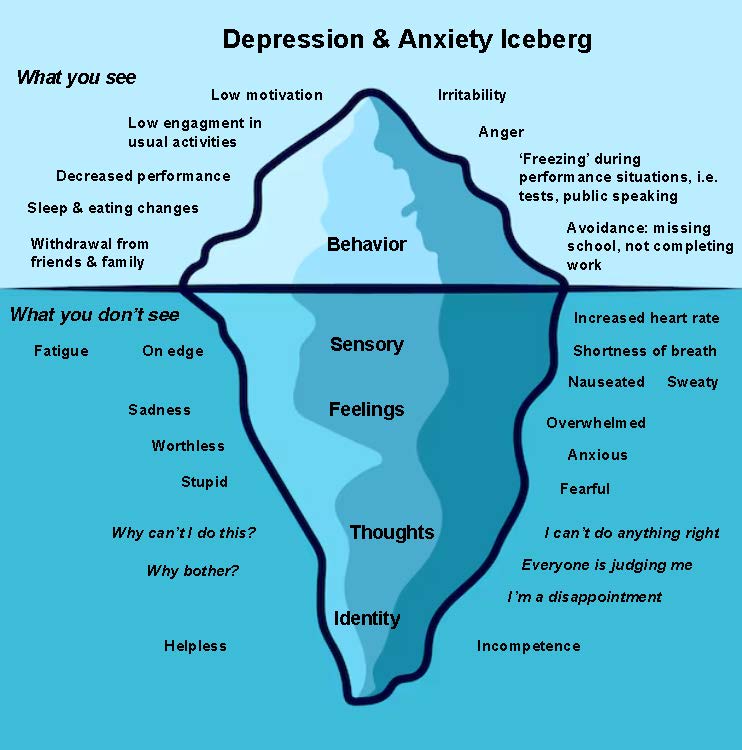
The psychiatrist gently asks Paula how it feels to be with the patient. She reflects that the teen seems sad, withdrawn, and unsure of themselves. Paula reviews earlier developmental history and finds that the patient was diagnosed with Attention Deficit/Hyperactivity Disorder (ADHD), inattentive type, and a reading disorder, but the family declined interventions at the time.
Together, Paula and the psychiatrist consider how untreated attention and learning challenges can fuel depression, anxiety, and low self-esteem. The psychiatrist discusses how screening tools like the PHQ-9 and GAD-7 are helpful, but the scores don’t always tell the full story. Sometimes, the key lies in taking a step back and exploring additional factors, including developmental and educational history.
Together, Paula and the Cal-MAP psychiatrist developed a new care plan, which includes:
-
Tapering off Prozac and beginning a stimulant trial, closely monitoring using an ADHD symptom rating scale and PHQ-9.
-
Referring for updated psychoeducational re-evaluation, using Cal-MAP’s templated school support request.
- Beginning therapy focused on skill-building, motivation, and self-esteem.
- Connecting the family with Cal-MAP’s family resources, including information about ADHD and developmental challenges, and Cal-MAP’s care coordinator, who helps them navigate school systems and therapy.
Paula also applied Cal-MAP’s billing tips to maximize reimbursement for both her clinical time and the consultation itself.
Two months later, the impact is visible: the patient appears more engaged, with noticeable improvement in mood, lower PHQ-9 and GAD-7 scores, and better academic performance.
|