CAL FIRE Office of the State Fire Marshal
CalStats Alert
 

July 2026

The California Incident Data and Statistics (CalStats) Program is a statewide emergency incident data collection program that analyzes and distributes statistical information reported by fire departments throughout the state. This includes collecting National Emergency Response Information System (NERIS) data, which has replaced the legacy NFIRS system. This NERIS data is collected from each fire department in California on behalf of the United States Fire Administration (USFA-FEMA).


CalStats also manages the CAL FIRE Incident Reporting System (CALFIRS). This system captures NERIS data for CAL FIRE’s over 500 fire stations statewide. CAL FIRE responds to approximately 15,000 fire-related emergencies annually and nearly 300,000 total incidents. These emergencies include fires, medical incidents, rescues, floods, hazardous material releases, and other disasters. With the CALFIRS system, CAL FIRE is able to track all incidents it responds to.


NERIS Fireworks Coding


With July 4th approaching, OSFM has released a NERIS Navigator to help

departments code fireworks-related calls consistently. Since these incidents

cluster around just a few dates each year, accurate coding is key to capturing

their true impact.


Quick reference:


  • Fire caused by fireworks: Fire-Structure or Fire-Outside Fire, with Fireworks

as the likely cause.

  • Injury from a fireworks fire: Add Medical-Injury/Trauma, document

casualties/rescues, and set cause of casualty as Caught/Trapped by

Fire/Explosion.

  • Medical emergency, no fire: Medical-Injury/Trauma incident type, with

casualties and cause of injury documented.

  • Citizen complaints: Use Public Service - Citizen Assist for your own

jurisdiction, or Support Law Enforcement + Refer to Proper AHJ if fireworks

enforcement isn't your department's responsibility.


For full guides with detailed examples, see the NERIS Coding Tools section of our

website. CalStats


New NERIS User Guide


A brand-new NERIS User Guide is hot off the press, covering incident types, appendices, and coding guidance to help departments navigate reporting with

confidence.


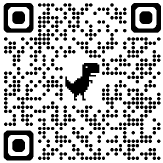
Scan the QR code below or visit Resource Hub | NERIS to access the guide


NERIS Incident Analysis Module is Now Live


The Incident Analysis module launched on June 1 and is now available directly in

NERIS, allowing departments to capture deeper detail on incidents from an

approved record.


Note: Some vendors are still building out their modules, so availability may vary. If

your CAD/RMS vendor hasn't released it yet, check with them directly. You can access this directly from your NERIS account.


What Incident Analysis Captures:

  • Cause Determination
  • Loss estimation (structure and contents)
  • Structure detail
  • Outdoor fire characteristics
  • Vehicle and transportation Details
  • Battery involvement
  • Consumer product data
  • Human factors


Read more on the SIREN blog

Watch the video: NERIS - Incident Analysis UX Demo (NEW)


NERIS is Live!

Let us know if you need any assistance.


You can also email them directly at NERIS.HelpDesk@UL.org, or use their website:


NERIS Hot Takes


Important NERIS Reference Videos:

NERIS in Use: Our Story to Tell (NEW)

NERIS - Incident Analysis UX Demo (NEW)

NERIS in Practice: What the Data Makes Possible (NEW)

NERIS - "Made for the Job" (2026)

NERIS Version 1: Platform Demo

NERIS General User Quick Start Video

NERIS Site Administrator Quick Start Video

NERIS Logging an Incident

NERIS - Incident Types Explained

NERIS Logging an Incident with Multiple Incident Types


NERIS Webinar Recordings

Key NERIS Resources

Technical NERIS Resources

Previous CalStats Communication Regarding NERIS


Reminder

Accurate and up-to-date data is critical for ensuring that fire departments receive the necessary funding, resources, and support to effectively serve their communities. Timely reporting helps us assess fire response times, incident trends, and resource utilization, allowing us to advocate for your needs and secure the appropriate resources. Additionally, your data plays a vital role in shaping state legislation on fire safety, building codes, and emergency response protocols.


Delays in reporting can lead to outdated or inaccurate information, which can affect decision-making and hinder efforts to improve fire prevention and response. By submitting your data on time, you help ensure that fire departments across the state are fully supported to protect the safety and well-being of all citizens.