Paris Agreement

Crediting Mechanism

Newsletter

2 December 2025

In this issue


  • Calls for Input Open on Corresponding Adjustments and Proposed New PACM Methodology
  • Methodological Expert Panel Meets to Advance Work Following COP30
  • Key COP30 Outcomes for the UN Carbon Market
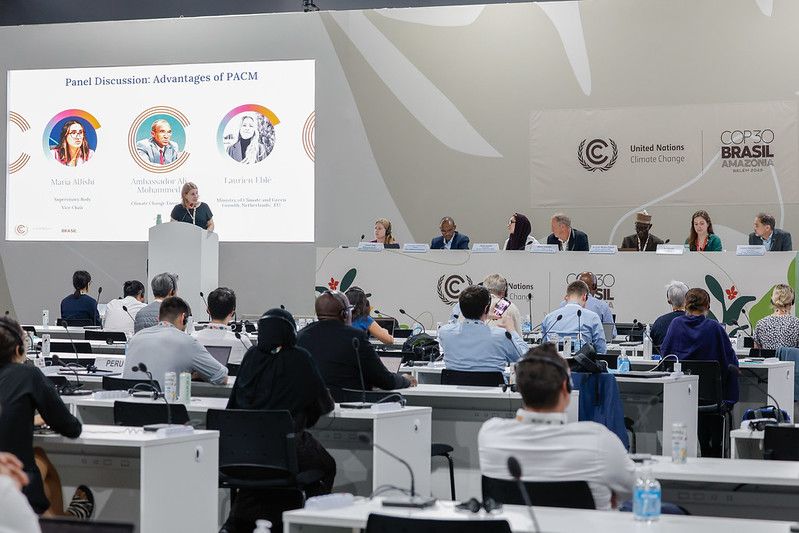
  • Watch the Recording: COP30 Supervisory Body Event
 

Calls for Input Open on Corresponding Adjustments and Proposed New PACM Methodology

Two calls for input are currently open for stakeholder feedback:


1. Call for input on corresponding adjustments


  • Stakeholder input is sought on buffer pool contributions of authorized A6.4ERs, including implications for NDC accounting. This call for input aims to gather broader views, especially from Parties impacted by corresponding adjustments.


  • This call for input is open from 26 November to 31 December 2025.

2. Call for input on a proposed Article 6.4 methodology


  • A proposed new methodology under the Paris Agreement Crediting Mechanism (PACM) is open for public comment. The proposed “Savanna Fire Management Methodology” aims to reduce greenhouse gas emissions by shifting savanna fires to earlier in the season, cutting methane (CH₄) and nitrous oxide (N₂O) emissions.


  • This call for input is open from 20 November until 11 December 2025.
 

Methodological Expert Panel Meets to Advance Work Following COP30

The Methodological Expert Panel (MEP) is meeting 1-5 December 2025 to advance work on methodologies under the Paris Agreement Crediting Mechanism.


The annotated agenda for this meeting is available on the MEP meetings webpage. Key items under discussion include:

  • Tool: Lock-in risk analysis
  • Tool: Reversal risk assessment
  • Tool: Emission factor for an electricity system.
 

Key COP30 Outcomes for the UN Carbon Market

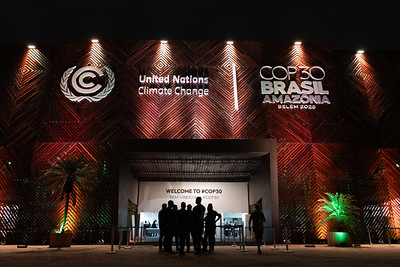
At COP30 in Belém, countries agreed on guidance for the Article 6.4 Supervisory Body for the year ahead and took important financial decisions to ensure the Paris Agreement Crediting Mechanism can deliver the critical infrastructure it needs before becoming self-financing.


A few of the key outcomes include:


  • Integrity to be upheld: The Supervisory Body was asked to continue to ensure standards and tools uphold environmental integrity, and are based on the best available science.


  • Capacity building prioritized: The Supervisory Body was asked to allocate up to USD 5 million for capacity building at its first meeting in 2026.


  • Transition deadline extended: Countries decided to extend the deadline for submission of host Party approval to transition Clean Development Mechanism projects to the Paris Agreement Crediting Mechanism to 30 June 2026.


  • Increased transparency: Countries agreed to ask the Supervisory Body to enhance the transparency of its decision-making.


  • Funding support: Countries agreed to transfer USD 26.8 million from the Clean Development Mechanism to the Paris Agreement Crediting Mechanism. Once the mechanism is self-financing, its share of proceeds will go to the Adaptation Fund.


These decisions strengthen the foundations of the Paris Agreement Crediting Mechanism, enabling broader participation and ensuring high-integrity credits that support global climate ambition.


Watch the Recording: COP30 Supervisory Body Event

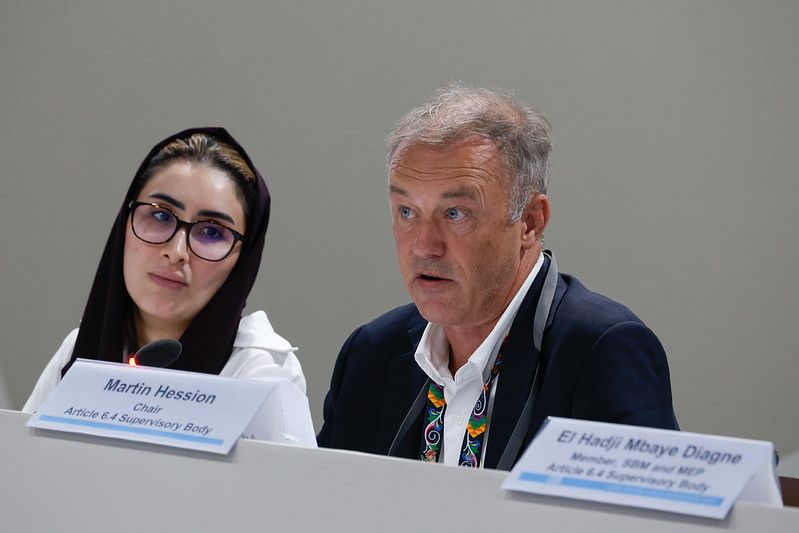
The UN carbon market has set a new benchmark for aligning with the Paris Agreement, raising standards for integrity and real-world impact.


At COP30, members of the Article 6.4 Supervisory Body met with country representatives, civil society, and market experts to discuss progress since COP29.


This included the adoption of the first Paris-aligned methodology and the operationalization of key standards.


Have you been forwarded this newsletter? Sign up for the latest news on the Paris Agreement Crediting Mechanism.

A6.4mechanism-info@unfccc.int | unfccc.int

STAY CONNECTED

Facebook  Twitter  Instagram  Linkedin  Youtube  TikTok  Web