|
Calusa Waterkeeper and Brain Chemistry Labs have announced the publication of a collaborative peer-reviewed research study in the international scientific journal Toxins, documenting a new approach to monitoring airborne cyanobacterial toxins and advancing scientific understanding of airborne exposure associated with harmful algal blooms.
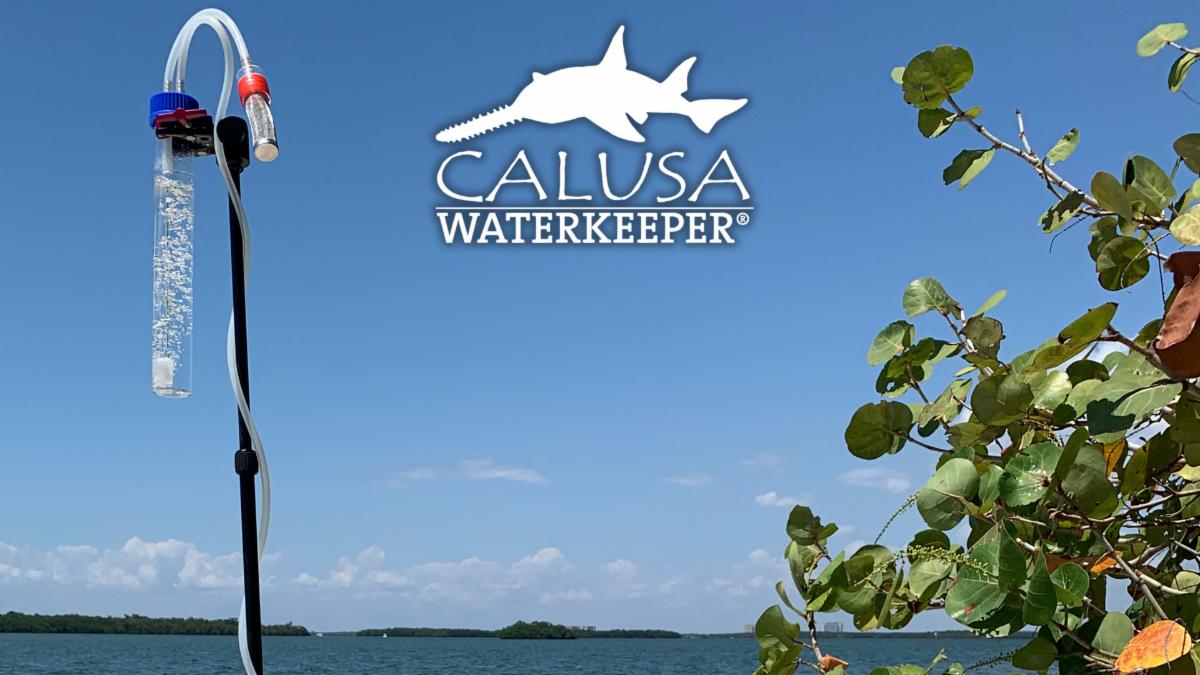
The paper, Developing Tools to Assess Airborne Cyanobacterial Toxins in Southwest Florida, USA, details the development and field deployment of the Airborne Detection for Algae Monitoring (ADAM) system. ADAM is a portable monitoring platform designed to collect air samples near harmful algal blooms – such as blue-green algae and red tide – while advancing scientific understanding of how airborne cyanobacterial toxins may affect human health.
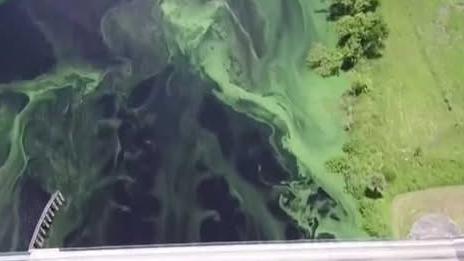
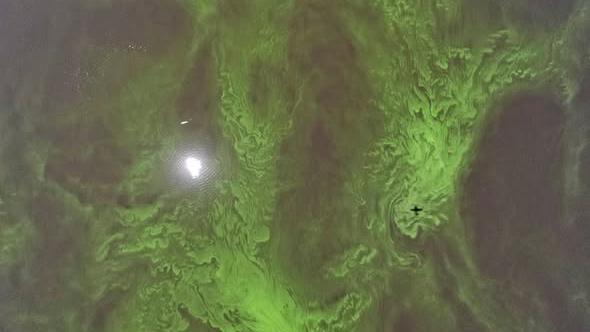
Among the key findings: airborne cyanobacterial toxins were detected even though only one obvious bloom was observed during sampling, which highlights the need to better understand airborne exposure.
|