|
Contents
1. Moving and Tree Safety
2. Check Your Trees
3. Summer Beetles
4. Petal to the Metal: Flowering Map Highlight
5. Species Highlight: Tuliptree (Liriodendron tulipifera)
6. Forest Foe: Asian Jumping Worms (Amynthas agrestis)
7. Stumped! Urban Forestry Treevia
8. Become a Cambridge Urban Forest Friend
9. Sign Up for a Free Tree with Green Cambridge
| | |
Moving & Tree Safety
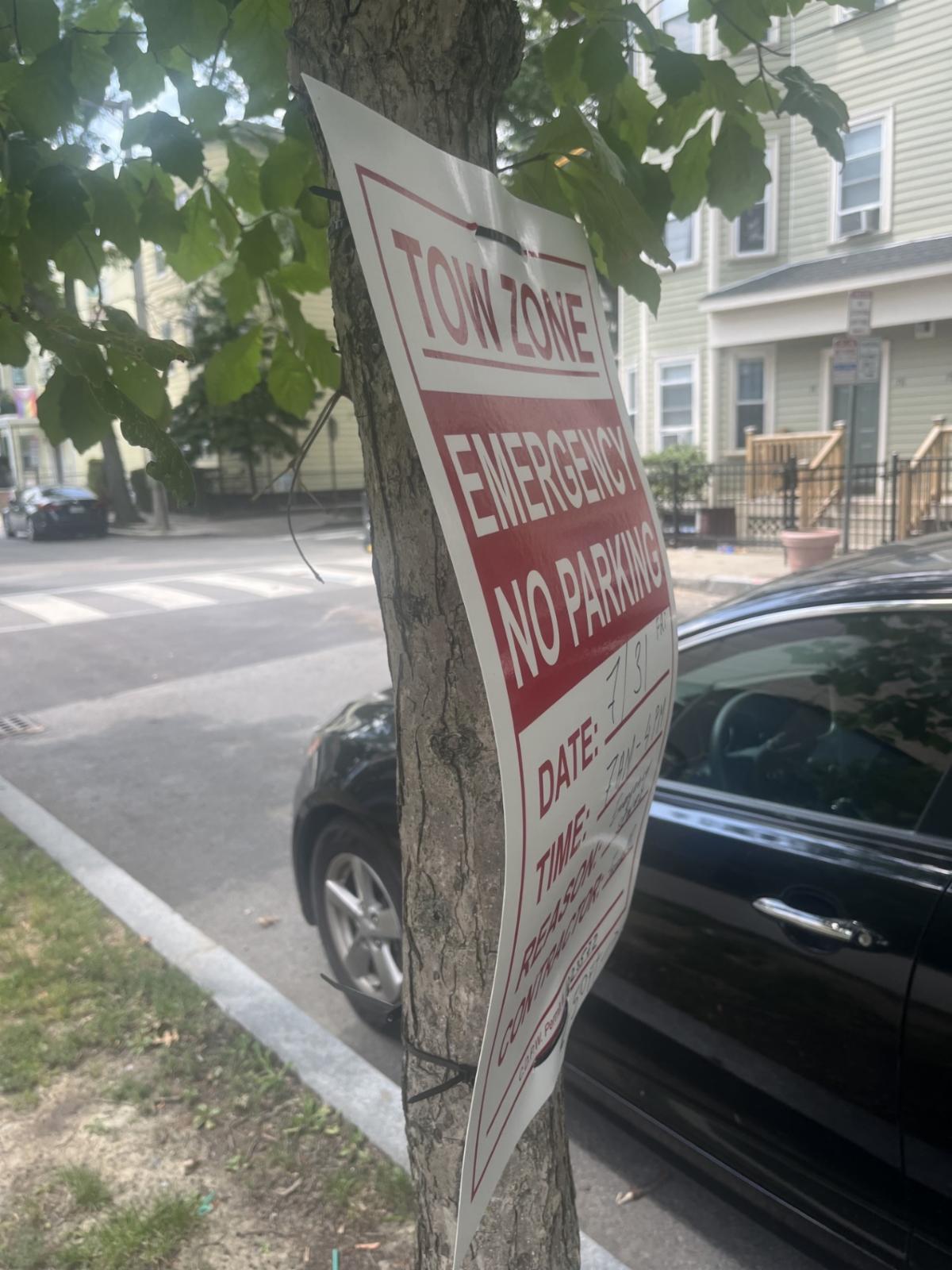
Cambridge is a moving hub between the end of August and the start of September. If you’re renting a moving truck or hiring a moving company, be careful to avoid overhead branches and tree trunks when you’re parking or driving in Cambridge. If you’re placing signs on trees (like for a Moving Van Permit), use wire and be sure to remove the signs and wire from the tree once you no longer need it or the permit has expired.
| | Use wires to safely attach signs to trees | | |
Check Your Trees!
It’s national Tree Check Month! How are your trees doing? Late summer is the best time to check for pests as this is when many adult wood-bearing insects emerge and become active. Before you check for potential issues, you should identify the species, so you know what a healthy specimen looks like. If you are examining a street tree, you can reference our tree walk map. If it is a private tree, tools like this tree identifier from the Arbor Day Foundation or iNaturalist can help
Here are some things to look for.
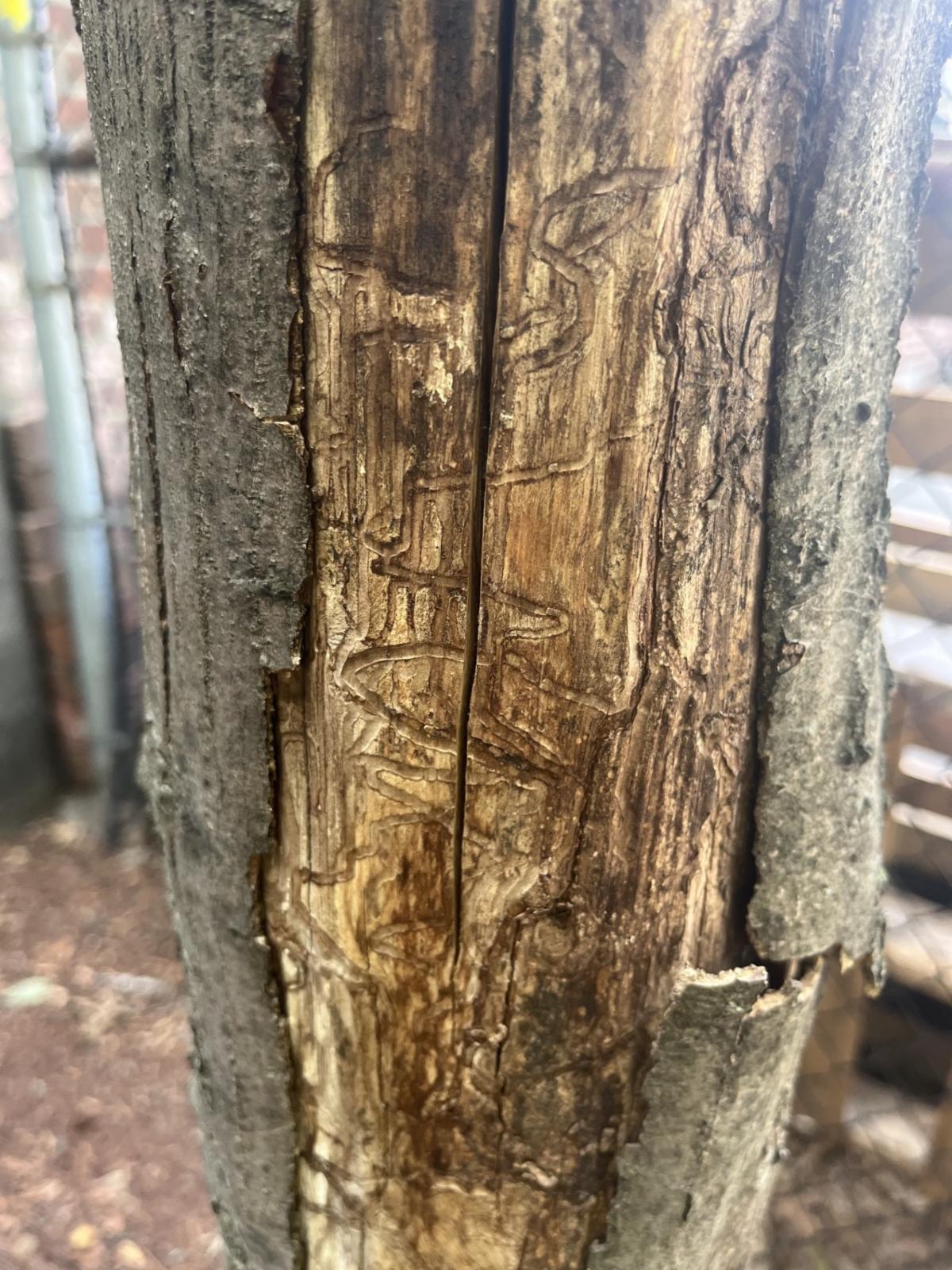
- Check the trunk: are there holes, feeding tracks, fungus, sawdust, or peeling where there shouldn’t be?
- Check the leaves: are leaves dropping too early or are significant branches completely bare?
- Check for bugs: are there many of the same bug hanging out on your tree?
We encourage residents to report only significant issues. Minor issues such as aphids are common, and trees can often recover without intervention. If you are seeing signs of an infestation, please submit a SeeClickFix ticket under "Trees - General Inquiry".
| Signs of insect boring on a tree in Cambridge | | |
The Summer Beetles of Cambridge By Alex Wilard
Finding Beetles on your trees and around your home? Here’s a helpful guide to identify them.
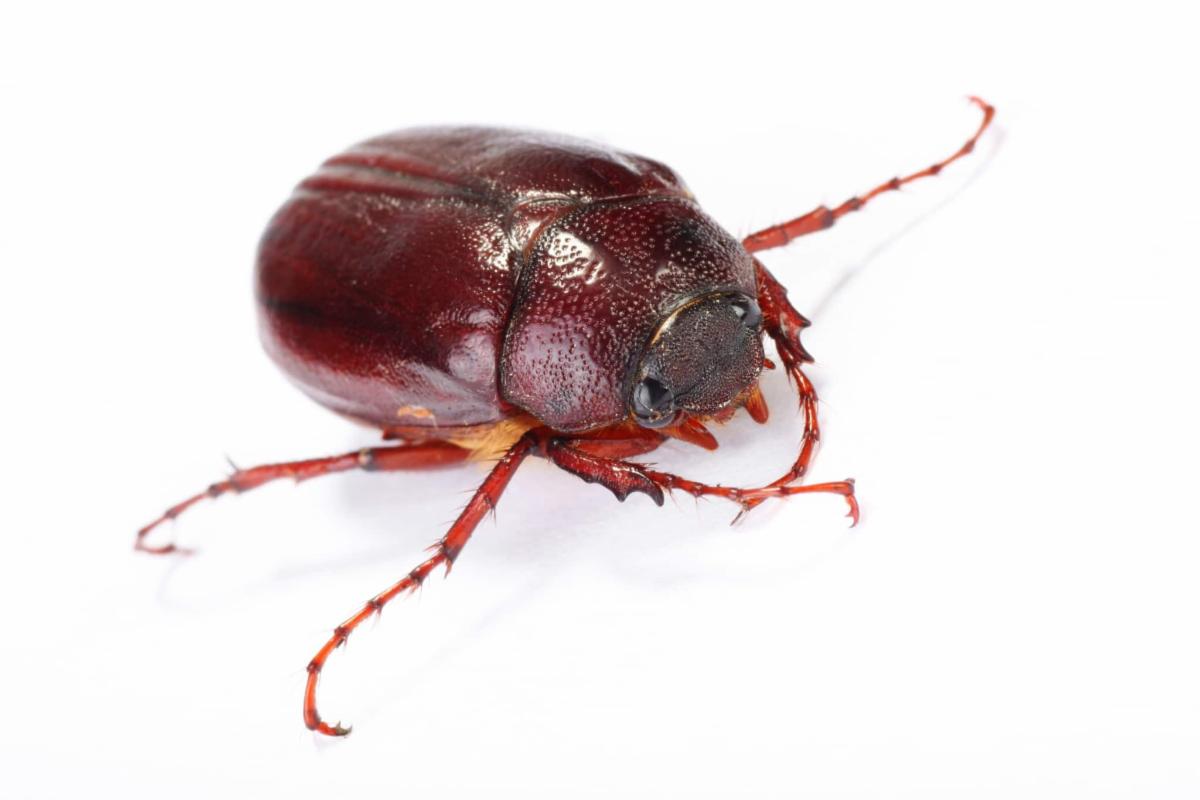
June Bugs/May Beetles (Phyllophaga anxia):
| |
- Seen: May Through July
- Peak activity: warm nights
- Size: 0.5 - 1 Inch Long
- Color: reddish-brown to dark chestnut/black
- Flight: clumsy fliers, will circle around light
- Potential Harm: larvae feed on underground roots, which can weaken young urban trees, while adults feed on foliage, flowers, and sometimes bark
- Potential Benefits: larvae break down organic matter in the soil, which helps with nutrient recycling
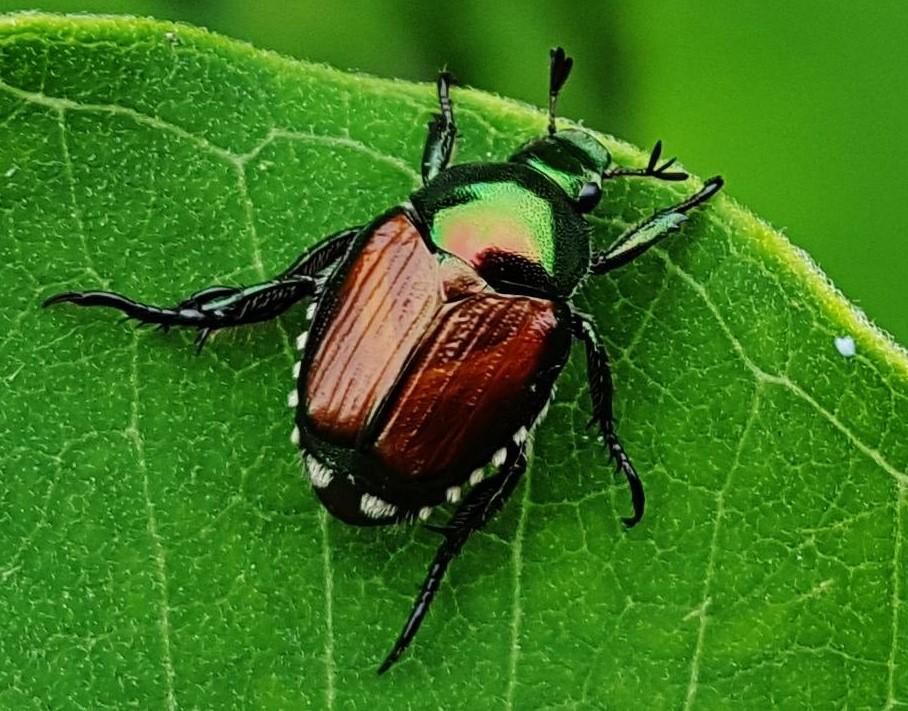
| Japanese Beetles (Popillia japonica) | |
-
Seen: mid-June to early July
- Peak Activity: full sun
- Size: 0.5 Inches
- Color: shiny metallic green body with copper-brown wings
- Flight: weak fliers, fall when hit obstacles, can travel far
- Potential Harm: adults feed on flowers and foliage of over 300 plants and leave a lace like skeleton while defoliating plants. Larvae feed on roots, which can cause patchy grass and weakening plants
- Potential Benefits: few
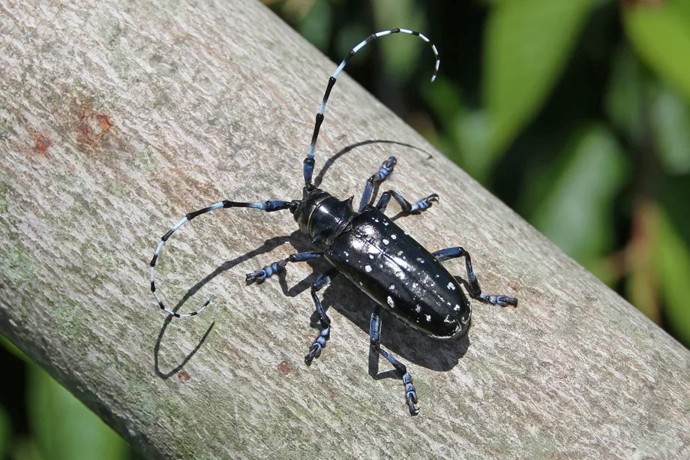
| Asian Longhorned Beetles (Anoplophora glabripennis): | |
- Seen: near maple and other hardwood trees in late spring through early fall
- Peak Activity: July and August
- Size: 1-1.5 Inches
- Color: black body with white spots
- Flight: short distances to host trees
- Potential Harm: destructive, wood-boring pest that kills hardwood trees
- Potential Benefits: none
- Note: not currently active in Cambridge, but outbreaks in Massachusetts indicate people should be on the lookout for their spread
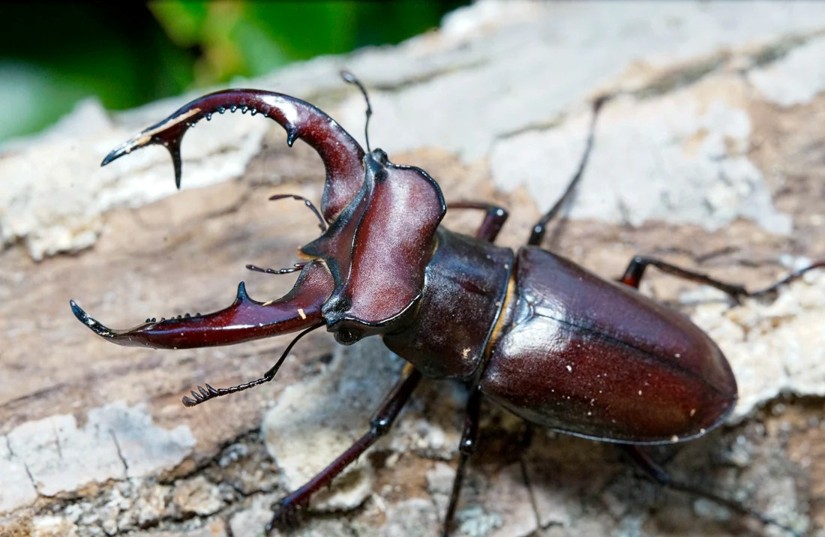
| Stag Beetle (Lucanus capreolus): | |
- Seen: Late Spring/Early Summer, near decaying wood and old trees
- Peak Activity: dusk, warm humid evenings
- Size: 0.7-1.4 Inches
- Color: dark reddish brown or black, orange-yellow legs
- Flight: can fly, but often move around on ground
- Potential Harm: feed on decaying trees, are not destructive to healthy trees
- Potential Benefits: important decomposers that recycle nutrients back into soil
| | |
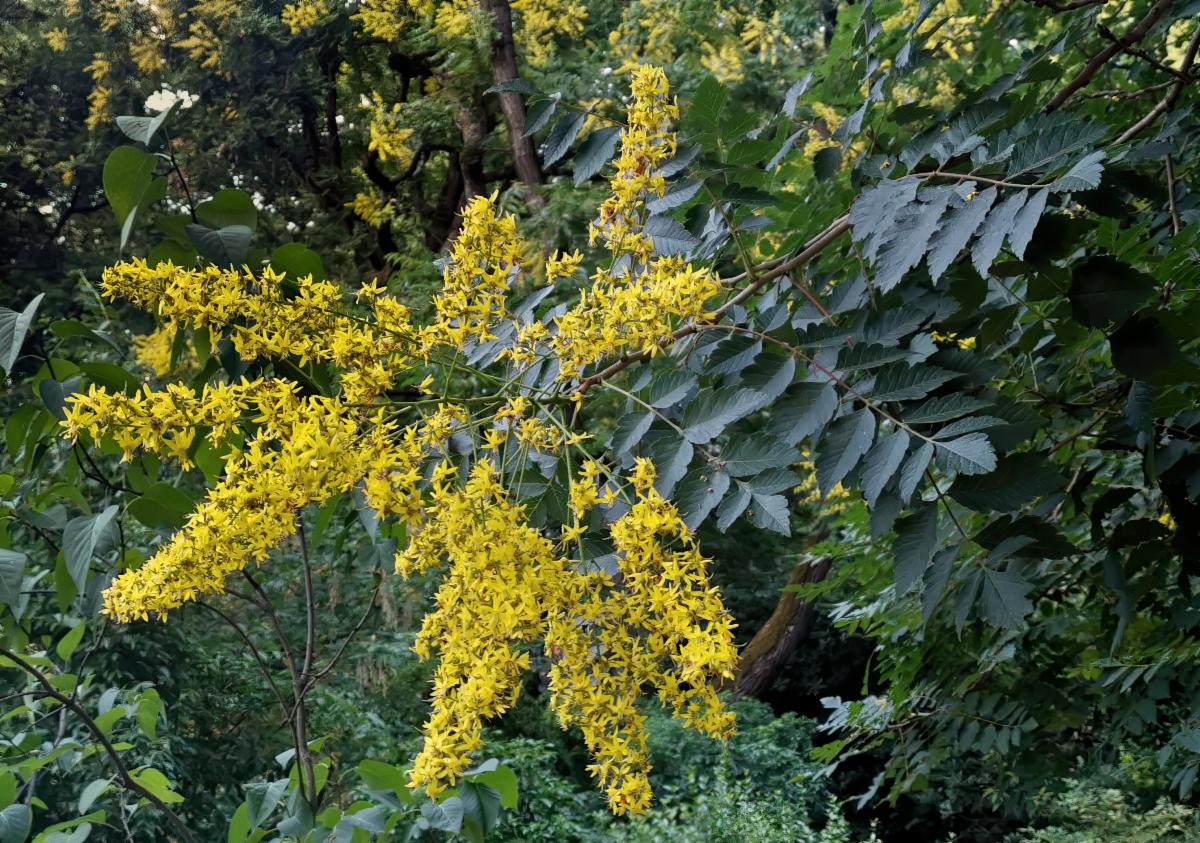
Put Pedal to the Metal and Check Out These Blooms
The blossoms aren’t finished just yet! August brings about all sorts of late-summer blooms – Goldenrain Trees, Japanese stewartia, and Japanese Pagoda Trees among them. Check out our map here to find out where you can see the last colorful blooms of the season.
| |
Species Highlight - Tuliptree (Liriodendron tulipifera)
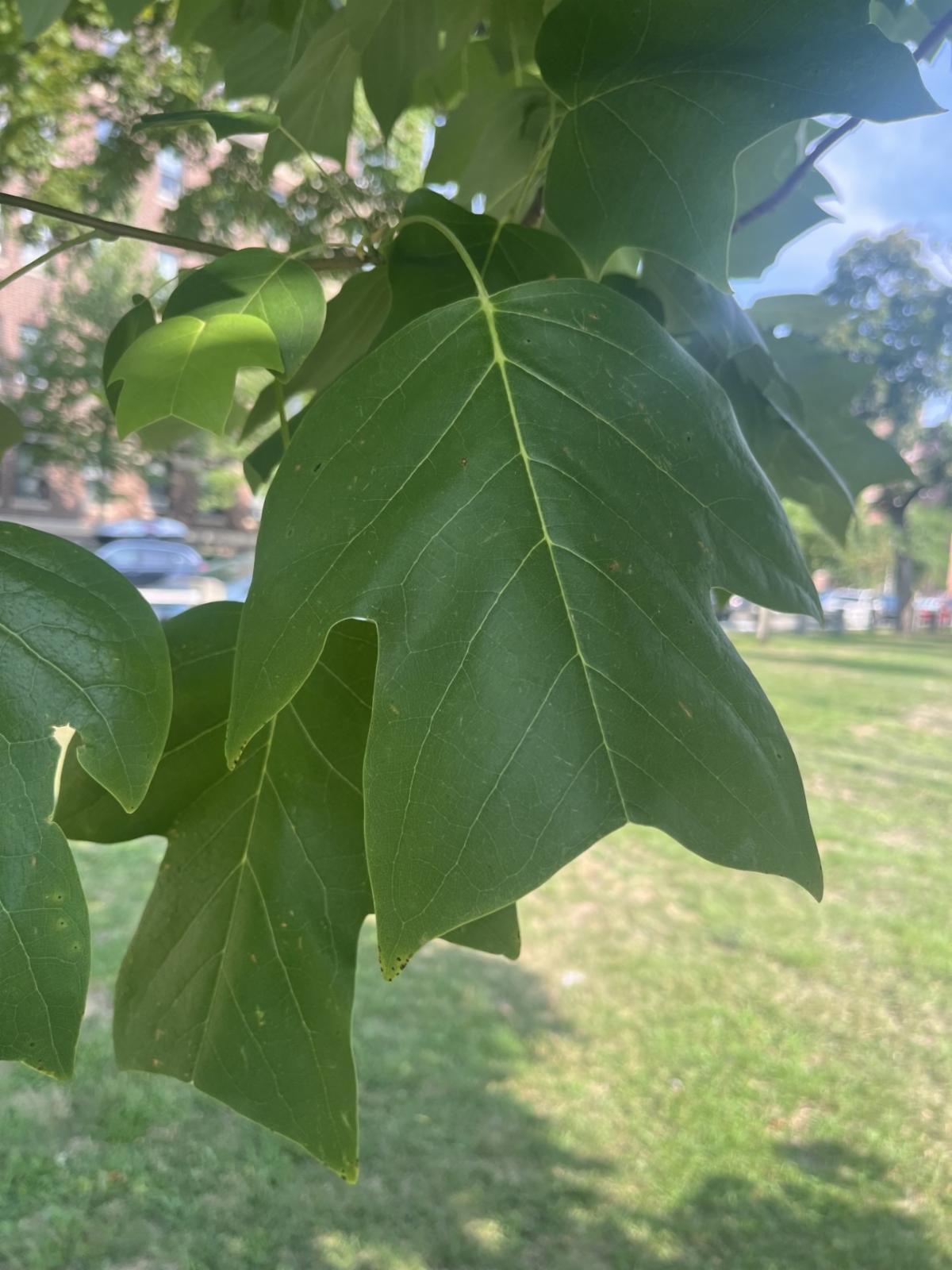
You’ve probably seen these unique residents lining the streets of Cambridge. They’re hard to miss with their distinct V-shaped four-lobed leaves that remind some of a cat’s face. On younger trees, you may have only two lobes, and more mature leaves may have up to six. However, this tree’s name truly derives from their bright, yellow and orange flowers that bloom in late spring/early summer. However, these blossoms can be a bit difficult to spot, as they bloom near the top of the canopy and only once the tree is mature. You may be more likely to see fallen petals lining the ground in late June.
| | |
Tuliptrees originate from the Chicago region, and represent the tallest of the Eastern Hardwoods, reaching as high as 150 feet, but are more likely to stay under 70 feet in urban spaces. The tree’s tendency to quickly grow a towering, straight trunk with minimal messy branches makes it an excellent urban species. They prefer sunny, well-draining soil with lots of space, which makes them perfect for parks, where they tend to attract bees, hummingbirds, and butterflies.
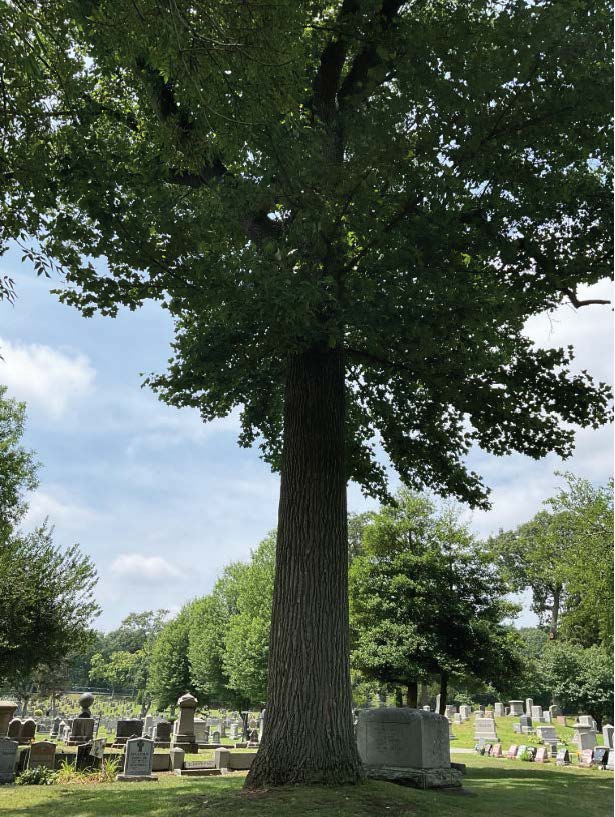
There are almost 500 tuliptrees around Cambridge – keep your eye out around Joan Lorentz Park, Bergin Park, and the Old Burying Ground. If you’d like to see a fully mature tuliptree, you can visit the one in the Cambridge Cemetery, which has a DBH of 51 inches!
| | City of Cambridge StoryMaps – The Tuliptree in the Cambridge Cemetery has a DBH of 51” | |
Forest Foe- Asian Jumping Worm (Amynthas agrestis)
| | |
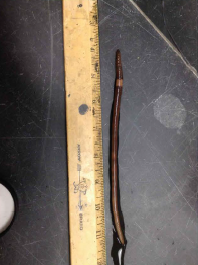
Have you noticed these destructive worms in your garden? Asian Jumping worms do not burrow into the ground the way other earthworms do but instead live amongst the topmost layer of leaf litter. They destroy the leaf litter as well as the top layer of soil underneath it, which removes necessary nutrients from the soil, and can also disturb plant roots, making it easier for invasive plants to take over. Unlike friendly earthworms, they leave behind nutrient-poor hard casings, resembling something like coffee grounds, which make it difficult to grow anything.
You can distinguish Asian Jumping Worms from common European Earthworms by noting their darker, greyish-brown coloration, with a lighter cream-colored band near their head called a clitellum. They also exhibit a signature thrashing and jumping reaction to disturbances, which gives them their distinctive name.
These worms die out in winter, but their eggs survive the cold, and the next generation emerges anew in the spring. Their biology as hermaphrodites allows them to reproduce asexually. This, combined with their ability to run through multiple generations in a single season, makes them formidable in numbers.
There is currently no approved way to remove Asian Jumping Worms. You can prevent their spread by making your own compost or allowing storebought compost to heat up in the sun for several days. Check potted plants for granular soil and be aware of the soil you bring in on your clothes, shoes, and tools. Never purchase jumping worms for bait or worm bins.
| | |
Stumped! Urban Forestry Treevia
Learn a fun fact about urban forestry in Cambridge!
| |
| How do trees help improve urban heat island effect? | | | | |
The trivia answer will be revealed in next month’s newsletter!
Last month's question was "Why is the morning the best time to water outdoor plants and trees?” and the answer was "C: To prevent evaporation and prepare the plants for daytime heat". Did you get it right?
| | Become a Cambridge Urban Forest Friend | |
We need your help to maintain a healthy, vibrant urban forest! Any Cambridge resident willing to regularly water the tree and provide some general care for the tree is welcome to become a Cambridge Urban Forest Friend.
How to Start
| | |
Questions?
For questions about the Cambridge Urban Forest Friends, please contact Kristen Kelleher, Community Relations Manager at 617-349-4825 / kkelleher@cambridgema.gov.
**Please let us know if you are no longer caring for your street tree and we will remove you from the database and future emails**
| | Sign Up for a Tree with Green Cambridge | |
If you have space for a tree on your property, Green Cambridge can plant a tree to help expand Cambridge’s urban tree canopy! If you own your home in Cambridge, MA and would like Green Cambridge to plant a tree in your yard, visit https://www.greencambridge.org/canopycrew
| | | | |