September 2026 Newsletter | | |
Contents
- Canopy Crew Recruitment
- Fertilizer Tips
- Should you Leave your Leaves?
- Tree ID: Tree of Heaven or Sumac?
- Species Highlight: Honeylocust (Gleditisia triacanthose)
- Forest Foe: Norway Maple (Acer platanoides)
- Upcoming Event: Danehy Park Family Day
- Stumped! Urban Forestry TreeviaBecome a Cambridge Urban Forest Friend
- Sign Up for a Tree with Green Cambridge
| | |
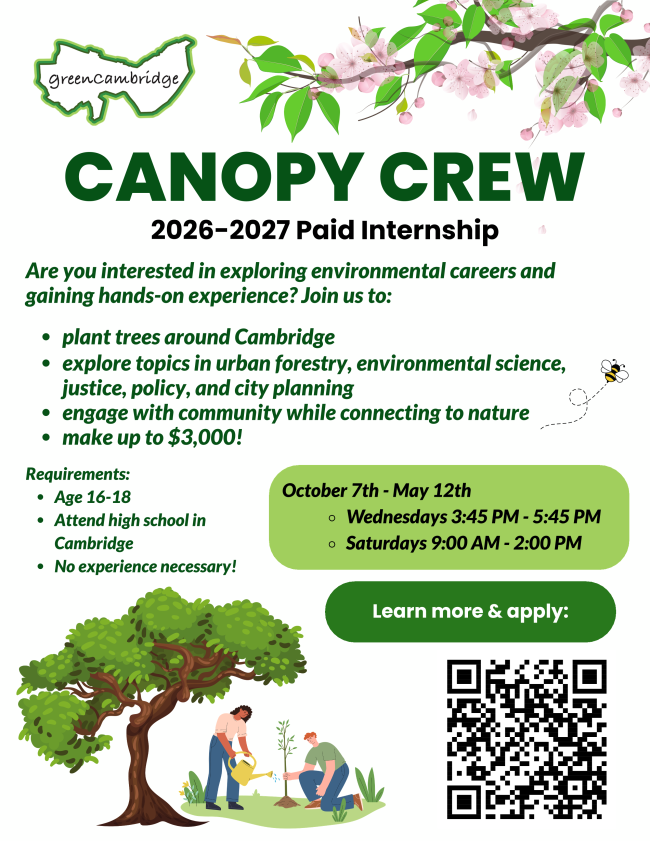
Curious about Green Cambridge Careers? Join the Canopy Crew!
Applications for Canopy Crew 🌳 are open! Applicants must be a Cambridge teen aged 16-18.
Canopy Crew is Green Cambridge’s 8-month paid school-year internship that runs from October through May, where teens participate in tree planting, explore urban forestry, discover environmental careers through guest speakers and field trips, and lead community outreach and education initiatives about trees and their benefits. The internship pays $20.32/hr and runs for ~175 hrs across the school year. No experience is required! Just curiosity about the environment, willingness to get your hands dirty, and availability during our programmatic days. To apply and learn more, visit the Green Cambridge website: greencambridge.org/joincanopycrew. Priority deadline is September 18th and final deadline to apply is October 1st.
| | |
Fertilizer Tips for Tree-Loving Yards
Tree wells don’t need fertilizer, and adding it can actually do more harm than good. Extra nutrients easily wash into storm drains, where they can fuel algal blooms in local rivers.
If you choose to fertilize your own lawn, a few simple steps can help protect nearby street trees and local waterways.
- Get a soil test for your lawn to confirm whether fertilizer is even necessary.
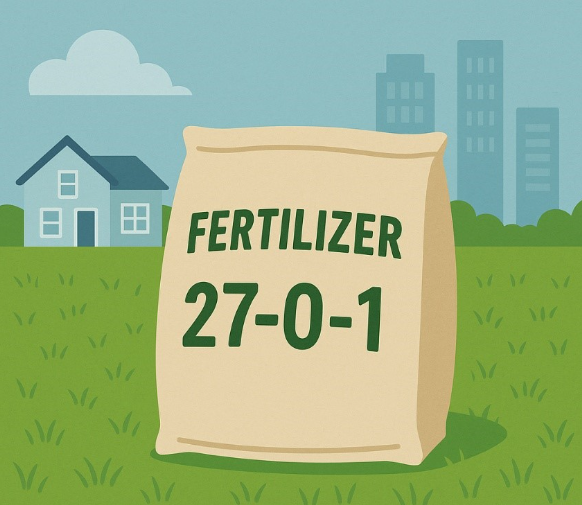
- Choose a slow-release, phosphorus-free product (the middle number on the label should be “0”).
- Skip fertilizing before rain, since excess product will wash away (potentially into tree wells where it doesn’t belong!) instead of helping your lawn.
| | |
Should you Leave your Leaves?
Leaving fallen leaves in your garden, flower beds, and tree wells can be beneficial to the health of your yard, trees, other plants, and surrounding wildlife. A layer of leaves protects soil from erosion, provides habitat for insects and microbes in the soil, and protects bulbs, perennial plants, and tree roots from extreme temperature fluctuations. As the leaves decompose, they return nutrients to the soil. An insulating layer of leaves can help your lawn’s ecosystem when spring returns and your garden begins to bloom again.
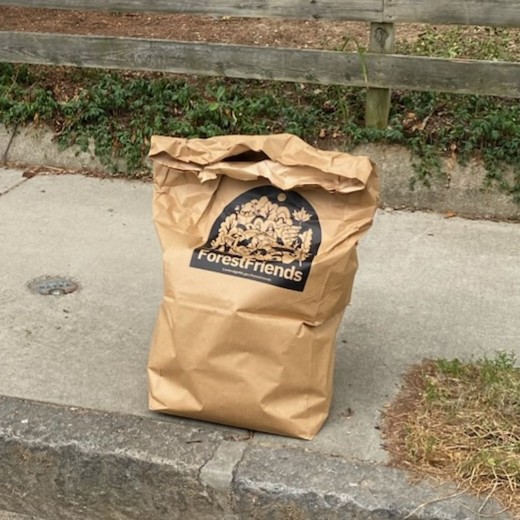
On the other hand, be sure to clear leaves out of nearby street drains. If left in the street and on the sidewalk, leaves can easily clog drains, increasing the likelihood of floods on streets or your property. Excess leaves should be bagged in yard waste bags for curbside pickup. Forest Friends can pick up yard waste bags at the Public Works main office at 147 Hampshire Street, while supplies last.
| | |
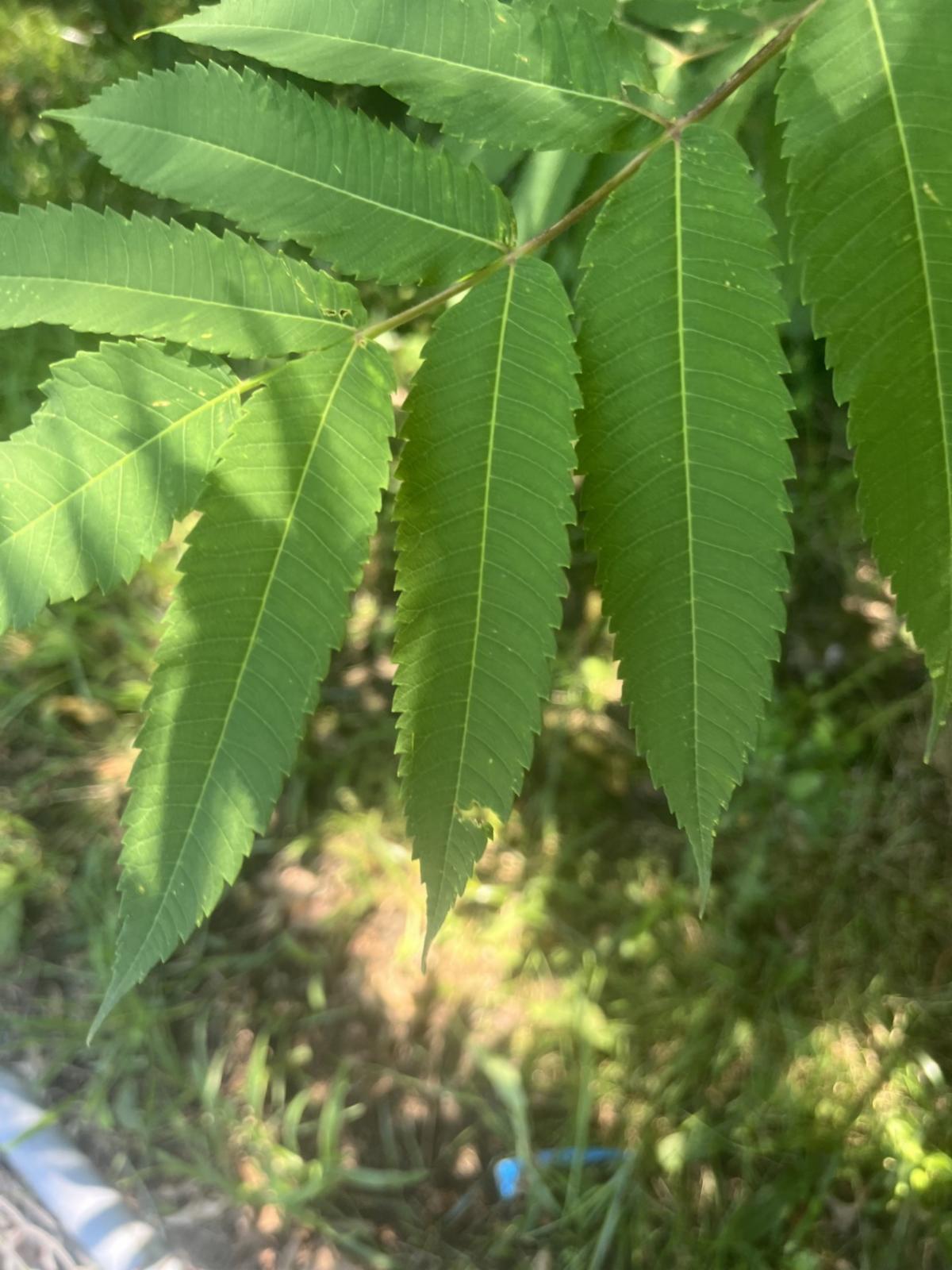
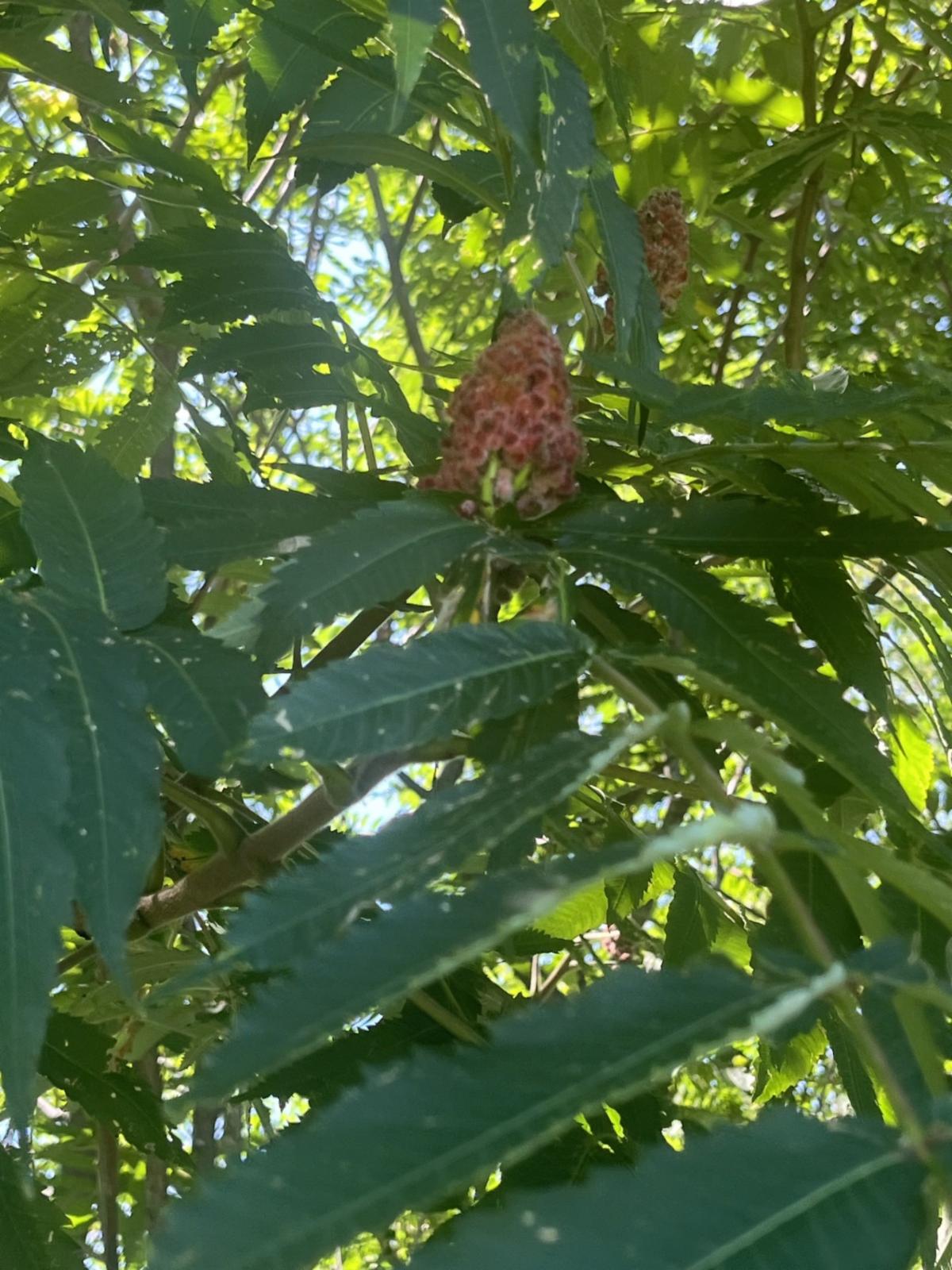
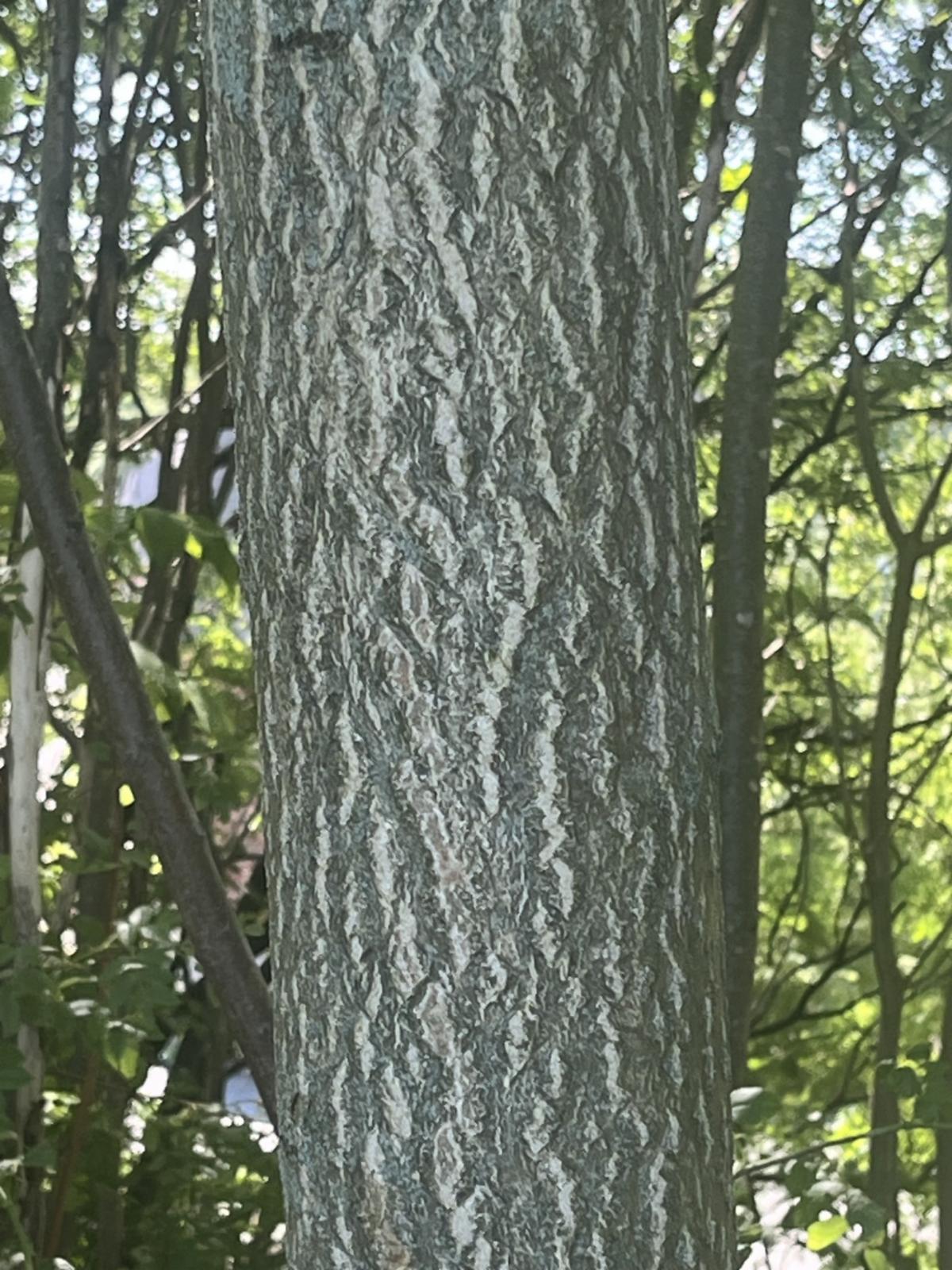
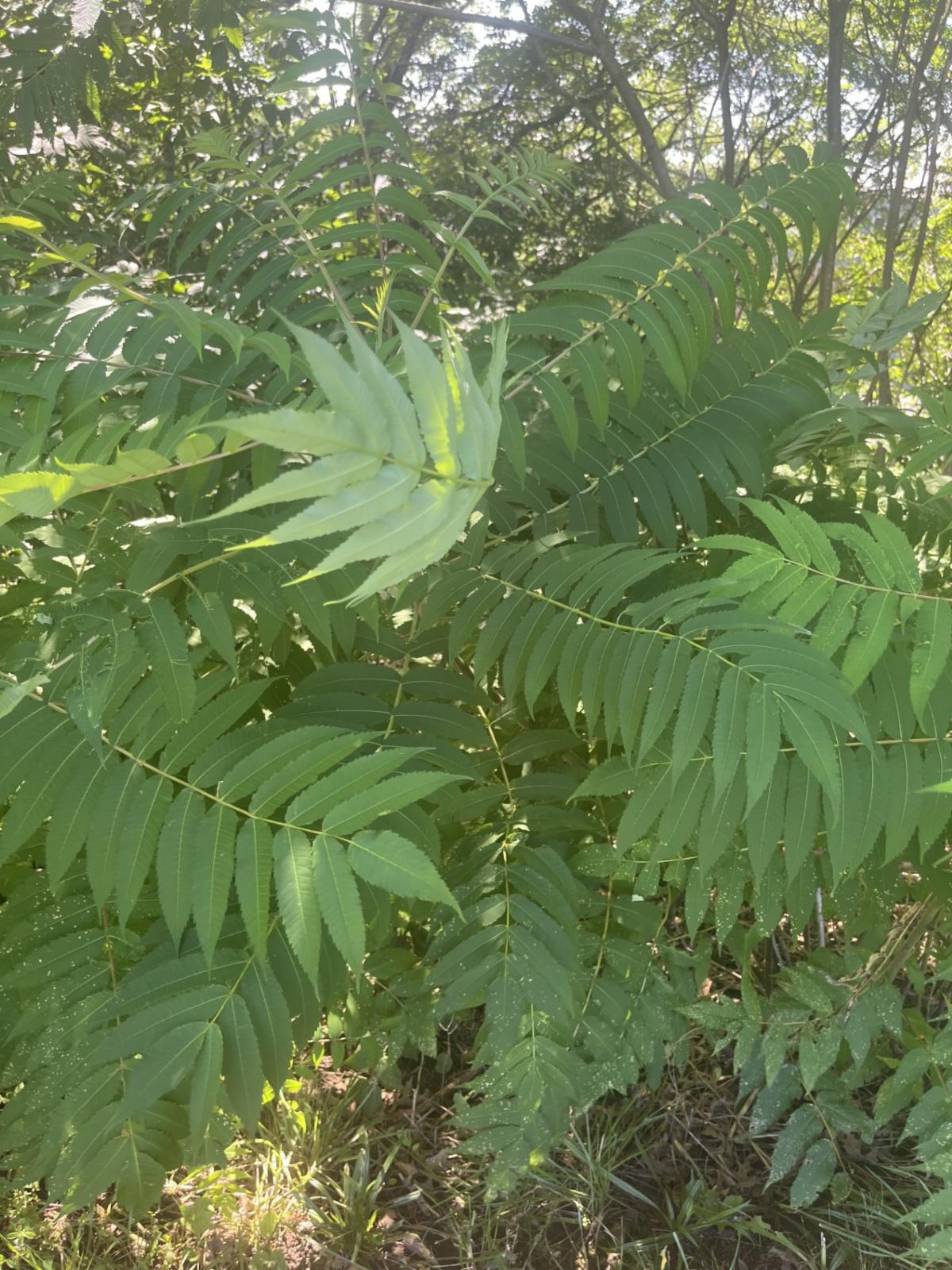
Tree ID Guide: Tree of Heaven (Ailanthus Altissmia) vs Sumac (Rhus Typhina and Rhus Glabra)
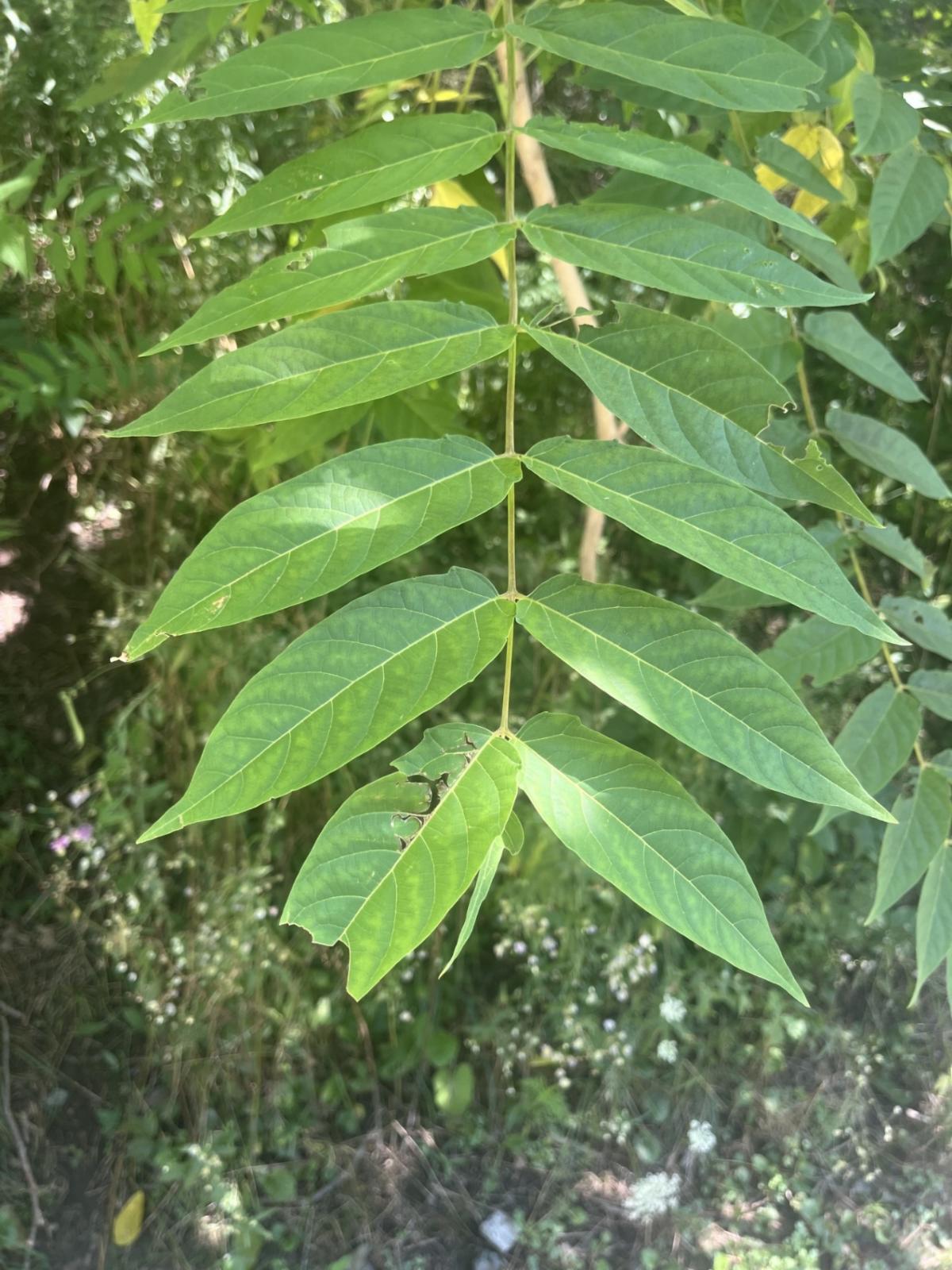
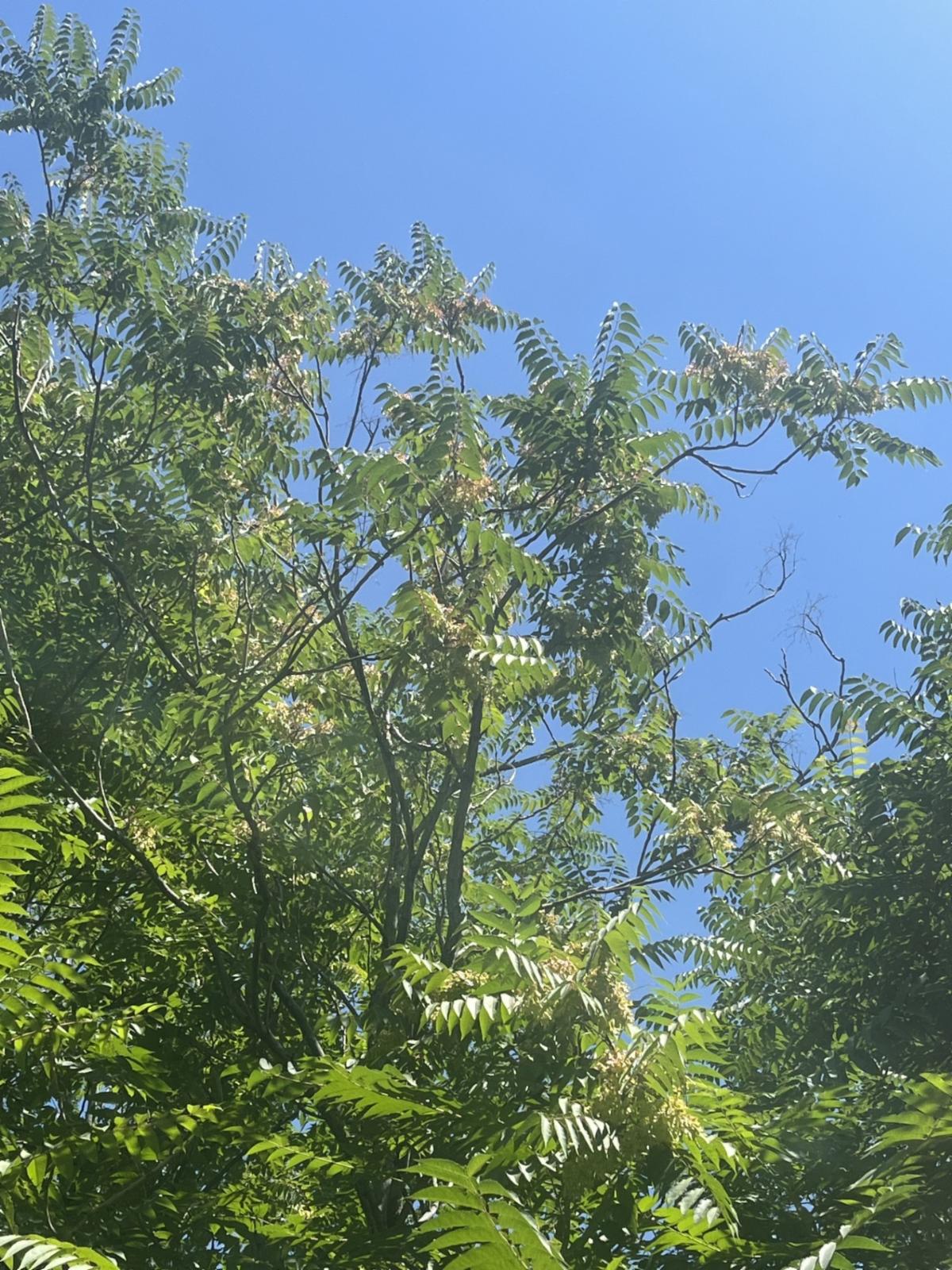
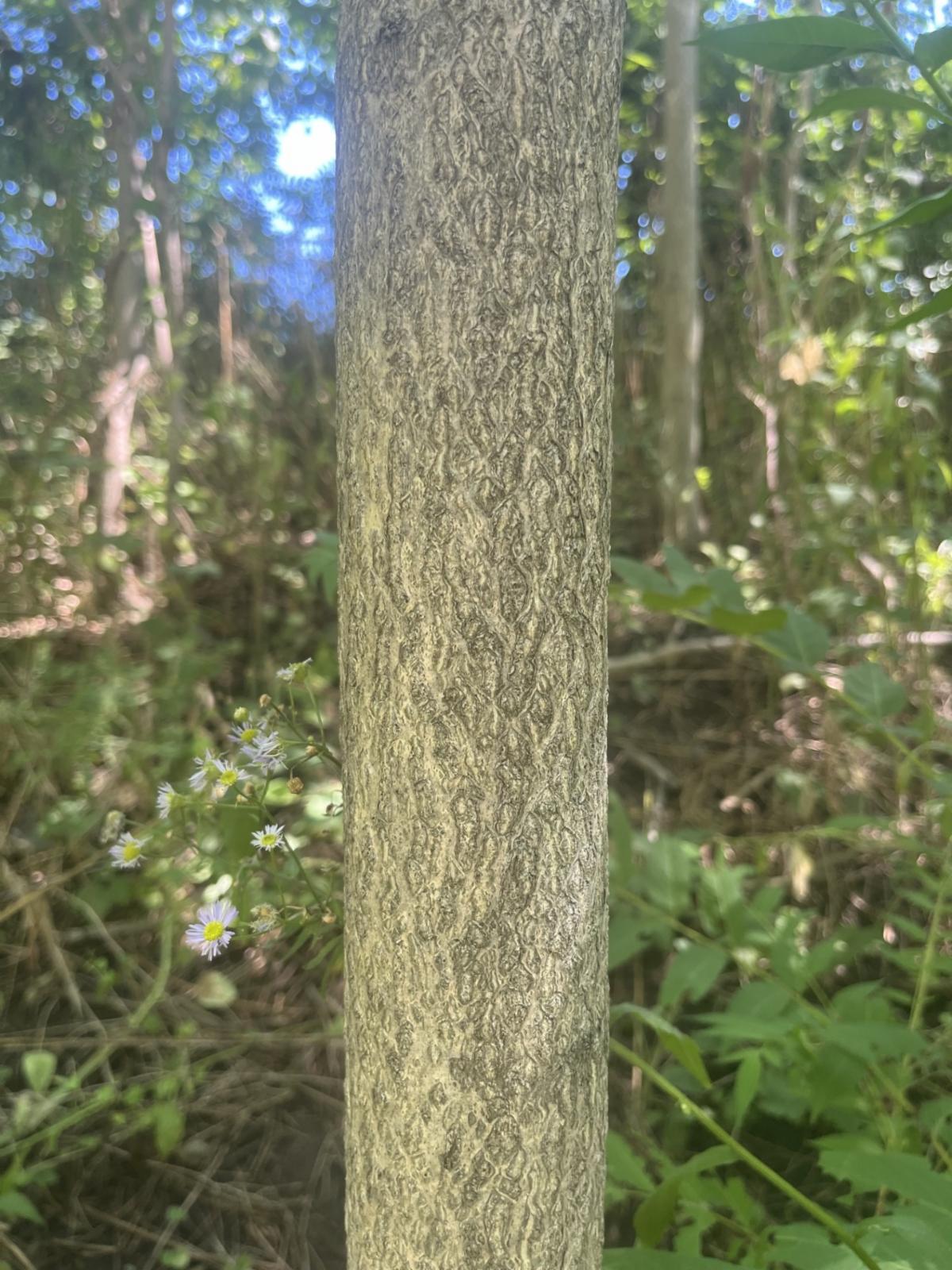
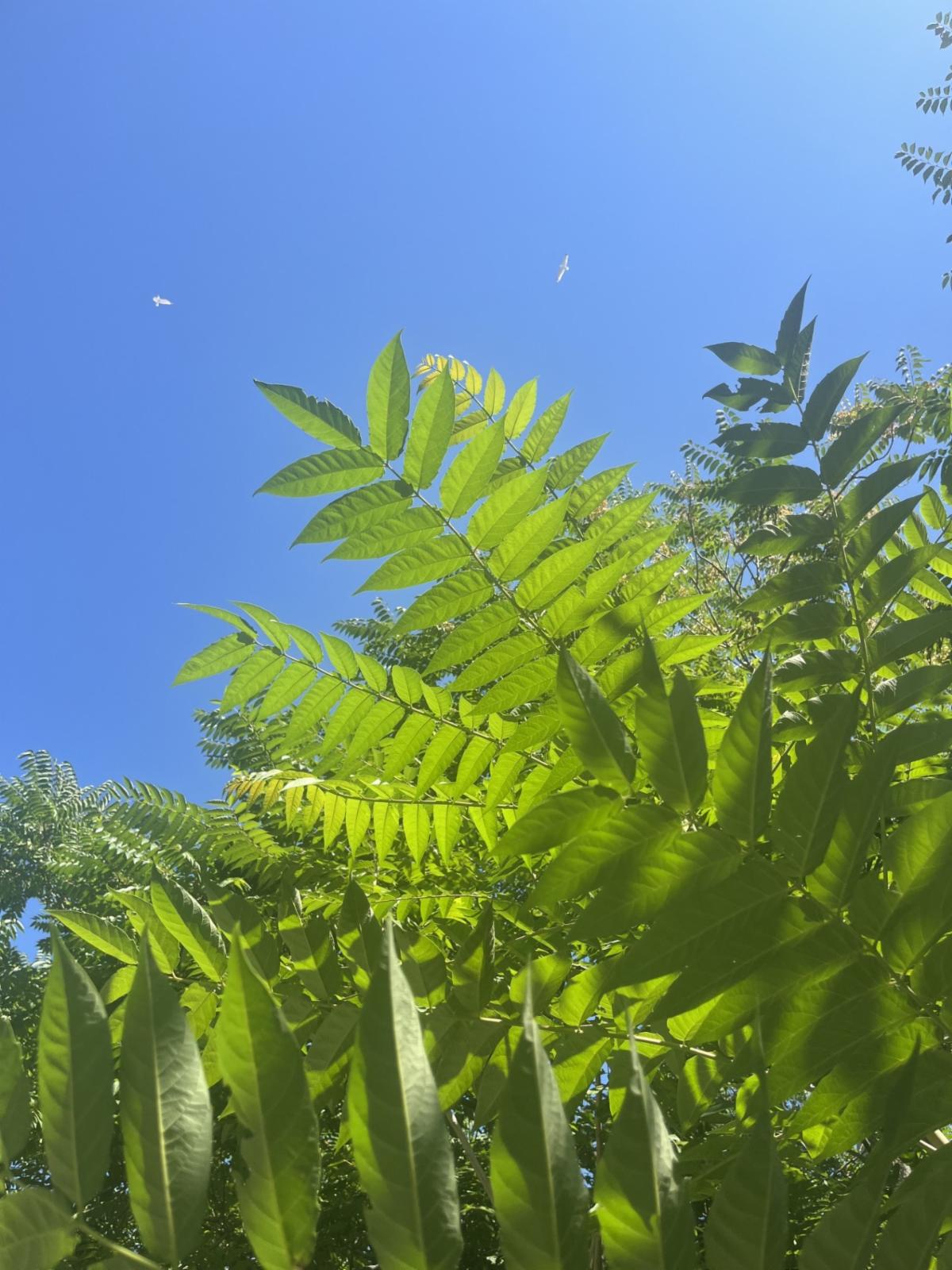
Easily confused due to their similar compound leaf shape, thick multi-trunked growth, and tendency for anthropogenic habitats, the invasive Tree of Heaven (Ailanthus altissima) and the native Sumacs are notorious doppelgangers in the plant world. Despite their similarities, these two trees have wildly different environmental impacts. Tree of Heaven can leave quite the trail of destruction in its path – it grows and reproduces with impressive speed, crowding out natives with its toxic secretions in the soil and breaking up foundations surrounding it. On the other hand, there are two Sumacs native to Cambridge, the Staghorn Sumac (Rhus typhina) and Smooth Sumac (Rhus glabra). These trees provide valuable benefits such as stabilizing soil and providing habitat for native species. Knowing the difference between Tree of Heaven and Sumac seedlings is crucial. Luckily, there are a few key distinctions to help you identify the distinction.
Tree-of-Heaven
- Leaves have some serration at the base, but mostly smooth along edges.
|
- Young twigs and stems are glabrous (no hair).
- Fruit hang in dry, yellow-brown seed clusters; flat so they can spread in the wind. Dried seed pods may stay until the winter.
| - Mature bark is gray with vertical features of lighter color.
| - Can reach 60-70 feet; younger trees often exhibit shrub - like growth.
| - Foliage exhibits strong nutty scent, which is especially strong when crushed.
| |
Sumac
- Leaves are sharply toothed/serrated throughout entire length.
| |
- Young twigs and stems are pubescent (covered in hair).
- Fruit is made of a bright red up right cluster of berries. These will sometimes remain present event into the winter.
| | - Mature bark is gray-brown with horizontal lenticels, with or without vertical features.
| | - Small tree/large shrub - rarely grows taller than 40 feet; lean trunks.
| | Species Highlight: Honeylocust (Gleditisia triacanthose) | | |
Native to central North America, honeylocusts (Gleditisia triacanthose) are an urban favorite for their light canopy that allows for dappled shade and their ability to adapt to harsh soils. The trees bloom subtle yellowish-green flowers from May to June, and their leaves transform into a cheerful gold in fall months. They are also characterized by their long seed pods that fruit between September and October and can stay on the trees until February.
Wild honeylocusts present fierce, barbed thorns which are thought to have originally evolved to ward off Pleistocene megafauna. These thorns have almost entirely been genetically engineered out of urban cultivars, which are now considered “thornless.” It’s worth mentioning that these varieties are still considered the same species, and occasionally offspring of a thornless variety will present thorns.
The unique name gives many people pause as well. ‘Honey’ hails from the sweet fleshy parts inside the seed pods that many animals like to feast on – although we don’t recommend you try this, as the seeds are toxic. ‘Locust’ comes from the resemblance of the seed pods to that of the carob or ‘locust’ tree from the Middle East.
The honeylocust also closely resembles the black locust, which is classified as an invasive due to its aggressive growth and nitrogen-fixing nature which can alter soil chemistry. You can tell them apart by length of the seed pods – the honeylocusts’ are 12-18 inches and lime green to reddish brown while the black locusts’ are only 2-4 inches and dark brown. The bright flowing white flowers of the black locust are also much showier than honeylocust’s subtle yellow ones.
If you’re looking to sees these trees in Cambridge, you don’t need to look far! With over 3000 honeylocusts throughout the city, it’s pretty likely there’s one on your street.
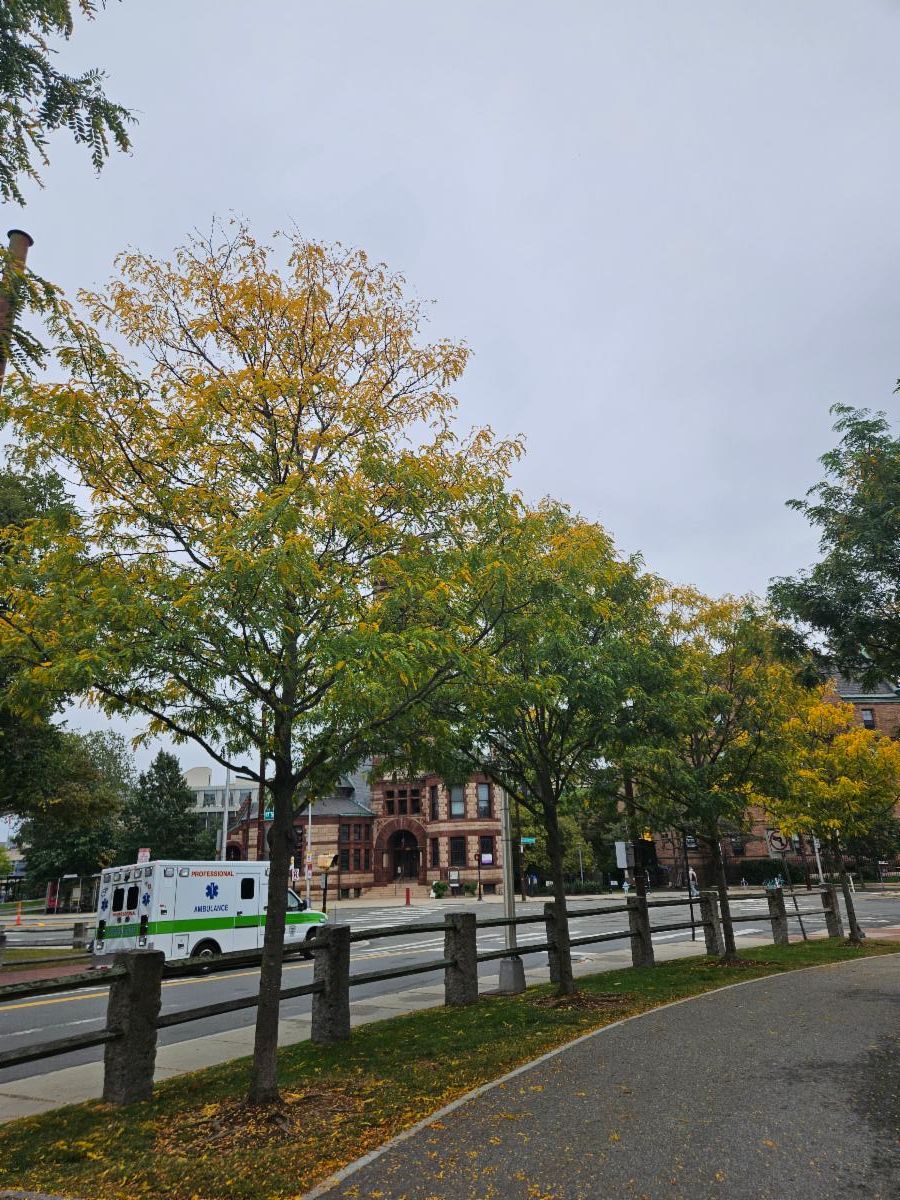
| | Honeylocusts in the Cambridge Common show off their early fall colors. | | |
Forest Foe: Norway Maple (Acer Platanoides)
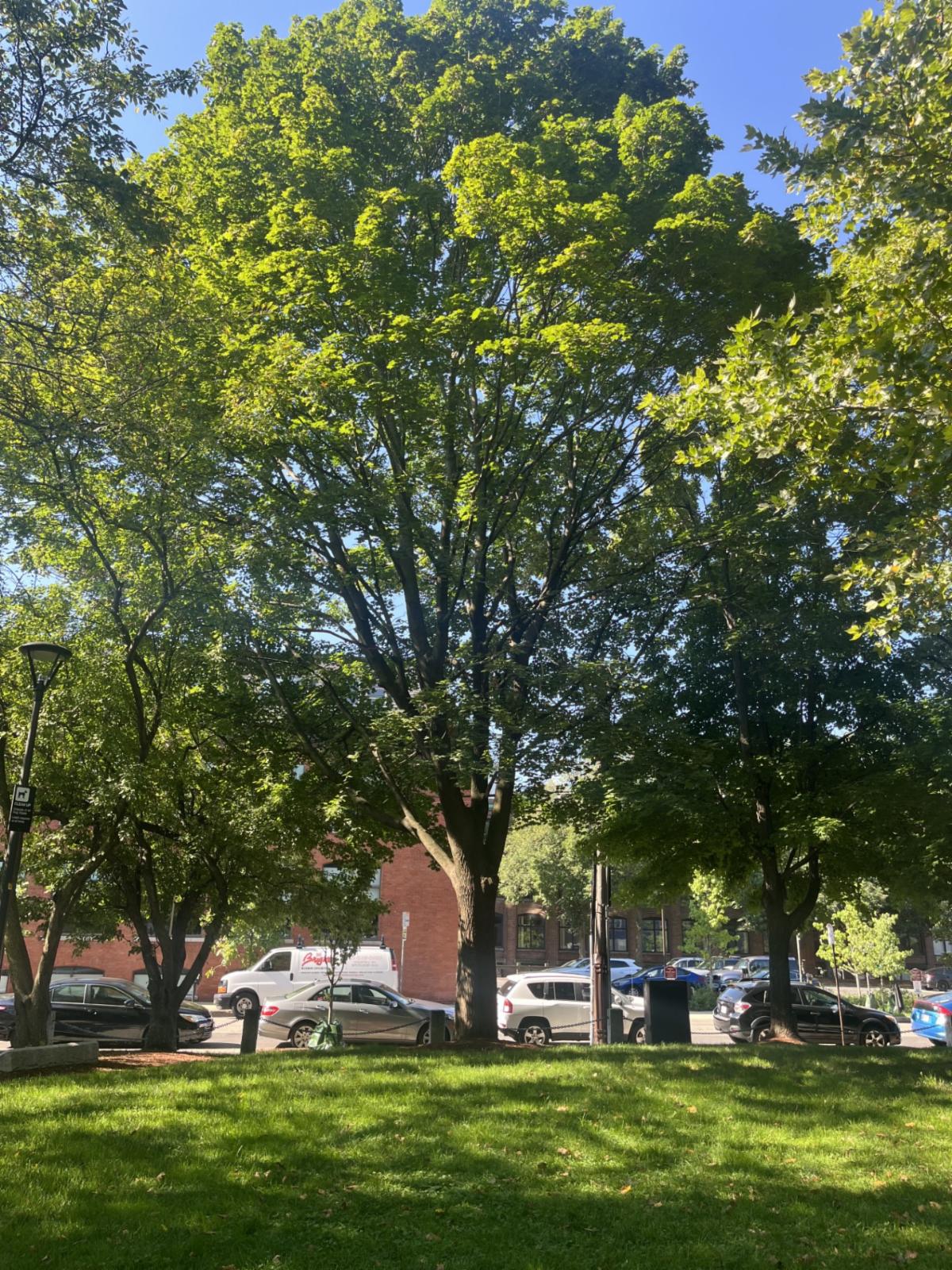
Norway Maples (Acer platanoides) offer a staple gold in the autumn foliage of New England fall. But did you know they are actually considered an invasive species in Massachusetts, among other regions across North America? These trees produce aggressive quantities of seeds and grow dense foliage that is too thick for many native trees to develop underneath. Some research suggests they may even release toxic chemicals into the ground that can inhibit the growth of other plants. In combination with their stress and low light tolerance and lower herbivory levels than natives, Norway Maples are often able to outcompete other maples.
If this is the case, why are there still thousands of Norway Maples throughout Cambridge? These European newcomers were planted heavily throughout urban and suburban areas after Dutch elm disease devastated urban forests, killing off most American elms. They were favored for their fast growth and resilience to poor soil conditions. The result was a huge boom in young Norway Maples in the 1970s and 80s before their invasive tendencies became clear to urban foresters. Cambridge fell victim to this same trend, and Norway Maples became one of the most planted species in the city. Massachusetts introduced an official importation ban in 2006, and a propagation ban in 2009.
Unfortunately, removing these trees in large numbers would be devastating to the urban canopy. Instead, if you see young seedlings cropping up around nearby Norway Maples, you can hand pull them in spring before they grow stronger. As these trees begin to age and fail, urban foresters are looking to replace them with more appropriate species, incrementally reducing Norway Maple populations.
| | |
Upcoming Event - Danehy Park Family Day
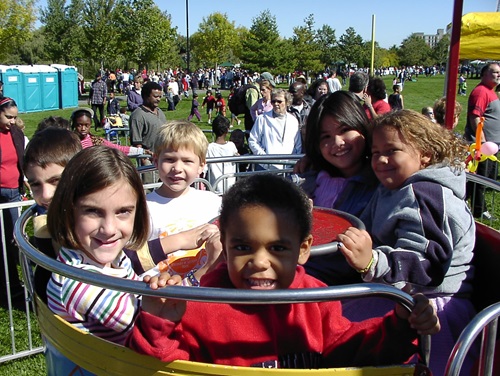
The annual Danehy Park Family Day is officially back for 2026! Join us on September 19th between 11am and 3pm for a day of activities, arts and crafts, children’s amusement rides, entertainment, food, and giveaways. All activities are completely free! Free shuttle busses will be running throughout the city to transport people to and from the event. For more information and bus routes, you can check here.
| | |
Stumped! Urban Forestry Treevia
Learn a fun fact about urban forestry in Cambridge!
| |
| Which of these processes do many trees undergo in the fall? | | | | |
The trivia answer will be revealed in next month’s newsletter!
Last month's question was "How do trees help improve urban heat island effect?” and the answer was " A: Trees block sun rays with leaves and branches, helping lower surface temperatures on asphalt and buildings". Did you get it right?
| | Become a Cambridge Urban Forest Friend | |
We need your help to maintain a healthy, vibrant urban forest! Any Cambridge resident willing to regularly water the tree and provide some general care for the tree is welcome to become a Cambridge Urban Forest Friend.
How to Start
| | |
Questions?
For questions about the Cambridge Urban Forest Friends, please contact Kristen Kelleher, Director for Communicatons at 617-349-4825 / kkelleher@cambridgema.gov.
**Please let us know if you are no longer caring for your street tree and we will remove you from the database and future emails**
| | Sign Up for a Tree with Green Cambridge | |
If you have space for a tree on your property, Green Cambridge can plant a tree to help expand Cambridge’s urban tree canopy! If you own your home in Cambridge, MA and would like Green Cambridge to plant a tree in your yard, visit https://www.greencambridge.org/canopycrew
| | | | |