July 2025 Newsletter

Contents

  1. Cambridge Awarded Tree City USA  
  2. Largest Trees Map 
  3. Sprout Support: Water Your Street Trees! 
  4. Committee on Public Planting Visits Danehy Park 
  5. Species Highlight: Goldenrain Tree (Koelreuteria paniculata
  6. Forest Foe: Black Swallow Wort 
  7. Stumped! Cambridge Urban Forestry Treevia
  8. Become a Cambridge Urban Forest Friend 
  9. Sign Up for a Free Tree with Green Cambridg 

Cambridge Awarded Tree City USA


Tree City USA is a nationwide recognition awarded by the Arbor Day Foundation to cities and towns who demonstrate a commitment to community through trees. Eligible municipalities must meet or exceed standards for tree maintenance and community commitment. Each year, the Massachusetts Department of Conservation and Recreation (DCR) reviews applications for Tree City USA and recommends applicants for the award to the Arbor Day Foundation. Cambridge has long been a leader and advocate for urban forestry in Massachusetts, New England, and beyond.  


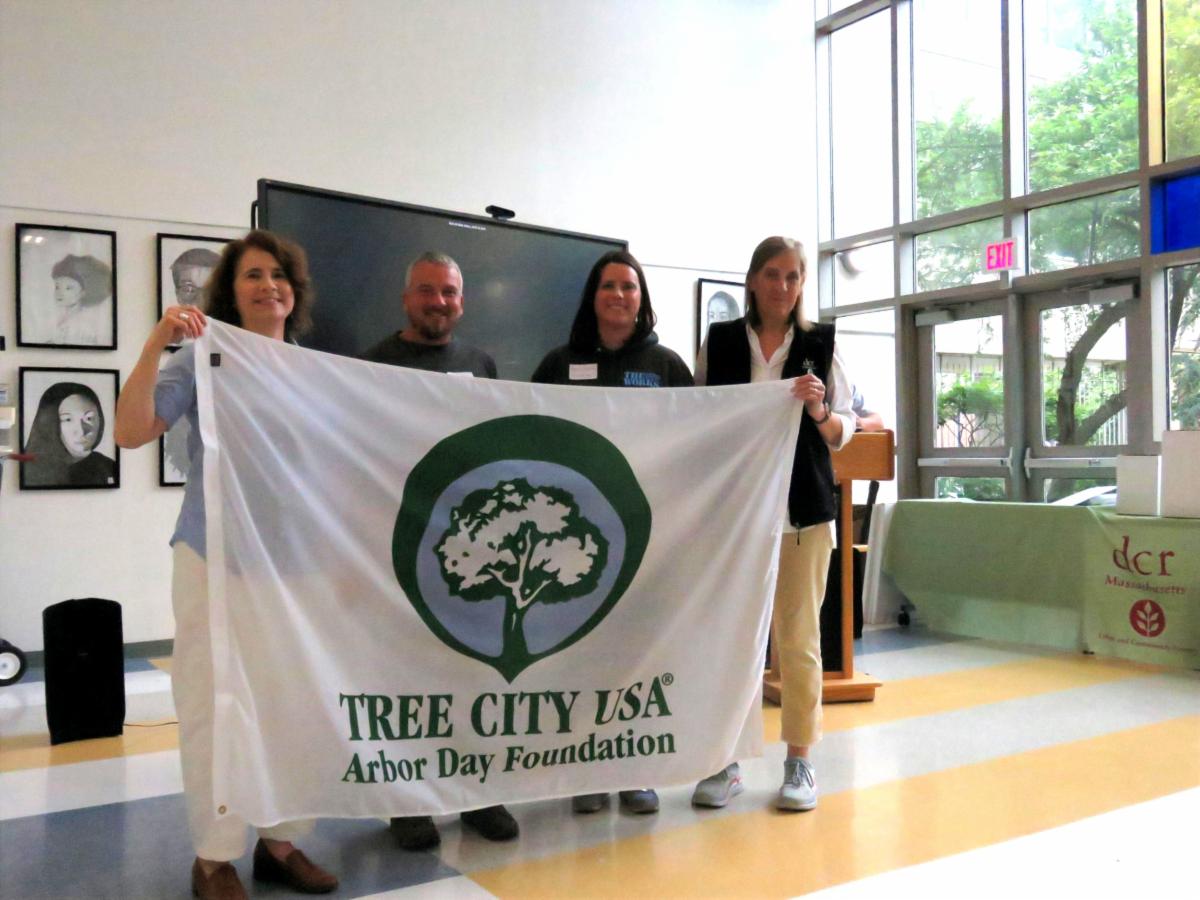
The 2024 Tree City USA ceremony was held last month in Malden, and Cambridge was awarded Tree City for its 33rd year in a row. In addition, Cambridge was recognized for its high level of tree care and community engagement with the Growth Award for its 20th year. You can learn more about the Tree City USA Program here:


https://www.arborday.org/our-work/tree-city-usa 

Largest Trees Map


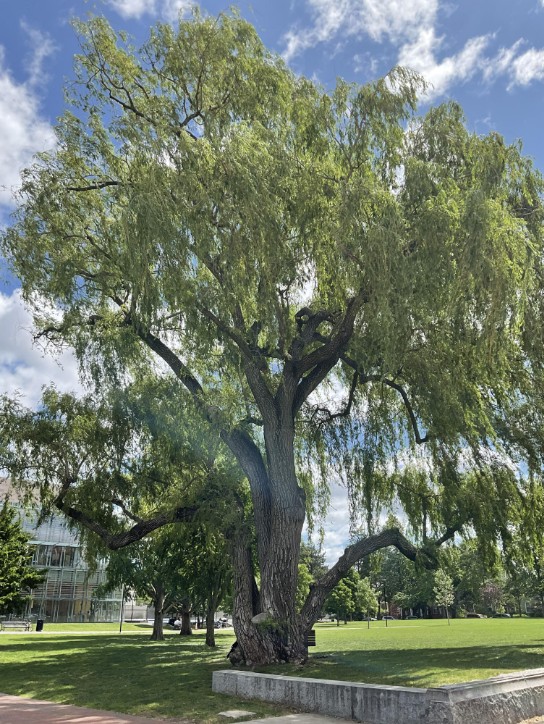
Cambridge trees are spread throughout the City, lining our streets and shading our parks. Mature, large trees can be found in every Cambridge neighborhood. Our largest City trees have grown witnessing the changing personalities of each neighborhood and are truly a part of our City's rich history. Scroll through this Story Map tour to locate the largest tree in your neighborhood or the closest large tree to your home. These large trees are a variety of species with different crown shapes and fall color. You can visit these trees to observe their mighty canopies and broad trunks. You can view the largest tree in each Cambridge neighborhood here!  


Sprout Support: Water Your Street Trees!

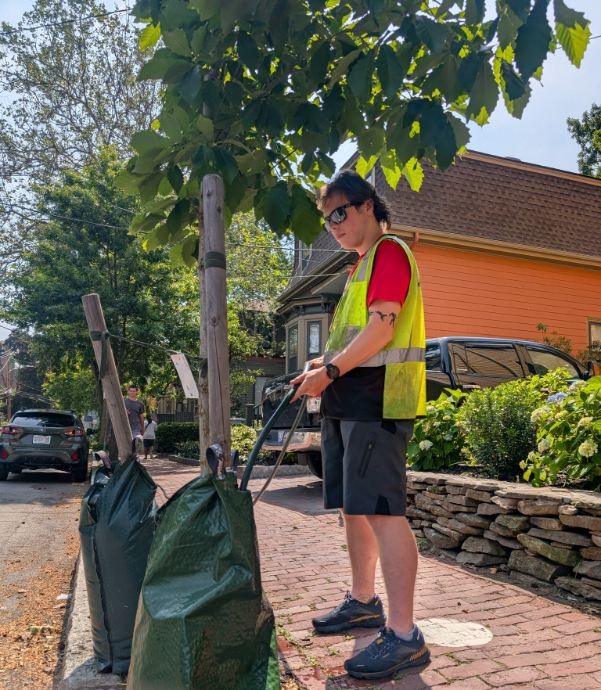
Please help our urban forest thrive by watering your street trees, especially new and younger trees. New trees are watered by Public Works, Water By Bike interns, or the tree planting contractor, but new trees need a lot of water. Forest Friends can help by filling each gator bag once a week.  

Committee on Public Planting Visits Danehy Park

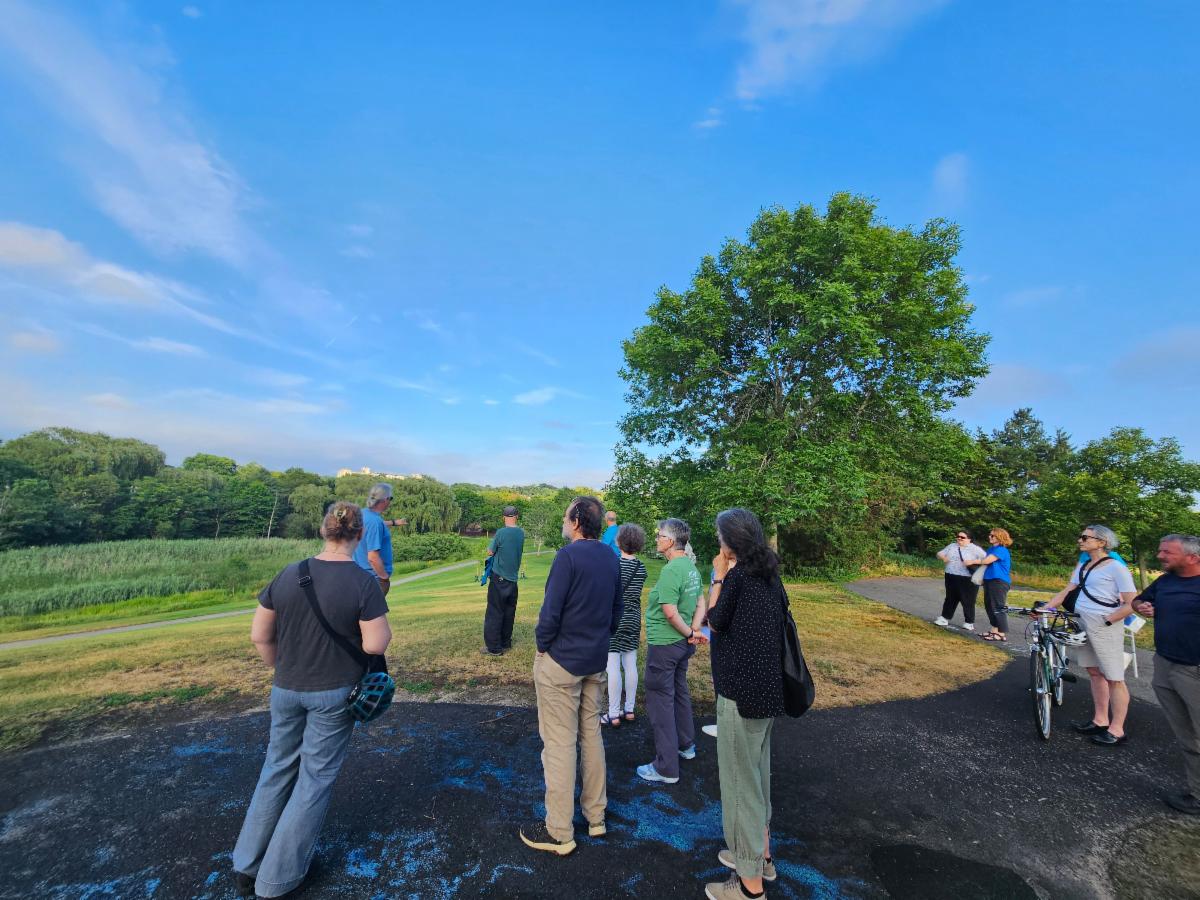
The Committee on Public Planting (CPP) meets monthly and provides support to Urban Forestry, Parks, and Community Development Department staff to improve the quality and diversity of plantings throughout Cambridge. Each July meeting of the CPP is a site visit to an area of interest. This year CPP toured Danehy Park. Members and the public walked the park paths and viewed newly planted trees, the Miyawaki Forest, the new native plant garden, Louis A. DePasquale Universal Design Playground, and more. City staff from Public Works and Community Development discussed the challenges the park faces being on top of a former landfill and opportunities for improvements during the Danehy Park Improvement Plan process.  

Species Highlight: Goldenrain Tree (Koelreuteria paniculata) 

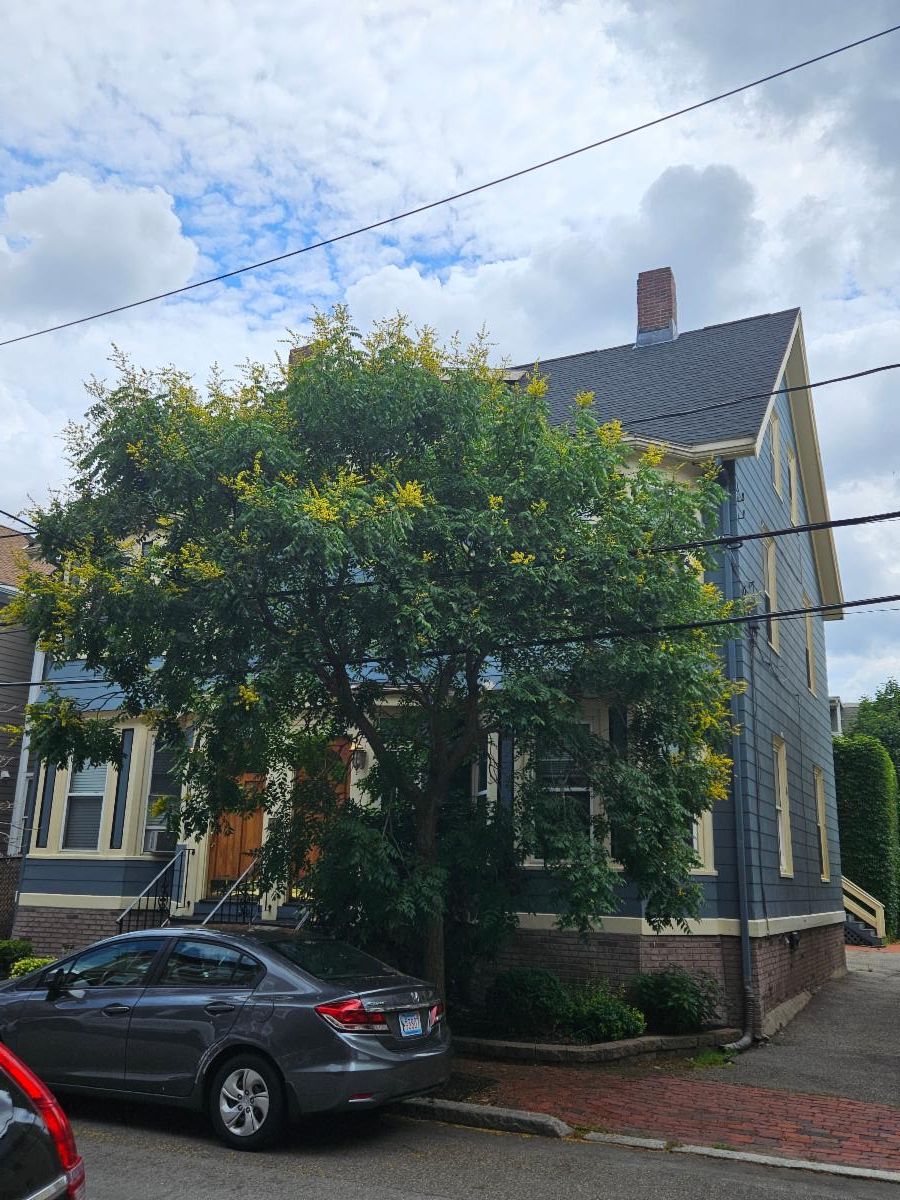
The Goldenrain tree is a medium-sized deciduous tree that is currently flowering in Cambridge. While not native to the US, it’s tolerance of drought, pollution, and heat make it a suitable tree for some city planting sites. Goldenrains are showing their yellow flowers now, but in a few months the tree will feature orange leaves and papery, lantern-like fruit. While not listed as an invasive species in Massachusetts, some states are concerned about the potential invasive tendencies of this tree. This is an important factor that Urban Forestry considers when selecting planting locations for this tree species.    

Forest Foe: Black Swallow Wort (BSW) 

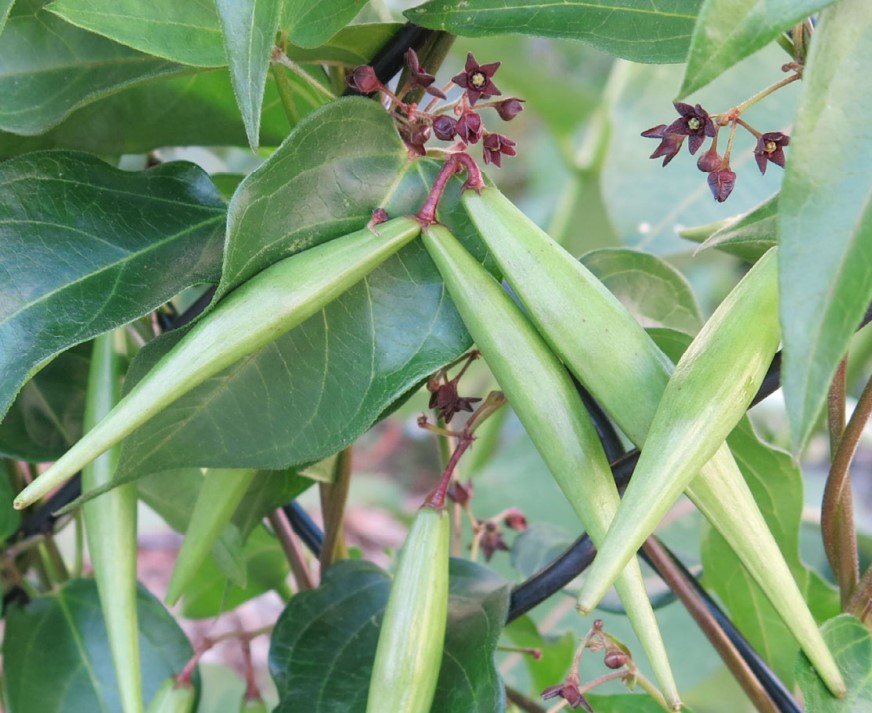
Black swallow wort is an invasive fast-growing vine. Have you seen it? Look for a vine with dark-green, shiny leaves that are 2-5” long with pointed tips. Flowers are small and purple with 5 petals. Seeds are dispersed by the wind when the dry brown seed pods break open later in the summer. The vine can be found most anywhere but often grows along fence lines. BSW is similar to milkweed in that it attracts monarch butterflies to lay their eggs but the leaves are toxic to the monarch caterpillars. Remove small plants with hand pulling. Larger plants can be dug. Dispose of BSW in the trash and not in yard waste or compost. More information can be found on Mass.gov. 

Stumped! Urban Forestry Treevia

Learn a fun fact about urban forestry in Cambridge!


The trivia answer will be revealed in next month’s newsletter!


Last month's question was " How many gallons of water does one gator bag hold?" and the answer was "C. 20" 


How many trees were planted this spring at Danehy Park?

Become a Cambridge Urban Forest Friend

We need your help to maintain a healthy, vibrant urban forest! Any Cambridge resident willing to regularly water the tree and provide some general care for the tree is welcome to become a Cambridge Urban Forest Friend.


How to Start

Questions?


For questions about the Cambridge Urban Forest Friends, please contact Kristen Kelleher, Community Relations Manager at 617-349-4825 / kkelleher@cambridgema.gov.


**Please let us know if you are no longer caring for your street tree and we will remove you from the database and future emails.**

Sign up for a free tree from Green Cambridge

If you have space for a tree on your property, Green Cambridge can plant a free native tree to help expand Cambridge’s urban tree canopy! If you own your home in Cambridge, MA and would like Green Cambridge to plant a tree in your yard for FREE, visit https://www.greencambridge.org/canopycrew
Thanks for reading! 

If you enjoy the Cambridge Urban Forest Friends newsletter, you can spread the word about it with this sign-up link. With more sign-ups, more Cambridge residents can learn about how to best support our environment and communities. 
Facebook  X