|
|
Contents
1. Learn About Our Intern’s Work: Get Inspired to Care for Our Urban Forest
2. Safe Moving for Trees & the Community
3. Avoid Building Raised Beds
4. Species Highlight: Smoketree
5. Forest Foe: Asian Long-Horned Beetle (ALB)
6. Urban Forestry Trivia
7. Become a Cambridge Urban Forest Friend
8. Sign Up for a Free Tree with Green Cambridge
9. Take the CRWA Tree Survey
|
|
Learn About Our Interns' Work:
Get Inspired to Care for Our Urban Forest
|
Cambridge Urban Forestry has had the pleasure of having three summer interns this year. Here’s more about each of them and their work keeping Cambridge green!
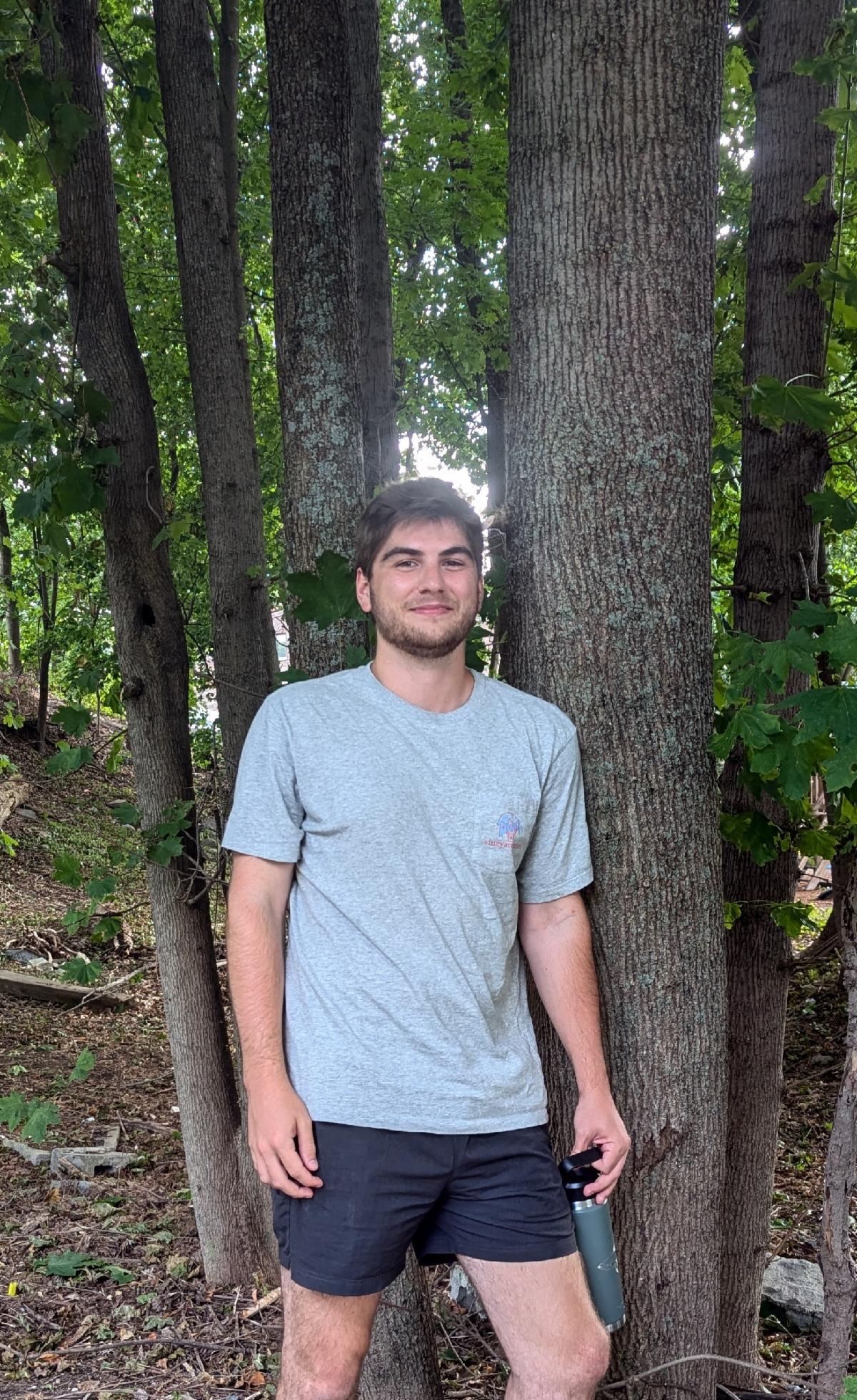
Francesco Attaccalite:
I'm a student at UMass Amherst studying to get my Master's degree in geography. I've been working on inspecting young, less established Cambridge street trees and reporting if they need any type of care or replacement, as well as doing some work with the database behind the tree inventory. So far I've enjoyed spending time outdoors and contributing to something tangible like improving tree coverage.
|
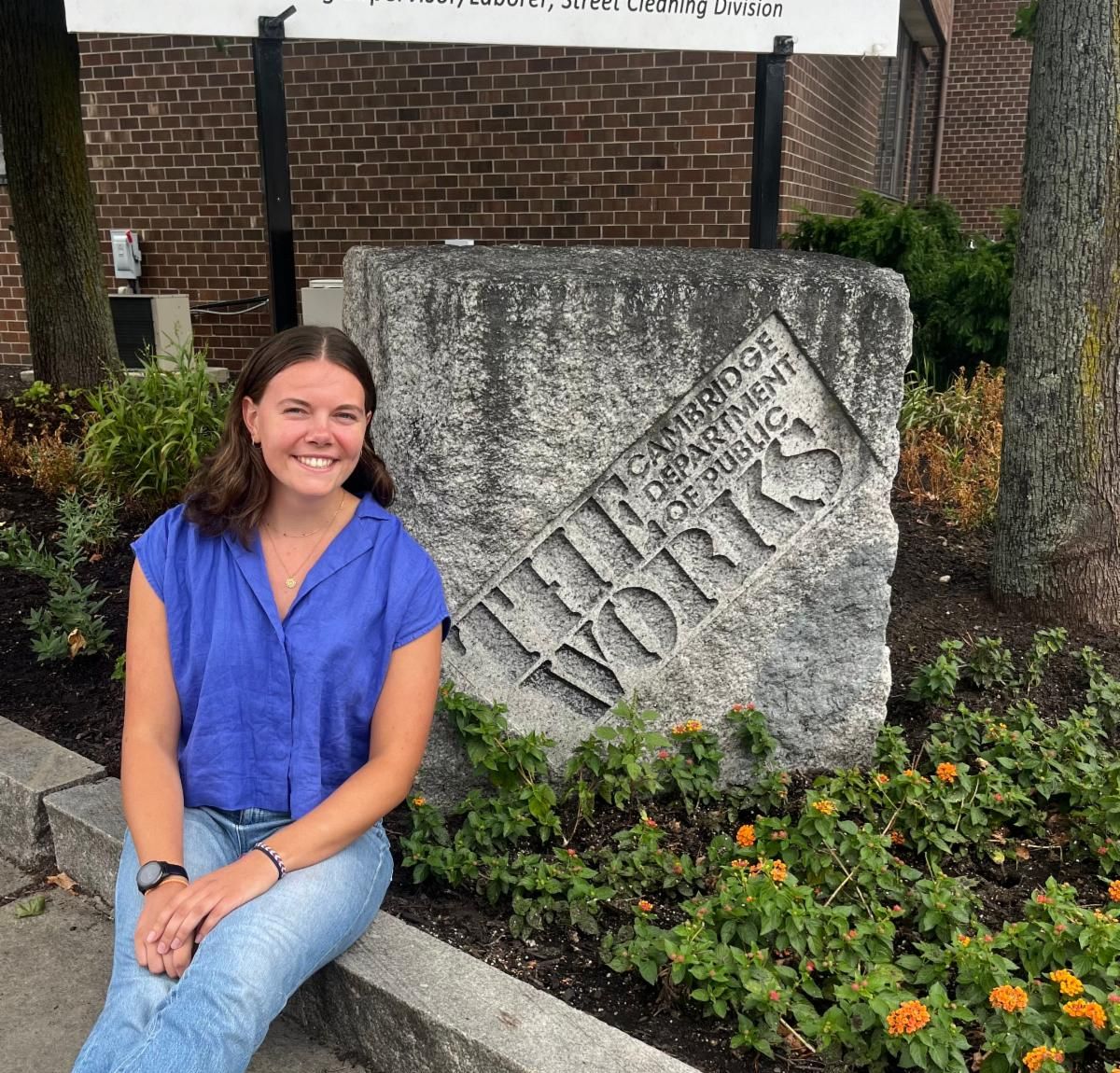
Abby Murphy:
I’m an English and political science student going into my senior year at Williams College. I've spent my summer working for DPW’s community relations and urban forestry divisions. I worked on content—this newsletter, flyers, posters, videos, and photos—explaining and advocating for Cambridge's urban forest. I have loved learning about the many trees on Cambridge streets and being able to share that knowledge with the community.
|
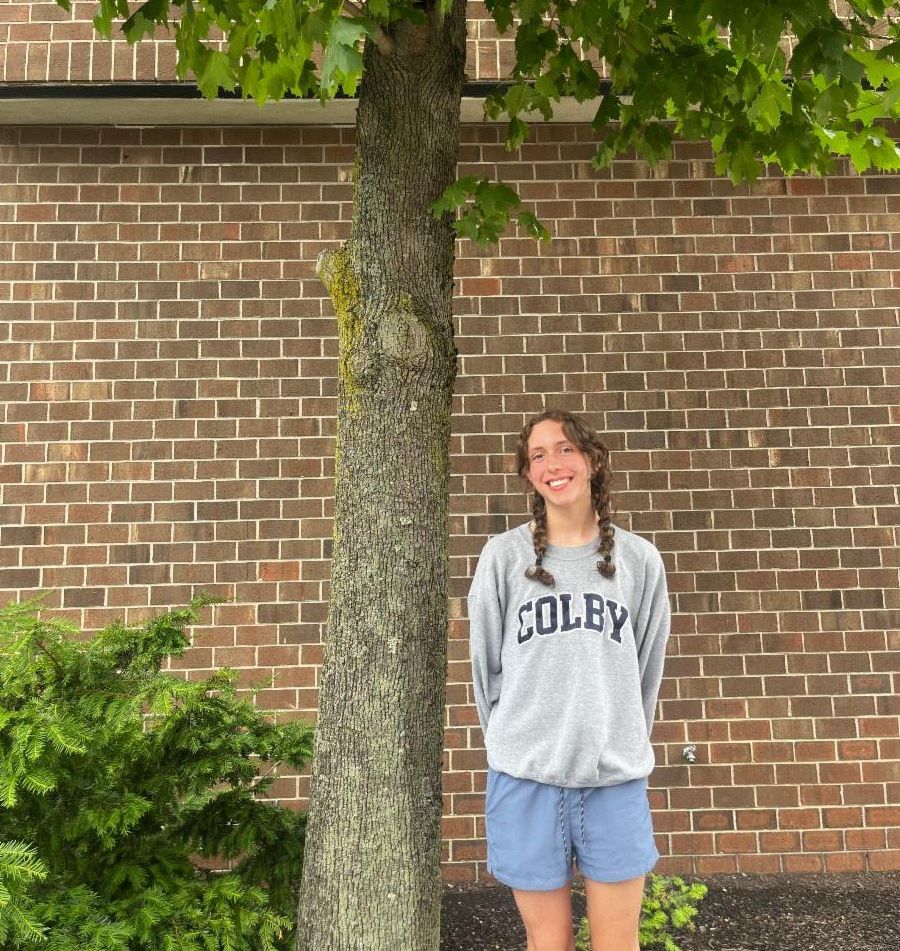
Jack Fitzgerald:
I am an environmental engineering and landscape architecture student from Northeastern. I am currently surveying sidewalks for potential locations of new trees. I enjoy this work because it allows me to be outside and I love nature, especially trees, and would like to learn more about them.
|
Al Pirani:
I am a rising Junior at the Cambridge Rindge and Latin School. I have been working with the Department of Public Works, in community relations, for the majority of the summer. During my time here, I mainly researched and wrote pieces for the Forest Friends newsletter, ranging from advice on good, tree related books for little kids to various tutorials on how to care for trees. I have enjoyed my time working with the community here and am thankful for the beneficial experiences that I gained.
|
You can contribute to Cambridge’s urban forest too! The easiest way to support our trees is by watering them as a Forest Friend. Cambridge Urban Forest Friends sponsor nearby trees by regularly watering them and tending to their needs. Public Works staff, Water-By-Bike interns, and the tree planting contractor water newly planted trees, but you can help out by filling the gator bags on street trees once a week. Sign up to sponsor a tree here, and pick up gator bags for street trees from the Department of Public Works at 147 Hampshire St.
|
|
Safe Moving for Trees & Our Community |
|
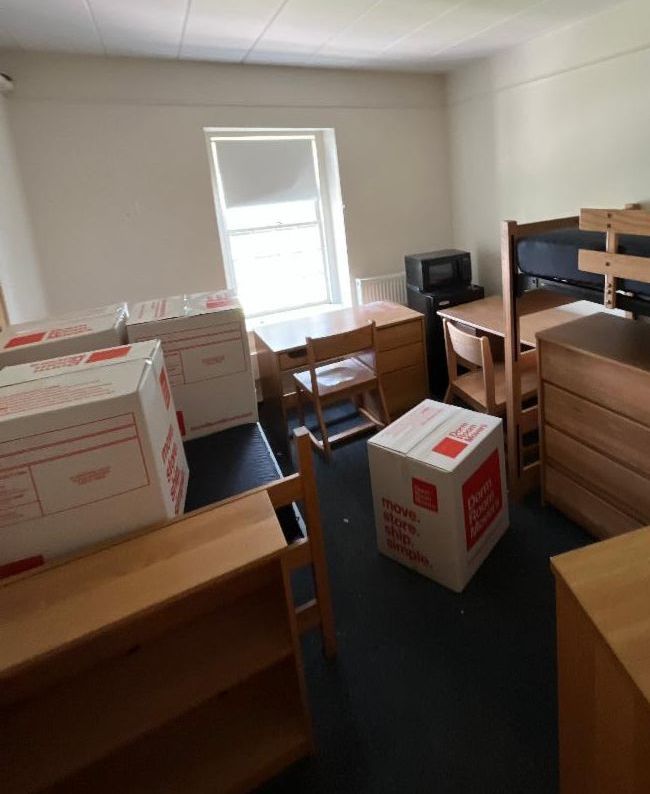
Cambridge is a moving hub between the end of August and the start of September. If you’re renting a moving truck or hiring a moving company, be careful to avoid overhead branches and tree trunks while parking or driving in Cambridge. If you’re placing signs on trees (like for a Moving Van Permit), use wire, and be sure to remove the signs and wire from the tree once the permit has expired. Signs left on trees can damage bark. |
|
Photo 4: Moving out? This dorm room is packed up, but these students will be careful to keep trees in mind when leaving. |
|
Avoid Building Raised Beds |
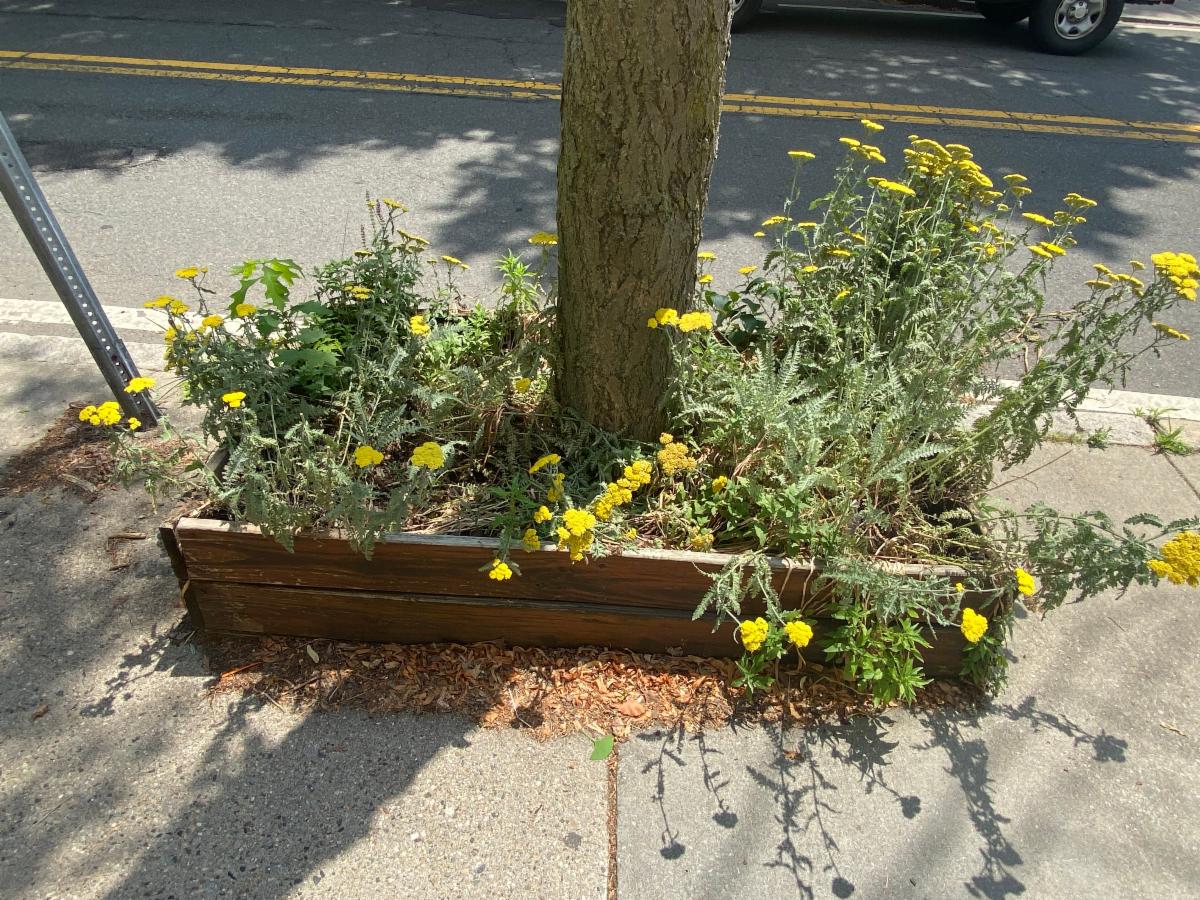
Raised beds around trees may look nice and seem like a good addition to the tree well, but they’re actually harmful to the tree’s health. What makes them bad for trees?
Raised beds put the trees under stress because they interfere with tree roots, especially at the top of the soil. The topmost tree roots are key to a healthy tree because of the oxygen readily available toward the top of soil. Raised beds bury the root flare of the tree, causing the tree to grow damaging girdling roots. When trees become stressed, they are more susceptible to disease and insect infestation. Thus, raised beds may create a cute landscape today, but they create long-term problems that will be seen in a number of years. Additionally, raised beds are a safety issue in our communities, posing a tripping hazard to pedestrians.
|
|
Photo 5: A resident has good intentions in building a raised box around this tree, but it ultimately harms the tree. |
|
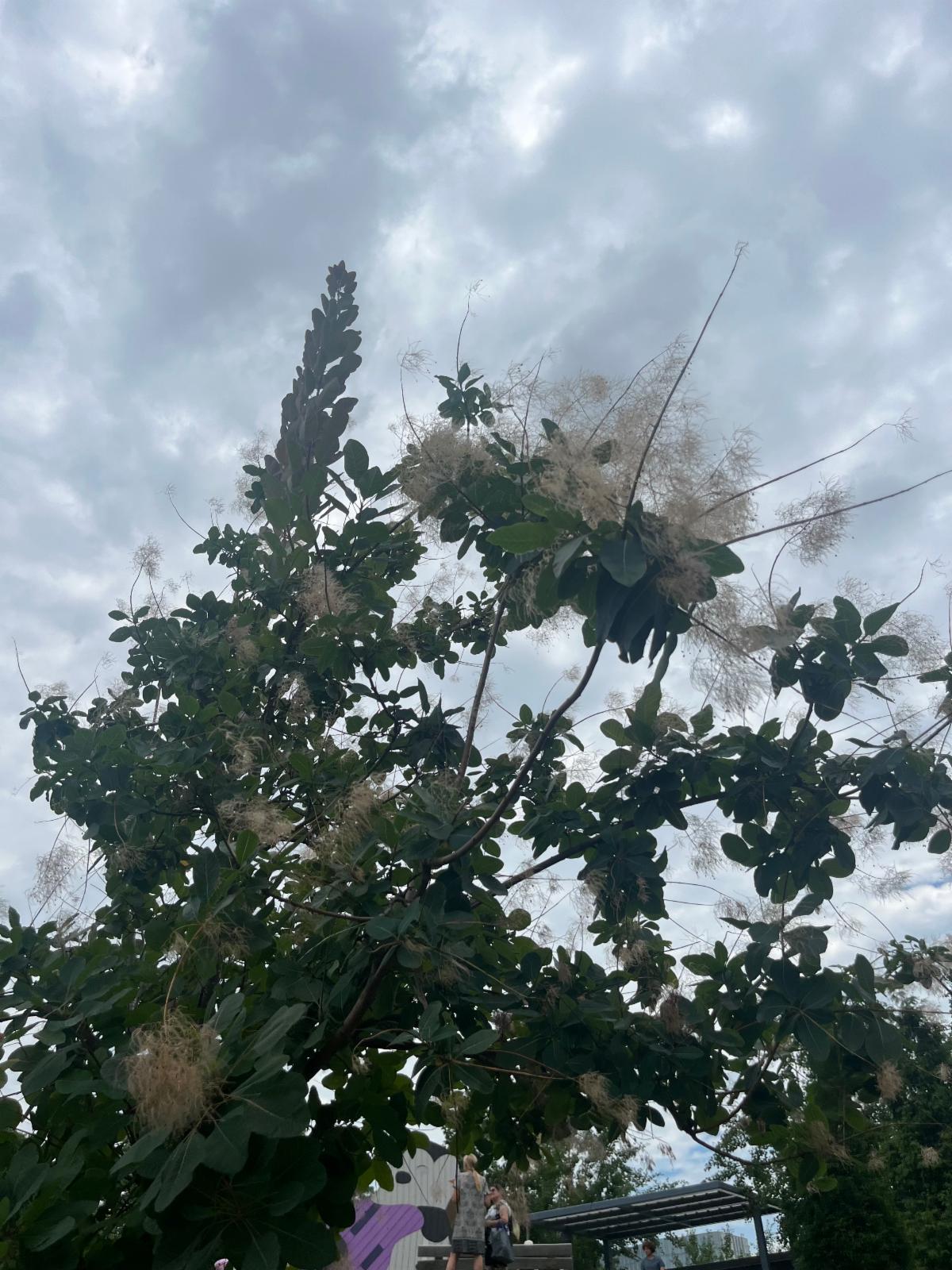
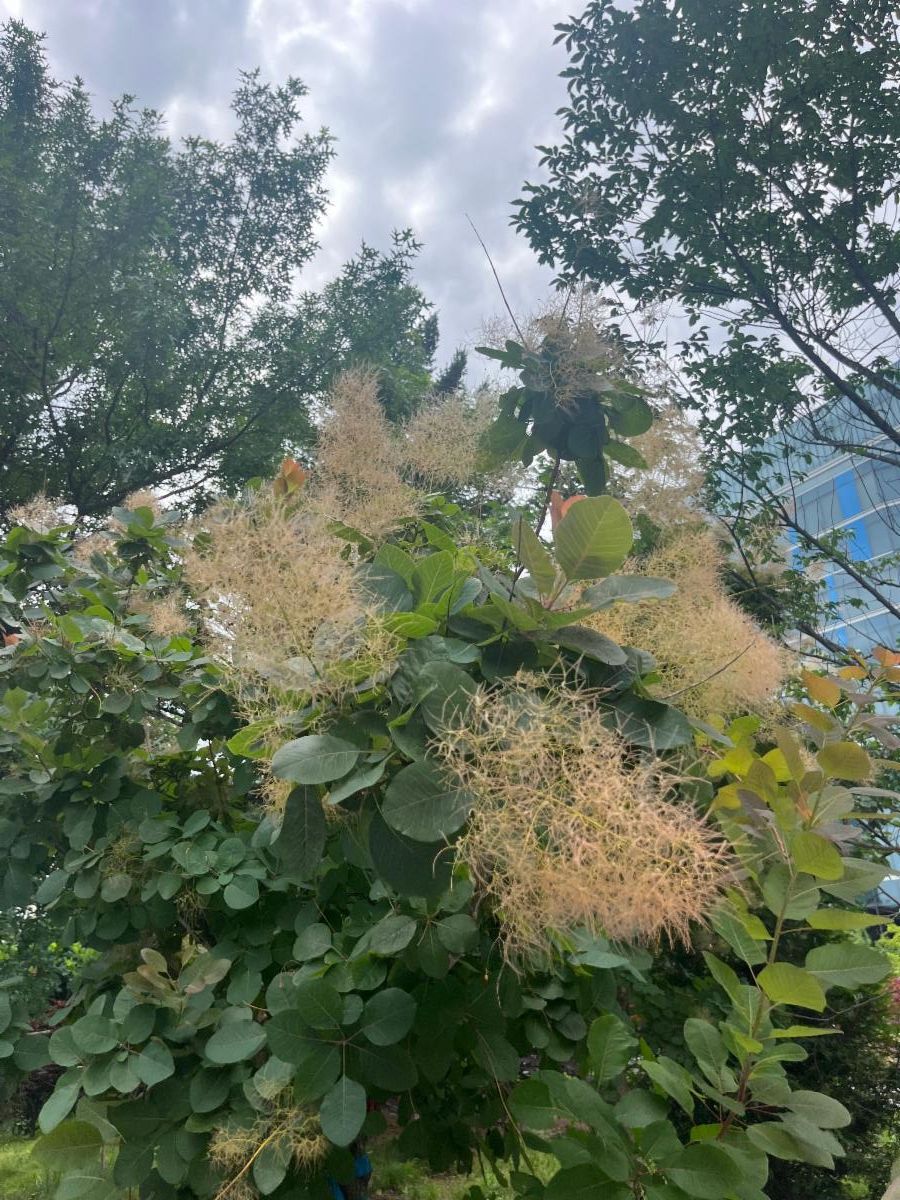
If you’ve noticed a tree or shrub that has flowers appearing unusually smokey and puffy, you have likely come across a smoketree. This large shrub is sometimes even seen in tree form, like at Tim Toomey Park. This tree blooms over the summer with six-to-ten-inch flowers that look like pink smoke puffs. The flowers come in hairy clusters, which gives the tree its smokey appearance.
This tree is commonly found farther south in the U.S. because it holds up well in hot and dry conditions. It requires a lot of sunlight to survive, so you will probably find it in more open, sun-filled spots in the city. When it is not in bloom, you can identify the smoketree by its oval-shaped leaves and bright fall foliage.
Is a tree smoking near you? It’s probably not on fire.
|
|
Photo 6: A smoketree in Timothy J. Toomey, Jr. Park. |
Photo 7: A smoketree contributes to the Triangle Park urban forest. |
|
Asian Long-Horned Beetle (ALB) |
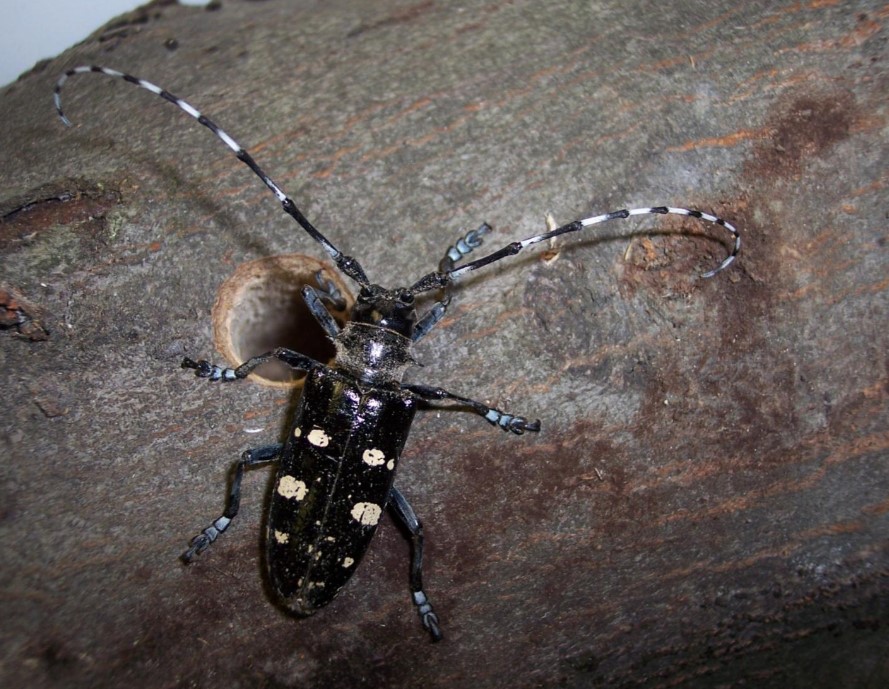
The Asian long-horned beetle presented big problems for Boston back in 2010. This bug is capable of causing more damage than Dutch elm disease, chestnut blight, and gypsy moths combined, according to Mass.gov. ALB prefers maple, horsechestnut, birch, planetree, poplar, willow, and elm. There is not a cure for ALB yet, so the main treatment is destroying trees where it is found. So, when it was found in Boston in 2010, the city took it very seriously. Boston was able to eradicate the beetle, but it still wreaks havoc in nearby Worcester. While ALB is gone from our immediate area, we should remain vigilant for any signs of its return. Early detection of the beetle is crucial for preventing significant infestations.
You can identify the Asian long-horned beetle by looking for a beetle 1 to 1.5 inches in length with six legs. It has a shiny black body with random white spots. ALB has a few lookalikes, familiarize yourself with some of them here. The signs of an infestation on host tree species include dime-sized holes, scars in the bark, dead branches, and sawdust-like material near the tree. If you notice these features on a host species, you can report ALB here. |
|
Photo 8: An Asian long-horned beetle and the characteristic dime-sized hole chewed into a tree trunk by the beetle. Photo from Massachusetts DCR. |
|
Urban Forestry Trivia
Test your knowledge of urban forestry in Cambridge.
|
|
|
What type of habitat does the city of Cambridge most resemble?
|
|
|
|
The trivia answer will be revealed in next month’s newsletter!
Last month's question was "Which three species make up the majority of Cambridge’s urban forest?” and the answer was “Norway maple, pin oak, and honey locust.”
|
|
Become a Cambridge Urban Forest Friend |
We need your help to maintain a healthy, vibrant urban forest! Any Cambridge resident willing to regularly water the tree and provide some general care for the tree is welcome to become a Cambridge Urban Forest Friend.
How to Start
|
|
Questions?
For questions about the Cambridge Urban Forest Friends, please contact Kristen Kelleher, Community Relations Manager at 617-349-4825 / kkelleher@cambridgema.gov.
**Please let us know if you are no longer caring for your street tree and we will remove you from the database and future emails.**
|
|
Sign Up for a Free Tree from Green Cambridge |
If you have space for a tree on your property, Green Cambridge can plant a free native tree to help expand Cambridge’s urban tree canopy! If you own your home in Cambridge, MA and would like Green Cambridge to plant a tree in your yard for FREE, visit https://www.greencambridge.org/canopycrew
|
|
Take the CRWA Tree Survey |
|
The Charles River Climate Compact is developing a regional tree protection and planting plan. As part of this work, they have asked us to share a brief survey on trees:
Trees are one of our greatest climate solutions––providing cooler neighborhoods, clean air, flood mitigation, cleaner water, and mental health benefits. The Charles River Watershed Association is studying trees across the watershed where we are losing tree canopy at a concerning rate. CRWA is seeking solutions to maximize the benefits of existing trees, help protect mature trees from invasive species, and identify new opportunities for tree planting. They want to hear from you—please take this brief survey to inform this work.
|
|
Thanks for reading!
If you enjoy the Cambridge Urban Forest Friends newsletter, you can spread the word about it with this sign-up link. With more sign-ups, more Cambridge residents can learn about how to best support our environment and communities. |
|
|
|
|
|
|