Research Associate Adele Rossetti Begins Artist Residency in Brazil’s Atlantic Forest🌿

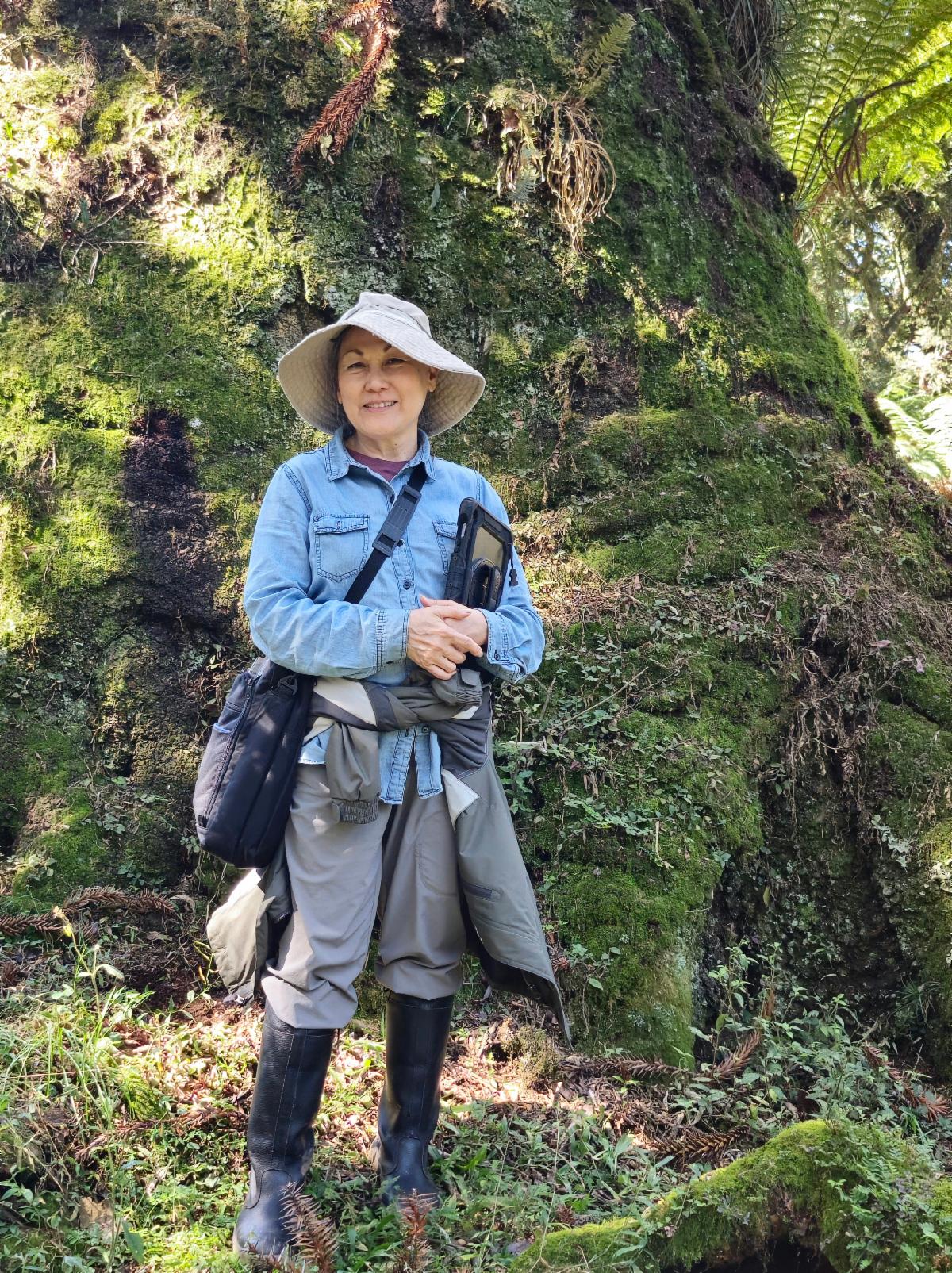
Adele beside the largest and oldest recorded Paraná pine (Araucaria angustifolia) in the Atlantic Forest of Santa Catarina, Brazil.

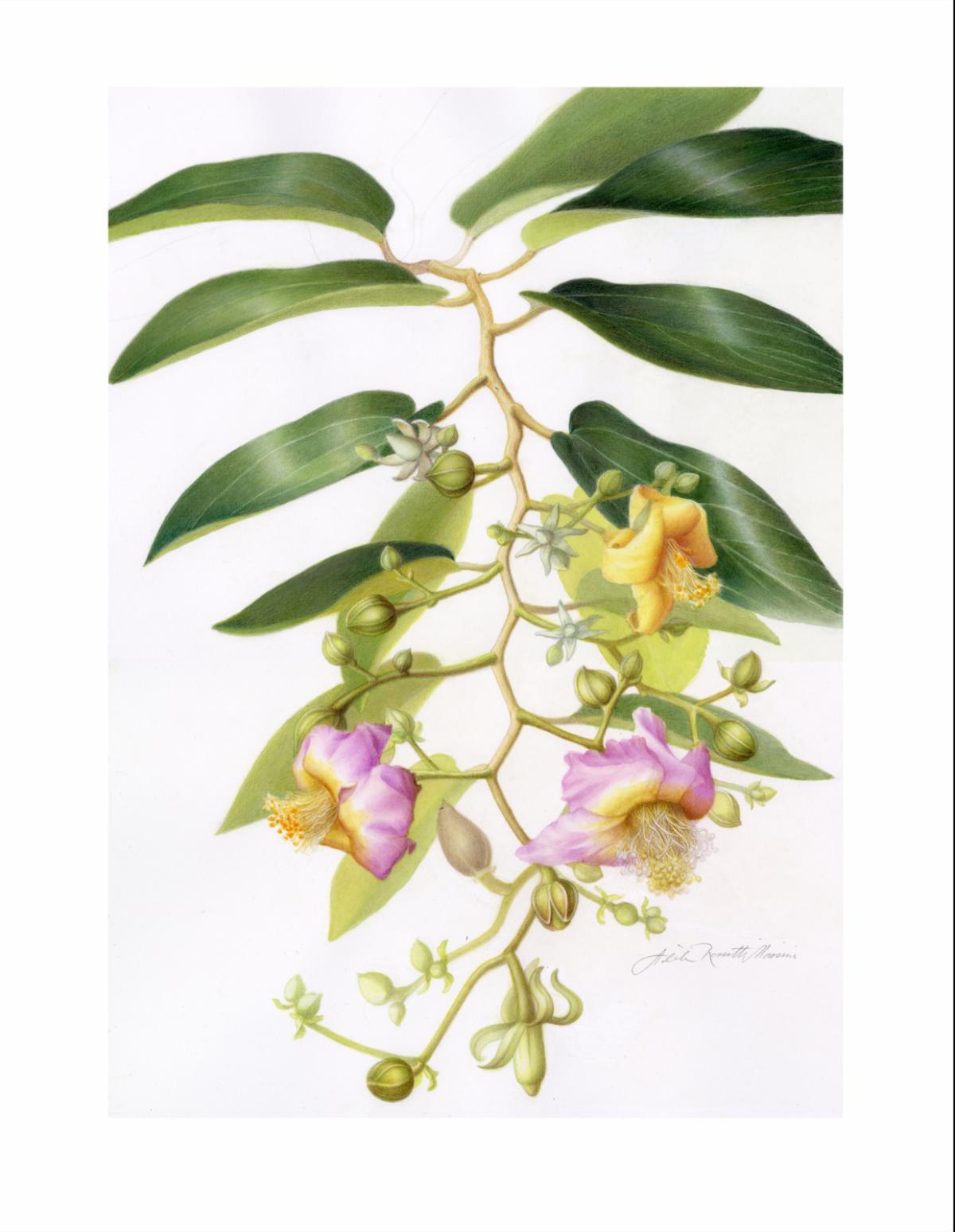
“Açoita Cavalo,” Adele Rossetti’s watercolor of Luehea divaricata, an understory tree native to the southern Atlantic Forest. The painting was recently acquired by the Hunt Institute for Botanical Documentation at Carnegie Mellon University.

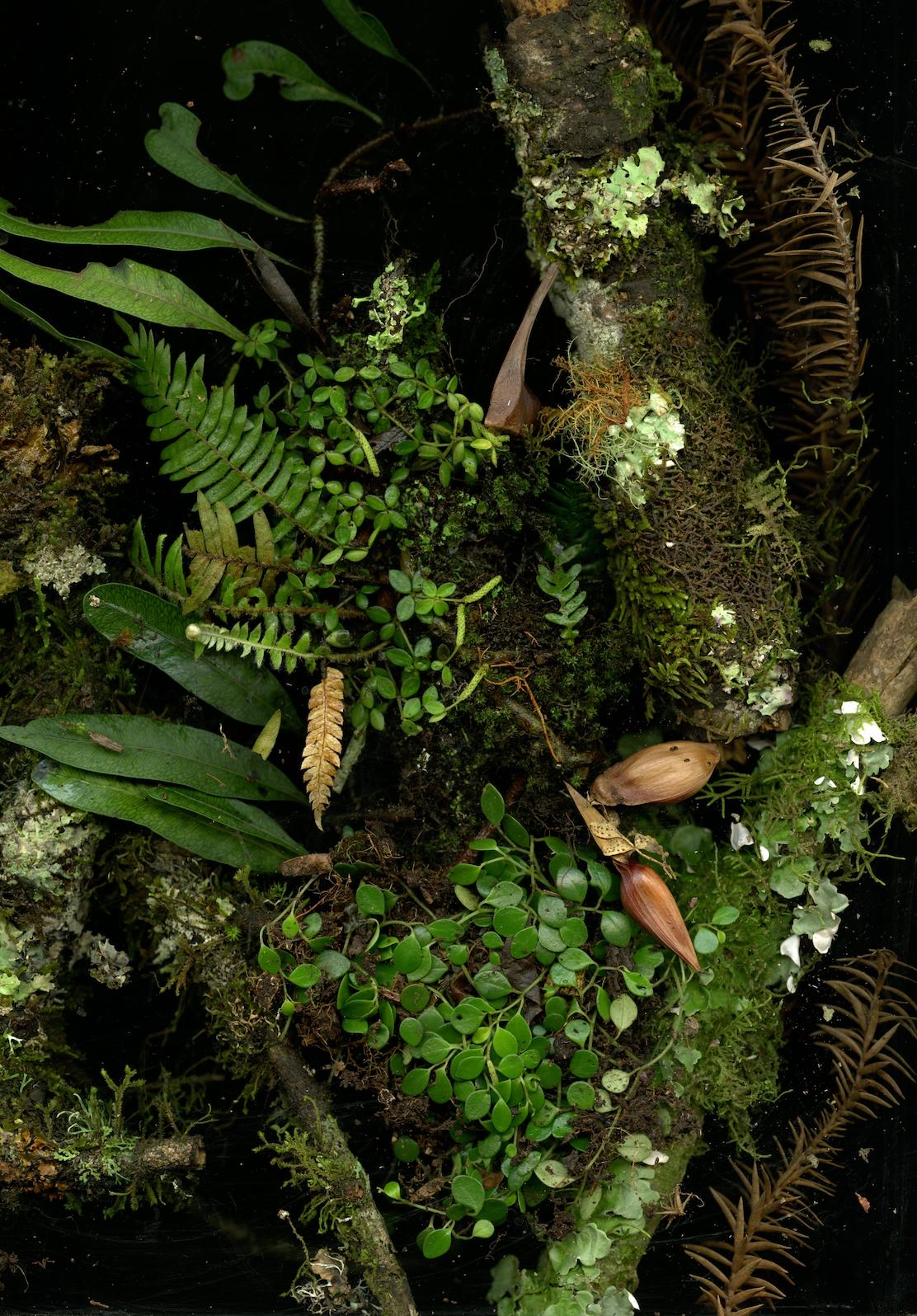
“Epiphytes on Araucaria Trees,” a piece from Adele Rossetti’s scanner artwork series exploring the biodiversity of Brazil’s Atlantic Forest.


TREE Foundation Research Associate Adele Rossetti has been invited to participate in an artist residency at the Antonelli Foundation’s Araçá Nature Reserve in Brazil’s Mata Atlântica (Atlantic Forest) from April through May 2026. During her residency, Adele will continue her ongoing Fulbright U.S. Scholar projects, creating richly detailed images of the region’s flora and fauna through innovative imaging techniques, including the use of photo scanners.


The Atlantic Forest is one of the most biodiverse ecosystems on Earth, with more than 20,000 catalogued species, surpassing even the Amazon in plant diversity. Parts of the Serra do Mar region, where the Araçá project is located, have been recognized as Important Birding Areas (IBAs) and Key Biodiversity Areas (KBAs) for birds, mammals, and amphibians. Through her artwork and research, Adele is helping bring greater awareness to these extraordinary ecosystems and the importance of their protection.


Recent works include her watercolor Açoita Cavalo (Luehea divaricata), which was recently acquired by the Hunt Institute for Botanical Documentation at Carnegie Mellon University, as well as her scanner artwork Epiphytes on Araucaria Trees.


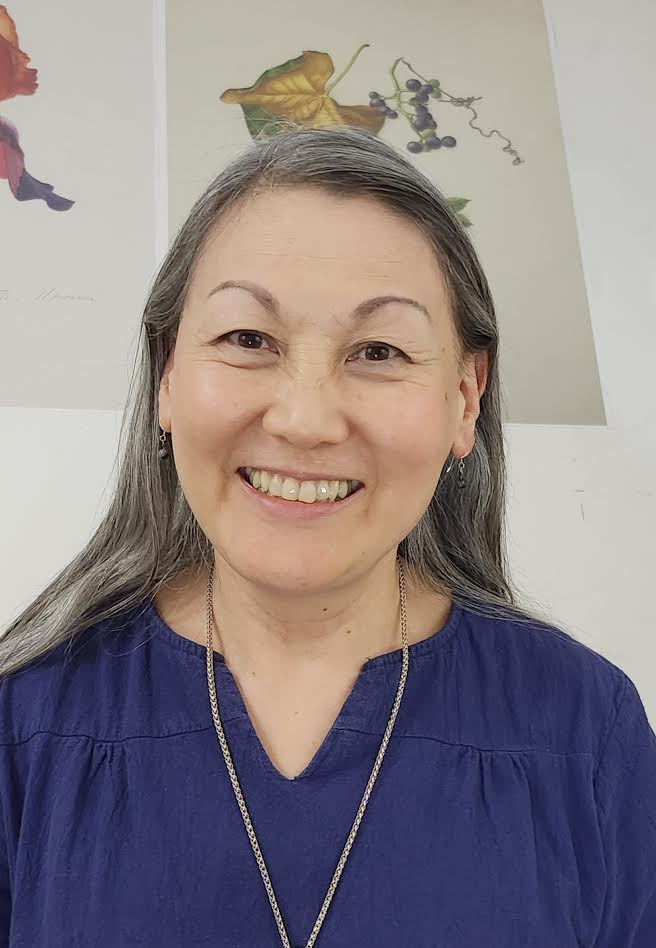
Adele Rossetti, award-winning botanical artist and TREE Foundation Research Associate whose work explores the intersection of art, ecology, and conservation.


Through painting, photography, and innovative imaging technologies, Adele documents the remarkable biodiversity of Brazil’s Atlantic Forest while helping bring greater awareness to the importance of protecting the world’s remaining wild places.

Join CanopyMeg for a Special Virtual Talk on Biodiversity in the Canopy🌳


Explore the wonders of the forest canopy with world-renowned arbornaut Dr. Meg Lowman during this engaging virtual presentation for learners of all ages!


đź“… May 29, 2026 at 12:00 PM Eastern

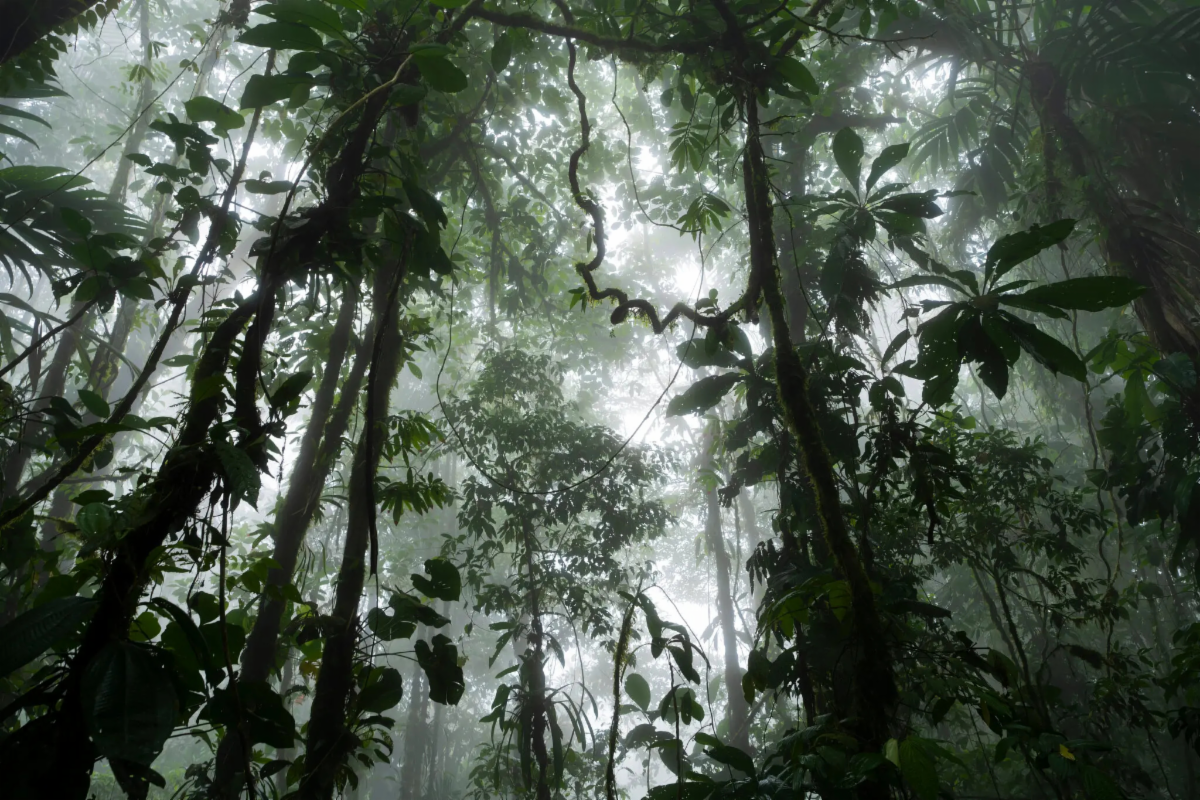
TREE Foundation supporters of all ages are invited to join Dr. Meg Lowman for an inspiring virtual presentation exploring the wonders of the forest canopy, often called the planet’s “8th continent.”


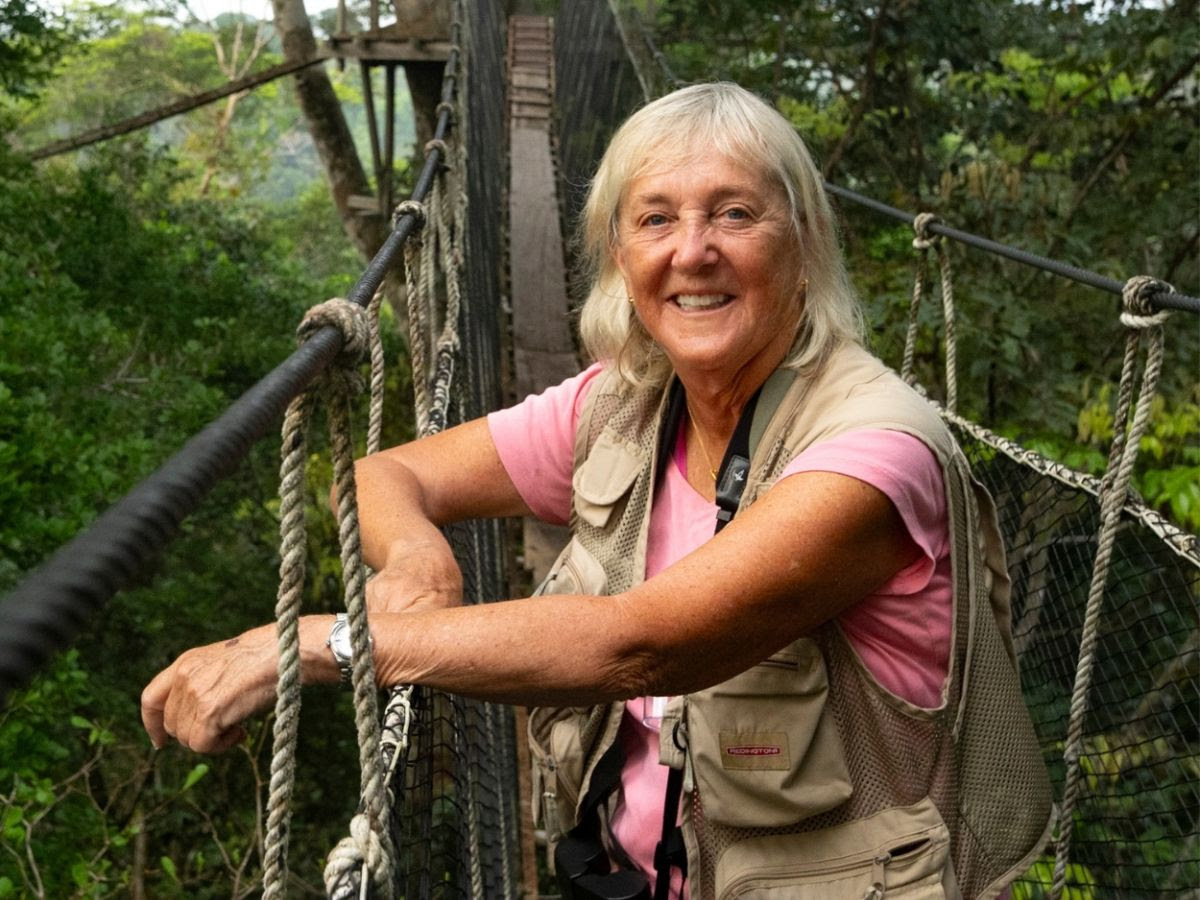
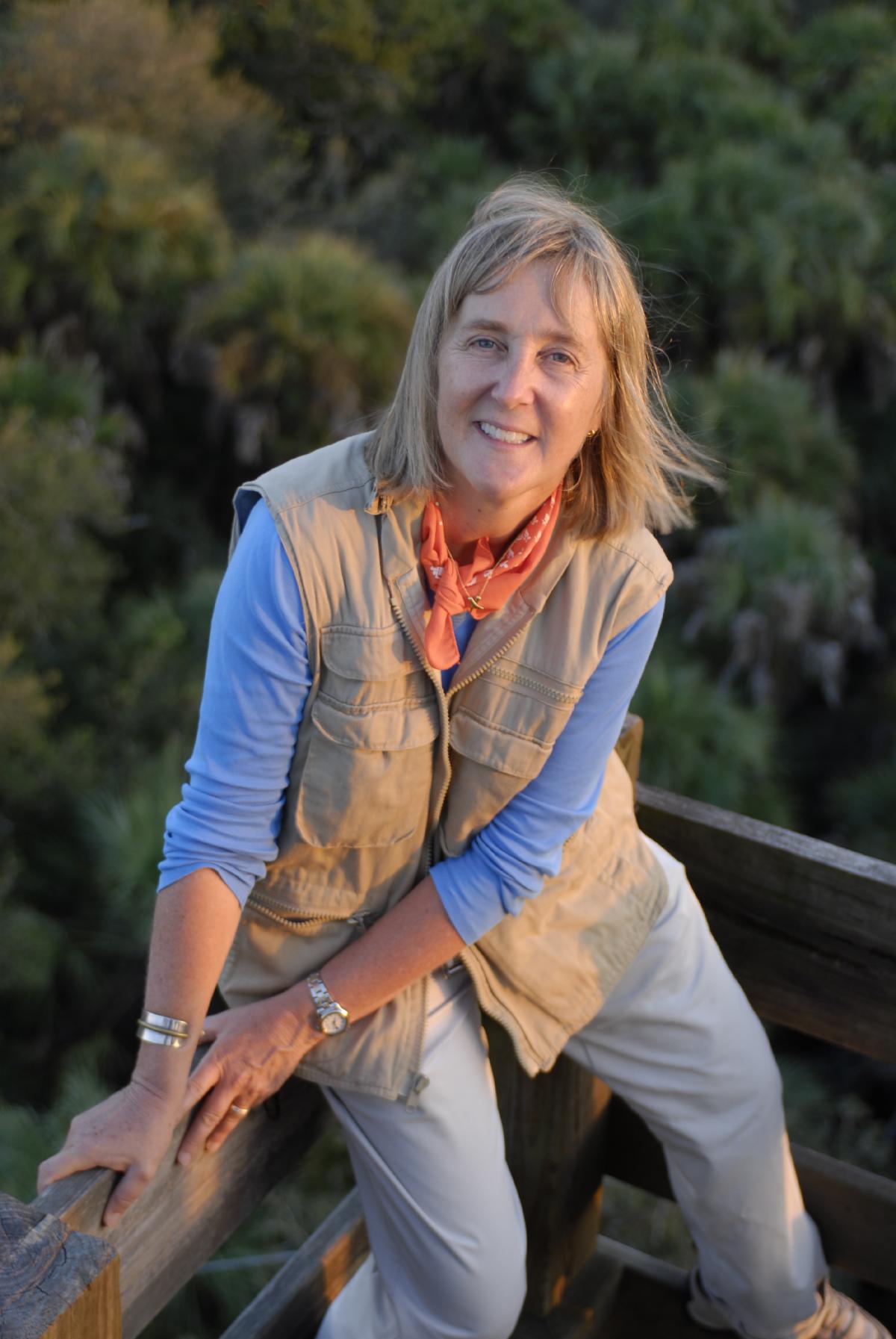
Nicknamed CanopyMeg by students around the world, Meg Lowman is the world’s first global arbornaut and has conducted research in more than 40 countries. She pioneered many of the tools scientists use to explore forest canopies and continues to champion conservation through Mission Green, an initiative focused on protecting some of the world’s most biodiverse forests through canopy walkways, education, and ecotourism opportunities for Indigenous women.


🏆 In 2023, Meg received The Explorers Club Medal of Exploration and is the author of 11 books, including her recent memoir, The Arbornaut.


👉Don’t miss this opportunity to learn directly from one of the world’s leading forest canopy scientists and conservation advocates!


When registering, select “Biodiversity in the Canopy With Meg Lowman” from the “Event You’d Like to Join” dropdown menu.

🌿Can tropical forests recover faster than we thought?

A recent article from The New York Times explores new research suggesting that some rainforests may regenerate more quickly after deforestation: Read Full Article Here


At TREE Foundation, we believe it’s important to look at findings like these through a scientific and conservation-focused lens. Here’s a response from Dr. Meg Lowman:


Like many forest scientists, I read this article with cautious optimism and an emphasis on CAUTIOUS. I would love to hear that the world has figured out a rapid restoration of tropical forests, but that simply is not the case. This team arguably found some fairly quick rates of restoration, but the conditions were fairly specialized.


First, they measured 16 taxa and, knowing that millions of species inhabit a primary, full-grown tropical forest, this is simply the tip of the iceberg for species diversity. Second, the successfully restored plots were either close to or surrounded by primary forest, giving the forest better chances for seed dispersal and wildlife to re-enter the cleared patches.


It is certainly heartening to know that successful restoration can happen in certain situations, but, unfortunately, many parts of the tropics are cleared in a large-scale fashion, not just small intermittent plots. This means that their chances of recovery to the original state will not be rapid, if at all, or ever.


I was part of a thirty-plus year project in Australia measuring seedling regeneration in Queensland tropical rainforests. Some of our marked plants were about four inches high yet over 70 years old. Some species grew faster, but the later-successional plants that would ultimately become the canopy trees simply did not grow very quickly.


We need to save our remaining primary forests because they represent the genetic library of our children’s future. Period.


And as optimistic as I usually am, I don't think we can now clear tropical rainforests and rely on their full recovery within a few decades.


🌍Protecting existing forests remains critical.

Your donation will help us support research, educate children and adults, and encourage citizen science exploration.


We must save our eighth continent if we are to save ourselves!


With enormous thanks,

Meg

Margaret (Meg) Lowman, Ph.D.

Executive Director, TREE Foundation

National Geographic Explorer


ENJOY NATURE!

 
Facebook  Instagram  LinkedIn  X  YouTube  TikTok

You are receiving this email because sometime in the past, you have either made a donation to TREE Foundation, have attended one of our events, signed up for our newsletter, or otherwise indicated interest in receiving our occasional emails. We thank you for your interest! If you would prefer to not receive future emails from us, simply unsubscribe by using the unsubscribe link below, and accept our thanks again for your past interest in our mission.