|
A building’s resilience can depend on details that are barely visible once construction is complete: the screws anchoring a window frame, the hardware securing a door, or the underlayment beneath a roof covering. These choices connect a product’s tested performance to the building it is intended to protect.
For architects, designing for extreme weather starts with understanding where a building is located and how it will be used. A coastal home, an inland residence, and a designated storm shelter may require very different approaches—even when their exterior materials look similar.
Same Appearance, Different Regional Demands
Along hurricane-prone coastlines, windborne debris and salt exposure influence material selection. Corrosion-resistant fasteners and connectors deserve attention because a durable exterior depends on the connections holding it together. FEMA’s coastal construction guidance addresses both wind resistance and protection against corrosion.
In cold climates, roof performance involves another set of details. Heat escaping into an attic can melt rooftop snow, which may refreeze at colder eaves and create ice dams. Air sealing, insulation, roof ventilation appropriate to the assembly, and protective membranes help address this risk. Selecting a roof covering is only one part of that strategy.
In wildfire-prone locations, designers also need to consider ember entry and ignition around the building. Roof vents, eaves, and surrounding vegetation become part of the protection strategy. A fire-resistant roof covering cannot address every vulnerability on its own.
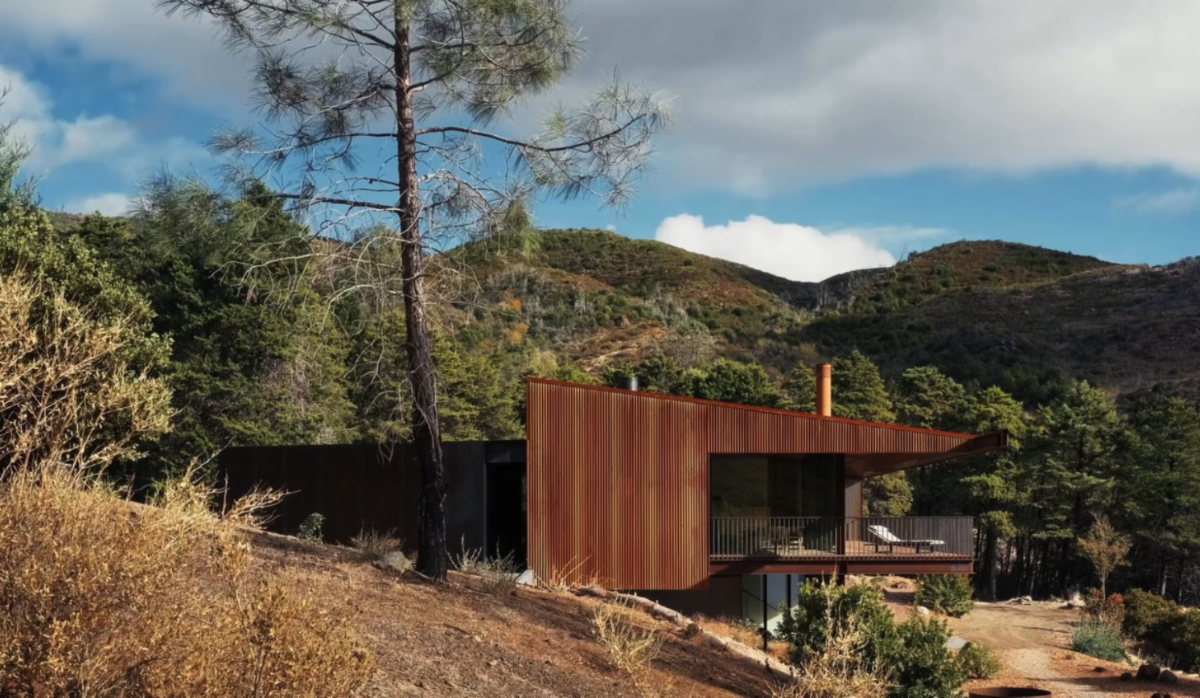
The Pine Flat residence by Faulkner Architects, featured in our Inspire section below, puts these considerations into practice through a fire-resistive shell, sliding ember screens, and exterior sprinklers above the decks.
What Does “Impact Resistant” Actually Tell You?
For windows and doors exposed to hurricane debris, ASTM E1886 evaluates assemblies subjected to projectile impacts and repeated pressure changes. ASTM E1996 establishes the hurricane windborne-debris performance specification used with that test method. Together, they help define what an assembly has been evaluated to withstand.
But a test designation is the beginning of the review. Architects should...
|