|

 |
|
|
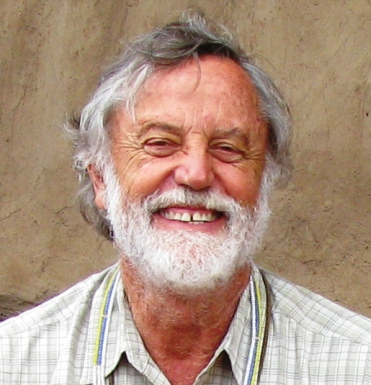
Robert V. Lange
|
Greetings from Tanzania!
The water
chlorination project pilot is developing quickly. Every water source we tested needs the program, and we've chosen the starting location. Read below for more.
bomas of the Laibon, the district's Maasai advisor, can help.
Can traditional practices be part of the solution when difficult conditions arise in this rain-based economy? In the case of lifestock management, some traditional approaches are actually contributing to the problems. Find out below how we are supporting Maasai men in their exploration of new, potentially live-saving ideas.
At the heart of every story is your continuing interest and support. Thank you for your passion and generosity.
Twende!
Robert V. Lange
May, 2017
|
|
Festival of light and health in a special settlement
One of the sites of our Project work, the Maasai village of Esilalei, is spread out along the eastern edge of the amazing Rift Valley. The settlement of the Laibon, a famous leader here, is part of this village. The people go to the Laibon for advice and help with conflict resolution.
|
|
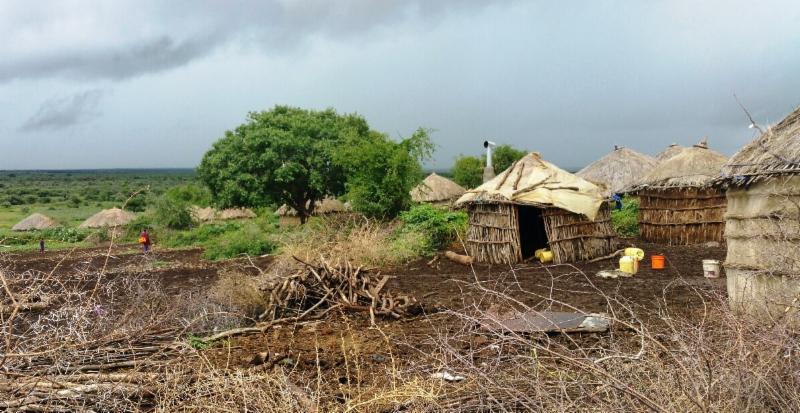
| The Laibon's settlement before bringing complete stove and micro-grid electrification to all 98 homes |
The Laibon's three bomas have 98 homes. There are few stoves and, until now, no solar micro-grids. A great friend of ours, the eldest son of the Laibon, is the former chairman of Esilalei, and a district government counselor.
Together, we agreed that It is in everyone's interest to bring
Stoves & Solar micro-grid electricity to all the homes. The Maasai will benefit from both programs. And the Project will receive new visibility, and a great employment opportunity for our expert installers.
|
|
| Chimney installation scenes like this one, in all three bomas |
This project is turning into a week-long festival. Dozens of women will soon install stoves while dozens more men and women are installing underground wire to distribute the two kilowatts of power. The power is going to all of the homes and corrals in the three bomas.
The men are paying their share; $40 per home, and the ICSEE is covering the rest. And everyone is paid for their work.
The settlement is visible from the major road everyone takes from
Arusha
or
Babati
to the Rift Valley towns and to the big tourist parks like the
Serengeti
and
Ngorongoro Crater
. From government officials to tourists, many will notice and wonder how such a thing could happen. A large cluster of Maasai homes, all with chimneys and glowing with electric light every evening is something to see.
|
|
| Maasai Stoves & Solar Project celebration |
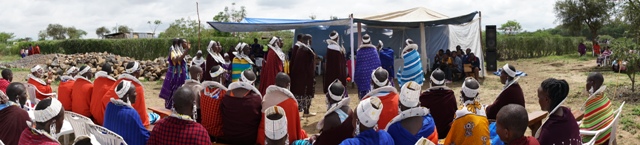
This is a time for music and food in celebration of a better life for hundreds of people.
|
A fresh approach to the cow business
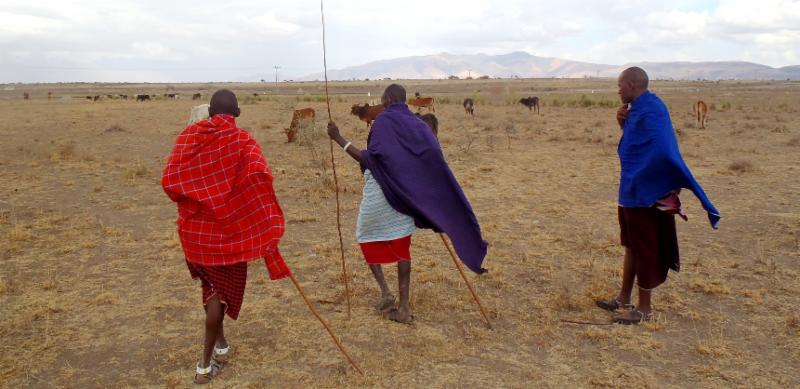
The Maasai are east Africa's famous pastoralists with ancient herding practices. With such long use, the methods are likely to be well adapted to the environment.
So why is it so critical to review and analyze livestock management methods for this rain-based economy?
|
|
|
|
Cow weakened by drought
|
|
During the drought this past winter, the people could not prevent the widespread death of their cows.
In some cases this represented a devastating percentage of the herd. And this year was not the first time.
Many Maasai men find it psychologically difficult to sell cows for cash.
For them, a growing herd is considered a blessing and the right way to store wealth.
But herders with many head of cattle experience high losses during drought because of scarce grazing. If drought becomes more frequent, smaller herds would offer better survival rates. Holding a constant herd size means selling a portion of the herd every season, and the value of these cows would be used to buy feed and in other ways to relieve poverty in the family and community.
This change would require thinking of cows as something to harvest and not just as possessions.
Routinely selling cows for cash is not anathema to all Maasai. There are many Maasai in southern Kenya who have already cut the size of their herds, some by as much as two thirds. These men are creating an economy and a psychology that does well with herds of constant size. For them, wealth is measured not only in terms of herd size, but also includes the economic power generated from regularly harvesting cows.
We want to introduce the Kenyan innovators to the Maasai men of the Project here in northern Tanzania, the husbands of the women we have helped get organized.
Rather than preach, we will start gradually and respectfully. First Kisioki and I will travel to Kenya and meet the Kenyans. If conditions are favorable, we will engage local and southern Kenyan leaders in planning a field trip or preparations for a workshop in Monduli district led by visiting Kenyans.
|
The water story continues
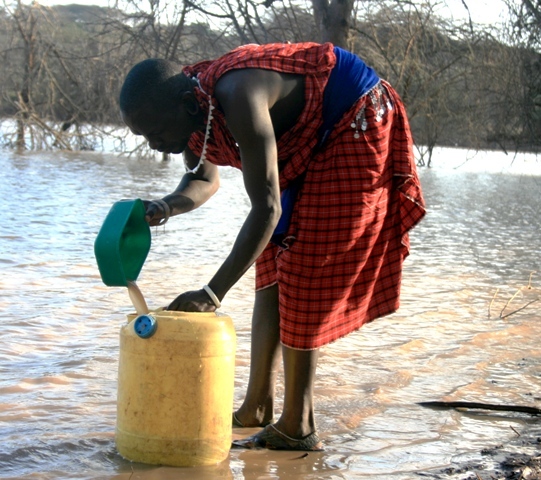
In our last e-news we wrote about the challenge of clean water. We have now embarked on the the pilot chlorination program.
|
|
| E.coli are present in all the water samples tested |
We bought the alum and calcium hypochlorite in Arusha, and measured bacteria in multiple samples from four Maasai areas.
Local testing sites included two small lakes, one pond, and the clear-looking water piped to the village of Enguiki.
|
|
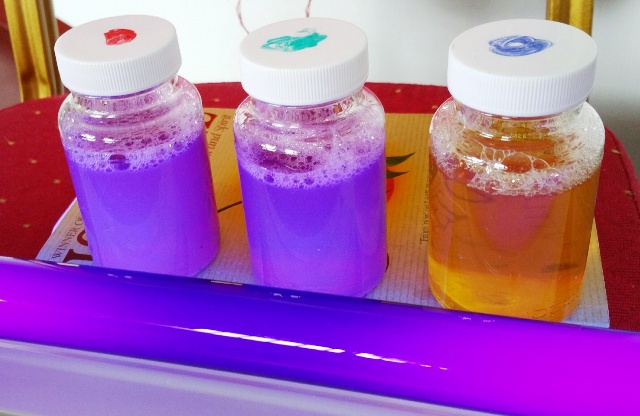
| Testing water samples with the Idexx colisure method |
Using the Idexx colisure method, we could not differentiate the different types of
E. coli
bacteria, but
E. coli
were present in all the samples.
Given the high incidence of diarrhea in local children, and other environmental factors, it is likely that many of the E.coli are the pathogenic type that must be eliminated.
While we collected water samples from various district sites, we were seeking a location for the pilot chlorination system.
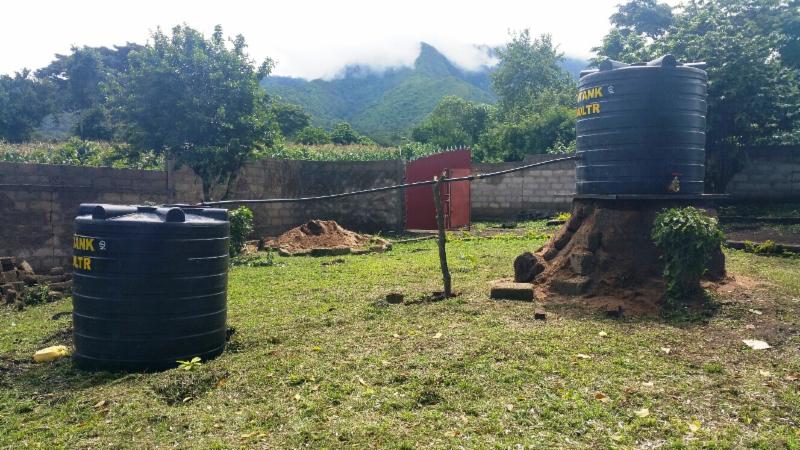
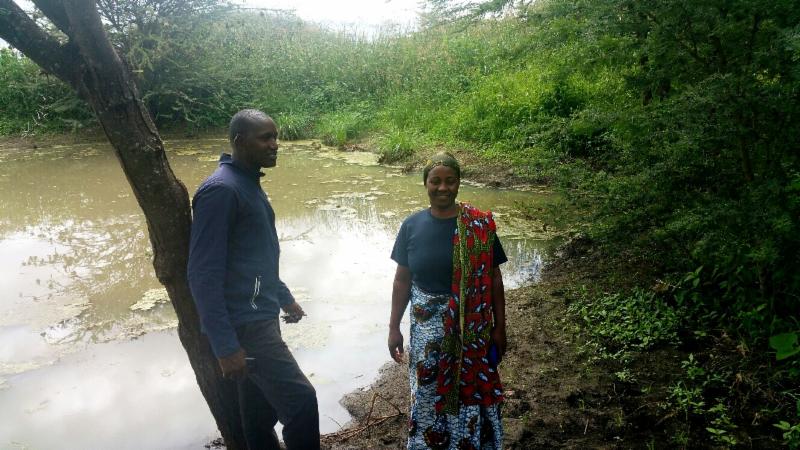
We found a small pond in Mbuyuni used collectively by 23 families. The families had worked together to enlarge a natural depression where rain water collected.
|
|
| ICSEE Project Manager and village woman at site of water pilot in Mbuyuni |
This is an interesting and practical scale at which to work. We plan to teach the group's women how to gather water from the chlorinator.
The 23 families use between 1000 and 2000 liters of water per day, some with uses not requiring sanitization.
When working optimally, our pilot system can produce 1500 liters a day.
At this pond, the system will include portable pumps powered by solar panels. The women managing the system will keep the pumps at home, bringing them once a day to fill the settling tank with pond water.
Before we install the pilot, we have to get the system working here at Project Headquarters.
|
|
|
|
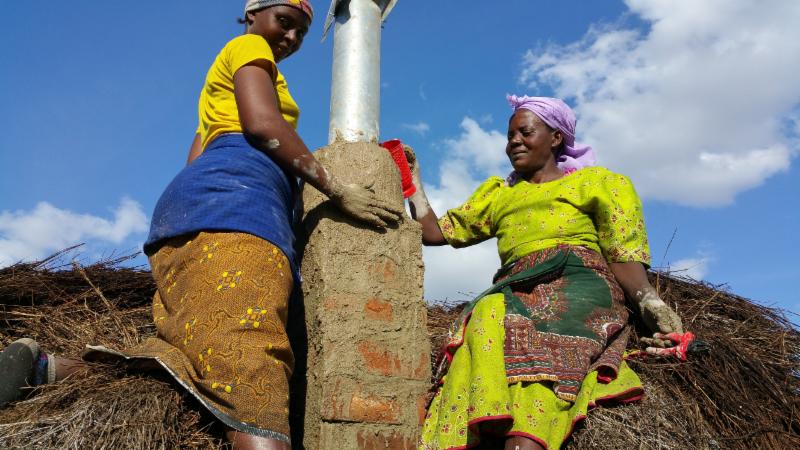
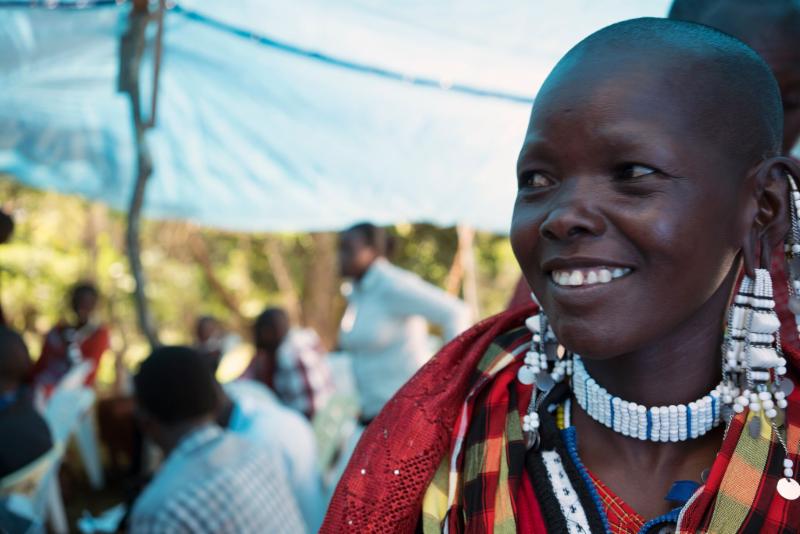
Maasai Women's Installation Team Member, Photo/Philip Lange |
Please become our Facebook friend, and invite your circle to join us.
This is an important way to contribute to this work.
Are you already connected with us on Facebook? We welcome your comments and photos.

|
For a better life for rural Africans, and a cleaner environment for all
Worldwide Headquarters
International Collaborative, Maasai Stoves & Solar Project
466 Putnam Avenue, Unit 1
Cambridge, MA 02139 USA
1-508-735-9176
Support our work with your tax-deductible
donation
|
|
|
|
|
|
|
|
 |
|
|
|