|
From the Executive Director:
Impact in Full Bloom
| | |
On a hot and beautiful July evening, we gathered together in the beautiful UW Botanical Gardens to celebrate something truly special: you.
Our Impact Celebration was more than just a party, it was a powerful reminder of the strength and generosity that fuel our work every day. We were thrilled to welcome volunteers, facilitators, community partners, and friends from both Harmony Hill and Cancer Lifeline, many meeting for the first time and instantly finding common ground in shared purpose.
This year’s event held added meaning as we continue to grow together following our merger with Harmony Hill. Seeing two beloved communities come together, side by side, story by story was a moment of genuine connection and inspiration. The energy in the air was full of fun, hope, compassion, and the deep understanding that none of this work happens without you.
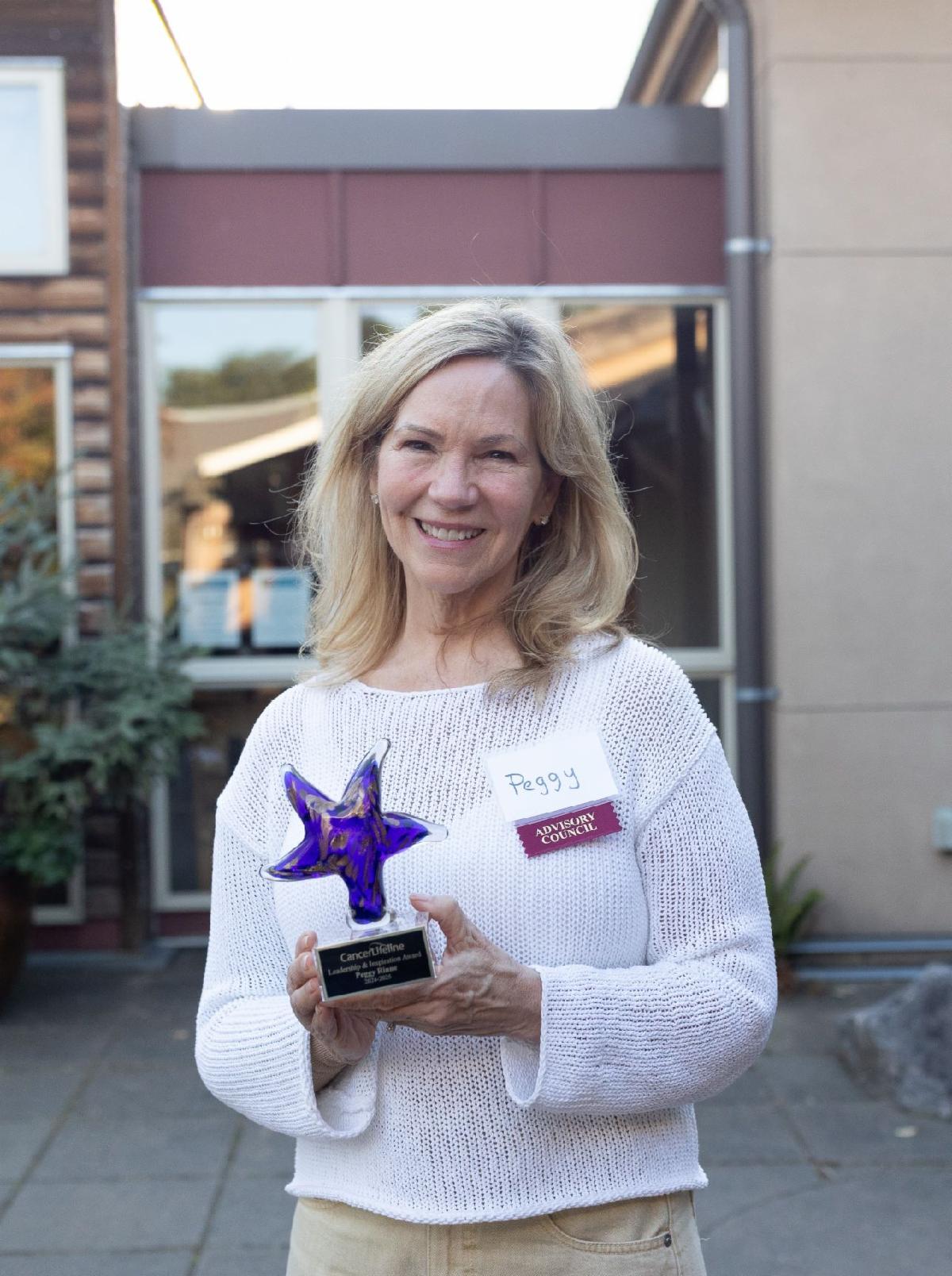
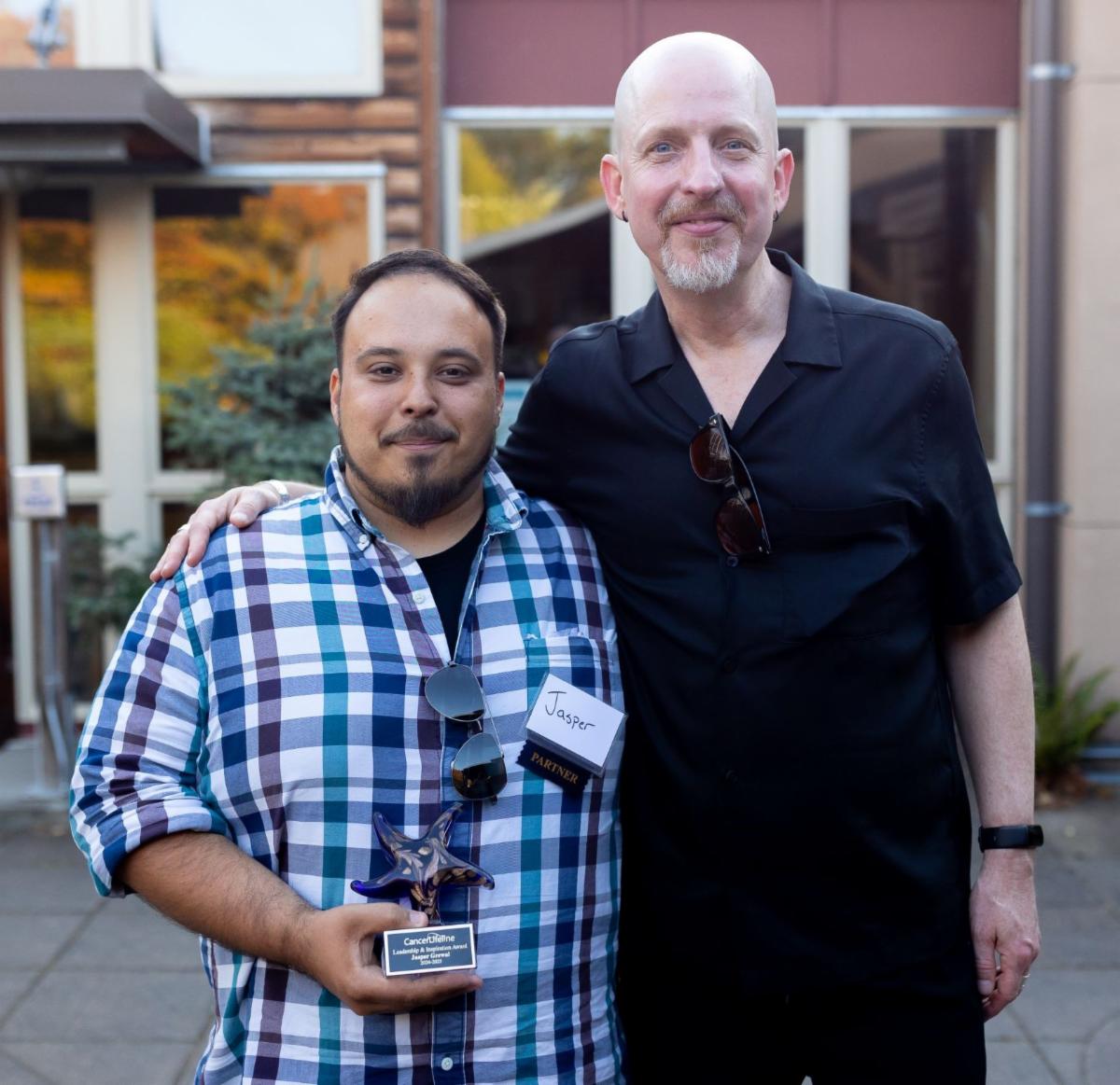
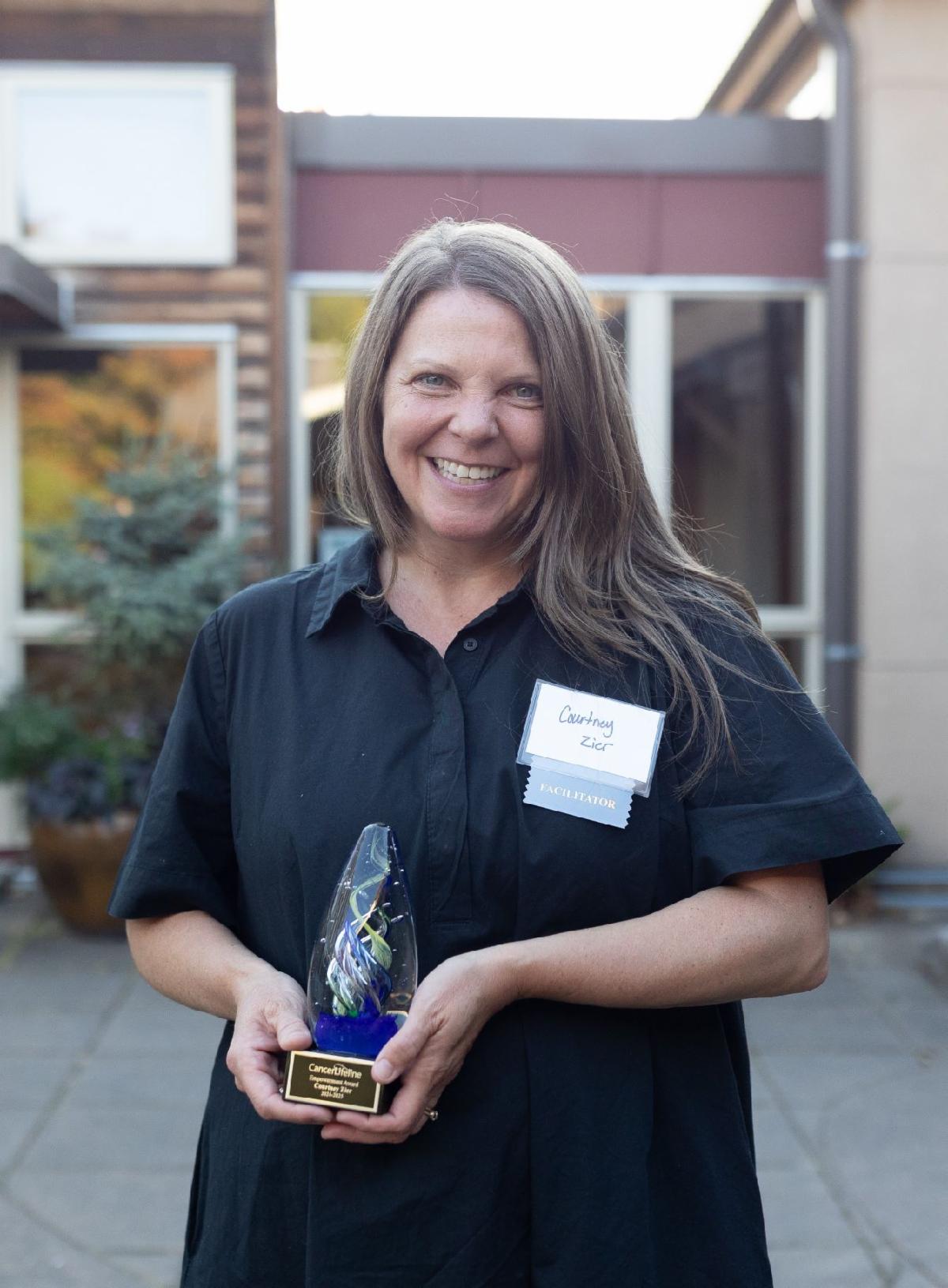
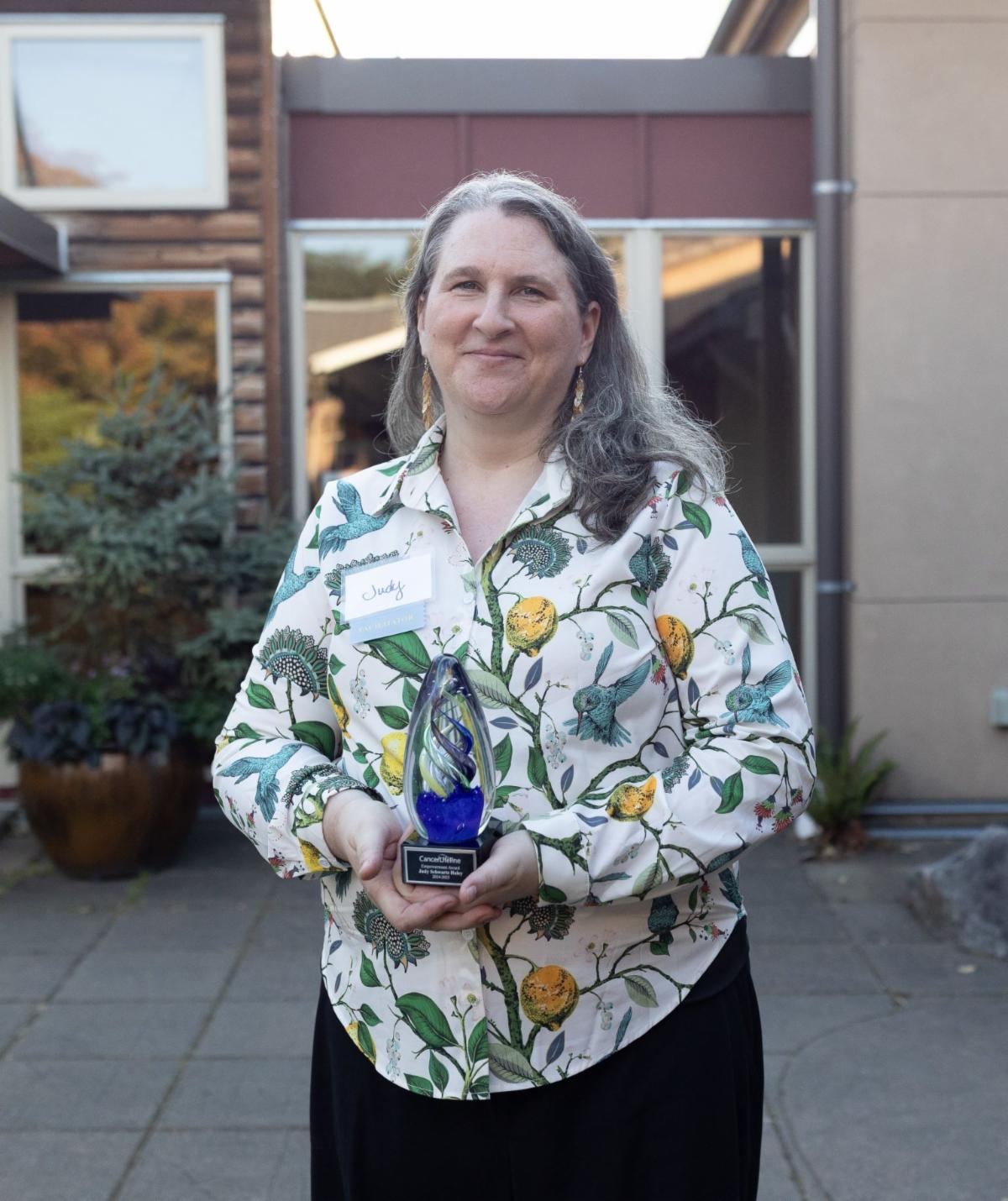
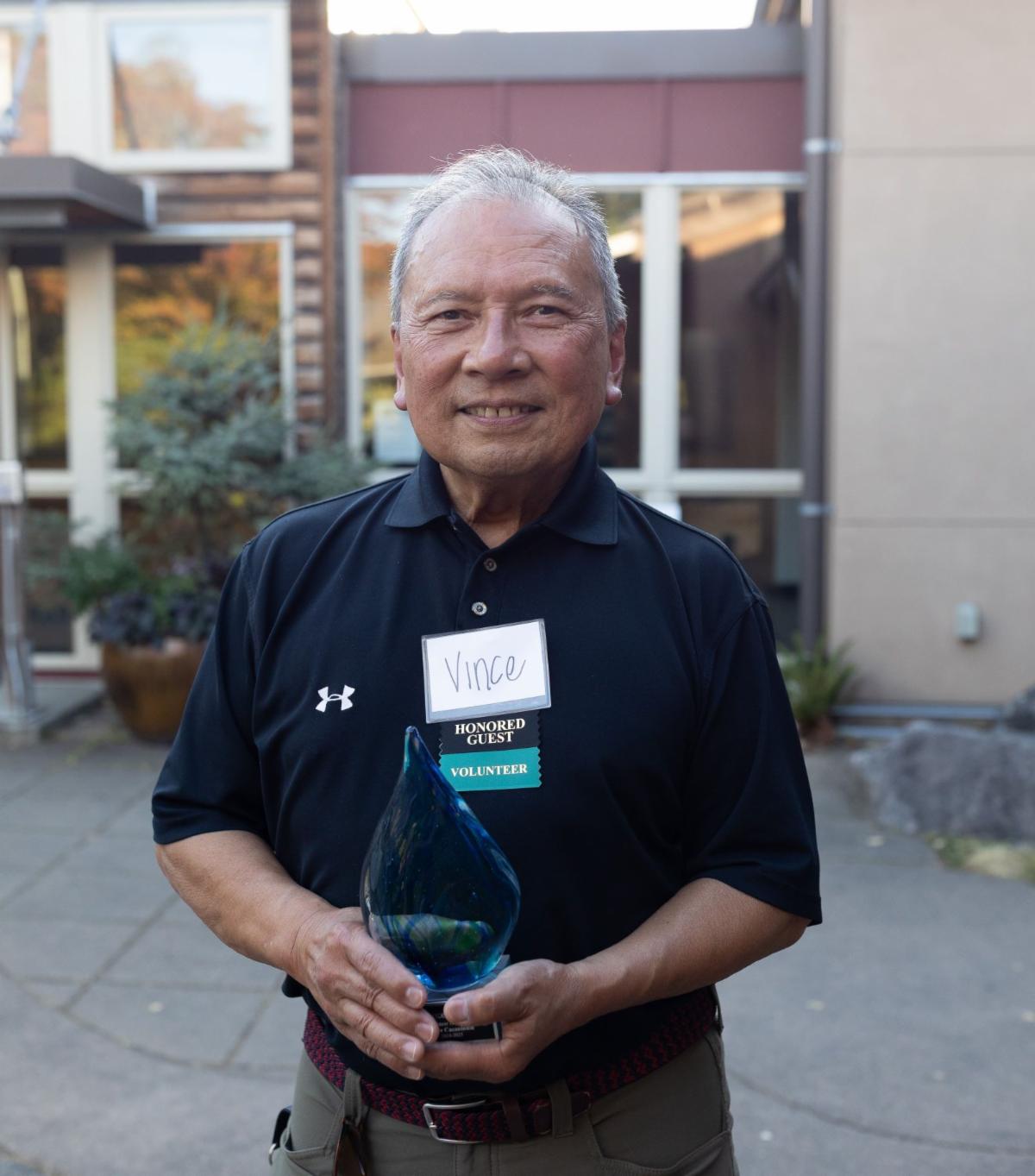
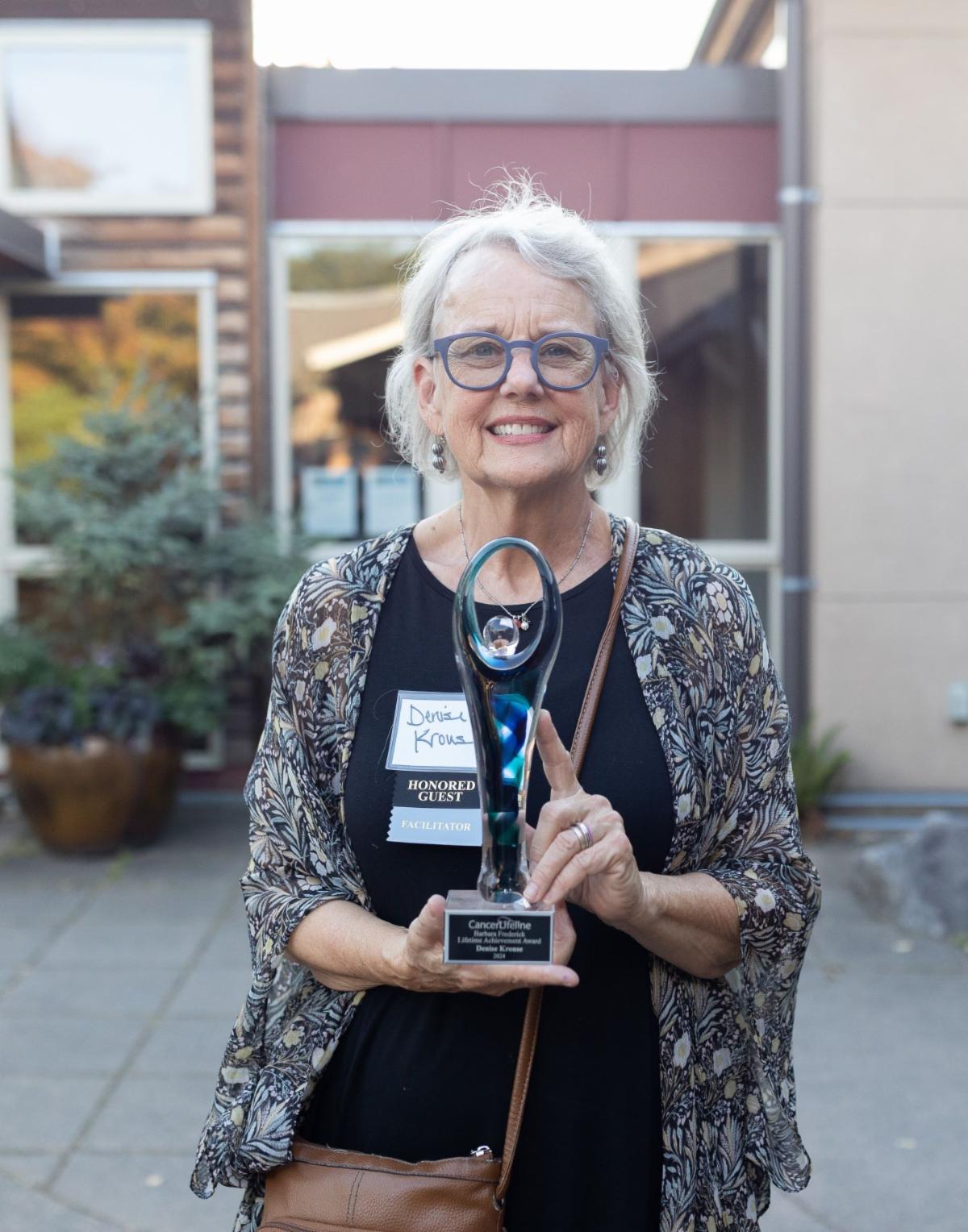
We also had the privilege of recognizing individuals whose dedication and heart have made a lasting impact. This year’s award winners represent the very best of our community.
| | |
Peggy Rinne
Inspiration Award
| | | |
Courtney Zier
Empowerment Award
| | |
Judy Schwartz Haley
Empowerment Award
| | |
Vince Cacanindin
Volunteer of the Year
| | |
Denise Krouse
Barbara Frederick Lifetime Achievement Award
| | |
We left the evening feeling inspired by the stories shared, the connections made, and the incredible impact you help create every day.
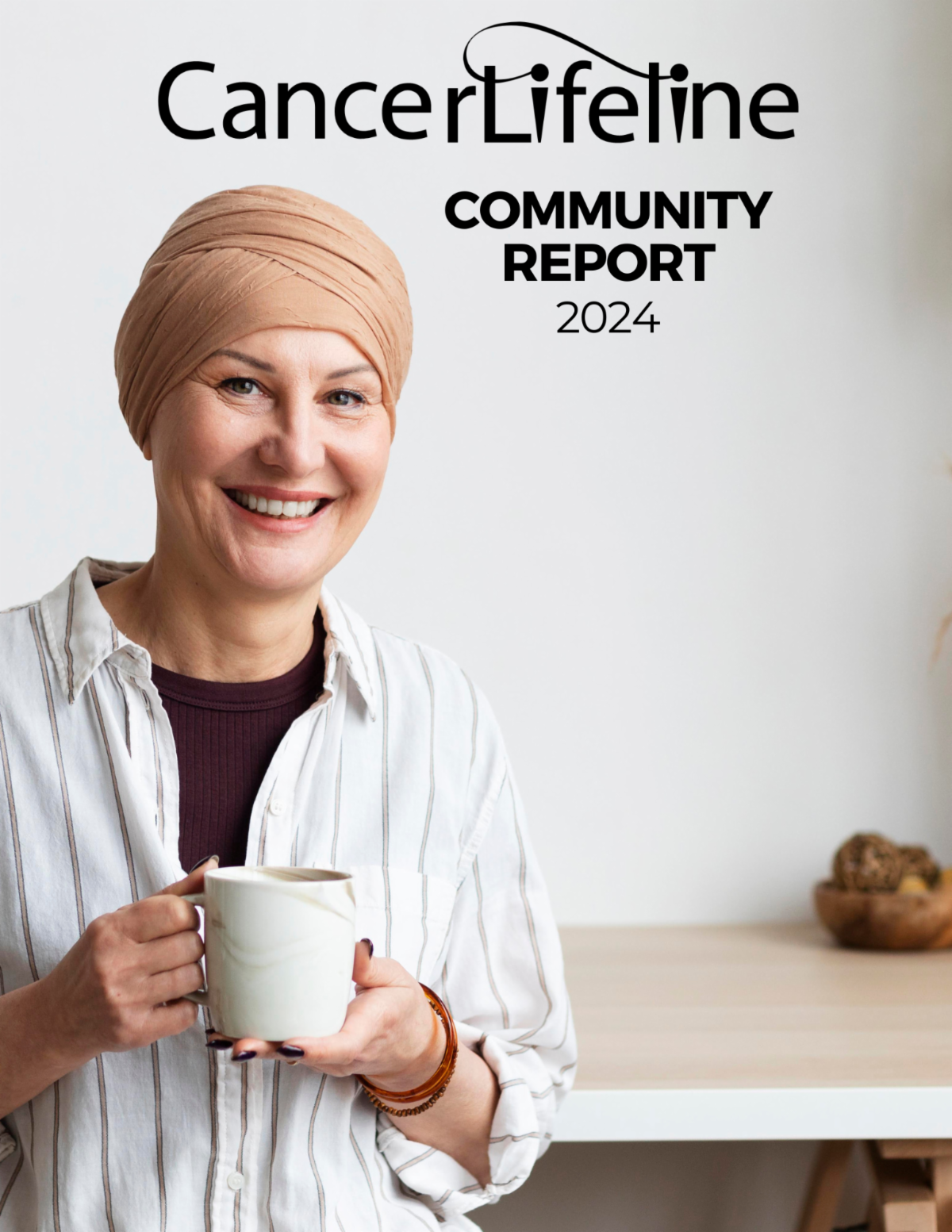
As we look back on this unforgettable night, it’s the perfect time to share a broader reflection of that impact. Our 2024 Community Report brings to life the numbers behind the stories. The counseling sessions, support groups, wellness classes, and financial assistance that reached thousands this past year. Every data point represents real people, real hope, and your support at work.
| | |
With gratitude,
Joseph Yurgevich
| | A Client's Story - Abby M. | | |
From a To-Do List to a Lifeline: Abby’s Journey with Cancer Lifeline
For Abby, getting a mammogram was simply another item on her “to-do” list—something quicker and easier than updating her family’s will. At 48, with no family history of breast cancer, she wasn’t expecting anything unusual. But after nearly a decade without screening, she figured it was time. What she didn’t anticipate was that this routine visit would launch her into one of life’s most profound learning curves.
The diagnosis led to a lumpectomy, positive sentinel node removal, and six weeks of radiation in 2023. Hormone-blocking medication became part of her daily life, as did long hours on the tennis court—her way of staying active and grounded. It wasn’t until nearly a year later, in November 2024, that she discovered Cancer Lifeline, thanks to a passing comment from a yoga teacher during a virtual class. Curious and always eager to learn, Abby decided to look up the organization—and found more than she ever imagined.
With an overwhelming amount of cancer information online, Abby was relieved to find a place offering high-quality, free programs that didn’t require her to be the expert or navigate everything alone. She began taking evening and weekend classes, both online and in person, finding solace in a community of others who were walking similar paths. In each class, she felt safe, seen, and encouraged to ask questions—something she values deeply.
One of Abby’s most powerful realizations on this journey has been how little people know about the randomness of cancer. “I wish I had known earlier,” she says, “that only 15% of breast cancers are familial—85% are random cell mutations.” It helped her release the guilt of not getting screened sooner. “With cancer, some cells divide slowly, others aggressively. The science behind distinguishing and treating them is truly remarkable.” When she needs grounding, she turns to a quote by Teresa of Avila: “You are exactly where you are meant to be.” It gives her strength and peace.
Among her favorite Cancer Lifeline experiences are Yoga Nidra—a guided meditation practice that’s given her a level of deep rest she hadn’t felt in years—and Visual Journaling for Self-Discovery, where she created a board reflecting her personal sources of wonder and certainty. Sitting with scissors and magazines, reflecting on her identity and journey, she found new clarity in just a few hours.
Abby’s journey began with a routine task, but it led her to a vibrant, supportive community—and a deeper understanding of herself. “Thank you, Cancer Lifeline,” she says, “for helping me process the last two years of my life in ways I hadn’t before.”
Would you like to share your Cancer Lifeline or Harmony Retreats story with us? Contact Our Communications Team
| | |
Classes and support groups are FREE for cancer patients, survivors, and caregivers.*
How to Boost Your Energy During and After Treatment
Tue, July 29th 5:30-7 pm
Yoga Nidra (4 week series)
Wed, July 30th 5:30-6:30 pm
Navigating Cancer & Grief
Thu, Aug 7th, 14th & 21, 6:00-7:30 pm
Breathing Practices to Calm and Center the Mind/Body
Sat, Aug 9th 10-11:30 am
Genetics & Colorectal Cancer
Mon, Aug 11th 12-1 pm
[In-Person] Cancer Prevention
Thu Aug 14th 12-1 pm at St. Anne Cancer Center
[In-Person] Simple Stir Fry Suppers
Fri, Aug 15th 12-2 pm
| | Visit our website to register. | *All class times are in Pacific Standard Time, and on Zoom unless noted. | | Immersive 3-Day Cancer Retreat | | |
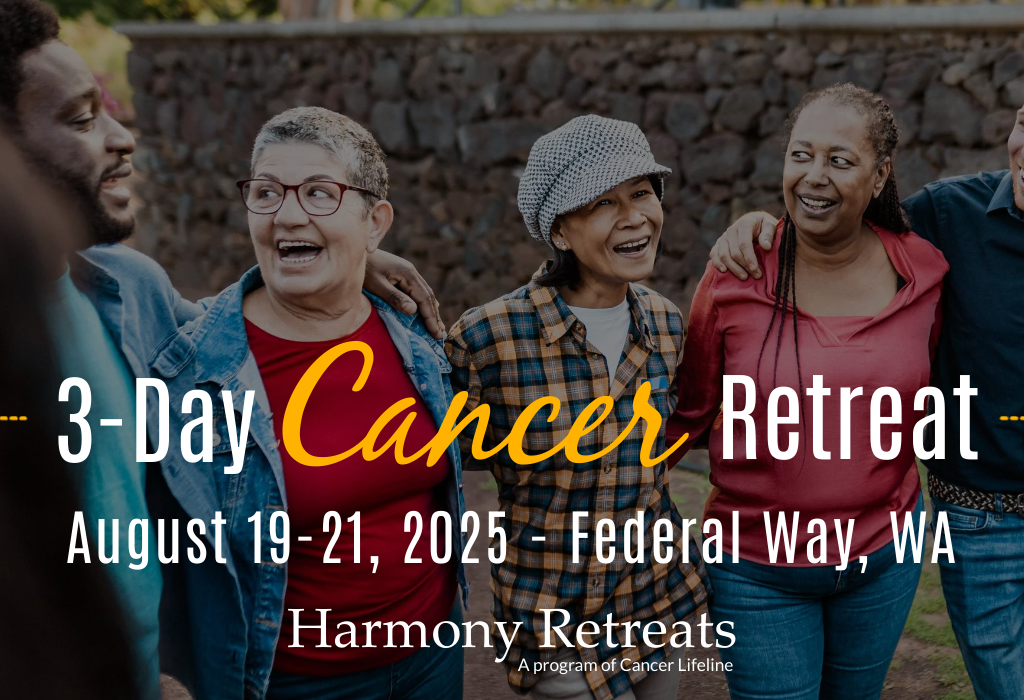
A few spaces remain for the August 3-Day Cancer Retreat! Our in-person 3-Day Cancer Retreats are designed to provide an intentional space for you to connect with other cancer survivors and their companions. Discover techniques that promote resilience and restore balance in your life. Share your experience in a safe space with others who will understand the road you are on. Participants are asked to pay for their food and accommodations. Scholarships are available to those with significant financial need.
Click here to learn more and register. For a scholarship, apply here.
| | Get to Know Volunteer Stephen | | |
A Listening Ear: One Volunteer’s Quiet Impact
When Stephen first walked through the doors of Cancer Lifeline, it wasn’t to give—but to receive. His wife, Jan, was in the last year of her life, navigating the ups and downs of cancer treatment. The classes and community she found at Cancer Lifeline became a place of respite, where—just for a little while—she could set her illness aside and be immersed in something else. “It was a great gift,” he says quietly. “A way for her to forget cancer, even briefly.”
That gift planted a seed. A few months after Jan’s passing, Stephen returned—not as a client this time, but as a volunteer. “It was a way to give back,” he explains. “Cancer Lifeline had meant so much to her, to us, during that time.”
Though new to the role, he has already seen just how profound the need is. “Dealing with cancer can be overwhelming in ways most people never imagine,” he says. “Understanding a diagnosis, getting to treatment, managing daily life—it’s so much. And while the medical care here in the Northwest is excellent, there’s also a huge need to connect. People need to know they’re not alone.”
That’s where Stephen comes in.
One call in particular sticks with him: a caregiver, burdened and overwhelmed, called in and talked for nearly an hour. “I didn’t say much,” he reflects. “Mostly I just listened. I tried to be present, to be supportive.” At the end of the conversation, she told him she felt better—and asked if she could talk to him again. They spoke again a couple of weeks later. “That moment showed me how real the impact can be.”
It’s not about having the perfect words or fixing someone’s pain. “It’s the feeling that someone’s lighter after talking to you,” he says. “That you helped carry a little of what they’re holding.”
A Washington native—born near Pullman and raised in Walla Walla—Stephen’s always had a spirit of curiosity. His visits to China two decades ago remain vivid in his memory. “It was exotic, beautiful, and unlike anything I’d ever experienced,” he recalls. “The people, the culture—it was unforgettable.”
In a way, that same spirit of exploration carries into his volunteer work. Every conversation is a journey. And every call, a chance to show someone that they matter.
(Photo - Stephen with his partner, Kathy.)
| | Meet Our Board of Directors | | |
Board Member Spotlight: Dominique Grinnell,
Director of Marketing, Delta Dental of Washington
We’re delighted to introduce one of the newest members of Cancer Lifeline’s Board of Directors, Dominique Grinnell. Officially joining the Board in July 2025, Dominique brings both professional expertise and a deeply personal connection to our mission.
Dominique had been actively seeking a meaningful opportunity to serve after completing a previous board term. When she learned about Cancer Lifeline, it struck a chord—almost every member of her family who has passed did so due to cancer. She has witnessed firsthand the toll it takes not only on patients but on their loved ones, and she was drawn to the heart-centered work of providing support beyond the medical realm.
For Dominique, board service is both an honor and a responsibility. She believes that the most impactful way to serve is by aligning purpose with passion—something Cancer Lifeline makes possible in abundance. “What patients and caregivers often need most,” she shares, “is rest, diversion, and laughter. For patients, it’s a break from being sick and from the weight of others' concern. For caregivers, it’s a chance to pause and be reminded they are not alone.”
Outside of her role at Cancer Lifeline, Dominique is the Director of Marketing at Delta Dental of Washington, where she leads customer insights and oversees direct-to-consumer sales. She takes great pride in advancing oral health equity across the state.
Though she describes herself as an introvert, Dominique’s warmth shines through when she talks about her love of travel, cooking, and languages—she speaks four! Ask her about her limoncello recipe or how to craft the perfect risotto, and you’ll quickly find her inner storyteller.
We’re honored to welcome Dominique to the Cancer Lifeline Board and grateful for the wisdom and compassion she brings to our shared work.
Join our exceptional board! We continuously welcome new members. Learn more here.
| | |
From Doctor to Patient to Survivor:
A Year of Healing and Giving Back
| | |
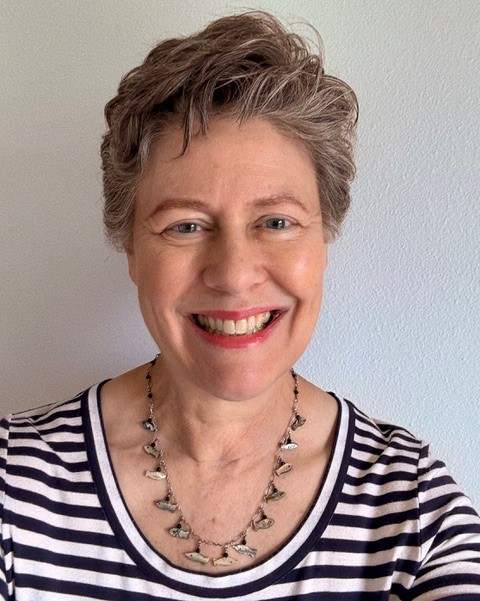
We’re honored to feature this moving reflection from Dr. Susan J. Baumgaertel, former Cancer Lifeline Board President, longtime supporter, and current Cancer Lifeline sponsor through her practice, MyMDadvocate.
Originally published on MenopauseMenu, Susan’s story traces a full-circle journey: from doctor to patient to one year cancer-free. Along the way, she offers a deeply personal lens on Cancer Lifeline’s impact, and a heartfelt call to action.
One full trip around the sun.
Four seasons of healing.
A thousand cups of mediocre hospital coffee.
And now, officially over one year cancer-free.
For twenty years I’ve watched Cancer Lifeline illuminate paths across Seattle.
First from my seat on the Medical Advisory Board, then as Board President.
Now?
Well, the universe has quite the sense of timing…
Suddenly, I see their impact through a lens that feels deeply personal.
From doctor to patient to survivor, I’ve seen every angle of what they do.
And it’s nothing short of extraordinary.
Through their doors flow all kinds of stories:
Fresh diagnoses, still sinking in…
Quiet victories between treatments…
Families holding each other steady (and yes, occasional complaints about the parking)...
Moments of fear transformed into courage…
Small triumphs celebrated like championships…
Cancer Lifeline catches them all.
In 2024 alone, they:
✦ Wrapped 2,382 people in professional counseling through phone calls and online chats, offering comfort when it was needed most.
✦ Lifted 1,111 individuals with counseling sessions, creating safe spaces to share fears, hopes, and everything in between.
✦ Stepped in with 288 support group meetings, where strangers became family over cups of tea.
✦ Offered 674 wellness classes that brought back strength and hope, one breath at a time.
✦ Provided 1,083 financial assistance grants, easing the burden when medical bills started looking like phone numbers.
Altogether, that’s 29,962 moments of connection, support, and hope across our region…
All provided free of charge to those who need it most.
And speaking of hope…
I’m filled with gratitude to share that through the recent Fundraising with Friends (FWF) campaign, I had the honor of leading an incredible community effort.
Together, with the generosity of 55 donors, I raised $32,486—surpassing my initial goal of $25,000.
Even more exciting, this annual fundraiser as a whole raised an astounding $335,271, exceeding the overall goal of $330,000!
Every dollar means another person finding the support they need…
Whether it’s counseling, a support group, or financial assistance during an overwhelming time.
Now, one year cancer-free, I’m proud to champion an organization that changes lives every day.
So if you or someone you know is facing cancer, please remember:
Cancer Lifeline is here.
Their doors are open.
Their hearts are ready.
Take a look at their programs: Cancer Lifeline
Because nobody should face cancer alone.
With gratitude and hope,
Susan J. Baumgaertel, MD
| | National Minority Mental Health Month | | |
July marks National Minority Mental Health Month, a time to acknowledge and address the unique mental health challenges faced by communities of color. While much of the conversation rightly focuses on access to therapy and overcoming stigmas related to seeking help, one critical area that is often overlooked is the emotional toll of serious illness — especially cancer. For many patients of color, the cancer journey is not just a medical crisis; it’s a mental health emergency shaped by longstanding inequities, medical mistrust, and unequal access to care.
Supportive cancer care can be a powerful tool for both psychological and physical healing. Supportive care helps patients and caregivers address the unique and multifaceted challenges that come with a life-altering diagnosis, from emotional distress to financial stressors. It includes services like pain and symptom management, counseling, and help with decision-making. Yet too often, patients of color are left out of these services or encounter barriers that delay or deny their access. As we reflect on mental health this month, we must also confront how cancer care systems can either deepen trauma or become a source of healing.
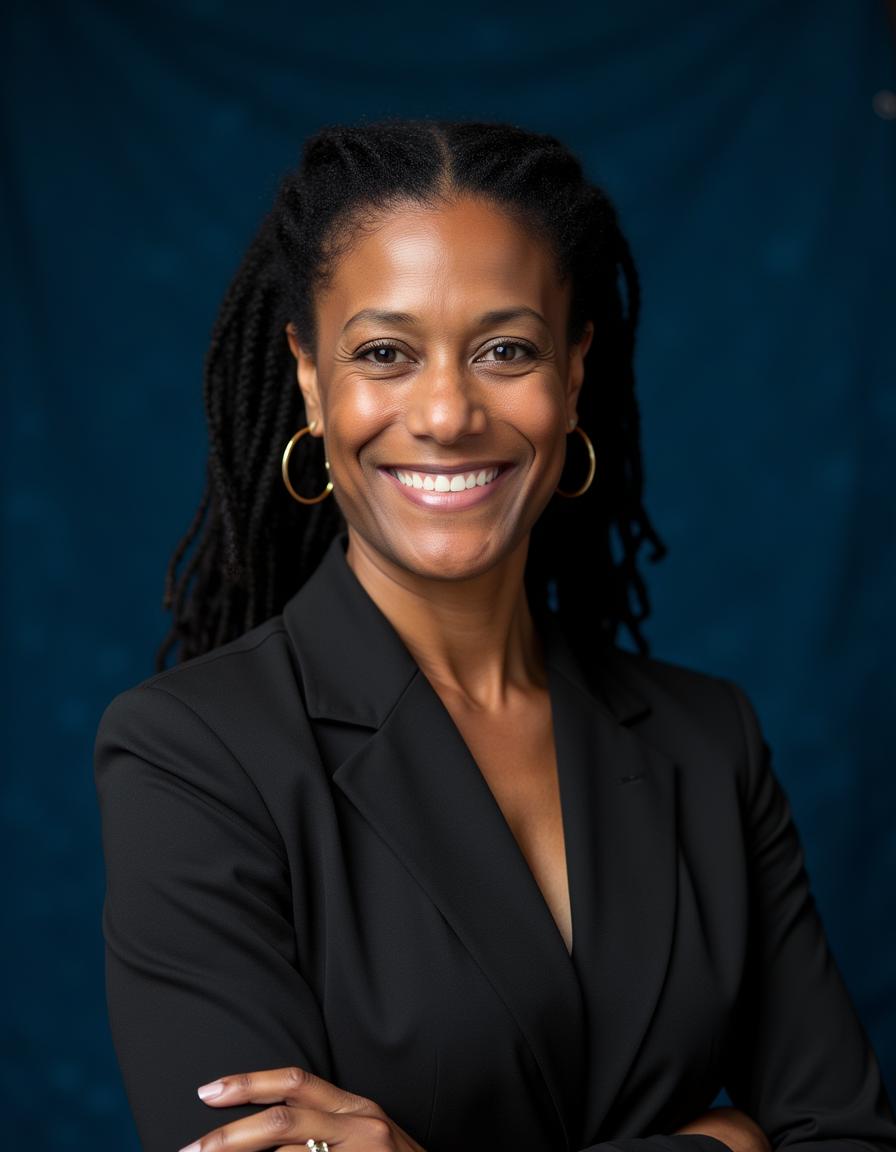
As a Black woman who is supporting a national coalition on supportive care and a lifelong health advocate who founded a philanthropic foundation, each of us has seen how communities of color are expected to carry the weight of illness with quiet strength. Black patients are often praised for being resilient, but resilience shouldn’t mean suffering in silence or without support. The emotional toll of cancer doesn’t end at the diagnosis. It extends into the long waiting rooms, the overwhelming paperwork, and the sense that you’re navigating it all alone.
For example, in a 2024 study, Black cancer survivors described how racism shaped their care in ways that left lasting psychological scars. One patient in the study recalled being ignored in a waiting room while white patients were seen first. Another recounted how an emergency room doctor “did not give credence to what I was telling her, she did not listen and take me seriously. [I…] had all the classic symptoms of colorectal cancer and she ignored them all.” These aren’t isolated incidents. They’re part of a broader pattern that erodes trust and discourages Black patients – and those from other racial communities – from seeking the very care that could ease their suffering.
Supportive cancer care, on the other hand, can be a lifeline, offering patients and their caregivers relief from pain, anxiety, and fear. As one patient in another study shared, “I had a meltdown [and] I finally emailed my oncologist and I said I don’t know what I need. But I need something and it’s not in my head … And she immediately referred me to somebody and I started talking to someone on the phone.” But as the word “finally” in this patient’s testimony shows, too often supportive care comes late in treatment or not at all for patients of color.
To begin addressing these inequities, we must expand access to supportive cancer care in every community — especially those historically underserved. We need to invest in culturally responsive and racially equitable care teams who understand and reflect the communities they serve. We must integrate supportive services early in the cancer journey, not as an afterthought, but as a standard part of treatment from day one. And we must ensure that every patient — regardless of their background or zip code — has access to the emotional, physical, and practical support they need to navigate cancer with dignity. Policymakers, health systems, and insurers all have a role to play in making this care the standard, not the exception.
But change doesn’t only come from the top. If you or someone you love is facing cancer, ask your doctor about supportive care. It’s not just for end-of-life — it’s for anyone who wants to live better while facing a serious illness. And if you’re a provider, advocate, or policymaker, ask yourself: Are we doing enough to make this care available early, equitably, and compassionately — especially to communities that have long been excluded?
This National Minority Mental Health Month, let’s take action:
- Patients and families: Ask about supportive care early. You don’t have to wait until things get worse to get help.
- Health systems and clinicians: Make culturally responsive supportive care a standard, not a privilege.
- Policymakers and insurers: Fund it, integrate it, and hold systems accountable for equitable access.
- All of us: Speak up, share stories, and push for care that heals the whole person — not just the disease.
Healing the body means caring for the mind — and every patient and caregiver deserves both.
Sheri Biller is the Co-Founder of The Sheri and Les Biller Family Foundation, and Kamera Museau is the Supportive Care Project Manager at The Sheri and Les Biller Family Foundation. This piece originally appeared in Essence.
| | | Sponsor Spotlight: ROI Technology Inc. | | We are proud to spotlight ROI Technology for their generous support of Cancer Lifeline. Since 2015, we’ve counted on ROI to keep Cancer Lifeline safe, secure, and connected; ensuring our staff, clients, and volunteers can access vital online tools and services without disruption. From cybersecurity to everyday IT support, ROI has been a trusted backbone of our digital operations. We’re proud to salute ROI Technology for their continued partnership and generous support in 2025. | | |
Our Sponsors Make it Possible
Cancer Lifeline is grateful for the leadership and support of the following sponsors
| | Cancer Lifeline thanks myMDadvocate and Dr. Susan Baumgaertel for her ongoing support. myMDadvocate's virtual services include physician consultation, healthcare navigation, personal coaching and medical advocacy for patients in WA state. | | | For nearly two decades, EvergreenHealth has been a valued partner of Cancer Lifeline, working together to provide essential emotional and supportive care for cancer patients and their families. Through this partnership, we continue to ensure that no one faces cancer alone. We are deeply grateful for EvergreenHealth’s ongoing commitment to our shared mission. | | | We are grateful for our partnership with Fred Hutch Cancer Center a global leader in cancer research and patient care. We are deeply grateful for their continued support of Cancer Lifeline and their shared commitment to ensuring that no one faces cancer alone. | | | Overlake Medical Center is a dedicated partner of Cancer Lifeline, helping provide vital emotional and supportive care for cancer patients and their families. Together, we are ensuring that no one faces cancer alone. We are grateful for Overlake’s ongoing commitment to this shared mission. | | | |
Thank you to The Commerce Bank of Washington for their incredible support! Since 1988, The Commerce Bank of Washington has enriched local businesses with highly personalized banking from local, experienced bankers dedicated to long-term relationships.
| Cancer Lifeline is proud to have Virginia Mason Franciscan Health as a dedicated sponsor and partner in providing essential emotional and supportive care for individuals facing cancer. Through this collaboration, we ensure that patients and their families have access to the resources they need. We are grateful for Virginia Mason’s commitment to our shared mission of compassionate care and support. | | | |
Cancer Lifeline thanks wealth advisor, D A Davidson as a returning sponsor. D.A. Davidson’s dedication and generosity is making an impact in our community every day!
| | We thank Genentech for their ongoing sponsorship. While this biotechnology corporation is committed to advancing science for the greater good, they are also committed to supporting our local cancer community. | | | Thank you to Pathstone for their ongoing support of Cancer Lifeline. Pathstone is an independently owned and operated wealth management firm serving multi-generational families with complex needs. | | | Thank you to Northwest Medical Specialties for their ongoing support! Northwest Medical Specialties offers South Sound residents compassionate, experienced and innovative treatment in cancer care. They are among the regional leaders in clinical trials, allowing patients access to cutting-edge treatment otherwise unavailable in the area. They are also members of the Cancer Clinics of Excellence. | |
| |
We have counted on ROI Technology Inc. to keep us safe, secure and active on the internet since 2015. Cancer Lifeline salutes ROI Technology for their ongoing support in 2025.
| | | Thank you to GRAIL for their support of Cancer Lifeline. Grail is a healthcare company, pioneering new technologies to advance early cancer detection. They have built a multi-disciplinary organization of scientists, engineers, and physicians and are using the power of next-generation sequencing (NGS), population-scale clinical studies, and state-of-the-art computer science and data science to overcome one of medicine’s greatest challenges. | |
| |
Thank you to Seattle Children’s for their ongoing support of Cancer Lifeline. Seattle Children's provides patient care, advance new discoveries and treatments through pediatric research and they serve as the pediatric and adolescent academic medical center for Washington, Alaska, Montana, and Idaho – the largest region of any children’s hospital in the country!
| | | |
Thank you Connect & Thrive (CAT) for your generosity. CAT’s mission is to help women CONNECT with a community of partners who can help them THRIVE!
| One Dog Media helps businesses with website design that reinforce brand identity, e-commerce solutions, graphic design and more. We thank Lisa Oliver, in-kind sponsor, for this important work that allows us to reach and stay connected with the people we serve. | | |
Thank You To Our Grantors | | | | |