|
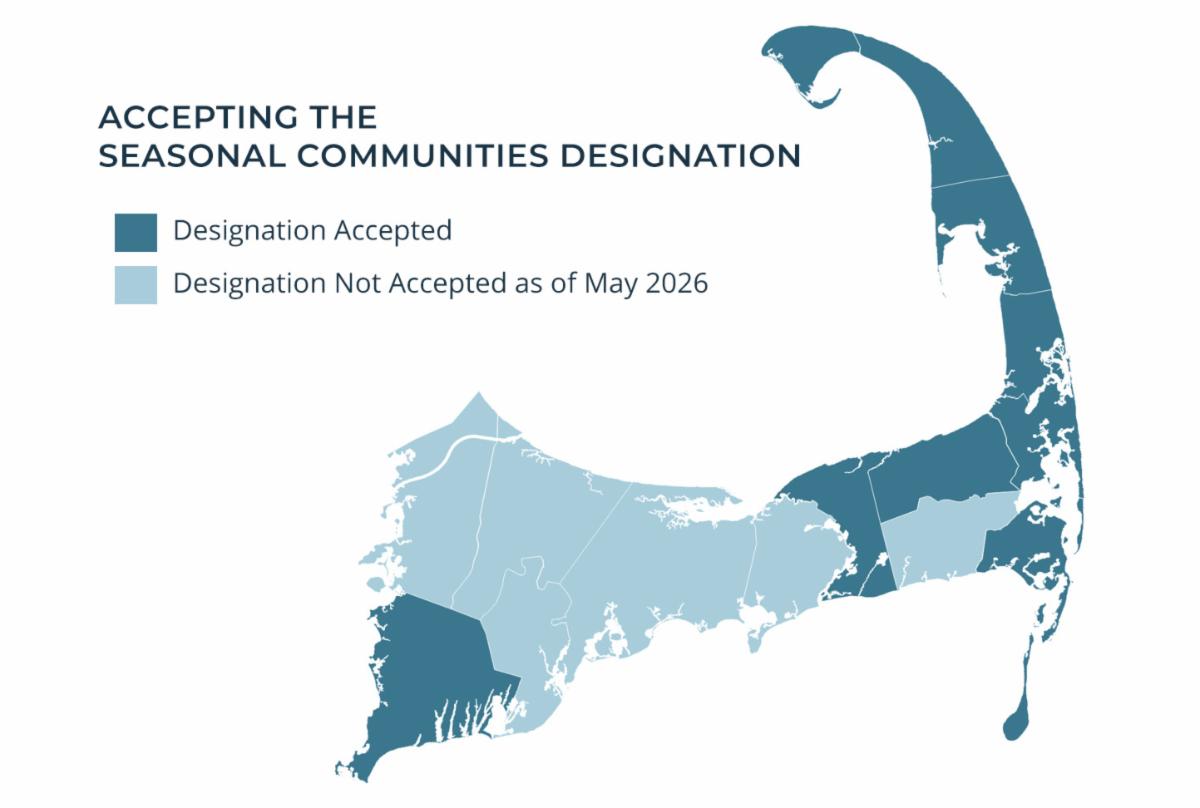
The Affordable Homes Act (Act) created the Seasonal Communities Designation as a means to tailor tools and resources to meet the needs of communities with a highly seasonal population. Designated Seasonal Communities must accept the designation in order to access the tools and resources available. The designation must be accepted by a majority vote of Town Meeting or Town Council. With passage of the Act, all municipalities in Barnstable County with at least 35% of their housing stock comprised of seasonal homes were designated (9 of 15 Cape Cod towns). In early 2026, the designations were expanded to include all Barnstable County municipalities. As of May 2026, 9 Cape Cod towns have accepted the designation.
Model zoning bylaws are being developed to help towns implement two key housing strategies required of Seasonal Communities: allowing tiny houses in single-family residential districts and enabling attainable housing on undersized lots, both approved “by right” when they meet defined standards. The model bylaws will be available soon. Read more about them in next month's Reporter.
| | |
Guiding design of future development in downtown Falmouth
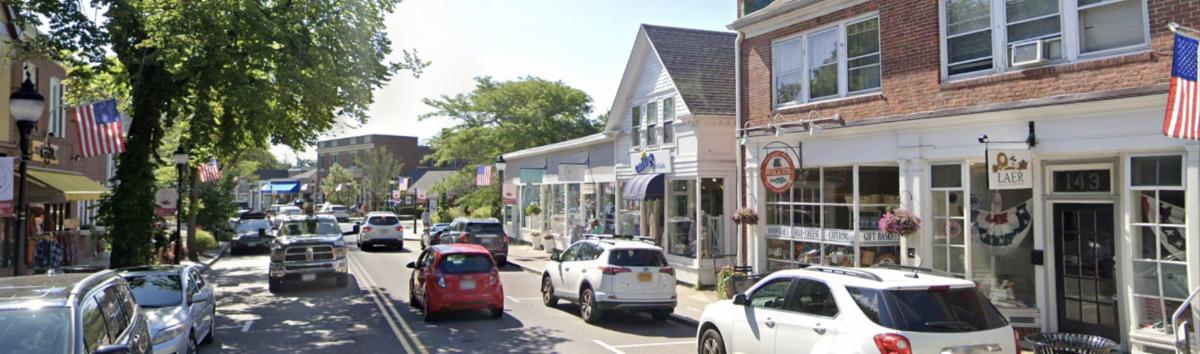
The Cape Cod Commission, funded through the Commonwealth’s District Local Technical Assistance (DLTA) program, worked with the Town of Falmouth to develop draft design guidelines for the Mixed Residential and Commercial Overlay District (MRCOD).
The guidelines offer a comprehensive framework to guide future development in one of the town’s most active corridors. The MRCOD district is focused on mixed-use and multifamily development, and the guidelines are intended to help ensure that new construction enhances community character while supporting housing, economic vitality, and walkable neighborhoods.
| |
What's included in the Unified Planning Work Program?
The Unified Planning Work Program (UPWP), developed by the Cape Cod Metropolitan Planning Organization and Cape Cod Commission staff, outlines the regional transportation planning work for Cape Cod from October 2026 through September 2027. At its core, the UPWP serves as a blueprint for how Commission transportation staff will study, plan, and advance improvements to the region's transportation system in the coming year.
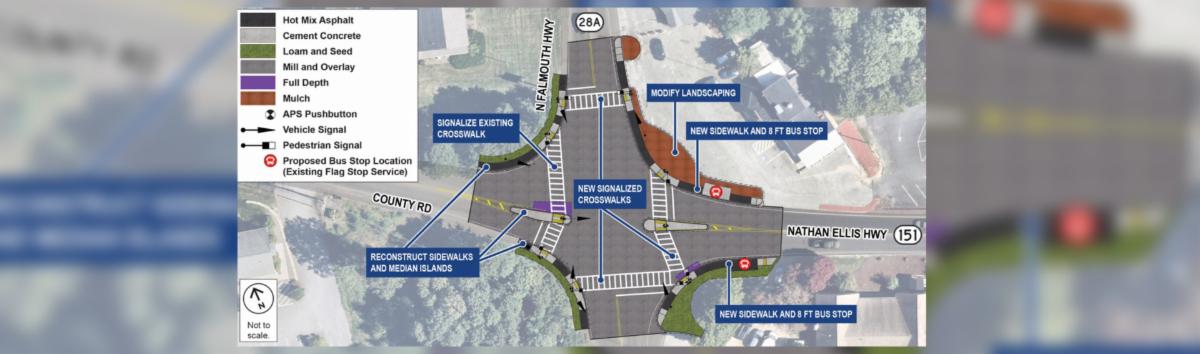
Developed annually, the UPWP unites federal priorities, regional goals, and local input to guide a wide range of planning activities. These include data collection, safety analysis, corridor studies, and transit planning.
| | |
Advancing the Comprehensive Economic Development Strategy
The Barnstable County Economic Development Council (BCEDC) is identifying annual priorities to support advancing the region’s Comprehensive Economic Development Strategy (CEDS) goals.
The Cape Cod Commission is collaborating with the BCEDC to strengthen CEDS implementation and engage regional partners in advancing economic development initiatives across Cape Cod. In recent months, Commission staff have conducted outreach to economic development stakeholders to better understand perspectives on current regional efforts and identify opportunities for increased collaboration. Staff will report back to the BCEDC with findings and recommendations to enhance regional engagement in the coming months.
| | |
Cape Cod Regional Pond Monitoring Program begins fourth year of data collection
Pond monitors are back in the field for the fourth year of the Cape Cod Regional Pond Monitoring Program, collecting monthly data from 75 ponds across Cape Cod through November. Launched in 2023, the program gathers critical information to improve understanding of pond health and changing environmental conditions across the region. Pond selection is coordinated with municipal and other monitoring programs to avoid duplication and maximize regional data coverage.
This year, the program has expanded to include monitoring of zooplankton — tiny organisms that feed on phytoplankton and form the base of the pond food web. Tracking zooplankton abundance and diversity will provide new insight into pond function, ecological resilience, and emerging environmental changes.
The Regional Pond Monitoring Program is conducted in collaboration with the Association to Preserve Cape Cod and is designed to complement existing monitoring efforts while building a better understanding of freshwater pond conditions across Cape Cod. Watch the video above for more information on the program, and explore the data at the link below.
|
Cape Cod Catalog of Dwellings offers model housing plans
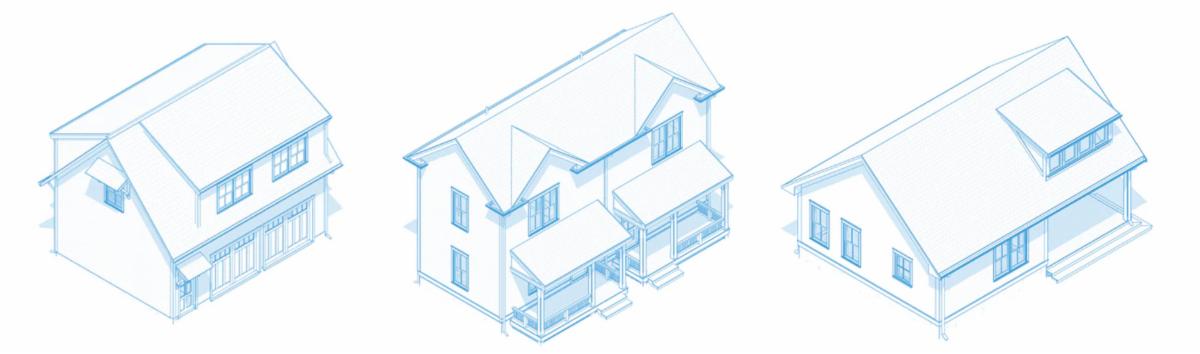
The Cape Cod Commission worked with Flintlock Lab, Union Studio Architecture and Community Design, and Kronberg Urbanists and Architects to develop model plans for a variety of compact and small-scale housing types, such as detached accessory dwelling units or cottages, duplexes, townhouses, triplexes, and small multifamily buildings that could ultimately be used for pre-approved housing plan programs.
The Cape Cod Catalog of Dwellings offers model housing plans for Barnstable County available for anyone to use today through existing permitting processes. These plans can form the basis for a pre-approved plans program that Cape Cod towns can implement at their own pace, in combination with broader zoning reforms and policy changes to make some of these or all of these plans pre-approved.
| |
Identifying suitable uses for town-owned parcels in Brewster
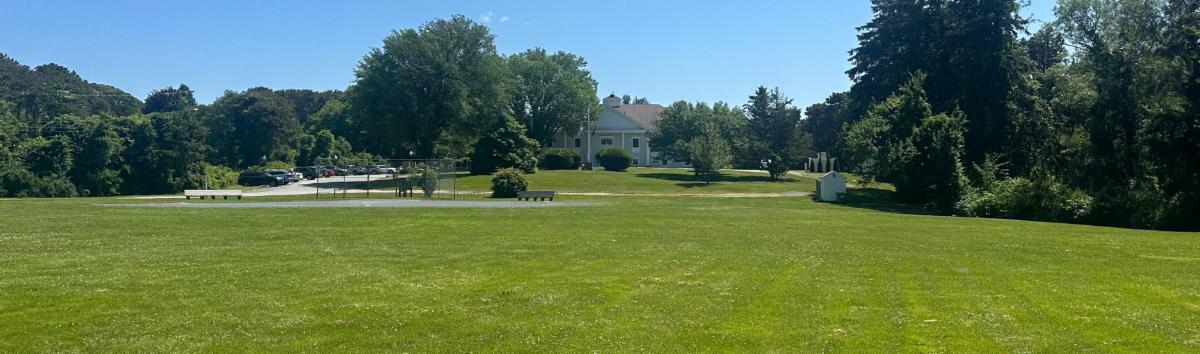
Determining what use is most suitable for municipal land can be complex. To support this effort, the Cape Cod Commission has begun working with the Town of Brewster and its Land Evaluation Committee to develop criteria for evaluating potential uses of town-owned parcels, from open space to housing.
Commission Deputy Director Steven Tupper and Chief Planner Chloe Schaefer presented to Brewster’s Land Evaluation Committee in early April, launching the process to identify and refine evaluation criteria.
| |
Notice of Public Review and Comment Period: FFY2026-2030 Transportation Improvement Program Amendment 4
During a meeting held on May 18, 2026, the Cape Cod Metropolitan Planning Organization (MPO) released the Federal Fiscal Year (FFY) 2026-2030 Transportation Improvement Program (TIP) Amendment 4 for a 21-day public review and comment period. A copy of the document may be downloaded at www.capecodcommission.org/mpo.
| |
Celebrating a new shared-use path in Sandwich
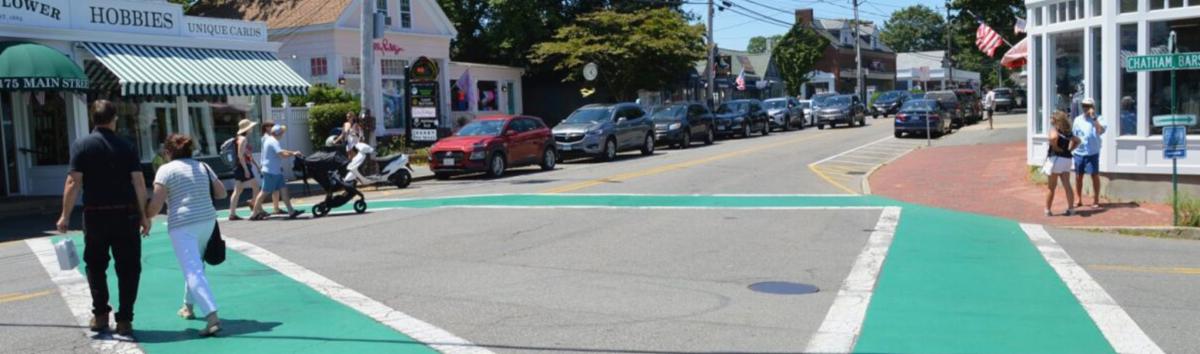
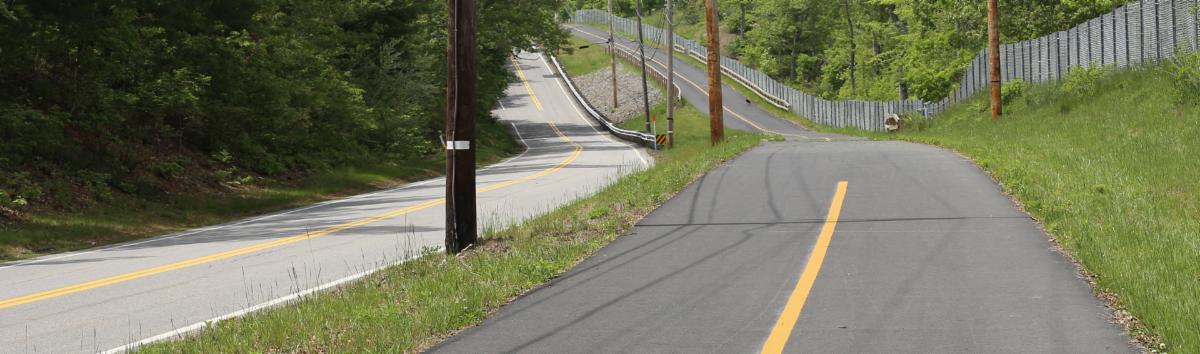
The Service Road in Sandwich is now safer and more accessible, with a brand-new, four-mile shared-use path officially opening this month.
Stretching between Robin Road and Chase Road, the Sandwich Service Road Trail is a fully accessible, paved path designed for bicyclists, walkers, runners, and others. Users can enjoy the rolling terrain and, at select high points, catch glimpses of Cape Cod Bay. In addition to recreation, the trail connects conservation lands and other local facilities, offering both convenience and scenic beauty.
| | Freshwater Initiative highlighted at the Big Blue Conference | | |
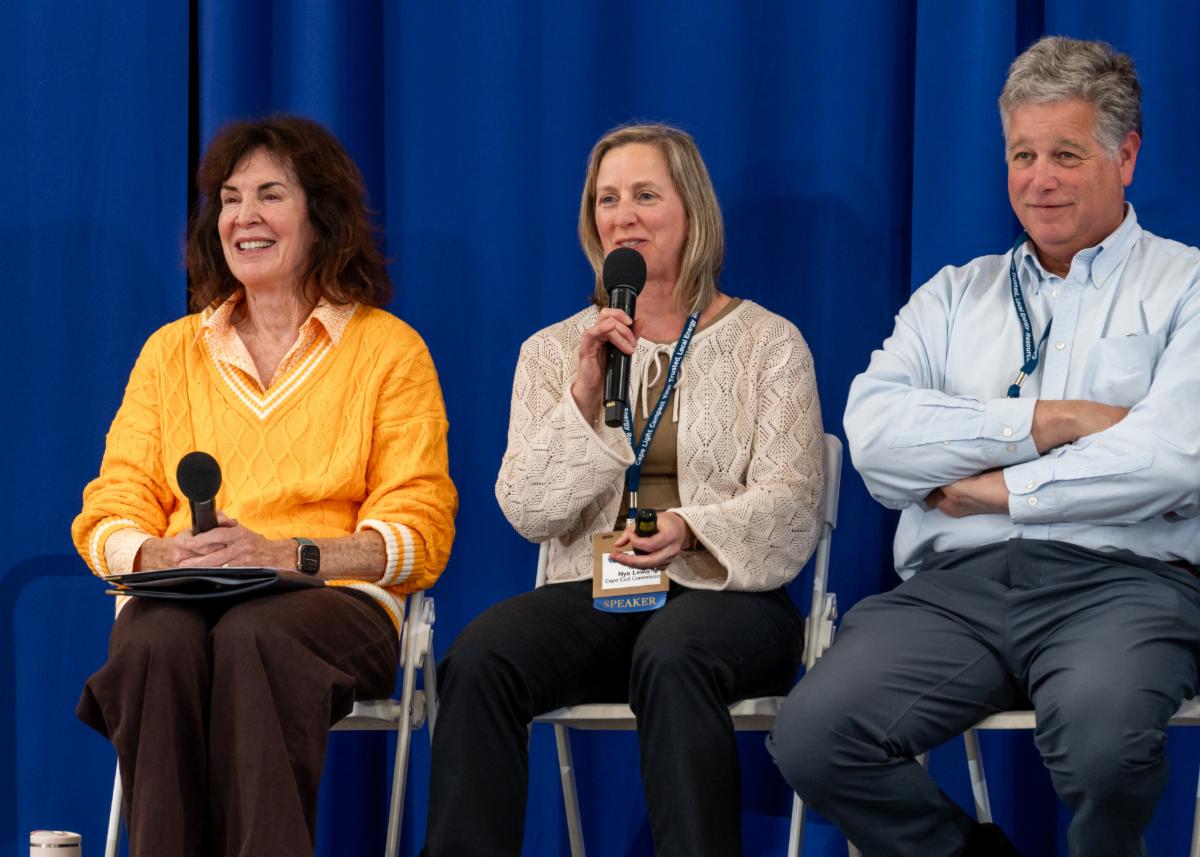
Cape Cod Commission Water Resources Analyst Tara Lewis joined Association to Preserve Cape Cod Executive Director Andrew Gottlieb and Trish Corey of Old Ladies Against Underwater Garbage for a panel discussion at the Big Blue Conference titled “Fresh Look at Fresh Water.”
Tara highlighted the Commission’s Freshwater Initiative, noting the abundance of ponds in the region, their unique kettle hole qualities, and the interconnected nature of the Cape’s water resources. She also discussed how ponds are especially vulnerable to land-use activities and the importance of protecting water quality. In addition, Tara shared findings from the initiative’s economic analysis, noting that cleaner water supports increased visitation and stronger property values across the region.
The Big Blue conference is the Cape Cod Blue Economy Foundation's annual industry conference curated to spark conversations and inspire actions relevant to the vitality of Cape Cod and the surrounding Blue Economy. Photo: Wayne Earl Chinnock Photography
| | Commission staff speak on the importance of the region's wetlands | | |
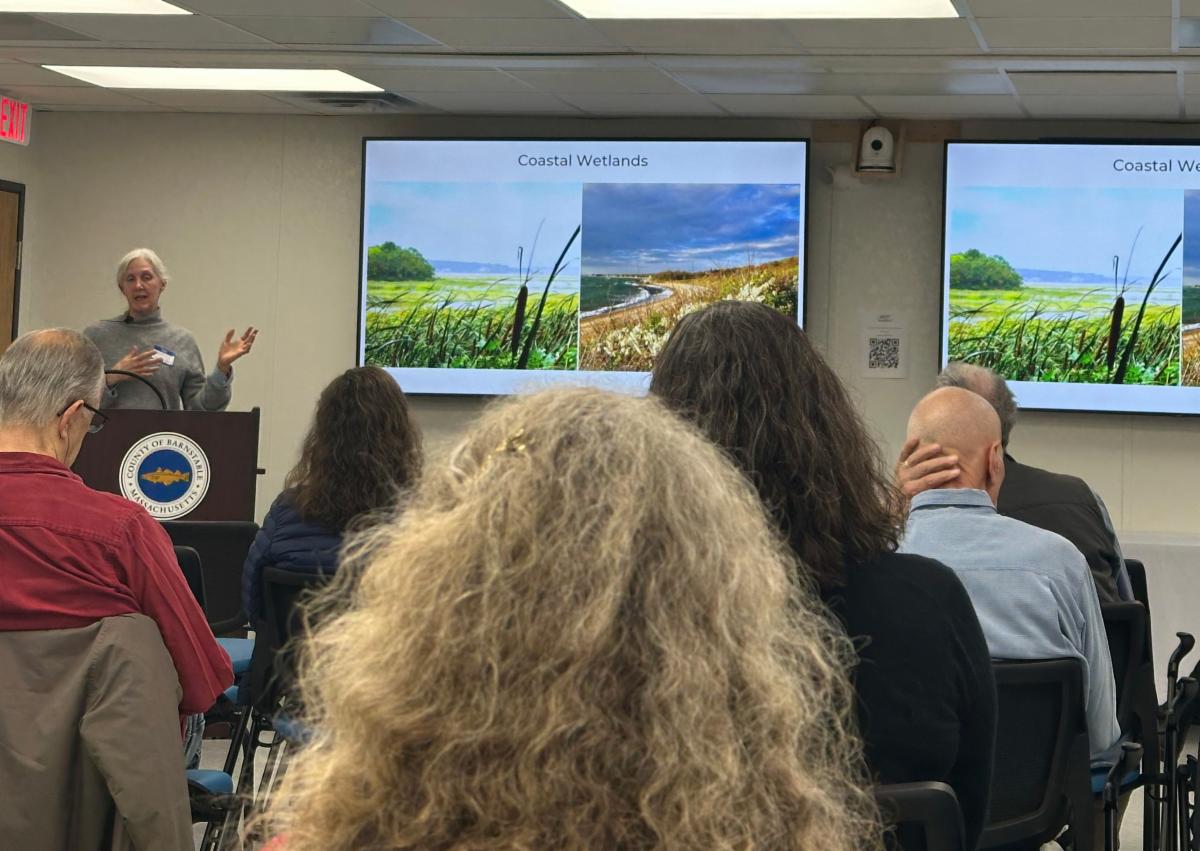
Cape Cod Commission Natural Resources Manager Heather McElroy and Water Resources Analyst Tara Lewis spoke at the Cape Cod Clean Water Center in late April, presenting a talk entitled "Wetlands at Work: Natural Solutions for Wastewater."
Heather and Tara discussed the importance of creating strong buffers in pond and marine embayments and how they can help with the Cape’s nutrient loading issues.
| | | | |