|
Cape Cod’s drinking water is a vital natural resource that requires deliberate land use, conservation, and planning. It is essential that we remain committed to its protection and preservation and ensure it continues to meet the region’s needs.
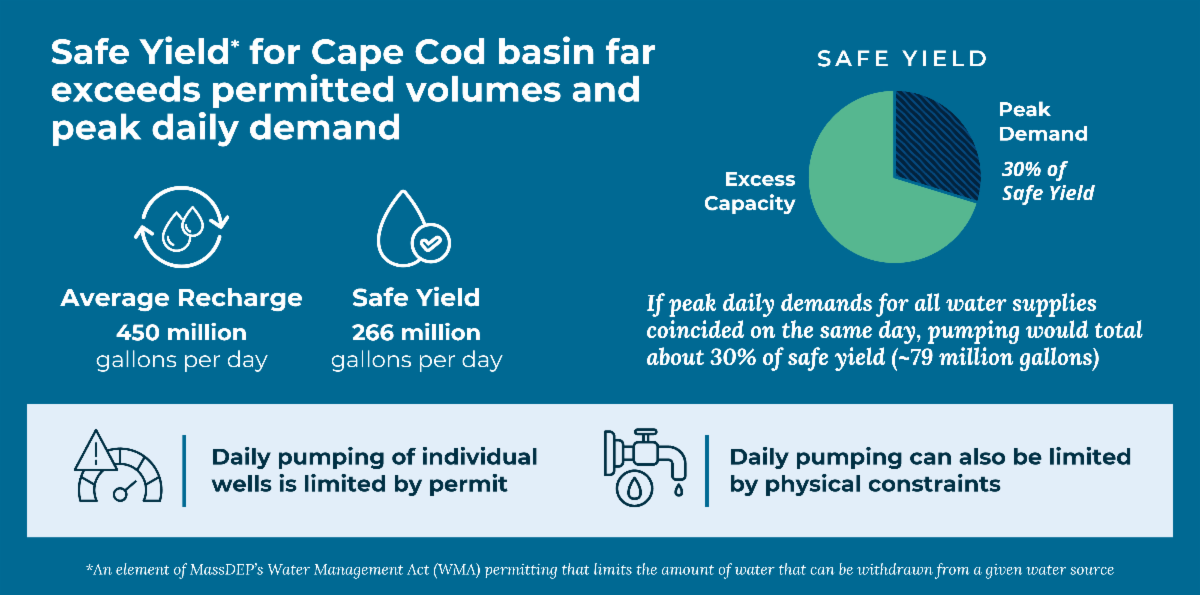
The region’s sole-source aquifer is our only source of drinking water. Nearly 450 million gallons of water enter the aquifer each day, or about 164 billion gallons each year. Local water suppliers are, collectively, permitted to withdraw approximately 13.6 billion gallons annually, though actual withdrawals are closer to 11 billion gallons, well below what MassDEP has determined as the safe yield of the aquifer.
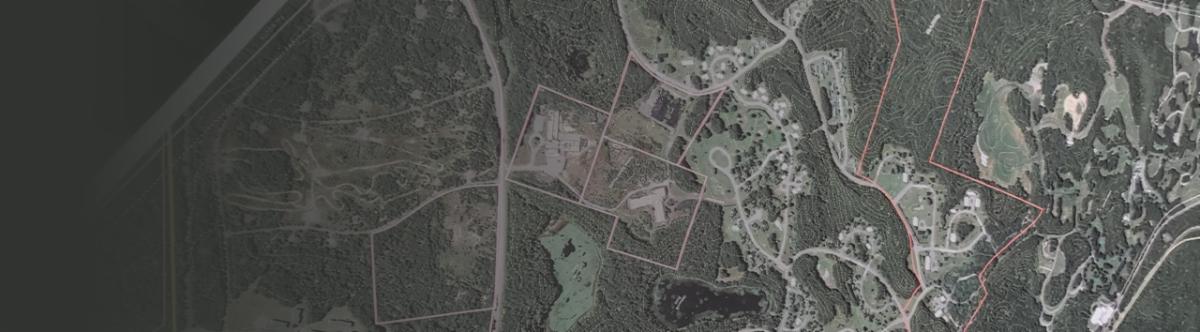
While our water supply is abundant, reliable access can be challenging, especially during times of peak demand. Protecting land that supports current and future water supplies is critical. A recent Commission analysis found that less than 11 percent of Cape Cod’s land is suitable for potential public water supply development, making land protection in these areas a key priority as the Commission advances the Cape Cod Regional Open Space Plan.
Since the first Regional Policy Plan (RPP) in the early 1990s, water resource protection has been a central Commission priority. The 2025 RPP reaffirms this commitment, with a goal of maintaining a sustainable supply of high-quality drinking water while protecting and restoring Cape Cod’s freshwater and marine resources. It includes actions the Commission is advancing, such as aquifer protection planning to evaluate the aquifer’s health and capacity and ensure new water supplies do not adversely impact freshwater resources and development of an advanced groundwater model to understand the impacts of water withdrawals.
The Commission is taking action to protect Cape Cod’s water, combining decades of experience with new tools, data and regional planning to ensure our region’s water remains plentiful, protected and available for the future.
--Kristy Senatori
|