|
|
|
|
|
|
Greetings Fellow Americans,
|
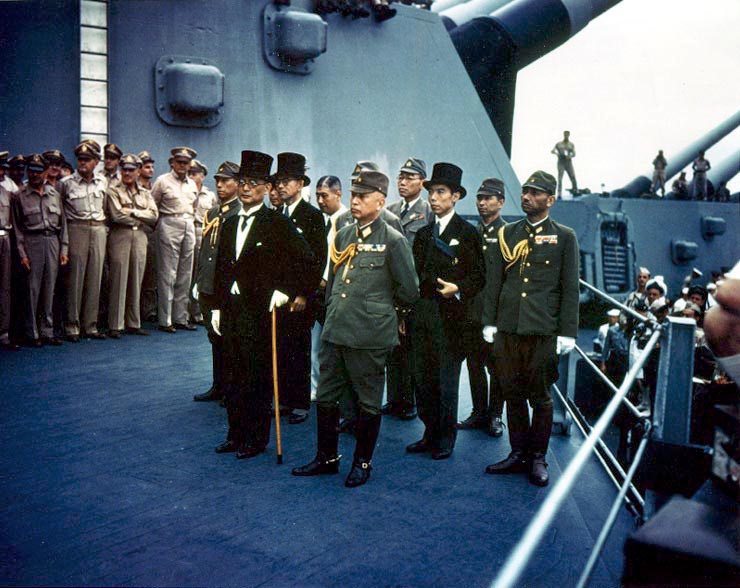
2 September 1945 the Japanese signed the instruments of surrender. We have not surrendered on our quest to open a Military Museum on Cape Cod. I apologize for not getting a newsletter out for the last couple of months. Summer is the busier time for my business, Dogman Dog Training. I am a one man show so if I get busy it is easy to get swamped. We still collected items and images for the museum. I also may have found a way out of the catch-22 situation the Museum has found itself in. We can't legally raise funds for the museum without a the proper tax status...and we don't have the money to get the proper tax status. I will get back to you on that in a later newsletter....
|
|
 |
|
|
|
JOSEPH SHANAHAN COLLECTION
|
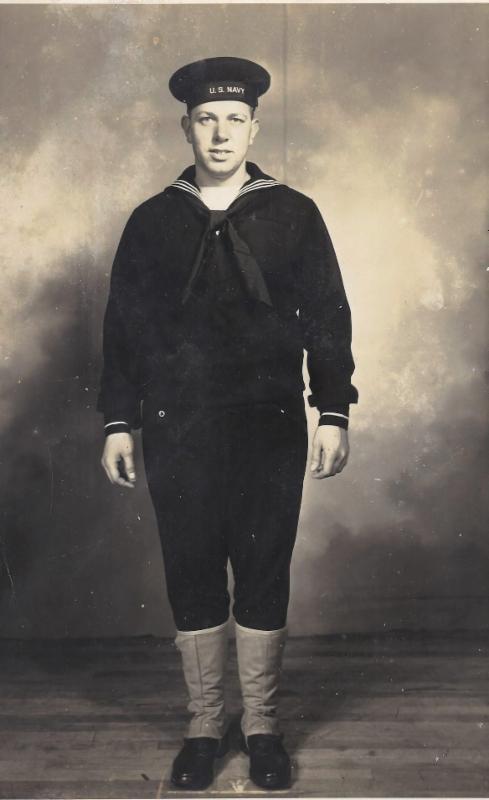
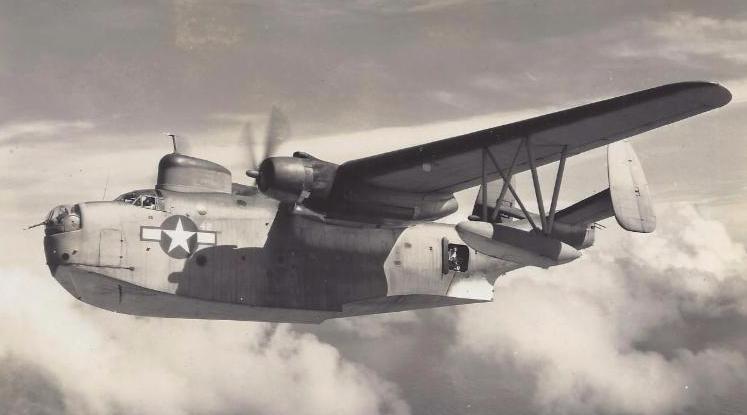
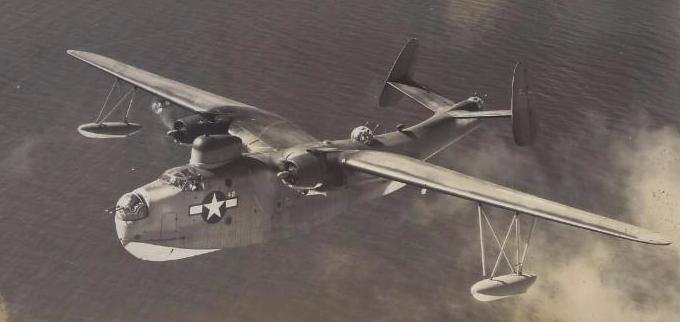
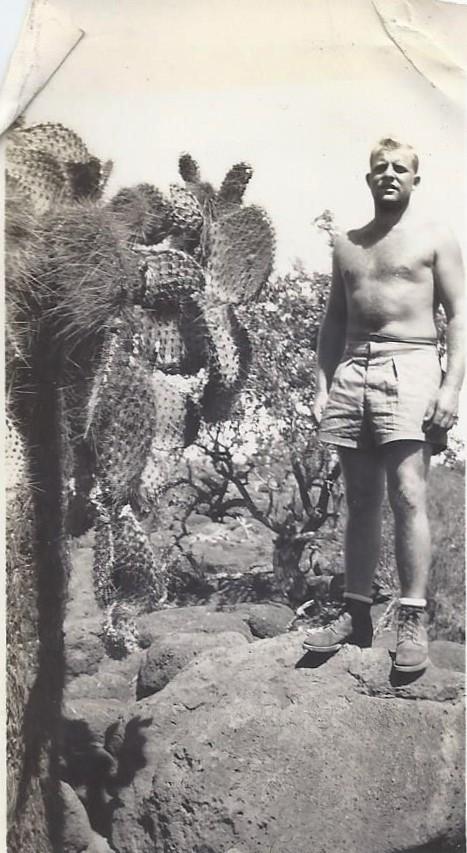
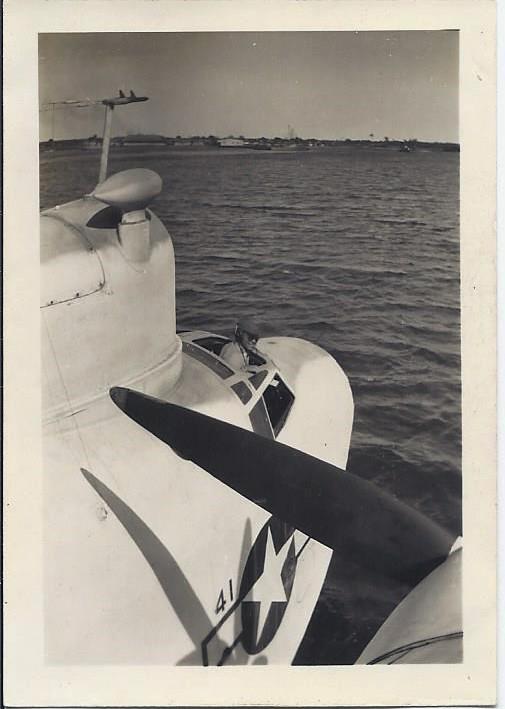
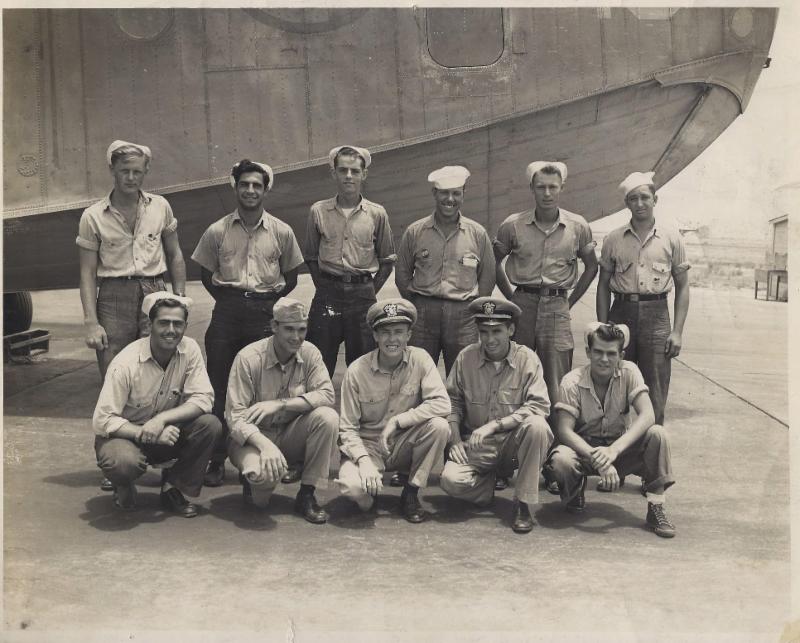
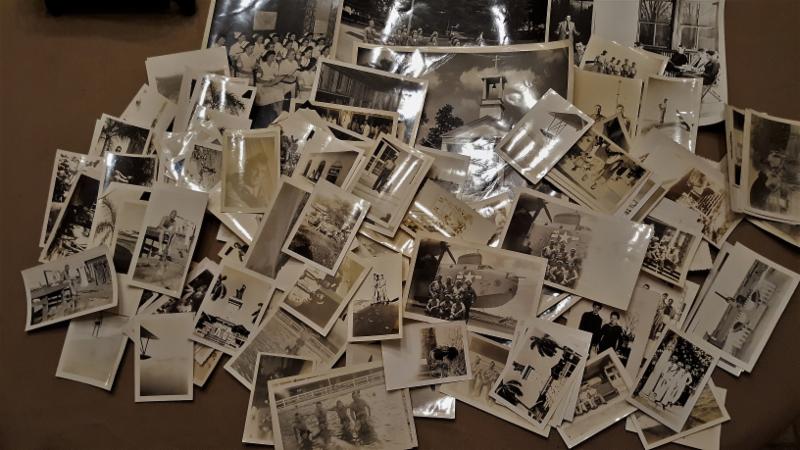
Margaret Shanahan donated a large collection of WWII photographs from her late father, Joseph Shanahan Jr. Joseph served in the U.S. Navy. He was in VP 204. VP-44 was a Patrol Squadron of the U.S. Navy. It was established as VP-204 on 15 October 1942, redesignated as Patrol Bombing Squadron VPB-204 on 1 October 1944, redesignated as VP-204.The unit flew Martin PBM Mariners. Mariners were American patrol bomber flying boats of World War II and the early Cold War period.
Notice the searchlight on the starboard wing and bombs under the engines. Mariners had no bomb bay. I assume the buldge behind the cockpit is a radar dome. PBMs were used on anti-submarine patrols, sinking their first German U-boat, U-158 on 30 June 1942.[5] PBMs were responsible, wholly or in part, for sinking a total of ten U-boats during World War II.[5] PBMs were also heavily used in the Pacific War, operating from bases at Saipan, Okinawa, Iwo Jima and the South West Pacific.[6]
- 28 March-7 August 1943: VP-204 aircraft attacked German U-boats on eight separate occasions. During three of the attacks, intense anti-aircraft (AA) fire from the submarines damaged the attacking aircraft. One submarine was sunk on 7 August 1943 after a running gun battle in the Caribbean southeast of Curaçao. Lieutenant (jg) John M. Erskine, pilot of a squadron PBM-3S, attacked U-615 on the surface on 6 August, causing moderate damage. The squadron conducted a hold-down of the submarine over night. On the morning of 7 August, Lieutenant Anthony R. Matuski spotted the U-boat when it surfaced and made an attack run. His aircraft was damaged by return fire and crashed, losing all hands. Lieutenant Lewis D. Crockett, flying a squadron aircraft, located the U-boat and conducted a bomb run that further damaged the vessel, but resulted in severe damage to his aircraft from AA fire. He remained on the scene until Lieutenant Holmes, pilot of a VB-130 PV-1 Ventura arrived . The two aircraft conducted a coordinated bombing and strafing attack, however, the final blow to U-615 was administered by Lieutenant (jg) John W. Dresbach, in a VP-204 Mariner, when he arrived on the scene and made a bombing and strafing attack on the U-boat. This attack resulted in mortal wounds to Dresbach, but was the final blow for the submarine.
 - A U.S. Navy destroyer from Trinidad reached the area the next morning and rescued 45 of U-615's crew of 49. I will add more photos from Mr. Shanahan's collection...probably as posts on our Facebook page as I have a few more to go through...
|
|
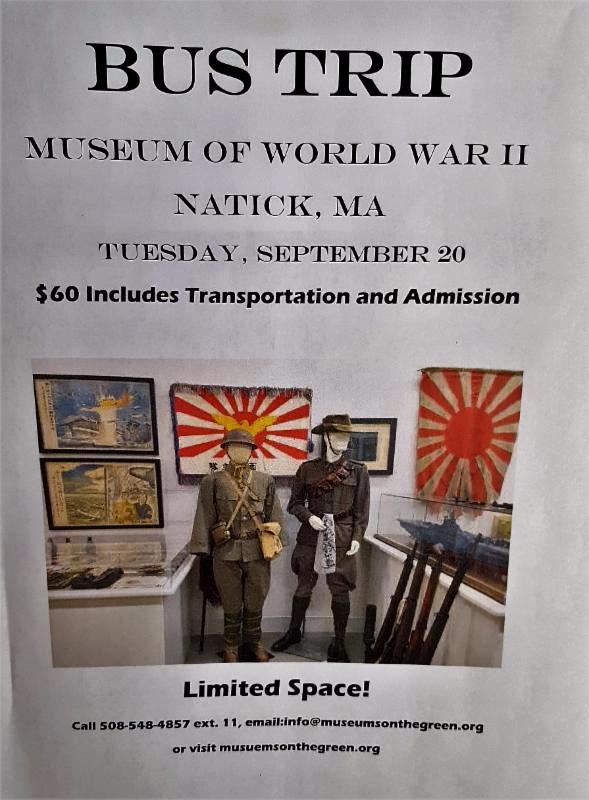
FIELD TRIP!
|
|
I am going. There were a few seats left when I got mine.
|
|
WEB FINDS
|
| 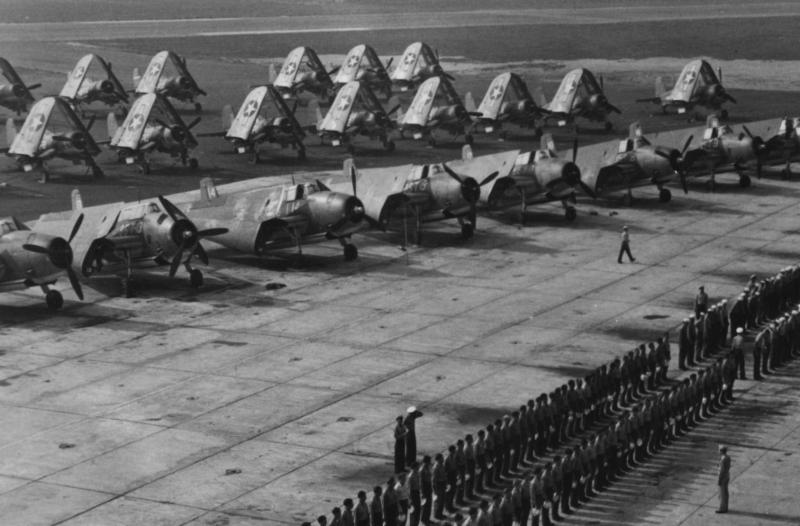
Because of this photograph showing Naval aircraft flying out of Otis during WWII, I bid on E-bay to win an 1/18th scale replica of an TBF Avenger. I like the 1/18th scale because it is an easy to see size for displays. Now I have to find better photos of how the planes were painted and marked so I can convert this beast into an Otis/Quonset Point bird. The replica is over two feet long! 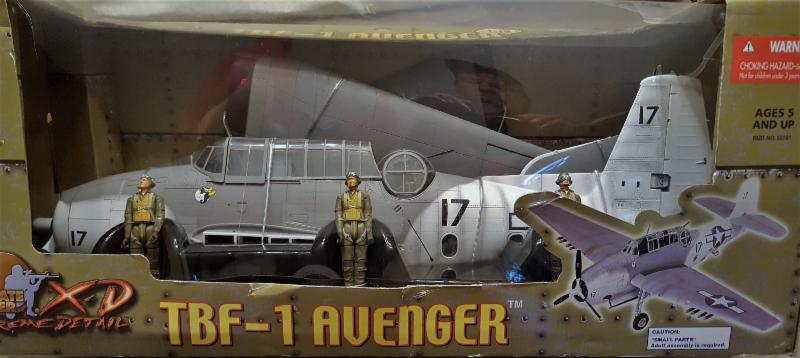
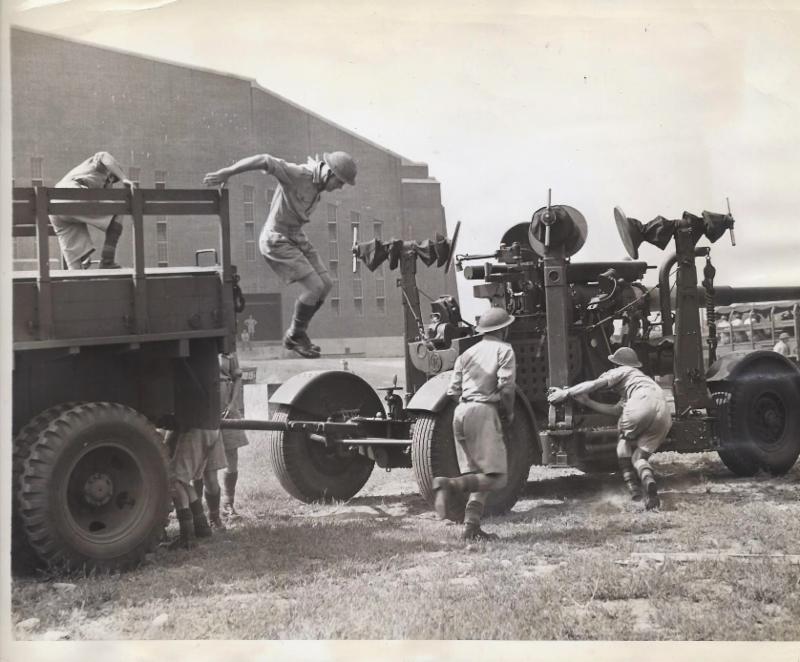
I picked up another wire service photo of our old Chums from the British 1st Composite AAA Battery. These crack troops toured the U.S. in 1943 demonstrating AA skills to American Citizens and troops. This photo was taken just prior to their stint at Camp Edwards and Scorton Creek AAA facility Sandwich. 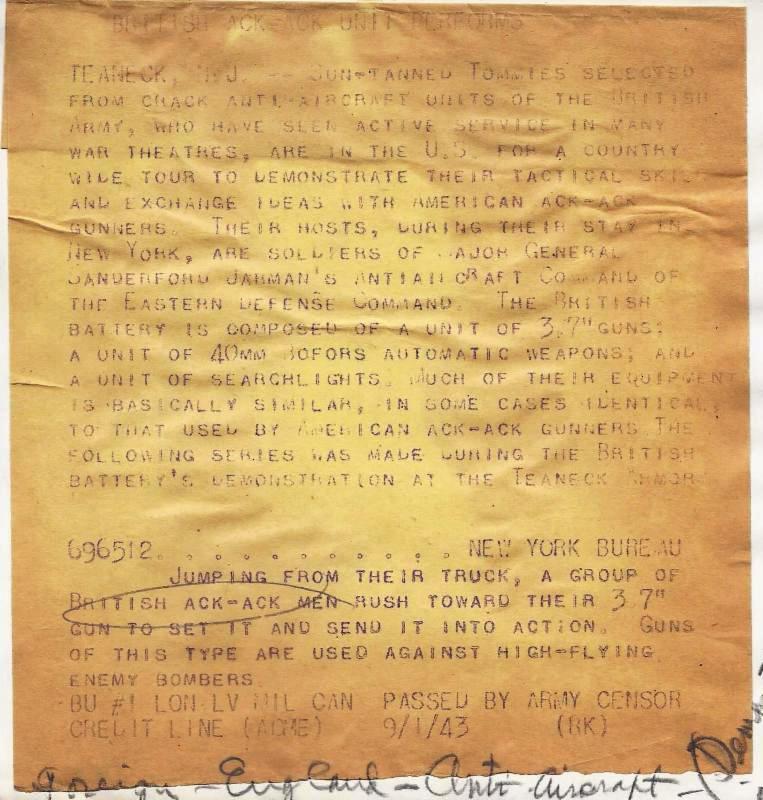
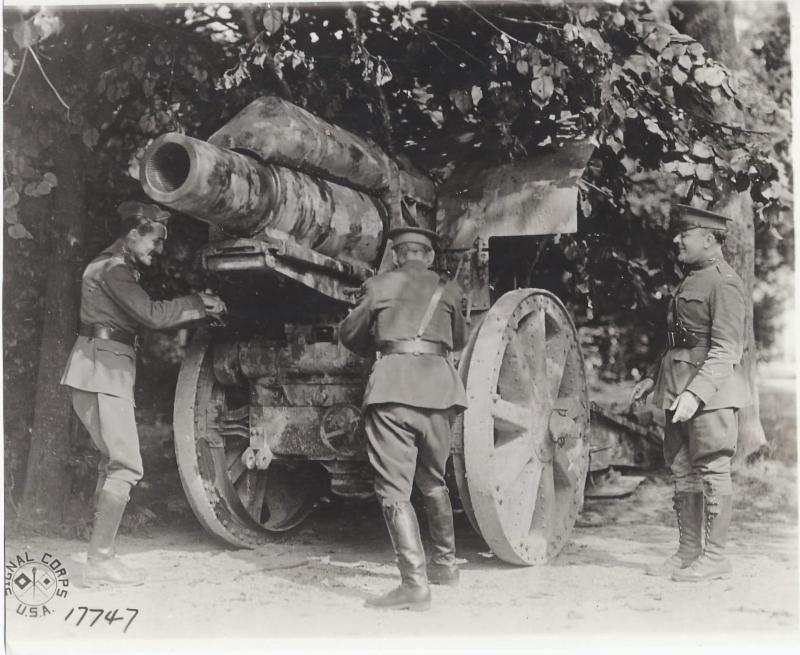
Yankee Division troops examine a capture German 240mm Howitzer during WWI. In a classic example of turning a sword into a plowshare my Minister, the Rev. Nell Fields, donated a piece of trench art. Trench art are brass shell casings beaten into pieces of art. I believe it came through her family and their military service. 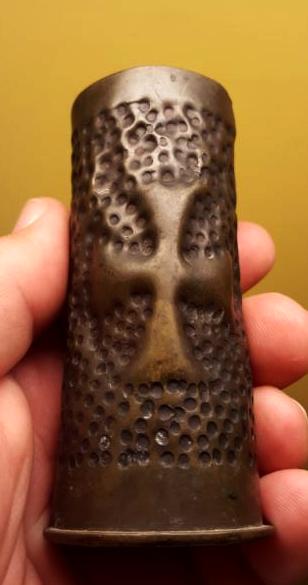 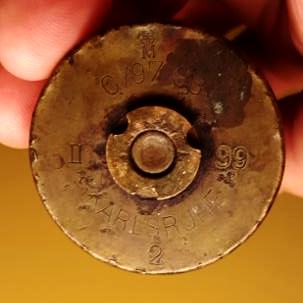
She always thought it was American. Since it was a German shell and I believe the design is the iron cross I am going to guess it was a piece of German trench art "liberated" by a U.S. Doughboy. 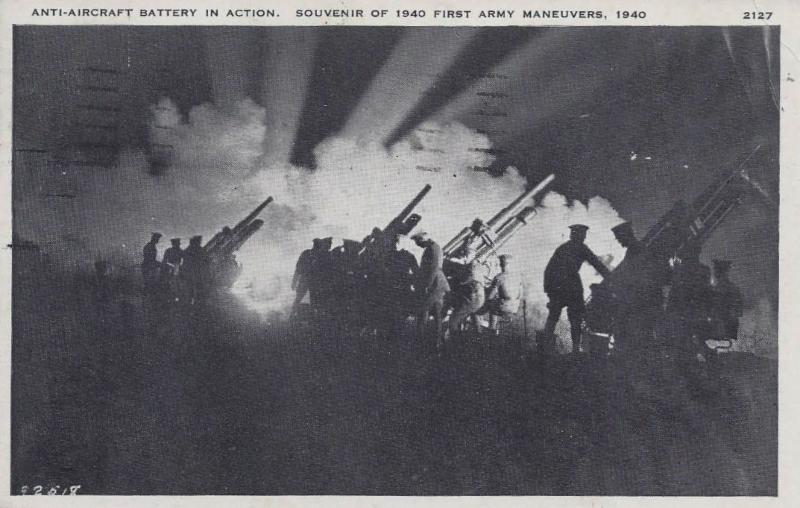
I picked up a postcard from the 1st maneuvers in which the YD division participated. It was the writing on the back that made me buy it. 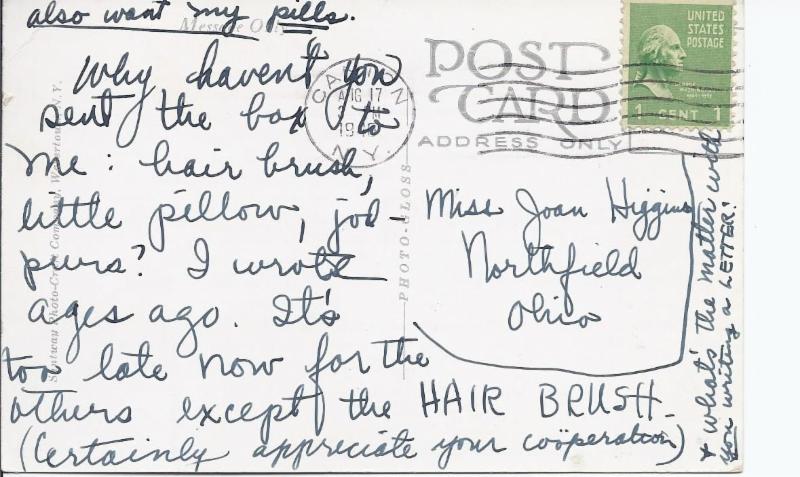
|
|
|
Joseph Yukna, Co-Founder
joeyukna@gmail.com
capecodmilitarymuseum.org
facebook/capemilitarymuseum
twitter/capemilitarymus
774-487-0325
|
|
|