|
Utility Tax Exemption: HB 244 by Rep. Danny Crawford, R-Athens, would amend Alabama’s utility gross receipts tax and utility service tax statutes to exclude the use or purchase of natural gas and electricity consumed as fuel or energy in commercial greenhouses, pivot irrigation systems and poultry houses from these taxes. HB 244 was introduced in the House last week and awaits action in the House Ways and Means Education Committee. A companion bill, SB 159 by Sen. Jack Williams, R-Wilmer, was also introduced last week and referred to the Senate Finance and Taxation General Fund Committee.
Deer Feed Tax Exemption: HB 87 by Rep. Chris Sells, R-Greenville, would exempt corn sold as deer feed from state sales taxes. The bill was passed by the House Tuesday and sent to the Senate where it awaits action in the Senate Finance and Taxation Education committee.
Water Well Driller License and Fees: HB 69 by Rep. Matthew Hammett, R-Andalusia, establishes unrestricted and restricted licenses for well drillers and related activities. The bill also increases licensing fees, extends license terms and requires continuing education for license renewal. The bill passed the House Thursday and awaits committee referral in the Senate.
Veterinarian-Client-Patient Relationship: SB 85 by Sen. Larry Stutts, R-Tuscumbia, amends veterinary practice laws to define and regulate the veterinarian-client-patient relationship (VCPR). This bill was referred to the Senate Agriculture, Conservation and Forestry Committee last week where it awaits action.
Environmental Standards: HB 162 by Rep. Troy Stubbs, R-Wetumpka, and SB 71 by Sen. Donnie Chesteen, R-Geneva, restricts state agencies from adopting environmental protection rules that are more stringent than federal standards in specific areas, such as drinking water and air quality, ensuring the best available science is used when setting environmental standards. SB 71 received a favorable report in the Senate County and Municipal Government Committee and awaits action in the full Senate.
Rural Hospital Investment Updates: HB 245 by Rep. Terri Collins, R-Decatur, would amend the Alabama Rural Hospital Investment Program to enhance oversight, expand the definition of utility tax eligible for tax credits and modify board composition and administration. The bill was reported out of the House Ways and Means Education Committee Tuesday and passed the full House Thursday. HB 245 awaits action in the Senate.
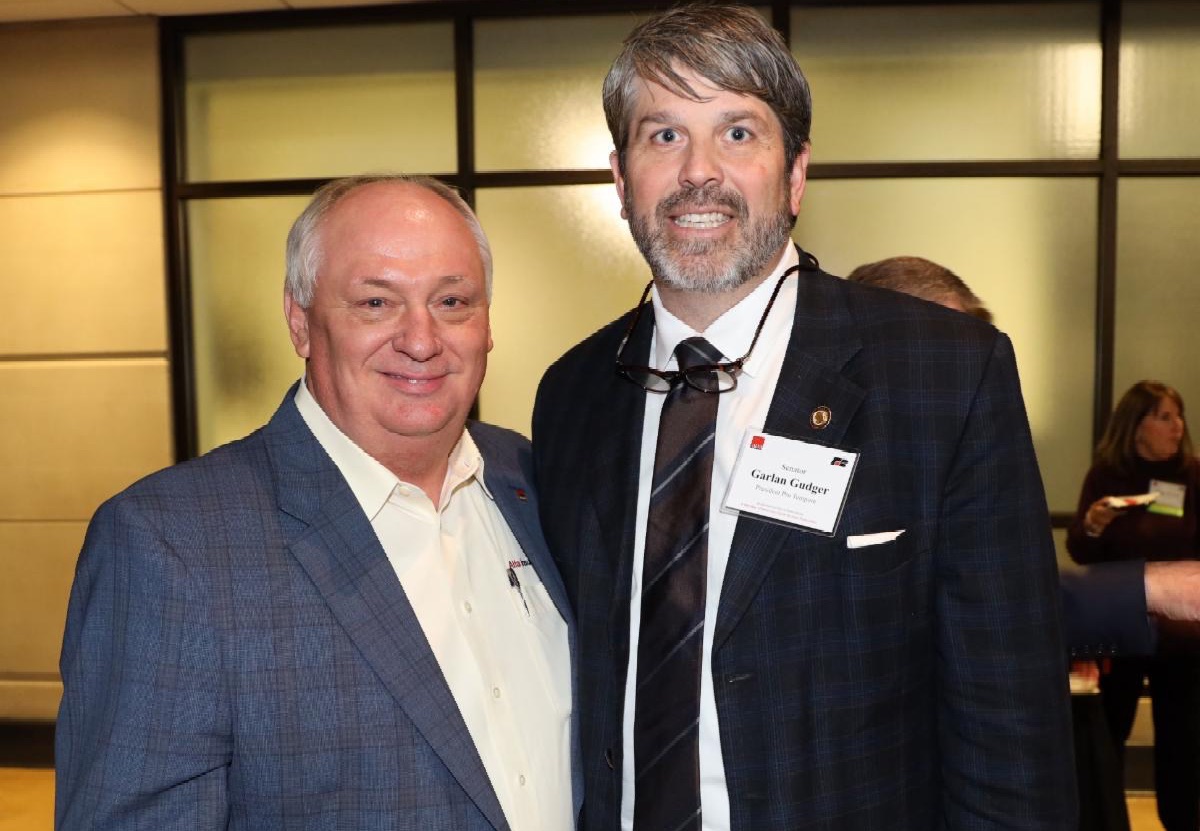
Cullman Community Development District Repeal: Act 2026-2, by Sen. Garlan Gudger, R-Cullman, repeals Act 2025-294 which authorized the annexation of a community development district. The bill, SB 12, was voted out of the Senate last week and was carried in the House by Rep. Cindy Myers, R-Bremen, where it received approval Thursday. The act was signed by Gov. Ivey Thursday.
Mandatory Financial Publishing and Tax Ordinance Requirements: SB105 by Sen. Keith Kelley, R-Anniston, would mandate all county commissions and municipal governing bodies in Alabama annually publish comprehensive financial information online, including financial statements, audits, monthly expenditures, and budgets. SB 105 was reported favorably out of the Senate County and Municipal Government (CMG) Committee Tuesday and awaits action by the full Senate. SB 148 by Sen. Gerald Allen, R-Tuscaloosa, requires municipalities to impose new taxes or license fees through an ordinance, eliminating the ability to do so by resolution. The legislation also requires a minimum 30-day public notice and a public hearing on any proposed tax or fee change before it can be adopted. SB 148 was reported favorably out of the Senate CMG Committee Tuesday and awaits action by the full Senate.
State Forester Role and Benefits Update: HB 267 by Rep. Chris Sells, R-Greenville, updates the governance and operational procedures of the Alabama Forestry Commission, particularly refining the role and benefits of the State Forester, removing the commission's authority to appoint forest law enforcement officers, and enhancing regulations around prescribed burns and fire prevention. It establishes stricter permit requirements and penalties related to prescribed burning, redefines wildfire alert authority, and reorganizes the handling and disposition of seized vehicles and equipment related to timber law violations. The legislation also repeals multiple outdated provisions concerning forest fire wardens and fire prevention penalties, aiming to modernize forestry regulation and fire management in Alabama. This bill was reported favorably out of the House Forestry and Agriculture Committee Wednesday.
|