NASA Newsletter

In this week's newsletter, view new infrared images of the Red Planet taken by NASA's Europa Clipper; explore how the James Webb Space Telescope found water ice throughout a dusty debris disk circling the Sun-like star HD 181327; and discover the technique used to reveal new details about the interiors of the Moon and the asteroid Vesta. Plus, more stories you might have missed.

SCIENCE

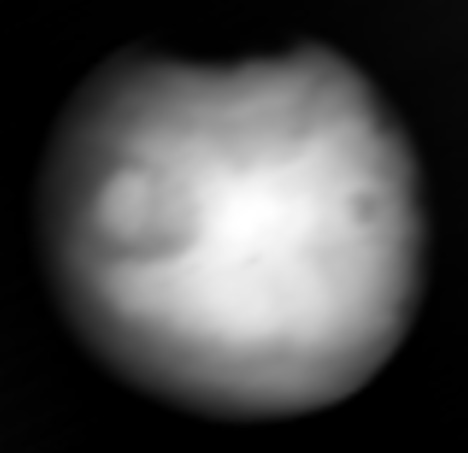
Capturing Mars in Infrared

On its recent swing by Mars, Europa Clipper took the opportunity to capture infrared images of the Red Planet. The data will help mission scientists calibrate the spacecraft’s thermal imaging instrument so they can be sure it’s operating correctly when the spacecraft arrives at the Jupiter system in 2030.


The mission’s sights are set on Jupiter’s moon Europa and the global ocean hidden under its icy surface. A year after slipping into orbit around Jupiter, Europa Clipper will begin a series of 49 close flybys of the moon to investigate whether it holds conditions suitable for life.


A key element of that investigation will be thermal imaging — global scans of Europa that map temperatures to shed light on how active the surface is. Infrared imaging will reveal how much heat is being emitted from the moon and where the ocean is closest to the surface.


EUROPA CLIPPER FLYBY

SCIENCE

A Step Toward Mars


Practice makes perfect, and when sending humans to Mars, you definitely want things to be perfect. Through simulated missions in Mars Dune Alpha—an isolated, 1,700-square-foot, 3D-printed habitat at NASA’s Johnson Space Center in Houston—NASA researchers gather data on a variety of human exploration factors, such as physical and behavioral health and performance.


ANALOG MISSIONS

THE UNIVERSE

Cold as Ice


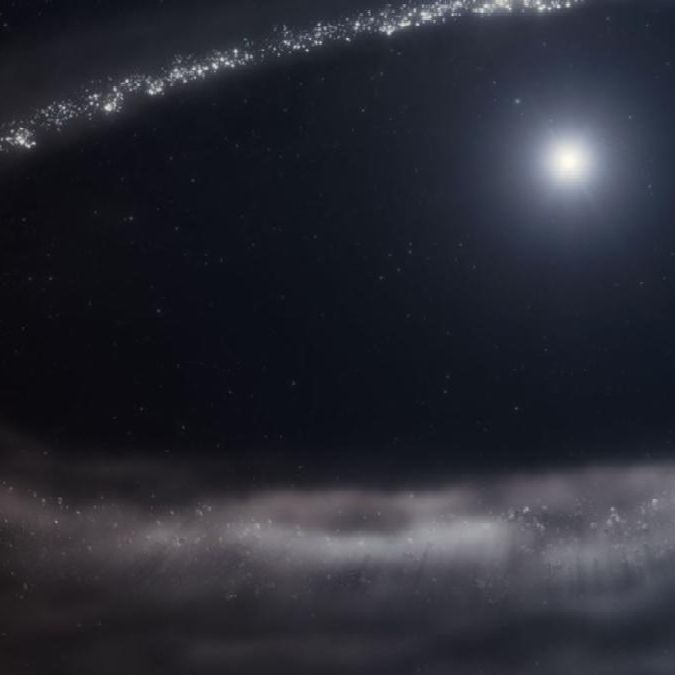
The James Webb Space Telescope has found water ice throughout a dusty debris disk circling the Sun-like star HD 181327. Water ice heavily influences the formation of giant planets and may also be delivered by comets to fully formed rocky planets. Now that researchers have detected water ice with Webb, they have opened the door to studying how these processes play out in new ways.


LEARN MORE

THE SOLAR SYSTEM

Dancing Lights


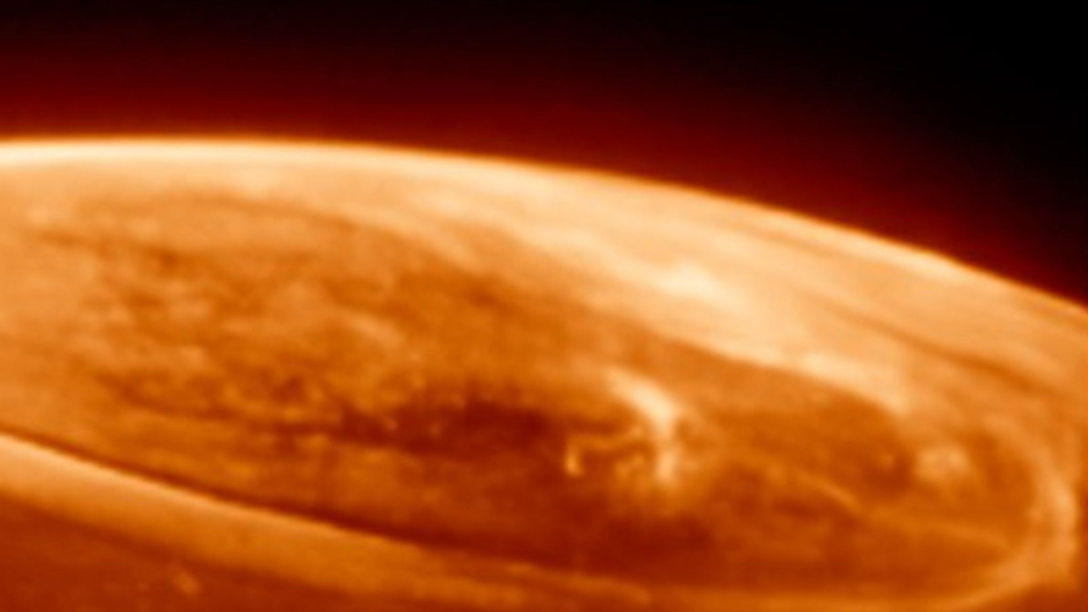
The James Webb Space Telescope has captured a spectacular light show on Jupiter — an enormous display of auroras unlike anything seen on Earth. These infrared observations reveal unexpected activity in Jupiter’s atmosphere, challenging what scientists thought they knew about the planet’s magnetic field and particle interactions. Combined with ultraviolet data from the Hubble Space Telescope, the results have raised surprising new questions about Jupiter’s extreme environment.


LEARN MORE

THE SOLAR SYSTEM

Partly Cloudy With a Chance of Methane Showers


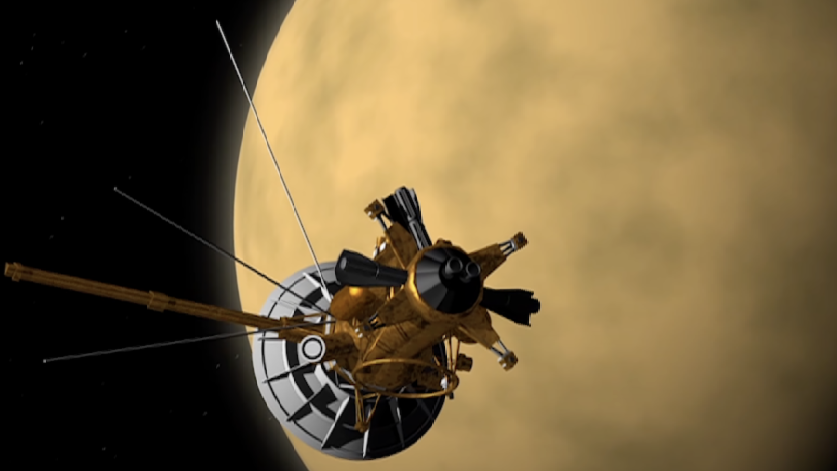
Of all the alien worlds in our solar system, one in particular resembles our home planet: Titan. The largest moon of Saturn is the only other place we know of where you could walk along the seashore or stand in the rain. However, Titan’s exotic seas and its oily raindrops are not made of water, but of the natural gases methane and ethane, super-chilled into liquid form. Now, the James Webb Space Telescope has revealed a crucial, missing step in how ethane is formed, and its discovery could tell us about the future of Titan’s atmosphere.


LEARN MORE

More NASA News

Following an international signing ceremony on May 15, NASA congratulated Norway on becoming the latest country to join the Artemis Accords, committing to the peaceful, transparent, and responsible exploration of space.

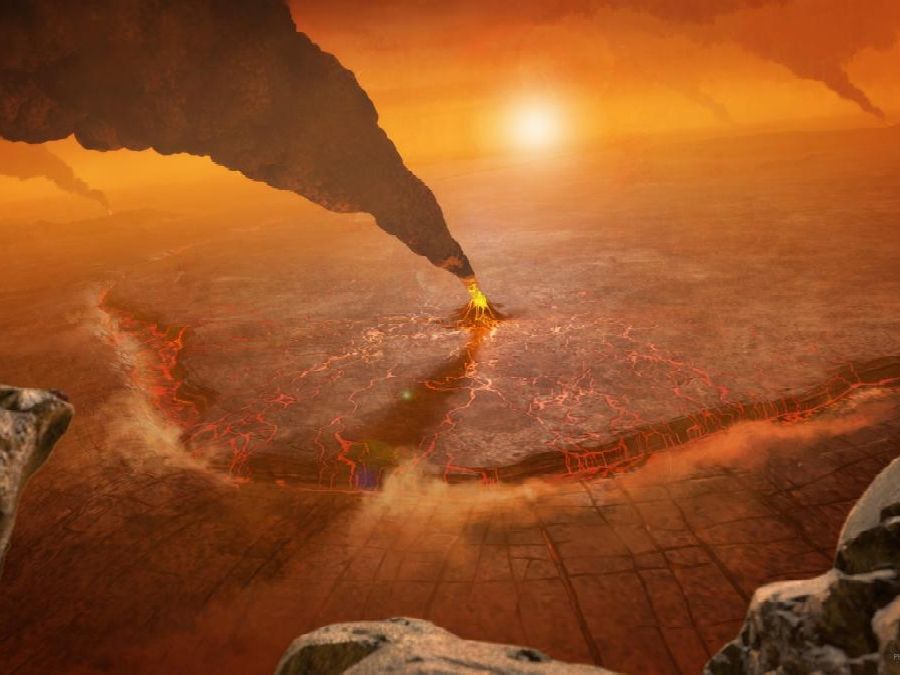
Vast, quasi-circular features on Venus’ surface may reveal that the planet has ongoing tectonics, according to new research based on data gathered more than 30 years ago by NASA's Magellan mission.

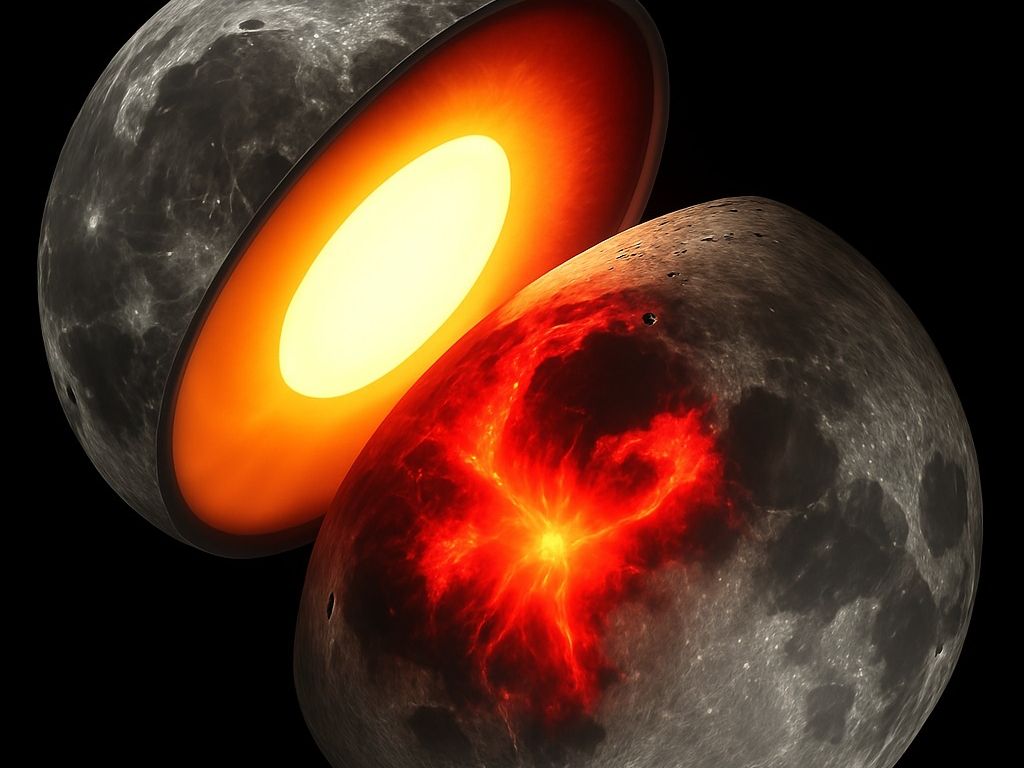
Although the Moon and the asteroid Vesta are very different, two new NASA studies use the same technique to reveal new details about the interiors of both: analyzing gravity data collected by spacecraft orbiting other worlds without having to land on the surface.

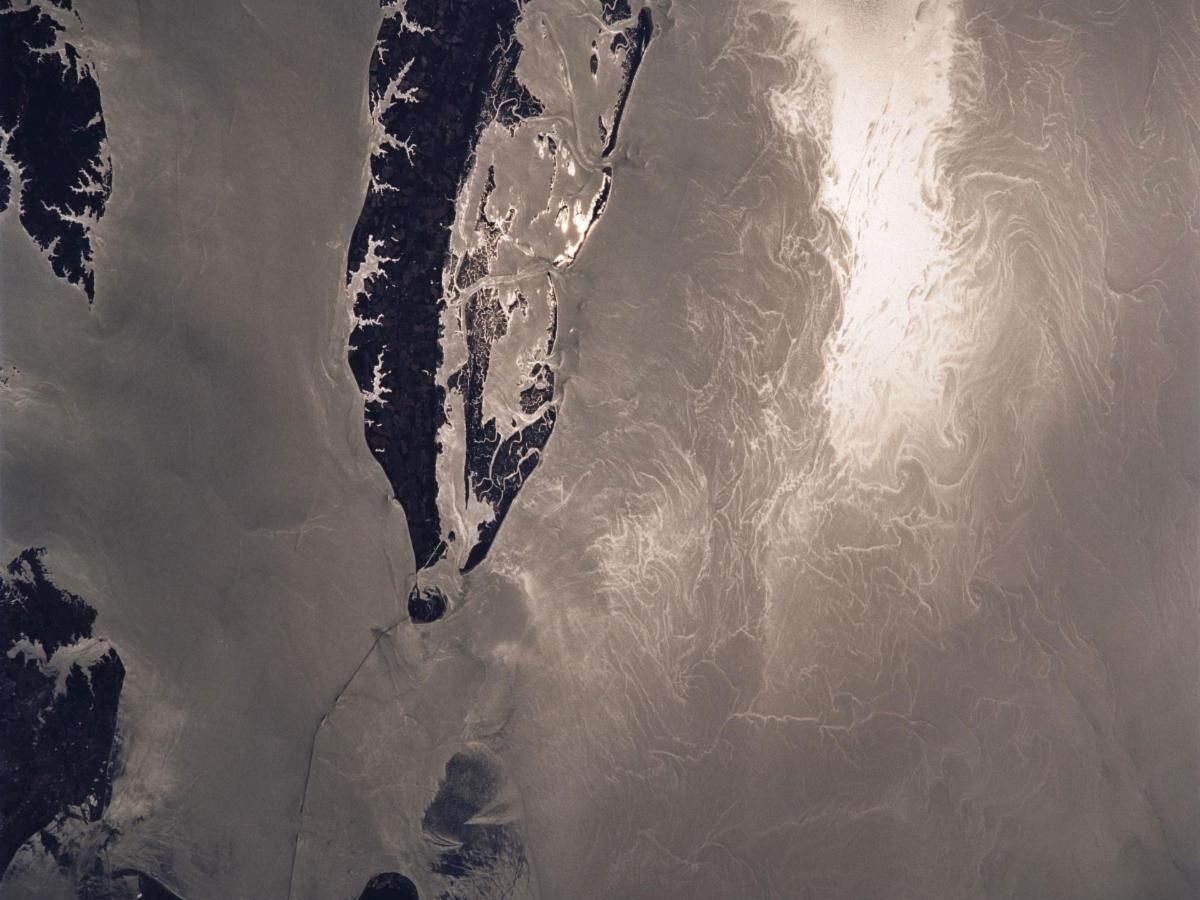
Small things matter, at least when it comes to ocean features like waves and eddies. A recent NASA-led analysis using data from the Surface Water and Ocean Topography satellite found that ocean features as small as a mile across potentially have a larger impact on the movement of nutrients and heat in marine ecosystems than previously thought.

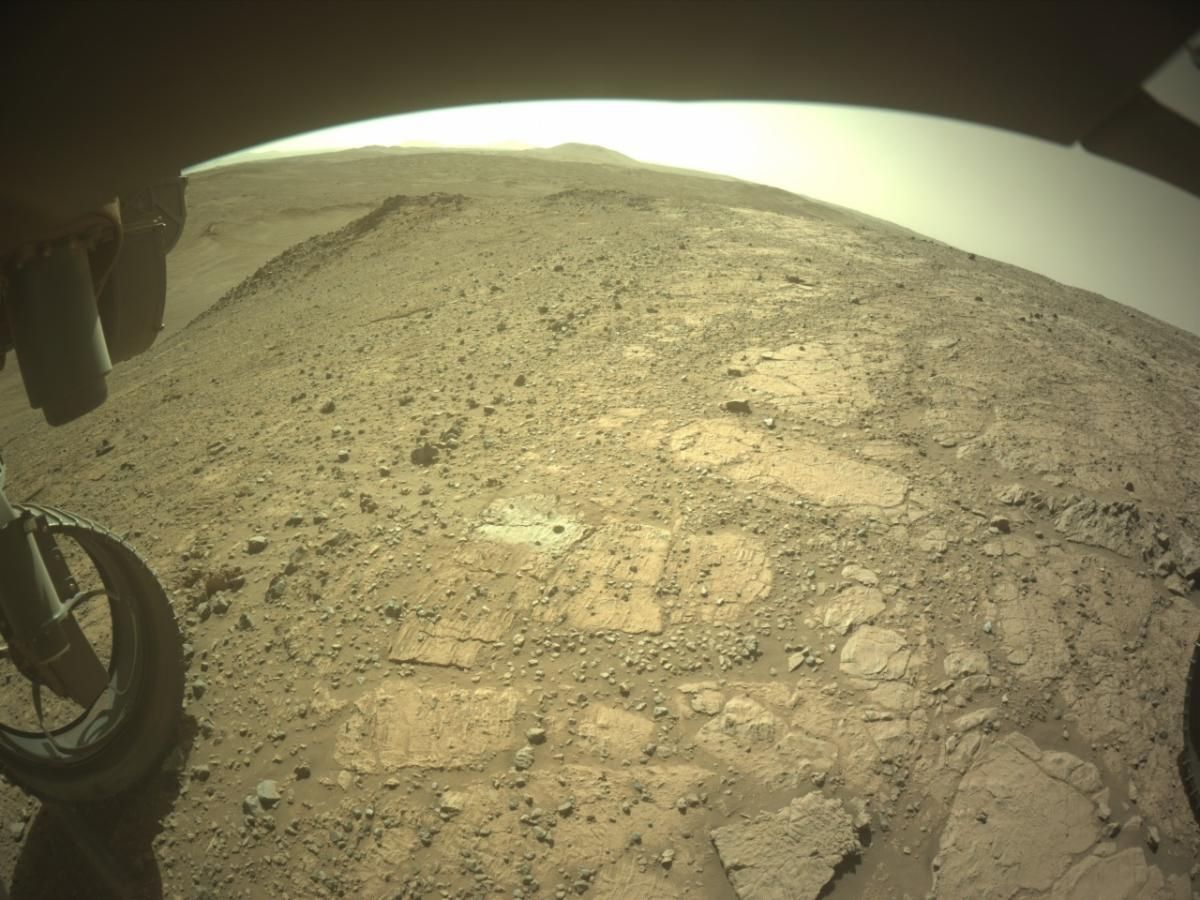
After a busy few months exploring the outer slopes of the Jezero crater—a location on Mars that shows promising signs of a place that was likely friendly to life in the distant past—the Mars Perseverance rover team began eyeing another sample: a rock containing spherules that could shed light on volcanic- or impact-related processes occurring in Mars’ most ancient past.

Do You Know?

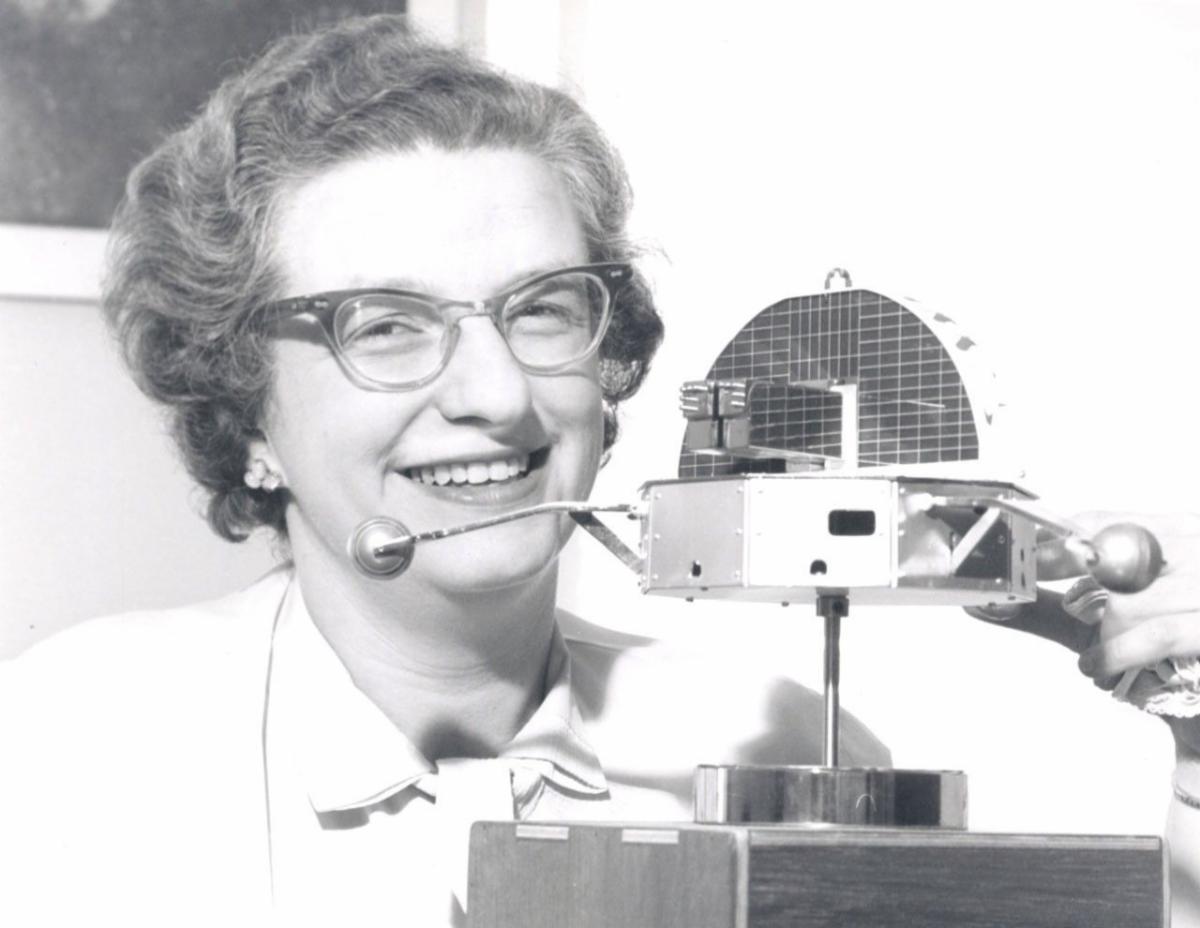
Nancy Grace Roman, NASA’s first chief astronomer, was born in Nashville, Tennessee, 100 years ago on May 16, 1925. Nicknamed “The Mother of Hubble," Roman was instrumental in taking the Hubble Space Telescope from an idea to reality.

Who did Nancy Grace Roman credit with first getting her interested in astronomy?

Find out the answer in next week's edition of the NASA newsletter! 🤓

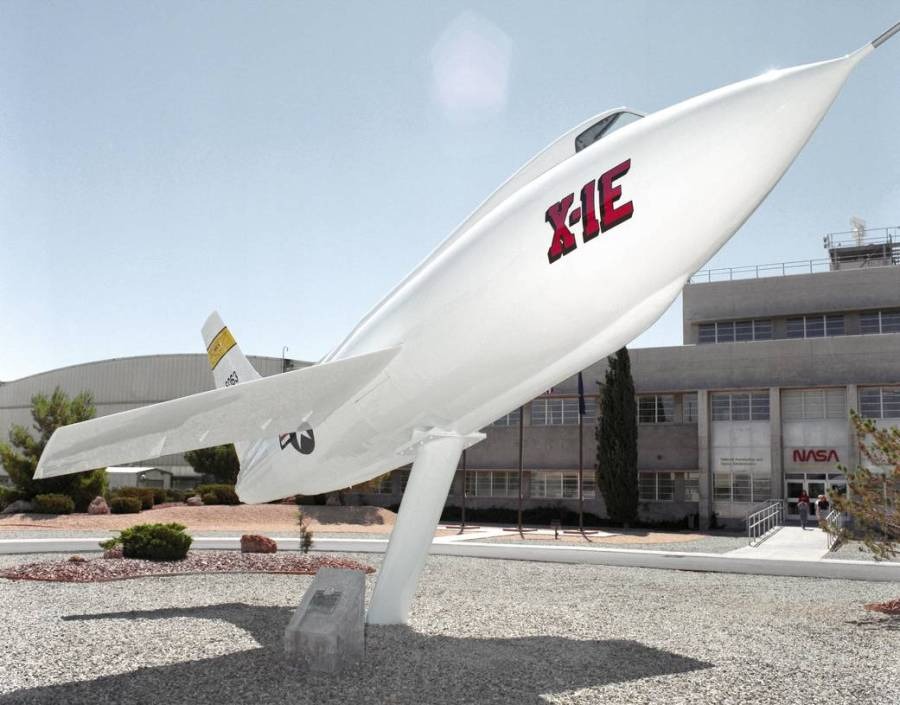
Last week, we asked about the current location of the rocket-powered Bell X-1-2 aircraft. The answer? On display in front of Armstrong Flight Research Center in California. This aircraft made its final flight as the X-1-2 in October 1951, after which it was modified significantly to become the Bell X-1E. The X-1E flew 26 times, reaching a maximum speed of Mach 2.24 in 1957, and was retired in 1958.

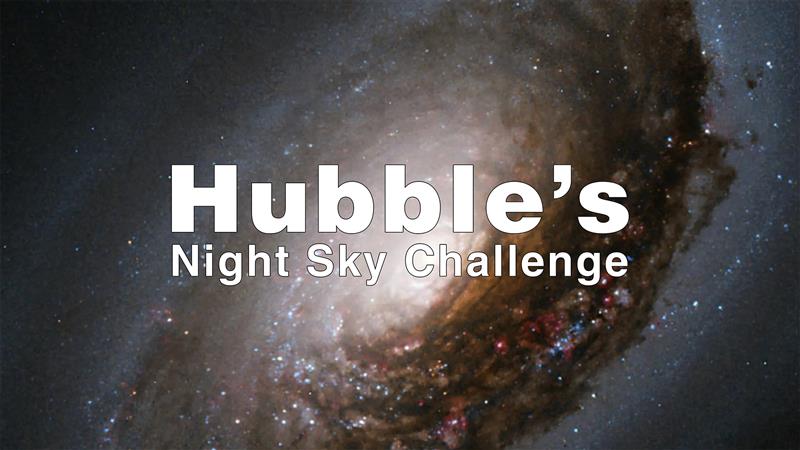
Do you have a telescope? Would you like to see some of the same night sky objects from the ground that Hubble has seen from space? We invite you to commemorate the Hubble Space Telescope’s 35th anniversary by accepting our yearlong stargazing challenge! New challenge objects will be featured weekly.


This week’s object is Messier 64 (M64). A band of dark dust partially obscures this spiral galaxy’s bright core, helping give it the common name of Black Eye Galaxy. First spotted by English astronomer Edward Pigott in 1779, M64 is some 17 million light-years from Earth in the constellation Coma Berenices. Look for the galaxy in May using a moderately sized telescope from a dark sky site.


JOIN THE CELEBRATION

National Aeronautics and Space Administration


NASA explores the unknown in air and space, innovates for the benefit of humanity, and inspires the world through discovery.


Visit nasa.gov

Follow NASA

Facebook  Instagram  LinkedIn  X  YouTube