Welcome to the University of Oklahoma Carceral Studies Consortium Newsletter. The Carceral Studies Consortium strives to build a community for intellectual exploration that includes faculty, staff, graduate students, community members, practitioners, and organizers.
Carceral Studies is concerned with the independent function and nexus of the political and social systems that organize, shape, sustain, and entrench practices of punishment, surveillance, incarceration, and harm.
| |
Consortium Director Notes | |
|
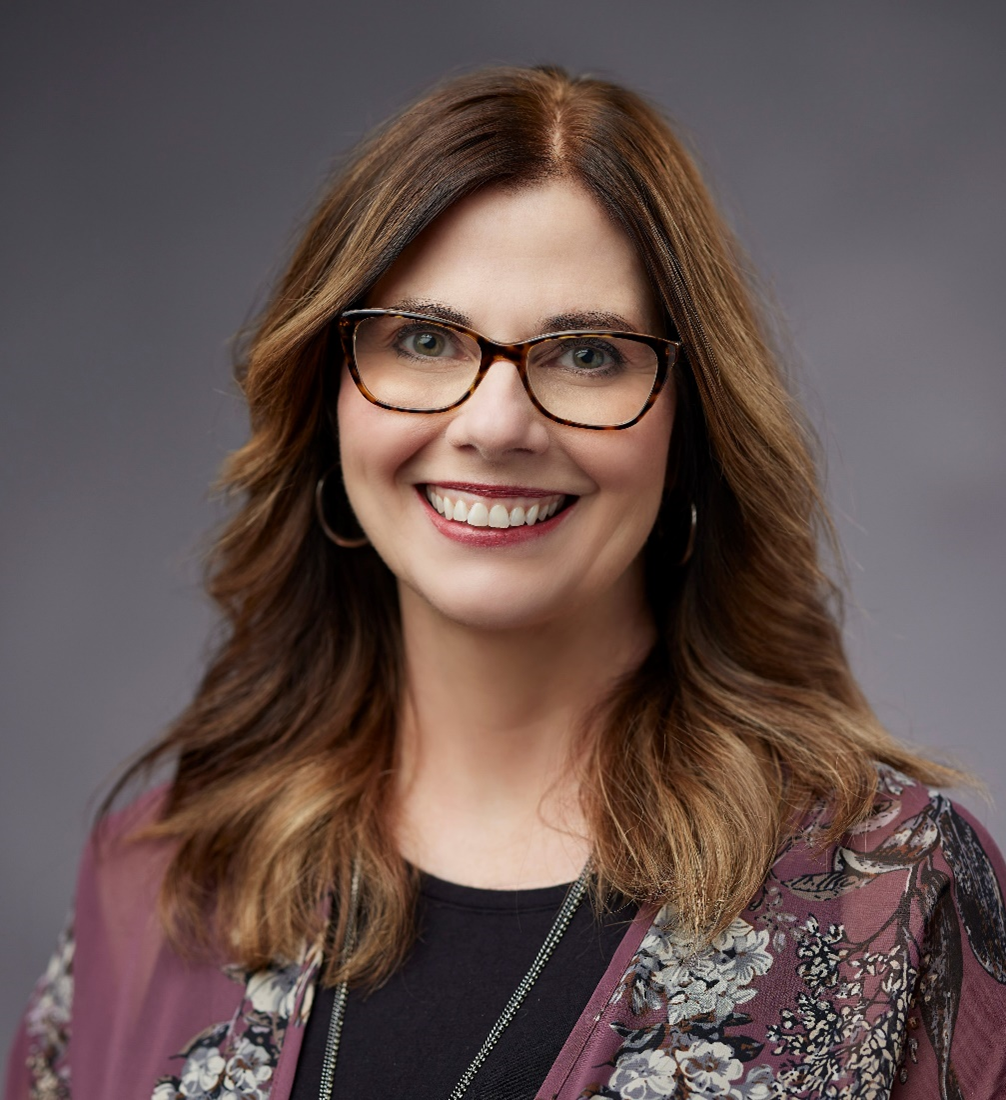
"We are so excited to share the inaugural newsletter since I took the role of Director at the Carceral Studies Consortium on July 1, 2022. These are exciting times for the Consortium as we see our number of board members grow, we begin the process of adding student members to the Consortium and the Core Board and I have developed a full slate of exciting research, partnership, and community engagement events this fall. We remain committed to supporting and growing our research, advocacy and teaching projects related to the carceral state in Oklahoma and beyond. Our first event of the semester is scheduled on September 15 at 6 pm and is co-hosted with Oklahomans for Criminal Justice Reform. Professor Bruce Western of Columbia University will share the results of their federally funded experiment on reducing legal fees and fines to reduce recidivism in Oklahoma County. See below for more information and a zoom link to the event. We hope you can join us or attend the upcoming Full Board meeting on September 26 at 4 pm over zoom. Here’s to an engaging and productive fall semester!”
-Dr. Connie Chapple, Carceral Studies Consortium Director
| |
Dina Rudick / Boston Globe | |
|
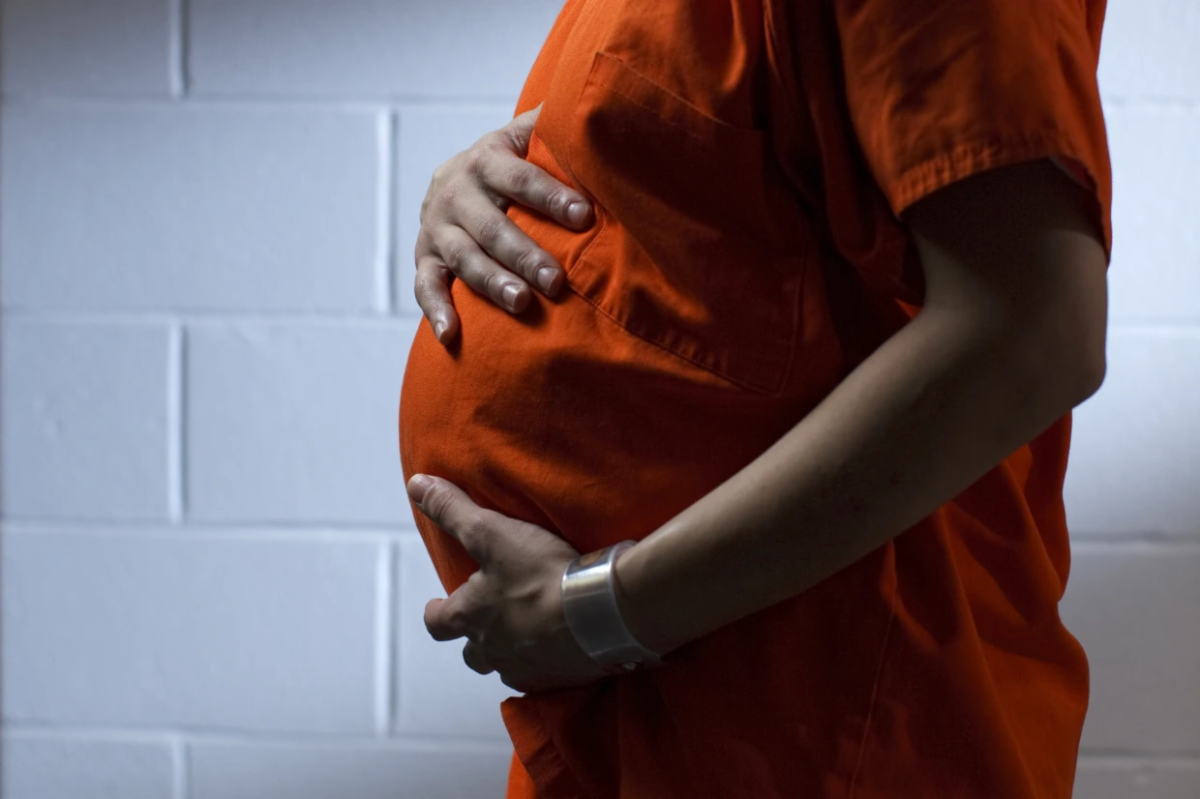
Often overlooked in discourse on nationwide abortion rights are the hardships overwhelmingly faced not only by young and low-income women, but also incarcerated women and girls, as well as those on probation and parole. Prior to the US Supreme Court’s decision in Dobbs v. Jackson Women’s Health Organization in June 2022 (overruling the historical Roe v. Wade decision), abortion for incarcerated women and girls was not a guaranteed right, and those allowed to seek abortion and other reproductive healthcare resources were required to pay for costs of travel, prison guards, and the cost of abortion (often without health insurance). Post-Dobbs, prisons in states banning abortion in totality can bar incarcerated individuals from seeking abortions and reproductive healthcare, and women and girls on probation or parole can be prohibited from leaving the state if under suspicion of seeking out-of-state abortions. According to the Prison Policy Initiative, approximately 4% of women and girls in prisons/jails, on probation or on parole are pregnant at any given time; following the US Supreme Court’s decision, estimates predict that 3,000 incarcerated women and girls will be forced to carry unwanted pregnancies to term each year. Unwanted pregnancy and childbirth are now additional forms of expected punishment for incarcerated individuals capable of pregnancy, with quality prenatal care often lacking in jails and prisons, posing disproportionate health consequences on women of color especially. Furthermore, these unwanted pregnancies can result in dire economic consequences upon release and reentry, introducing vulnerabilities that can affect long-term health, employment, etc., for both previously incarcerated women and their children for generations.
Read More
| |
Diana Ejaita / The New York Times | |
|
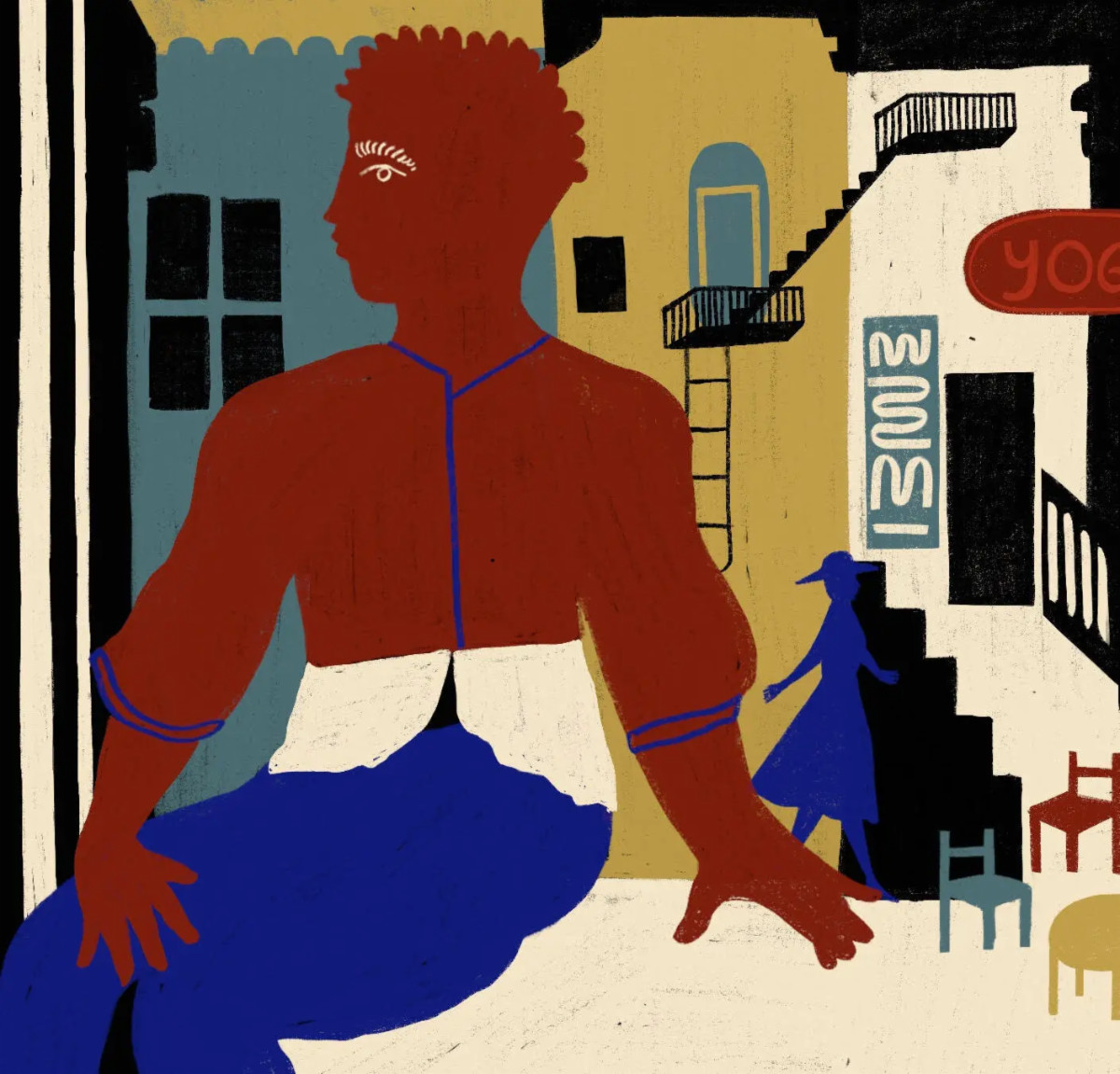
Author and artist James Hannaham is most known for his satirical critiques, ranging from commentary on racism in America to modern-day allegories surrounding slavery and self-determination. In his most recent novel, Hannaham released a “wicked satire” of Homer’s iconic “The Odyssey” - following his main character Carlotta, a mixed-race trans Blatina recently paroled after 20 years in the New York State correctional system, Hannaham parallels the primary themes of freedom-seeking and the wandering heart as Carlotta seeks a home in a world of gentrified housing developments and retail spaces that she no longer recognizes. Hannaham challenges his readers to “confront the glaring injustices of a prison system that continues to punish people long after their time has been served,” and traverses issues faced by incarcerated transgender individuals who have not undergone gender-affirming procedures.
Read More
| |
|
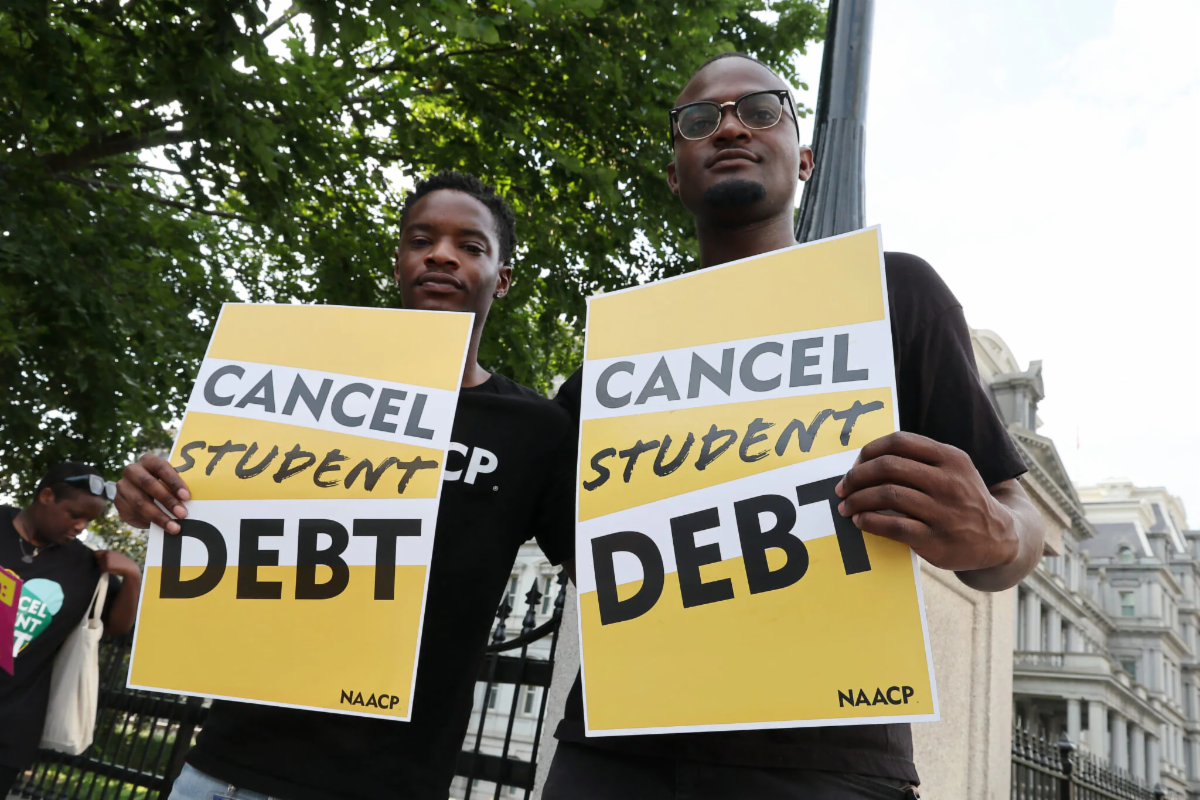
President Joe Biden’s recent forgiveness of federal student loans will potentially widen the nation’s racial wealth gap. With a generation of primarily Black and Hispanic American drug offenders amidst the “War on Drugs” prevented access to federal student loan and Pell Grant programs via the 1994 Pell Grant ban, dropping out of higher education or seeking funding from predatory private student loan institutions were presented as the only other options for these offenders. The Pell Grant ban was estimated to have barred individuals convicted of a felony (predominantly drug offenses) from seeking Pell Grants and federal student loans between $141 million and $218 million each year, as estimated by the federal Government Accountability Office. While Congress repealed the Pell Grant ban for formerly incarcerated individuals in 2020, the previous generation of drug offenders will not have their student loan debt forgiven and will be left with the multi-trillion-dollar burden of generational debt characterized by decades of racial oppression and disproportionate criminal justice system involvement.
Read More
| |
Please share recent research you would like to see featured, including your own!
Send it to carceralstudies@ou.edu
| |
|
ABSTRACT: Much of the political rhetoric that facilitated mass incarceration was predicated on the promise of reducing fear among the public. Yet, it remains unclear whether the large increases in imprisonment experienced in many areas made residents feel less afraid. We examine this issue by integrating geographic data on imprisonment with individual-level data on fear from the General Social Survey (GSS). We find that people from states and counties with greater "cumulative imprisonment" rates were no less afraid than their counterparts from areas that imprisoned many fewer people. These findings hold for the public overall and for non-Latino whites and members of the working and middle classes, who frequently were target audiences for political rhetoric linking mass incarceration era policies to fear reduction. Our study supports growing calls to decouple crime and criminal justice policy from politics and electoral cycles, and to develop evidence-based punishment approaches organized around transparent normative principles.
Read More
| |
Glade, S., Niles, S., Roudbari, S., Pezzullo, P. C., Dashti, S., Liel, A. B., & Miller, S. L. (2022). Disaster resilience and sustainability of incarceration infrastructures: A review of the literature. International Journal of Disaster Risk Reduction, 103190. | |
|
ABSTRACT: This review evaluates the state of academic literature on disaster resilience and sustainability of incarceration infrastructures, focusing on engineering and architecture. The increasing frequency and intensity of climate crises, including global pandemics and ecological disasters, and the rise of mass incarceration around the world makes such a review timely. We conducted six targeted searches to identify relevant journal articles and two additional searches for literature on resilience and sustainability of schools for comparison. We present data on the results for all search categories, including search terms and qualitative interpretation of the literature. For three of our searches, we present metadata on the specific intersection with incarceration infrastructures investigated, type of facility, and location. We supplement our database search with governmental and nongovernmental agency publications. The results of our search demonstrate a dearth in academic research published at the intersection of incarceration, disaster resilience, and sustainability. This gap in the literature signals a lack of attention and knowledge about the ways researchers and practitioners as well as governmental agencies can predict and mitigate the impact of disasters on incarcerated people's lives. Overall, this paper offers an introduction on the topic of resilience and sustainability of engineering and architectural design for incarceration infrastructure, as well as future areas for additional research including how engineers and architects can engage with questions of prison abolition and justice.
Read More
| |
Seo, H., Britton, H., Ramaswamy, M., Altschwager, D., Blomberg, M., Aromona, S., ... & Wickliffe, J. (2022). Returning to the digital world: Digital technology use and privacy management of women transitioning from incarceration. New media & society, 24(3), 641-666. | |
|
ABSTRACT: Based on interviews with 75 women transitioning from incarceration, our research identifies technology access and skills barriers facing this population and their underlying concerns and motivations in navigating privacy online. Our results suggest precarious housing and financial situations, concerns about ex-partners, mental health issues, and lack of self-efficacy pose challenges for their access to and use of digital technologies and influence their online privacy perspectives. Many participants reported relying primarily on cellphones for various tasks including job applications. Closing public places including libraries amid the COVID-19 pandemic put them at an even greater disadvantage, as many of them depend on computers or Wi-Fi available in those places. Nothing-to-lose attitudes were salient among this group resulting in many not taking precautionary measures online or choosing to go offline. Our research highlights the importance of building academic-community partnerships to provide technology and privacy education tailored for this population’s particular needs and desires.
Read More
| |
Updates, Events & Opportunities | |
|
|
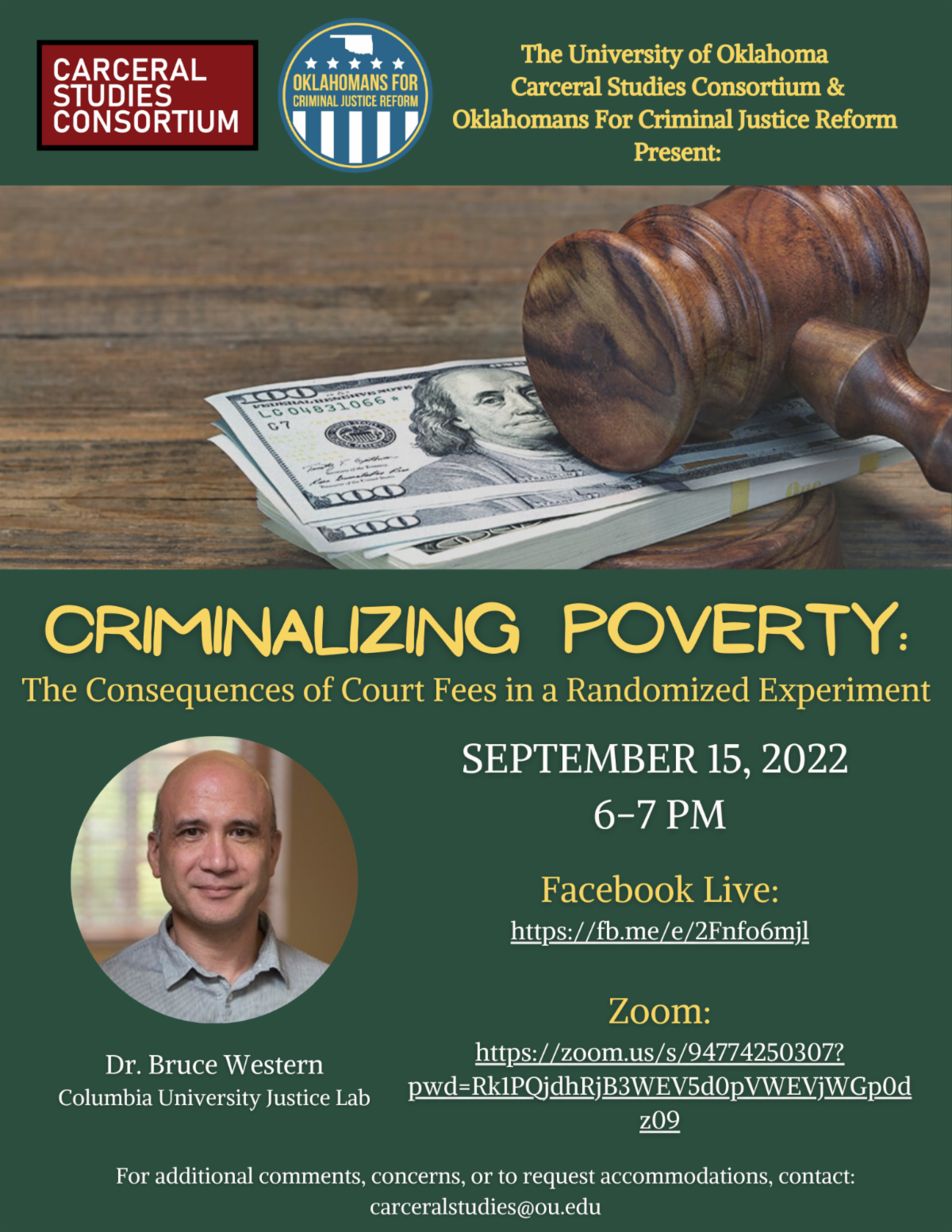
The OU Carceral Studies Consortium and Oklahoma for Criminal Justice Reform Host:
“Criminalizing Poverty: The Consequences of Court Fees in a Randomized Experiment”
The Dr. Bruce Western from the Columbia University Justice Lab will join us to discuss his study of court-related fees and fines relief for misdemeanor defendants in Oklahoma County, Oklahoma. The webinar will be held on September 15th from 6-7pm. Students, faculty, and the public are welcome to join via Zoom and Facebook Live.
|
| | |
|
|
Full Board Meeting Fall 2022:
September 26th @ 4pm
We hope you can join us to attend the upcoming Full Board meeting on September 26th at 4pm, open to all board members via Zoom!
|
| | |
|
OU Libraries and Carceral Studies Consortium Assemble “Racial Capitalism” Library Guide
In a collaborative effort between OU Libraries and the Carceral Studies Consortium, a library guide on “Racial Capitalism” is now available for all students, staff, and faculty. Racial capitalism contends that racist oppression is central to how capitalism operates. Racial subjugation is not one specific manifestation of a larger capitalist system, but rather, capitalism itself is a racial system. The guide includes resources (written, audiovisual, and contacts) for information about the carceral state, crimmigration, and race and labor.
|
| | |
ABOUT
The Consortium Newsletter will offer a roundup of a few selected articles that reflect today’s news, organizing, and thinking related to the carceral state. We understand that freedom work is built on education and engagement. Education requires an understanding of contemporary issues informed by their historical context. We hope that these curated articles will help you analyze the issues that we face and understand the community that we strive to construct.
Join the conversation!
We encourage feedback, suggestions, and article suggestions. Please reach out to carceralstudies@ou.edu with any ideas, thoughts, or recommendations.
If anyone you know is interested in receiving this newsletter and other information from the Carceral Studies Consortium, please forward them this email and they may click this link to subscribe.
| |
Land Acknowledgment
The University of Oklahoma is on the traditional lands of the Caddo Nation and the Wichita & Affiliated Tribes. This land was also once part of the Muscogee Creek and Seminole nations. It also served as a hunting ground, trade exchange point, and migration route for the Apache, Cheyenne, Comanche, Kiowa, and Osage nations. Today, 39 federally-recognized Tribal nations dwell in what is now the State of Oklahoma as a result of settler colonial policies designed to confine and forcefully assimilate Indigenous peoples.
| |
The University of Oklahoma is an equal opportunity institution. ou.edu/eoo | | | | | |