JULY

Summer Self-care Edition

OFMQ is committed to strategic outreach prevention to improve healthcare outcomes in the state of Oklahoma. Topics covered in this newsletter interconnect with the whole patient, with the intention of further supporting you while you engage in your practice, emphasizing quality diabetes, cardiovascular care management, and healthy aging strategies for optimal wellness.

*Too busy with patients to do a deep dive into materials?

Review yellow blocks for highlights! 

Summer Self-Care

MANAGING DIABETES IN SUMMER

Consumer-Friendly Resources


Key Takeaways

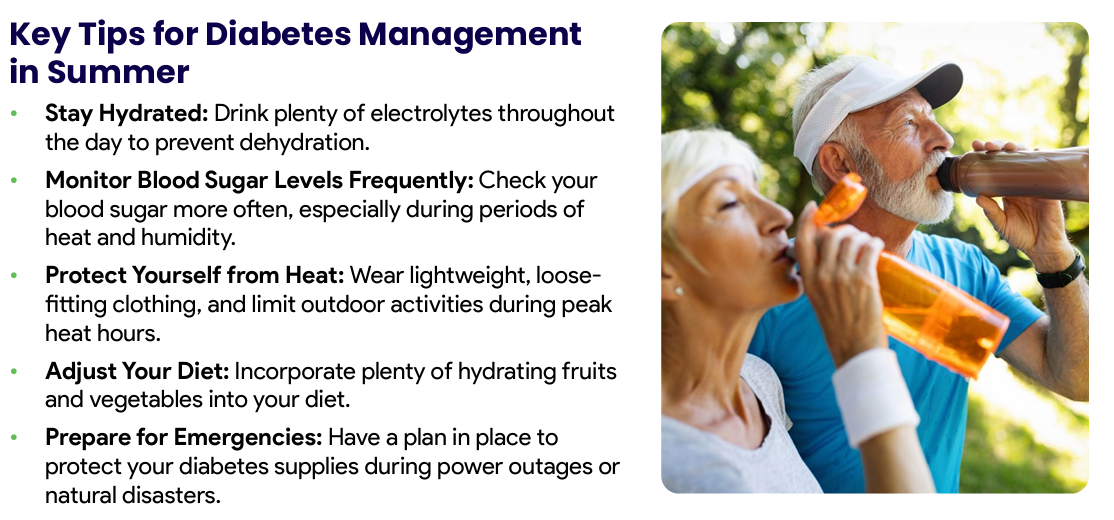
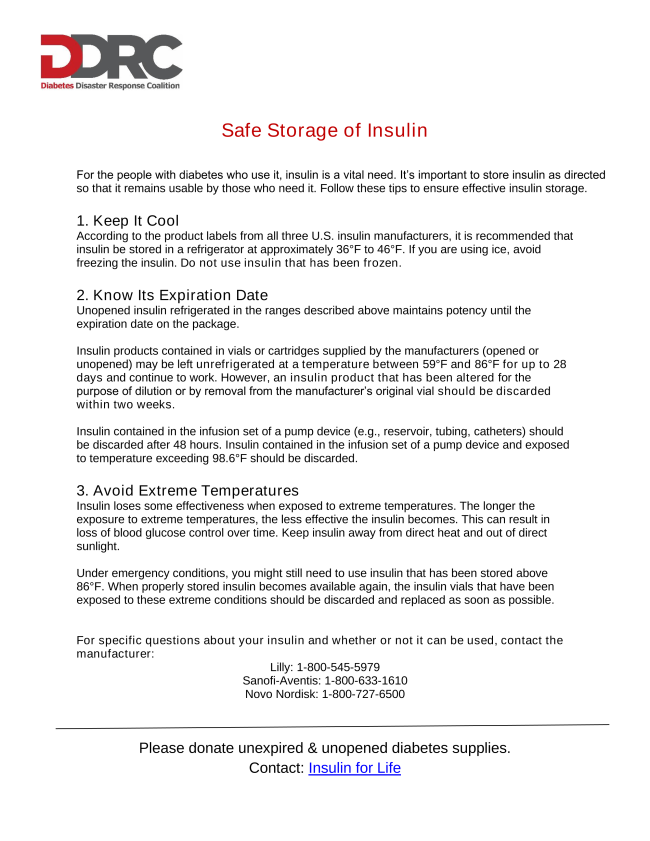
People with diabetes are at increased risk of dehydration, heat exhaustion, and medication-related complications during hot weather. Insulin and diabetes supplies can also be damaged by excessive heat. Staying hydrated, checking blood glucose more frequently, and protecting medications from heat are important summer strategies.


Scholarly Articles


Community Perspective

People with diabetes often report that hot weather changes insulin sensitivity and glucose patterns, though experiences vary considerably. Some report lower insulin needs in heat, while others see higher blood glucose levels, highlighting the importance of individualized monitoring.


Diabetes and Emergencies | Diabetes Care

HEART HEALTH THIS SEASON


Evidence-Based Resource:


Key Takeaways

Heat and humidity force the heart to work harder to cool the body. This can increase strain on people with cardiovascular disease, hypertension, heart failure, or arrhythmias. Hydration, avoiding peak heat hours, and adjusting exercise schedules are among the most important protective strategies.


Scholarly Articles


Summer Heart-Healthy Habits

  • Exercise during cooler morning or evening hours.
  • Establish water goals and favorite water bottles.
  • Wear lightweight, breathable clothing.
  • Know symptoms of heat exhaustion and heat stroke.
  • Consider air quality and temps.


Even low levels of air pollution appear to increase the risk of heart attack, stroke, and irregular heart rhythms. That's why it's worth keeping tabs on the air quality in your area. Local news outlets sometimes report this information, which is also featured on many weather-based smartphone apps and available from the Environmental Protection Agency at AirNow. (AirNow is your one-stop shop for air quality and data.) - Harvard Health

HEALTHY AGING & SUMMER WELLNESS


Trusted Resources


Key Takeaways

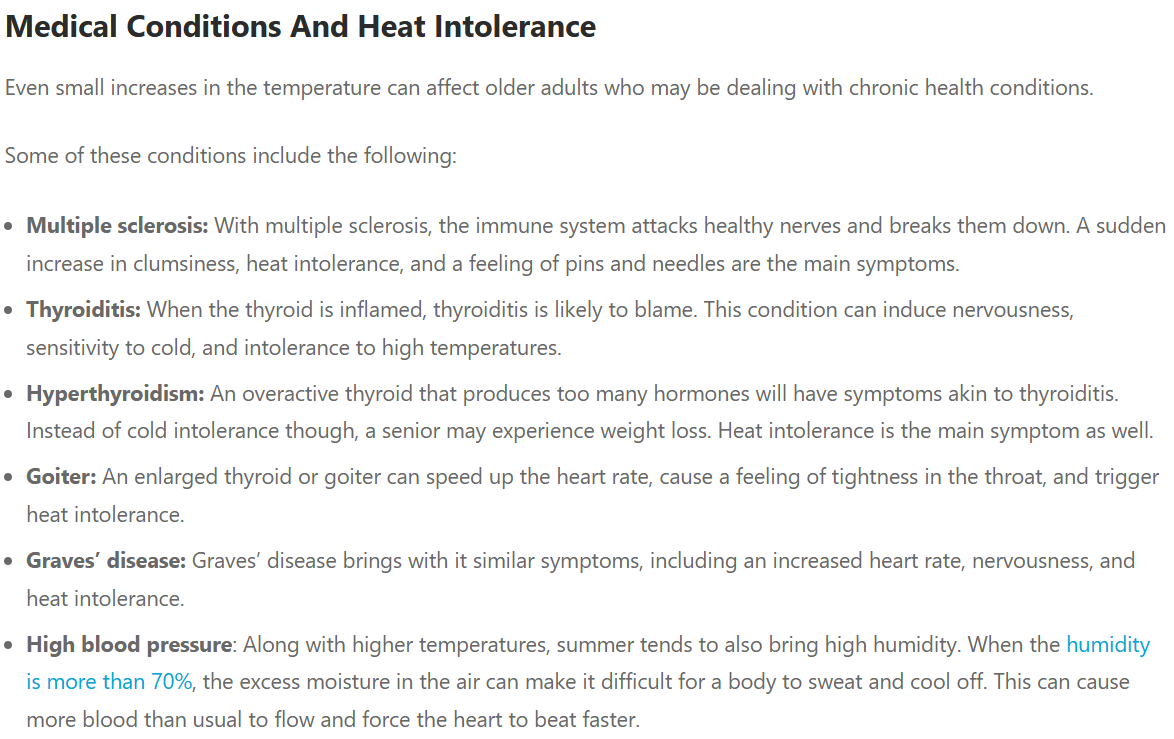
Older adults are more vulnerable to heat-related illness because aging can reduce sweating efficiency, circulation, and the body's ability to regulate temperature. Chronic conditions such as heart, lung, and kidney disease can further increase risk.


Scholarly Article


Healthy Aging Summer Checklist

  • Keep light snacks and water close by.
  • Spend time in air-conditioned environments during extreme heat.
  • Check on older family members, friends, and neighbors.
  • Continue physical activity, but modify timing and intensity during hot weather.
  • Communicate needs and limitations.


TRAVEL & HYDRATION INSIGHTS

Traveling With Diabetes | Johns Hopkins Medicine

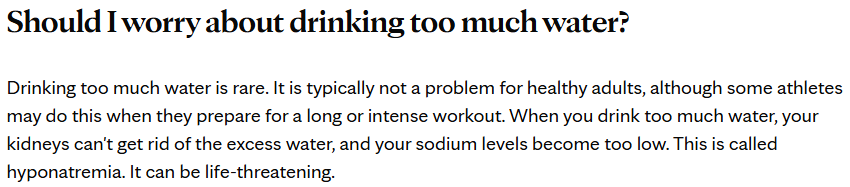
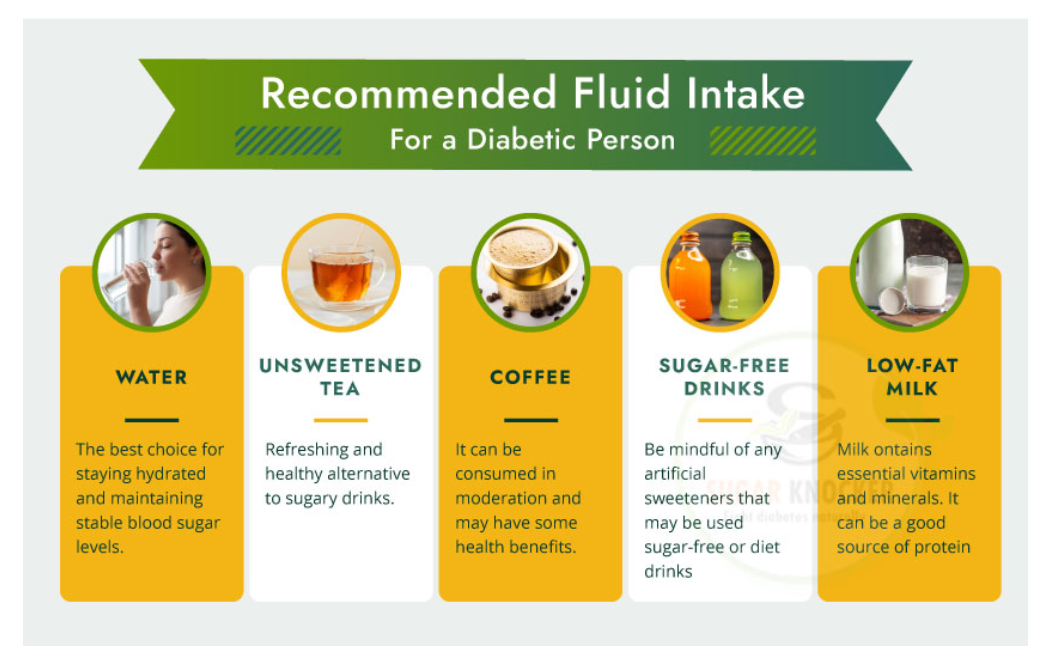
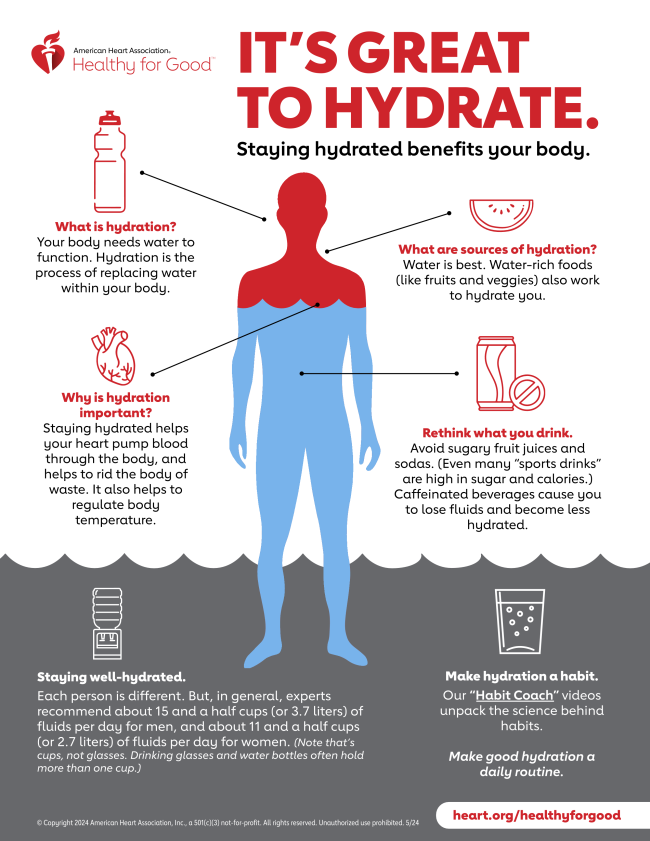
Staying hydrated can be easier said than done. Despite good intentions and multiple reminders reaching for the bottle of water may feel more difficult than other favorite beverages. Get ahead of it by identifying a glass or container you can keep handy and having a full 8oz glass of water in the morning before your coffee. You might also consider routinely drinking a glass of water before or in between other beverages and each meal. Add lemon, sugar free flavor packets, or other infusions to enjoy water consumption even more, and shake it up with seltzer options (but don't actually shake those)!


HAVE YOU HAD THIS CONVERSATION WITH YOUR PATIENTS RECENTLY?

Water: How much should you drink every day? - Mayo Clinic

The Big Three Rules


1. Stay ahead of dehydration

  • Drink water regularly instead of waiting until you're thirsty.
  • Air travel, hot weather, and increased activity can cause dehydration before you notice it.
  • Dehydration can raise blood sugar levels and make the heart work harder.

2. Plan for changes in routine

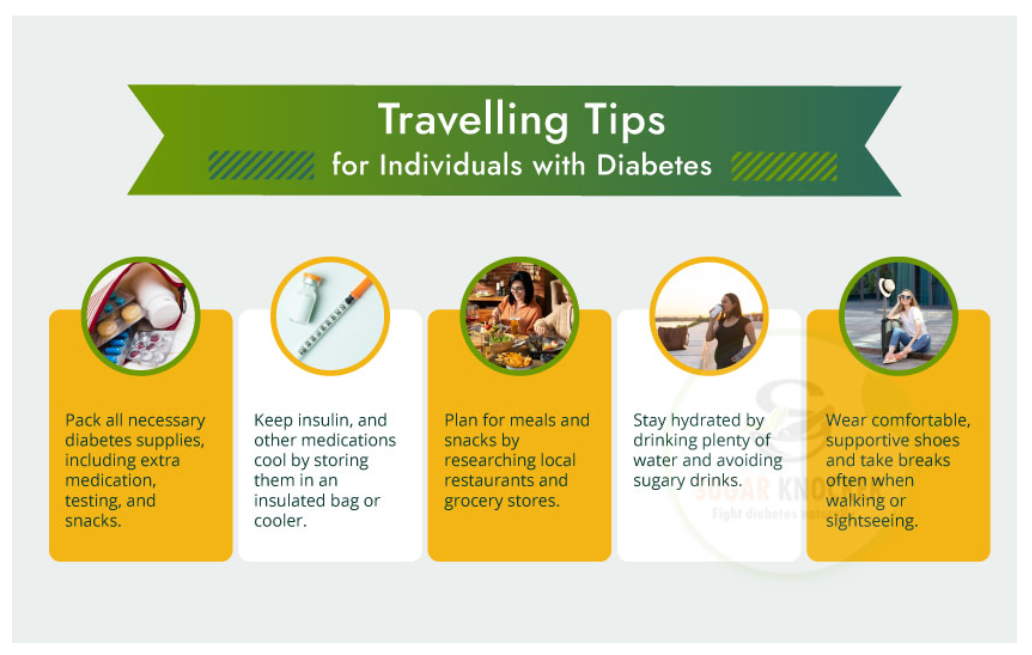
  • Delayed meals, different foods, time zones, and extra walking can affect blood sugar.
  • Bring healthy snacks and check glucose more often when traveling.
  • Pack at least twice the amount of medication and supplies you expect to need.

3. Keep moving

  • During long flights or car rides, get up and walk every 1–2 hours.
  • Walking helps reduce blood clot risk, supports circulation, and can improve blood sugar control after meals.


Why This Matters

As we get older:

  • The sensation of thirst often decreases.
  • Dehydration can lead to fatigue, dizziness, confusion, and falls.
  • Diabetes, heart disease, and some medications can make hydration management more important. 

WAYS TO CONNECT:


Check us out on: Facebook, LinkedIn

Check out our website: OFMQ Site

Click on images below for printable pages!