|
Dear Assisting Hands Community,
The Right Thing, Done Beautifully
This weekly Caregiving Tip is for you,
to help you express your love for another human being.
We are all caregivers.
If you are a client, a caregiver, a caregiving spouse or family member, a medical provider, or anyone in the business of caring, we are your source for useful caregiving tips that bring connection to your caring work.
What:
A caregiver was getting an elderly woman ready for bed.
The house was quiet. The family was gone. No one would have known if she rushed.
But she did something small.
She brushed the woman's white hair, the way the woman had told her — weeks earlier, in passing — that her own mother used to do.
It took an extra ten minutes. No one saw. No one praised her.
The next morning, the woman woke and said, “I dreamed of my mother last night.”
So What:
We have a word in Greek for this.
Philotimo. It does not translate cleanly into English.
Philotimo (Greek: φιλότιμο) is a foundational Greek cultural virtue that has no direct translation into a single English word. At its core, it means "love of honor" and encompasses a deep, internal sense of duty and altruism—guiding a person to do the right thing for their family, community, and humanity without expecting anything in return
It means: doing the right thing, beautifully, because it is honorable — not because anyone is watching, not because anyone will know.
It is the soul of true caregiving.
Philotimo is the right thing done beautifully — especially when no one will ever see.
Now What: Try this…
Today, do one small act of care more carefully than the moment requires.
Fold the towel the way they like it.
Make the bed with the corners square.
Cut the apple into the slices they prefer.
Take the extra minute. No one will know.
You will know.
Weekly Moment of Beauty:
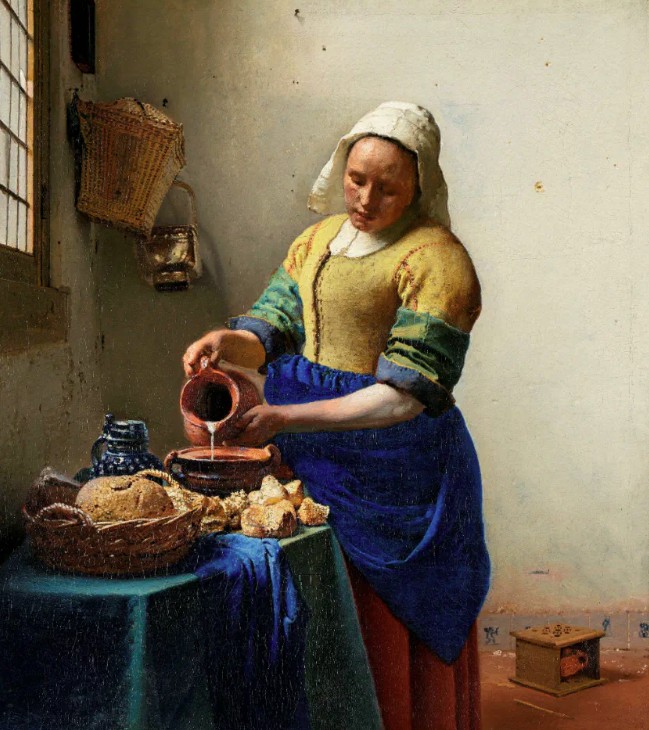
Johannes Vermeer painted The Milkmaid in 1658. It hangs in the Rijksmuseum in Amsterdam.
A woman stands by a window, pouring milk into a clay bowl. That is the entire painting. No drama. No story.
And yet, nearly four hundred years later, we still stand in front of her.
Why?
Because Vermeer painted the light on her sleeve as if her quiet labor were sacred. Because he understood: the ordinary, done with attention, becomes holy.
This is the work we do.
Warmly,
Thomaie Hilaris
Assisting Hands Home Care
P.S. — Every care plan starts with a conversation. Reach out this week and let's talk about what's possible.
|