|
Carolina Commitment
Major Sponsor Newsletter for the Carolinas
| |
~ 2022 State of Waterfowl ~ | |
As the calendar turned to August, waterfowl hunters and others in the conservation community eagerly awaited the release of the US Fish and Wildlife Service's Waterfowl Population Status, 2022—the first complete report of its kind since August 2019. The global pandemic and travel restrictions prevented pilot-biologists and ground crews from conducting spring waterfowl and habitat surveys in 2020 and 2021, resulting in a two-year gap in population data concerning North America's ducks and geese.
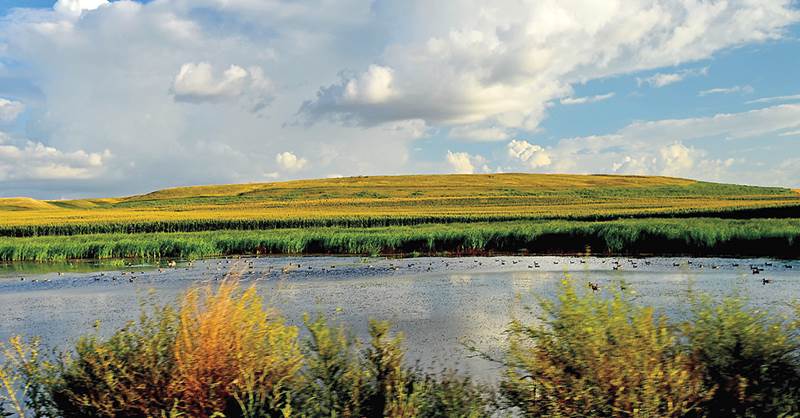
A lot happened during those two years, including the intensification of a multi-year drought across much of the western United States and the onset of the most severe and widespread prairie drought in at least 20 years. When the 2022 survey results were released, the data confirmed the effects of drought on waterfowl and their habitats, which Ducks Unlimited had been reporting since the last survey was conducted.
| |
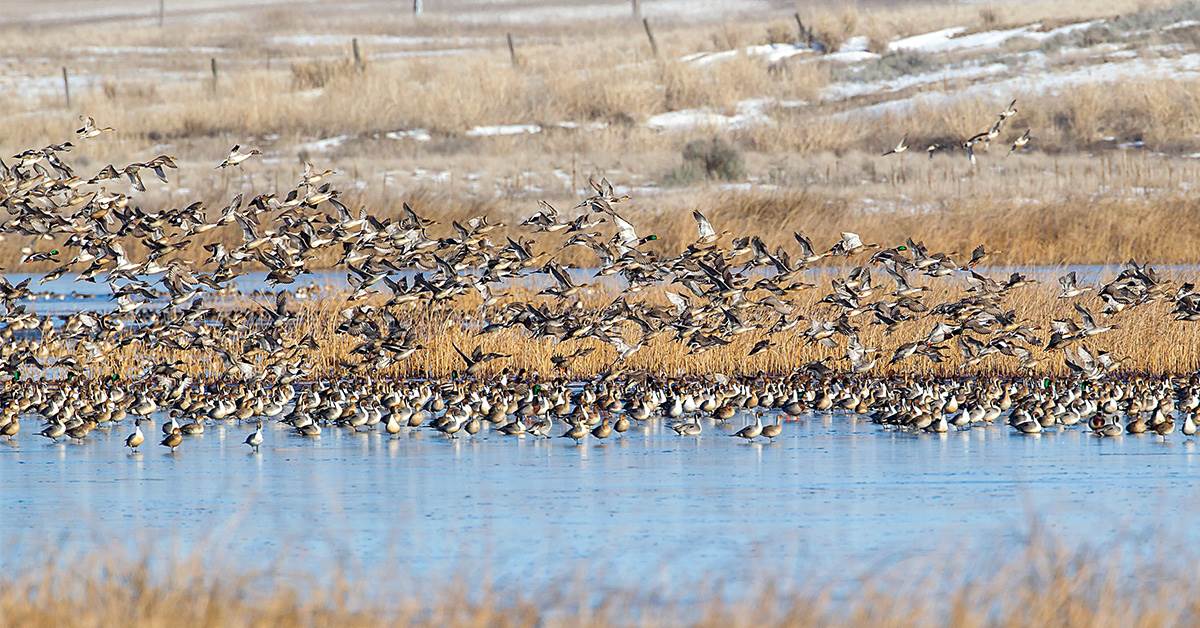
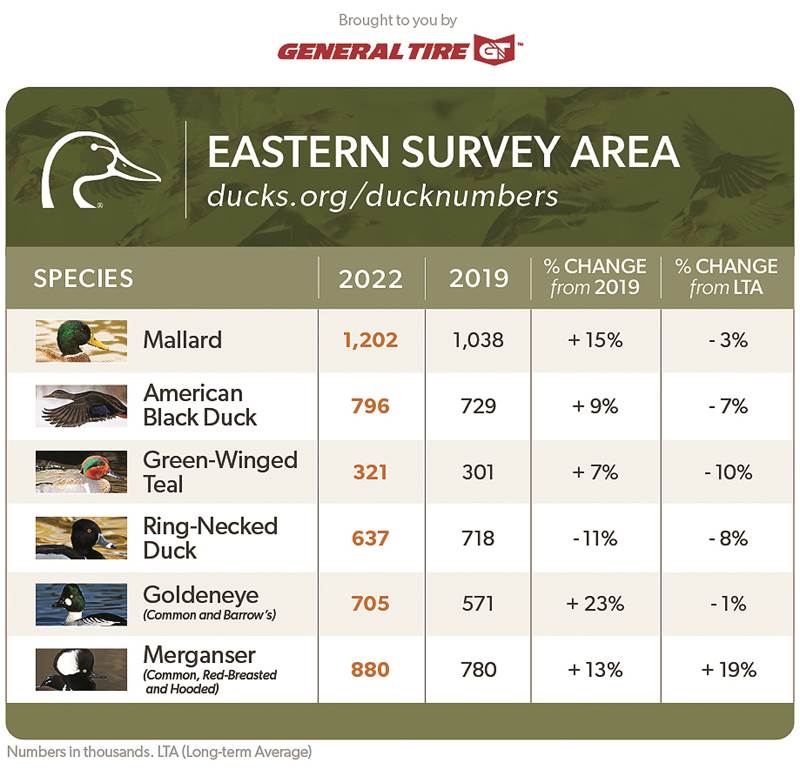
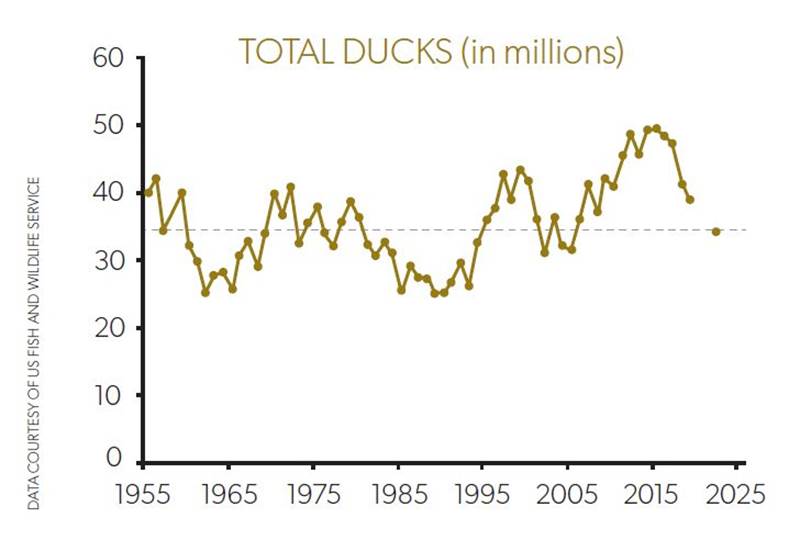
The estimate for total ducks in the traditional survey area, which spans from Alaska to western Ontario and south into the Dakotas and Montana, was 34.2 million birds, a 12 percent decline from the 2019 estimate and a 4 percent decline from the long-term average. The results from the eastern survey area, which covers central Ontario eastward to Newfoundland and south to Maine, were more encouraging. Populations of nine of the most abundant duck species in that area totaled 4.5 million birds, representing a 10 percent increase from 2019 and a level similar to the long-term average.
| "The drop in duck numbers for the traditional survey area reflects the consequences of low production caused by several years of prairie drought, including severe drought in 2021," notes DU Chief Scientist Dr. Steve Adair. "But the survey revealed some bright spots for duck populations and created optimism for good production this summer and carry over of more favorable wetland conditions into fall and winter." | |
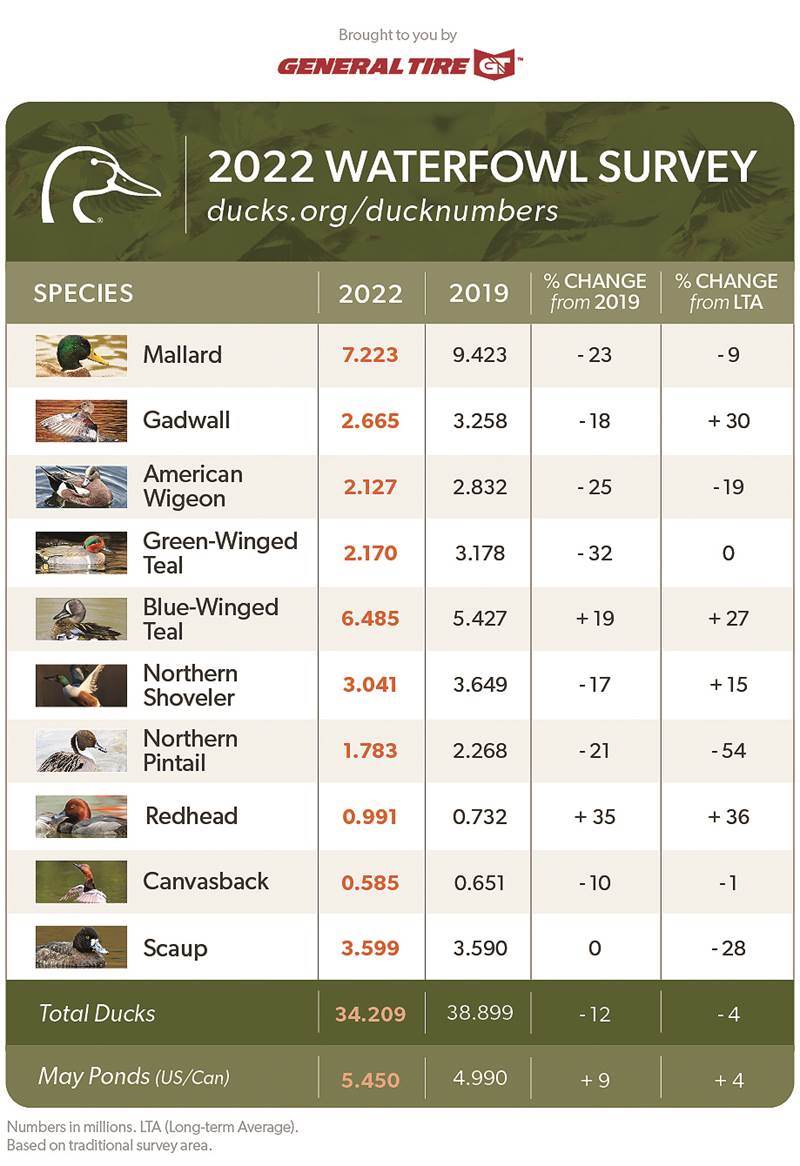 | |
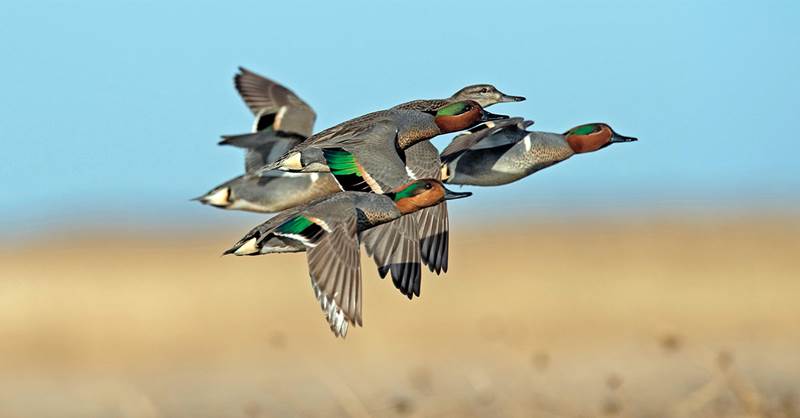
The survey also provided a highly anticipated update on the status of individual species, and the results were decidedly mixed. In the traditional survey area, blue-winged teal and redheads were up compared to 2019 estimates, and numbers of both species remained above their long-term averages. Populations of gadwalls, American green-winged teal, and northern shovelers were down substantially from 2019 but remained near or above their long-term averages, indicating that populations of these species remain healthy. Mallards declined by 23 percent and were 9 percent below their long-term average. American wigeon declined by 25 percent and were 19 percent below their long-term average.
The most alarming result concerned northern pintail numbers, which fell to the lowest level in the 67-year history of the survey. Pintails were down 21 percent compared to the 2019 estimate and 54 percent below the long-term average. Rounding out the 10 most abundant species, scaup numbers were almost unchanged but remained 28 percent below the long-term average. The estimate for canvasbacks was comparable to that of 2019 and the long-term average.
| |
When juxtaposed against a record breeding population of 49.5 million total ducks in the traditional survey area seven years ago, this year's estimate of 34.2 million birds might seem a bit concerning, as it represents a decline of 31 percent (15 million ducks) from that record high. However, the decline was not unexpected, and a deeper dive shows that we've been here before. Although the traditional survey area encompasses habitats in the Boreal Forest, Alaska, and the Arctic coastal plain, major swings in duck populations are typically driven by cyclical drought on the prairies. As recently as the early 2000s, we've witnessed declines of 30 percent or more in total duck numbers, only for populations to rebound sharply when wetland conditions on the prairies improved. Hopefully, North America's pothole country is on the verge of recovering from this most recent period of drought. | |
|
In addition to counting ducks, pilot-biologists and observers also record the number of wetlands (i.e., ponds) on transects across the prairies and parklands. Pond estimates serve as an index for habitat conditions, which play a central role in annual duck production. Despite not having a complete survey in 2020 or 2021, there is no debate that drought plagued key portions of the prairie landscape in both years. Drought was especially severe in 2021 as conditions in some parts of Prairie Canada were the driest in nearly 40 years. Moreover, the water index measured during the North Dakota Game and Fish Department's breeding duck survey was down a record 80 percent from 2020 and 67 percent below its 72-year average. By all accounts, the number of ducks produced on the prairies in 2021 was well below average, and as recently as January 2022, the prospects for recovery were grim.
The outlook changed, however, when a series of late-winter snowstorms and spring blizzards brought relief to parched landscapes across the Dakotas, southern Manitoba, and southeastern Saskatchewan. In fact, Bismarck, North Dakota, had the snowiest April since 1886, and winter snowfall in Winnipeg, Manitoba, was the third-highest on record. These improvements translated into an abundance of recharged wetlands, and this spring the USFWS estimated 5.45 million ponds across the US and Canadian prairies, which was 4 percent above the long-term average. While the pond estimate was up only 9 percent from 2019, there is little doubt that it was a significant improvement over 2021 conditions. In fact, North Dakota's state duck survey reported a 616 percent increase in the water index, the largest single-year change ever recorded for that survey.
|  | |
In contrast to whipsawing water conditions on the prairies, wetlands in other survey regions are far more stable over time, and this appears to have been the case again in 2022. Much of the Boreal Forest and Alaska received above-average snowfall and precipitation, with widespread reports of fair to excellent breeding habitat conditions across these regions. However, below-average spring temperatures delayed nesting efforts on many northern breeding areas, resulting in a shorter nesting season and later-hatched broods.
While large-scale summaries of survey results are useful when assessing the overall status of waterfowl populations, understanding the implications for hunters and harvest regulations requires a more in-depth review.
| |
While hunters in the Atlantic Flyway receive some waterfowl from the prairies and Western Boreal Forest, the bulk of the region's birds are raised in the Great Lakes states, the eastern survey area, and local breeding habitats. Due to more stable wetland conditions in the East, populations of most duck species changed only slightly this spring relative to recent estimates and their respective long-term averages. A notable exception was the eastern mallard population, which totaled 1.2 million birds—a 16 percent increase from 2019. Whether this uptick will continue remains to be seen, but it's nevertheless a welcome change given this population's prevailing 30-year decline. In other encouraging news, American black ducks were up 10 percent this spring, creating more optimism that this population has stabilized in recent years near the long-term average.
| |
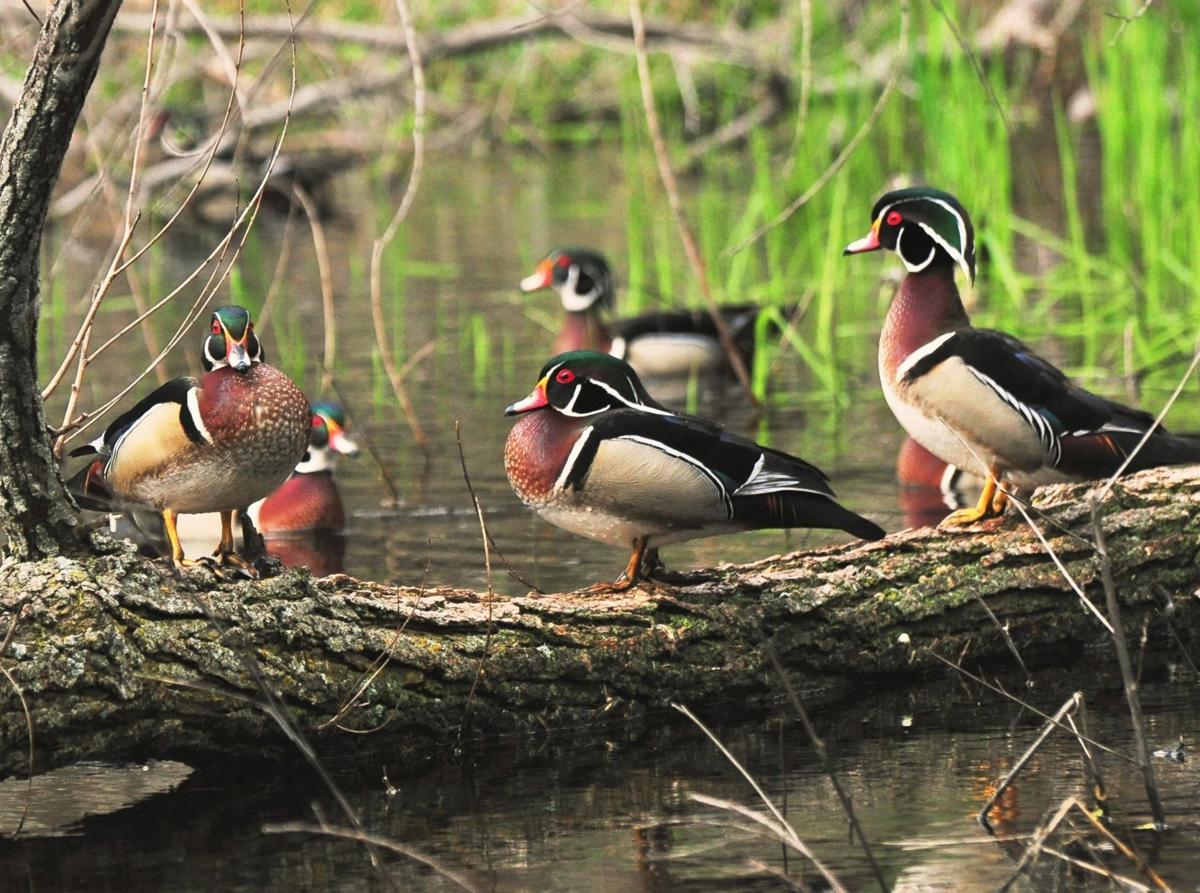
Other species of importance in the flyway include American green-winged teal, ring-necked ducks, wood ducks, and goldeneyes. These species influence not only the numbers of birds that appear over hunters' decoys, but also Atlantic Flyway harvest regulations. Estimates for most of these species were up slightly from 2019 but in general remained near their long-term averages. Due to the difficulty of surveying wood ducks in forested habitats using traditional methods, estimates of this species are derived from other long-term datasets. The 2022 estimate for wood ducks in the Atlantic Flyway was approximately 1 million birds, which was relatively unchanged from previous estimates and the long-term average.
Habitat conditions across much of eastern Canada were good to excellent this spring, with many areas receiving above-average precipitation and winter snowfall. Following a couple of dry years, conditions were much improved in Maine and Atlantic Canada, which are key breeding areas for black ducks. Breeding habitats in the northeastern United States, including states from Virginia to New Hampshire, where additional surveys are conducted to monitor the eastern mallard population, were also described as good. In general, duck production across much of eastern North America was expected to be average or good.
As in other flyways, migratory and resident Canada geese should again provide ample hunting opportunities for Atlantic Flyway waterfowlers, although production likely varied according to local weather and habitat conditions. The same is true for greater snow geese, which breed in the eastern Canadian Arctic, where a delayed spring thaw may have impacted breeding success.
| |
The return of the Waterfowl Breeding Population and Habitat Survey in 2022 was welcomed by all who care about North America's waterfowl. "We are grateful for our federal, state, and provincial partners resuming the surveys to gather the data we've all come to rely on," says DU CEO Adam Putnam. "This year's survey revealed what many expected—lower breeding duck populations partly as a result of the drought we've experienced the last few years. While we never like to see these declines, we know that prairie drought can increase wetland productivity and set the stage for better waterfowl breeding success when the water returns, much as it did this spring on some prairie landscapes."
Recent drought on the prairies and continuing drought in the western United States serve as poignant reminders of the importance of Ducks Unlimited's conservation work. Whether protecting and restoring prairie grasslands and potholes, securing vast expanses of the Boreal Forest, or enhancing wetlands on migration and wintering areas, these efforts ensure that vital landscapes remain productive and resilient for waterfowl while also providing places for waterfowlers to pursue our passion. It's another fall and another great opportunity for enjoying the resource. We at DU look forward to joining you in the field.
| |
DU Partners with Worldwide Trophy Adventures | |
|
Through a partnership with Worldwide Trophy Adventures (WTA), a long-time outfitter for hunters and anglers around the globe, Ducks Unlimited (DU) now offers exclusive excursions to its members and supporters, and a portion of every trip sold goes to DU’s wetlands and waterfowl conservation mission.
Unlike the thousands of trips auctioned at DU fundraising events, the new DU Approved Outfitter Program feature is available for anyone to book online at www.ducks.org/trips. Exclusive WTA trip packages are only available through this site and WTA will add new trip packages as other selections sell out.
“DU is very excited about this new partnership,” said DU Chief Event Fundraising Officer David Schuessler. “Given the scope and exclusive nature of the trips, we believe the online platform is a great opportunity for our supporters to study their options when booking a trip of a lifetime.”
Initial offerings include Saskatchewan duck and goose hunts, Louisiana redfish angling and duck hunting, Greenland King eider hunts, Mexico ocellated turkey hunts and Oklahoma waterfowl hunts.
“Worldwide Trophy Adventures understands without conservation, there is no wildlife, and without wildlife, there is no hunting,” WTA Owner and Chairman Mark Peterson said. “We are honored to partner with Ducks Unlimited and offer exclusive outdoor life experiences to their members that will assist in funding the valuable conservation work DU does every day.”
| |
2022 U.S. State of the Birds Report Reveals Widespread Losses of in Birds in All Habitats - Except Wetlands | |
|
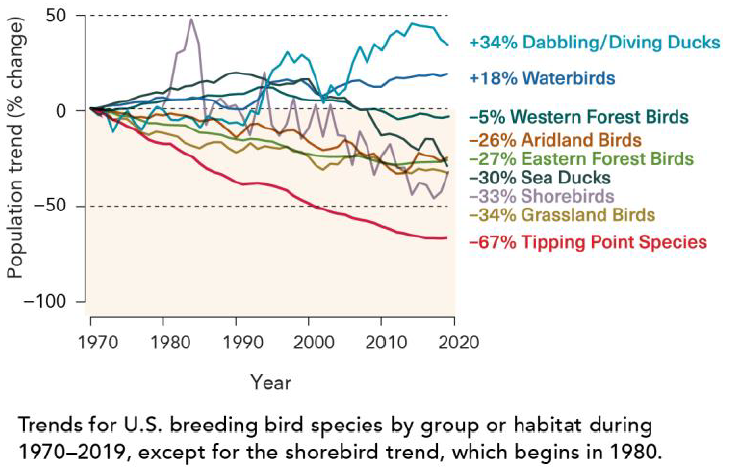
A newly released State of the Birds report for the United States reveals a tale of two trends, one hopeful, one dire. Long-term trends of waterfowl show strong increases where investments in wetland conservation have improved conditions for birds and people. But data show birds in the United States are declining overall in every other habitat—forests, grasslands, deserts, and oceans.
Published by 33 leading science and conservation organizations and agencies, the 2022 U.S. State of the Birds report is the first look at the nation’s birds since a landmark 2019 study showed the loss of 3 billion birds in the United States and Canada in 50 years.
|  | |
This year’s bird report unequivocally affirms the successful model DU launched 85years ago,” said Ducks Unlimited CEO Adam Putnam. “Waterfowl and other wetland bird species have succeeded where so many other bird populations are in dire straits thanks to the investment of our supporters and the science-based approach of our habitat conservation work.”
Findings included in the report:
-
More than half of U.S. bird species are declining.
- U.S. grassland birds are among the fastest declining with a 34% loss since 1970.
- Waterbirds and ducks in the U.S. have increased by 18% and 34% respectively during the same period.
- 70 newly identified Tipping Point species have each lost 50% or more of their populations in the past 50 years, and are on track to lose another half in the next 50 years if nothing changes. They include beloved gems such as Rufous Hummingbirds, songsters such as Golden-winged Warblers, and oceanic travelers such as Black-footed Albatrosses.
“The rapid declines in birds signal the intensifying stresses that wildlife and people alike are experiencing around the world because of habitat loss, environmental degradation and extreme climate events,” said Dr. Amanda Rodewald, director of the Cornell Lab of Ornithology’s Center for Avian Population Studies. “Taking action to bring birds back delivers a cascade of benefits that improve climate resilience and quality of life for people. When we restore forests, for example, we sequester carbon, reduce fire intensity, and create habitat for plants and animals. By greening cities, we provide heat relief, increase access to recreation, and create refuge for migrating birds.”
The report used five sources of data, including the North American Breeding Bird Survey and Christmas Bird Count, to track the health of breeding birds in habitats across the United States.
“From grassland birds to seabirds to Hawaiian birds, we continue to see that nearly all groups of birds and types of bird habitat have declined significantly,” said Martha Williams, director of the U.S. Fish and Wildlife Service. “The one group that is seeing an increase in population size are wetland dependent birds, including waterfowl.”
“While a majority of bird species are declining, many waterbird populations remain healthy, thanks to decades of collaborative investments from hunters, landowners, state and federal agencies, and corporations,” said Dr. Karen Waldrop, chief conservation officer for Ducks Unlimited. “This is good news not only for birds, but for the thousands of other species that rely on wetlands, and the communities that benefit from groundwater recharge, carbon sequestration and flood protection.”
The report suggests that applying that winning formula in more habitats will help birds and natural resources rebound.
“The North American Waterfowl Management Plan, Federal Duck Stamp Program, grants from the North American Wetlands Conservation Act, and regional Joint Ventures partnerships are all part of a framework that has a proven track record with restoring and protecting wetland-dependent species,” said Williams of the U.S. Fish and Wildlife Service. “Now we want to use that precedent to work with our partners to restore bird populations, conserve habitat, and build a foundation for how we respond to the loss of other bird groups.”
Data show that conservation must be stepped up to reverse the biggest declines among shorebirds, down by 33% since 1970, and grassland birds, down by 34%. Recognizing the need to work at bigger, faster scales, 200 organizations from across seven sectors in Mexico, Canada, the U.S., and Indigenous Nations are collaborating on a Central Grasslands Roadmap to conserve one of North America's largest and most vital ecosystems—hundreds of million acres of grasslands.
Given widespread declines, the report emphasizes the need for proactive conservation across habitats and species.
“What affects birds affects us, and birds are telling us they are in trouble,” said Marshall Johnson, chief conservation officer, National Audubon Society. “The State of the Birds Report underscores both the serious threats facing birds as well as opportunities to forge solutions that will benefit birds and the places they need. It also shows that what’s good for birds is good for people when it comes to addressing threats like climate change. Ensuring healthy landscapes across our forests, grasslands, wetlands, and more will help protect birds and people alike by storing carbon, providing essential habitat, and building more climate-resilient communities.”
The report advises that meeting the tremendous need will require a strategic combination of partnerships, incentives, science-based solutions, and the will to dramatically scale up conservation efforts.
“Everyone can make a difference to help turn declines around,” said Mike Parr, president of the American Bird Conservancy. “Everyone with a window can use simple solutions to prevent collisions. Everyone can help green their neighborhood and avoid using pesticides that harm birds. Everyone who lives in a neighborhood can bring the issues and solutions to their community and use their voice to take action.”!
| |
-- Carolinas Events Calendar -- | |
Each year, DU volunteers and staff hold more than 4,000 fundraising events across the country. By simply attending a local Ducks Unlimited event, you can have a great time while helping DU fill the sky with waterfowl for future generations! | |
+ 2023 DU National Scholarship Program + | |
 | |
In 2022, Ducks Unlimited (DU) awarded 61 scholarships to graduating high school seniors who are members of DU. The scholarship program is open to all senior student members; however, it is targeted to volunteers who have shown an exceptional level of commitment to wetlands conservation through participation in their DU Varsity (high school) club/chapter and/or local DU community chapter. In addition, students must maintain a 2.8 or higher cumulative high school GPA to apply.
Each year, DU will award 61 one-time scholarships to eligible applicants at the following levels:
- 50 Varsity Scholarships at $500 each
- 10 Conservation Scholarships at $1,000 each
- 1 National Scholarship of $10,000
Applicants will provide their high school transcript, DU member/volunteer history, a list of any service or academic awards received, and up to three letters of recommendation highlighting their DU involvement and commitment to conservation. In addition, each applicant will write an essay of up to 500 words describing how his or her outdoor experiences have contributed to their understanding of the importance of wetlands and wetlands conservation, and the ways in which he or she has acted and/or intends to act on this knowledge.
| |
A volunteer panel appointed for a two-year term by DU's Senior Vice President and Advisory to the President for the National Youth & Education Committee will review applications. Applications will be graded on a weighted scale emphasizing volunteer history, leadership and academic excellence.
Scholarship recipients will be notified in the spring of 2023, with awarded checks released to the student's two-year accredited school/community college, four-year college/university or trade/technical school. Recipients will be recognized in Ducks Unlimited magazine, and, prior to the fall semester, the national scholarship winner will be announced during the 2023 DU National Convention.
For more information on the Ducks Unlimited National Scholarship Program, please contact Mark Horobetz at 901-758-3892 or mhorobetz@ducks.org.
| |
 |
-
Alabama Gov. Kay Ivey joined a Birmingham evening of conservation to honor longtime DU volunteer, current chairman of the board and Alabama native, Doug Schoenrock (Read more)
-
George Dunklin, chairman of DU’s Public Policy Committee, was appointed to the U.S. Fish and Wildlife Service’s Hunting and Wildlife Conservation Council, an advisory committee to the federal government focused on policies that benefit wildlife & habitat conservation, safe recreational shooting sports, wildlife-associated recreation opportunities & our national & local economies (Learn more)
-
The Migratory Bird Conservation Commission approved $48 million in NAWCA and Duck Stamp dollars to restore more than 154,000 acres of wetlands and waterfowl habitat in the U.S. (Read more)
-
Mississippi Sens. Roger Wicker, Cindy Hyde-Smith and Rep. Trent Kelly joined DU to see firsthand how DU and the Mississippi Department of Wildlife, Fisheries and Parks work with landowners to restore wetlands through NAWCA and Farm Bill programs (More)
-
In the playas of western Kansas, Rep. Tracey Mann joined DU staff and volunteers to see Farm Bill conservation programs at work (More)
| | | | |