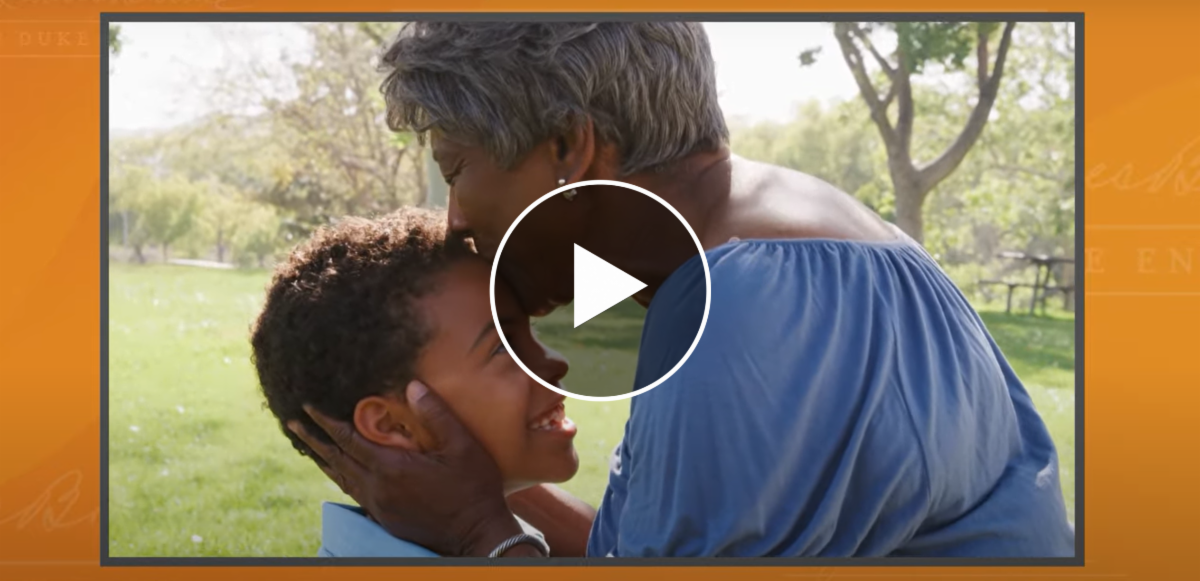
Greetings – The Duke Endowment's Child & Family Well-Being program area works to ensure that all children in the Carolinas grow up in families safe from maltreatment and are supported by nurturing parents and caring adults. Our goal is to see an improved child welfare system driven, in part, by evidence-based practices and policies.
As we near the end of 2023, we reflect on a year of significant progress that improved the outcomes of children and families in North and South Carolina—and recognize that more needs to be done. To carry the momentum into the new year, we're revisiting valuable resources that emphasize the power of youth voice, evidence-based programs, and implementation science.
*To ensure that this newsletter keeps reaching your inbox, please mark this email as "not spam."