A Message from the Director


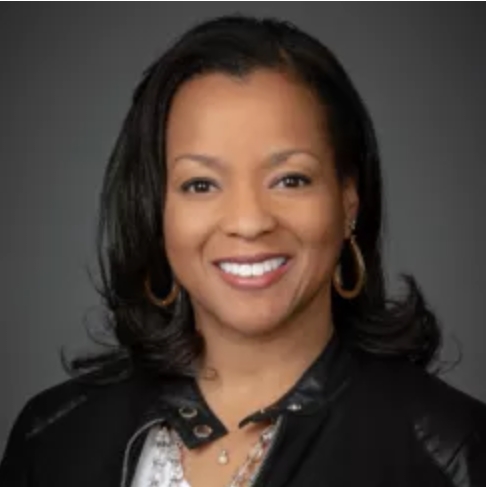
Tamika D. Williams, Child & Family Well-Being


Greetings – More than 14,000 children reside in the foster care system in the Carolinas, with more than 3,400 children awaiting adoption. The Duke Endowment supports services that help families stay together, but also recognizes that when children cannot reunite safely with those families, adoption is a vital permanency option.

In recognition of November’s celebration of National Adoption Awareness Month, The Duke Endowment is highlighting promising approaches that support permanency for children and families. AdoptUSKids and the Dave Thomas Foundation for Adoption (DTFA) are connecting children in foster care with families and amplifying placement options available within the Carolinas. For example, DTFA’s Wendy’s Wonderful Kids program utilizes a child-focused approach that has proven effective, and participating children were three times more likely to be adopted. Our children in care should not wait prolonged periods of time before permanence is achieved.


We encourage state and local policymakers, philanthropies and community organizations to work together to advocate for services children and families need to thrive. This includes financial resources to help meet basic needs and tangible services that keep families together, as well as adoption assistance and post-permanency initiatives, like system navigation supports and Success Coach. By increasing access to post-permanency models, we can improve children’s long-term well-being and stability.


Please read on to learn more about us and our work in the Carolinas.


The Duke Endowment’s Child & Family Well-Being program area partners with public agencies and private organizations to prevent, treat and mitigate the effects of child maltreatment to improve outcomes for children and families at imminent risk of involvement or currently in the child welfare system.


For more information, contact Director Tamika D. Williams, Senior Program Officer Christina DiSalvo and Senior Coordinator Kate Gaskin.


To ensure that this newsletter keeps reaching your inbox, please mark this email as "not spam."


View this newsletter in browser


Families Need Support to Remain Connected


Families reported to child protective services often lack access to necessities such as housing, food security or reliable childcare. Research shows millions of reports are made to child protection hotlines annually, but 80 percent involve families with non-safety-related needs who are screened out but could benefit from supportive services.


The South Carolina Department of Social Services (SCDSS) has joined three additional jurisdictions, in partnership with the Doris Duke Foundation, to test a front-end approach, the Opportunities for Prevention and Transformation Initiative (OPT-In), and respond to identified needs before a crisis emerges.


Since September 2025, OPT-In has engaged more than 300 families that have been screened out and referred by SCDSS to participating family resource centers, seeking to improve families’ experiences and better meet their needs. The program launched in three counties and has expanded to serve Aiken, Orangeburg, Richland, Allendale, Bamberg, Barnwell and Hampton counties. An evaluation will document findings. Along with the Endowment, the Aviv Foundation, The Leon Levine Foundation and the HopeStar Foundation help fund this demonstration project.

Why This Work Is Important:

OPT-In seeks to demonstrate that helping screened-out families access basic necessities and coordinated services early can prevent abuse and neglect before problems worsen. Key components of South Carolina’s approach include:


  • Using family resource centers as trusted community partners to connect families and caregivers to needed support.
  • Engaging in regular cross-sector collaboration to identify gaps in existing services and programs and ensure families have access to needed services.
  • Utilizing data and including participant and community feedback to assess engagement and improve families’ experiences.
  • Providing flexible financial help to address immediate basic needs such as housing, utilities and transportation.

Legal Resources Help Keep Families Together


Families of all backgrounds—whether birth, kinship, foster or adoptive—require support to ensure children can grow up in safe, stable homes. Households with limited incomes utilize public and community benefits, but many struggle to access them while others are unaware of the services for which they are eligible.


Pisgah Legal Services offers pro bono legal services to eligible families in North Carolina to help navigate challenges and access available benefits, including housing, Medicaid, protective orders and other support. This work helps families remain united and reduces adverse childhood experiences for children in low-income households.


The organization addresses families’ needs, improving stability and well-being before petitions are submitted for a child to be removed from the home. More than 180 family members were supported by Pisgah Legal Services from June 2024 to January 2026 through referrals by county departments of social services. Of the cases served and closed by Pisgah in their first year of services, 70 percent avoided petitions.

Why This Work Is Important:

Legal advocacy programs can:


  • Support referral pathways to legal supports for families with complex needs.
  • Address potential root causes of child welfare involvement, including unsafe housing or domestic violence.
  • Improve child well-being by preventing the trauma of family separation.

In the News


Policy Watch