Greetings – September is National Kinship Care Awareness Month, a timely reminder that children do best when they remain safely connected to family and community. Across the Carolinas, we see grandparents, relatives and trusted family friends stepping in as kinship caregivers to reduce the likelihood of entry into foster care while family situations stabilize.


To champion and support these caretakers, kinship care must become easier to access, navigate and sustain. That means addressing administrative challenges, investing in navigation programs and behavioral and mental health support for children and families, improving data transparency and ensuring kin caregivers receive the concrete and economic help they need to keep children safe, stable and connected.


The Duke Endowment’s Child & Family Well-Being program area partners with public agencies and private organizations to prevent, treat and mitigate the effects of child maltreatment to improve outcomes for children and families at imminent risk of involvement or currently in the child welfare system.


*To ensure that this newsletter keeps reaching your inbox, please mark this email as "not spam."


Tamika Williams, Director  

Christina DiSalvo, Senior Program Officer  

Kate Gaskin, Senior Coordinator


View this newsletter in browser

Kinship Care Keeps Children Connected, but Caregivers Need Support


Staying connected to family can be a powerful source of stability for children. Early research shows that when children can live safely with relatives or “fictive” kin, they are more likely to experience permanency faster, build stronger relationships and have better long-term mental and behavioral health outcomes. September’s National Kinship Care Awareness Month is a chance to recognize kinship caregivers and ask what can be done to support them sooner and better.


“When systems get involved, it’s a significant disruption of place and belonging. Kinship care can reduce many of those negative outcomes.” – Jed Dews, Executive Director, HALOS


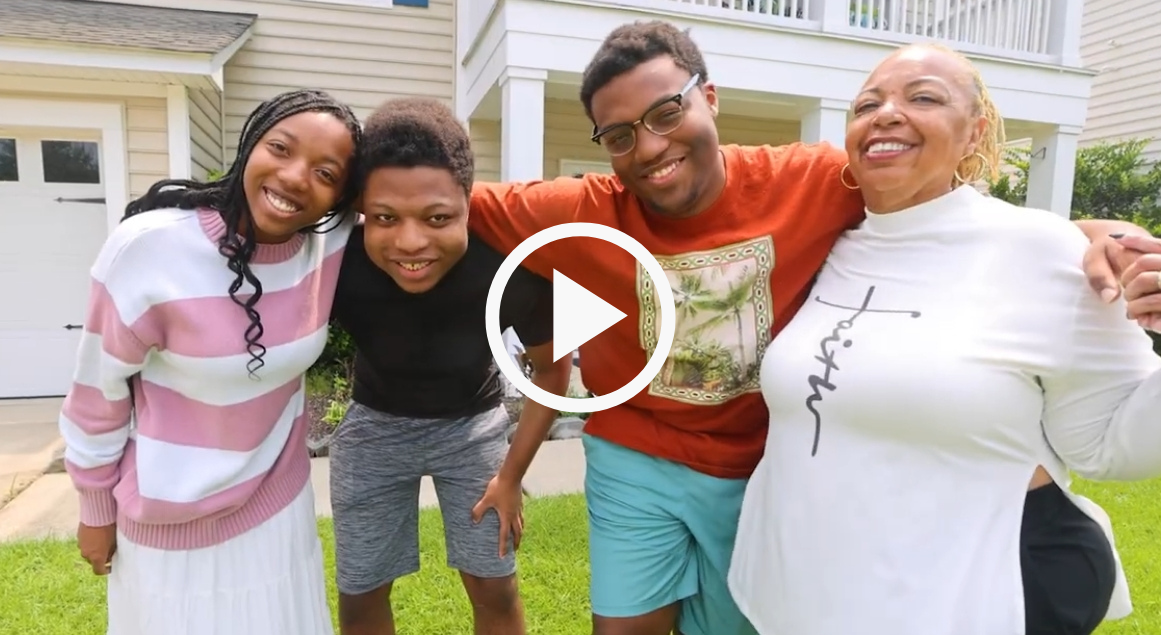
The Duke Endowment supports strengthening kin efforts in North Carolina and South Carolina to improve child well-being outcomes. Nearly one-third of the 14,000 children in foster care in the Carolinas are placed in kinship homes. This percentage has grown over the last five years, underscoring that states are emphasizing identifying and supporting these caregivers. North Carolina has enacted policies that financially support unlicensed kinship caregivers to help them meet the basic needs of children, and South Carolina began offering statewide kinship navigation services in 2025. Watch this video below, produced by The Duke Endowment, on South Carolina’s kinship navigation.

“South Carolina has made a lot of progress, but more can be done. Reducing the bureaucratic barriers that kin caregivers face can safely reduce foster care entry and economic costs for the child welfare system.” – Mike Leach, Chief External Engagement Officer, Think of Us

What Can You Do: Help advance kin-supportive solutions

Help kin caregivers by reducing barriers and strengthening supports. 


  • Use the Kin-First Roadmap to assess current policy and practice against the seven pillars of kin-supportive practice.
  • Sustain and expand Kinship Navigator Programs so caregivers can quickly access benefits, services and legal information.
  • Require and facilitate clearer data transparency on how kinship families are leveraged to keep kids out of foster care.
  • Uplift kin care champions and continue listening to people who have been impacted by kinship care.

Mental Health Support Should Come Before and After Crisis


When a child experiences a mental health crisis, families often turn to emergency services. In the most difficult situations, some parents may feel forced to relinquish custody of their child. North Carolina has also experienced an increase in the number of children who have extended stays in emergency departments due to the lack of placement options. Families need consistent, community-based support, not just short-term fixes.


The MORES pilot programMobile Outreach, Response, Engagement and Stabilization—is a team-based mobile crisis response to support children and young people ages 3-21 with escalating emotional or mental health needs. Instead of stopping at immediate stabilization, MORES provides up to eight weeks of follow-up support to keep children safe at home and connected to care in their communities.


Many families don’t trust mental health professionals or systems in general. That’s why MORES brings together clinicians, qualified mental health professionals and family support partners, which allows for a diverse approach and helps build trust.” – Gayle Rose, Program Manager, N.C. Enhanced Mobile Crisis Program Center for Youth, Family & Community Partnerships, UNC Greensboro


The program launched in eight North Carolina counties in 2023 and expanded to 20 counties last fiscal year, with all sites supported by The Duke Endowment. By staying true to its ethos of meeting families where they are physically, mentally and emotionally, MORES has enrolled more than 900 youth. Survey data demonstrates 90 percent of responding caregivers received the help they needed and 89 percent of MORES adolescents reported they were better able to handle daily life compared to 78 percent of youth who didn’t participate in MORES.


“MORES is family- and youth-centered, aiming to keep children safe in their community instead of sending them away to receive care elsewhere.” – Jessica Kornegay, Crisis Services Team Project Manager, N.C. Division of Mental Health, Developmental Disabilities and Substance Use Services

What Can You Do: Build a stronger child behavioral health continuum

Children and families need crisis response that is accessible, responsive, family-centered and connected to follow-up community-based care.


In the News