October 2025

Welcome to Caspian Voices, Crude Accountability's monthly newsletter for scholars, policy-makers, and civil society members.


In this edition, we publish a new paper on the failure of climate and human rights at COP29 written by our Azerbaijani colleagues, as part of our series on expert recommendations for the OSCE to strengthen climate security. We also bring news from the Hill about the impact of Central Asia of Russia's war on Ukraine. Additionally, we share media updates from our partners in Central Asia on climate and the OSCE Warsaw Human Dimension Conference this week.

Join us in uncovering narratives, promoting transparency, and advocating for environmental justice in the Caspian and Black Sea regions, and beyond.

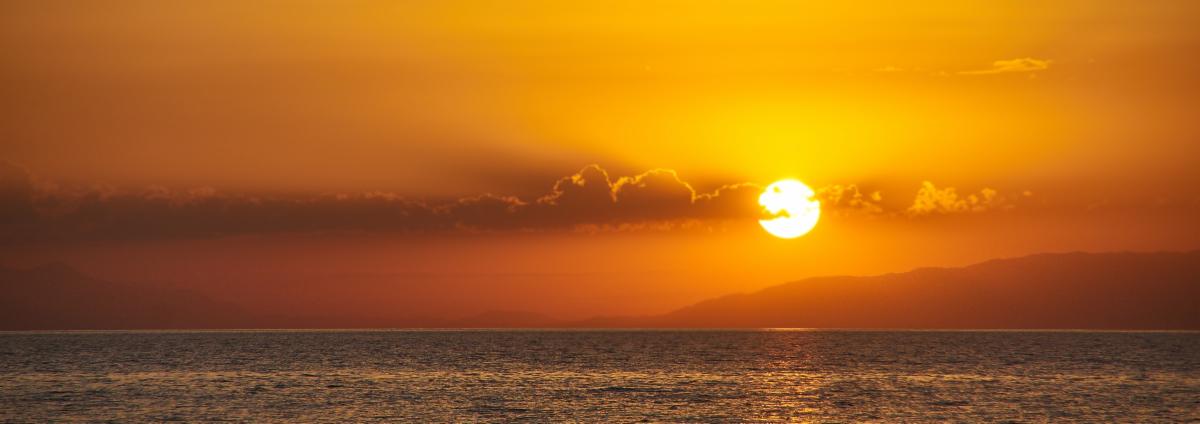
Issyk-Kul, Kyrgyzstan. AdobeStock

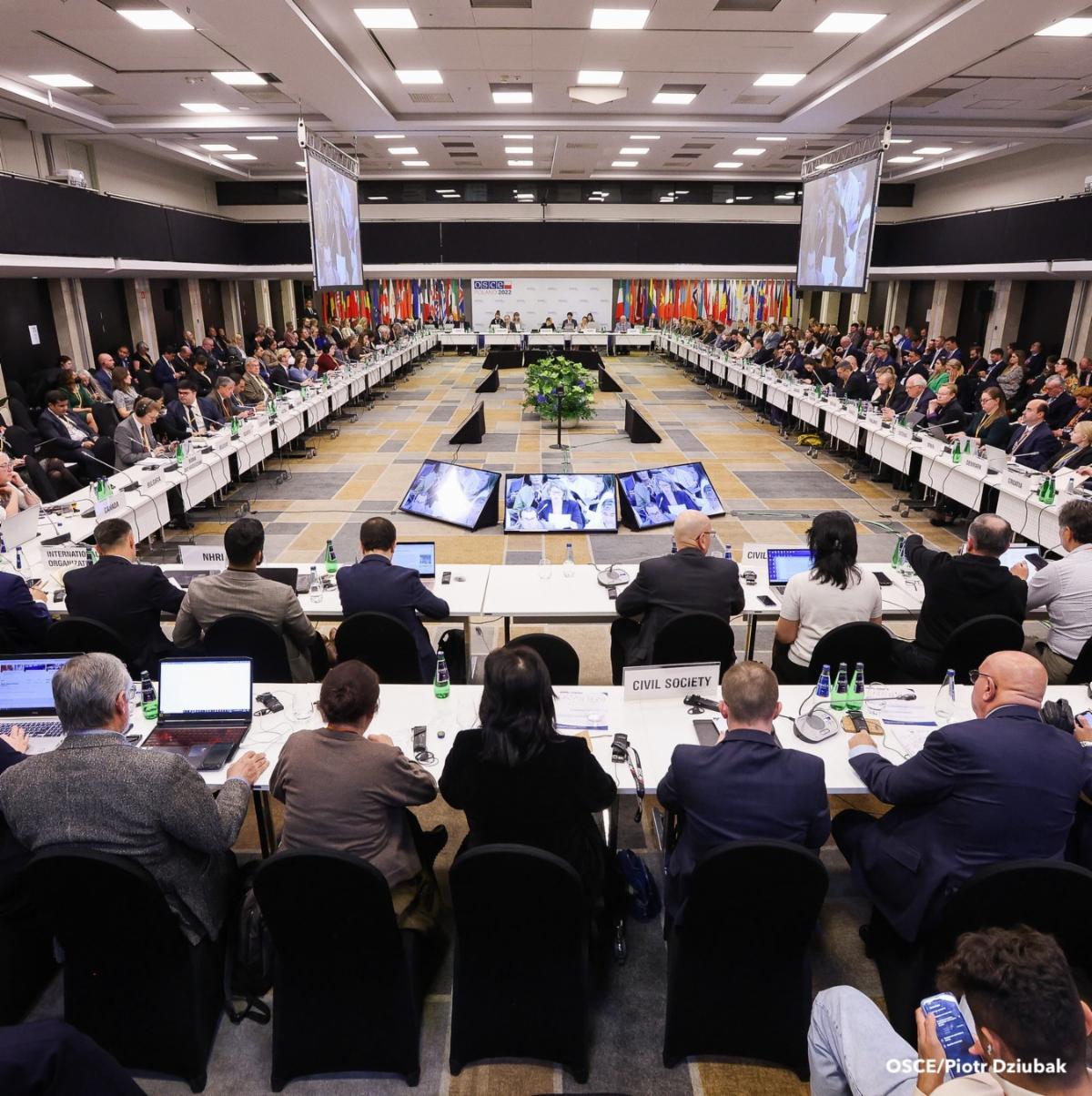
Warsaw Human Dimension Conference

If you plan to attend the Warsaw Human Dimension Conference 2025Crude Accountability would like to cordially invite you to our side event on human rights violations in the United States.


Tuesday, 7 October | 18:30 CET | Opera Room


More information can be found on the WHDC's schedule of side events: https://www.osce.org/files/f/documents/c/b/598333_2.pdf

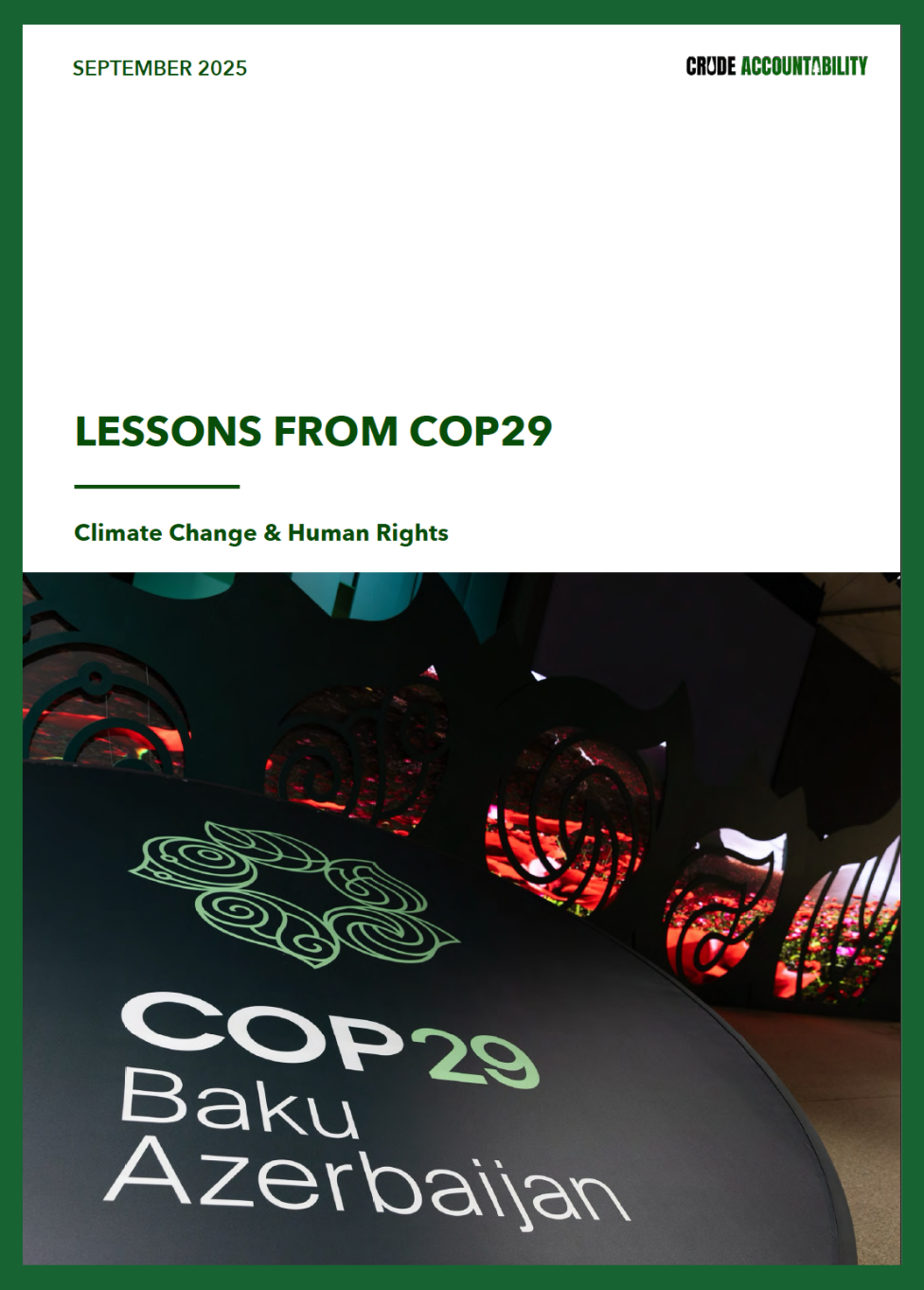
New Report: Lessons from COP29

Was COP29 just a green show for the Aliyev regime?


🔍 Members of Institute for Reporters' Freedom and Safety, Center for National and International Studies Institute for Human Rights, and Human Rights Club re-examine the toxic environment of COP29 for climate talks and human rights.


This latest report, “Lessons from COP29: Climate Change and Human Rights,” joins our ongoing series of expert recommendations for the OSCE to strengthen climate security within the Climate Justice Working Group of the Civic Solidarity Platform. 🌿

The Impact on Central Asia of Russia's War on Ukraine

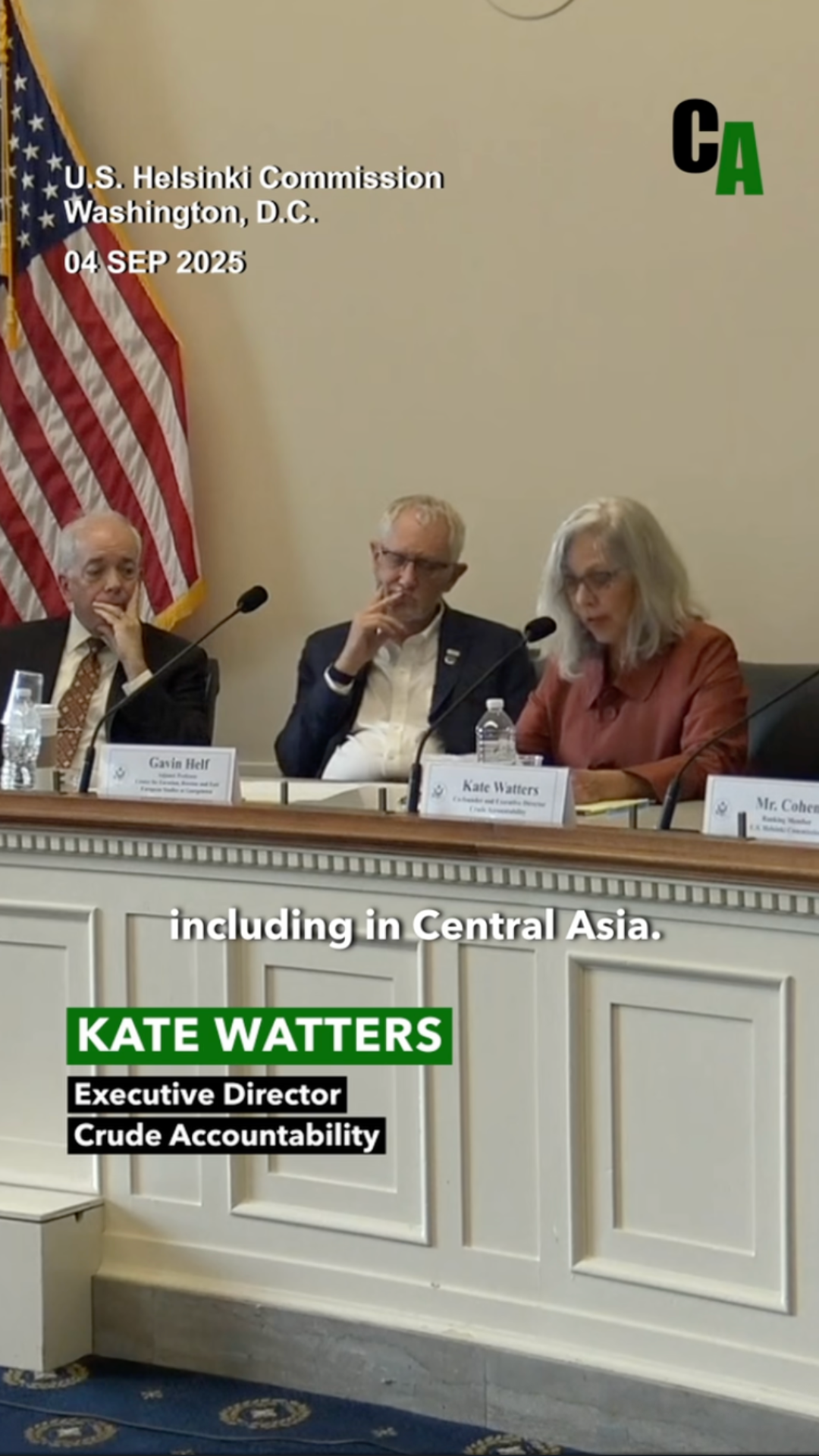
“The best defense against Russian aggression in Ukraine, and elsewhere, is a strong and vibrant civil society throughout the region, including, and perhaps especially, in Central Asia.”


On 4 September, our Executive Director Kate Watters delivered remarks at the U.S. Commission on Security and Cooperation in Europe’s briefing on the impact on Central Asia of Russia’s war on Ukraine.


Watters focussed on Russia’s sanction-evading efforts and its effect on the 🛢️ energy sector and the 🌿 environment in Central Asia. Additionally, she emphasized the importance of securing and supporting a free civil society in Central Asia, amidst the crackdown on civic groups, activists, and independent journalists throughout the region.


🔗 Watch Watters’ full remarks.

Community Empowerment in Tajikistan

“Sometimes we even observe dust storms in the mountainous area, which they were never really reaching [before].”


🌏 In the latest episode of The Eurasian Climate Brief, Angelina Davydova spoke with climate activist Anisa Abibulloeva of Little Earth (Маленькая Земля) on the impact of the climate crisis on rural communities in Tajikistan.


Abibulloeva highlights the increasing number of 🔥 heat waves and dust storms, as well as its effect on the 🌾 agriculture industry, particularly soil degradation and limited water availability.


Yet, our colleagues at Маленькая Земля are empowering women in rural communities to adopt sustainable energy solutions to improve their livelihoods and lift them from poverty.


🎧 Hear the full story.

New Documentary: Save the Caspian Sea

🌊 Could the Caspian Sea become a desert as early as 2054?


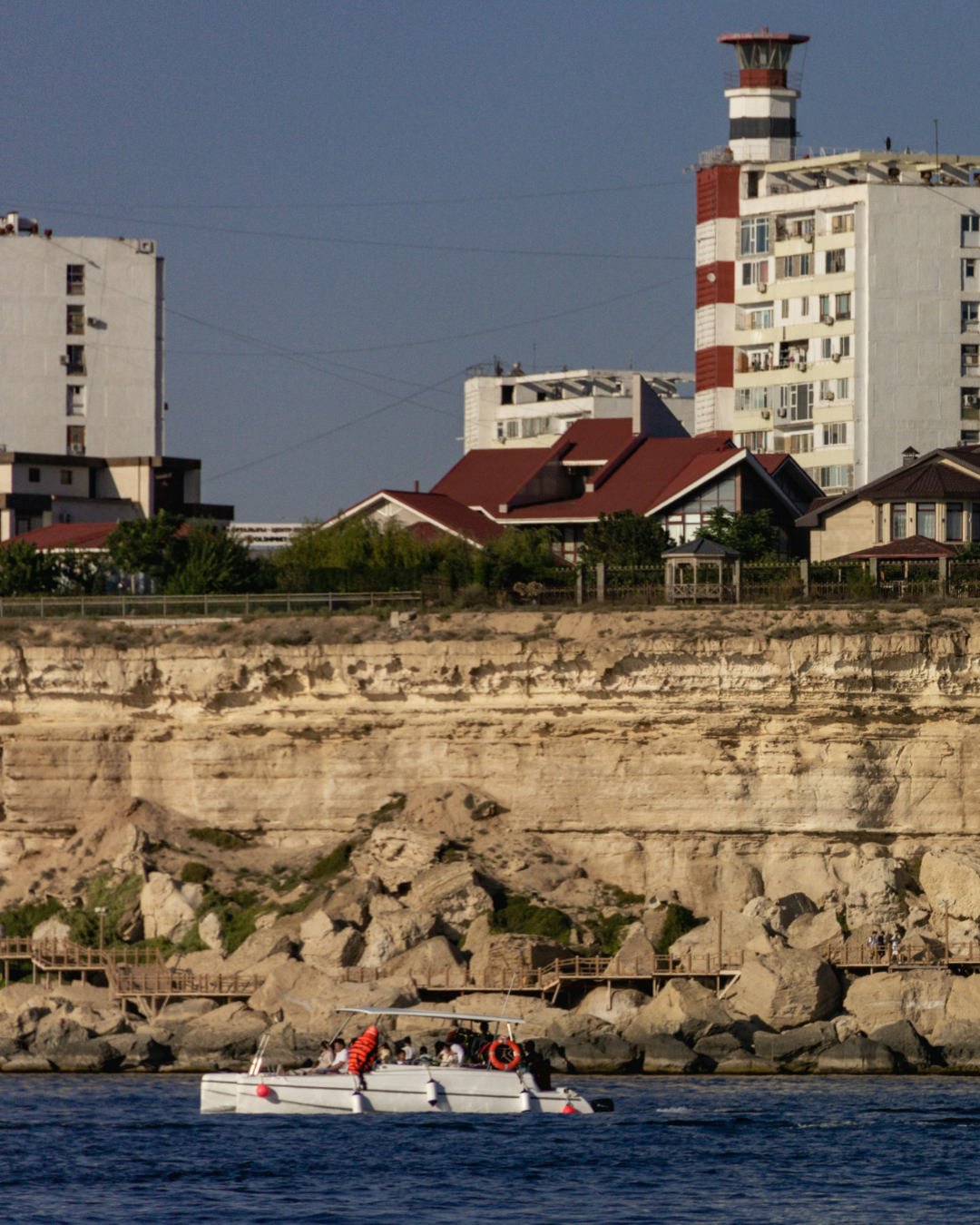
In a recent documentary on the fate of the Caspian-shoreline city, Aktau, produced by AIRAN, journalist Danara Ismetova interviews Vadim Ni and Galina Chernova, founder and co-founder of Save the Caspian Sea, respectively.


📉 They discuss the Caspian’s declining water levels and the increasing oil, wastewater, and plastic pollution in the basin. These threats to the Caspian’s ecosystem will devastate seaside communities that rely on its natural resources.


🔗 Watch the full story.

Russia's Growing Shadow Fleet

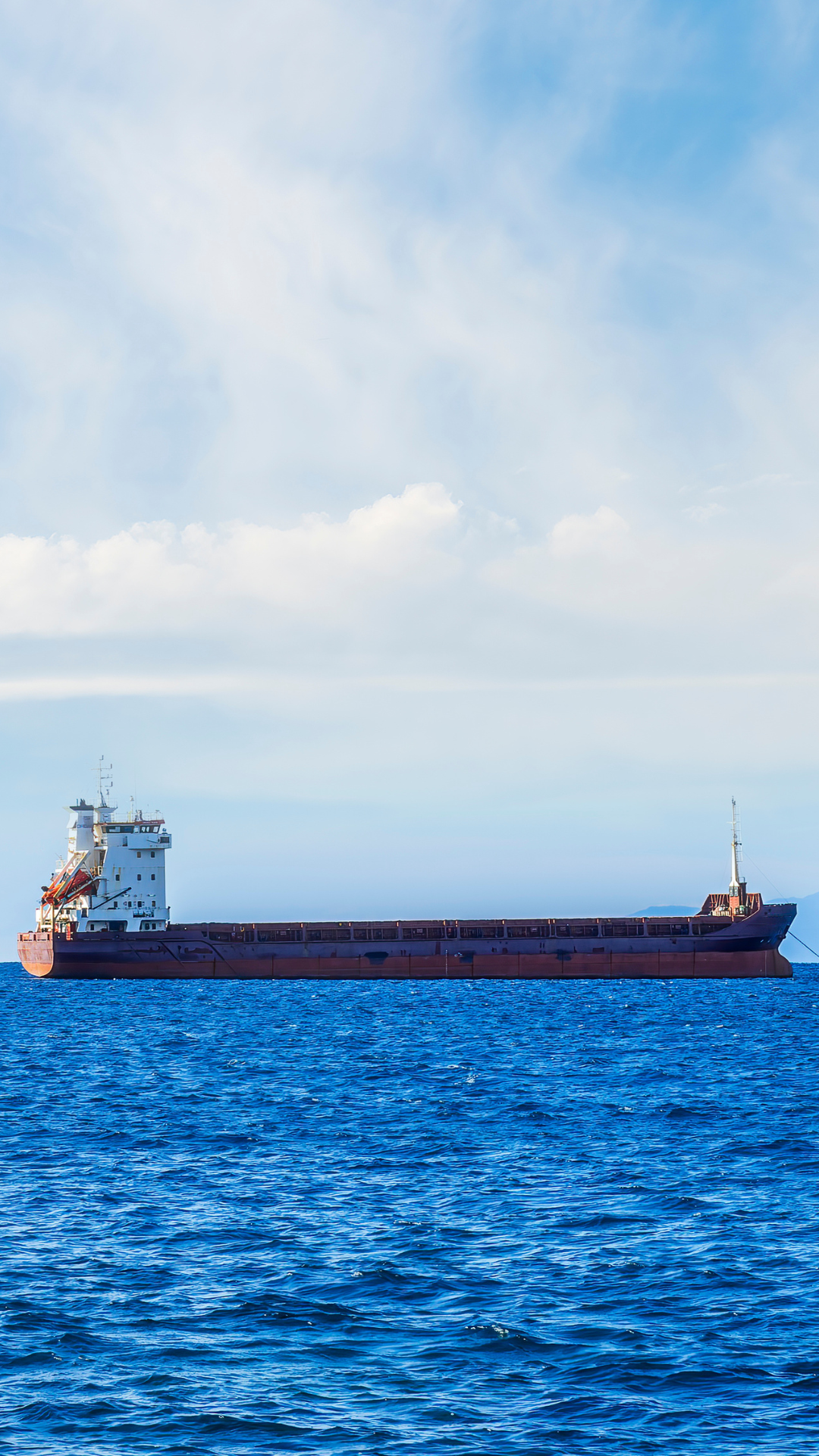
🚨 Russia’s Shadow Fleet is growing—raising fears of an inevitable environmental catastrophe.


In the latest article by Melike Pala of Anadolu Ajansı, maritime analysts warn of an imminent oil spill in the Baltic Sea. But the shadow fleet’s operations also extend to the Laconian Gulf and Black Sea, which saw two tankers spill 5,000 tons of fuel oil in the Strait of Kerch on December 14, 2024.


🔍 Earlier this year, we’ve identified the movement of 8 tankers transporting Russian oil and conducting ship-to-ship transfers—the hazardous process of transferring oil from one ship to another while in open waters.


🔗 Read the AA article and learn more with our "Russia’s Shadow Fleet" report.

Images in this newsletter are licensed for editorial use via Adobe Stock or belong to Crude Accountability.

Connect with us
Linkedin  Facebook  Instagram  Youtube
Crude Accountability website: https://crudeaccountability.org/