|
Investing in Local Food
CSA keeps farms thriving. Farming is a challenging and risky endeavor, and your upfront investment helps farmers purchase early-season supplies, pay their farm teams a fair wage and farm with the knowledge and pride that the food they produce is nourishing their neighbors. You know exactly where your food comes from, and you know that you’re directly supporting the farm.
By joining a CSA, you’ll get to know your farmers and you'll find kindred spirits in your fellow CSA members. Many farms provide newsletters and recipes, volunteer opportunities, or other on-farm events as additional ways of deepening camaraderie amongst their CSA members. Whether you pick up your share in a library parking lot or at the edge of the CSA field, you’ll be in community with others who value good food from well-tended land.
Environmental Impact
Not only do CSAs make sense for farmers, but CSAs makes sense for the environment, too. When you pick up your share, you’re getting little waste or packaging, low food mileage and beneficial agricultural practices. CSA member Alivia W. said of joining Red Shirt Farm in Lanesborough, MA, “One of our best purchases was joining Red Shirt Farm CSA. The vegetables are fresh and beautiful! We always look forward to our pickup day, when we can also browse through the pick-your-own herbs and flowers.”
Healthy Eats
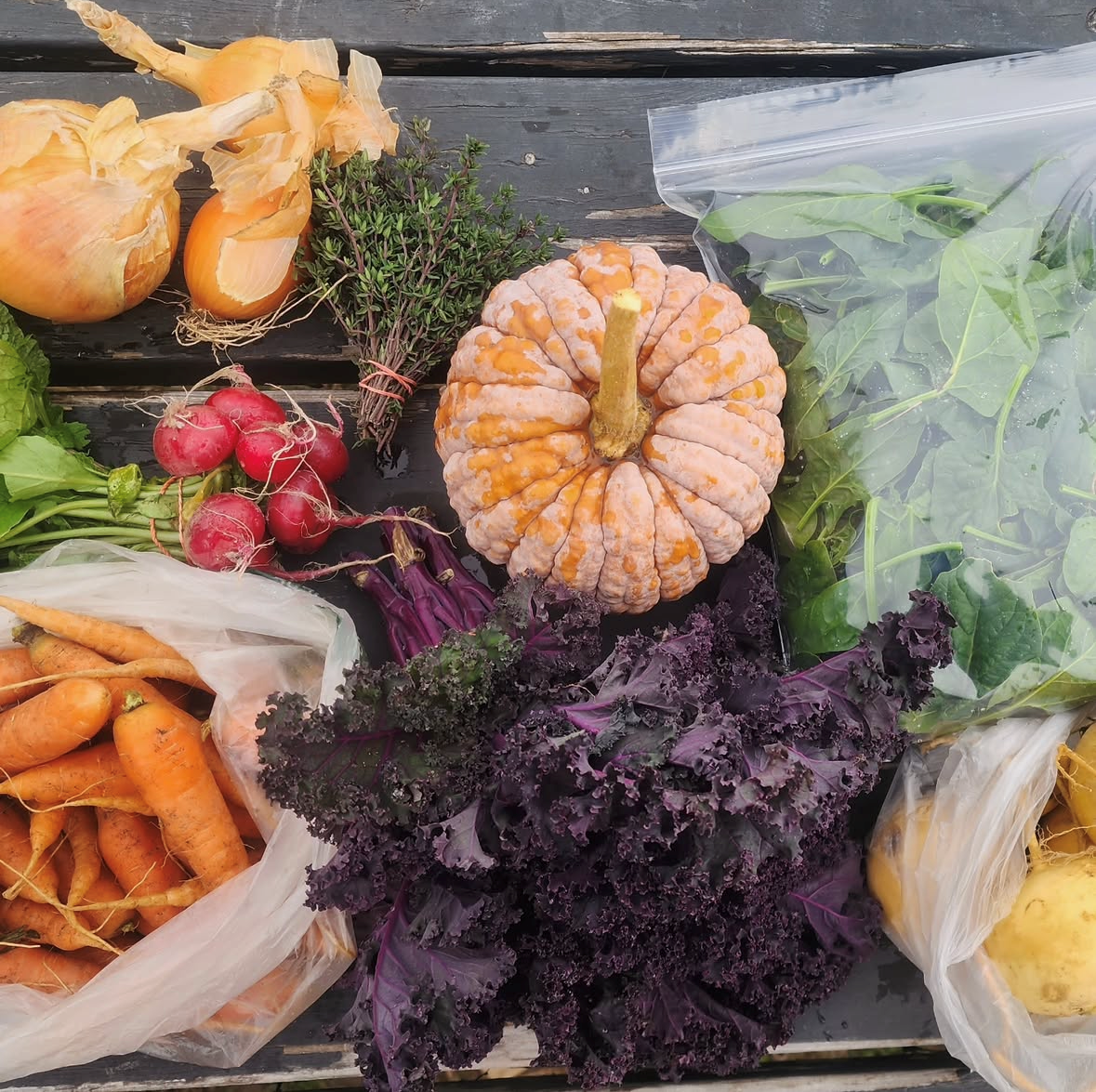
When you join a CSA, you’re going to get cooking! Creating menus that incorporate all your CSA ingredients is a fun and delicious challenge, and your farmers and fellow members will be happy to share their favorite recipes and tips.
Most CSA shares run through the summer months, when harvest is at its peak. You may also find winter shares, where late-planted hardy crops like hard squash and hardy greens are favored. Spring shares will contain some storage veggies, some that are over-wintered in the ground and a selection of cool-weather, early-year greens such as peas or baby kale.
Your Food Dollars Count for More
CSAs offer their members a great value. The cost of a CSA is cheaper than the equivalent products at farmers markets and is often competitive with grocery store prices. Additionally, lots of farms offer sliding scale prices, payment plans, subsidies or working shares to make their CSAs as economically accessible as possible. Many CSA farms take SNAP, and in Massachusetts, some can apply HIP funding toward a CSA purchase.
Berkshire Roots
CSA’s have deep roots in the Berkshires. Robyn Van En farmed at Indian Line Farm from 1983 until her untimely death in 1997. “Community Supported Agriculture is a term coined in my dining room in 1986,” says its current owner, Elizabeth Keen.
Keen explains, “Community Supported Agriculture is a relationship between farmers and consumers. It is sharing the risk and sharing the bounty that can exist on a farm.” This relationship is cemented by a commitment: consumers become members by pre-purchasing a share of the farm’s produce. Farmers, in return, commit to growing food for that season “to the absolute best of their ability.”
Massachusetts Department of Agriculture celebrates the eastern part of the state's contribution to the CSA model as well. Rick LeBlanc states, "Massachusetts’ CSA story also includes Tony Andrews Farm, established in 1935 in Falmouth. After facing racial discrimination and labor barriers, Tony Andrews transitioned to a successful pick-your-own model that strengthened direct-to-consumer relationships and community food access. This approach reflects longstanding traditions of mutual aid and cooperative resilience within Black farming communities. Tony Andrews Farm remains a cornerstone of community food access today."
Learn about this history of CSA as a sustainable model for farmers here.
Find Your CSA
Did you know that Berkshire Grown has a searchable map of regional Foods and Farms on our website? You can access the map here. Select the box “CSA” from the menu to show all the local farms offering shares to their members.
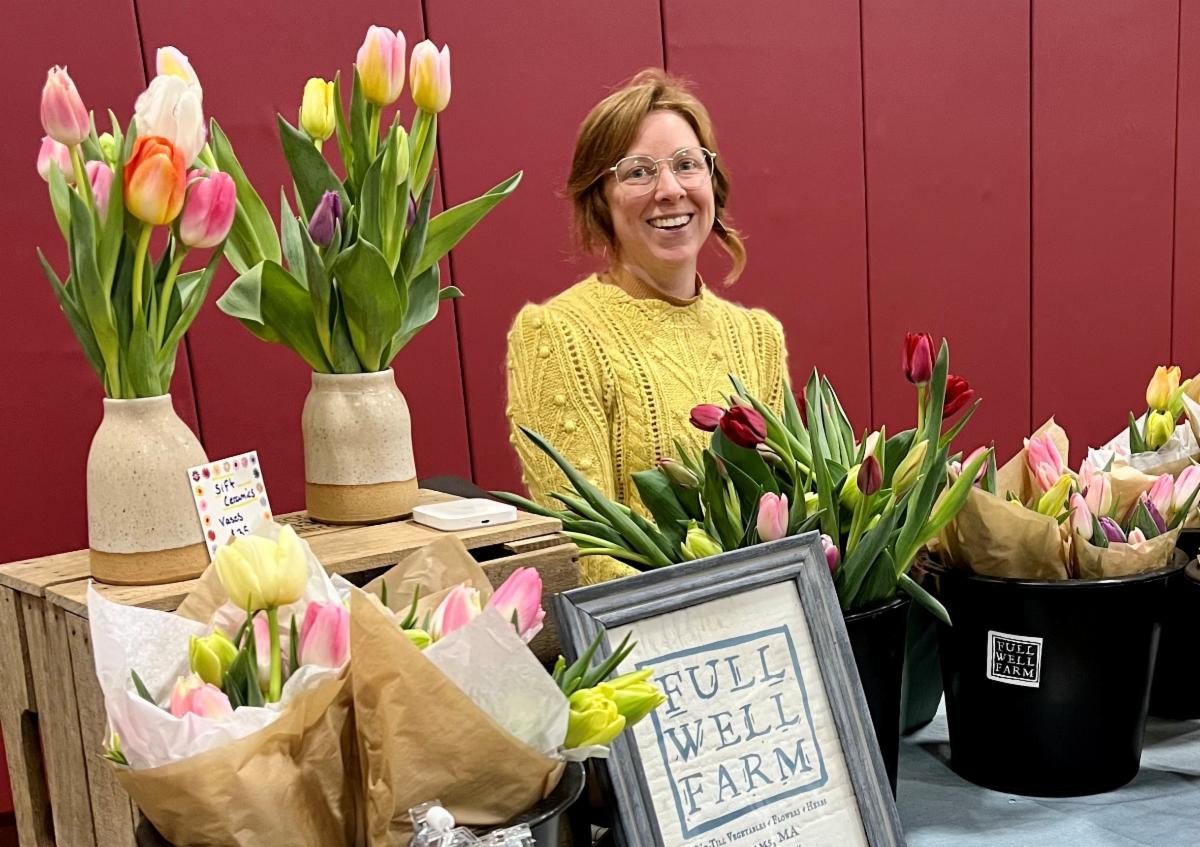
CSAs offer more than vegetables! Some livestock and dairy farmers also offer their products through CSA or flexible choice ordering. Flower farmers also offer CSA's. Every CSA is unique - check with your farmer to find the best fit.
|